


Updated:
Readtime: 4 min
Every product is carefully selected by our editors and experts. If you buy from a link, we may earn a commission. Learn more. For more information on how we test products, click here.
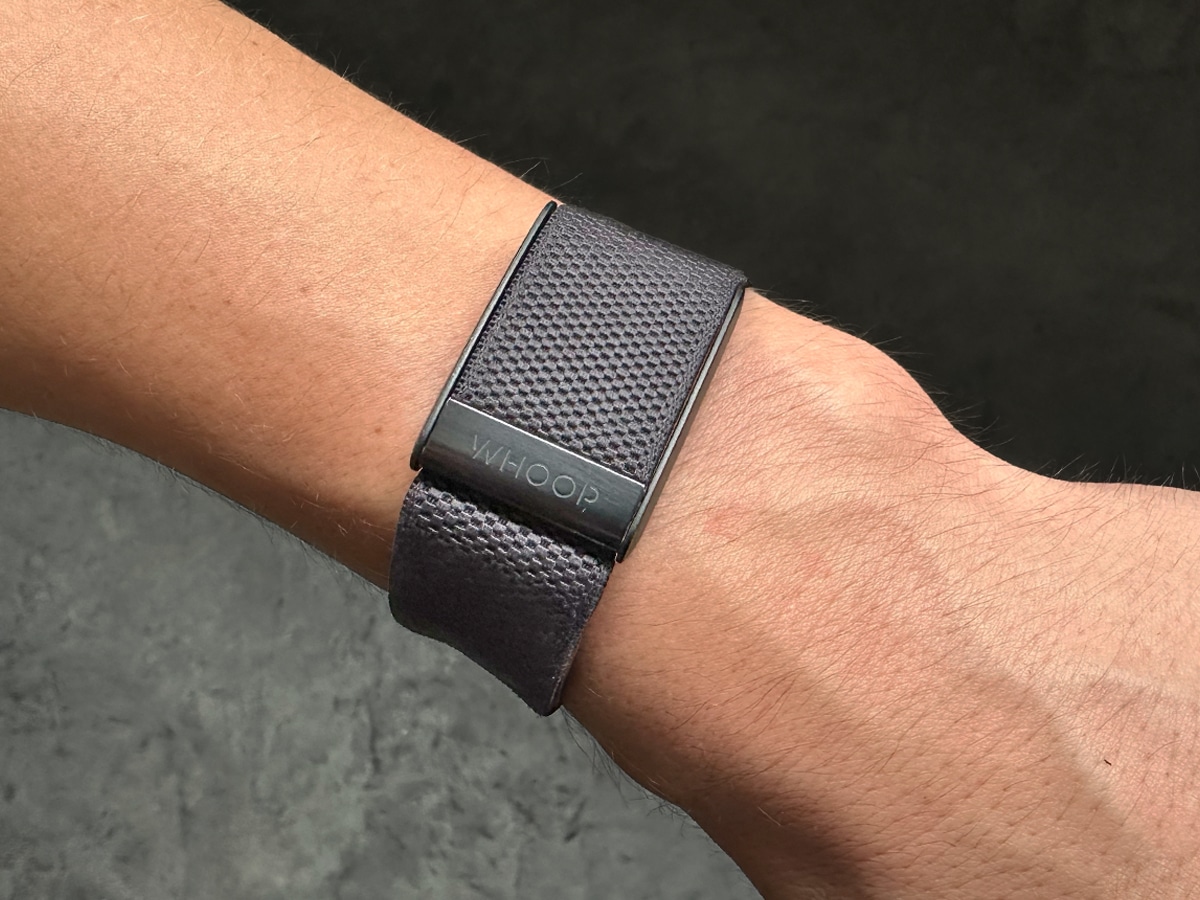
When Carlos Alcaraz was asked by an umpire to remove his WHOOP band during a match at the Australian Open, it didn’t take long for the situation to spiral. Players questioned the logic. Commentators criticised the call. WHOOP’s CEO went public. And suddenly, a small, screenless fitness tracker became one of the tournament’s most talked-about tennis controversies.
At face value, the confusion is understandable. WHOOP devices are approved for in-match use by the Association of Tennis Professionals and have been permitted across ATP events since 2024. The Women’s Tennis Association has allowed them even longer. Players like Alcaraz, Jannik Sinner and Aryna Sabalenka wear them routinely.
So why were they suddenly told to take them off?
The short answer: Grand Slams play by different rules
While the ATP and WTA govern their respective tours, Grand Slams fall under the International Tennis Federation. And according to Tennis Australia, wearables like WHOOP are not currently permitted during Grand Slam matches.
That doesn’t mean the devices are unsafe or illegal. It means tournament officials are erring on the side of caution, particularly around on-court communication and competitive integrity.
WHOOP bands themselves don’t display messages and can’t receive instructions mid-match. But officials are wary of precedent. Other wearables can look similar while being connected to smartphones or external devices, opening the door to covert coaching or signalling. From an officiating perspective, that’s a slippery slope they’d rather avoid.
As one commentator put it on broadcast, once you allow one band, you have to explain why you’re banning another.
What is WHOOP and why are players pushing back?
From the players’ side, the frustration is less about live data and more about post-match insight. WHOOP tracks heart rate, strain, recovery, sleep, temperature trends and blood oxygen levels. None of that information is used during points. It’s analysed later to inform training, recovery and injury prevention.
That’s why the pushback has been loud.
WHOOP founder Will Ahmed called the situation a “scandal”, arguing that athletes have a right to their own health data. The company has since shipped specialised underwear (AKA The Whoop Body Collection) to players, allowing the sensor to be worn off-wrist and concealed, underscoring just how determined both sides are not to miss data.
Players have echoed that sentiment. Sabalenka said she had received written approval to wear the device and couldn’t understand why Grand Slams hadn’t reached the same conclusion as the tours. Sinner, while compliant, admitted he would prefer to keep tracking his internal load rather than rely on bulkier alternatives like chest vests.
Former pro John Millman was blunter, calling the situation “ridiculous” and suggesting tennis authorities were behind the curve on athlete technology.

The wearables subplot
Tennis Australia already uses its own tracking system, Bolt6, to monitor external load data like distance covered, acceleration, and shot speed. Players can access that data. And Tennis Australia’s venture arm reportedly has ties to the technology.
That doesn’t mean there’s a conflict. But it does make the hard line on personal wearables harder to explain without clearer communication.
So, where does this leave things?
For now, the rule is simple. If you’re playing a Grand Slam, you can be asked to remove personal wearables, even if they’re approved elsewhere. Tennis Australia says discussions are ongoing, but until something changes, umpires are enforcing the rules as written.
In a statement to Man of Many, TA said, “some wearables provide athletes with an indication of internal load (measures like heart rate), which can give them a 360-degree view of the work they’re doing and how their bodies’ respond.
In terms of other data provided to athletes and their teams at the AO, players can monitor key external load measures such as distance covered, changes of direction, high acceleration events and speed/spin of shots via Bolt 6.”
Which is why Alcaraz, Sinner and others complied without protest, even as the broader debate continues off court.
This isn’t really about WHOOP. It’s about tennis catching up with modern athlete management, and figuring out how to separate data ownership, fair play, and optics in a sport that’s traditionally cautious about change.
Right now, the tech is ahead of the rulebook. And that gap is only getting louder.
Man of Many has contacted Tennis Australia for comment on the ruling around player-worn wearables at the Australian Open. We’ll update this story when we hear back.




















Comments
We love hearing from you. or to leave a comment.