


Updated:
Readtime: 3 min
Every product is carefully selected by our editors and experts. If you buy from a link, we may earn a commission. Learn more. For more information on how we test products, click here.
Tennis doesn’t have a popularity problem. It has a structural problem.
Plenty of people watch it. Millions play it. But outside four big bursts each year, it’s surprisingly easy to lose track of. The season rolls on, tournaments blur together, and unless it’s a Grand Slam, most results don’t stick for very long.
That’s the frustration now driving a push, led by the Professional Tennis Players Association (PTPA), to rethink how professional tennis actually works.
The PTPA was formed in 2020 as an independent body to represent players. Not to run tournaments, but to speak for players on pay, scheduling, welfare, and governance. The key difference is that it sits outside the ATP and WTA, which both promote events while also claiming to represent players. The PTPA’s view is that those roles don’t mix particularly well.
Their argument is pretty straightforward. Tennis is one of the most popular sports in the world, yet it punches well below its weight commercially. The reason, they say, is simple. Fans only really tune in for a small number of events. There’s no clear season arc, no obvious build, and no sense of progression, the way you get in leagues with a defined finish line.
What they’re proposing under the banner of “Future Tennis” is a cleaner setup. Fewer top-tier events. A clearer hierarchy between levels. Centralised media rights. And guaranteed minimum earnings, so players outside the elite aren’t constantly burning money just to stay on tour. The idea isn’t more tennis. It’s tennis that’s easier to follow.

Things escalated earlier this year when the PTPA launched legal action against tennis’s governing bodies, accusing them of anti-competitive behaviour and suppressing prize money. That’s where the internal tension became public.
Novak Djokovic, who co-founded the PTPA, soon stepped away. He said he was proud of the original vision, but added:
“It has become clear that my values and approach are no longer aligned with the current direction of the organisation.”
He also raised concerns about transparency, governance, and how his voice and image were being used, later confirming he didn’t agree with all elements of the lawsuit. His exit didn’t kill the movement. It just showed it had moved into heavier territory.

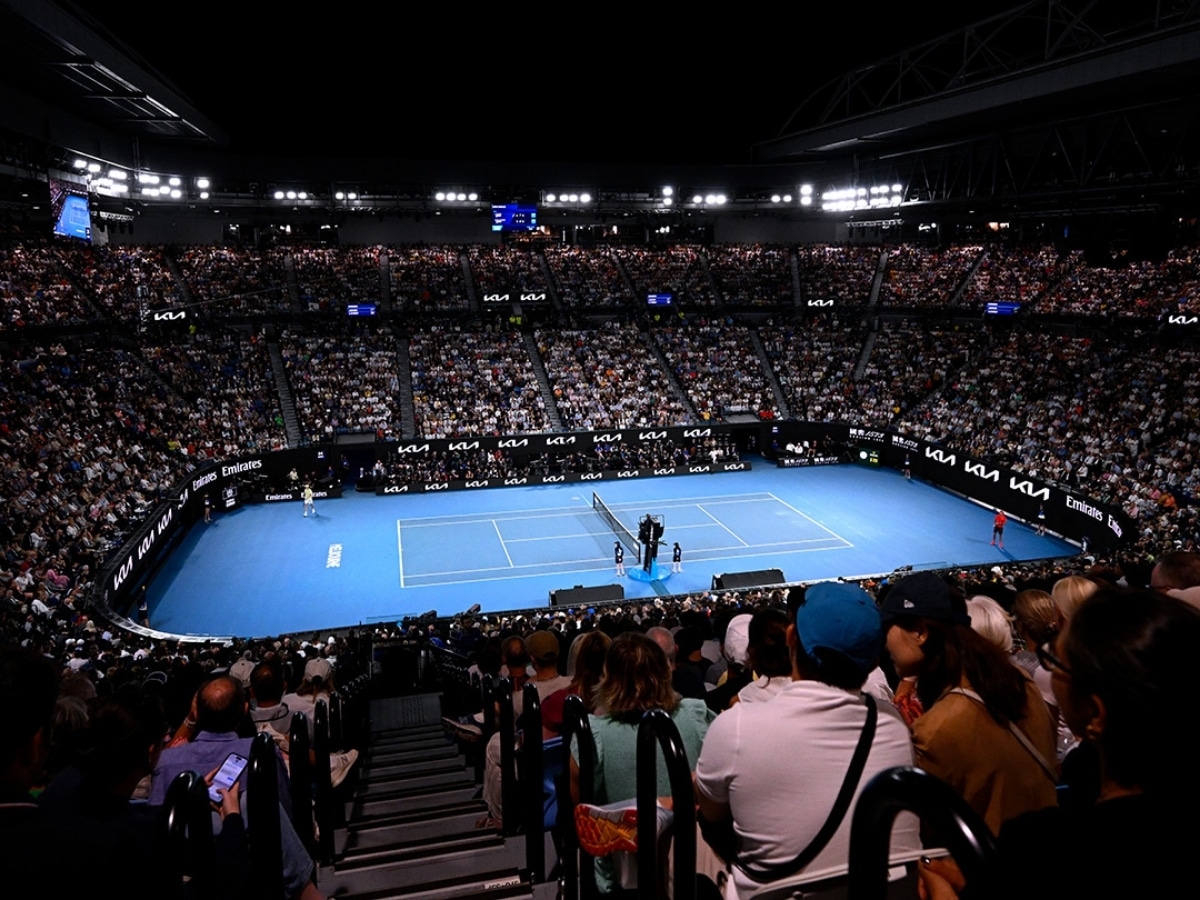
Australia offers a good reality check here. The Australian Open has just announced a record $111.5 million prize pool, up 16 per cent on last year. Winners take home $4.15 million. Even first-round losers earn $150,000. When an event feels essential, the money shows up.
The problem is that only a handful of tournaments operate like that. The rest of the calendar struggles to create the same sense of momentum or meaning.
That’s the gap the PTPA is trying to close. Not by flooding the schedule, but by giving fans clearer signals about when to care.
Because most people don’t want more tennis. They just want to know when it matters.






























Comments
We love hearing from you. or to leave a comment.