

Updated:
Readtime: 5 min
Every product is carefully selected by our editors and experts. If you buy from a link, we may earn a commission. Learn more. For more information on how we test products, click here.
Tennis, for most of its history, hasn’t been big on self-expression. Players wore what they were given. Whites at Wimbledon. Branded kits elsewhere. Personality came through in shot selection, not outfits.
Pat Rafter came up in that era, and he’s honest about how little attention he paid to what he wore.
“I never really worried about it,” he says, slightly out of breath after a quick ride on his push bike before the chatting to Man of Many. “They gave me the clothes and I wore them. Sometimes they were fun, sometimes pretty conservative. Wimbledon was obviously very conservative.”
It’s a mindset that still shapes how Rafter views tennis today, particularly as the sport slowly loosens its grip on uniformity. Recent moments, like Naomi Osaka’s pre-match fashion statements, have reignited debate around whether tennis should make room for more personal expression.
Rafter doesn’t see it as a problem. But he doesn’t romanticise it either.
“If she wants to go for it, then go for it,” he says. “She clearly enjoys it and likes making a bit of a scene. That attention comes with it. If that’s what she wants, fair enough.”
For him, though, the trade-off would have been too high.
“I’d find it really distracting. That’s just me,” he says. “I was all about focusing on tennis, not thinking about fashion when I was playing.”
That distinction matters. Rafter isn’t pushing back against style. He’s drawing a line between expression and distraction, between clothing as a statement and clothing as a tool.
Which perfectly illustrates his involvement with Rallee.
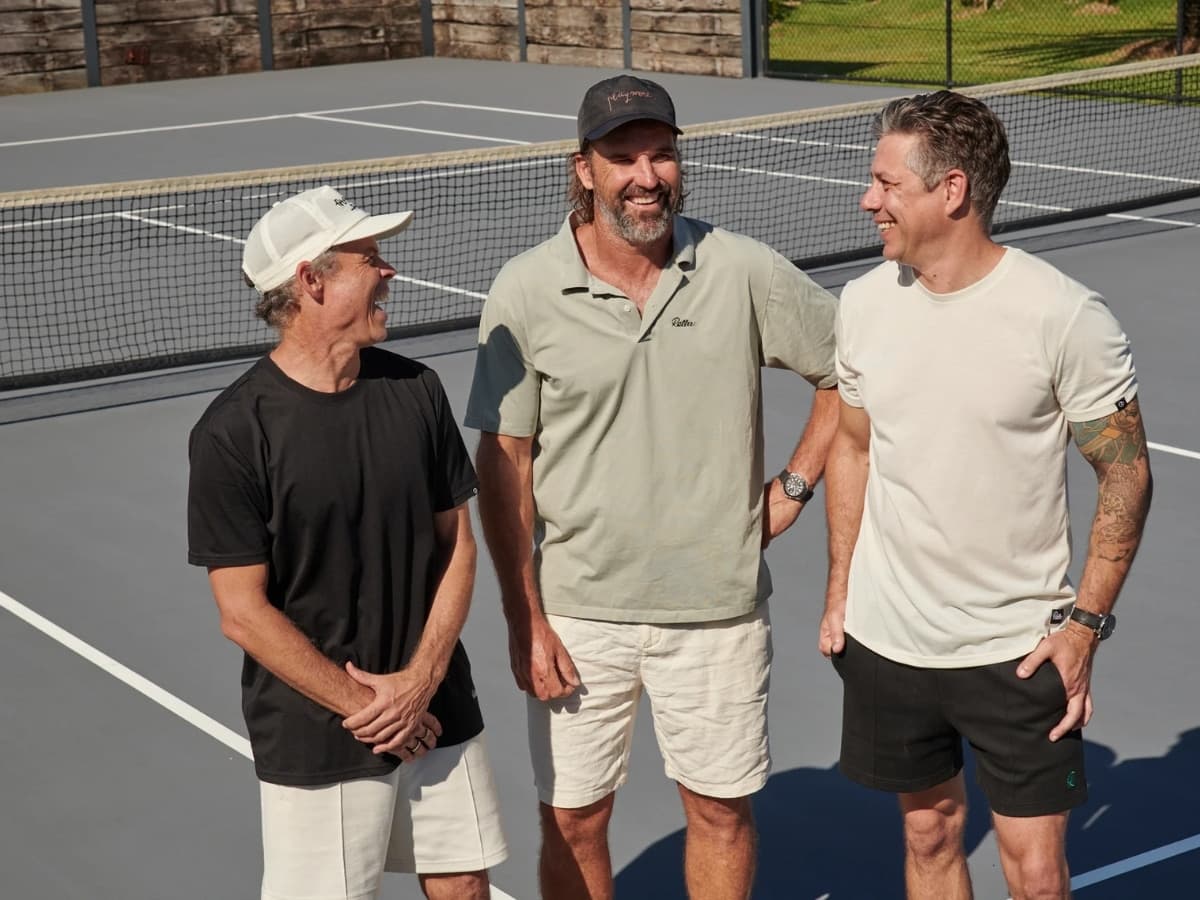
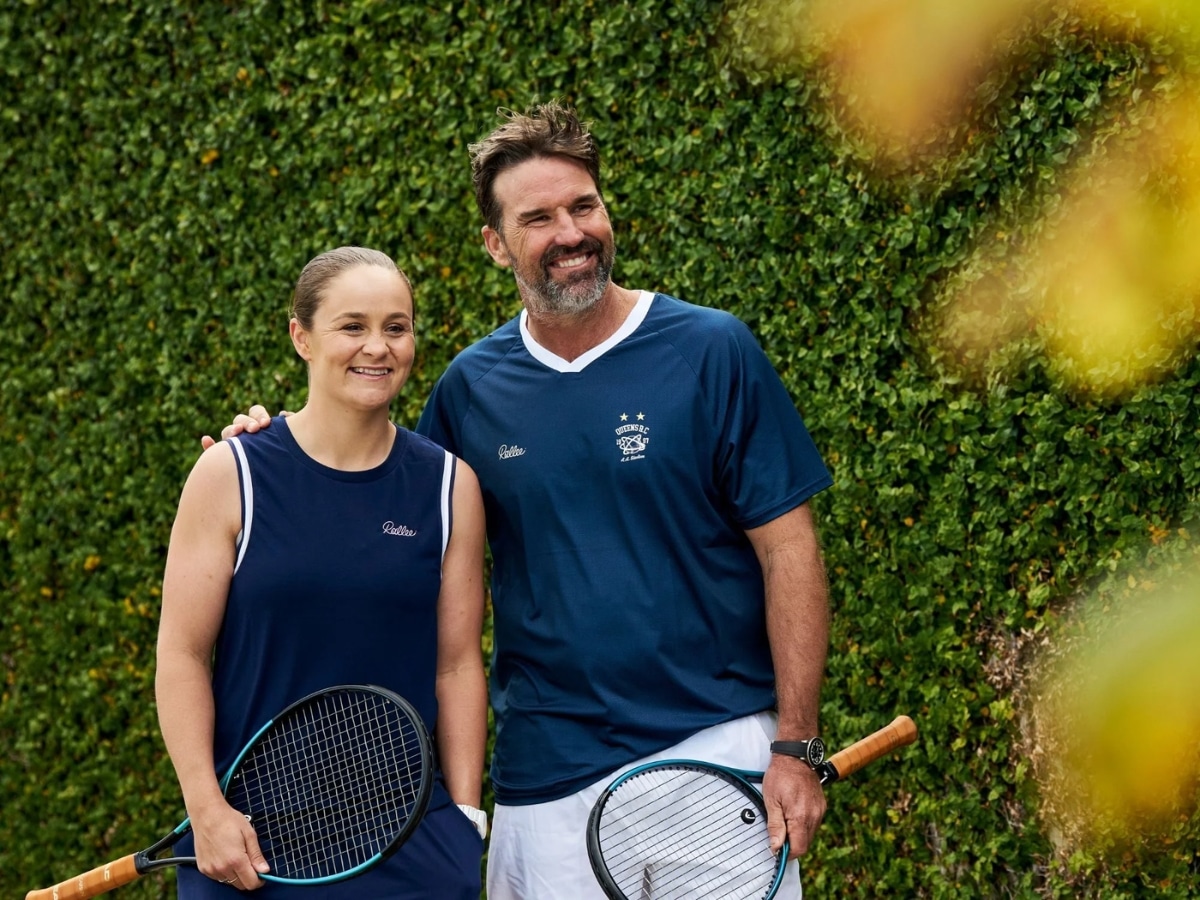
Designed in Byron Bay and just 12 months into its life, Rallee sits deliberately on the practical end of the spectrum. It’s not dressing athletes for tunnel walks or social media moments. It’s focused on gear that works before, during and after play, across tennis, padel and pickleball.
“You’d still call it fashion,” Rafter says, “but it’s based on traditional sportswear, with a different attitude attached to it.”
That attitude, as he describes it, is function-first. Comfort, movement, and wearability come before anything theatrical.
“You couldn’t wear what Naomi wore and go out and play sport in it,” he says. “This stuff has to be practical. Function comes first, with an attitude attached.”
Rafter’s relationship with on-court style isn’t as rigid as it might sound. In fact, one of the most recognisable moments of his career came from something he wasn’t meant to do.
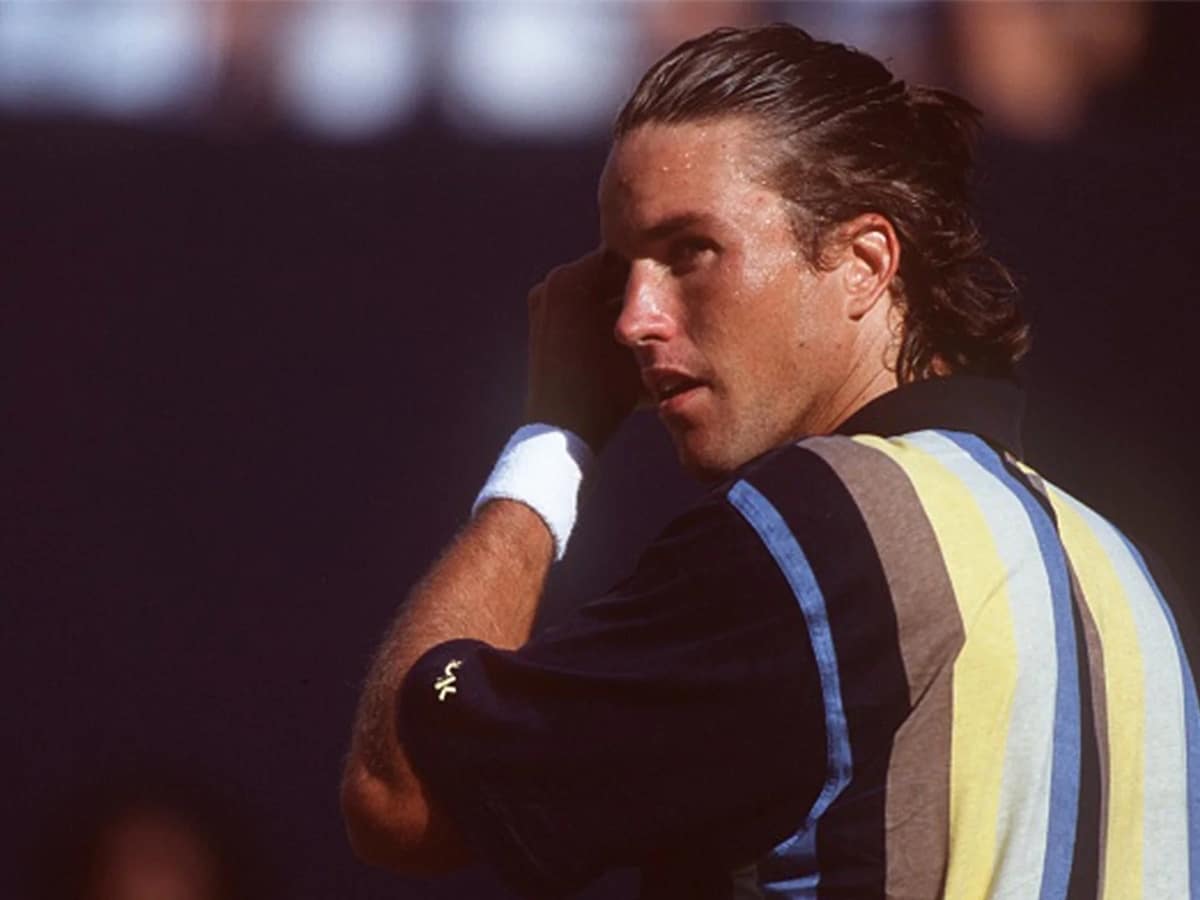
At the 1997 US Open final, he didn’t wear the shirt he’d been issued for the tournament. He tried it, didn’t like it, and reached for another one instead.
“I put the shirt on and I didn’t like the American one,” Pat Rafter says. “So I wore the German one.” Rafter went on to win the title wearing a look rarely seen on US courts. In hindsight, it captures his position perfectly. Not style as spectacle, but function winning out when it mattered most.
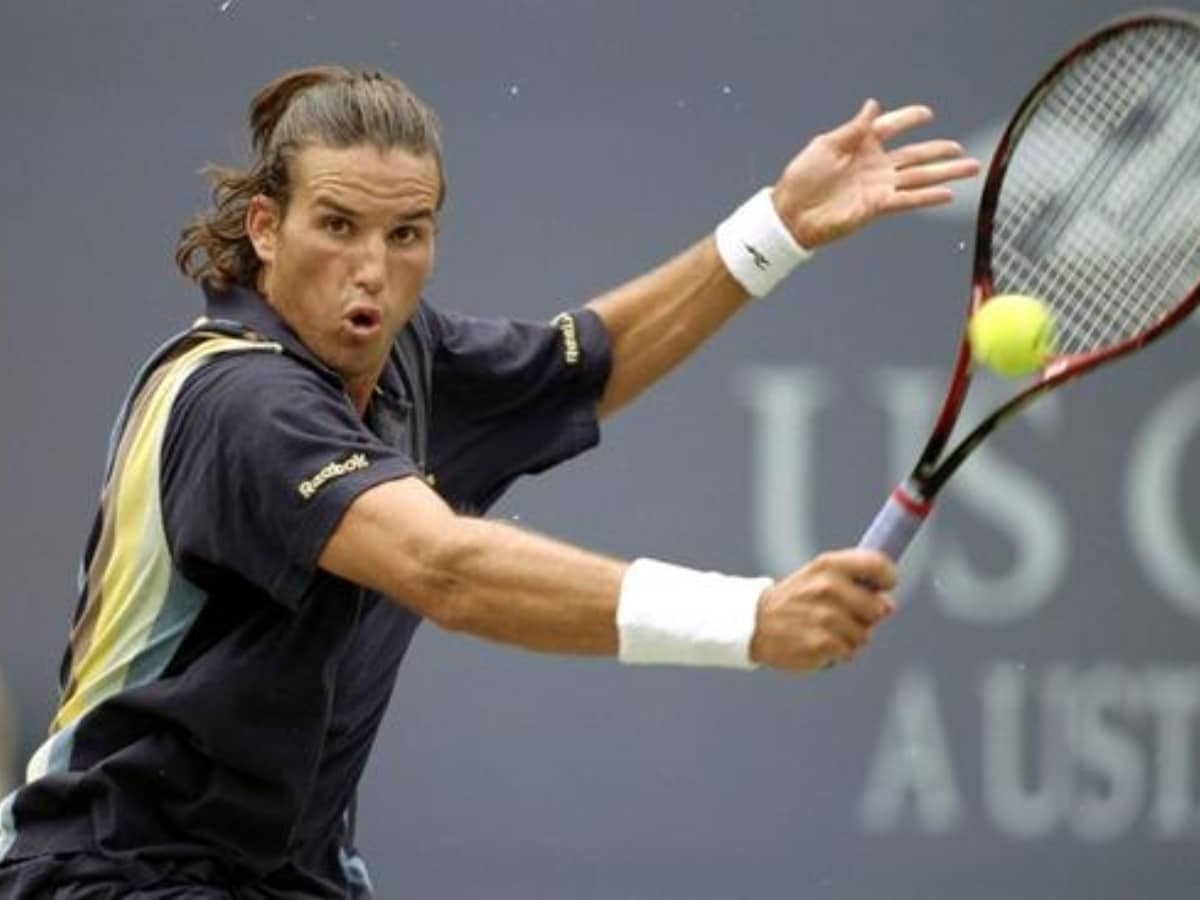
That approach lines up neatly with how racquet sports are changing more broadly. Tennis is still the benchmark, particularly in Australia, where the Australian Open continues to anchor the sport culturally; it’s “that good”, Pat says.
But newer formats are growing faster, and for different reasons.
Padel has exploded across Europe. Pickleball has surged locally, with Pickleball Australia reporting a 67 per cent year-on-year jump to around 155,000 players. These aren’t niche numbers anymore. They point to a wider shift in how people want to stay active.
“Tennis is a tricky sport,” Rafter says. “If you haven’t played from a young age, it can be hard to pick up. With pickleball and padel, the racquets are smaller, the ball doesn’t bounce as much, and people feel like they can jump in and get a workout without it being overwhelming.”
The social side plays an equal role. Four players on a court. Constant interaction. Less emphasis on technique, more on participation. Community over competition, though there’s still plenty of tournaments about.
“That’s why they’re so attractive right now,” he says. “It feels more inclusive.”
Rallee has grown alongside that shift, positioning itself as racquet-sports apparel that doesn’t stop at the baseline. Clothing designed for movement, but also for the reality that most players aren’t stepping straight from the court into a press conference.
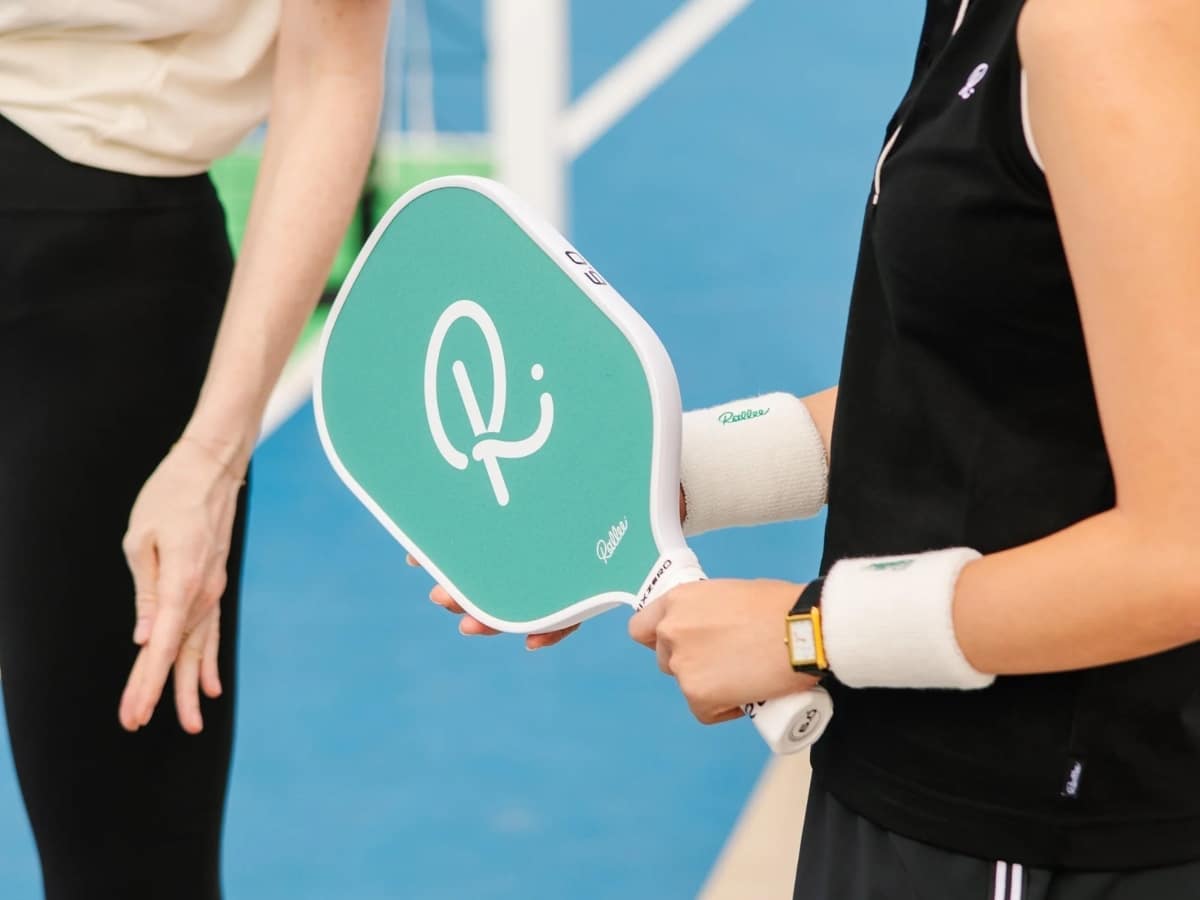
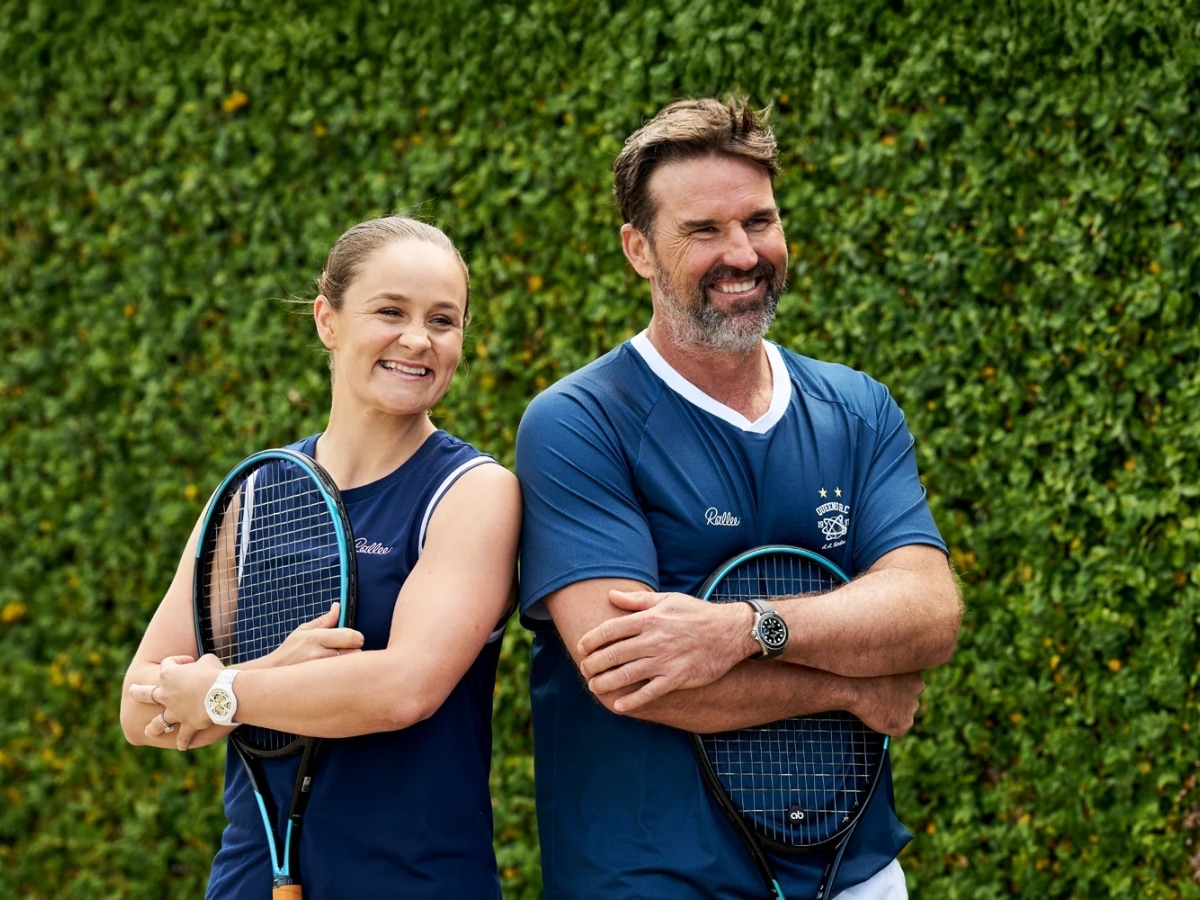
The brand recently marked a major milestone with Ash Barty joining as both an investor and long-term brand ambassador, alongside Rafter. It’s a notable endorsement, but not the core of the story. The bigger signal is timing. A racquet-sports label gaining traction just as participation diversifies and social play takes centre stage.
For Rafter, the appeal is straightforward. No spectacle. No overthinking. Just really good sportswear.
Even now, the priorities haven’t changed much. Move well. Stay comfortable. Don’t let anything get in the way of the job. Or the ride before the call.















Comments
We love hearing from you. or to leave a comment.