

Updated:
Readtime: 14 min
Every product is carefully selected by our editors and experts. If you buy from a link, we may earn a commission. Learn more. For more information on how we test products, click here.
“Sit towards the back of the room,” was the insider tip I was given by one of the creators at dinner on the night before the September iPhone event at Apple Park in Cupertino. I have to admit, even as someone who’s seen the world as part of this “job,” it was a surreal experience to walk through the gates of the hallowed ground and witness the brainchild of arguably the most influential person in tech history, Steve Jobs. But we were here for a purpose, which was made immediately clear by the sheer number of people who were not taking the sights through their eyes, but through their phone screens. I must admit, I was one of them.
With the rumours of a foldable iPhone on the way (now confirmed), this was the year to be here. It was a mixed crowd of mostly creators, but also podcasters, journalists, celebrities, and a livestream called “Speed,” which I have to thank for the more than 1.5 million views we received on this social post. It was a case of right place, right time. That also goes for the seating in the Steve Jobs Theatre, and by now I had made it through the push fest on the stairs, finding my seat towards the back of the theatre. If you want to get your hands on one of the first iPhones, this is the strategic play.
This was the inauguration of the new Apple CEO, John Ternus, who walked onto the stage for his first September keynote address to outline the new hardware lineup. The room quieted when the house lights dimmed, and everyone took their photos as Ternus began his presentation. He focused his opening remarks on the physical engineering, Siri AI, and material choices defining the devices released today.
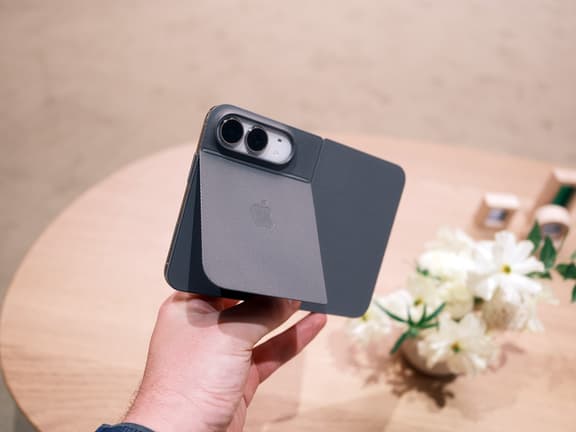
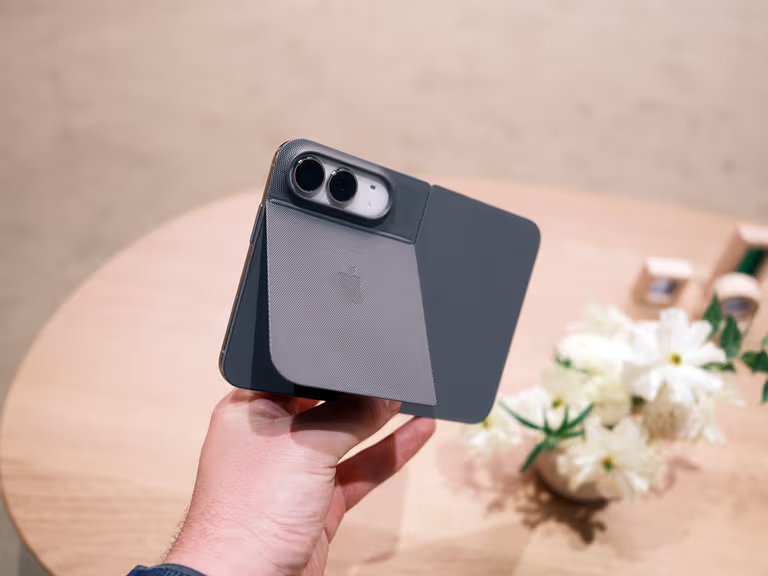
The Keynote was perfectly written, shot to perfection, slick as ever, and it saved the best for last: the new foldable iPhone Duo, which will surely become Ternus’ magnum opus. When held in the hands-on area, the phone folds flat to the footprint of a standard passport and fits into a suit pocket without the typical top-heavy weight of an iPhone Pro Max. But this Keynote wasn’t a solo play for the Duo, as the iPhone Pro model became a legitimate choice for professionals with the addition of a mechanical variable aperture lens that uses physical lens movements instead of software processing to adjust depth of field.
Significant updates have also been made to the Apple Watch Series 12, and it can now claim the title of “the most accurate heart rate sensing in a wearable.” With this comes a new strategy regarding daily activity tracking. The device introduces a Readiness feature that calculates a numerical score by compiling overnight sleep data and continuous daytime heart rate readings to indicate when users should rest. Looking at the new pearl white ceramic finish under the demo room lights also showed a high-end, physical shift from standard fitness trackers to traditional timepiece materials.
Quick Look at the New iPhone, Watch, and AirPods
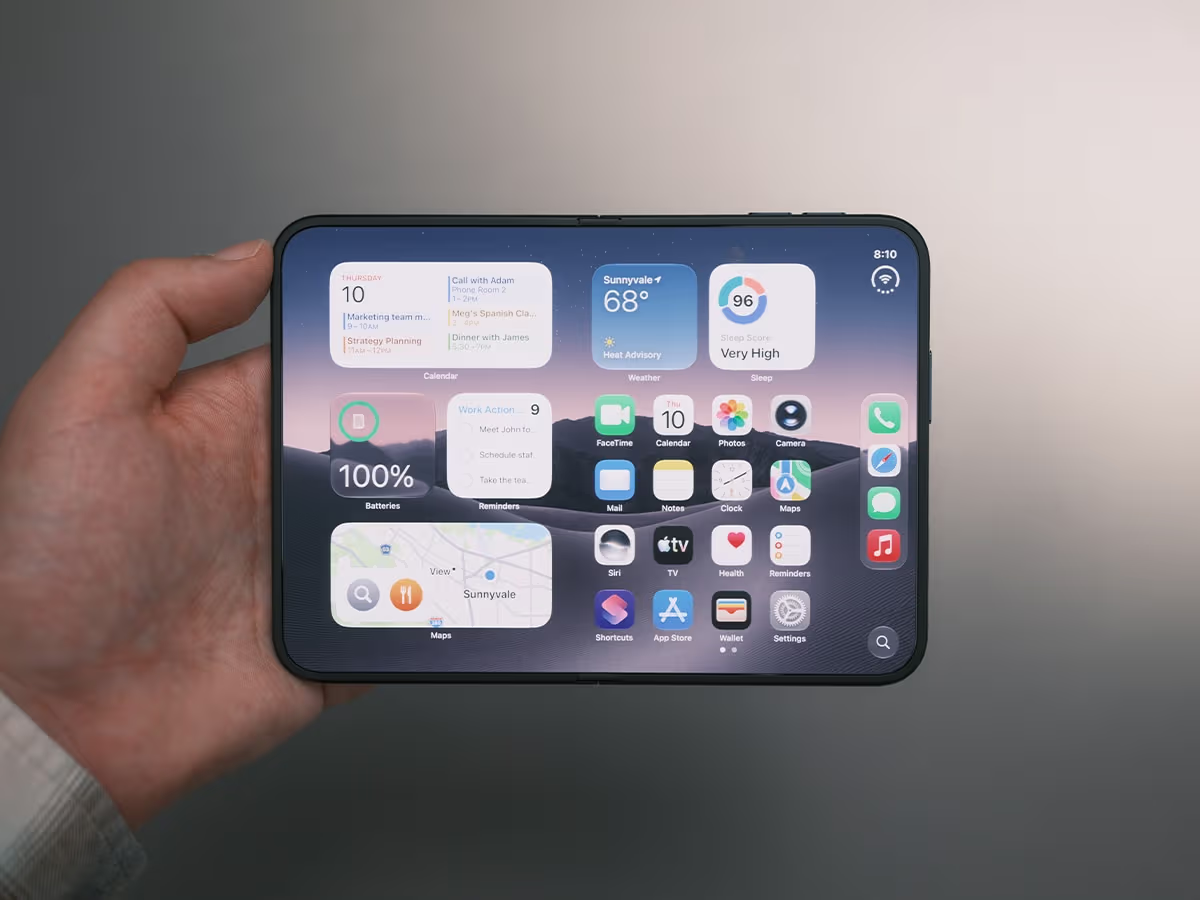
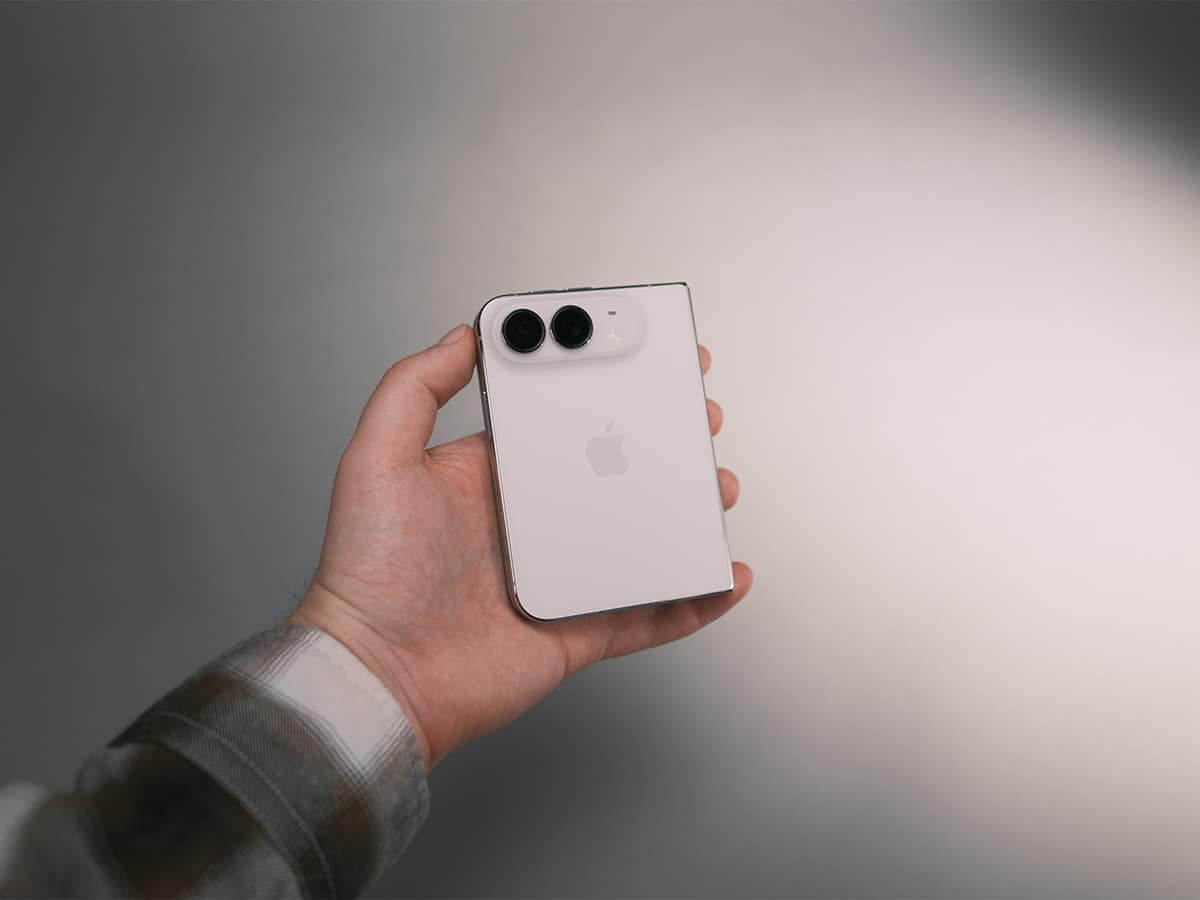
The headline announcement arrived late in the Keynote, with the official reveal of the iPhone Duo foldable. With a 7.6-inch inner display alongside a 5.4-inch outer panel, the Duo runs on the new two-nanometre A20 Pro processor and incorporates a 48-megapixel dual-fusion camera system that uses the external panel for live selfie previews.
Perfect for content creators and filmmakers, the iPhone 18 Pro introduces three core tech upgrades for the camera hardware and thermal management. There’s now a mechanical variable aperture on the main camera that replaces computational blur with physical lens adjustments, while an internal vapour chamber cooling system attaches to the A20 Pro chip to maintain sustained performance. Battery life also sees a notable upgrade, delivering up to 45 hours of video playback on the Pro Max variant.
Wearable hardware received a major overhaul with the Apple Watch Series 12 and Ultra 4 built around the new S11 silicon chip. The Health Sensing System measures heart rate every five seconds and boosts heart rate variability tracking twenty-four times, powering a new daily Readiness recovery score. The watch software also introduces Siri Rewind to automatically summarise the last 15 seconds of verbal conversations for easy reference throughout the day. The sleeper release of the event was Siri Recap, that listens to your surroundings throughout the day and gives you a summary at the end of it.
Last but not least, the audio hardware and on-device intelligence rounded out the main announcements with the release of AirPods 5 and watchOS 27. The open-ear earbuds incorporate active noise cancellation that’s 50 per cent better than before, driven by a redesigned multiport acoustic architecture that reduces external environmental sound. Integration with Apple Intelligence powers Siri AI across the lineup, enabling live language translation and hands-free gesture controls.
Pricing and Availability
| Product | Starting Price (AUD) | Pre-order Date | Launch Date |
| iPhone 18 Pro | from AUD$2,099 | 12 September 2026 | 18 September 2026 |
| iPhone 18 Pro Max | from AUD$2,299 | 12 September 2026 | 18 September 2026 |
| iPhone Duo | from AUD$3,499 | 16 October 2026 | 23 October 2026 |
| Apple Watch Series 12 | from AUD$649 | 9 September 2026 | 18 September 2026 |
| Apple Watch Ultra 4 | from AUD$1,399 | 9 September 2026 | 18 September 2026 |
| AirPods 5 | from AUD$219 | 9 September 2026 | 18 September 2026 |
 1/4
1/4iPhone 18 Pro and Pro Max
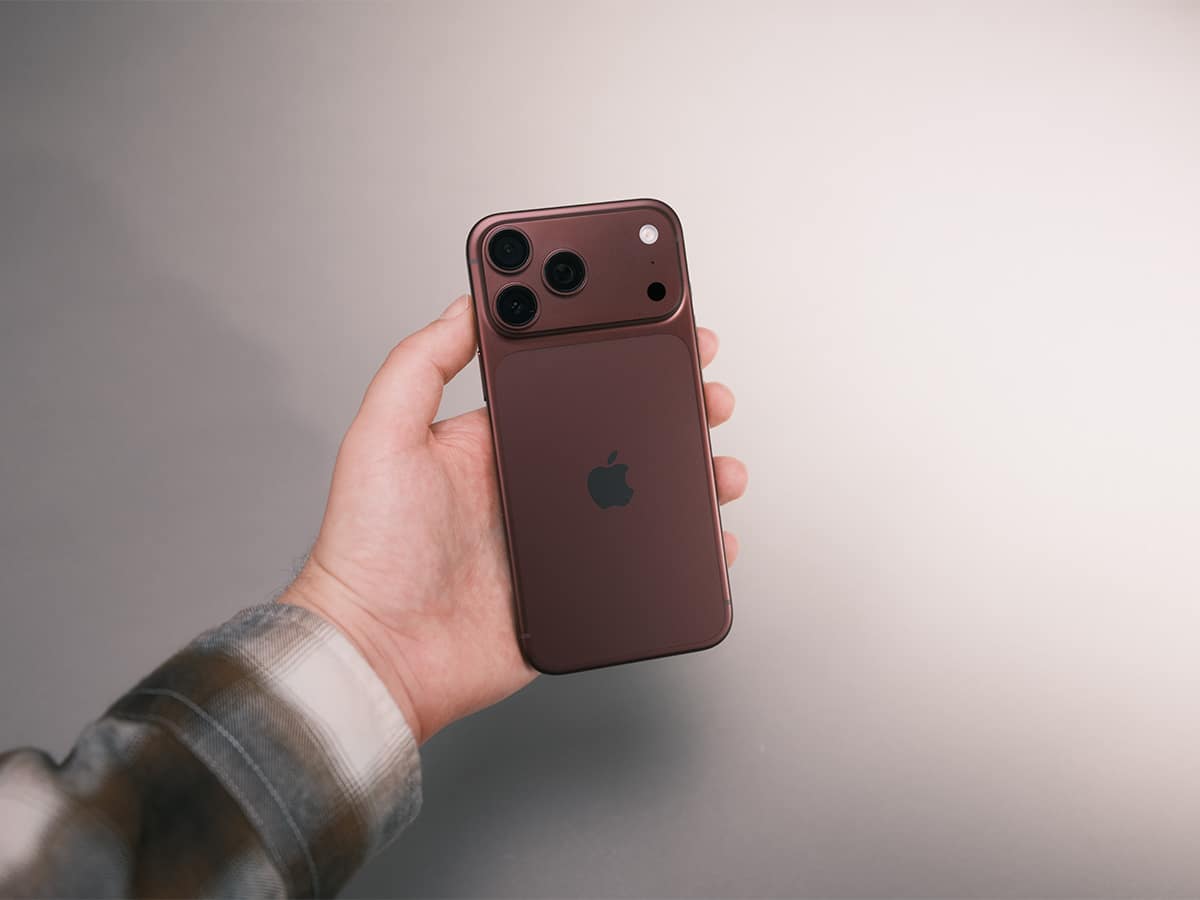
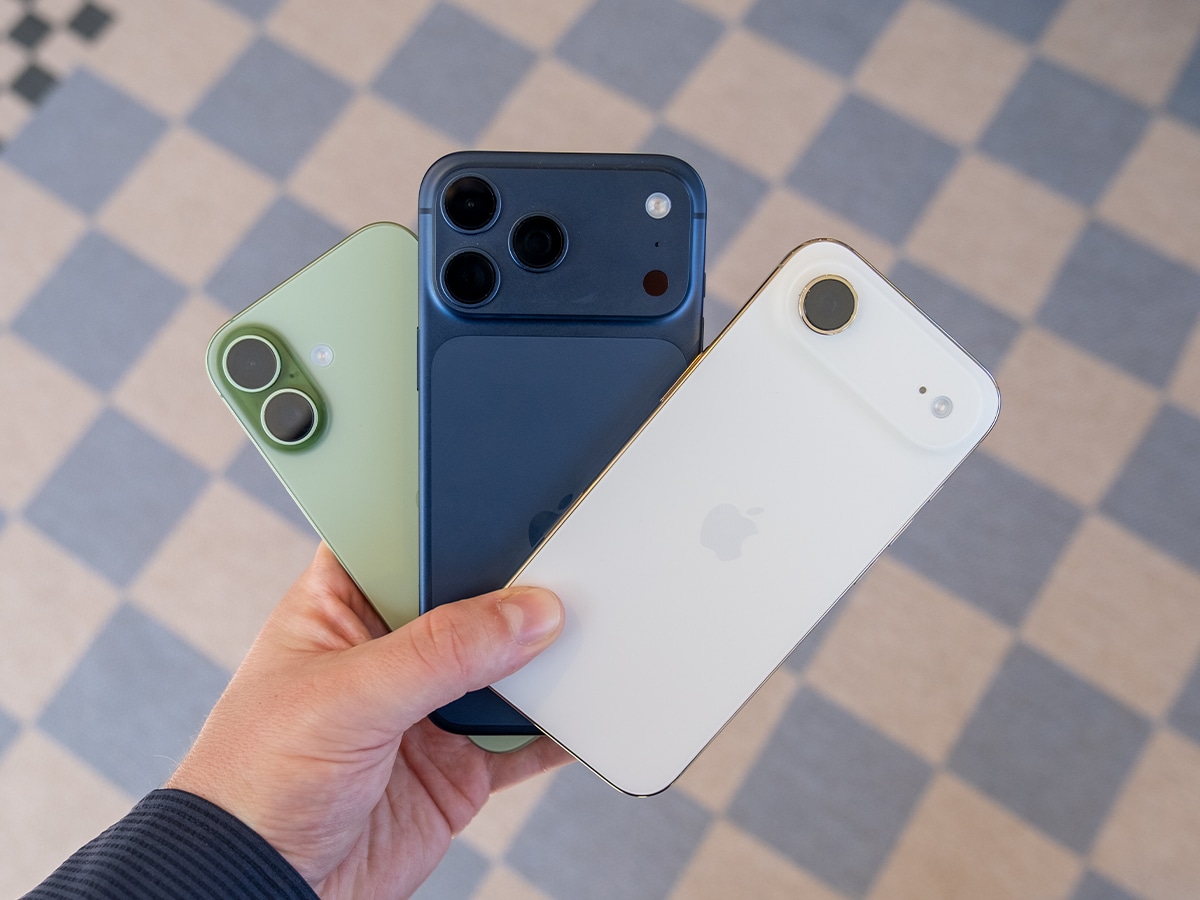
The first reveal of the event was the new iPhone 18 Pro and Pro Max, which feature an upgraded 48-megapixel fusion main camera equipped with a mechanical variable aperture. This physical lens adjustment allows users to shift the depth of field optically rather than relying on software processing for the first time. There’s also a C2 cellular modem to improve network reliability while reducing energy consumption by 15 per cent compared to previous iterations.
Both devices run on the new A20 Pro chip built on a two-nanometre process. The brand redesigned the internal architecture to include a larger vapour-chamber cooling system that attaches to the silicon die for improved thermal management under sustained loads. This structural change keeps the aluminium chassis noticeably cooler during intense graphic rendering or continuous video capture.
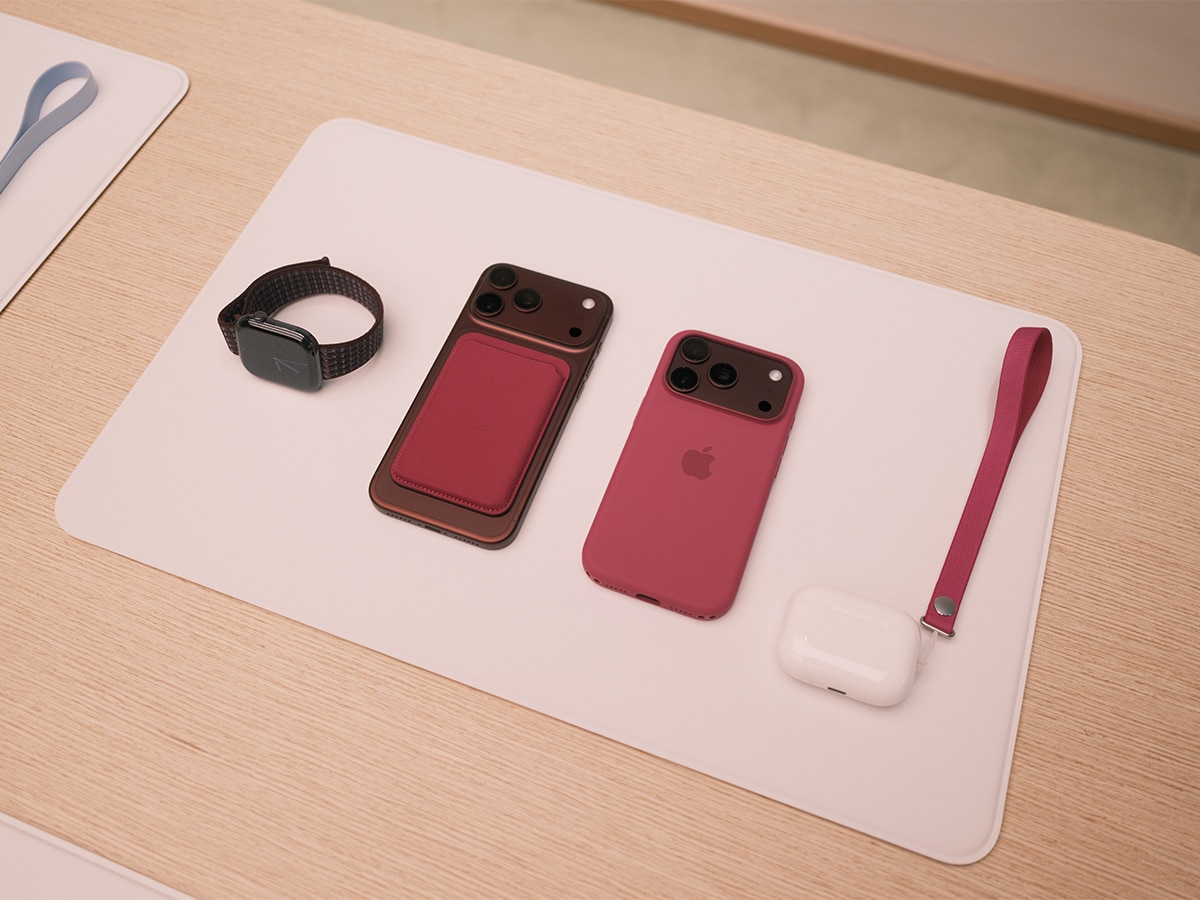
Battery capacity received a notable expansion across both sizes. The Pro Max model now delivers up to 45 hours of video playback on a single charge, while the standard Pro offers up to 36 hours. Customers can select from four finishes, including Black, Silver, Glacier, and Burgundy, with Apple also introducing a new crossbody strap accessory designed to attach to compatible magnetic cases.
 1/6
1/6iPhone Duo
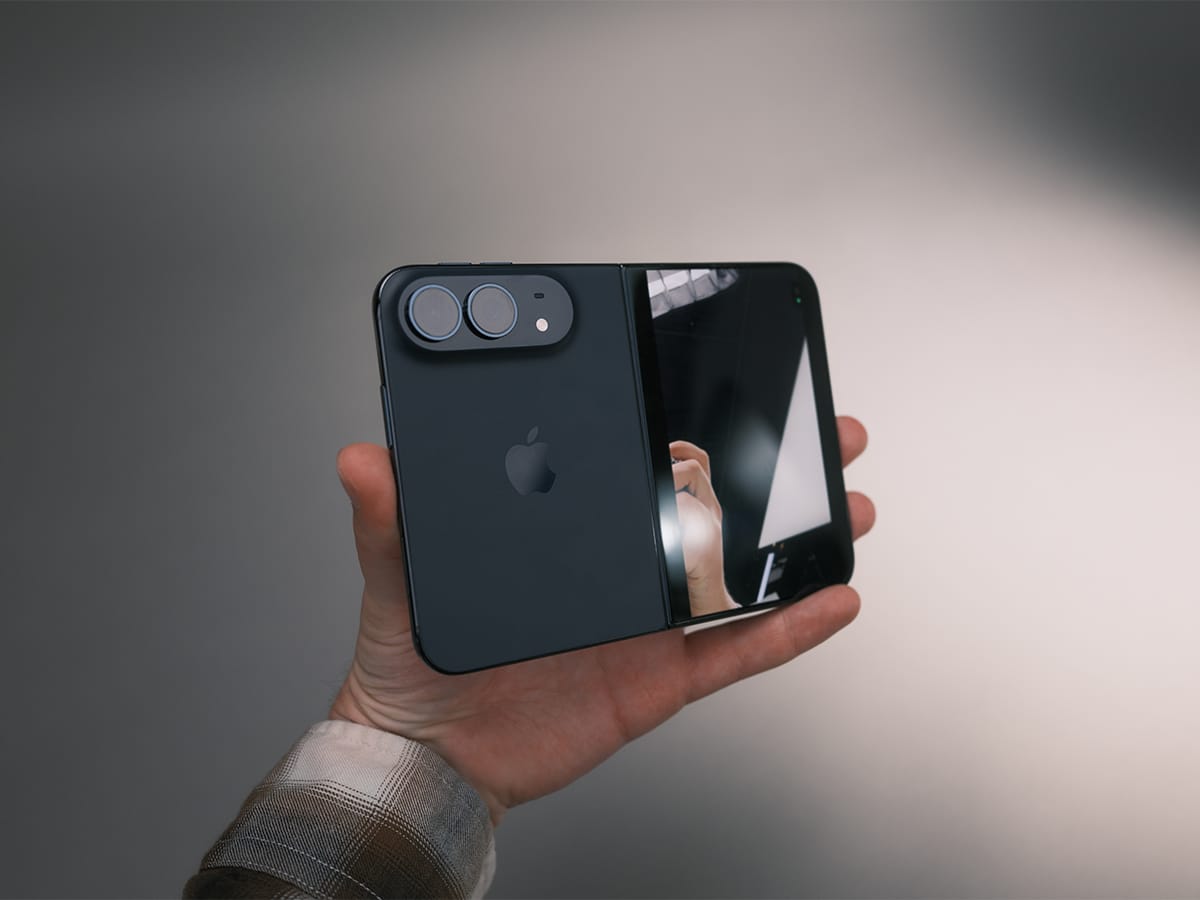
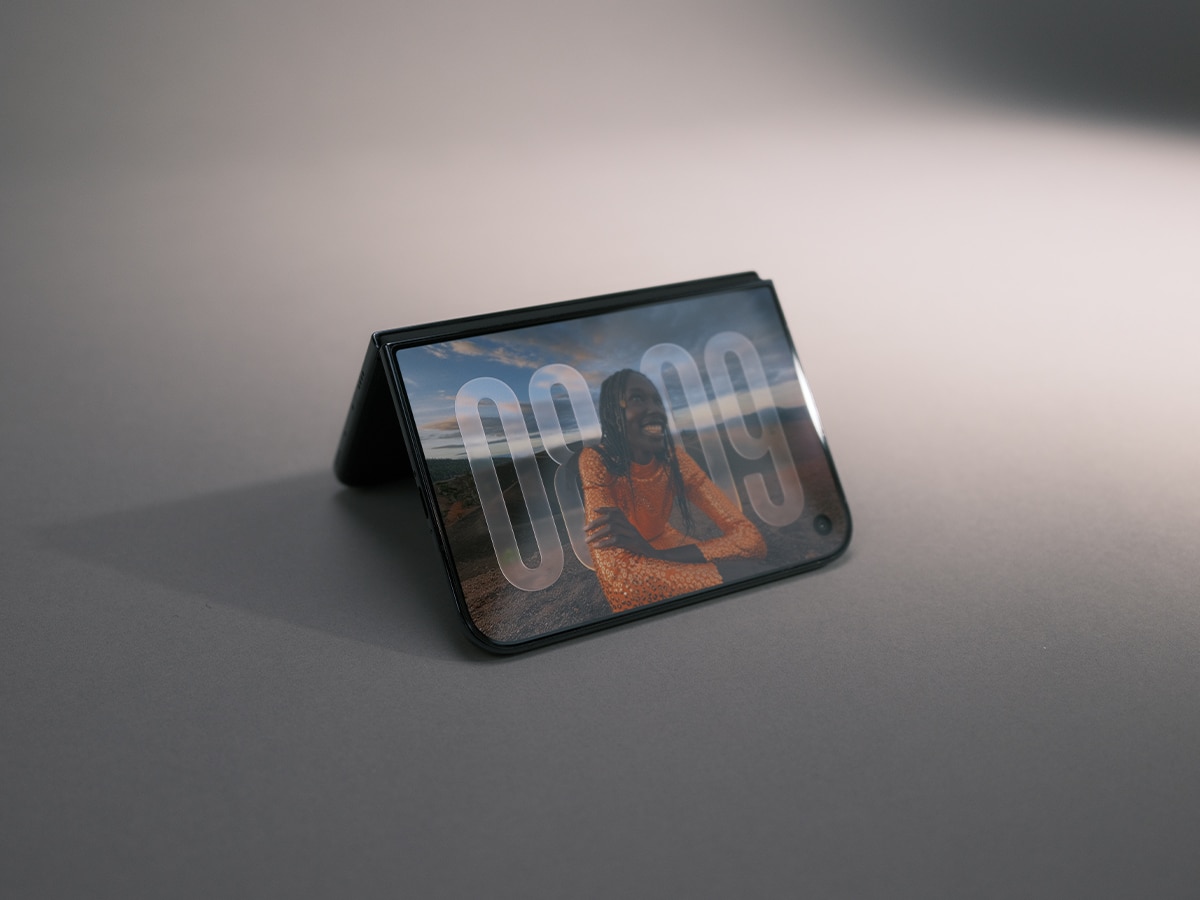
Despite leaks and renders, the headline release even drew plenty of gasps from the crowd. The brand has officially entered the foldable market with the introduction of the iPhone Duo. With a 7.6-inch Super Retina XDR inner display that opens like an iPad Mini and a compact 5.4-inch outer screen designed for one-handed use, it’s a departure from everything we thought we knew about iPhones.
The exterior panels run at a high refresh rate and peak at 3,000 nits of brightness for clear visibility in direct sunlight, but it’s the inside screen that leaves the biggest impression, with a sophisticated nanotexture display and hinge that makes the crease practically invisible.
Hardware relies on the same two-nanometre A20 Pro processor found in the flagship Pro models. There’s a dual-battery system that splits the power cells across both halves of the titanium chassis to deliver up to 31 hours of video playback on the main folding display. The device also integrates a 48-megapixel dual fusion camera system that utilises the outer screen as a live viewfinder for high-resolution selfies.
While it’s still early days, and we’re more than a month away from pre-orders, it’s fair to say that the Duo’s UX is the best of any folding phone I’ve had the chance to use. But it’s not without a few little issues. I couldn’t find a dedicated shutter button on the front screen, and because the rear display remains active during use, holding the phone open causes you to accidentally click buttons on the inside screen by accident. It’s too early to draw any conclusions from the five minutes I had to handle the Duo, but I look forward to seeing everyone’s reactions as we get to release.
 1/15
1/15Apple Watch Series 12 and Ultra 4
The Apple Watch Series 12 introduces a re-engineered Health Sensing System powered by the new S11 chip. Upgraded optical sensors feature larger green LEDs that capture heart rate data every five seconds and sample heart rate variability up to twenty-four times more frequently than older models. This biometric data feeds into a new Readiness feature that generates a daily numerical score to advise users on their physical capacity for training or recovery.
Apple expanded the physical case materials for the Series 12 by reintroducing a ceramic finish in pearl white and night blue, which look incredibly premium. Meanwhile, the aluminium models feature a new Ceramic Shield glass that increases screen durability by 60 per cent over the previous generation.
Standard battery performance remains at 24 hours for daily use, but outdoor workout tracking extends to 10 hours, and fast charging now delivers 12 hours of use from a 15-minute charge.
The Apple Watch Ultra 4 retains its rugged titanium construction while incorporating the same S11 chip and upgraded health sensors. Its battery life supports up to 50 hours of everyday usage and up to 18 hours during active workout tracking. Both watch models integrate new Audio Intelligence capabilities, with Siri Recap easily standing out as my favourite addition. The tool listens to your conversations and automatically generates high-level summaries that you can review later to jog your memory.
 1/8
1/8AirPods 5
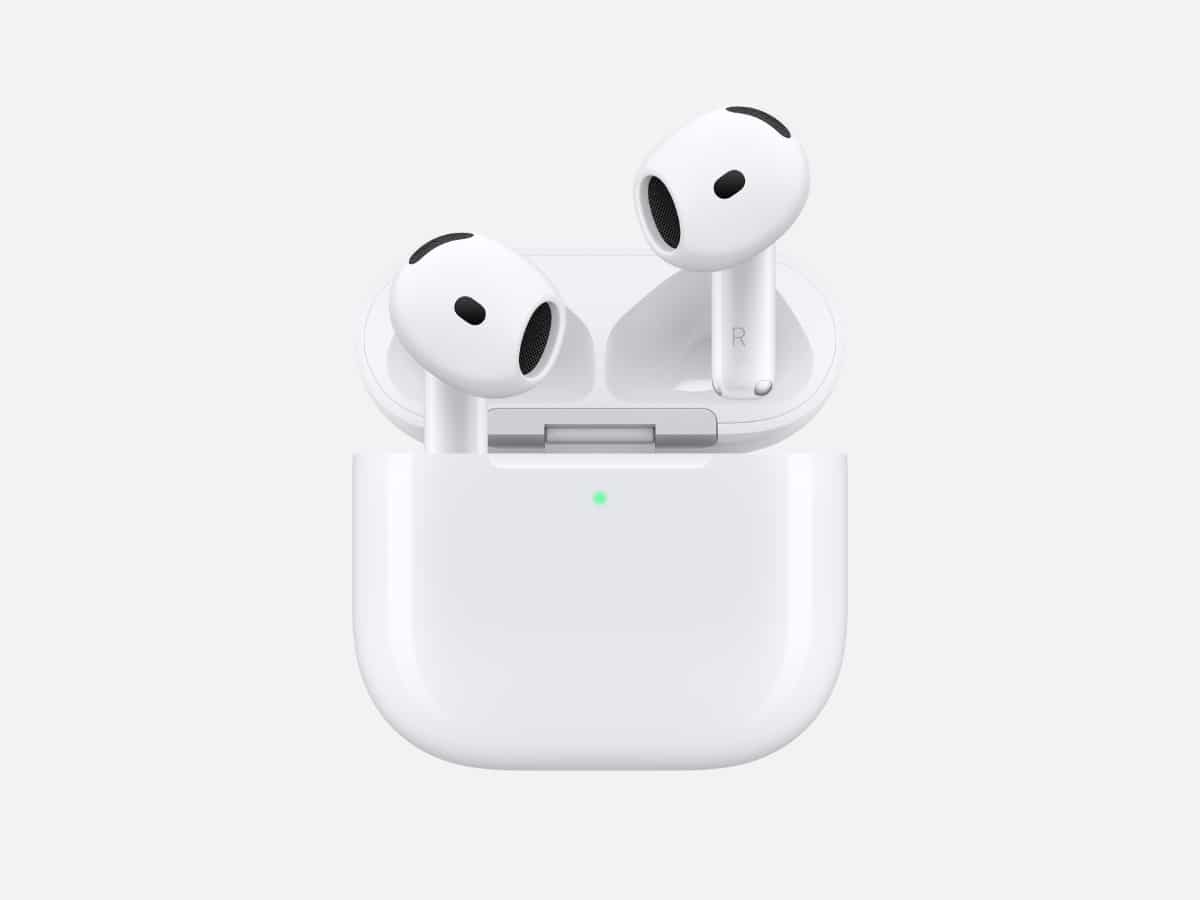
The fifth-generation AirPods introduce active noise cancellation across the range for the first time. With redesigned multiport acoustic architecture, it can deliver up to 50 per cent more external noise reduction compared to the previous model, and within the first two seconds they were in my ears, I could tell. The buds also achieve an IP57 rating for improved dust, sweat, and water resistance during outdoor workouts or rainy commutes.
Apple split the new release into two distinct models. The base version provides up to four hours of listening time with noise cancellation active. A slightly more expensive variant includes a wireless charging case with a built-in speaker for location tracking, a volume scroller on the tip and expands the listening time to five hours.
The upgraded models support hands-free head gestures and feature new voice-isolation microphones to cut background noise during calls. Both variants integrate with Apple Intelligence to provide real-time language translation and advanced voice assistant interactions when paired with a compatible handset.
Ecosystem and Software
Apple announced that iOS 27 and watchOS 27 will begin rolling out to compatible devices on September 14. The software updates rely on Apple Intelligence to drive on-device machine learning tasks and context-aware voice assistance. A new Siri app integrates personal data across emails and messages to generate automated summaries and schedule events without requiring manual input.
The iPhone Health app receives a major overhaul with a new Longevity tab and a Health Age metric that benchmarks cardiovascular data against chronological age. Apple Watch users gain access to a Live Rewind tool that transcribes the last 15 seconds of any conversation and saves the text locally in a secure hardware enclave. The related Siri Recap feature automatically generates dot-point summaries of meetings and classes for later review, proving to be an immensely practical tool for daily productivity, and I really look forward to testing this one out once I have my hands on Siri AI.
These advanced artificial intelligence tools require significant processing power and will not function on older hardware, so keep that in mind. Apple confirmed that features like Siri Recap and Live Rewind rely on secure (very secure) server-side processing models and require an iPhone 16 or newer to operate successfully.
The Missing Pieces
The September presentation excluded any updates to the standard base-model iPhone lineup. Industry reports indicate that Apple delayed the standard iPhone 18 and a rumoured iPhone 18e until early 2027 to separate the consumer-focused devices from the premium Pro models. This strategic split allows the company to maintain a higher average selling price during the crucial holiday quarter while staggering its supply chain demands.
The event also bypassed the Mac and iPad portfolios. Consumers anticipating a new iPad mini or laptops equipped with the next-generation M-series silicon will need to wait for a separate keynote later in the year. Keeping these product categories isolated ensures the foldable Duo and the health-focused wearables dominate the current retail cycle without internal competition. Who knows, maybe they’ll add a new Keynote to the calendar?
Final Thoughts from Apple Park
Owners of the iPhone 13 or 14 series face a clear value proposition with this generation of hardware despite the notable price increases across the board.
Moving to the iPhone 18 Pro means you’re getting a substantial leap in processing power, access to on-device artificial intelligence, and a variable aperture camera that physically improves low-light photography. The transition to a vapour chamber cooling system and an expanded battery life also resolves the thermal and power issues that plagued older handsets, and is an upgrade that everyone can appreciate, whether they’re a content creator or just using it to watch a bunch of YouTube videos.
The Apple Watch Series 12 represents an equally compelling upgrade for anyone using a Series 8 or older. The shift from standard activity tracking to high-frequency biometric readiness scoring changes how the watch operates as a daily health monitor. Paying the entry price for the new wearables delivers tangible benefits for health, bio tracking, and physical recovery planning. But it’s the Siri AI features that really get me across the line with the wearables.
I look forward to testing all these new products in due course, so make sure you sign up for the Man of Many newsletter to get the latest in products, culture, style, and Apple releases.





















Comments
We love hearing from you. or to leave a comment.