


Updated:
Readtime: 14 min
Every product is carefully selected by our editors and experts. If you buy from a link, we may earn a commission. Learn more. For more information on how we test products, click here.
- Qantas will use specially configured Airbus A350-1000ULRs for non-stop Sydney–London flights from October 2027 and Sydney–New York from mid-2028.
- Qantas says demand for ultra-long-haul travel is growing, with non-stop booking intent reaching 80% among premium travellers.
- Project Sunrise combines advanced flight planning, specialised crew training and cabin features designed around ultra-long-haul passenger wellbeing.
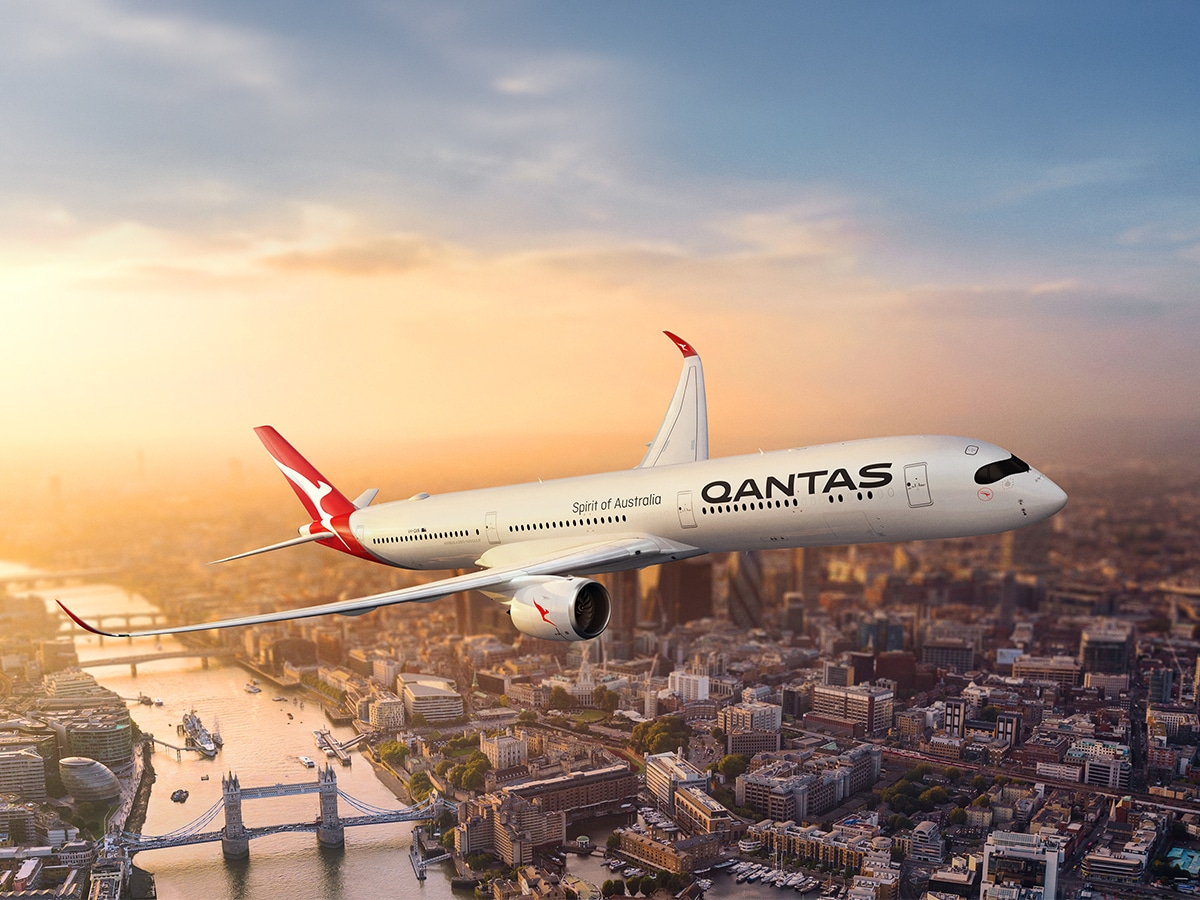
Qantas is on the verge of conquering the final frontier in commercial aviation. Code-named Project Sunrise, this ambitious initiative will launch ultra-long-haul non-stop flights connecting Australia’s east coast (Sydney and Melbourne) directly to global financial hubs such as London and New York. If we’re being completely honest, flying for up to 22 hours straight sounds like an absolute marathon, and that’s coming from someone who flew Perth to Paris non-stop. But by eliminating those time-consuming and often painful layovers, Qantas is rewriting the playbook on passenger wellness, route economics, and operational engineering. Here’s everything you need to know about the world’s longest flight.
And now we know when the Big Apple will receive its first visit from Project Sunrise. Qantas has confirmed non-stop Sydney-to-New York services will begin from mid-2028, with tickets for the inaugural flight expected to go on sale from August 2027. What they’ll cost, however, is a question for another day. For now, the roughly 18-hour journey slashes more than three hours from the current one-stop Qantas service via Auckland, connecting Australia’s east coast with New York without a layover for the first time.
The scale of this project goes far beyond packing extra fuel into a commercial jetliner. Qantas has spent a decade coordinating an enterprise-wide transformation that touches every single department of the airline, from heavy maintenance tooling to advanced flight deck simulator configurations. By introducing a custom-configured fleet of Airbus A350-1000ULR aircraft, the carrier is linking countries that have historically dictated global commerce and travel patterns. It’s a huge gamble on the future of premium aviation, but as we’ll explain below, it’s backed by rigorous research, detailed financial planning, and extensive testing.
What sets Project Sunrise apart is its holistic approach to the physical reality of ultra-long-haul travel. Rather than treating a nearly day-long flight as a test of human endurance, Qantas has collaborated with world-class scientific institutions to treat the entire cabin environment as a biological experience. You’ll find everything from custom circadian lighting patterns to structural shifts in service timing, so every minute spent at 35,000 feet is designed to align passengers with their destination before they land. Now, let’s take a closer look at Project Sunrise in detail.
Premium Demand and the Economics of Direct Flying
While flying non-stop across the globe sounds like an engineering dare, the business case is anchored by cold, hard data from Qantas’ internal flight assessments. The airline’s existing ultra-long-haul routes have already exceeded expectations, proving that passengers will actively choose (and pay a premium for) direct travel.
The Perth to London (PER-LHR) route achieved a massive Net Promoter Score (NPS) of 50 in FY25, making it the highest-performing international route in the entire Qantas network. Qantas’ internal tracking shows that 70% of ultra-long-haul flyers say they’re very or extremely likely to choose non-stop options for future travel, with preferences up 15% since the Perth-London route launched.
That appetite hasn’t slowed down either. New research from Qantas says intent to book non-stop ultra-long-haul flights has risen from 58 to 70% since February 2026, climbing to 80% among premium travellers.
Giving travellers their time back also pays off on the balance sheet. Non-stop routes have consistently delivered a Revenue per Available Seat Kilometre (RASK) premium of over 20% compared to traditional one-stop options from FY19 through FY25. Following its initial Perth-London rollout, Qantas achieved a staggering +29 percentage-point market share gain among premium-cabin passengers, moving away from a baseline of 0.3% operating share pre-launch.
Scaling this model to Sydney–London unlocks a goldmine for Qantas. The premium passenger market from Sydney to London is three times larger than Perth’s, which pulls in roughly 45,000 to 56,000 annual premium flyers. Because the addressable pool is so vast, Qantas forecasts an implied market share shift of less than 3 percentage points to achieve its commercial targets.
New York is already showing similar value. Qantas says demand for its services in and out of the city has nearly doubled since 2023, while visitor arrivals from the US are up about 5% year on year. That gives the airline a growing customer base before the first non-stop Sydney service even leaves the runway.
This is heavily supported by an anticipated Sunrise RASK premium of over 30% (comparing the A350 SYD-LHR directly to the A380 SYD-SIN-LHR) and a planned premium cabin load factor exceeding 85%. On the ground, marketing efforts generated ~$60 million in PR value from the initial route announcement and ~$50 million in the month of launch, resulting in a 30% UK point-of-sale contribution for 1H26.
| Route | Annual Addressable Market | Premium Share Gain | NPS vs. International Average |
| Perth to London | 1.96m passengers | +29 ppts | +27 points |
| Perth to Paris | 403k passengers | +41 ppts | +9 points |
| Perth to Rome | 284k passengers | +23 ppts | +8 points |
| Auckland to New York | 408k passengers | +31 ppts | +19 points |
| Melbourne to Dallas | 1.26m passengers | +8 ppts | +14 points |
Operational Agility and Navigating Geopolitical Skies
Commanding a flight deck for nearly a full day requires extreme operational flexibility and some seriously impressive predictive technology.
Qantas will rely on its advanced Constellation Flight Planning System to map out real-time flight paths. Project Sunrise will heavily leverage new North Polar routing options, dynamically altering the flight path to optimise for seasonal wind conditions and geographic efficiency.
Scheduling constraints at London Heathrow (LHR) are tightly managed around curfews. The current QF9 flight arrives at 05:05 after departing Perth at 18:45, leaving a ground turnaround time of ~7 hours. With 28% of passengers connecting onward onto the Qantas network, the plan is to secure a third slot pair to reduce turn times to under 3 hours, maximising fleet utilisation.
Ultra-long-haul flight paths are constantly adapting to global events, most notably the closure of Iraqi airspace in 2024, which restricted available corridors and heavily increased headwind exposure. By 2026, severe operational constraints affecting Middle East carriers required Qantas to temporarily add a Singapore stop on certain routes to maintain full passenger payloads. This agility keeps operations viable even as global airspace fluctuates.
Bespoke Engineering and the Airbus A350 ULR Fleet
To achieve what has never been done before in modern commercial aviation, Airbus had to re-engineer its flagship widebody platform specifically for Qantas.
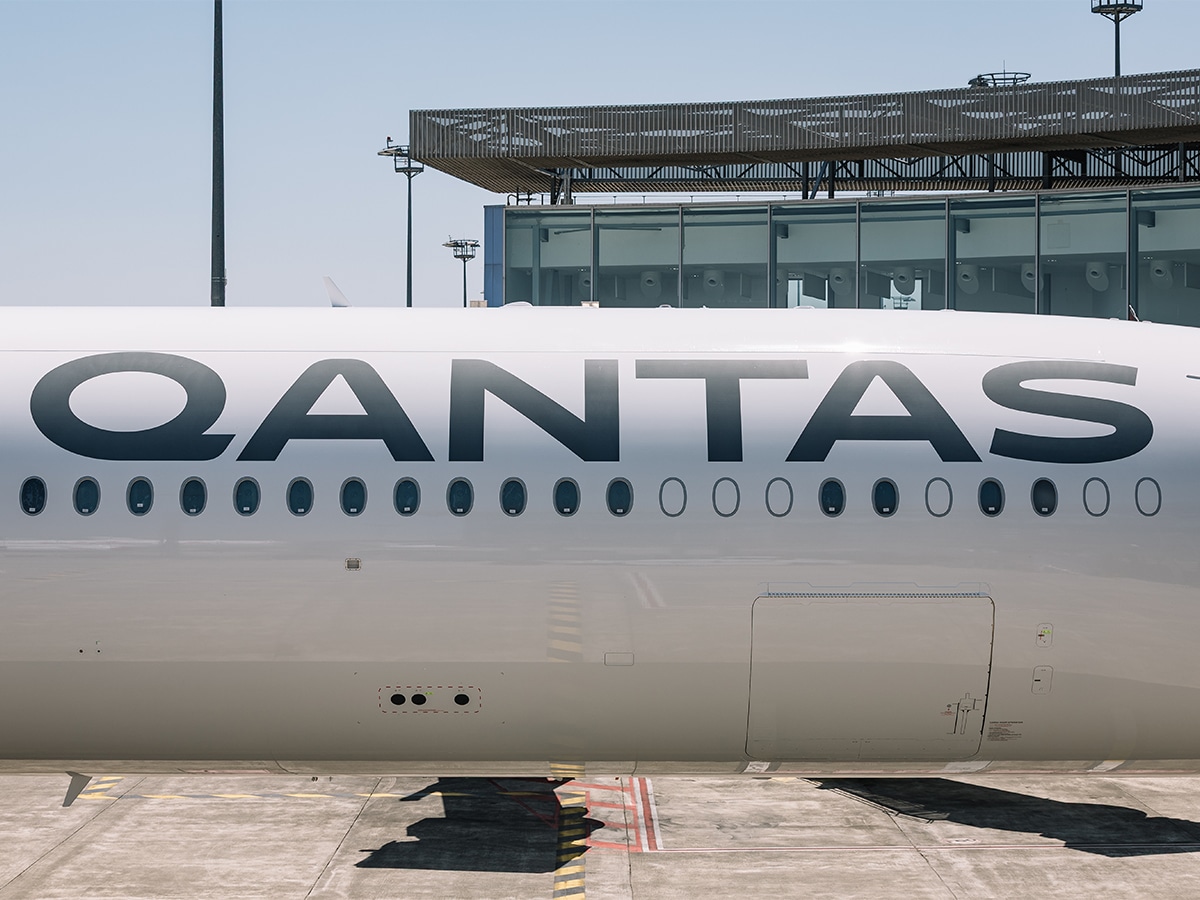
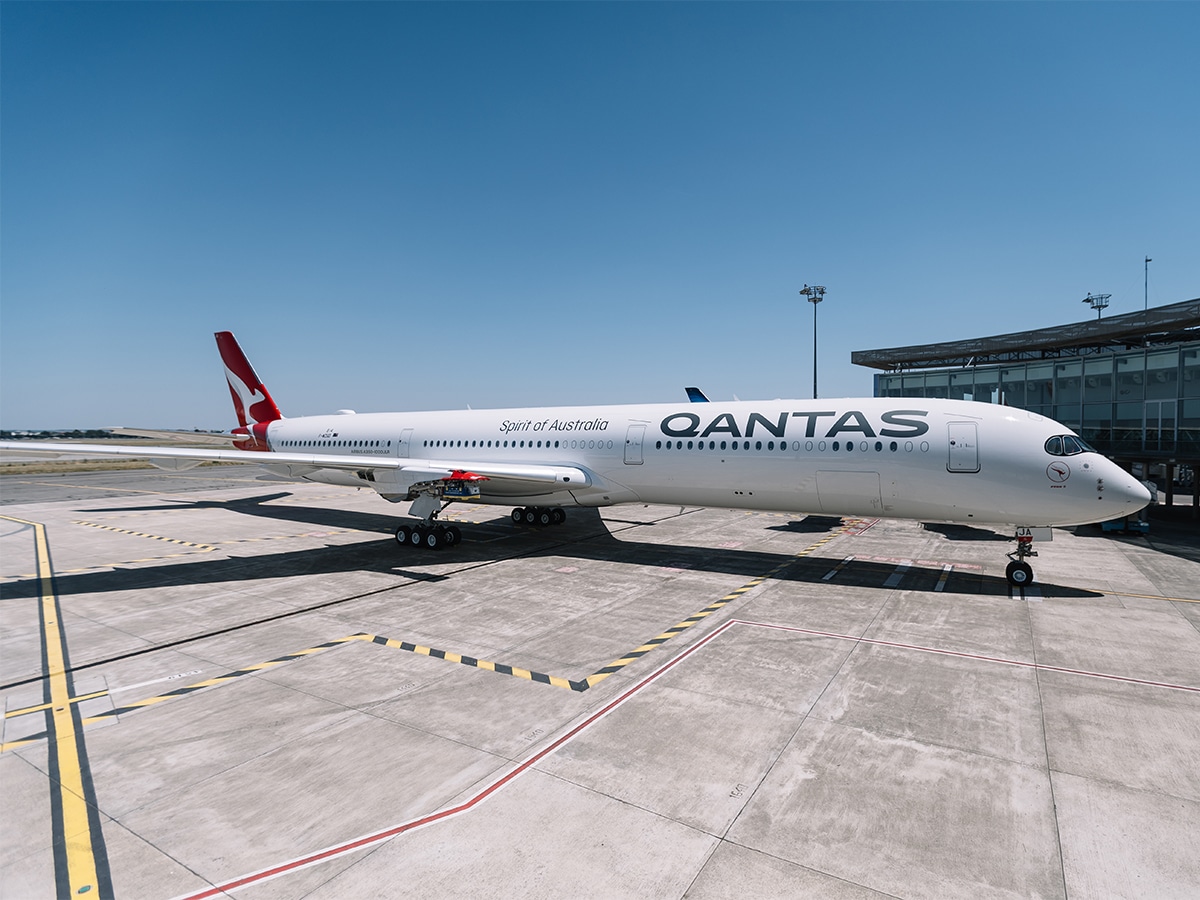
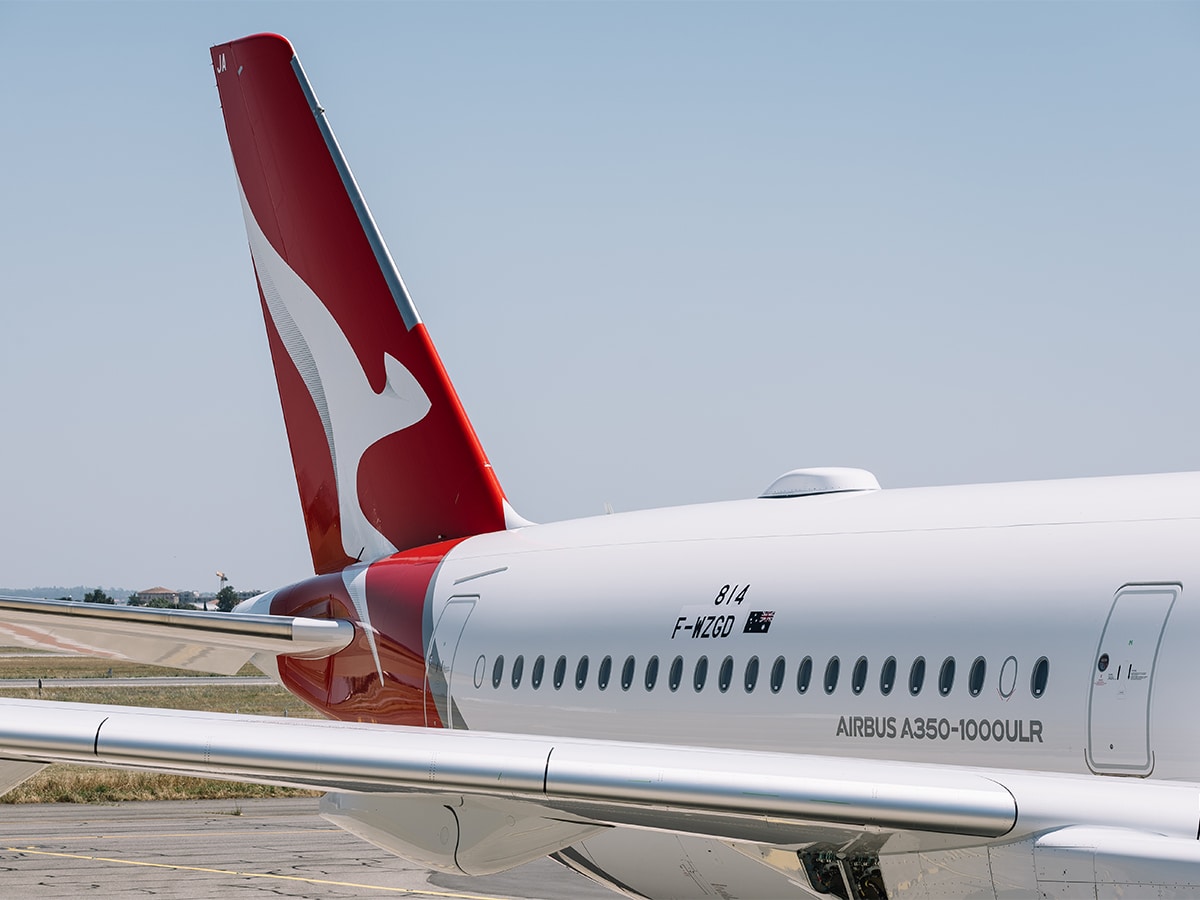
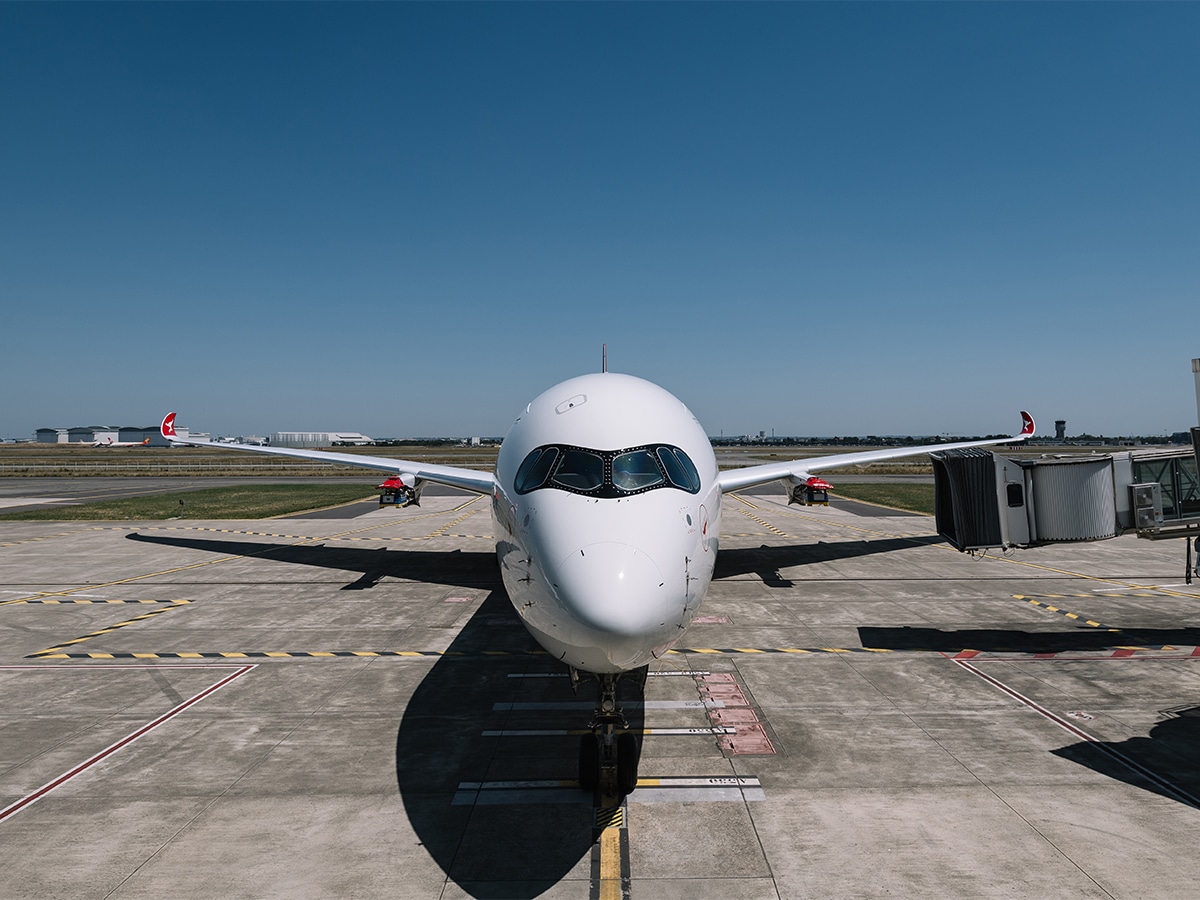
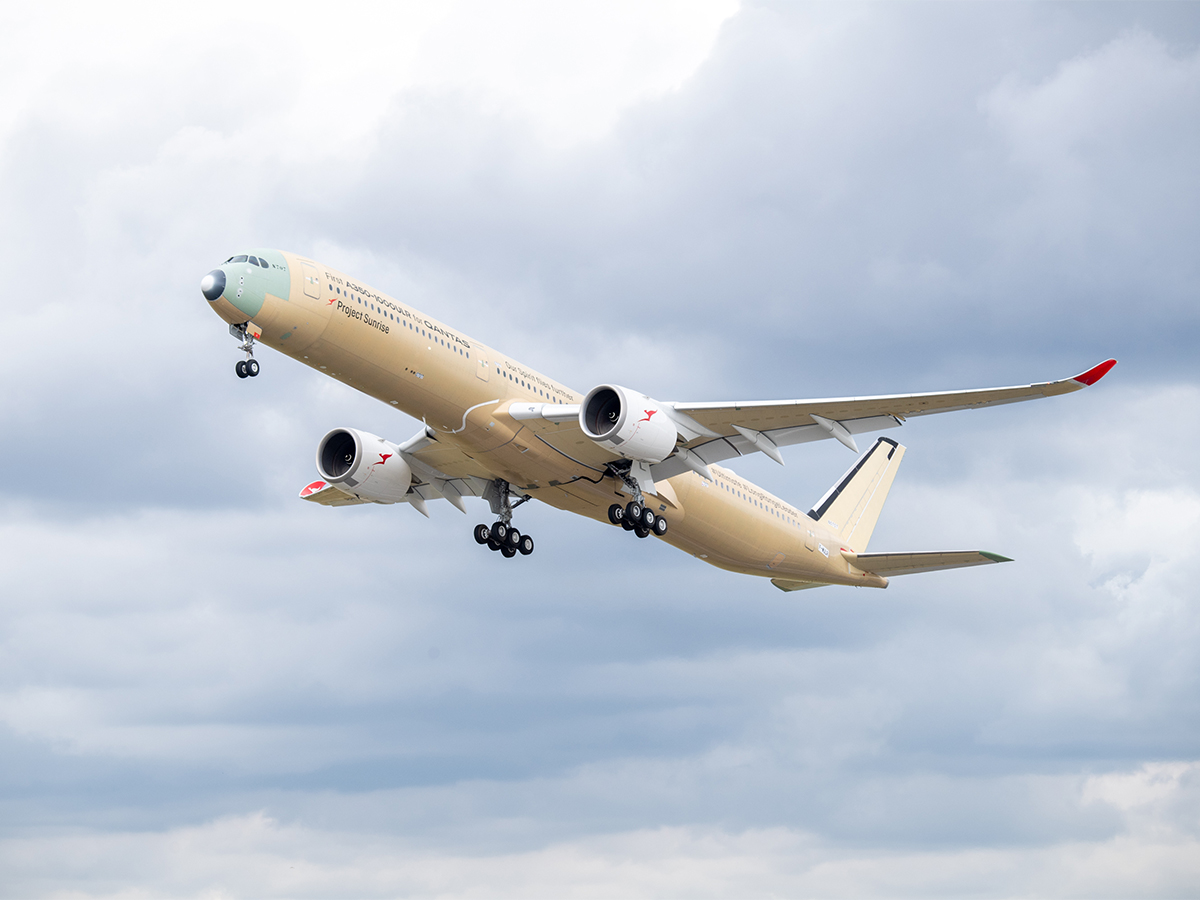
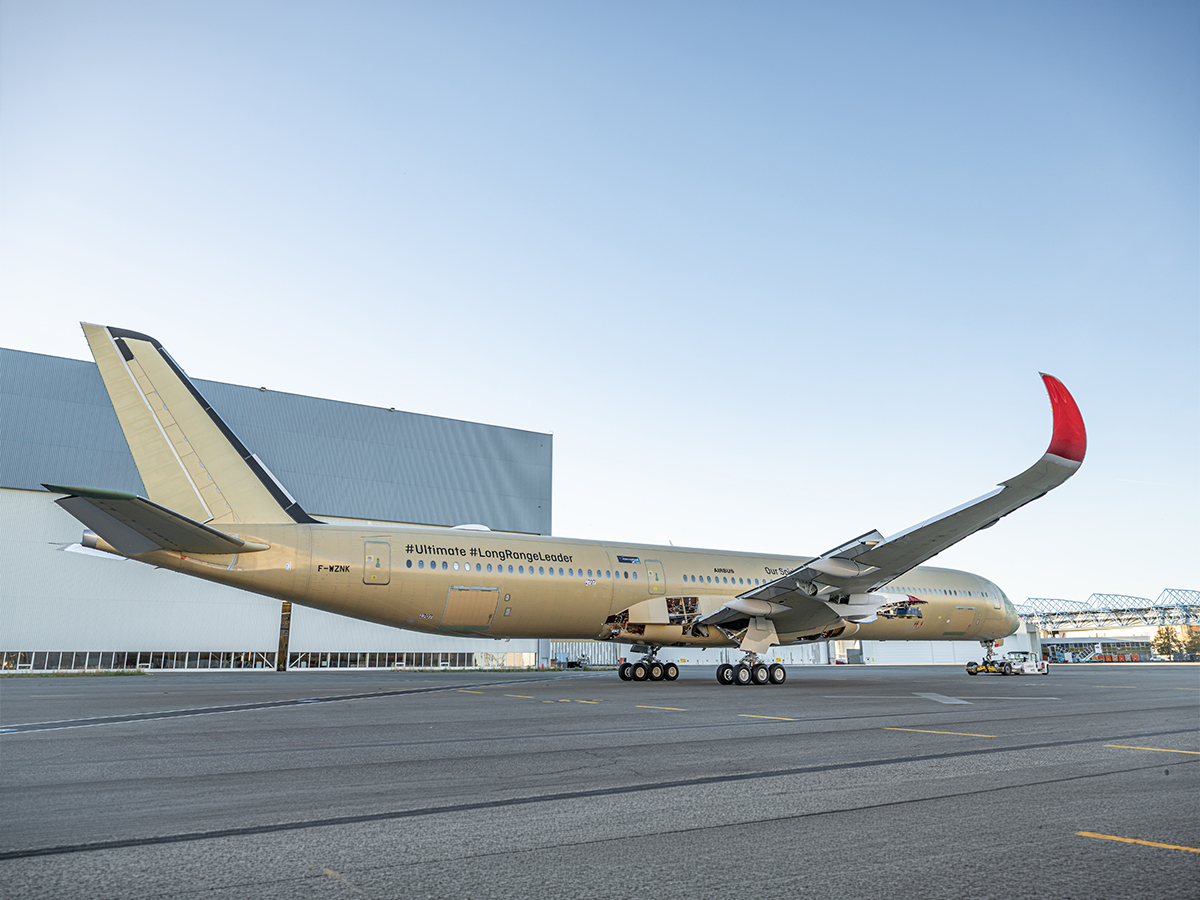
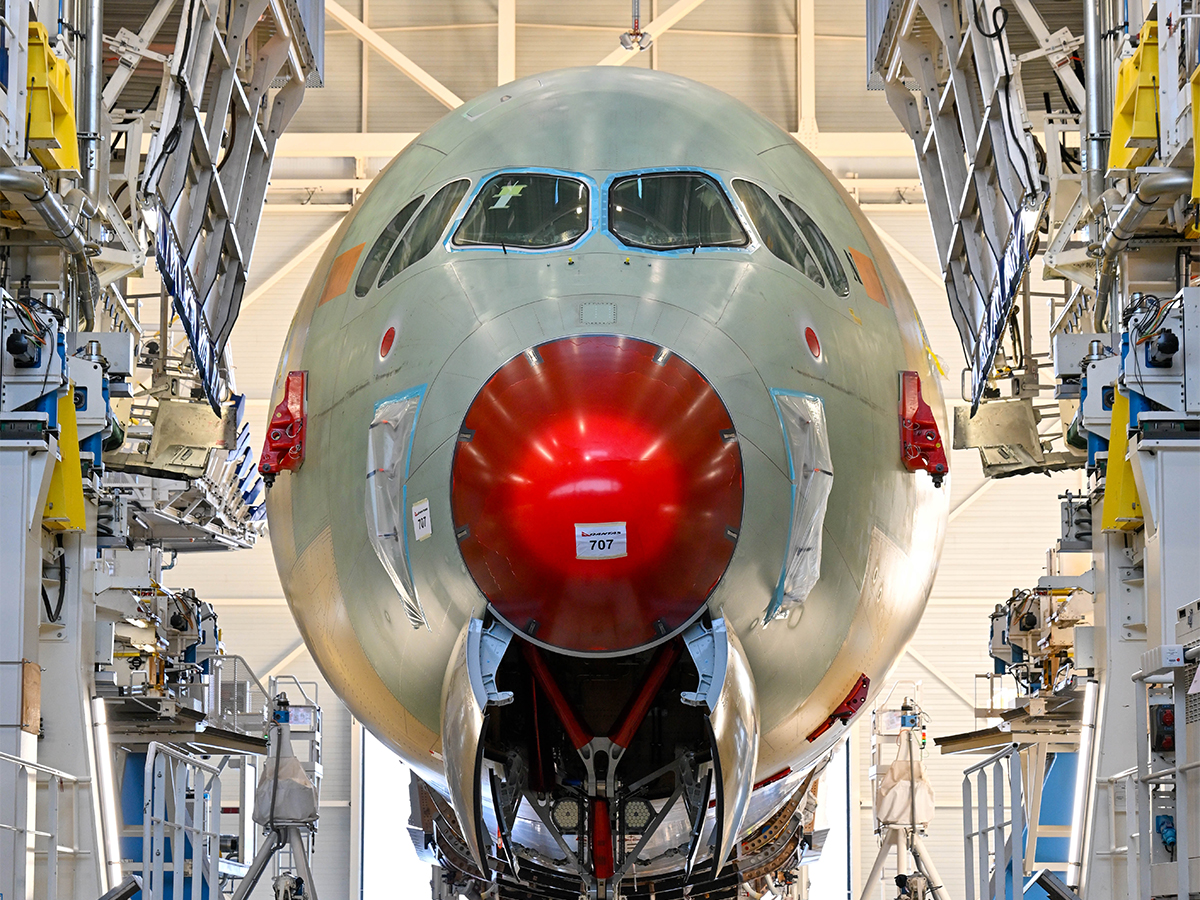
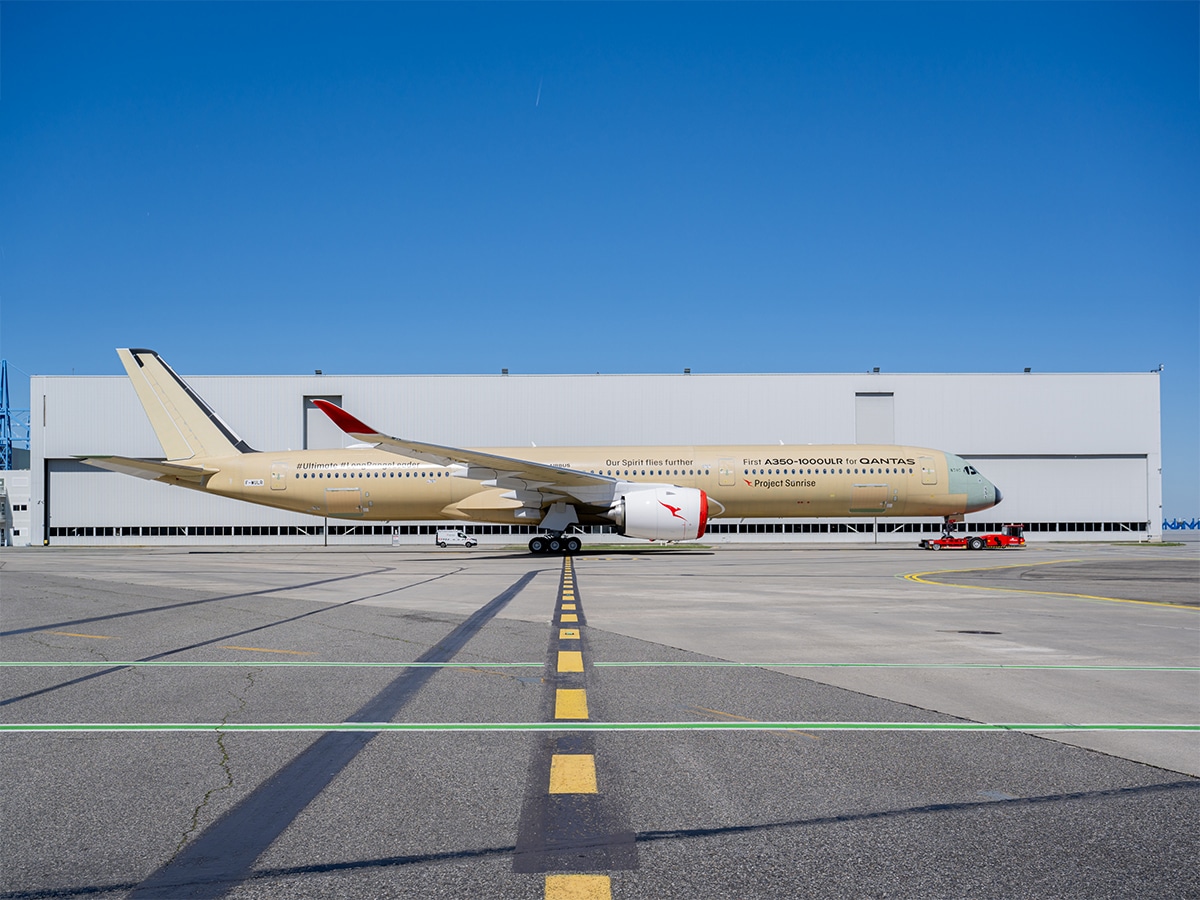
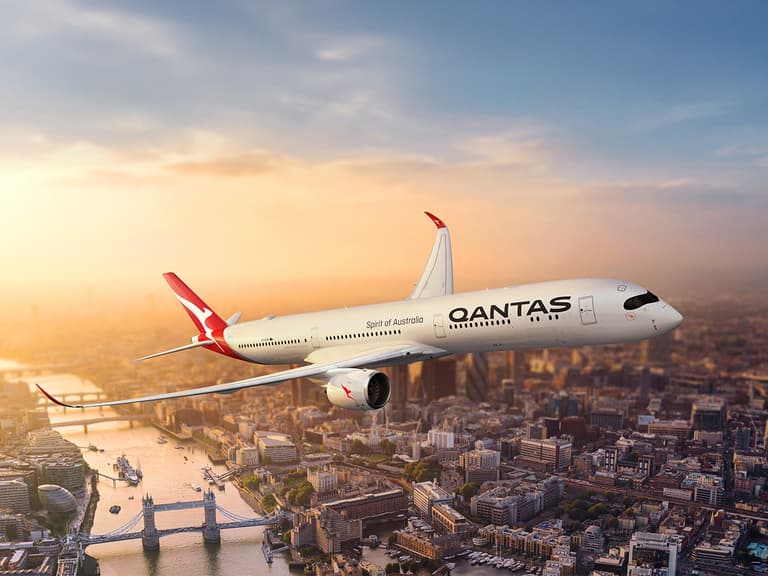
The resulting 12 Qantas-ordered Airbus A350-1000ULRs are a marvel of industrial design, built to unlock a flying range of 8,800 nautical miles. Maybe the most significant modification is the addition of a massive 20,000-litre rear-centre fuel tank, paired with a re-engineered fuel management system to distribute weight over a 22-hour flight profile safely.
Powering this ultra-long-haul plane is a pair of Rolls-Royce Trent XWB-97 engines, recognised as the world’s most efficient large aero-engines in service, pushing out the highest thrust configuration in the entire Trent family.
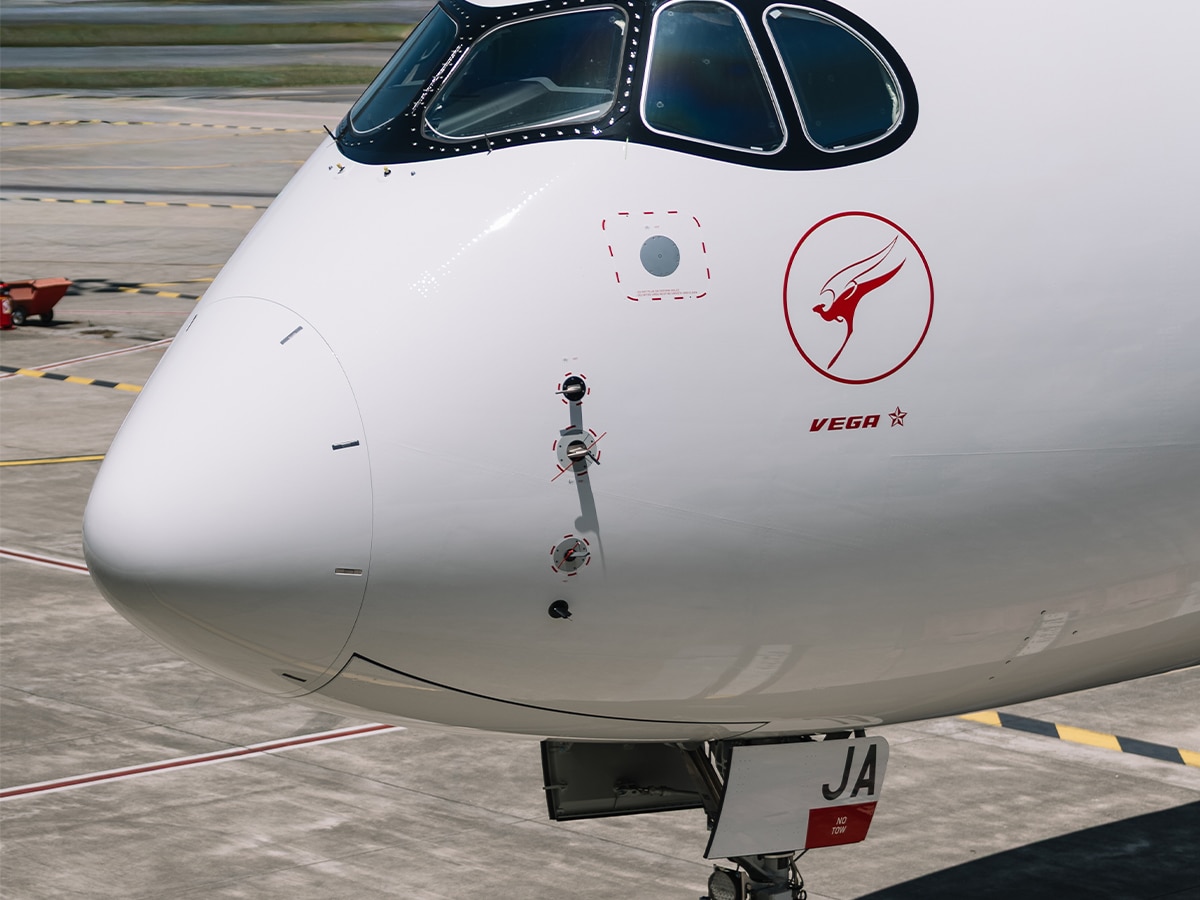
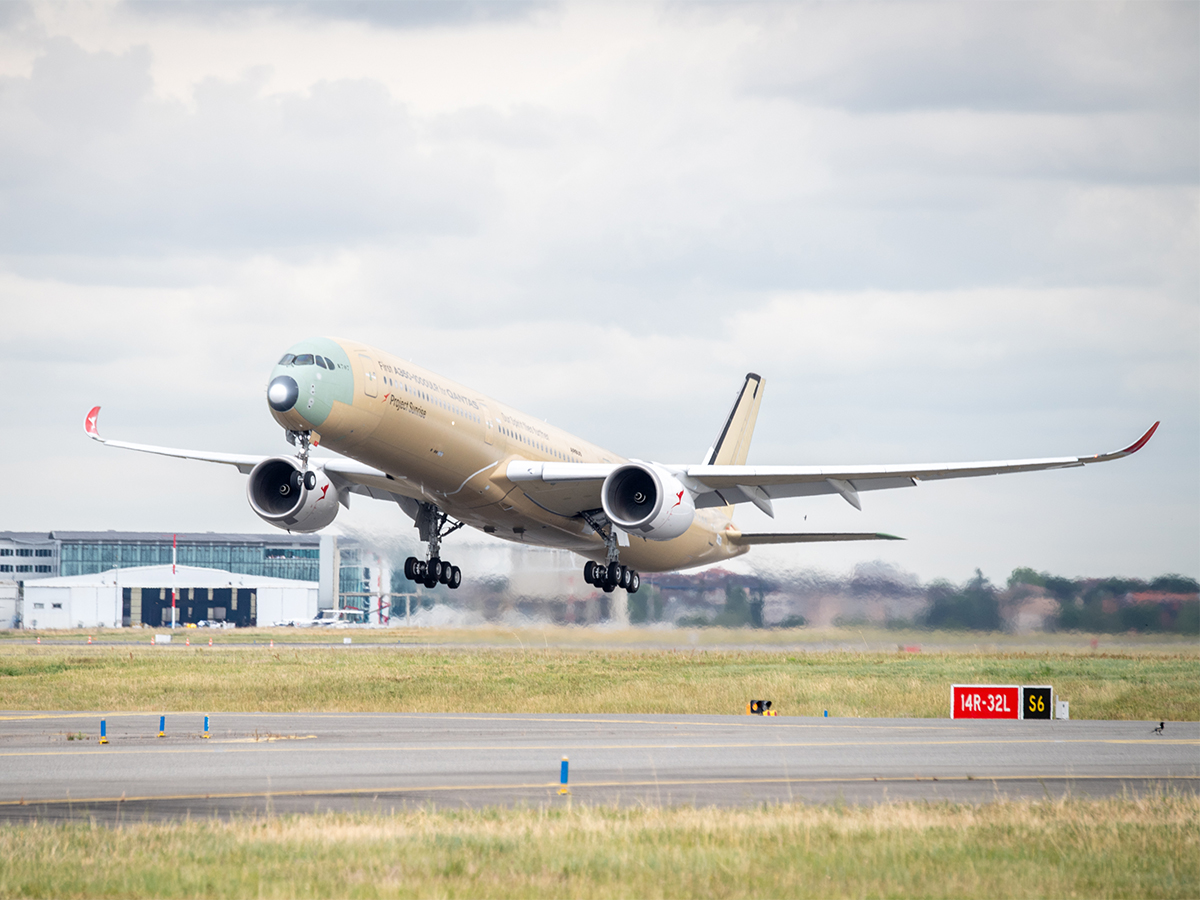
Qantas is scheduled to take delivery of its first A350-1000ULR in April 2027, clearing the way for the history-making inaugural commercial service to lift off between Sydney and London in October 2027. That delivery comes later than originally planned, with the aircraft previously expected to arrive in December 2026. But when you’re flying for that long, spending a little longer sounds alright by me.
As the program nears its official launch, the aircraft are already proving they can handle the endurance Project Sunrise demands. The first Qantas test aircraft recently completed a 24-hour, 24-minute non-stop flight from Melbourne to Toulouse, which the airline says is the longest flight ever completed by a commercial airliner.
| Parameter | Manufacturer Specification Dimensions |
| Wingspan | 64.75 metres |
| Overall Length | 73.79 metres |
| Aircraft Height | 17.08 metres |
| Cruising Speed | Mach 0.85 |
| Maximum Range | 8,800 nautical miles |
| Auxiliary Fuel Tank | 20,000-litre rear centre tank |
Extensive Training for Pilots and Crew
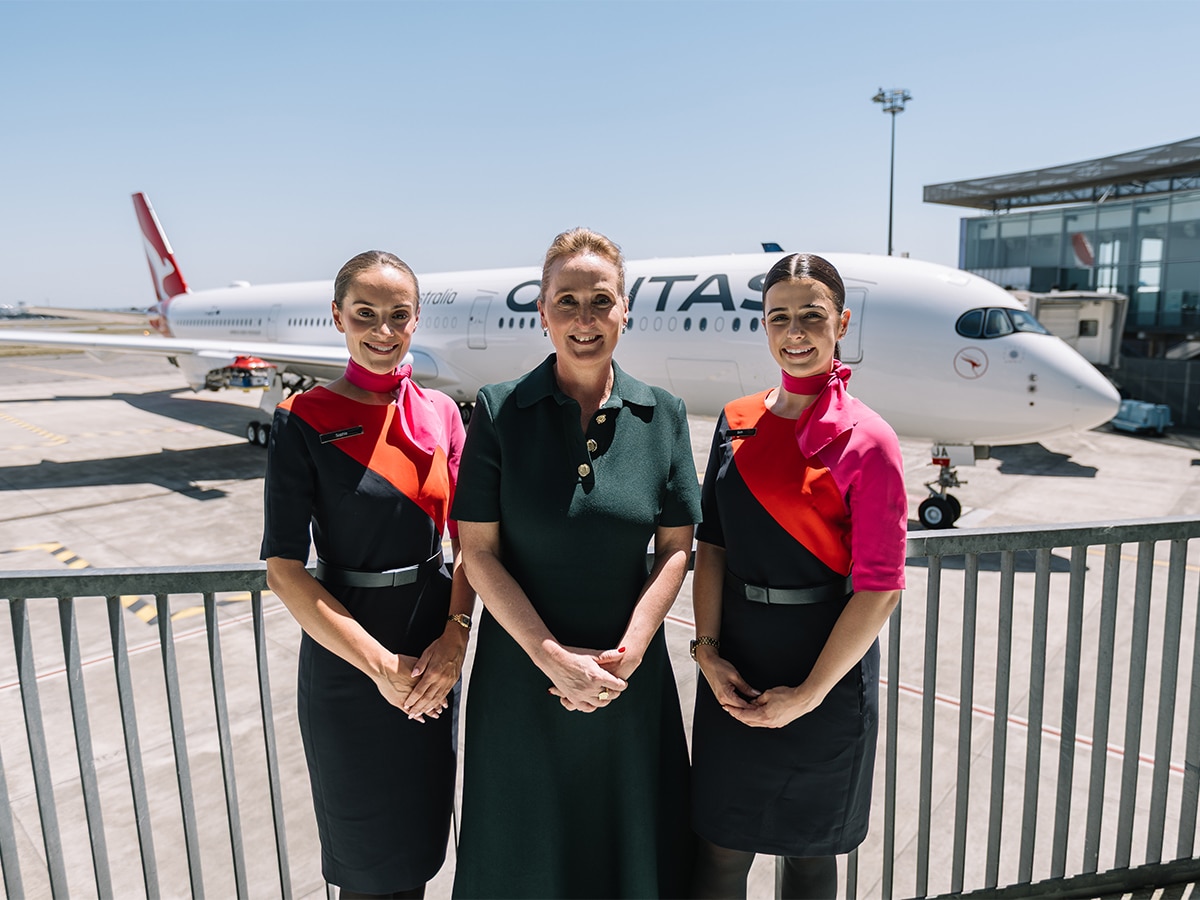
Preparing for Project Sunrise has been a decade-long enterprise effort across every single department of the airline, stretching from heavy maintenance tooling to cutting-edge simulator software. The operation centres entirely around a specialised fleet of Airbus A350-1000ULR aircraft, customised with additional fuel capacity and unique interior configurations. Qantas pilots have now begun training on Australia’s first A350 simulator in Sydney, part of a broader $100 million investment in pilot and cabin crew training facilities. The simulator allows crews to train on the Project Sunrise A350-1000ULR before the first aircraft even arrives in Australia, moving the program another step closer to commercial launch.
Qantas is upskilling approximately 20% of its entire long-haul pilot and cabin crew workforce specifically for these extended duties. Building the A350 ULR workforce requires training roughly 360 pilots and 1,200 cabin crew members. By the numbers, pilots converting from the A330 to the A350, the training pipeline demands 32 to 40 hours of ground and simulator training, followed by 6 to 8 dedicated line training sectors. Cabin crew undergo 6 full days of structured ground training, with a heavy focus on long-range operations and fatigue management.
Due to the extreme distances and extended flight times, every single Project Sunrise flight will operate with an expanded crew of four pilots to ensure adequate rest cycles.
| Personnel Role | Total Fleet Training Target | Ground / Simulator Requirements | Operational Line Experience |
| Flight Crew (Pilots) | ~360 pilots | 32 to 40 hours | 6 to 8 line training sectors |
| Cabin Crew | ~1,200 crew | 6 full days of structured ground training | Standard familiarisation flights |

Redefining Comfort Inside the Custom Airbus A350 Cabins
| Cabin Class | Total Seat Count | Layout Config | Space Dimensions & Pitch | Screen Size & Features |
| First Class | 6 suites | 1-1-1 | 57″ high walls, 80″ long bed, 22″ armchair | 32″ HD touchscreen, wireless charging, 10″ controller |
| Business Class | 52 suites | 1-2-1 | 47″ high walls, 80″ long x 25″ wide flatbed | 18″ touchscreen, wireless charging, glove box |
| Premium Economy | 40 seats | 2-4-2 | 40″ seat pitch, 8″ winged headrest, leg cradling | 13.3″ touchscreen, dual USB-C ports, 3 storage pockets |
| Economy Class | 140 seats | 3-3-3 | 33″ seat pitch, 6-way headrest, device shelf | 13.3″ touchscreen, dual USB-C ports, dark-first UI |
To make a 22-hour flight not just liveable but actually comfortable, Qantas completely re-engineered the interior layout of its Airbus A350, reducing the passenger count to just 238 seats (usually accommodating between 375 and 400 passengers) to maximise personal space.
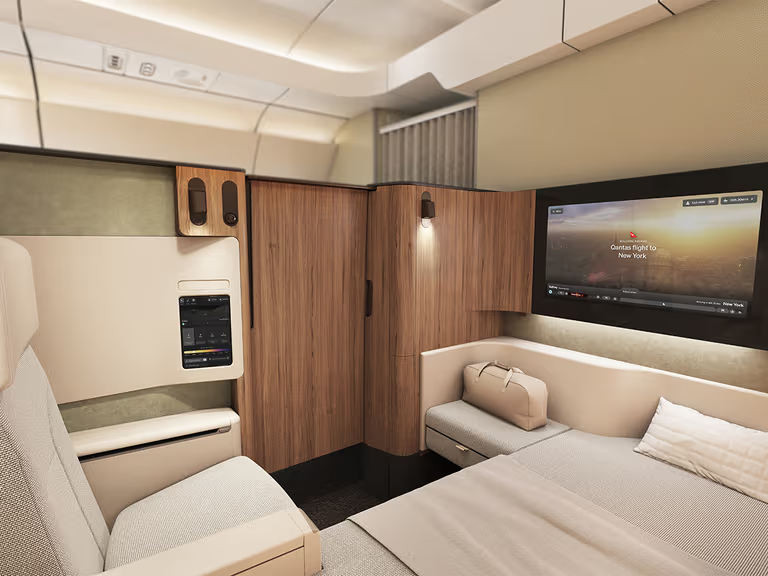
First Class
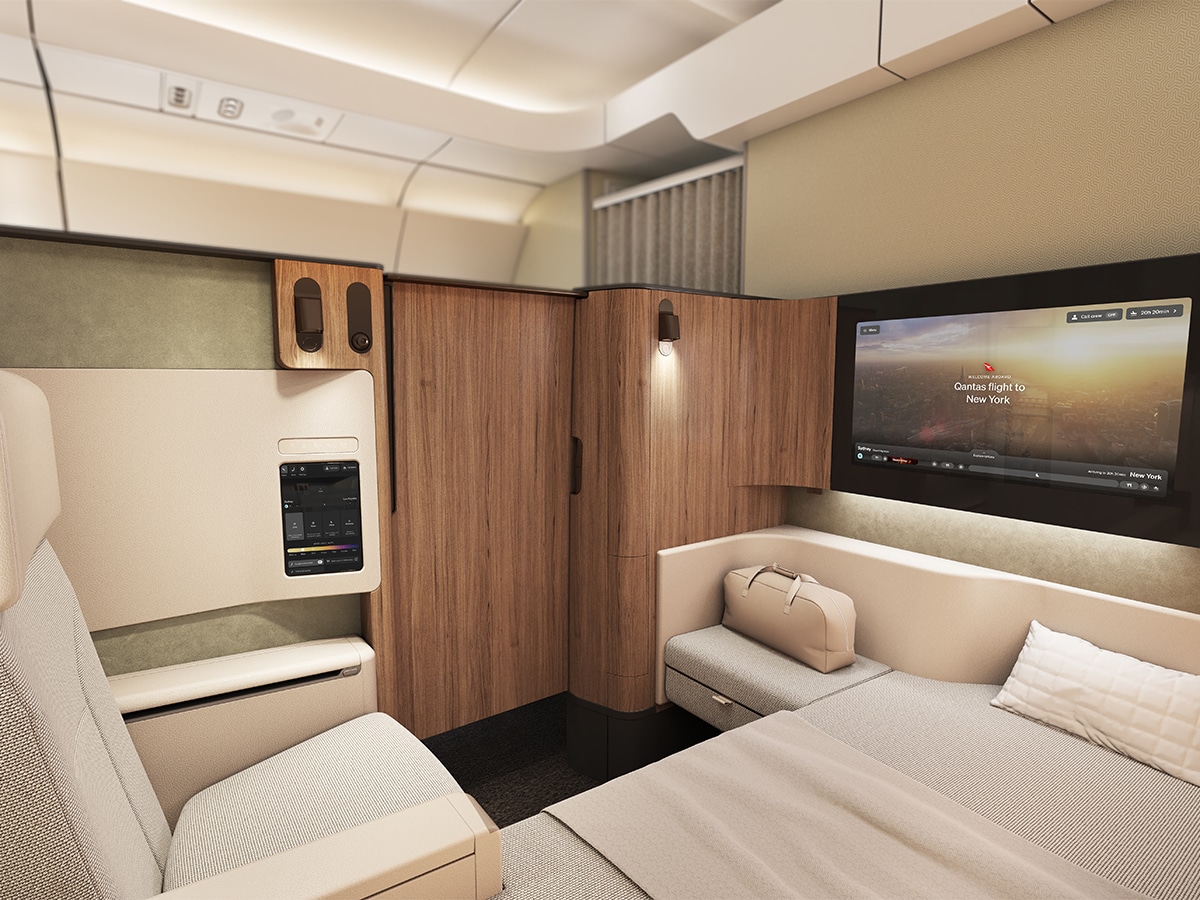
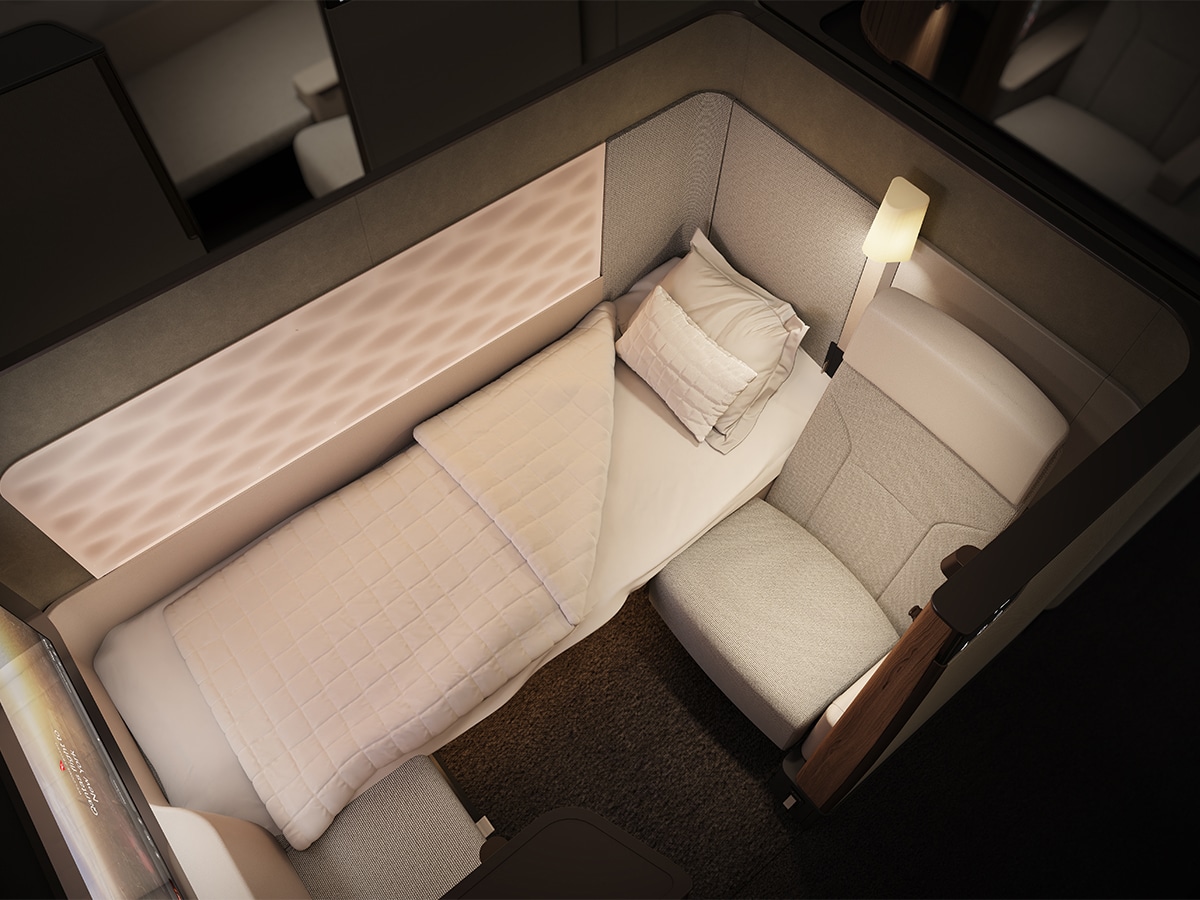
The pinnacle of this configuration is the First Class cabin, which features six spacious, enclosed suites arranged in a 1-1-1 layout. Offering 50% more pure real estate than Qantas’s A380 suites, each zone features 57-inch high walls and a fully closing sliding privacy door. Inside, passengers get a dedicated 22-inch-wide reclining armchair completely separate from the 80-inch (2-metre) long flatbed, an adjustable bed backrest for breakfast, a full-length wardrobe, customisable LED mood lighting, and a massive 32-inch entertainment touchscreen featuring integrated Bluetooth audio connectivity (14 inches larger than the legacy A380 screens). Next to it, a 10-inch dedicated touchscreen suite controller handles everything from seat articulation to dining preferences.
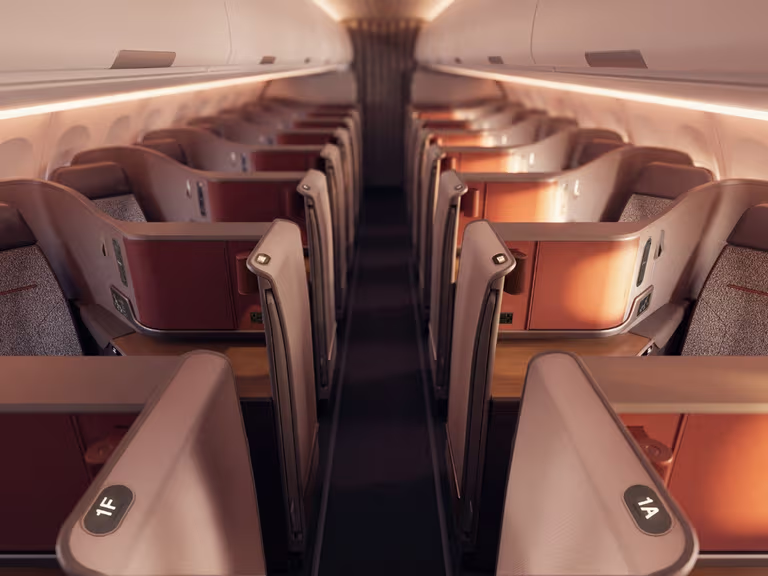
Business Class
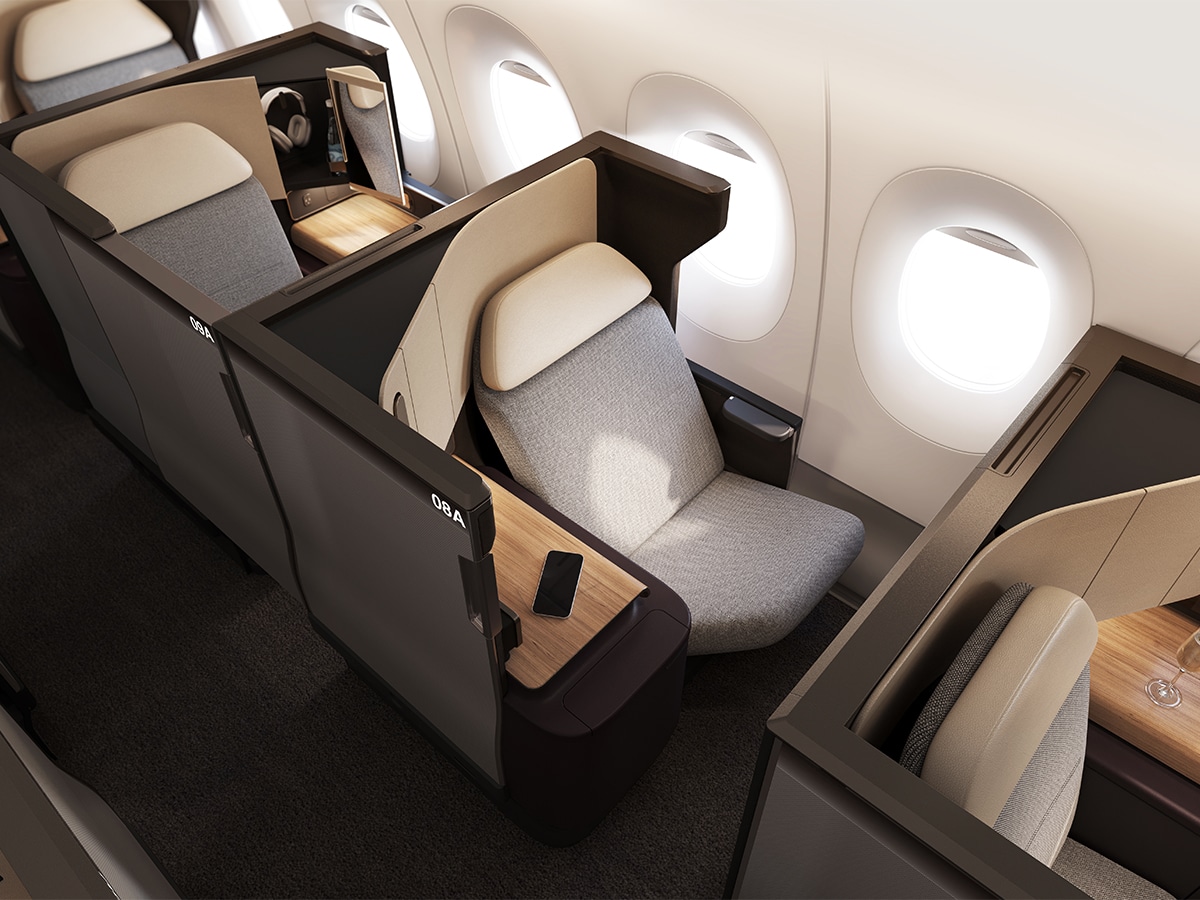
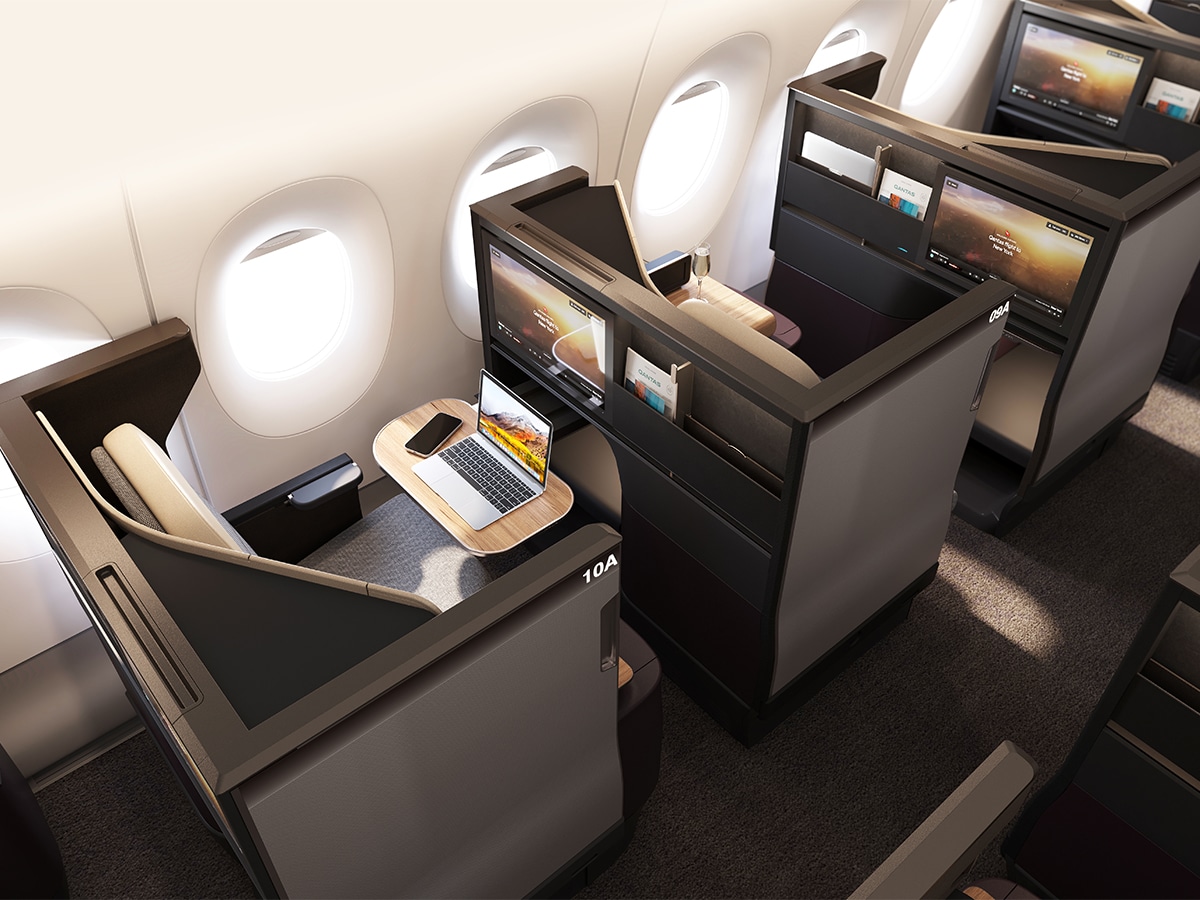
Moving back, the 52 Business Class suites are laid out in an efficient 1-2-1 configuration, boasting a sliding door that opens into a 42-inch-wide suite bounded by a 47-inch-high privacy wall. The Business flatbed measures 80 inches long and 25 inches wide, which is an inch longer than the old A380 First Class bed and an inch wider than standard A380 Business seats. Business travellers also gain a cushioned leather ottoman that lifts for extra hidden storage, a dedicated upholstered glove box, an 18-inch display, a personal mirror compartment, and an expanded cocktail-and-work surface layout.
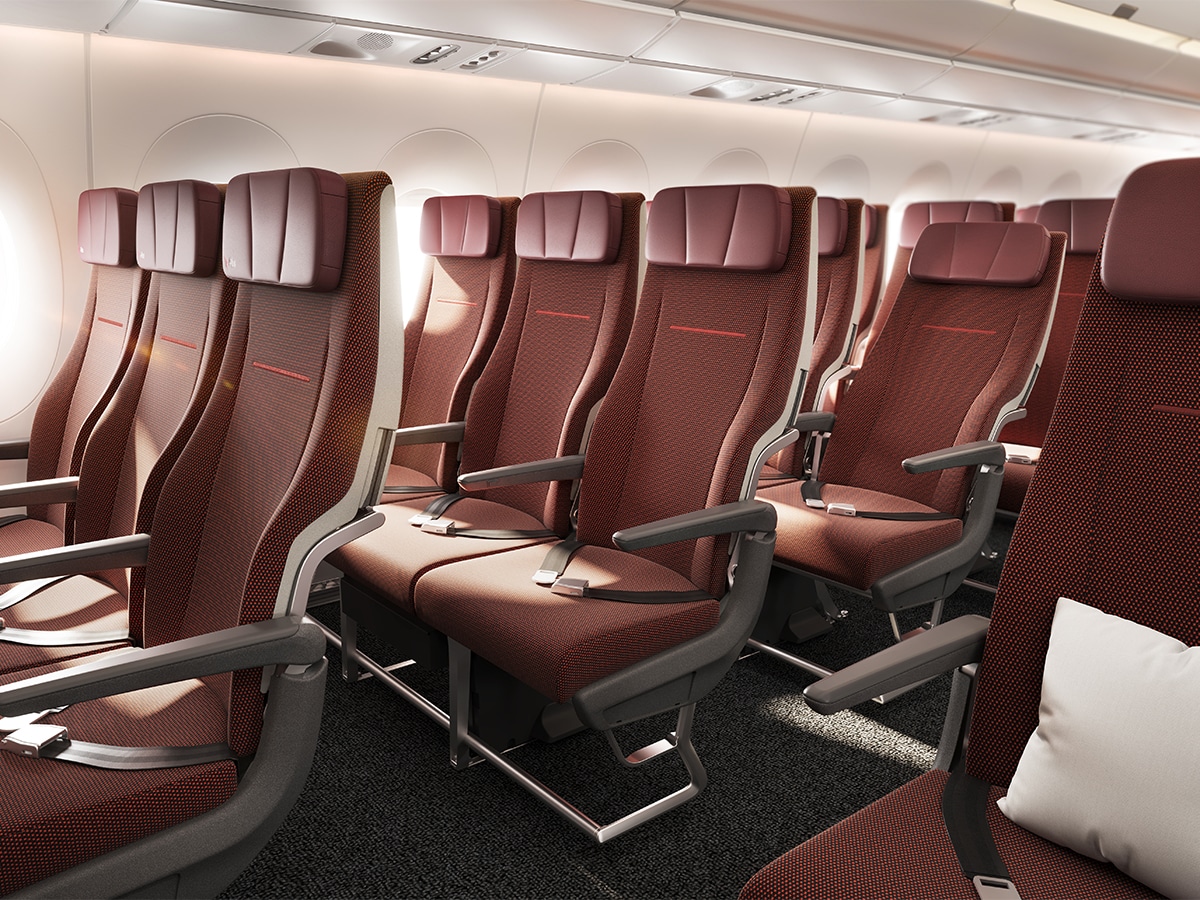
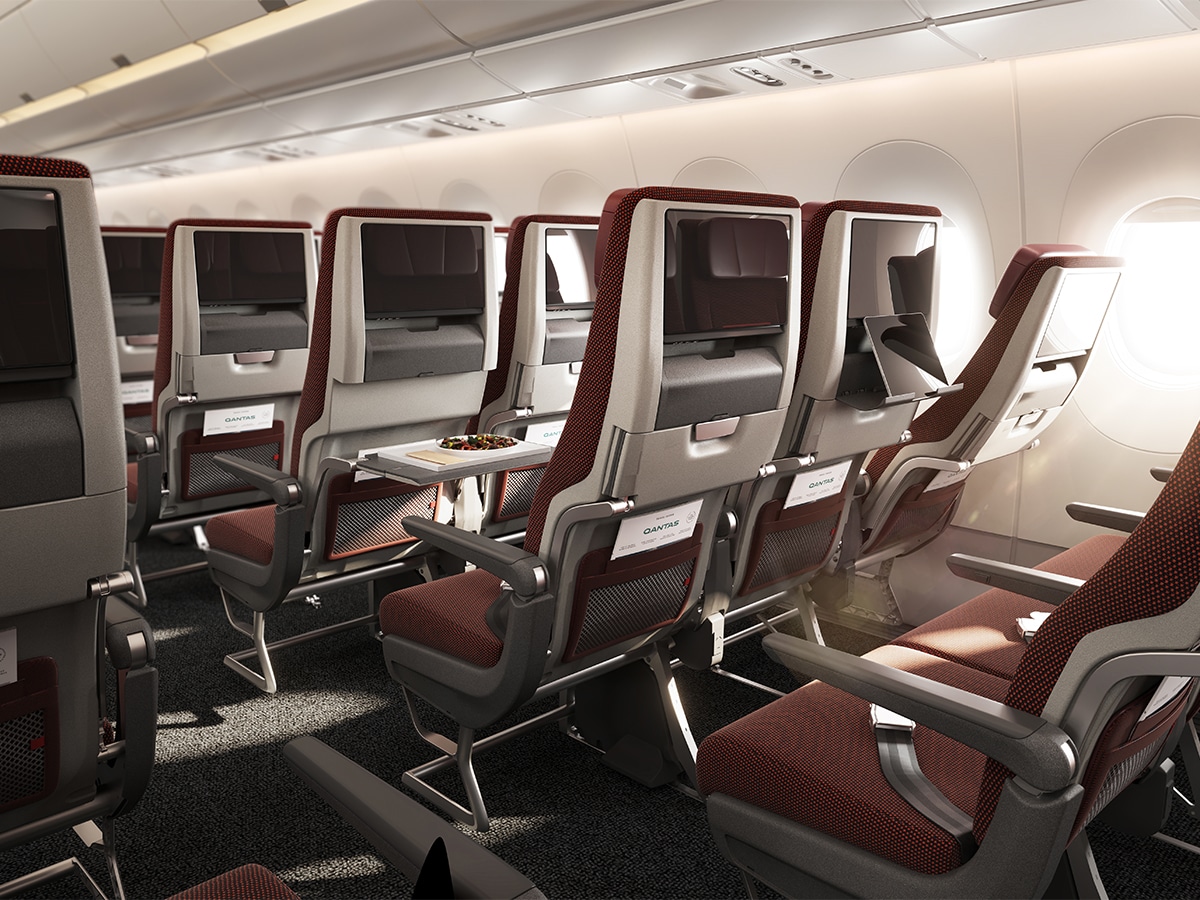
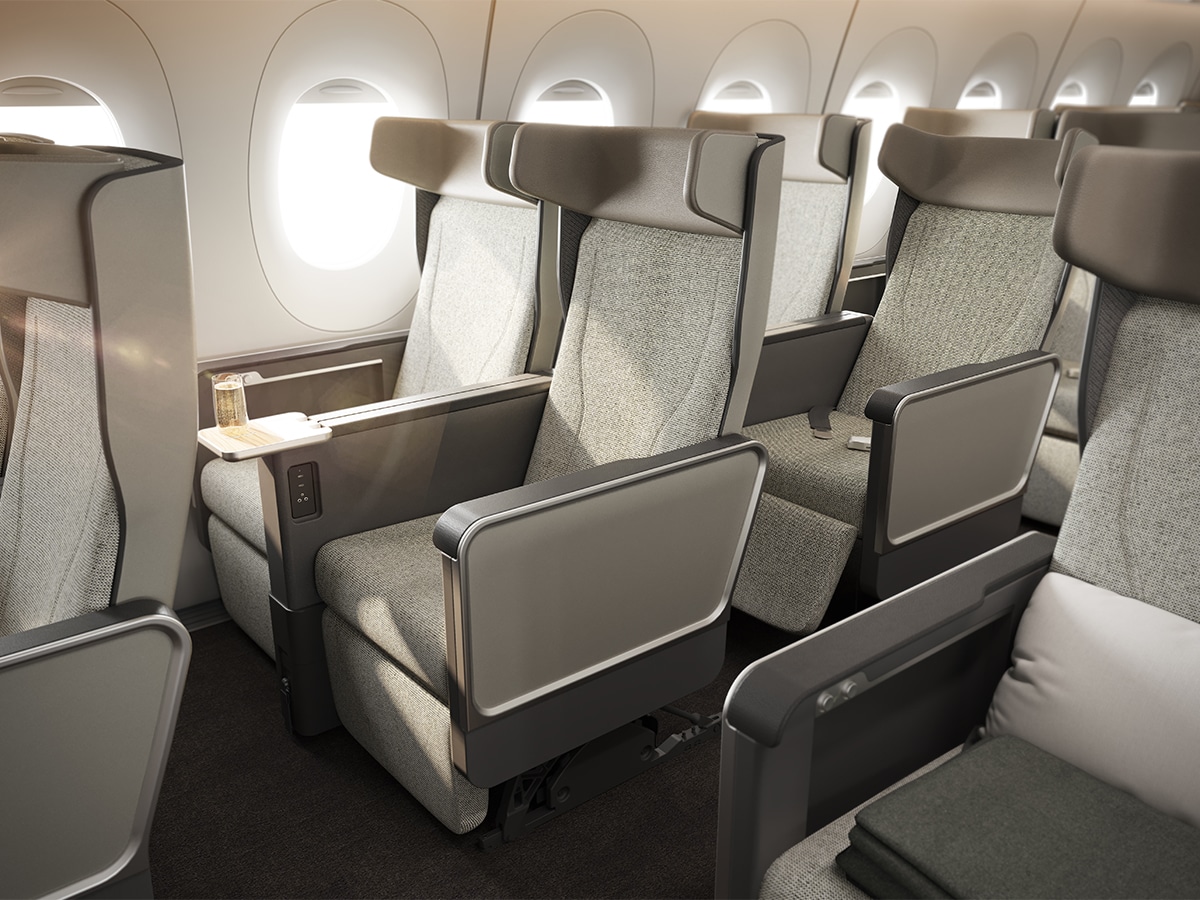
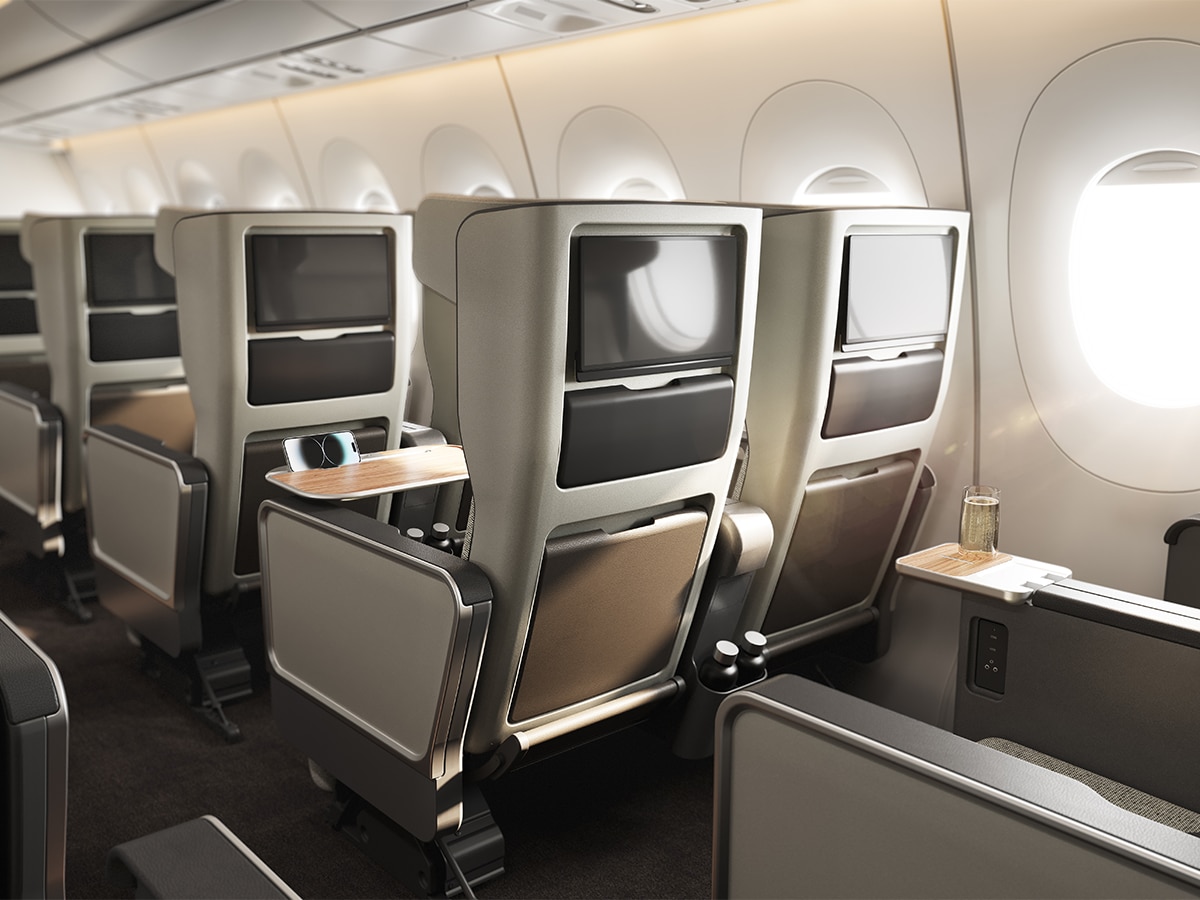
Premium Economy is configured as a boutique 40-seat cabin in a 2-4-2 layout, boasting Qantas’s most generous seat pitch to date: a spacious 40 inches. The seats feature unique 8-inch winged privacy headrests, customised calf rests designed for total leg cradling, three distinct amenity storage pockets, and dual fast-charging USB-C ports for every traveller. Lastly, the 140-seat Economy cabin, configured in a 3-3-3 layout, delivers a class-leading 33-inch seat pitch, a 6-way adjustable headrest, a multi-use seatback table paired with an additional dedicated device shelf, and an individual 13.3-inch entertainment screen.
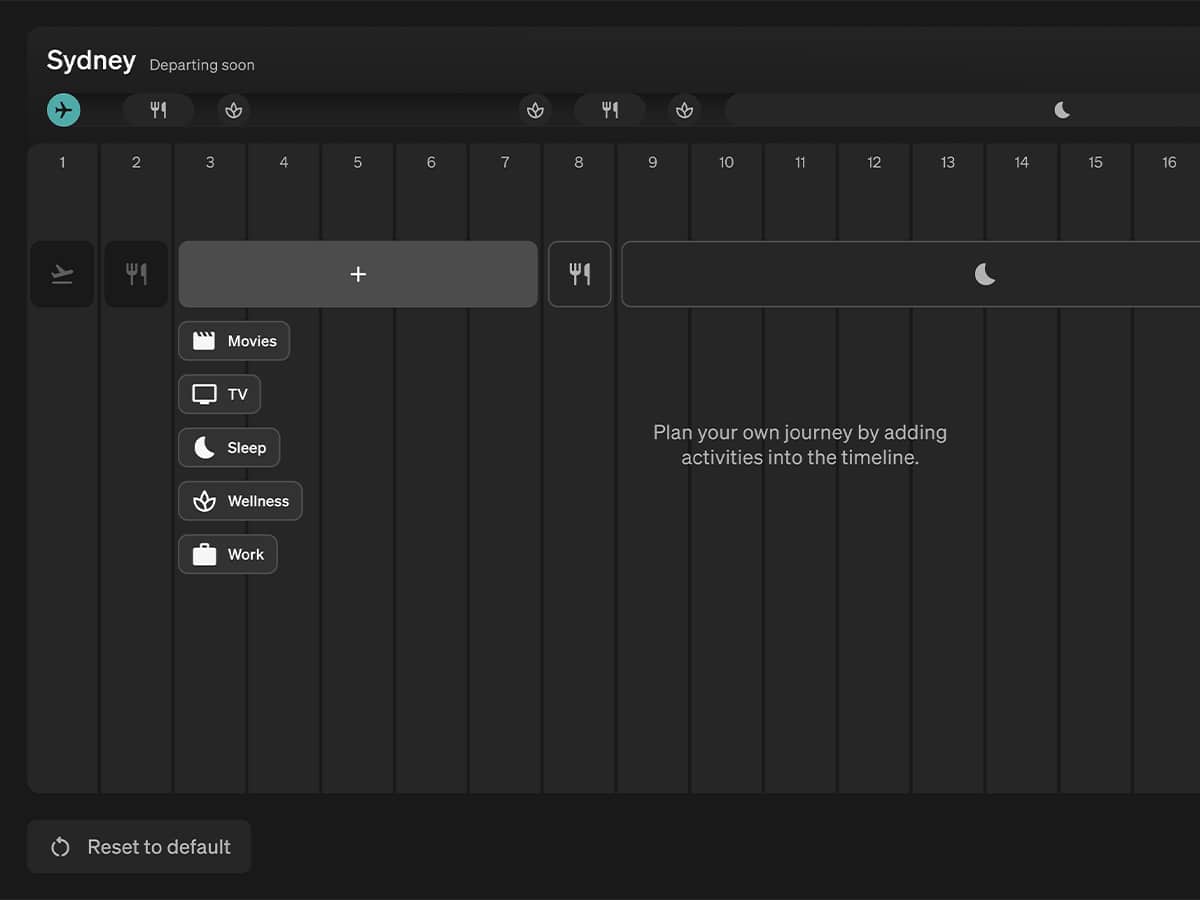
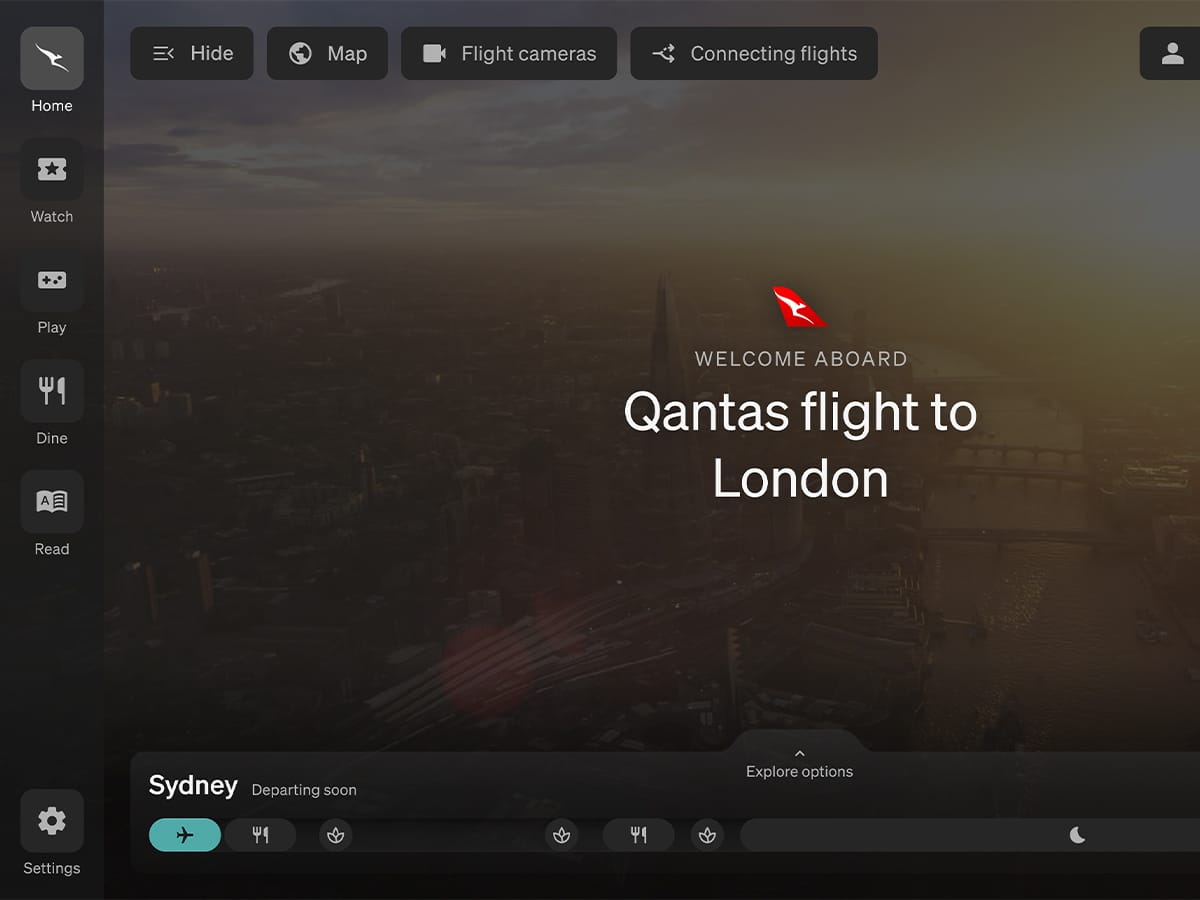
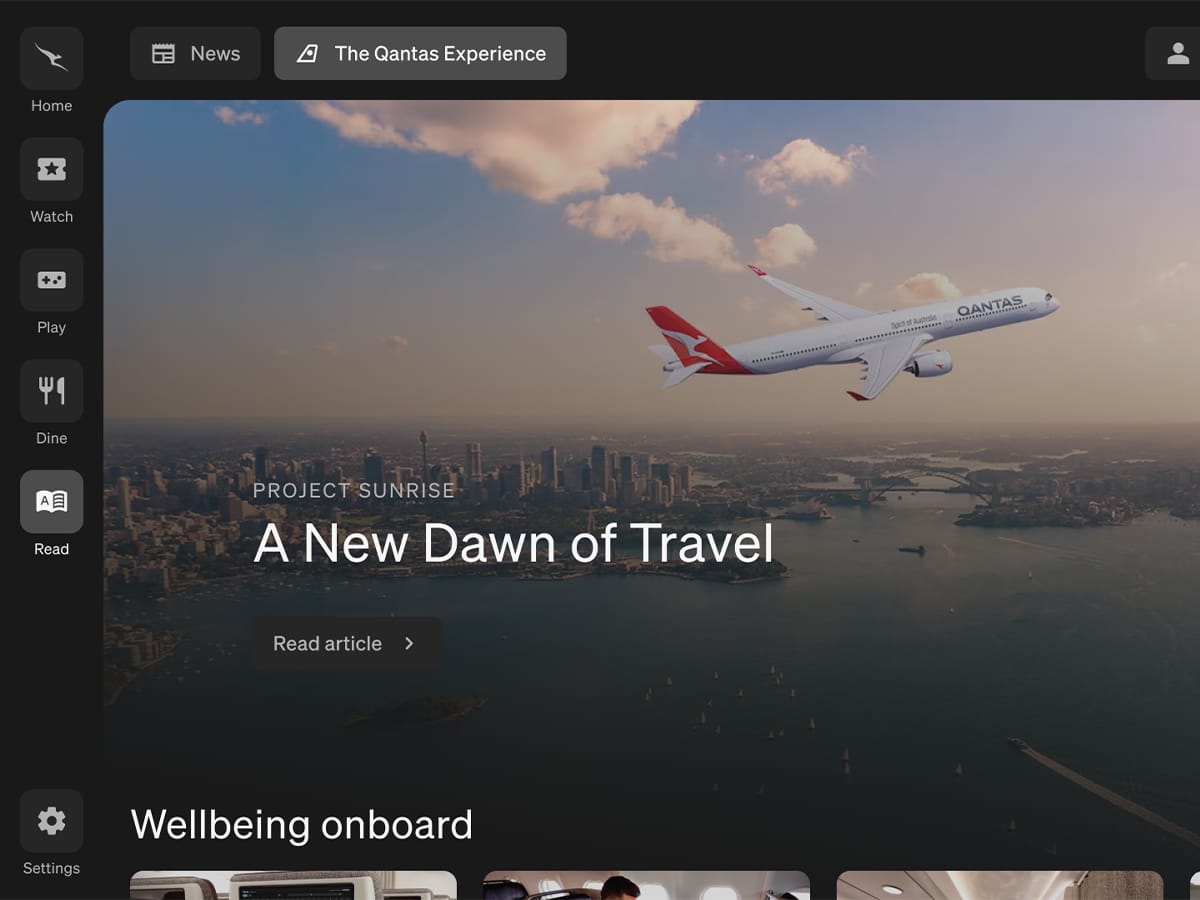
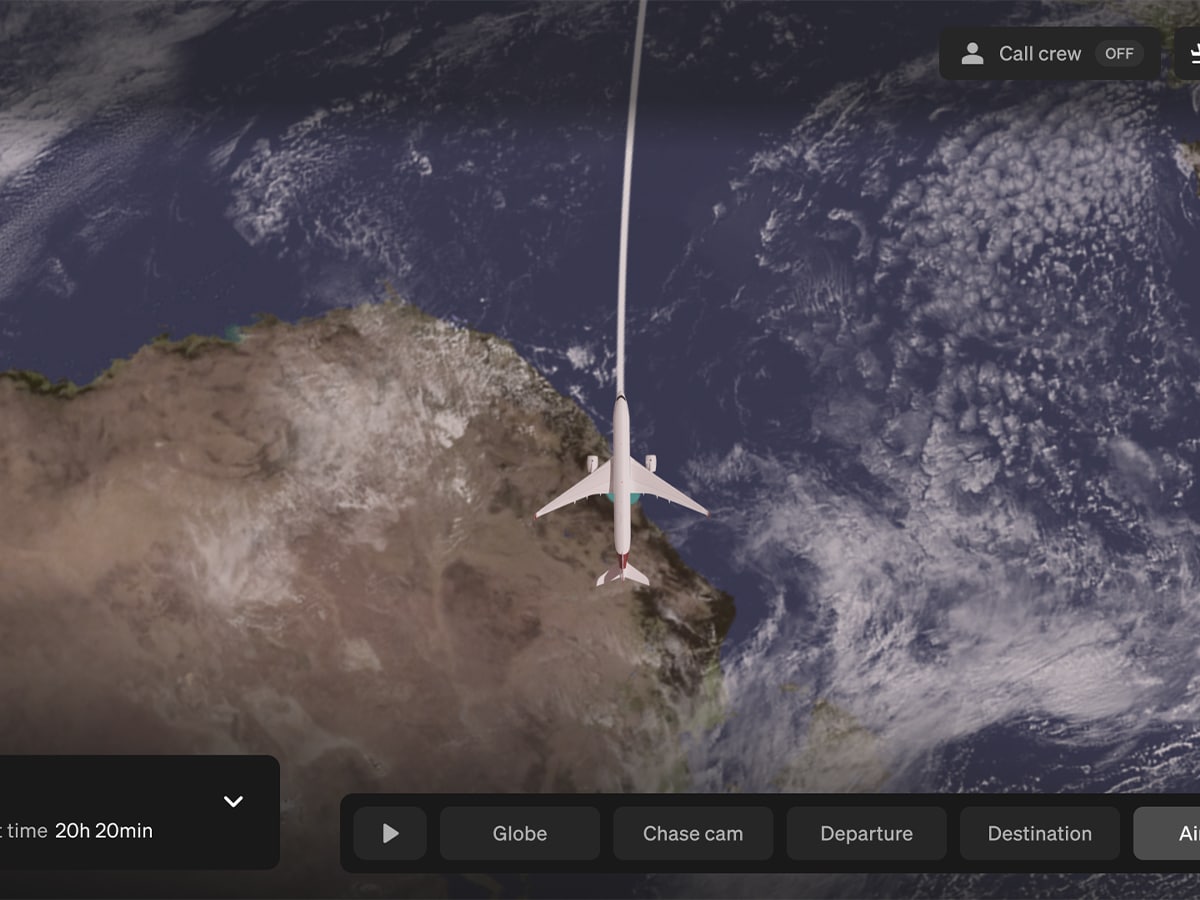
When we look across all four classes, the digital ecosystem has been rebuilt from scratch, providing fast, free Wi-Fi and individual seat Bluetooth pairing for wireless headphones, rounded out by a dark-first interface that minimises screen glare and light spill across the cabin during sleep cycles. The software even incorporates a unique journey planner that syncs with the onboard lighting scenarios to show passengers exactly when to eat, watch content, and rest.
Last but not least, the configuration leaves room for a dedicated Wellbeing Zone nestled between the cabins, featuring integrated stretch handles, guided on-screen physical activation programs, and self-service hydration stations to encourage active movement throughout the marathon journey.
Science of Jetlag at 35,000 Feet
Crossing up to a dozen time zones on a single flight poses a biological challenge. To solve the human equation of ultra-long-haul travel, Qantas entered a partnership with the University of Sydney’s Charles Perkins Centre (CPC).
The data said that jet lag is a system-level mismatch in which internal body clocks simply cannot keep pace with high-speed travel. So, to establish a scientific baseline, Qantas and the CPC operated three dedicated research flights from New York and London to Sydney, fitting 23 volunteer passengers with wearable devices to track movement, light exposure, and alertness.
One of those flights travelled from New York to Sydney in 2019 and lasted nearly 20 hours, giving Qantas an early real-world look at the route almost a decade before regular commercial services are due to begin.
Data from this test revealed that passengers subjected to optimised lighting, tailored movement intervals, and specific meal schedules experienced significantly shorter perceived jet lag, improved sleep quality, and markedly higher alertness levels two days post-flight. Similarly, custom cabin lighting changes sync with passengers’ destination time zone long before the wheels touch the tarmac.
New Frontier for Aviation
Ultimately, Project Sunrise represents a significant shift in how we approach long-distance travel. By combining robust market economics and highly adaptive flight engineering with rigorous circadian science, Qantas is proving that the future of international travel is about getting passengers to the other side of the planet faster, and having them arrive healthy, well-rested, and actually ready to take on the day.
When these custom A350s officially take to the skies for their history-making 22-hour journeys between Sydney and London in October 2027, the global travel landscape will never be the same. And from mid-2028, New York joins the map, giving Australians a non-stop route to the Big Apple for the first time and finally completing the two headline destinations that have defined Project Sunrise from the beginning.

























Comments
We love hearing from you. or to leave a comment.