

Updated:
Readtime: 6 min
Every product is carefully selected by our editors and experts. If you buy from a link, we may earn a commission. Learn more. For more information on how we test products, click here.
- The NSW government will commit $4.3 million to drug-checking services at up to 15 music festivals each year, starting in October 2026, following a 12-month trial.
- The trial was associated with fewer drug-related hospital presentations and showed that some people changed what they planned to do after discovering something unexpected in their drugs.
- Health advocates now want NSW to follow Canberra and Melbourne with year-round community testing sites.
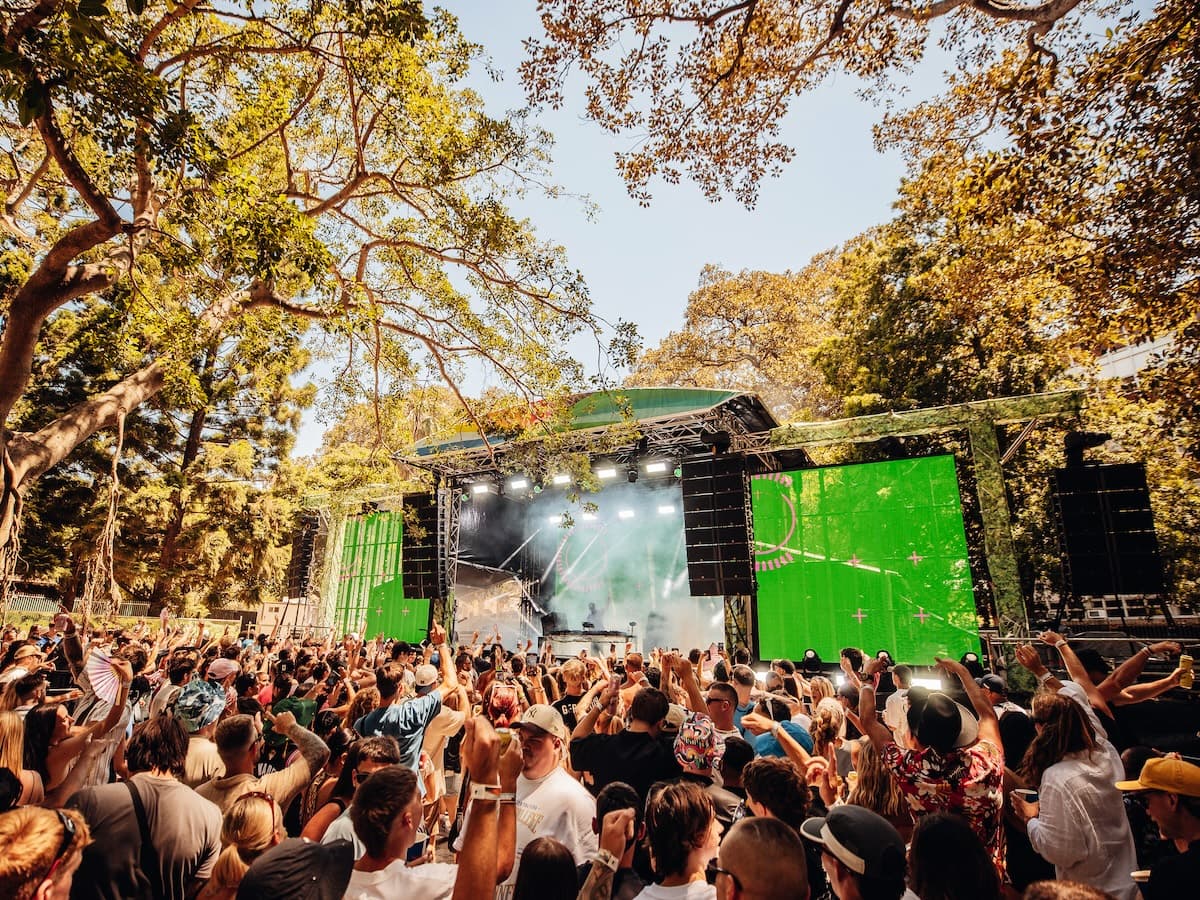
The NSW government has decided pill testing at music festivals is here to stay.
From October 2026, the state government will put $4.3 million towards drug checking at up to 15 festivals every year, following a 12-month trial that tested almost 1,500 samples. The evaluation concluded people used the service to test their drugs, some changed their behaviour because of it, and drug-related hospital presentations were lower while it was running. All positive results.
What Did NSW’s Pill-Testing Trial Actually Find?
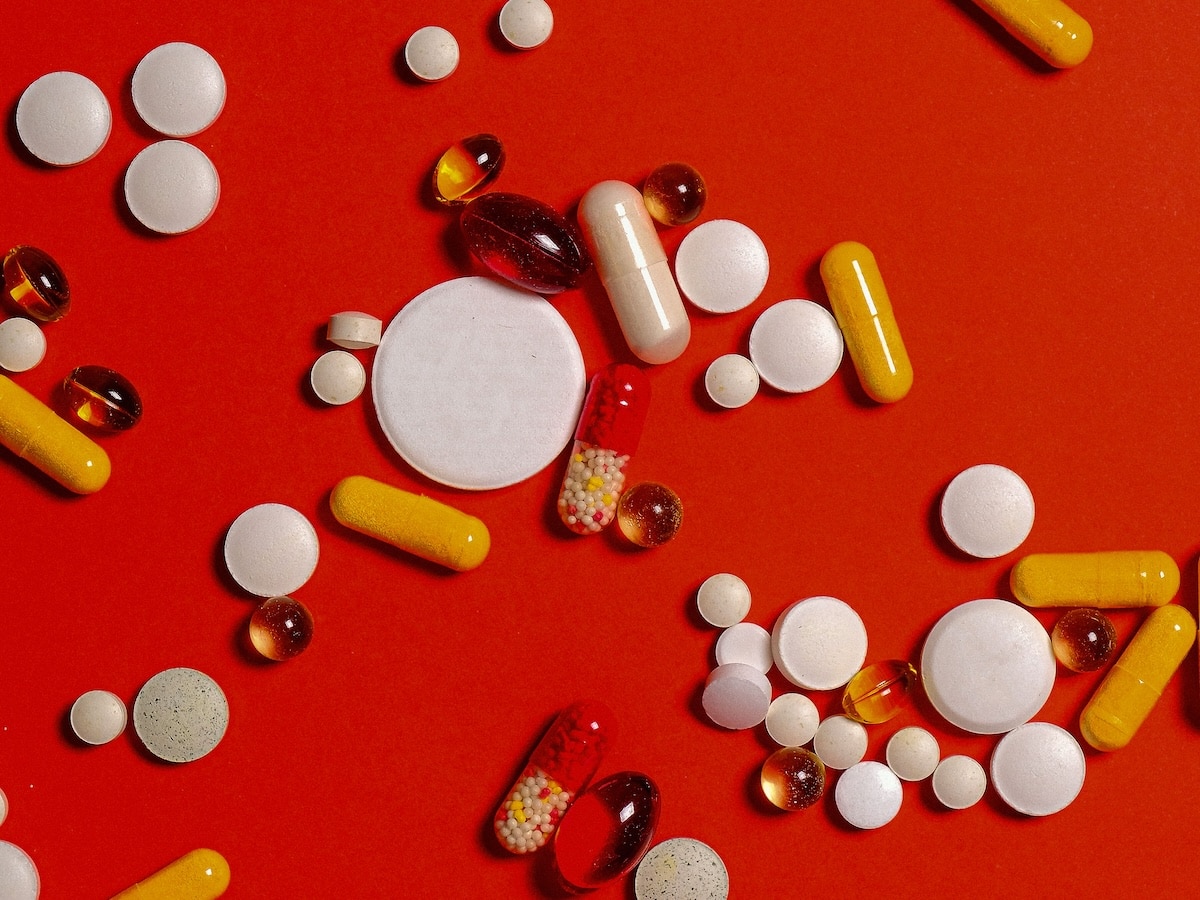
The trial ran across 12 festivals and gave people a free, anonymous way to find out what was actually in the drugs they were carrying. Just because you thought you were buying MDMA, ketamine, or cocaine, it doesn’t necessarily mean that’s what you’ve actually been sold.
Across the trial, 8.1 per cent of samples contained something unexpected. Among those users, 30 per cent said they’d discard the sample, 37.5 per cent planned to take less and another 7.5 per cent said they wouldn’t take it at all. For most people using the trial, it was also their first time engaging with a health or harm-reduction service.
That’s the part of pill testing that’s easy to lose sight of when the debate gets stuck on whether people should be taking drugs in the first place. The service isn’t giving anyone a green light. It’s giving people more information before they decide what to do next.
“Let me be clear, no level of illicit drug use is safe and drug checking services are not a silver bullet,” NSW Health Minister Ryan Park said in a statement announcing the decision.
“There will always be risks involved when consuming these substances, and this initiative does not endorse drug use. Drug checking at music festivals can reduce harms associated with drug use, and it ultimately saves lives.”
Hospital data also showed promising results while pill testing was running. Drug-related hospital presentations averaged 2.3 per festival day during the trial, compared with 3.6 per day across the previous two years, with several festivals recording no hospital presentations at all.
The research isn’t claiming pill testing caused that drop on its own. Festivals change, crowds vary, weather shifts and plenty of other factors can affect the results. The independent evaluation found the pill testing service was associated with fewer urgent drug-related hospital presentations and ICU admissions. The NSW government clearly thinks the result is strong enough to keep funding it.
The permanent program won’t simply roll into any festival that puts its hand up, either. NSW Health will target events based on factors linked to a higher risk of drug harm, including the festival’s type, size and location.

Most Drug Harm Doesn’t Happen at Festivals
Festival drug use gets so much attention. It might be the most visible, but looking at the data, you’ll find most fatal overdoses aren’t happening in front of a festival stage. They’re happening at home.
Australian Institute of Health and Welfare data show that 75 per cent of Australian overdose deaths in 2023 occurred at home. Unharm also points to research on MDMA-related deaths that found 73 per cent occurred in private residences, compared with just 7 per cent at festivals or dance parties (raves). Both are using different data sets, and neither one is NSW-specific, but the message is hard to miss: drug-related harm doesn’t disappear once people leave festivals.
That’s why Unharm welcomed the permanent festival program while immediately asking NSW to go further.
“While we welcome the NSW Government’s acknowledgement today that festival drug checking works and should continue, festivals cover only a really narrow slice of drug use,” Unharm CEO Dr Will Tregoning said.
The NSW Drug Summit recommendation that called for the festival trial also said its evaluation should be able to inform other models, including fixed-site drug checking services. The government has formally supported that recommendation, but hasn’t committed to actually building one.

Canberra and Melbourne Are Already Pill Testing
NSW wouldn’t exactly be heading into uncharted territory. Canberra, for example, has had a fixed drug-checking service since 2022. CanTEST is free, confidential and open year-round. People can bring in a sample, find out what’s in it and speak to health workers about what they’re planning to take.
That conversation with health workers matters a lot more than you might think. An early ANU evaluation found 70 per cent of people using CanTEST had never previously spoken to a healthcare worker about their drug use. Around one in 10 samples was discarded after testing. You’re getting people through the door who might otherwise never talk openly with a health professional about their drug use, much like talking honestly to your doctor about your drinking habits.
The service also gives health authorities something festival testing can’t provide as easily: a running picture of what’s moving through the illicit drug market. CanTEST has even identified substances never before reported in Australia.
Victoria has since built a similar model around festivals and the wider community. Its permanent Fitzroy site tested more than 5,000 samples from more than 3,000 people in its first year and issued 28 drug notifications, including two urgent warnings.
Meanwhile, Australia Is Spending $600 Million Trying to Stop the Drugs Getting Here
At the same time NSW announced the permanent pill testing policy, the federal government is preparing to announce a $600 million package aimed at stopping illicit drugs moving through the Pacific and into Australia. The Waqa Moana initiative will put more money into aerial surveillance, policing, border cooperation and disrupting trafficking routes used to move cocaine, methamphetamine and other drugs towards Australia, its festivals and communities.
Australia can spend hundreds of millions trying to stop illicit drugs from crossing the border and still accept that some of them will get through. Once they do, pretending nobody will take them doesn’t make the risk disappear.
Both policies are trying to reduce harm at different points: one before illicit drugs reach Australia, the other after they’ve already reached the person planning to take them. Pill testing isn’t an endorsement of drug use, and the NSW Government is explicit about that. It’s an acknowledgement that people are already taking illicit drugs, and better information can change what they decide to do next.
For confidential, 24/7 advice, support, and information regarding drug use in NSW, you can contact the Alcohol and Drug Information Service (ADIS) at 1800 250 015 or visit yourroom.health.nsw.gov.au.
For harm reduction resources and detailed drug education, check out NuAA (NSW Users and AIDS Association) at nuaa.org.au or the Alcohol and Drug Foundation at adf.org.au.
If you or someone else is in immediate danger or experiencing a medical emergency, always call 000.

























Comments
We love hearing from you. or to leave a comment.