
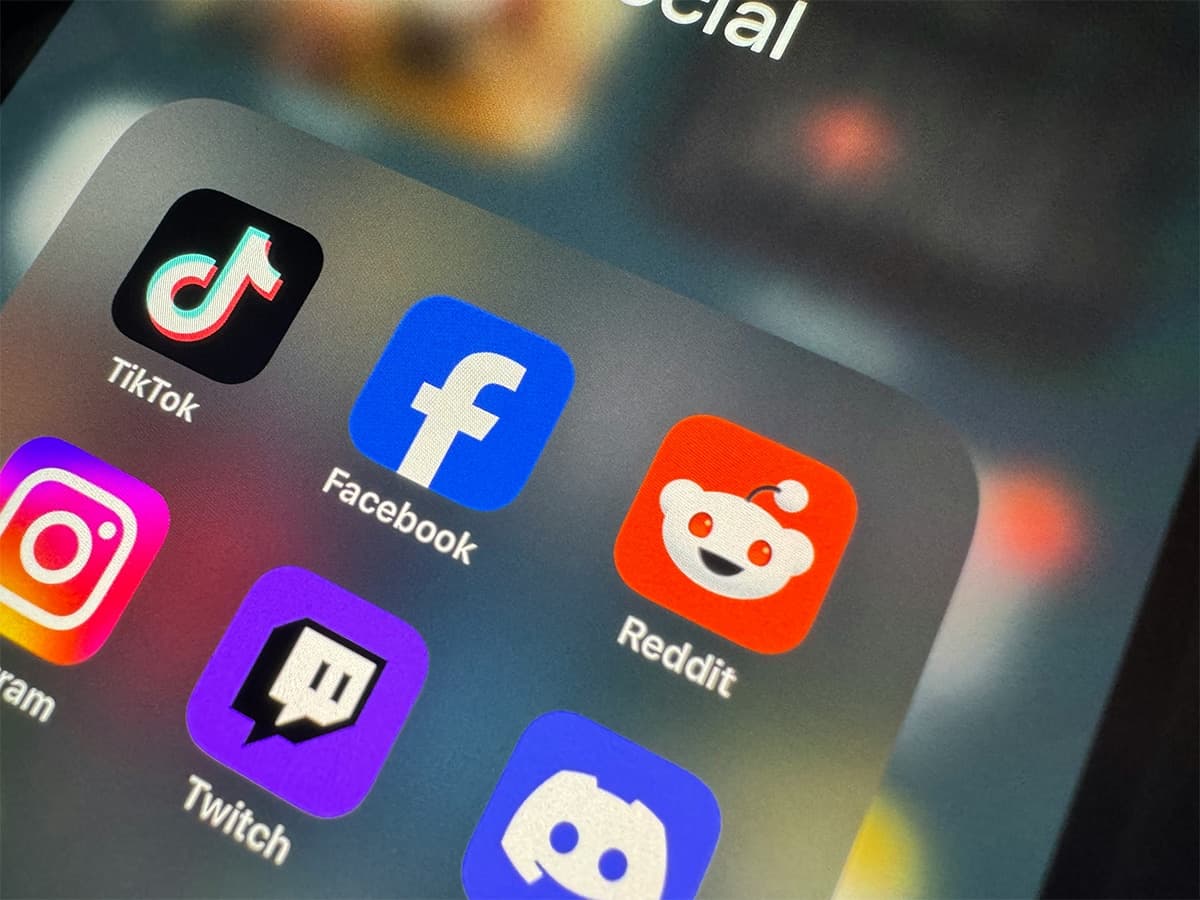

Australia has officially switched on its world-first ban preventing anyone under 16 from holding a social media account. From today, major platforms must take “reasonable steps” to block under-16s or face penalties of up to $50 million. The move marks the beginning of a national experiment in reducing phone addiction and online harm.
Prime Minister Anthony Albanese released a video message to mark the rollout, encouraging kids to enjoy the school holidays rather than spending them scrolling on their phones.
“Start a new sport, learn a new instrument or read that book that’s been sitting there on your shelf for some time,” he said.
“Importantly, spend quality time with your friends and your family, face to face.”
Even so, the Government and online safety regulator acknowledge that the system will not be flawless. Some underage users will slip through, and the list of restricted apps is expected to grow in the coming weeks. Communications Minister Anika Wells told reporters that eSafety’s assessments will be ongoing.
“This list is dynamic,” Ms Well said via ABC. “We aren’t chasing perfection, we are chasing a meaningful difference.”
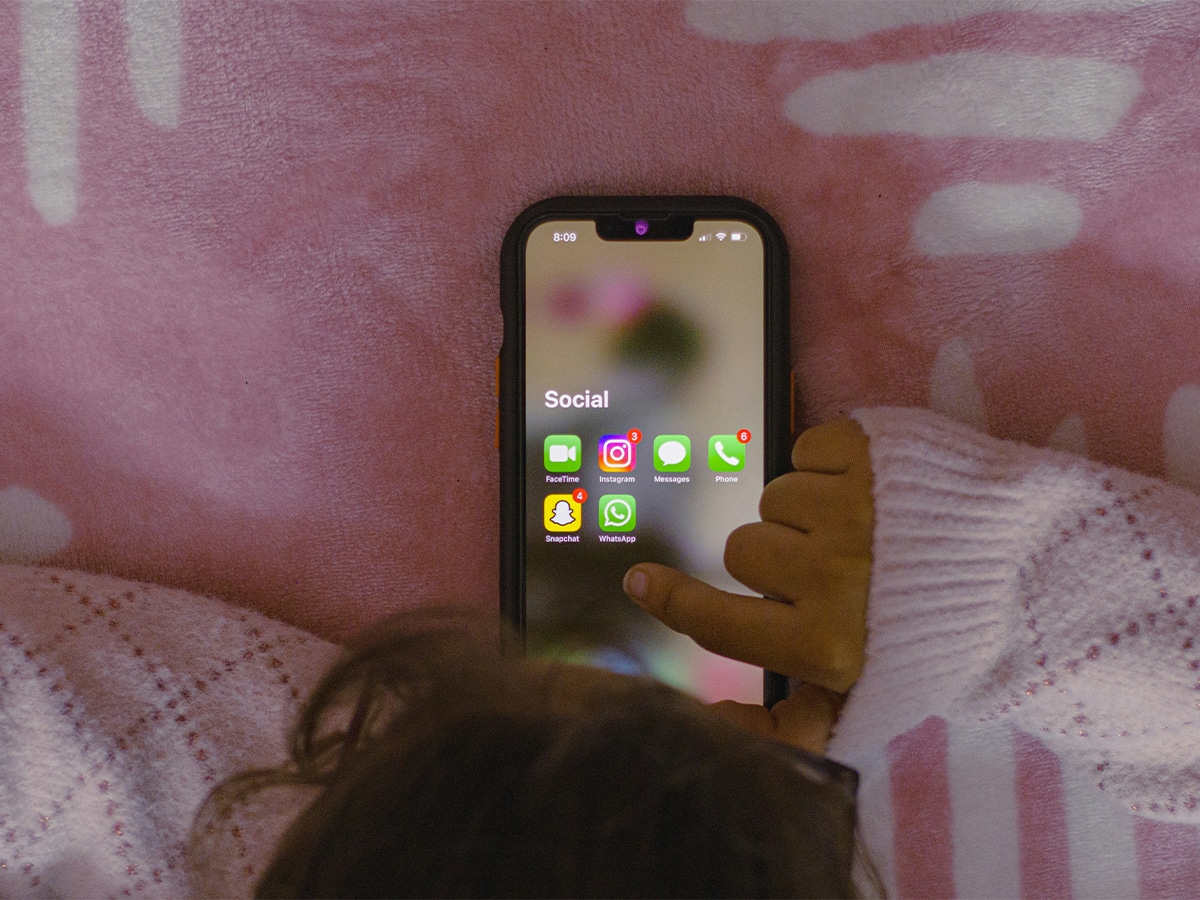
Both Reddit and Kick have now been formally added to Australia’s under-16 social media ban. The eSafety Commission previously advised both platforms that they were likely to meet the criteria for age restriction and invited them to provide reasons why they should not be included.
“The burden is on , but we will be watching as well,” eSafety Commissioner Julie Inman Grant told The Guardian. “And if they start rolling out features that look more like they’re becoming a social media company than an online gaming company, then we will seek to capture them.”
Kick, the Australian-based competitor to Twitch, continues to attract users with live streams covering gaming, music and entertainment. Since launching in 2022, it has gained attention for its looser content moderation, streamer-friendly revenue model and its allowance of adult-oriented material.
Reddit remains one of the most visited websites in the world. According to recent SimilarWeb rankings, it attracts more global traffic than Wikipedia, WhatsApp and even TikTok, underscoring its scale and influence as a social platform now subject to the ban.
Which Platforms Are Officially Restricted?
The eSafety Commission has designated the following platforms as age restricted, meaning they must actively prevent users under 16 from creating or holding an account:
- TikTok
- YouTube
- Snapchat
- X
- Kick
- Threads
Platforms Not Included in the Ban
Several popular services were assessed but not classified as social media under the legislation. These platforms are not required to block under-16s:
- Messenger
- YouTube Kids
- Discord
- GitHub
- LEGO Play
- Roblox
- Steam and Steam Chat
- Google Classroom
Roblox, one of the most closely watched platforms due to its young audience, was found to function primarily as a gaming and creative environment rather than a social networking service.
More Apps Are Already Under Review
The Government has confirmed the list is dynamic. eSafety is monitoring emerging platforms, especially those rising in popularity among teens who may be seeking alternatives.
Already flagged:
- Lemon8, which has seen a surge in youth uptake
- Yope, a newer app drawing teen interest
- Bluesky, which voluntarily chose to ban under-16s despite being assessed as low risk due to its relatively small Australian user base
Under the law, tech companies must continually assess whether their services meet the criteria for age restriction.
How Platforms Verify Age
There is no single national verification tool. Platforms are using their own methods, including:
- AI-based age estimation
- Specialised teen account settings
- Optional government ID checks, with alternatives required
- Behavioural inference, such as account age and connection patterns
Some underage users may regain access once they turn 16, but each company decides how and when accounts can be reinstated.
Australia’s age-assurance service k-ID conducted hundreds of thousands of checks in recent weeks as teens prepared for account deactivation.
What Happens When Under-16s Slip Through?
They will, and the Government knows it.
The law requires platforms to take reasonable steps rather than achieve 100 per cent accuracy. Even if a young person bypasses restrictions, they can still view public content that does not require a login.
Many teens have been preparing for weeks, swapping numbers, exporting chats and bracing for their accounts to be shut down.
Political Pushback and a High Court Challenge
Despite strong support among some parents, the rollout has faced plenty of criticism:
- Opposition Leader Sussan Ley says she has “no confidence” that the ban will work.
- Two fifteen-year-olds, supported by the Digital Freedom Project, have brought the matter before the High Court. Their challenge argues that the laws restrict the implied freedom of political communication.
- Parents report mixed experiences. One told The Guardian their daughter was distressed after friends were mistakenly age-verified as adults while she was flagged as under 16, raising fears of social exclusion.
Other young people welcome the shift, frustrated by the way platforms use their data to keep them scrolling.
A Global Test Case
Australia is the first country to attempt a nationwide prohibition on social media accounts for under-16s. Other governments are watching closely.
- The European Union is considering similar restrictions, including late-night curfews and limits on addictive design features.
- Malaysia will introduce its own under-16 ban on 1 January.
Whether Australia becomes a model or a warning will depend on what happens next.
The Payoff
The ban is live, the stakes are significant, and the world is paying attention. Whether the changes deliver healthier habits or create new loopholes remains an open question. Australia has made the first move, and every platform, parent and teenager is now adjusting in real time.















Comments
We love hearing from you. or to leave a comment.