

Updated:
Readtime: 7 min
Every product is carefully selected by our editors and experts. If you buy from a link, we may earn a commission. Learn more. For more information on how we test products, click here.
- Aston Martin introduces the DBX GT with a focus on refined comfort.
- The 4.0-litre V8 produces 717 HP (535 kW) and 900Nm.
- Acoustic upgrades improve cabin conversation clarity by 13 per cent.
- Valhalla-derived suspension hardware drastically improves overall ride compliance.
- First customer deliveries are scheduled to begin in Q4 2026.
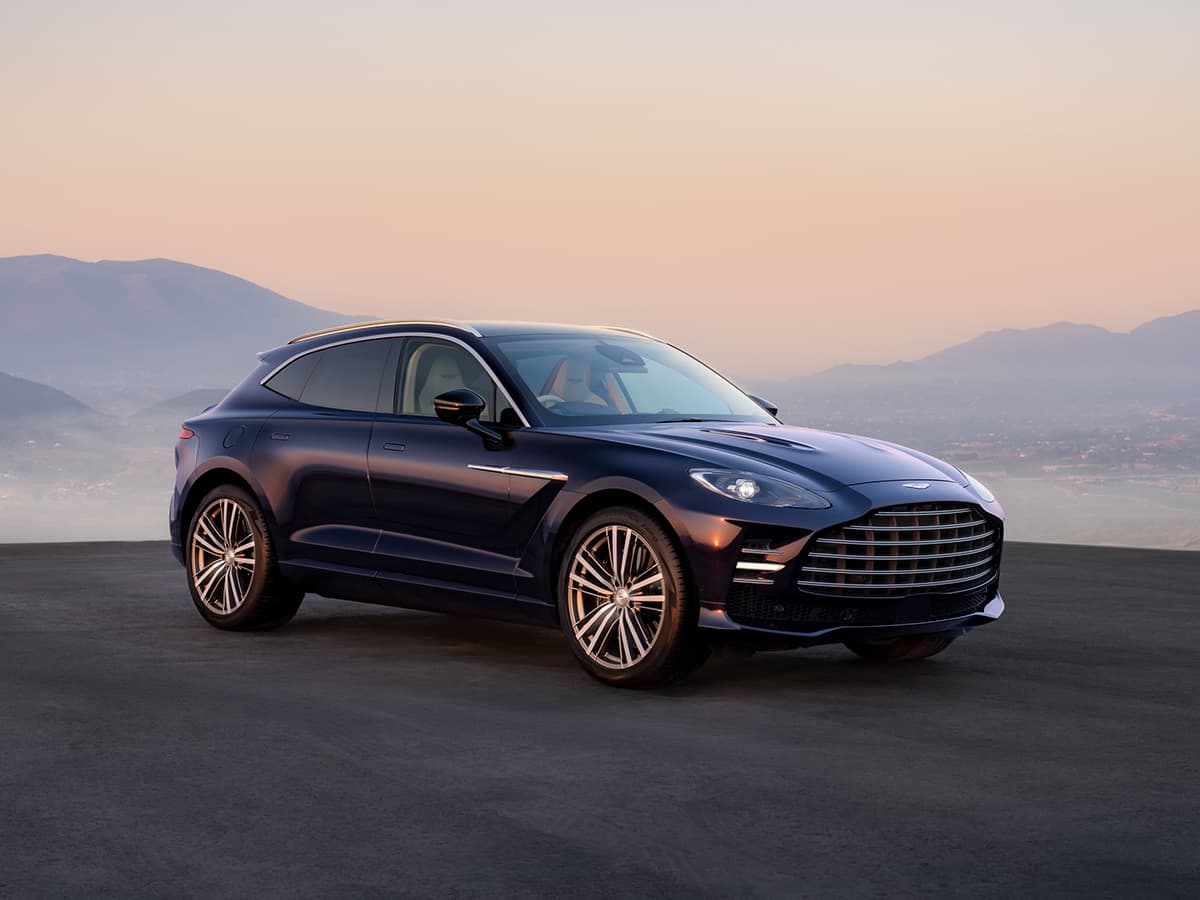
One of the most underrated SUVs of the modern era has copped a quiet luxury alternative. The Aston Martin DBX GT has expanded the brand’s SUV model line, knowing that not all buyers of half-a-million-dollar SUVs want a punishing track weapon. It’s a clever move, as while the broader automotive industry remains obsessed with setting lap times, the British marque has deliberately shifted its development focus away from aggressive track dynamics here with the DBX GT to prioritise quiet luxury, refined comfort, and the kind of daily drivability that absorbs road imperfections. As Aston Martin CEO Adrian Hallmark explained, the DBX GT targets “customers who prefer assured elegance over sporting aggression and demand a higher degree of luxury” without sacrificing performance.
This new addition offers buyers an understated alternative to the performance-focused DBX S. However, it doesn’t sacrifice power, retaining the same output while fundamentally altering the vehicle’s visual and acoustic characteristics. Under the bonnet, the DBX GT features a bespoke 4.0-litre twin-turbo V8 engine that shares turbocharger technology with the mid-engine Valhalla supercar. The powertrain produces 717 HP (535 kW) and 900 Nm of torque, allowing the 2,245 kg SUV to accelerate from 0 to 60 mph in 3.1 seconds before reaching a top speed of 193 mph (310 km/h).
That mechanical grunt puts the DBX GT in elite “Super SUV” company, but its execution targets a very specific buyer. If you want a roaring V12, put your name down for a Ferrari Purosangue. If you want to shatter lap records, you buy a Porsche Cayenne Turbo GT or Audi RS Q8 Performance. The DBX GT aims squarely at the Bentley Bentayga Speed crowd. According to EVP and Chief Creative Officer Marek Reichman, the design team downplayed outright performance in favour of an understated “quiet charisma.” To complement the power figures without ruining the ride, the engineering team implemented hardware changes to improve compliance, including a revised damper calibration and a dedicated exhaust tune designed to eliminate harsh metallic frequencies. First deliveries of the DBX GT will begin in the fourth quarter of 2026.
| Specification | |
| Engine | 4.0-litre twin-turbo V8 |
| Power Output | 717 HP (535 kW) @ 6,250rpm |
| Torque | 900Nm @ 3,000 to 5,250rpm |
| Acceleration (0-60 mph) | 3.1 seconds |
| Top Speed | 193 mph (310 km/h) |
| Transmission | 9-speed wet clutch automatic |
 1/5
1/5Exterior Styling and Hardware
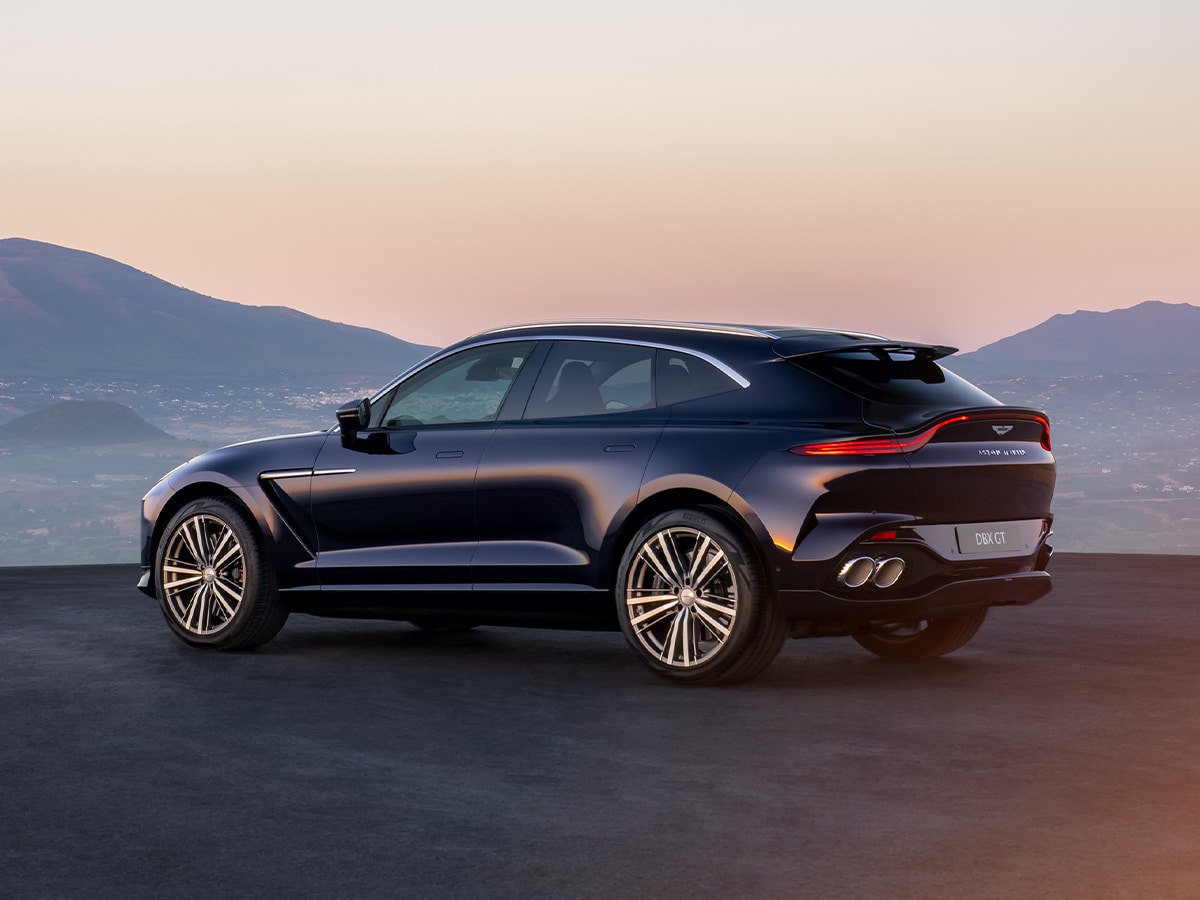
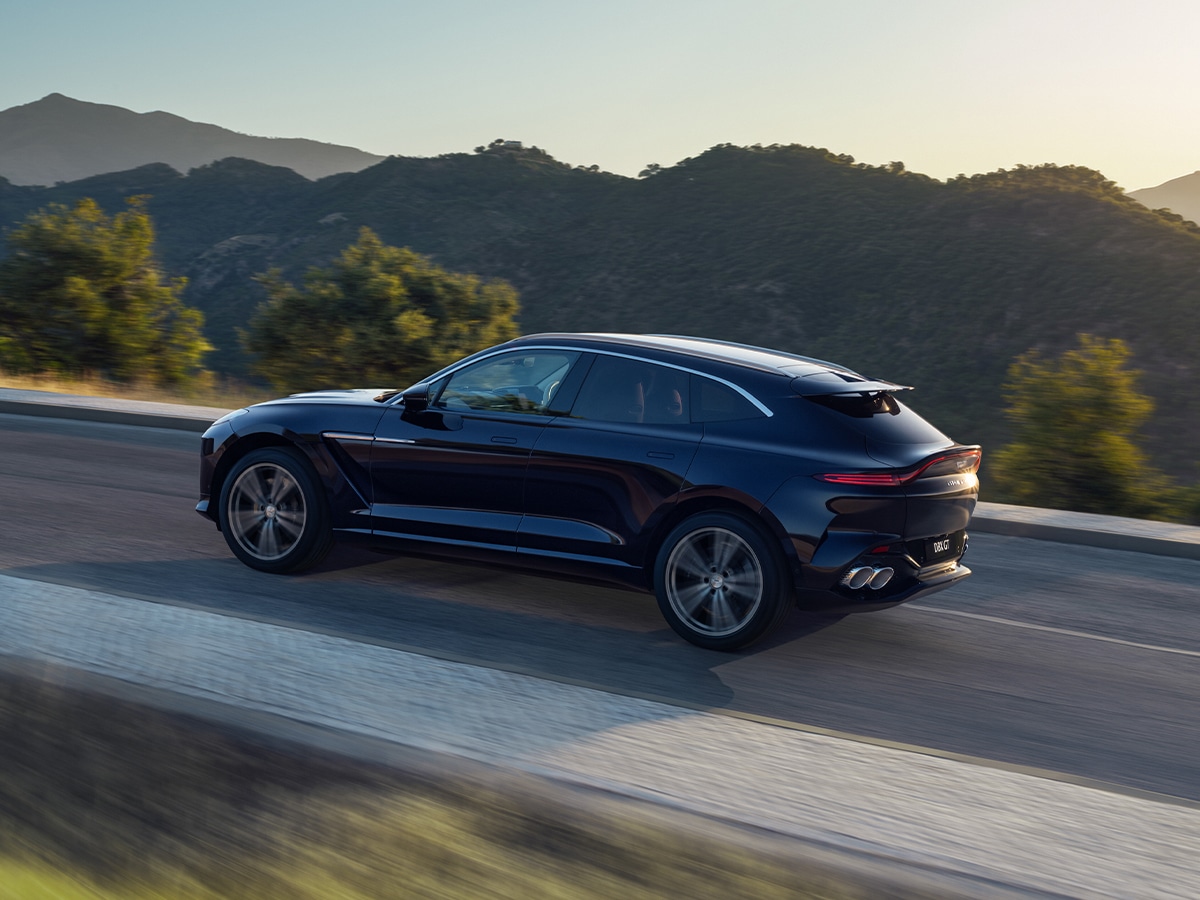
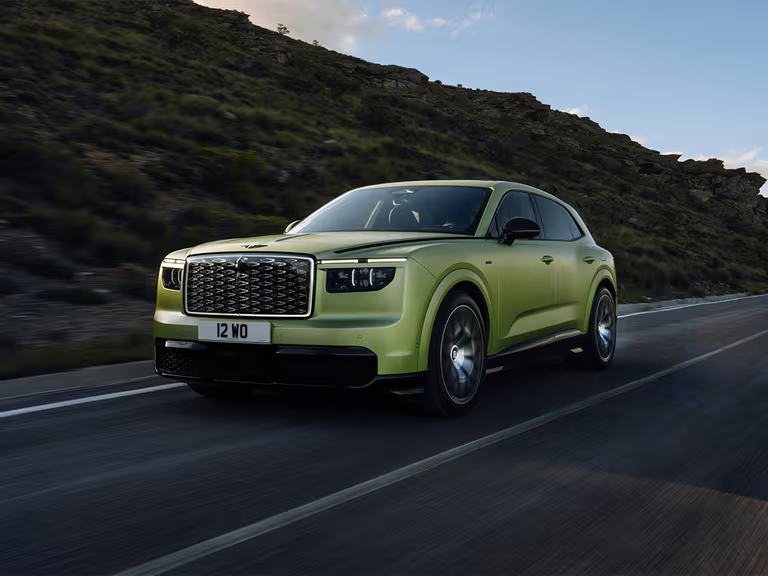
Quiet luxury, subtly, and the like are clearly the focus here with the DBX GT. It receives a new double vaned grille available in bright or dark finishes, extending the horizontal plane to increase the visual volume of the lower front bumper. The flanks feature a two-piece metal side strake finished with contrasting polished and satin treatments, drawing inspiration from traditional watchmaking techniques. Buyers looking to tailor the exterior styling further can opt for the Satin Chrome Upper Package or alternative Gloss Black and 2×2 Twill Carbon Fibre exterior packs.
It’s the lower front bumper, sills, and rear diffuser that create probably the most dramatic changes to the exterior design of the car, painted to match the body colour as standard, avoiding the heavy carbon-fibre aesthetic seen on its more aggressive rivals.
Clean is the rear end, which features new quad exhaust finishers arranged horizontally side by side, finished with bright polished outers and satin-anodised inners. 22-inch forged wheels in a Satin Titanium diamond-turned finish, wrapped in Pirelli Scorpion Zero All-Season tyres, help minimise road noise. However, we’d still be leaning towards the 23-inch wheel option, which is available to buyers seeking a more assertive stance.
 1/8
1/8Interior Craftsmanship and Acoustics
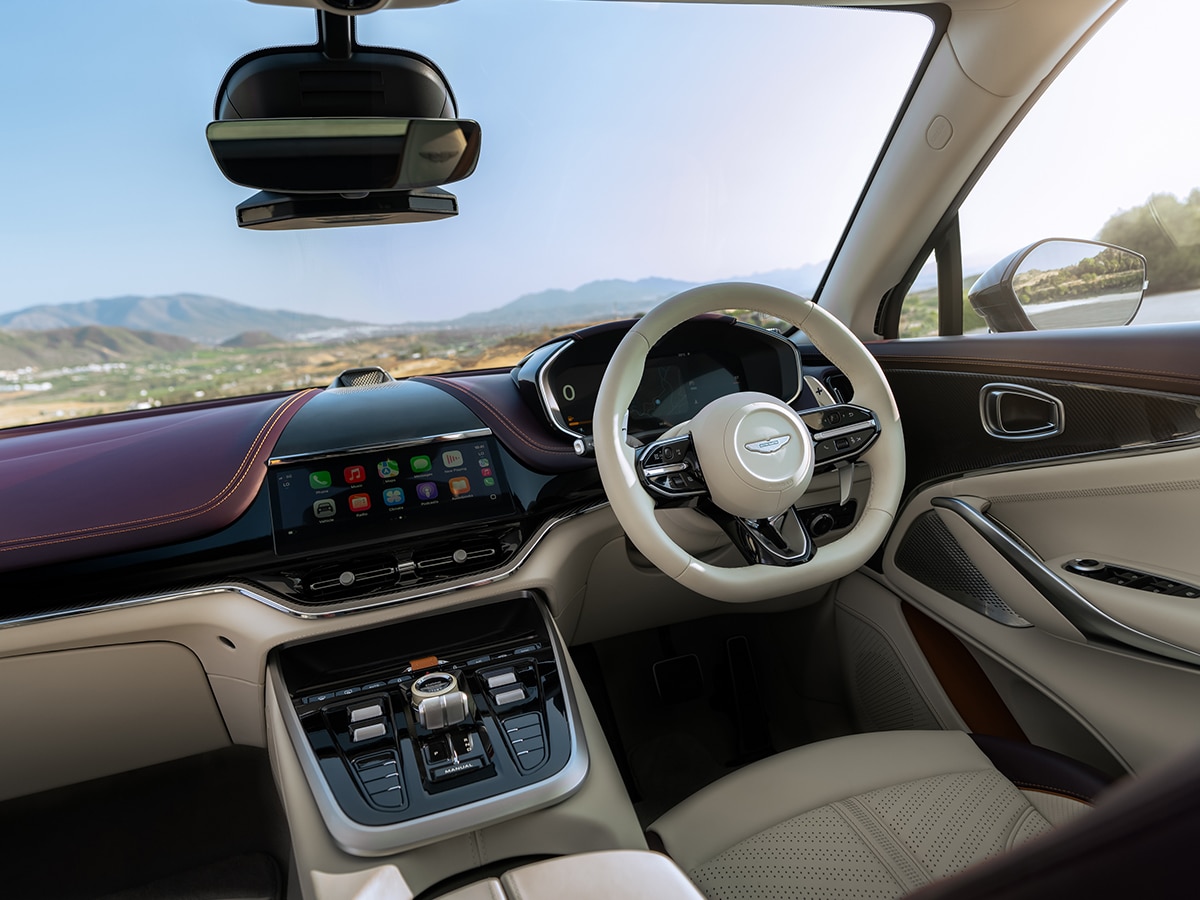
When we look inside the cabin, the DBX GT features redesigned front and rear seats with a 10mm-thick memory foam layer to improve cushioning for your backside.
Construction of each front seat requires 691 meters of thread, 3,297 perforation holes, and over four and a half hours of manual assembly time. That sounds like a quote from a Rolls-Royce press release, and Aston Martin has also integrated a new rear seating layout that provides two individually sculpted positions while retaining five-seat flexibility. Cabin customisation can be taken even further with GT Plus Semi-Aniline leather and Alcantara upholstery packages, offered in monotone, duotone, or tritone colour combinations with bespoke quilting and perforation patterns.
Sound engineers applied sound-deadening materials across the door panels, wheel arch zones, and load space, as well as acoustic-laminated rear side glass. These structural improvements and deep pile carpets result in a 13 per cent improvement in the Articulation Index, meaning conversation clarity inside the cabin is measurably higher. The interior is rounded out by a 10.25-inch central touchscreen display, a 12.3-inch driver information display, 64-colour dual-zone ambient lighting, a Bowers & Wilkins audio system, and a standard panoramic glass roof.
Chassis and Powertrain Refinement
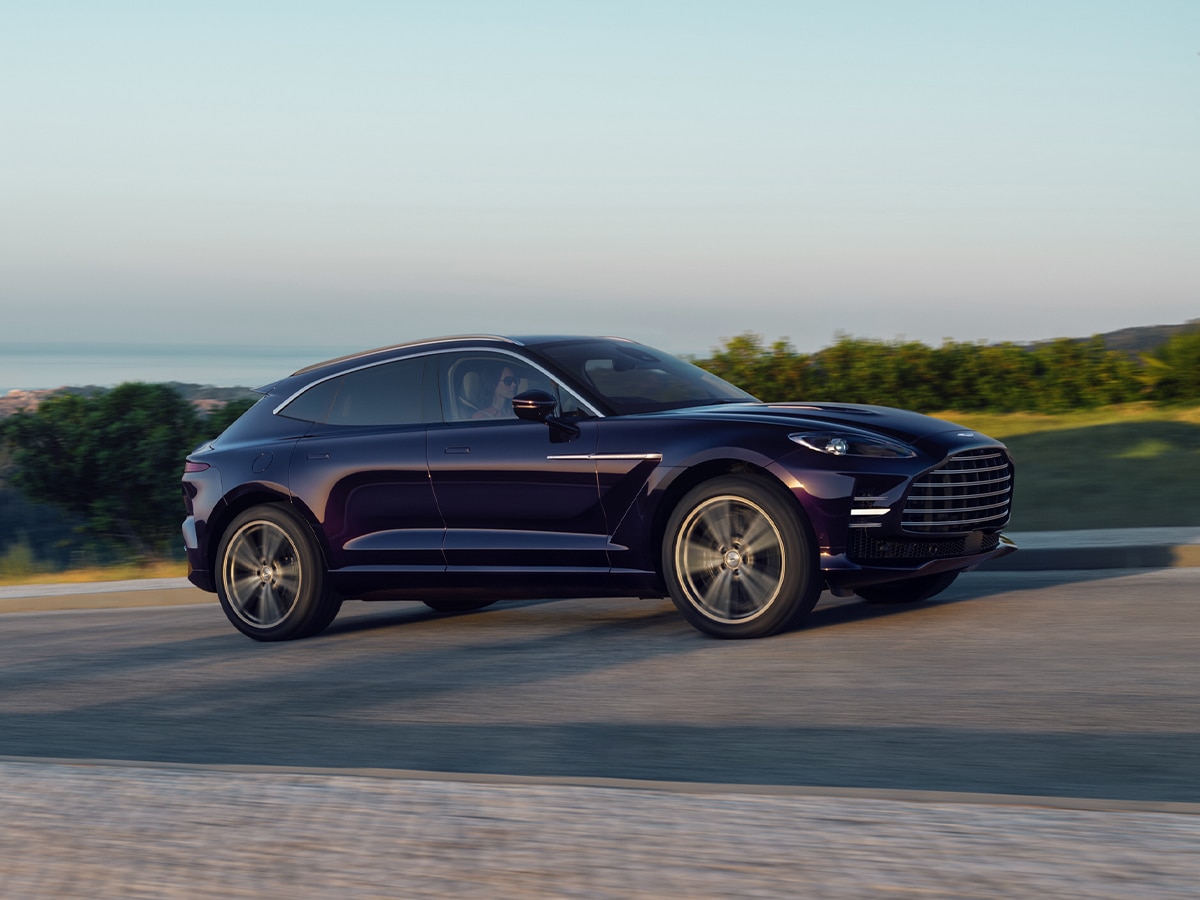
To ensure the vehicle actually rides like a proper grand tourer, Aston Martin focused heavily on isolating the cabin from road imperfections. Chief Technology Officer Ian Hoban noted that achieving this tangible uplift in refinement required combining small hardware upgrades with targeted chassis calibrations without compromising driver connection. The suspension utilises a unique internal damper-valve system that manages oil flow during high-frequency, low-amplitude inputs to filter out vibrations from rough surfaces. This system works alongside adaptive triple-chamber air suspension that can vary ride height (raising the car by up to 45mm or lowering it by 30mm) as well as a 48-volt electronic active anti-roll control system (eARC) to balance body roll.
Borrowing engineering solutions from the Valhalla, the DBX GT uses a new transmission mount bush to increase mounting stiffness, alongside two new longitudinal dampers connecting the body and rear subframe. Despite the focus on long-distance cruising, agility remains intact thanks to a faster steering ratio shared with the DBX S that maintains a tight 12.0-metre turning circle, while practical duties are covered by a 500mm maximum wading depth and a 2,700 kg towing capacity.
The throttle pedal calibration has been refined for exact modulation, and the 9-speed automatic transmission has been retuned to provide smoother shifts during low-speed urban driving. What interests us greatly is the fact that the DBX GT features a dedicated exhaust tune with double-mixing of gas flow in the rear muffler, producing a discreet tone in GT mode that can be opened up in Sport and Sport+ modes when desired.
Price and Availability
The brand has confirmed that first customer deliveries for the new DBX GT are scheduled to begin in the fourth quarter of 2026.
While official Australian pricing has not yet been announced, buyers can expect the GT to carry a similar premium to the existing DBX range, which starts at AUD$475,000 before on-road costs.
Given the extensive bespoke craftsmanship and ultra-luxury positioning, the final drive-away price will depend heavily on the selected options and individual configuration.




















Comments
We love hearing from you. or to leave a comment.