


Updated:
Readtime: 4 min
Every product is carefully selected by our editors and experts. If you buy from a link, we may earn a commission. Learn more. For more information on how we test products, click here.
- Acoustic hoon cameras deploy across NSW and Victoria.
- South Melbourne company SenSen delivers Victoria’s camera trial.
- The technology triggers mandatory vehicle inspections and fines.
- Victoria recorded over 9,100 noisy vehicle reports last year.
- Fines reach $1,221 for individuals and $6,105 for companies.
Mobile speed camera fines in New South Wales fell by nearly 90 per cent since warning signs returned to the roadside. But revenue doesn’t generate itself.
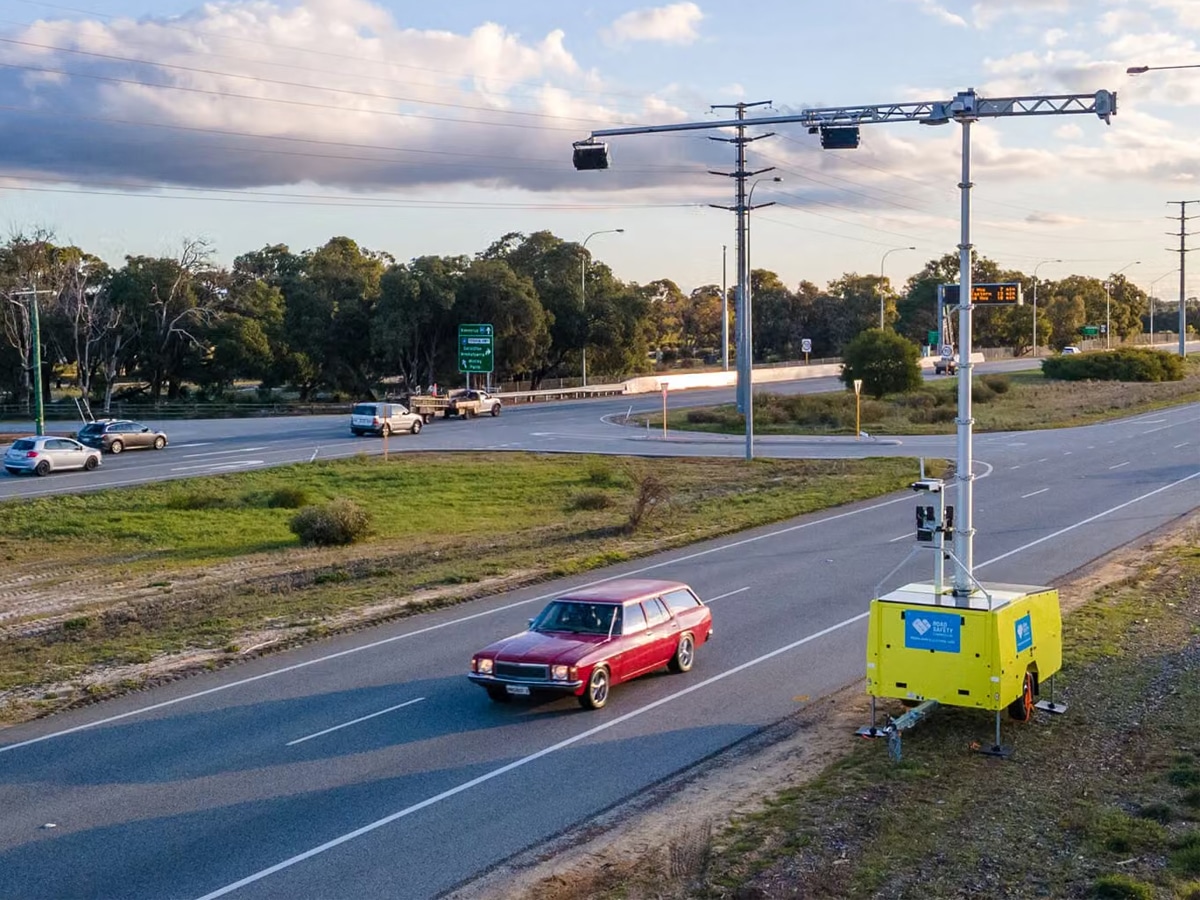
Since signs returned to the roadside, a plethora of new ideas and technologies have been trialled by state governments around the country. Here in NSW, AI-powered detection cameras are now being used to target improper seatbelt use, and they’re doing a darn good job, issuing an additional 132,000 fines of about $400 and three demerit points in the last year. Sooner rather than later, the state government will likely flick the switch on the 11 new average speed camera zones added to some of the busiest roads in and around Sydney. But now we have another one to add to the list of revenue generators.
New South Wales and Victoria are rolling out acoustic ‘hoon cameras’ to target loud cars and motorcycles. The new acoustic systems use specialised microphones and automatic number-plate recognition technology to detect vehicles exceeding legal decibel limits. South Melbourne surveillance company SenSen (which also makes pole-insertable street parking enforcement cameras) will deliver the Victorian Environmental Protection Authority (EPA) trial following an international tender process.
The system flags noncompliant vehicles, forcing owners to submit their cars for mandatory testing at an accredited facility or face steep penalties. Victoria will deploy the first four cameras across the Port Phillip, Casey, Knox, and Stonnington council areas to target identified hotspots.
The Victorian EPA will expand the initial four-camera rollout to seven units over the two-year trial period. These high-tech devices trigger automatically when they detect excessive exhaust noise on public roads and capture images and registration details that EPA officers use to identify vehicles for further action. Owners identified by the system receive a formal notice requiring them to submit their vehicle to an accredited testing facility.
If testing confirms the vehicle exceeds legal noise limits, the owner must repair the exhaust and bring it back into compliance. Victoria initiated the program after reports of noisy vehicles jumped from 5,404 in 2020-21 to more than 9,100 in 2025-26.
Refusing to comply with the testing notices carries severe penalties. The Victorian EPA issues $1,221 fines for individuals and $6,105 penalties for companies that fail to submit their vehicle or repair illegal modifications.
State authorities issued almost 5,000 testing notices and 1,222 infringement notices during the last financial year alone.
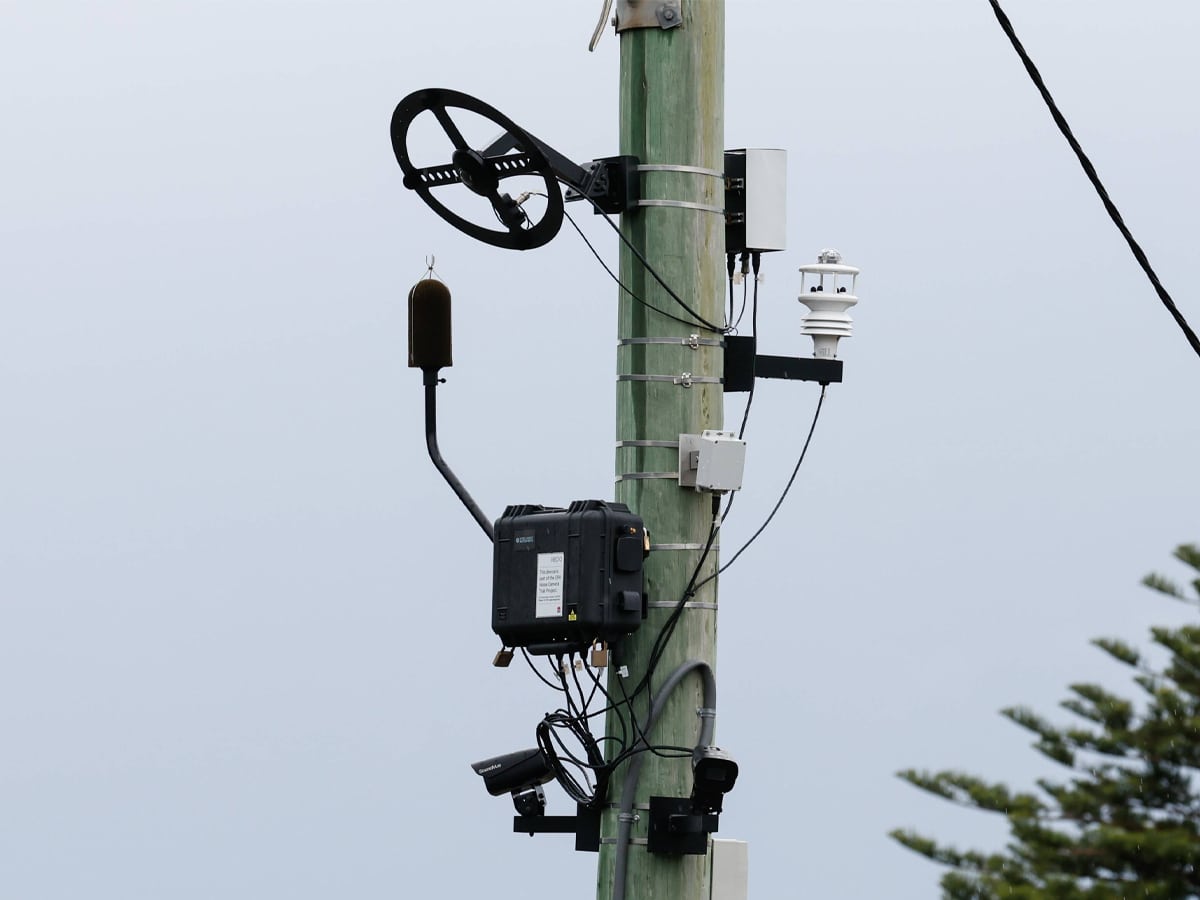
Here in NSW, the state government recently concluded its own acoustic trials across the Bayside and Wollongong Council areas.
Three noise cameras were installed to monitor exhaust levels and gather data, and following these tests, the state doubled its noise-infringement penalties to target specific decibel breaches. Owners who cop a minor exhaust breach are fined $300 fine, and mid-range offences carry a $600 penalty. Significant breaches exceeding the legal limit by more than 15 decibels incur a $1,200 fine.
The NSW EPA justified the penalty hikes by stating the previous fine structure failed to deter illegal vehicle modifications. However, the introduction of stealth microphones and doubled fines has triggered fierce backlash across social media. Motoring enthusiasts have labelled the rollout a symptom of a “nanny state” that prioritises revenue raising over community amenity. But despite the criticism, Victorian Minister for the Environment Jaclyn Symes outlined a strict regulatory approach.
“If your car is illegally loud, expect to get it tested, expect to get it fixed, and if you don’t, expect a fine,” said Symes. Member for Albert Park Nina Taylor reinforced the Victorian government’s firm stance. “Hooning is dangerous to locals using their own streets, and this acoustic camera trial is another great step in the right direction.”
The new acoustic enforcement systems will complement existing EPA and Victoria Police operations by the end of 2026. The NSW Government is currently analysing the data gathered from the three trial cameras to inform future management options for noisy vehicles.















Comments
We love hearing from you. or to leave a comment.