

Updated:
Readtime: 9 min
Every product is carefully selected by our editors and experts. If you buy from a link, we may earn a commission. Learn more. For more information on how we test products, click here.
Horse racing has always had a door most people never get through. Buying a Thoroughbred outright means finding somewhere north of a quarter of a million US dollars for the horse, then paying a trainer, a farm and a vet every month afterwards. MyRacehorse takes the other route. It buys the horse, splits the ownership company into micro-shares, and sells them one at a time.
The upshot is that a stake in a real racehorse now costs roughly what a decent concert ticket costs. As at 23 August 2026, the cheapest horse in the MyRacehorse stable is a two-year-old colt named Helios at US$85 for a 0.01 per cent share. The dearest currently listed is US$201. Both are one-time payments, and the share price includes a prepaid amount set aside for the horse’s care and training, so no monthly invoice lands afterwards.
What you’re buying is a security rather than a pet, and MyRacehorse is unusually direct about that. Shares are issued through a series LLC structure under Regulation A, Regulation CF or Regulation D exemptions, sold through registered broker-dealer Dalmore Group LLC, and the company’s own disclosure page opens by calling the category highly speculative. Read that page first. The rest of this is about what the experience actually is, and what it costs to find out.
MyRacehorse Fractional Ownership
The model is simple enough. MyRacehorse buys a horse at a sale, places it with a trainer, then offers units in the series LLC that owns that horse. Buy one and you’re a co-owner alongside thousands of other people, with the racing manager and the co-ownership group making the calls on when and where the horse runs.
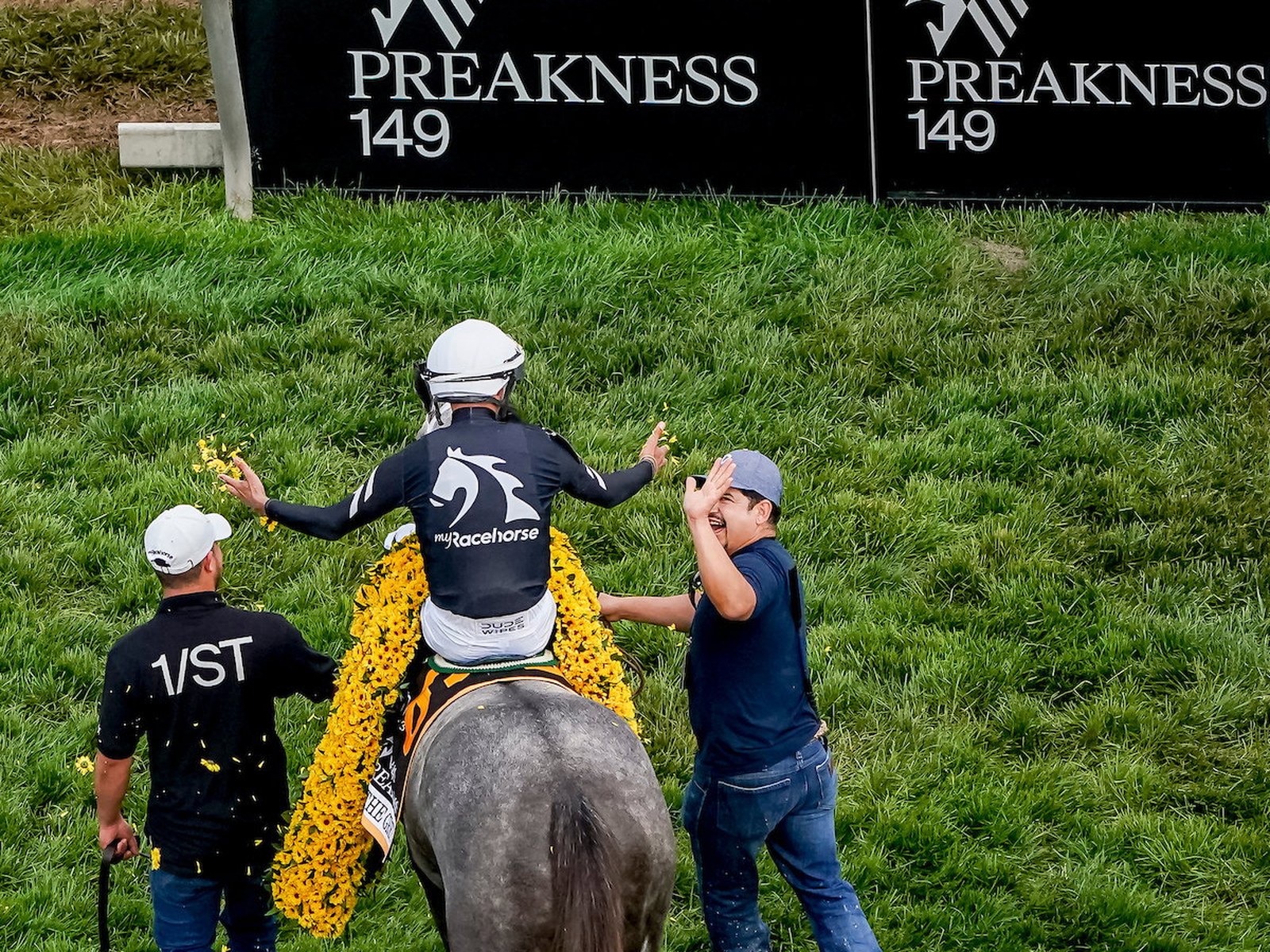
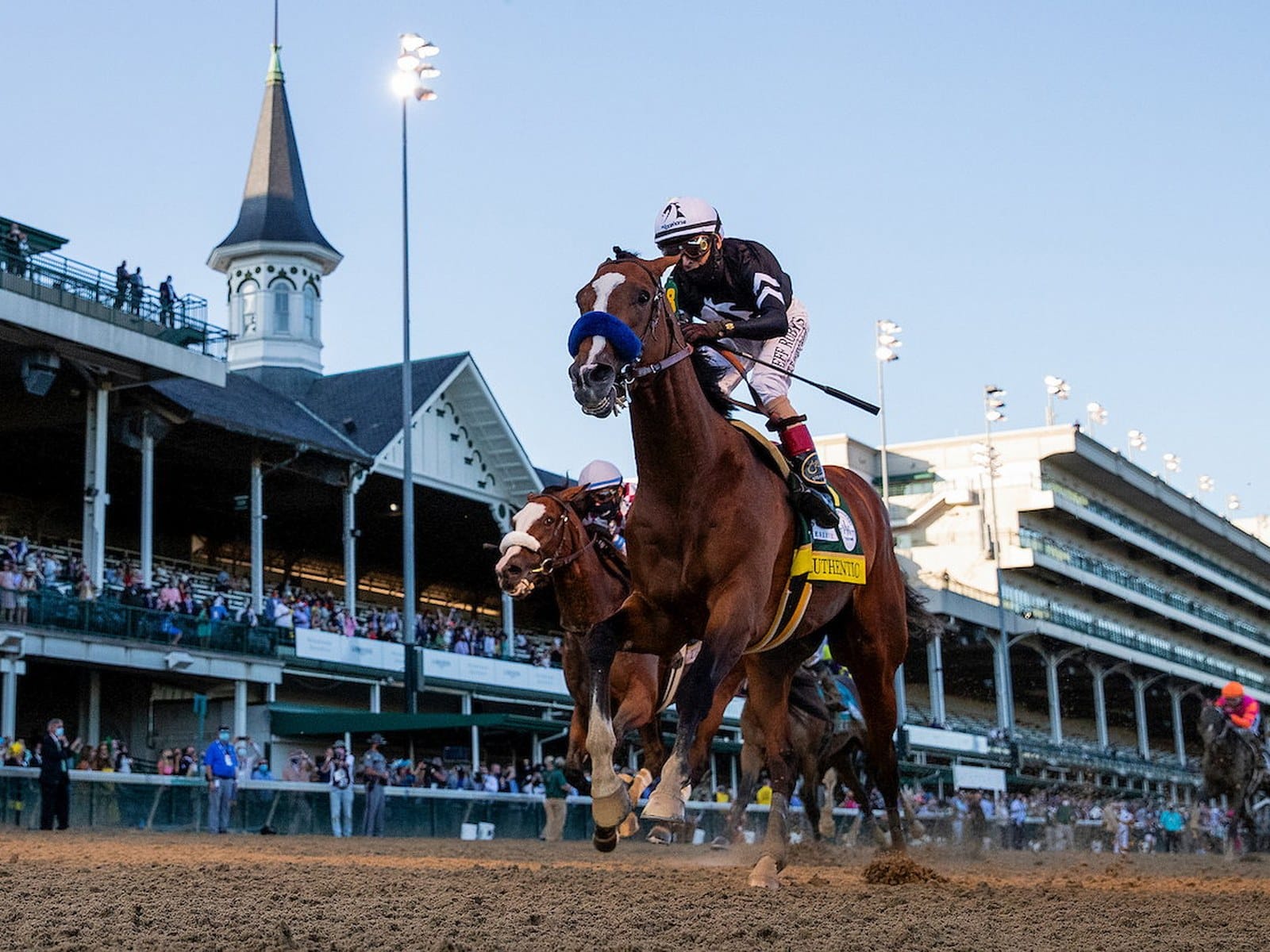
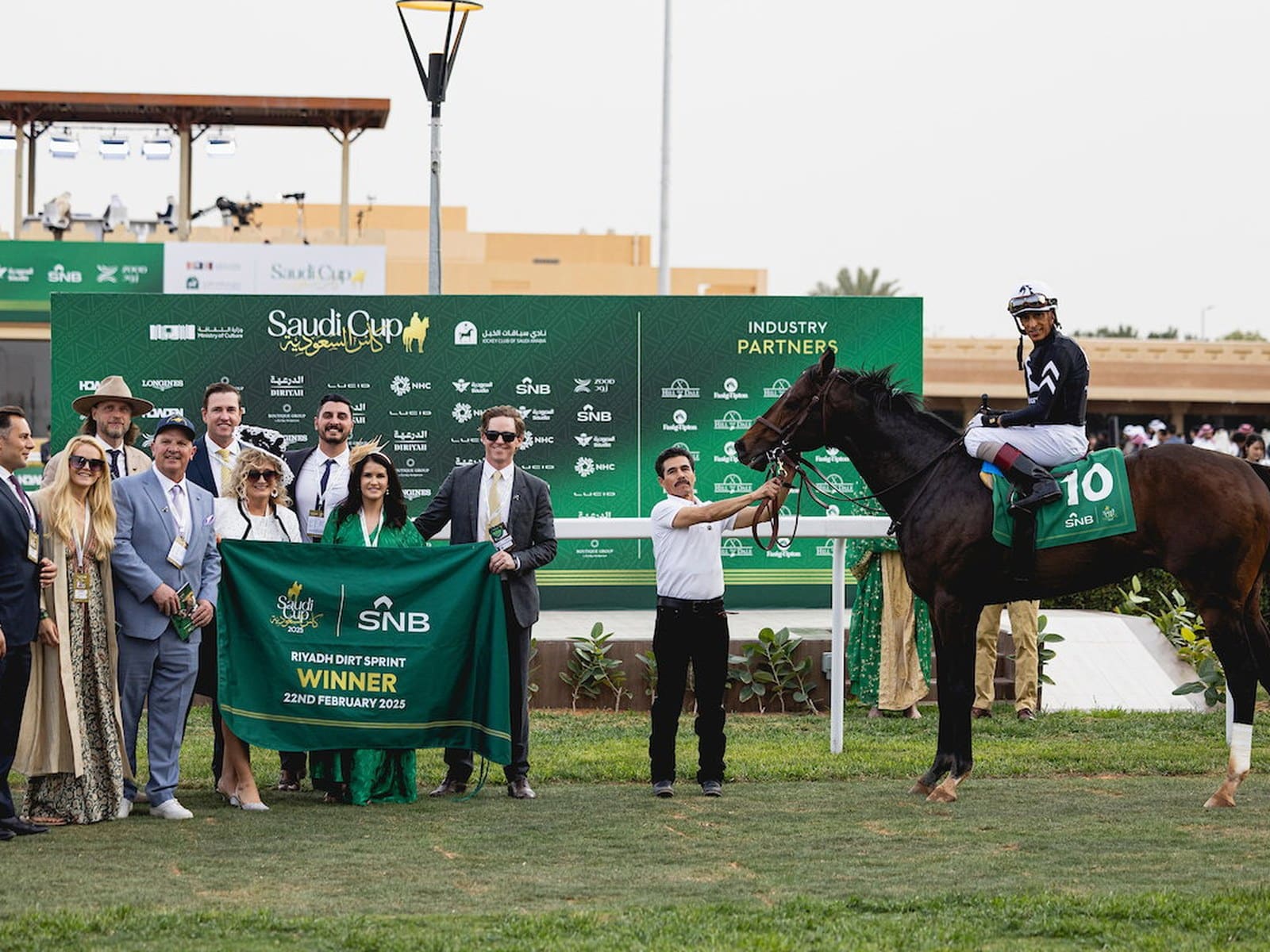
The track record is the part that makes this more than a novelty. Authentic, part-owned by MyRacehorse, won the 2020 Kentucky Derby and then the Breeders’ Cup Classic in the same year, for purses of US$3 million and US$6 million. Seize the Grey took the 2024 Preakness Stakes, the Pennsylvania Derby and the Pat Day Mile. Straight No Chaser won the Breeders’ Cup Sprint in November 2024 and the Riyadh Dirt Sprint in Saudi Arabia. Those are wins at the top of the sport, and every one of them put ordinary MyRacehorse owners in the winner’s circle photo.
The company says more than 100,000 people have bought in, and it works with seven Hall of Fame trainers across North America. Current horses sit with names like Steve Asmussen, the winningest trainer in North American history, and Mark Glatt, who saddled Santa Anita Derby winner So Happy. That access to the top end of the sport is the thing being sold, more than the financial return.
On the money: MyRacehorse’s own FAQ states plainly that many racehorses do not generate a profit. Dividends flow only if a horse’s earnings exceed the cost of buying, training and maintaining it. Seize the Grey and Straight No Chaser did. Most horses, in racing generally, do not.
- Entry price: From US$85 for a 0.01 per cent share, one-time payment, on the current stable as at 23 August 2026
- What you own: Units in the series LLC that owns the horse, not the horse itself
- Structure: Regulation A Tier II, Regulation CF or Regulation D, sold through broker-dealer Dalmore Group LLC (FINRA and SIPC member)
- Ongoing costs: None out of pocket. The share price carries a prepaid care and training reserve
- Owner licence: Not required. Micro-share holders are not eligible for a traditional Thoroughbred owner’s licence
The Horses in the MyRacehorse Stable Right Now
The stable turns over, so treat this as a snapshot rather than a menu. As at 23 August 2026 there are two horses with shares open at a published price, and two more that MyRacehorse has bought and placed with trainers but is not currently selling into.
Helios is the entry point. He’s a two-year-old colt by No Nay Never, a full brother to dual Group winner Trillium, bought out of Book 1 at Tattersalls October and now in work at San Luis Rey Downs in California with Mark Glatt. Dalmore is the pricier of the two, a two-year-old son of McKinzie picked up at OBS April off a sharp breeze, now with Hall of Famer Steve Asmussen in New York and the Midwest. If either has sold out by the time you look, the stable page lists whatever has replaced them.
The other two are worth knowing about because they show what MyRacehorse is buying at the top of its range. Hedge Ratio is a three-year-old stakes-winning colt by Speightstown, previously with Chad Brown, who earned a career-best 100 Beyer Speed Figure and now trains with Wesley Ward. Rose’ to Blame is a New York-bred colt by City of Light from the female family of 2003 Kentucky Derby winner Funny Cide, bought for US$350,000 at the Fasig-Tipton Midlantic sale.
- Helios: 2YO colt, by No Nay Never, trainer Mark Glatt, California. US$85 for a 0.01 per cent share
- Dalmore: 2YO colt, by McKinzie, trainer Steve Asmussen, New York and Midwest. US$201 for a 0.02 per cent share
- Hedge Ratio: 3YO stakes-winning colt, by Speightstown, trainer Wesley Ward, Midwest. No share price published
- Rose’ to Blame: 2YO colt, by City of Light, trainer George Weaver, New York. No share price published
What MyRacehorse Owners Actually Get
Strip out the ownership paperwork and what’s left is an access product. The company’s pitch is that a share costs about what a concert ticket costs, except the entertainment runs for months or years instead of one night. That’s marketing, but the list of what lands in your account is concrete enough to judge.
Updates come through the MyRacehorse app: weekly notes on your horse’s training, real-time workout reports, race entries and results with the trainer’s read on them, plus jockey and trainer interviews. Push notifications fire whenever your horse has news. The events side is where it gets less ordinary, with stable and farm visits, owner meet-ups, and trips built around big international meetings such as the Dubai World Cup and Royal Ascot.
Paddock and winner’s circle access on race day is allocated by lottery rather than guaranteed, which is the honest way to run it when a single horse can have thousands of owners. Naming contests work the same way. They happen, they’re genuinely open to owners, and they’re a privilege rather than a promise. If you want the full picture before you commit, the MyRacehorse site publishes owner reviews and a detailed FAQ.
- In the app: Weekly training updates, workout reports, race entries and results, trainer and jockey interviews
- At the track: Paddock and winner’s circle access, allocated by lottery
- Off the track: Stable and farm visits, owner events, trips to meetings such as the Dubai World Cup and Royal Ascot
- Not included: A say in when or where the horse runs. That sits with the racing manager and the co-ownership group
What to Know Before You Buy a MyRacehorse Share
Start with what the share is. You aren’t buying a horse. You’re buying units in a series LLC that owns a horse, and MyRacehorse states that in bold on its own disclosure page. Each offering is a separate series, which walls off that horse’s assets and liabilities from the others. Reg A Tier II offerings run through MyRacehorse CA LLC, Reg CF offerings through MRH CF LLC, and both file with the SEC under CIK #000174448.
Then read the illiquidity clause, because it’s the one that catches people. There’s no established secondary market for these securities. MyRacehorse tells investors to expect to hold indefinitely. You cannot decide in six months that you’d rather have the US$85 back. If you’re new to this kind of asset, our guide to investing for beginners covers why liquidity matters more than most first-timers assume, and our beginner’s guide to whisky investing makes the same point about passion assets generally.
Finally, size the position like entertainment rather than a portfolio. A horse can be injured, fall ill or die. It can also simply be slow. Past results, including the ones on this page, tell you nothing about the next horse. MyRacehorse’s own wording is that investing here is highly speculative and involves significant risk of loss, including the loss of your entire investment. At US$85 that risk is a night out. Treat it as more than that and you’re arguing with the paperwork. Whatever you decide, the current share prices are the place to start.
MyRacehorse Ownership FAQs
No. MyRacehorse states there are no out-of-pocket expenses after the initial purchase. The share price includes a prepaid amount for the horse's care and training, topped up from race earnings as needed.
Not directly. You own units in the series LLC that owns the horse. MyRacehorse spells this out on its disclosure page, and the securities are sold through registered broker-dealer Dalmore Group LLC.
You may receive a dividend if the horse's earnings exceed the cost of buying, training and maintaining it, but MyRacehorse says plainly that many racehorses do not generate a profit. There's also no established secondary market, so expect to hold indefinitely.
Authentic won the 2020 Kentucky Derby and the Breeders' Cup Classic. Seize the Grey won the 2024 Preakness Stakes, the Pennsylvania Derby and the Pat Day Mile. Straight No Chaser won the Breeders' Cup Sprint and the Riyadh Dirt Sprint.
The pitch holds up better than most things sold at this price, mostly because MyRacehorse doesn’t oversell it. You get a real stake in a real horse, weekly access to a world that normally costs six figures to enter, and a documented history of ordinary owners standing in the winner’s circle at the Kentucky Derby and the Preakness. You also get a speculative security with no exit. Both of those are true at once, and the current stable is where you find out which one matters more to you.
MyRacehorse is offering securities only through the use of an Offering Circular that is part of an Offering Statement qualified by the SEC. Find it and general disclosures here: myracehorse.com/disclaimer
















Comments
We love hearing from you. or to leave a comment.