

Updated:
Readtime: 12 min
Every product is carefully selected by our editors and experts. If you buy from a link, we may earn a commission. Learn more. For more information on how we test products, click here.
The tide might be rolling back on whisky sales, but the demand for rare bottles and widespread interest in whisky investing is still going strong. Just recently, auction house Sotheby’s set a record when a collection of American whiskeys fetched $USD2.5 million at auction. The auction included an ultra-rare bottle of Old Rip Van Winkle 20 Year Old Single Barrel, now reportedly the most valuable whiskey in history, after a hammer price of USD$162,500.
Should these trends continue, the craft whisky boom of the last few decades may recede, likely taking out some shady “producers” and celebrity brands in the process (along with some genuinely great distilleries, unfortunately). On the flip side, rare and desired releases may continue to appreciate, allowing someone to build a portfolio of bottles, or even barrels, the way one might build a portfolio of stocks.
As with all investments, however, one should proceed with caution, and we have to give you the usual caveat that this article isn’t financial advice. While several whiskies can go up in value over time, there are plenty of ways to put your money in the wrong place. That’s especially true nowadays, where collectible bottles immediately sell out and then hit the resale market at eye-watering prices.
Since this is a beginner’s guide to whisky investing, we’ll avoid the influx of cask resellers, third-party bottlers, and subscription clubs. The focus will be on bottles of whisky (or whiskey) that you can purchase today in the hope that their value will increase over time. Here are some basic pointers before we dive into examples.
What Kind of Whiskey Bottles Increase in Value Over Time?
Does anyone remember the sports card craze of the 1990s? With a spike in demand, there came new brands, flashier designs, and a heightened focus on special edition inserts. The inserts fetched big bucks at the time, but many of them later dropped in value like a bad stock. Once the smoke cleared, it was the cards for players like Michael Jordan and Shaquille O’Neal that held on to their value.
Why bring up old sports cards? Because a similar thing happened with the whisky industry, whereby a boom in demand yielded a proliferation of new brands, new expressions, and lots of hype. It also yielded a sense of value that may only exist in the short-term for particular releases. Before we show you some examples, a few pieces of advice:
5 Tips for Whiskey Investing
Tip number 1: Stick with rare bottles of actual good whisky from well-known distilleries.
Before buying anything, do your homework.
Tip number 2: Consider any sealed bottle released before the 1990s to have potential value.
It’s not always a guarantee, but the older the bottle, the more likely it represents something that will be harder to find with each passing year, even if it was a standard release at the time. And yes, this immediately means you should go check grandpa’s liquor cabinet to see if he has a sealed bottle of old whisky sitting around!
Tip number 3: Pay attention to the distillery’s output at the time of release.
Is the distillery going overboard with “special” releases to the point of potential oversaturation?
Tip number 4: Read the reviews.
Some years are better than others for whisky and whiskey. Find a few experts you can trust, read the ratings and reviews, and browse the forums before you buy.
Tip number 5: Don’t buy the hype.
Yes, a sealed bottle of Old Rip Van Winkle 20-Year Bourbon just fetched a record-breaking hammer price, but that doesn’t mean you should rush out to buy the Old Rip Van Winkle 10-Year Bourbon today. While the 10-Year-Old might not decrease in value, one shouldn’t expect it to skyrocket either.
Where to Find Rare Bottles of Whisky
The most coveted whisky releases tend to sell out immediately and then go for a much higher price on the resale market or auction block. What’s more, liquor stores will often raise the price right off the bat for “allocated” expressions. That is to say, the demand is almost instantly built into the equation, making it hard to score rare bottles at their intended retail prices.
In the USA, certain states have laws prohibiting liquor stores from raising the price tag above retail. If you live in one of these states, your best bet at scoring a rare bottle is to form a relationship with one or two local liquor stores in the hopes that they set aside allocated releases for you to purchase. It’s worth a shot, but also be aware that most of these liquor stores will prioritise local bars over individual customers, presuming they play favourites at all.
Where does that leave everyone else? The auction market, for one. In Australia, online auction houses include Wickman’s Fine Wine & Whisky Auctions and Australian Whisky Auctions. Or if you’re playing the long game, you can always pay the inflated cost for a rare bottle on sites like The Whisky List or Dan Murphy’s, and then hope that the bottle will still be worth much more down the line. And there’s always the local liquor store, which may not always know what’s trending, allowing you to score a desired bottle at a great price before they catch on.
No matter what, you should definitely do your research before making any purchase. Not only are there scam marketplaces, but the price of rare whisky can swing wildly depending on everything from the year of release to the website from which you purchase it. Buy low and sell high, as the saying goes.
Six Bottles to Consider When You Begin Whisky Investing
As a result of the whisky boom, this could be an era in which most bottles go the way of those limited-edition sports card inserts from the 1990s. However, don’t take that to mean there isn’t gold in them thar hills. Worst-case scenario, you have some delicious whisky to drink on a special occasion.
Going from least expensive to most expensive, here are six bottles of whisky or whiskey that may increase in value over time (should they remain sealed):
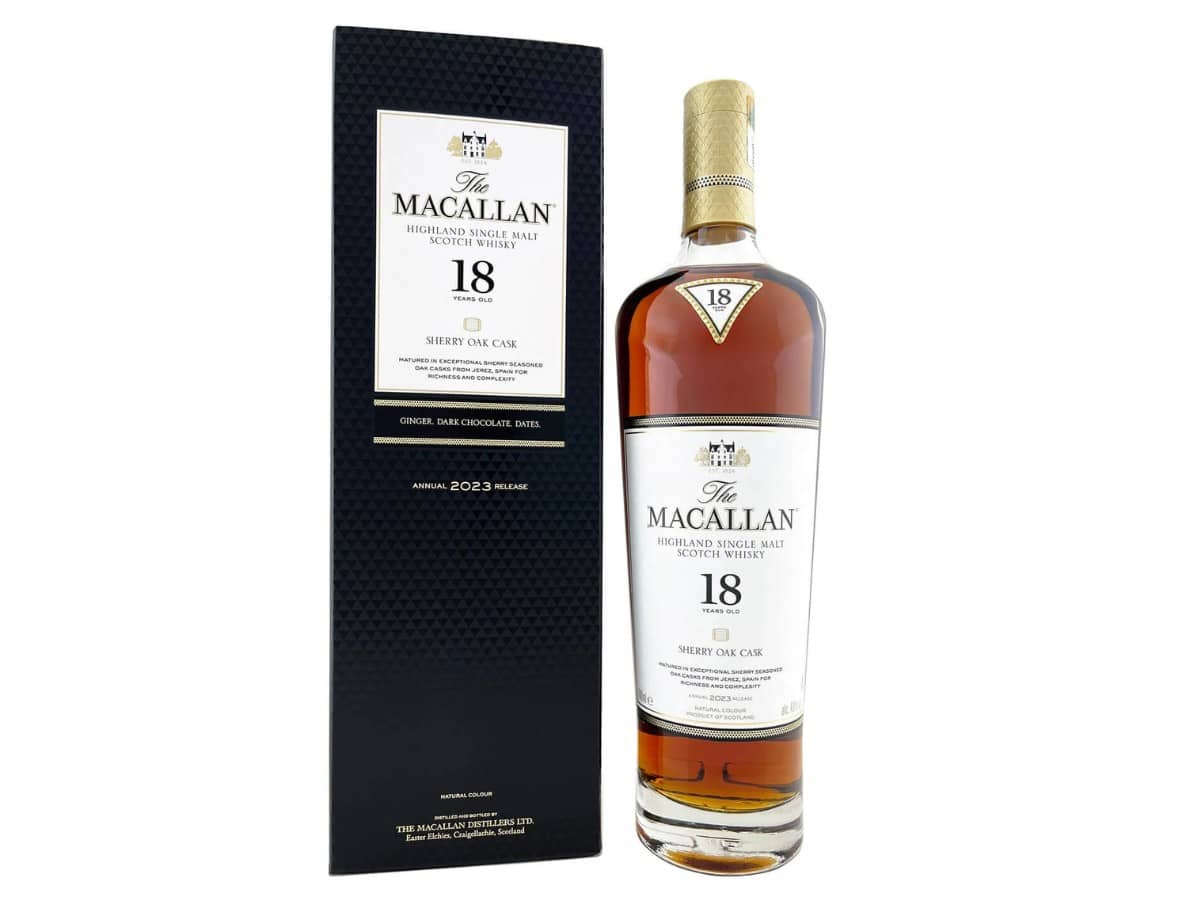
1. The Macallan Sherry Oak 18-Year Single Malt
The Macallan is basically the Rolex of Scotch whiskies, and no one argues with a Rolex. And while the distillery seems to have an endless supply of ultra-aged statements up their sleeve, they still churn out a product that seems to please just about everyone. Should that trend continue, consider the 18-Year as a good place to start your portfolio, even if the price is already on the higher side. The name recognition alone should yield some value down the road, albeit nothing meteoric.
Key stats
- ABV: 43%
- Region: Scotland (Speyside/Highland)
- Distiller: The Macallan
- Cask Strength: No
- Price: Approx. $700
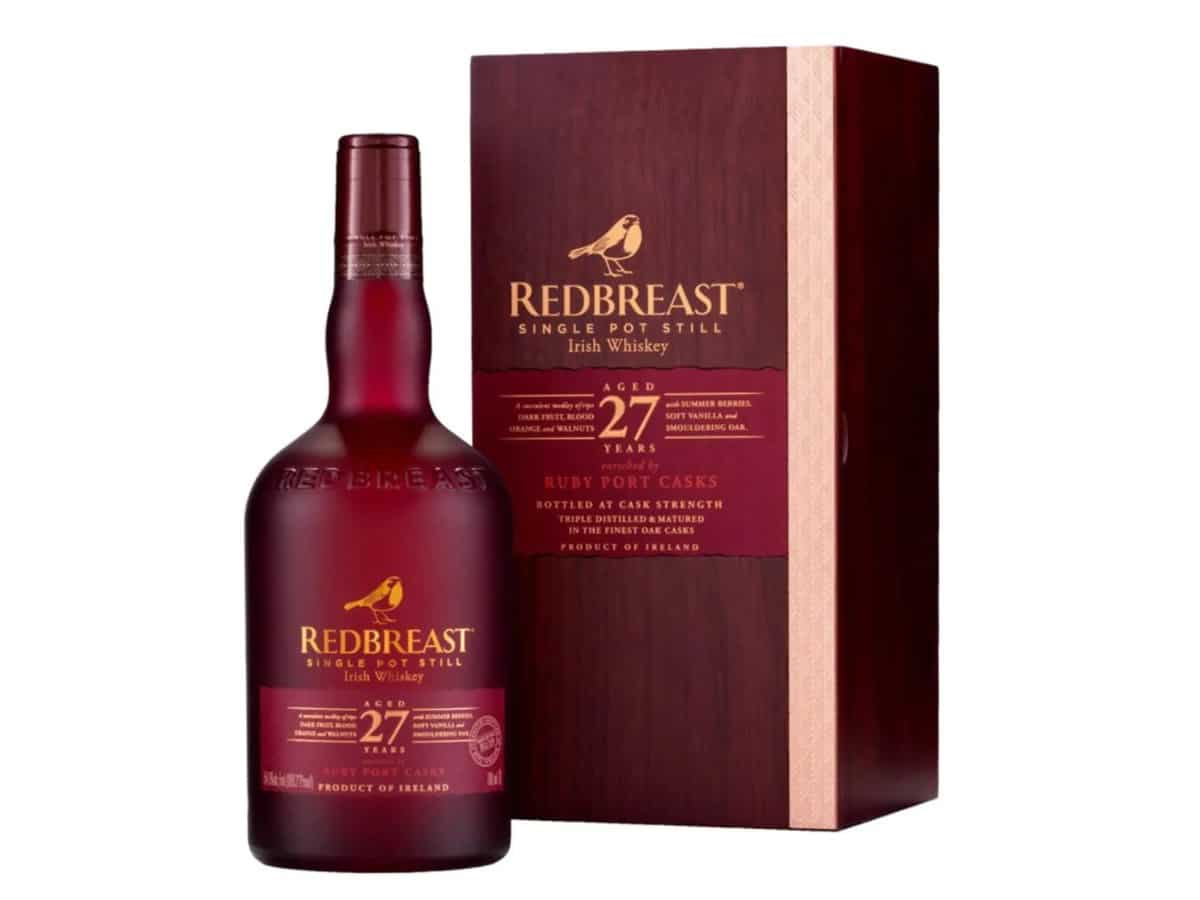
2. Redbreast 27-Year-Old Ruby Port Finish Irish Single Pot Still Whiskey
Even though Redbreast is made at the same distillery that makes other Irish whiskeys, their juice still stands out from the pack. The 27-Year-Old is the label’s oldest flagship release to date, and its value over time will probably depend on whether or not it eventually goes out of production. The price is quite high, but the taste is exceptional.
- ABV: Varies, around 55%
- Region: Ireland
- Distiller: Midleton
- Cask Strength: Yes
- Price: Approx. $1000
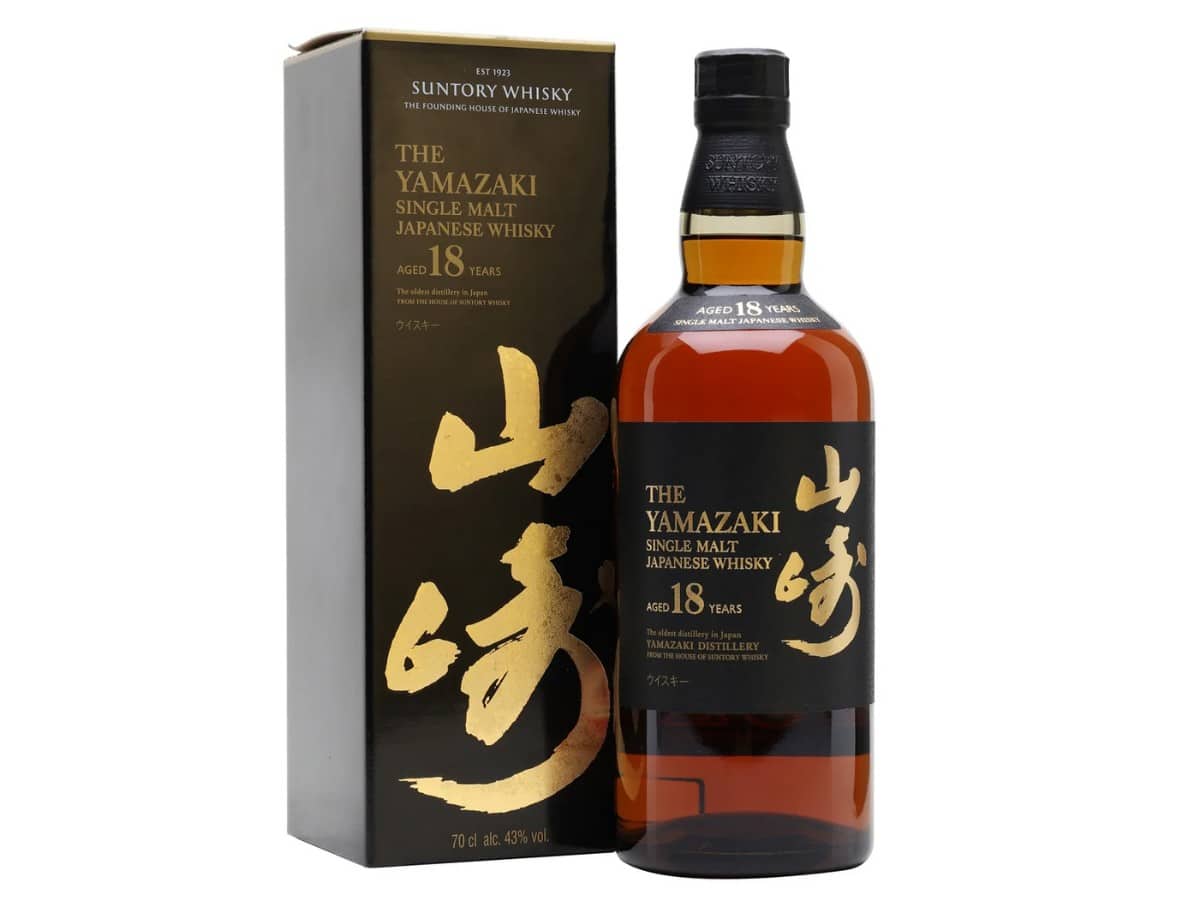
3. Yamazaki 18 Year Old Japanese Whisky
Japanese whisky takes cues from Scottish craftsmanship, but delivers its own unique characteristics. As a result, it’s become a growing category with a dedicated following. Of all the major single malts, Yamazaki arguably has the best reputation. Meanwhile, the 18-Year may very well be their masterpiece. It’s already quite expensive relative to its availability, but the demand will potentially be there for decades to come.
Key stats:
- ABV: 43%
- Region: Japan
- Distiller: Suntory
- Cask Strength: No
- Price: Approx. $1300
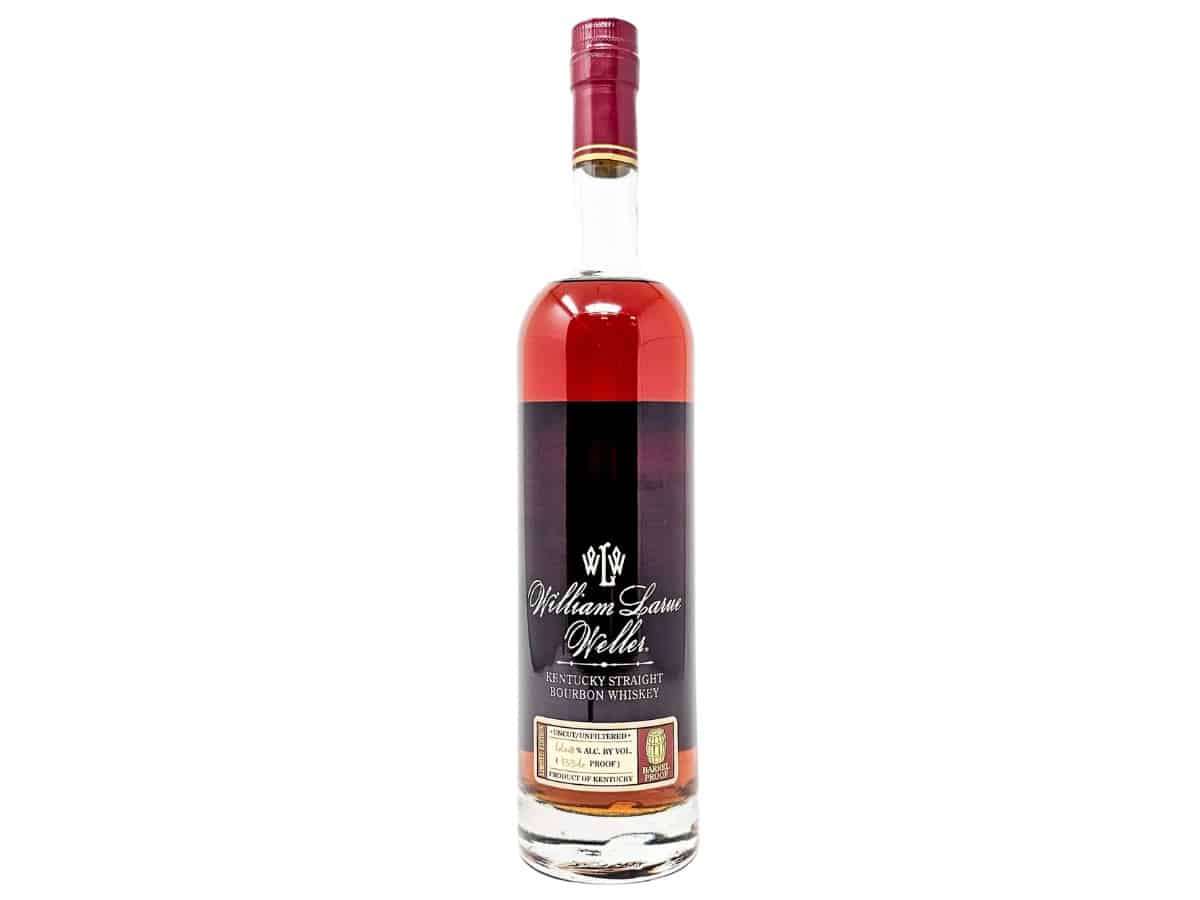
4. William Larue Weller
Pappy Van Winkle may have lost some of its edge when it went from Stitzel-Weller to Buffalo Trace, but William Larue Weller has remained impressively true to its outstanding reputation. That said, the older the bottle, the better the chance of it going up in value over time.
A wheated bourbon, it makes up part of the Buffalo Trace Antique Collection, the quality of which can range from one year to the next. Compared to its brethren, however, Weller has been fairly consistent in terms of sheer excellence. One should also keep an eye out for other releases from the same core family, namely W.L. Weller Full Proof and W.L. Weller 12 Year; both are fantastic and also more affordable.
Key stats
- ABV: Varies, around 60-65%
- Region: Kentucky
- Distiller: Buffalo Trace
- Cask Strength: Yes
- Price: Approx. $2000
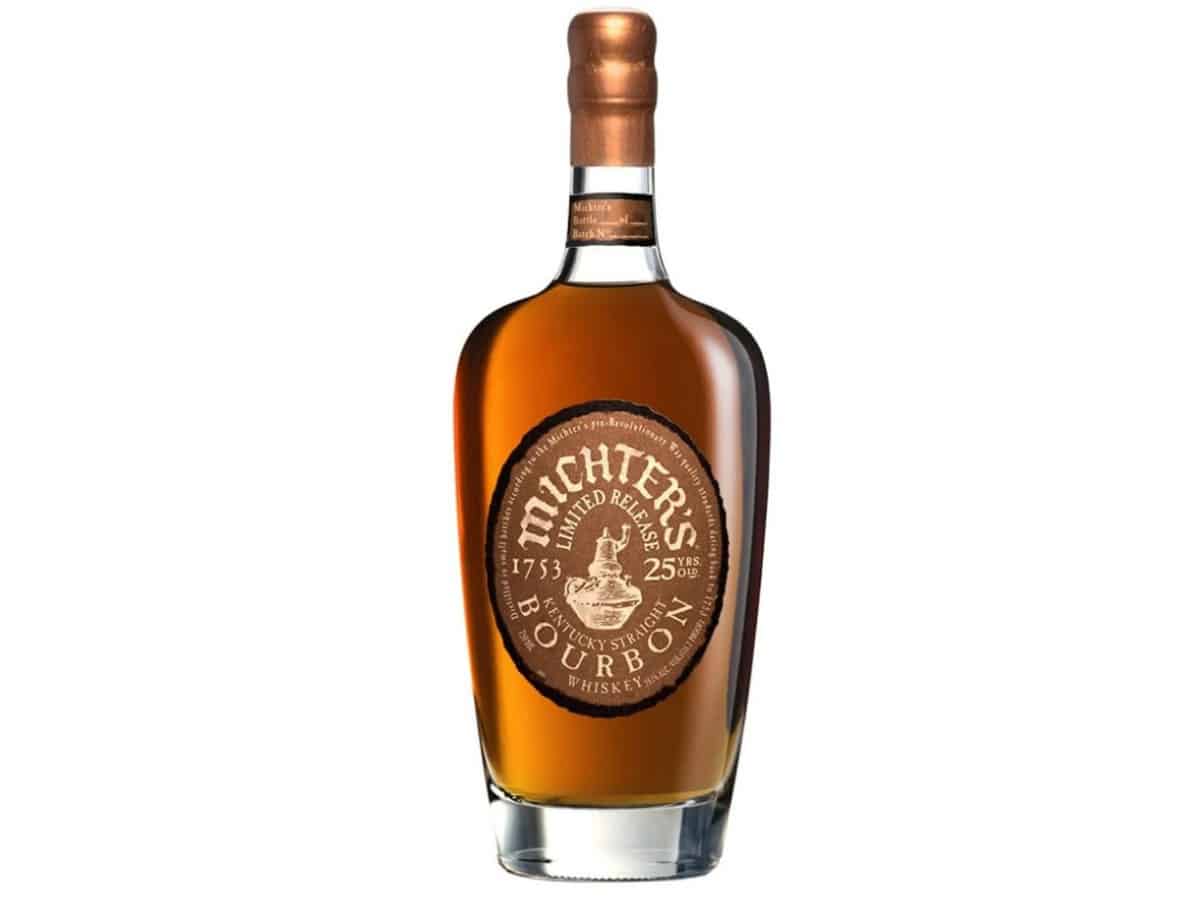
5. Michter’s 25 Year Kentucky Straight Bourbon
Buckle up because we’ve officially entered high-roller territory! Yet many will say that Michter’s 25-Year is worth the insane price point, in that it’s often hailed as a perfect bourbon. As long as there are passionate whiskey drinkers in the world, there will be demand for this particular expression, even if it’s unclear where it was actually distilled. Does that mean it can soar upward in terms of value? We can’t say. But decades from now, the demand should still be there. If you’re in for the long haul with money to burn, this is one way to burn it.
Key stats:
- ABV: 58%
- Region: Kentucky
- Cask Strength: Yes
- Price: USD$8000 and up
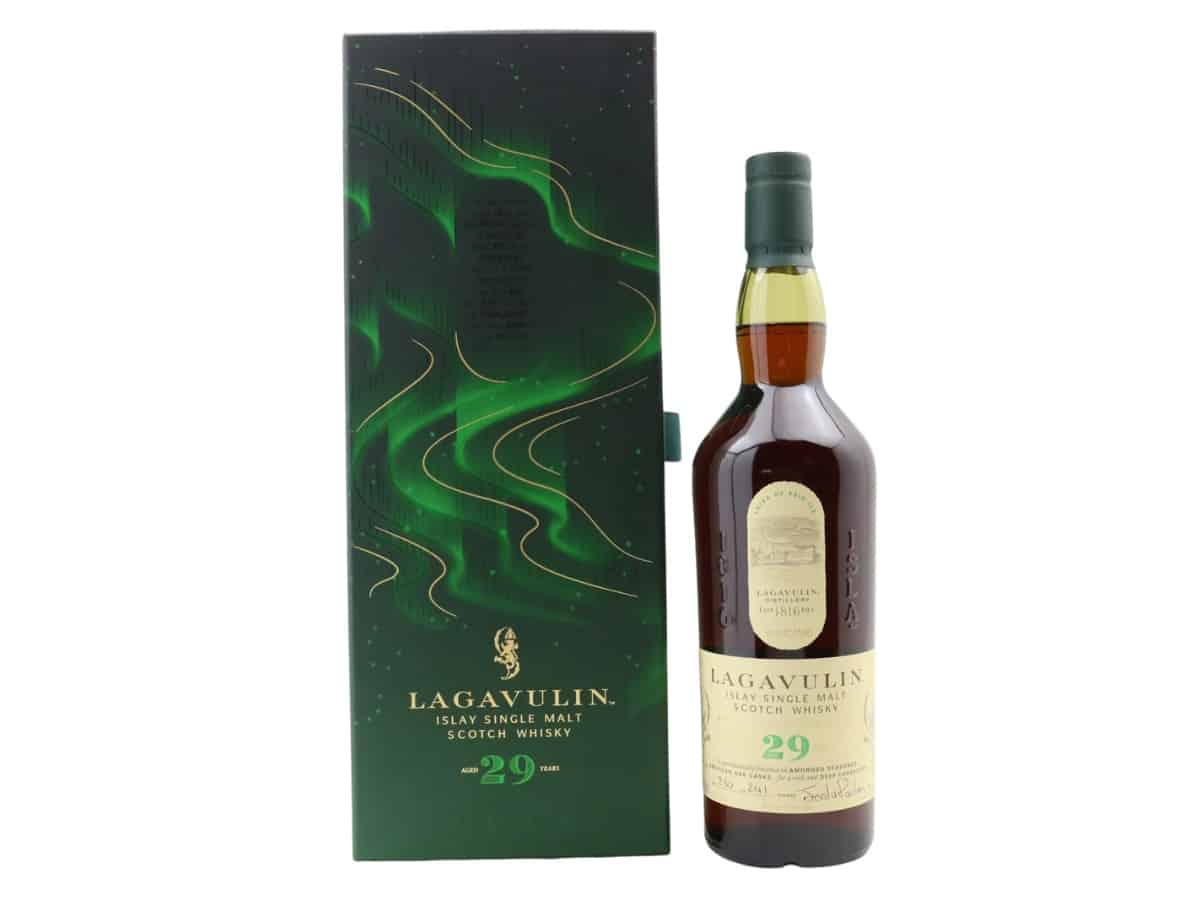
6. Lagavulin 29 Year Old Skies of Fèis Ìle
Lagavulin is the ultimate Islay distillery, and here we have one of their rarest releases. Aged for nearly three decades, limited in supply, and bottled at full proof, it presumably delivers the impeccable balance of sweetness and smoke for which the distillery remains best known. Is it worth $8000? We have no idea, but if we owned a bottle, we’d spend the rest of our lives resisting the temptation to open it. At the very least, that should tell you something about the potential for future demand.
Key stats
- ABV: 56%
- Region: Scotland (Islay)
- Distiller: Lagavulin
- Cask Strength: Yes
- Price: At least $10,000
Common questions about whisky investing
To keep your whisky safe over time, you’ll want to store it in a cool, dry place. The bottle should be kept away from sunlight and extreme temperatures, and occasionally wiped down so that it doesn’t get too dusty. If you live in an area that’s prone to earthquakes or natural disasters, you might want to take that into account as well, storing the bottle in a place where it can’t fall or break.
You’ve discovered a rare, sealed bottle of whisky and now you want to resell it for profit. If you’re doing so today, your best bet – possibly your only bet – is to sell the bottle through a legitimate auction house. Why? Because pretty much any alternative is going to be illegal.
The good news is that trusted auction houses can be quite fair in that they won’t take an overwhelming cut of the hammer price. As always, you’ll want to read the reviews or experiences of other clients and customers before handing over your precious bottle.
Allow us to address the elephant in the room. That elephant’s name is Pappy Van Winkle, and it’s become emblematic of the whiskey investment craze at large, with bottles hitting the resale market at 10x their retail price. This juice is very good, but plenty of drinkers also think that the quality has decreased since distillation moved over from Stitzel-Weller to Buffalo Trace, making the inflated prices harder to justify.
We won’t get too deep into the weeds here, but Stitzel-Weller shuttered in 1992, so you should do the math to determine whether the bottle you’re buying was distilled there. In the meantime, we’re wary of recommending latter-day bottles for the sake of investing, because there could one day come a backlash. We don’t foresee rare bottles of Pappy Van Winkle losing their value over time, but maybe plateauing. If you’re curious enough to buy one, don’t let us stop you!
For investing purposes, no. Serious collectors often buy two bottles: one to save as an investment and one to open and enjoy. Although that might be out of reach if you’re spending $10,000 a bottle.


















Comments
We love hearing from you. or to leave a comment.