

Updated:
Readtime: 11 min
Every product is carefully selected by our editors and experts. If you buy from a link, we may earn a commission. Learn more. For more information on how we test products, click here.
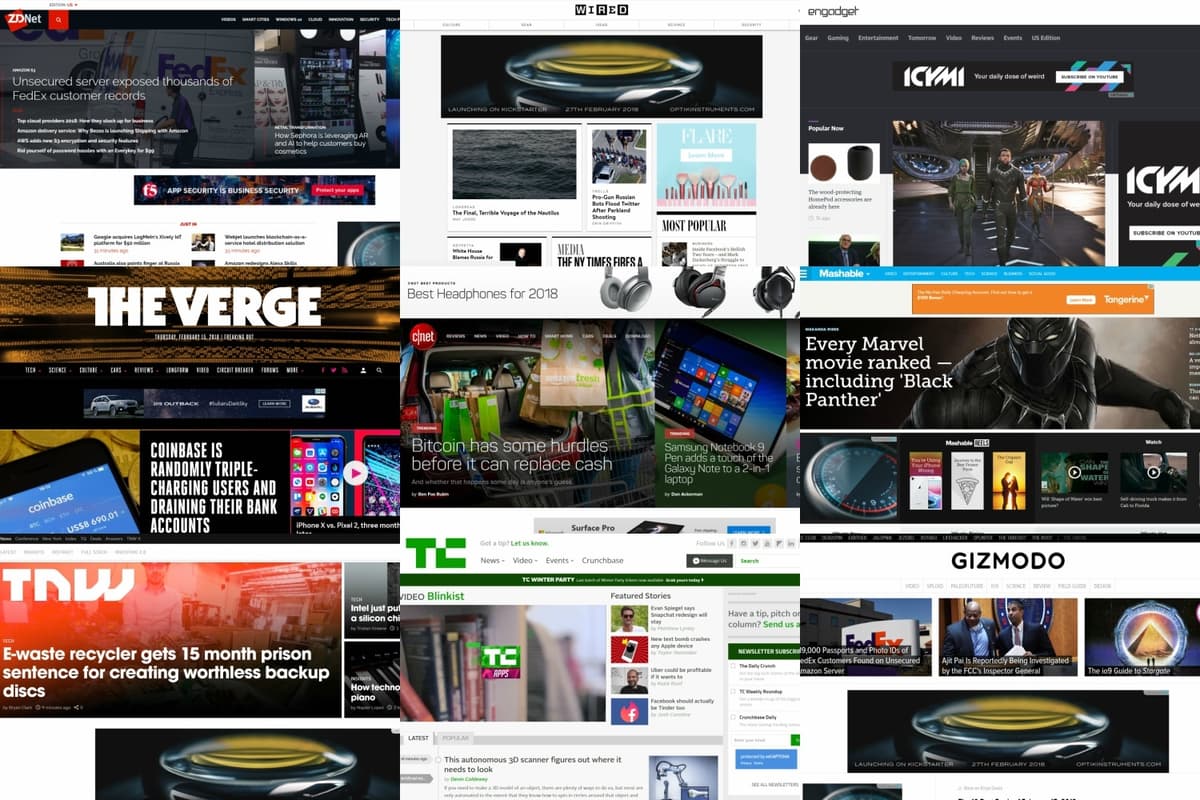
Every gadget launch, platform pivot and AI release still lands first on a handful of websites. The best tech blogs and tech websites pair fast reporting with real editorial judgement, so you know what is worth buying, what is vapourware and what will actually change how you work. Some of these names have been in the game since the 1990s, others came up with the smartphone boom, and almost all have changed hands at least once. Here is our updated list of the best tech blogs covering reviews, product news and industry analysis.
This article is part of our Technology of Today series.
1. Wirecutter
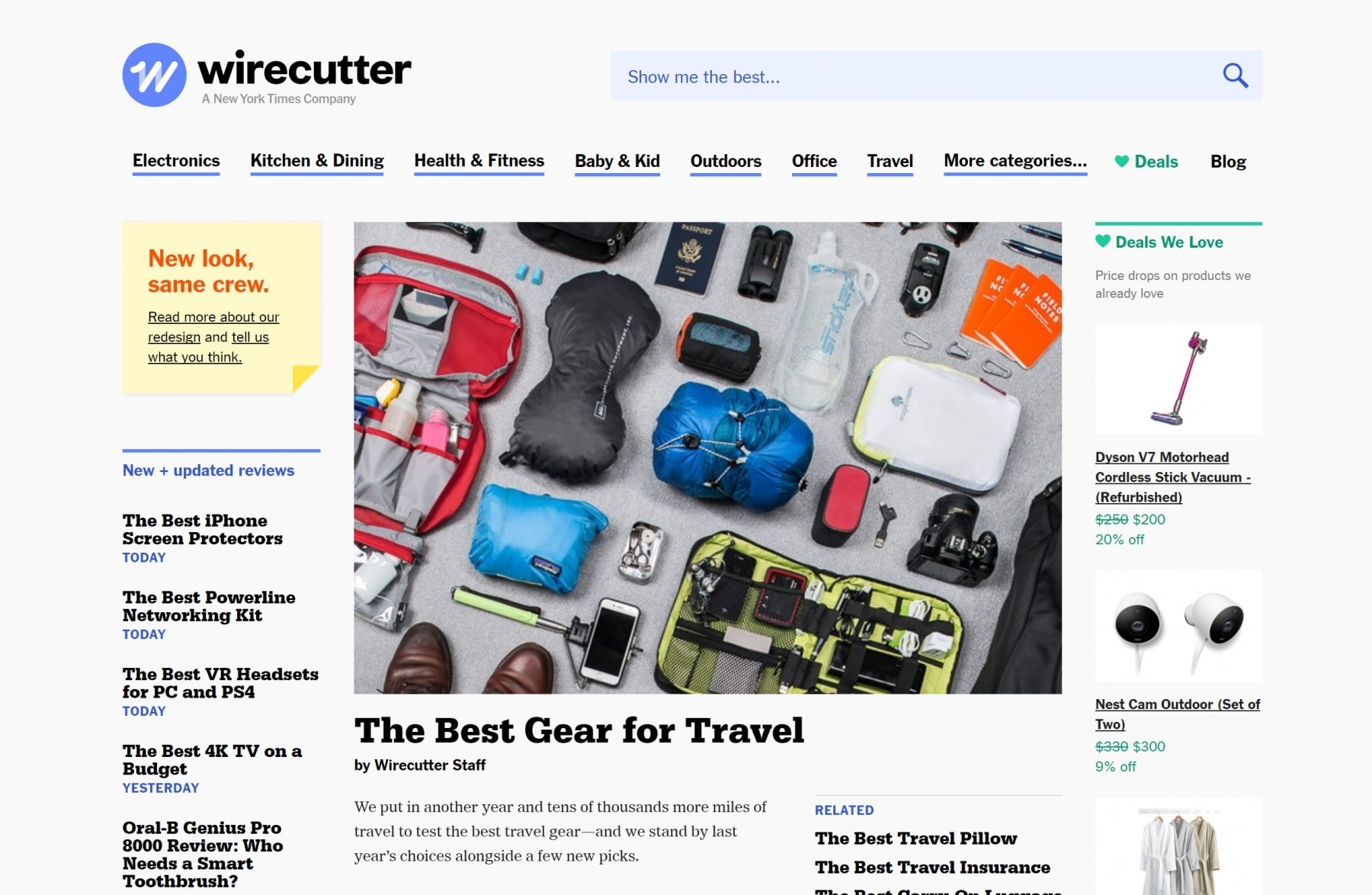
Founded in 2011 and owned by The New York Times since 2016, Wirecutter is the pick if you want buyer recommendations you can trust across hundreds of product categories. Its team of journalists, researchers and testers spends weeks with each pick, and the site sits behind the NYT paywall for deeper guides while keeping the top picks free. For tech specifically, Wirecutter’s laptop, headphone, smart home and camera guides are considered the reference point by reviewers at other outlets. It is less about breaking news, more about telling you what to actually buy.
- Founder: Brian Lam
- Year Started: 2011
- Owner: The New York Times Company
- HQ: New York, USA
Shop Wirecutter at The New York Times

2. The Verge
Launched by Vox Media in 2011 under founding editor Nilay Patel, The Verge is the tech publication other tech publications read. It covers consumer gadgets, platform policy, antitrust, AI, transport and creator tools with a clear editorial voice, long-form product reviews and a strong podcast lineup including Decoder. The Verge introduced a paid subscription tier in 2024 to support deeper reporting while keeping the core site open. If you only read one tech blog, this is the one most working tech journalists will point you to.
- Founders: Joshua Topolsky, Jim Bankoff, Marty Moe
- Year Started: 2011
- Owner: Vox Media
- HQ: New York, USA

3. Wired
In print since 1993 and online not long after, Wired is where tech meets culture, policy and science. Owned by Condé Nast and edited from New York, the title leans into long-form feature reporting on AI, security, space, climate tech and the wider societal impact of the industry. It is less useful for a quick gadget review and far more useful when you want to understand why something matters. The US, UK, Italian and Japanese editions all publish original work, and Wired’s investigations frequently set the wider news agenda.
- Founders: Louis Rossetto, Jane Metcalfe
- Year Started: 1993
- Owner: Condé Nast
- HQ: San Francisco, USA
Shop Wired — tech news and features
4. TechCrunch
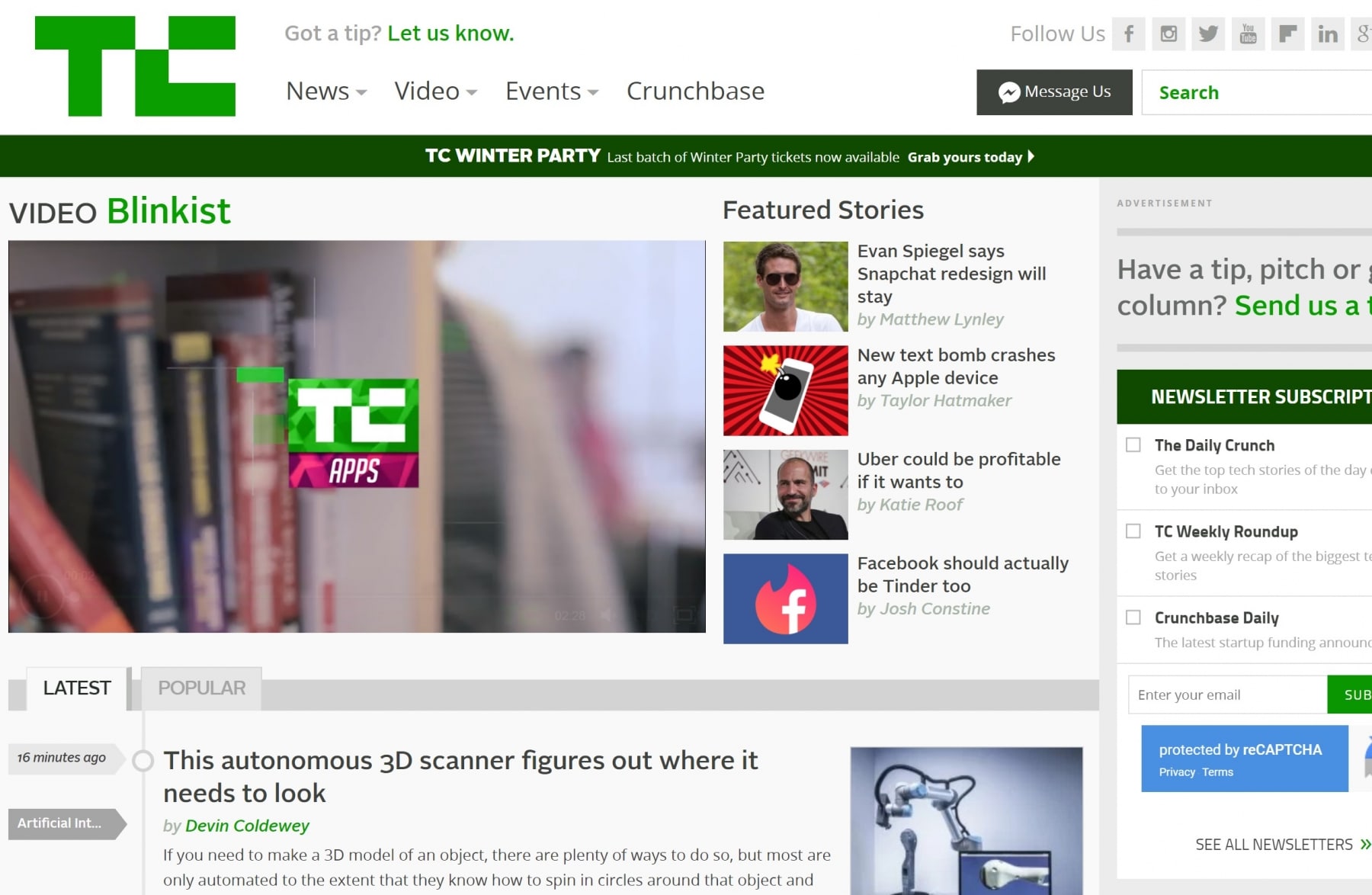
If you want to know which startups just raised, who is hiring, who is shutting down and who is being acquired, TechCrunch is still the default. Founded in 2005 by Michael Arrington, it has moved through AOL, Verizon Media and Yahoo, and was acquired by Regent in 2024. Editorial has slimmed down under the new owner but the site continues to publish funding, product and industry news daily and still runs its flagship Disrupt conference. TechCrunch also operates Crunchbase as a separate business for startup data and investor research.
- Founders: Michael Arrington, Keith Teare
- Year Started: 2005
- Owner: Regent L.P. (acquired from Yahoo in 2024)
- HQ: San Francisco, USA
5. CNET
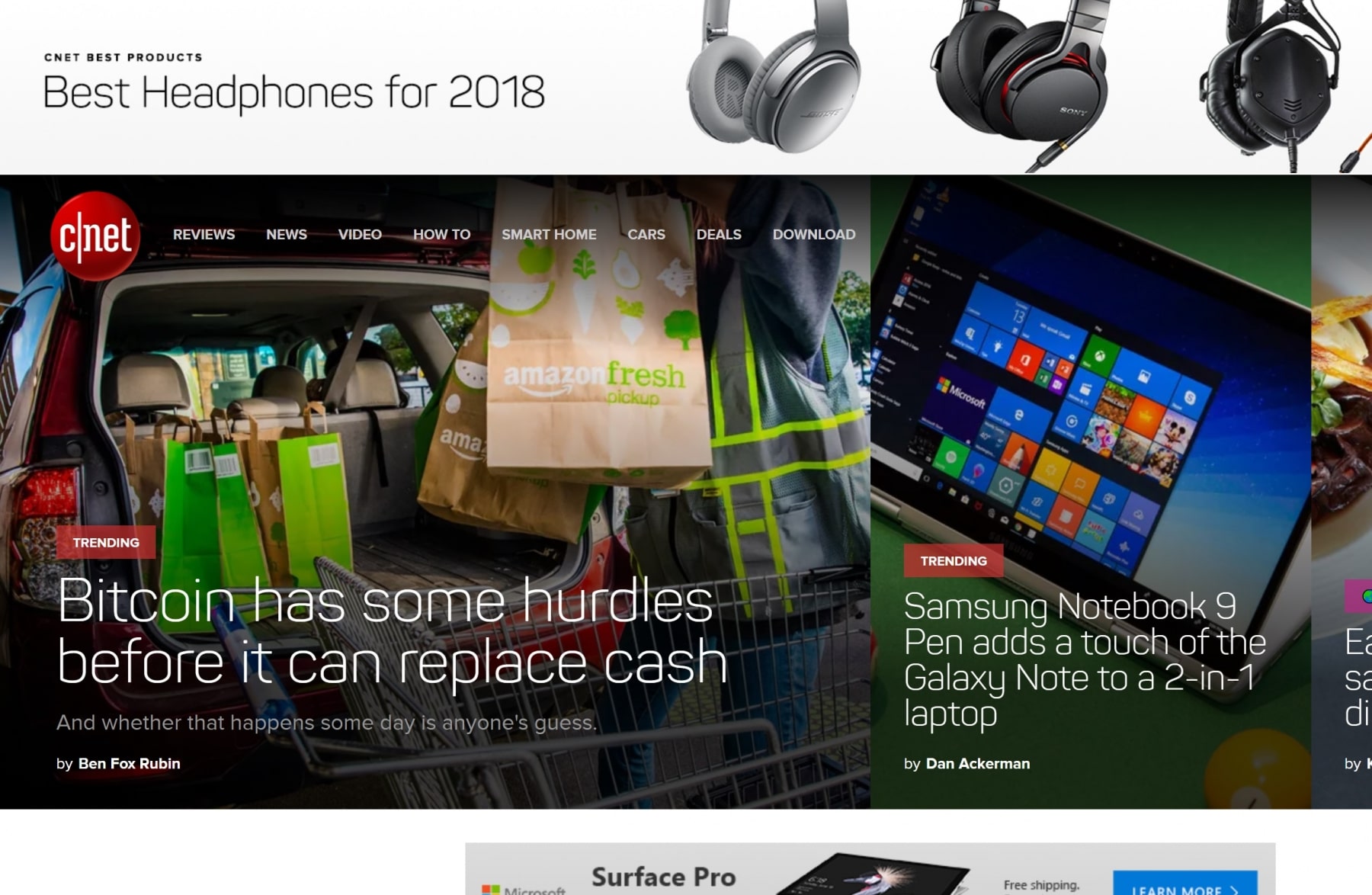
One of the longest-running names on the web, CNET launched in 1994 as a TV and web brand, then grew into the go-to consumer tech reviews site. It was acquired by Red Ventures in 2020 and sold to Ziff Davis in 2024, which now runs it alongside Mashable, PCMag, IGN and a stable of other tech titles. Coverage spans smartphones, laptops, home internet, streaming, personal finance and, increasingly, AI. CNET drew criticism in 2023 for quietly publishing AI-generated articles and has since published stricter AI policies and human review processes, worth knowing when you read its guides.
- Founders: Halsey Minor, Shelby Bonnie
- Year Started: 1994
- Owner: Ziff Davis (acquired from Red Ventures in 2024)
- HQ: San Francisco, USA
6. Engadget
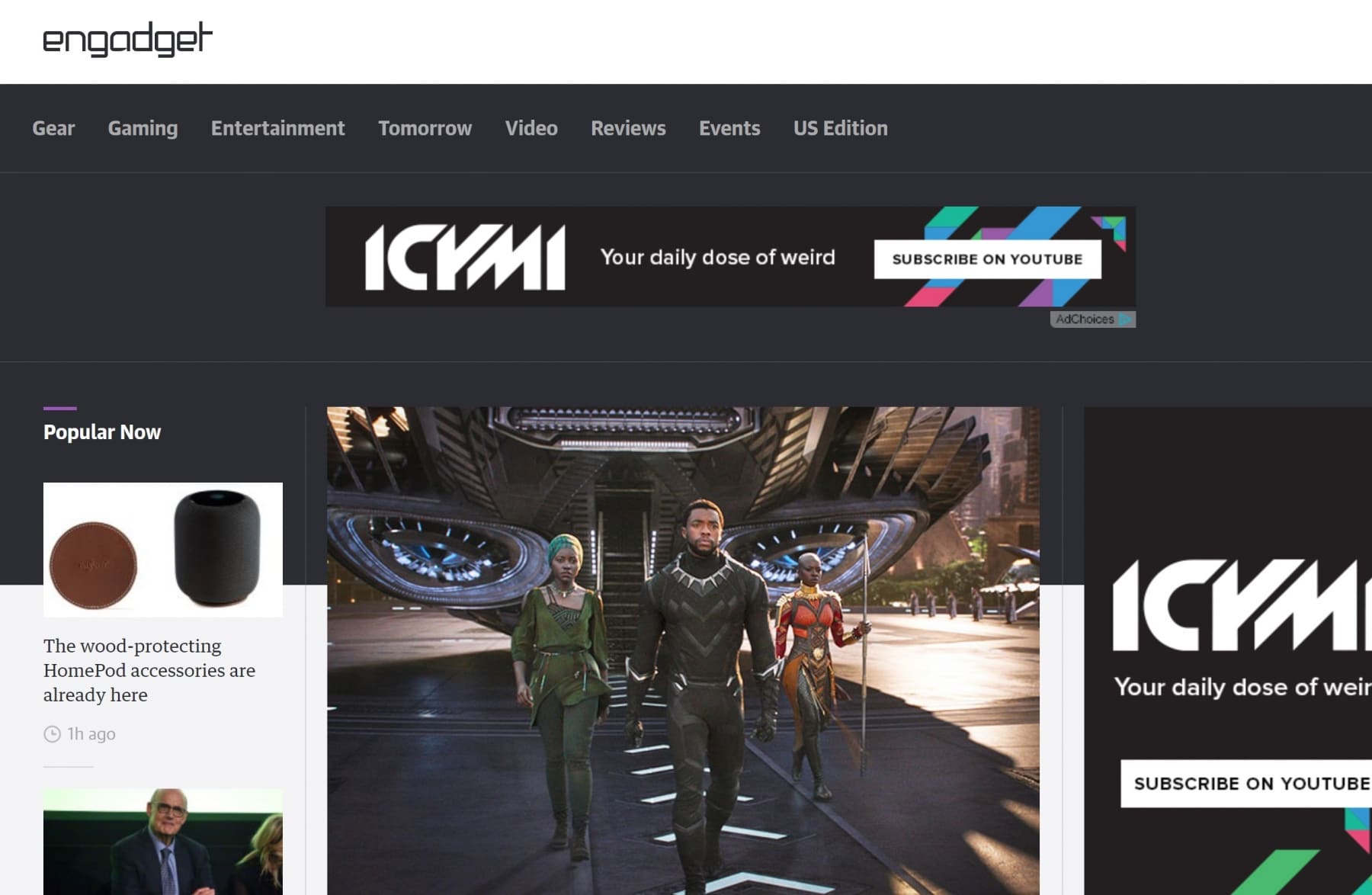
Founded in 2004 by Peter Rojas after he left Gizmodo, Engadget has been through AOL, Verizon Media and now sits under Yahoo. It had a round of high-profile layoffs in 2024 that thinned the review team, but the site still publishes daily gadget news, hands-on coverage of major launches, buyer guides and long-running columns. Engadget remains one of the better destinations for reader-facing reviews of phones, headphones, wearables, gaming hardware and EVs, even if it no longer breaks news at the pace it did in the 2010s.
- Founder: Peter Rojas
- Year Started: 2004
- Owner: Yahoo Inc.
- HQ: New York, USA

7. ZDNET
If CNET is for consumers, ZDNET is its older, more corporate cousin. Launched in 1991 as a Ziff Davis enterprise tech brand, ZDNET focuses on business technology, cloud, cybersecurity, AI infrastructure, productivity software and developer tools. After a decade under CBS and then Red Ventures, the brand was reunited with Ziff Davis in 2024 and now operates alongside CNET. It is a solid pick if you make buying decisions for a workplace rather than a living room, or if you want analysis written for IT and engineering readers rather than the general public.
- Founder: Ziff Davis (as an enterprise tech brand)
- Year Started: 1991
- Owner: Ziff Davis (reacquired from Red Ventures in 2024)
- HQ: Louisville, USA
8. Mashable
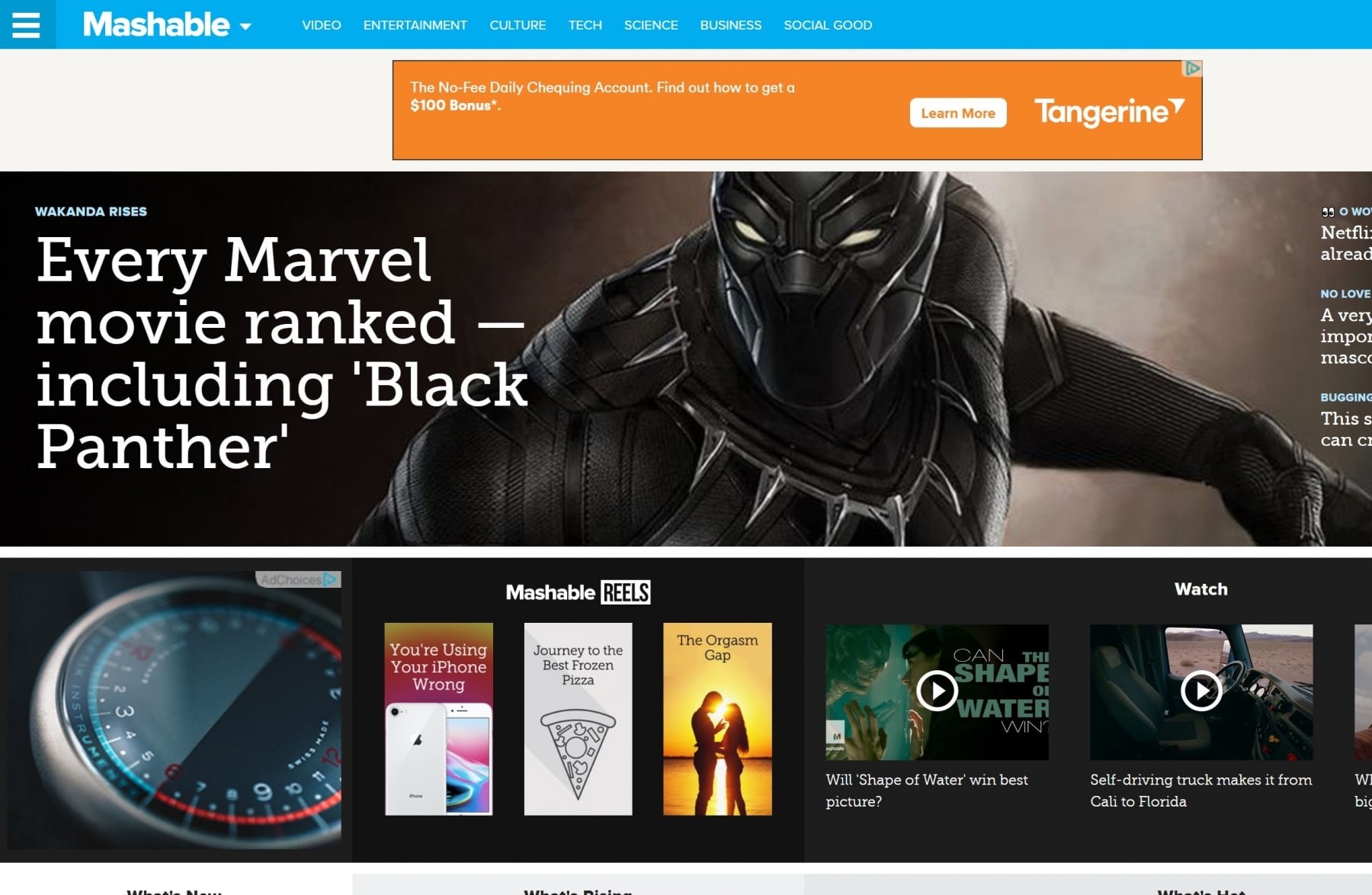
Pete Cashmore started Mashable from his bedroom in Aberdeen in 2005, and it became one of the defining publications of the social web. Acquired by Ziff Davis in 2021, the modern Mashable is broader than a pure tech blog, mixing gadget news and reviews with streaming, social media, gaming, culture and shopping guides. The Tech and Science vertical covers launches, AI, space and platform policy for a mainstream audience. If you want tech framed for people who mostly live their lives on their phone, this is the one.
- Founder: Pete Cashmore
- Year Started: 2005
- Owner: Ziff Davis
- HQ: New York, USA
9. Gizmodo
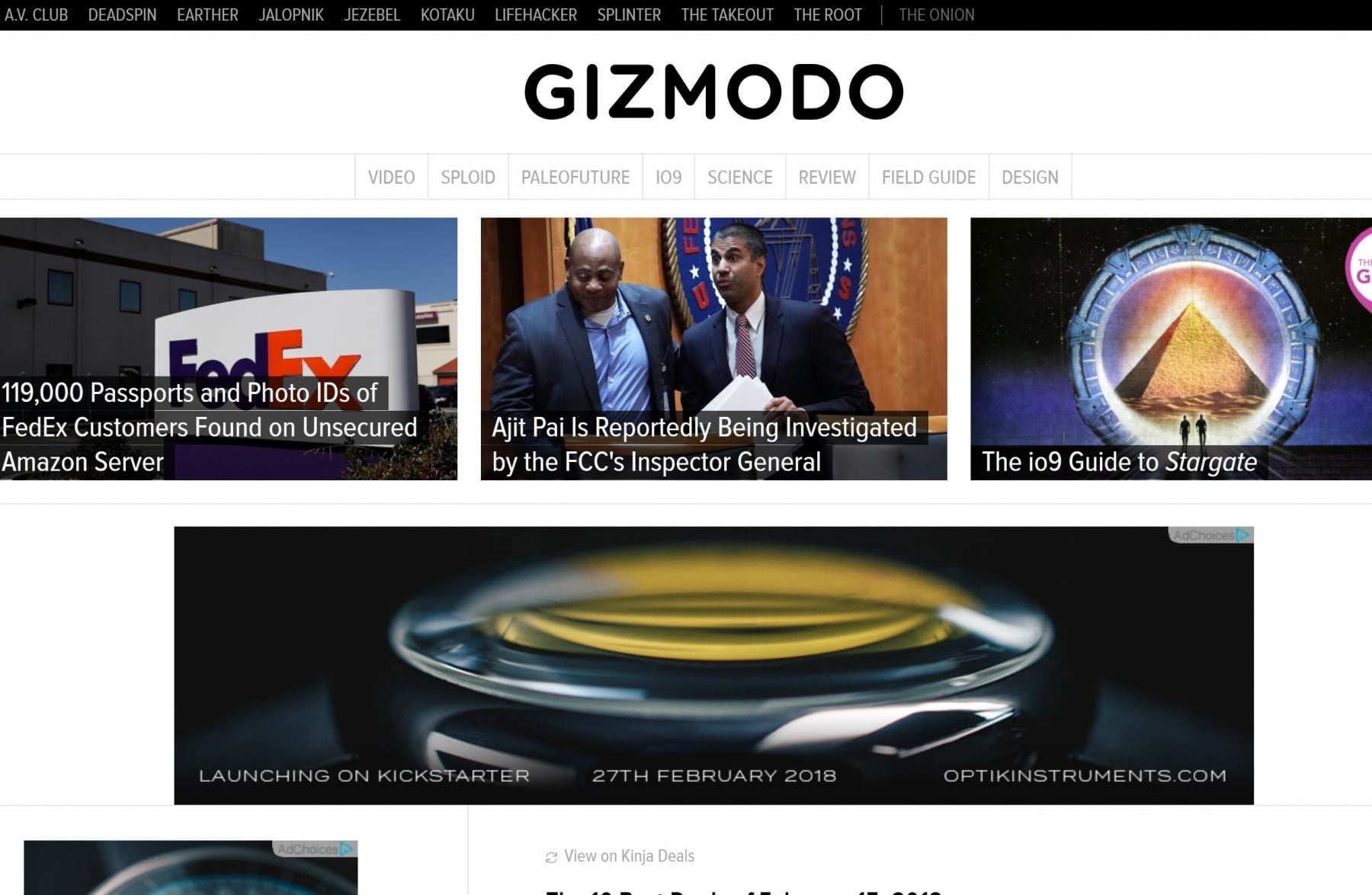
Founded in 2002 by Peter Rojas under the original Gawker Media, Gizmodo has survived more ownership changes than almost any tech title on this list, moving through Univision Interactive, G/O Media and, in 2024, European publisher Keleops AG. It covers gadgets, consumer electronics, science, space, film and games, with a sharper, more opinionated house style than most of its rivals. The rebuilt editorial team under Keleops has leaned back into reviews, explainers and reporting on the business of big tech, and the site has resumed publishing at a steady daily clip.
- Founder: Peter Rojas
- Year Started: 2002
- Owner: Keleops AG (acquired from G/O Media in 2024)
- HQ: New York, USA
10. The Next Web
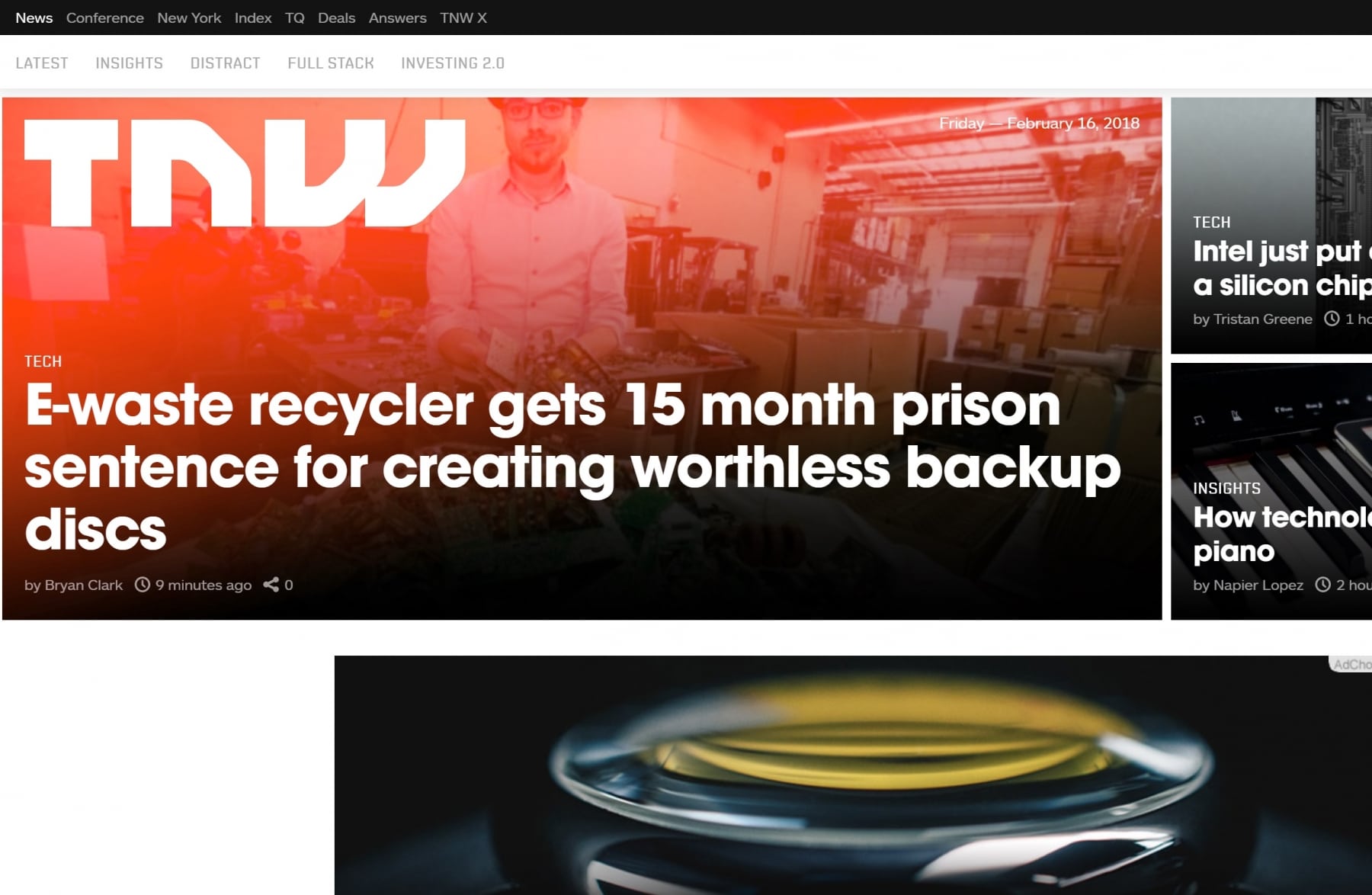
Started in 2006 in Amsterdam to promote a small conference, The Next Web grew into Europe’s most prominent English-language tech publication. It was acquired by the Financial Times in 2019 and now operates as the FT’s dedicated European tech brand. The site covers startups, deep tech, AI, climate tech, fintech and EU policy, and is the best single destination for European tech news written in English. TNW still runs its annual Amsterdam conference each June, which functions as the regional counterpart to TechCrunch Disrupt.
- Founders: Boris Veldhuijzen van Zanten, Patrick de Laive
- Year Started: 2006
- Owner: Financial Times
- HQ: Amsterdam, Netherlands
Read tech coverage at The Next Web
Other Worthy Mentions
A few tech publications did not make our main ten but still deserve a place in your feed.
- The Information, Subscription-only tech business reporting, known for breaking scoops on Silicon Valley companies.
- Ars Technica, Condé Nast-owned, deeper and more technical than most on this list, with strong science and security coverage.
- 404 Media, Journalist-owned co-operative launched in 2023 by former Motherboard staff, covering the seedier edges of the internet and AI.
- Platformer, Casey Newton’s independent newsletter on social networks, AI and content moderation.
- Stratechery, Ben Thompson’s subscription analysis blog on tech strategy and business models.
- Rest of World, Global tech journalism from outside Silicon Valley.
- Tom’s Hardware, Future plc’s enthusiast site for PC components, GPUs and benchmarks.
Closed or Dormant
Tech media has contracted meaningfully over the last decade. A few names you may remember are either shuttered or no longer publishing new reporting.
- Gawker, The original parent of Gizmodo and Valleywag shut in 2016 after the Hulk Hogan privacy case. A Bustle Digital Group revival ran briefly from 2021 to 2023 before closing again.
- Recode, Kara Swisher and Walt Mossberg’s influential tech site was folded into Vox in 2019 and the standalone brand was fully retired by 2022.
- AllThingsD, The Dow Jones-owned predecessor to Recode closed in 2013 when its founders left to start Recode.
- Protocol, Politico’s well-staffed enterprise tech newsroom shut in late 2022 during the Axel Springer ownership transition.
- Joystiq and TUAW, AOL’s gaming and Apple sister sites to Engadget both closed in 2015 and now live on only through the Engadget archives.
- Motherboard, Vice Media’s tech section effectively ended when Vice collapsed into bankruptcy in 2023; most of the team relaunched as 404 Media.
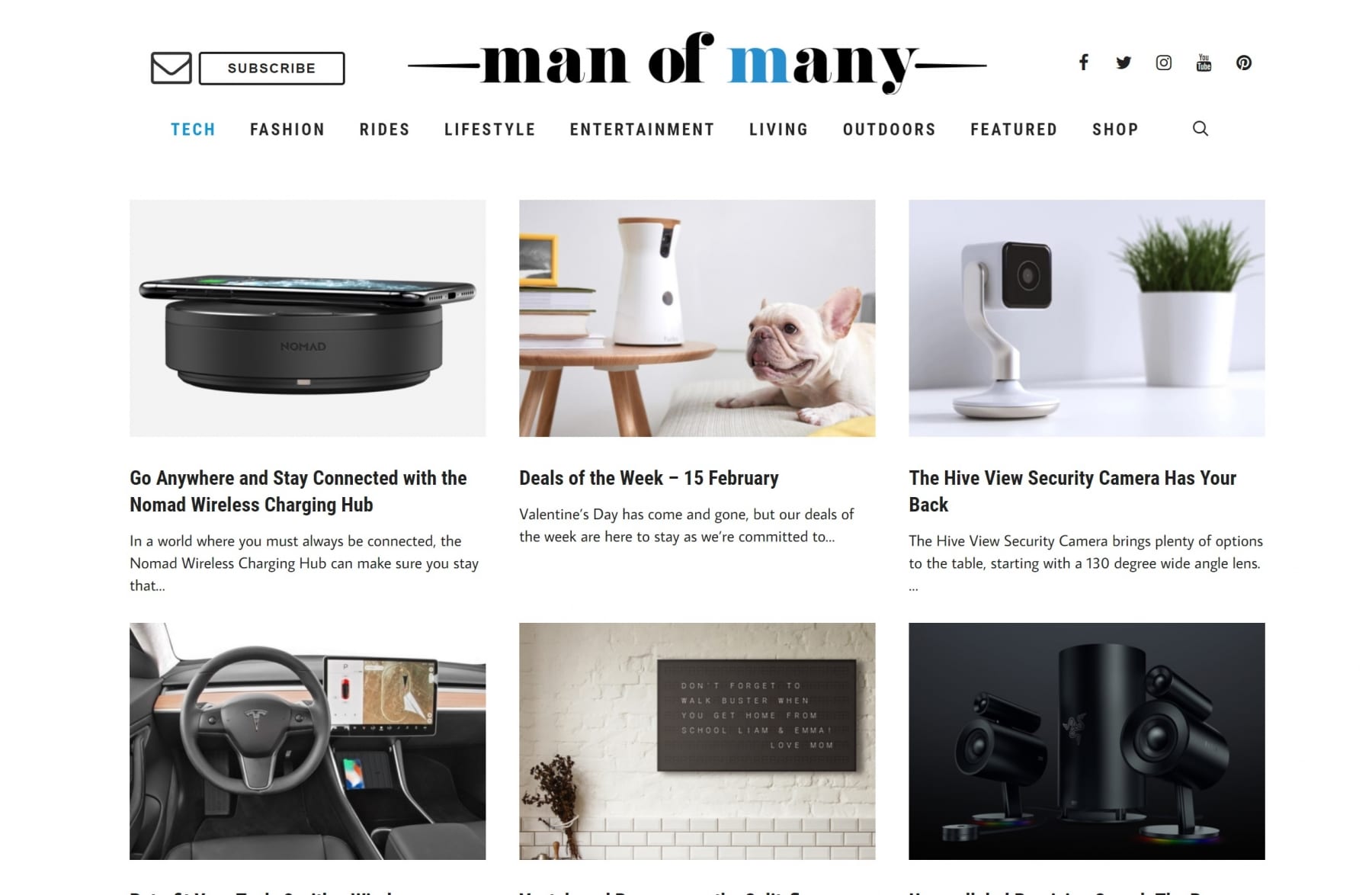
Bonus: Man of Many
Full disclosure: we publish this list, so we’ve put ourselves at the end rather than ranking ourselves against the publishers above. Man of Many has been covering consumer tech since 2013 from our newsroom in Sydney, with a dedicated technology desk that reviews phones, laptops, audio gear, wearables, EVs and smart home products for an Australian audience. We are independent and self-funded, which means the gear we recommend is gear our team has actually tested, not inventory being cleared by an affiliate partner. If you want Australian tech coverage with a local price point and a clear editorial line, start with our Technology of Today hub.
- Founders: Frank Arthur, Scott Purcell
- Year Started: 2013
- Owner: Man of Many Pty Ltd (independent)
- HQ: Sydney, Australia
How We Chose the Best Tech Blogs
We looked for publications that still publish daily, employ named editors and reviewers, and have a track record of breaking or shaping tech news rather than aggregating it. Ownership changes matter, so we flagged which titles sit under the same parent company after the consolidation wave of 2023 to 2025. We also drew a line between active tech blogs, slowed or pivoted sites in the honourable mentions, and tech publications that have closed or gone dormant in the section at the end.
Tech Blogs FAQs
For daily reading, The Verge is the most widely cited by working tech journalists, while TechCrunch is the default for startup and funding news. Wirecutter is best when you want to decide what to buy rather than follow headlines.
Ziff Davis now owns CNET, ZDNET, Mashable, PCMag and IGN after its 2024 acquisition from Red Ventures. Condé Nast owns Wired and Ars Technica. Vox Media owns The Verge. Yahoo owns Engadget. TechCrunch was sold by Yahoo to Regent in 2024. Gizmodo was sold by G/O Media to Keleops AG in 2024.
Man of Many runs a dedicated Australian tech desk from Sydney covering phones, audio, EVs and smart home gear with local pricing. International titles like The Verge, Wired and TechCrunch rarely cover Australian launches or local release dates.
A number have closed or been folded in recently, including Recode (merged into Vox in 2019), Protocol (shut 2022), Gawker (shut 2016, briefly revived, shut again 2023) and Vice’s Motherboard (effectively ended with Vice’s 2023 bankruptcy, with much of its team relaunching as 404 Media).































Comments
We love hearing from you. or to leave a comment.