


Updated:
Readtime: 8 min
The Lowdown:
Wondering how your pay stacks up? Here's the average salary in Australia by age, state, and industry for 2026.
Every product is carefully selected by our editors and experts. If you buy from a link, we may earn a commission. Learn more. For more information on how we test products, click here.
The average Australian salary is $2,051.10 per week or $106,657.20 annually, according to the latest data from the Australian Bureau of Statistics (November 2025). However, before you benchmark yourself against this skewed average, you’re better off looking at the median salary, as that gives you a clearer picture of what the average Australian earns every year.
The median weekly earnings are much lower than the average at $1,436 per week for all employees ($74,672 annually). This is broken down into $1,674 for males ($87,048 annually) and $1,250 for females ($65,000 annually), according to the ABS (May 2025).
The difference between the average and median salary is due to a skewed distribution with a long tail, or in simple terms, a small number of high-paid employees skew the average Australian salary higher.
Average Salary Data at a Glance
- Average salary in Australia: $2,051.10 per week ($106,657.20 annually)
- Males: $2,147.80 ($111,685.60 annually)
- Females: $1,900.60 ($98,831.20 annually)
- Median salary in Australia: $1,436 per week ($74,672 annually)
- Males: $1,674 ($87,048 annually)
- Females: $1,250 ($65,000 annually)
- Highest paying Industry: Mining at $2,872 ($149,362 annually) in median weekly earnings
- Highest earning state: ACT at $2,178.40 ($113,276.80 annually) in average weekly earnings
Industry-wise, mining remains the sector with the highest pay, with a median weekly income of $2,872 per week. Meanwhile, the public sector remains the most lucrative, with a full-time adult earning an average of $2,215.90 per week ($115,226.80 annually).
Still, if you want to compare how you stack up with your peers, we’ve broken down the average Australian salary by age, industry, and state in detail below.
Median Full-Time Australian Salary by Age
Age has a significant impact on salaries in Australia. For example, people in casual employment receive a wage according to their age – the younger they are, the lower the wage. According to the ABS, between 45 and 54 years old is when you are earning the most, with a median total income of $80,926 annually.
- 24 years and under: $23,840 annually
- 25-34 years old: $63,382 annually
- 35-44 years old: $77,912 annually
- 45-54 years old: $80,926 annually
- 55-64 years old: $67,489 annually
- 65 years and older: $24,168 annually
Part-time workers’ median salary in Australia by age:
- 15–19: $210 per week ($10,920 annually)
- 20–24 years old: $620 per week ($32,240 annually)
- 25–34 years old: $790 per week ($41,080 annually)
- 35–44 years old: $890 per week ($46,280 annually)
- 45–54 years old: $880 per week ($45,760 annually)
- 55–59 years old: $840 per week ($43,680 annually)
- 60–64 years old: $830 per week ($43,160 annually)
- 65 years and older: $630 per week ($32,760 annually)
Age has a significant impact on salaries in Australia. For example, people in casual employment receive a wage according to their age – the younger they are, the lower the wage. According to the ABS, between 45 and 54 years old is when you are earning the most, with a median weekly salary of $1,920 per week ($99,840 annually) for a full-time worker.
Young people suffer when it comes to wages, which can be attributed to job types, as young people often rely on casual work while studying. The youngest age bracket provided by the ABS suggests full-time workers aged 15–19 earn $840 per week ($43,680 annually), while part-time workers in the same bracket earn $210 per week ($10,920 annually).
This information supports the growing theme of an increasingly hostile environment for many young millennials in the Australian workforce. The average salary for persons under 20 is the lowest, which is about 7 per cent of Australia’s labour force. Additionally, the average wage earned by people aged 20–24 years old is significantly higher at $1,230 per week ($63,960 annually) but still nowhere near the higher age brackets.
Median Australian Salary by Industry
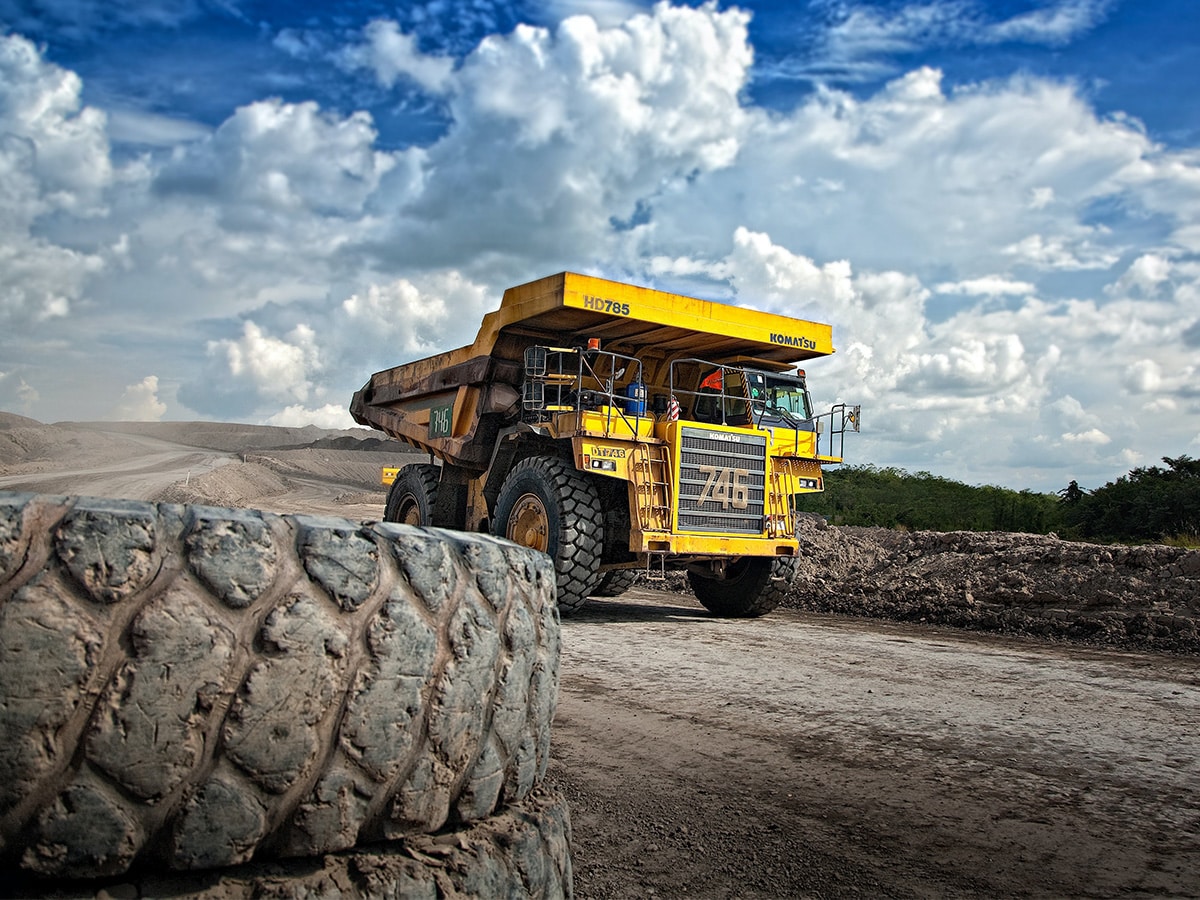
The mining industry remains the most lucrative, with a median weekly salary of $2,872 or $149,362 annually. On the other hand, the accommodation and food services industry has the lowest average salary, with average weekly earnings of $428 or $22,270 per year.
Different industries have different wage brackets, and depending on what industry you go into, the table below will give you a better idea of wage opportunities.
| Industry | Median weekly earnings | Annual earnings |
| Mining | $2,872 | $149,362 |
| Electricity, gas, water & waste services | $2,022 | $105,158 |
| Financial and insurance services | $1,985 | $103,220 |
| Public administration and safety | $1,850 | $96,200 |
| Information media and telecommunications | $1,820 | $94,640 |
| Professional, scientific and technical services | $1,780 | $92,560 |
| Construction | $1,650 | $85,800 |
| Transport, postal and warehousing | $1,620 | $84,240 |
| Education and training | $1,580 | $82,160 |
| Manufacturing | $1,550 | $80,600 |
| Health care and social assistance | $1,450 | $75,400 |
| Retail trade | $950 | $49,400 |
| Accommodation and food services | $428 | $22,270 |
Average Australian Salary by State
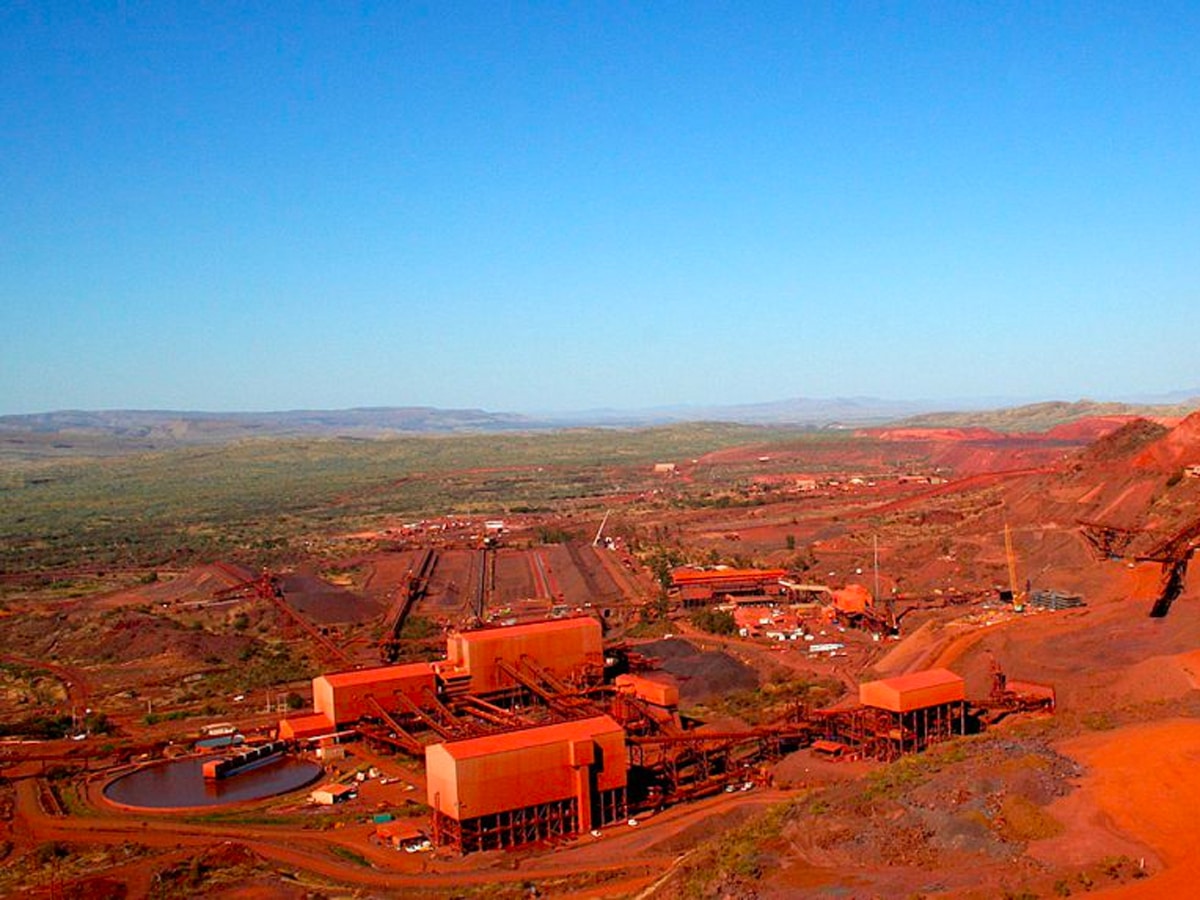
While mining is the highest-earning industry in Australia on both average and median weekly income scales, that hasn’t helped Western Australia retain its position at the top of the states. The politicians have had their revenge, and the ACT is now the state with the highest earnings in Australia. The average worker in the ACT has an average salary of $2,278.40 per week or $118,476.80 annually, besting WA workers who rake in $2,256.80 per week or $117,353.60 annually. Comparatively, Tasmanians are barely scraping by with an average weekly salary of $1,865.60 or $97,011.20 annually.
| Region | Persons | Males | Females |
|---|---|---|---|
| ACT | $2,278.40 | $2,350.70 | $2,196.20 |
| WA | $2,256.80 | $2,430.10 | $1,960.30 |
| NSW | $2,085.60 | $2,180.40 | $1,942.00 |
| Qld | $2,053.70 | $2,139.60 | $1,919.30 |
| NT | $1,986.60 | $2,100.00 | $1,871.80 |
| SA | $1,957.40 | $2,030.30 | $1,836.20 |
| Victoria | $2,027.90 | $2,115.00 | $1,894.80 |
| Tasmania | $1,865.60 | $1,899.70 | $1,805.00 |
| Australia | $2,051.10 | $2,147.80 | $1,900.60 |

How Large is the Gender Pay Gap in Australia?
In Australia, full-time working men earn more than full-time working women, and the gender pay gap currently stands at 10.2% for ordinary-time cash earnings and 13% for total cash earnings. This is represented in the following amounts:
- Median weekly cash earnings for men – $1,674 per week (all employees)
- Median weekly cash earnings for females – $1,250 per week (all employees)
Gender has a strong impact on the median income of Australians. The weekly income for males is still $424 higher than for females across all employees (according to the ABS).
This pay gap is evident in the overwhelming majority of industries, including modelling and sex work, with the gender pay gap nearing $1b per week, according to figures reported by news.com.au. Workplace Gender Equality Agency (WGEA) director Libby Lyons said even before the COVID-19 pandemic hit, Australian employers had become “complacent” about gender equality. One shocking reality is that gender pay gaps are often influenced by discrimination and bias.
The pay gap is also influenced by women and men working in different industries and jobs, with women dominating part-time and casual work. Also, women take up a huge share of unpaid caring and domestic work and spend more time out of the workforce, which impacts their ability to work in senior roles.

Average Australian Salary Over Time
With the average salary in Australia sitting at $2,051.10 per week, the average annual wage has reached $106,657.20 annually (pre-tax). However, the year-on-year increases highlight an issue with wage growth. Aussie full-time workers may be earning 3.8 per cent more than they were last year, but the rate is barely ahead of Australia’s inflation rate.
| Persons | Males ($) | Females ($) | |
|---|---|---|---|
| May 2012 | $1,401.50 | $1,493.60 | $1,245.50 |
| November 2012 | $1,441.00 | $1,533.00 | $1,281.80 |
| May 2013 | $1,464.40 | $1,555.70 | $1,301.60 |
| November 2013 | $1483.50 | $1,574.90 | $1,323.40 |
| May 2014 | $1,502.50 | $1,604.70 | $1,329.90 |
| November 2014 | $1,528.40 | $1,634.50 | $1,351.70 |
| May 2015 | $1,537.30 | $1,641.60 | $1,368.50 |
| November 2015 | $1,556.50 | $1,654.70 | $1,392.00 |
| May 2016 | $1,568.30 | $1,661.70 | $1,411.30 |
| November 2016 | $1,584.30 | $1,677.40 | $1,430.20 |
| May 2017 | $1,594.10 | $1,683.60 | $1,444.90 |
| November 2017 | $1,615.30 | $1,704.60 | $1,466.60 |
| May 2018 | $1,631.10 | $1,717.40 | $1,488.20 |
| November 2018 | $1,651.30 | $1,735.80 | $1,512.90 |
| May 2019 | $1,681.60 | $1,768.00 | $1,542.60 |
| November 2019 | $1,706.20 | $1,791.40 | $1,567.90 |
| May 2020 | $1,762.20 | $1,853.10 | $1,618.00 |
| November 2020 | $1,757.20 | $1,842.50 | $1,619.40 |
| May 2021 | $1,783.70 | $1,876.60 | $1,633.20 |
| November 2021 | $1,794.60 | $1,885.60 | $1,648.70 |
| May 2022 | $1,816.10 | $1,912.50 | $1,665.80 |
| November 2022 | $1,851.30 | $1,944.40 | $1,707.00 |
| May 2023 | $1,883.10 | $1,976.80 | $1,740.90 |
| November 2023 | $1,934.80 | $2,021.10 | $1,802.80 |
| May 2024 | $1,972.60 | $2,054.80 | $1,845.40 |
| November 2024 | $2,025.90 | $2,114.50 | $1,889.20 |
| November 2025 | $2,051.10 | $2,147.80 | $1,900.60 |

Weekly Australian Tax Table
The Australian government offers a weekly tax table tool, which helps work out salaries, taxes, and everything in between. To use this table, you need to work out the withholding amount. Start by calculating your employee’s total weekly earnings and add any allowances and irregular payments that are to be included in this week’s pay to the normal weekly earnings, ignoring cents. Use the appropriate column to find the correct amount to withhold. If your employee is claiming the tax-free threshold, use column 2 or column 3 if not.
Average Australian Salary FAQs
A “good” salary depends heavily on your lifestyle and location, but benchmarking against the median is a great start. For those aged 25-34, the median total income is $63,382 annually. For those aged 35-44, it rises to $77,912, and peaks at $80,926 for those aged 45-54. Earning above these median figures for your age bracket puts you in the upper half of Australian earners.
The average salary is calculated by adding all salaries together and dividing by the number of workers. This figure is often skewed higher by a small percentage of very high earners. The median salary is the exact middle point, half of all workers earn more than the median, and half earn less. The median provides a much more accurate picture of what a typical Australian earns.
The mining industry consistently pays the highest salaries in Australia. According to the latest ABS data, the median employment income for mining is $149,362 annually, significantly higher than the national average





























Comments
We love hearing from you. or to leave a comment.