


Updated:
Readtime: 10 min
Every product is carefully selected by our editors and experts. If you buy from a link, we may earn a commission. Learn more. For more information on how we test products, click here.
If you’re new to single malt Scotch whisky and you’ve only tried one or two, you might assume they all taste the same. They’re just single malts, right? How could they differ so much in ingredients, appearance, aroma, and taste?
After more than two decades of writing about alcohol and having traveled to Scotland to sample more whiskies than I’m comfortable admitting, I’ve learned one thing about single malt Scotch whisky: you absolutely should not judge a book by the cover.
Take two random bottles of single malt whisky off a shelf, pour yourself a dram, and set them side-by-side. They might look identical in hue. But one sniff, one sip, and it may just feel like you’re tasting two altogether different types of whisky. That’s because the distilling process, type of barley used, and the ageing and finishing processes can vary greatly depending on the distillery and region where the whisky was produced.
I’ve also found that when it comes to value-for-money, each region has at least one (if not many) bottles to choose from. That brings us to one important question: What are the whisky regions of Scotland, how do they differ, and what does that mean for the whisky connoisseurs among us?
The 5 Scotch Whisky Regions Explained
While some folks add the ‘islands’ to this list (rounding it up to an even six), the Scotch Whisky Association officially recognises 5 distinct Scotch whisky regions. They are the Highlands, Lowlands, Speyside, Islay, and Campbeltown.
Each region has its own unique flavour profile for a variety of reasons.
Speyside
Speyside is located around the River Spey in the midst of the Highlands. It’s known for its approachable, gateway whiskies with flavours like orchard fruits, sweet honey, dried fruits, toasted vanilla beans, and toffee. Many Speyside whiskies are matured and finished in ex-sherry casks.
The Highlands
The largest in terms of area, encompassing most of the Scottish Highlands. Since it’s such a large region, it’s also the most diverse in terms of flavour with whiskies ranging from light and sweet to rich, robust, and peaty. You’ll also find quite a few whiskies featuring notes of honey, heather, candied orange peels, and other flavours.
The Lowlands
Located in southern Scotland, near Glasgow. Known as the lightest region in terms of flavour, Lowlands whiskies are light, fruity, and floral, and are likely the most approachable for new whisky drinkers.
Islay
An island in the Inner Hebrides. It’s home to 30,000 sheep, around 3,000 people, and 10 distilleries. This includes some of the most well-known distilleries in all of Scotland, with the likes of Lagavulin, Laphroaig, Bruichladdich, and Ardbeg all calling the island home. It’s well-known for its rich, peaty, smoky whiskies.
Campbeltown
Campbeltown is by far the smallest and has the fewest distilleries, with only Springbank, Glen Scotia, and Glengyle currently operating there. The region is known for its unique funky, oily, briny, and often smoky whiskies.
Related: The 7 Best New Whiskies of 2026
Best Value Single Malt Scotch Whiskies From Every Region in Scotland
Now that you’ve learned a little about the various regions of Scotland, it’s time to find some value. For us, value isn’t just an inexpensive bottle of whisky. Value means a ratio between how great something is and how much you’re willing to spend for it. Below, you’ll find some whiskies that fit that bill for each of the 5 regions.
Best Value Scottish Single Malts At A Glance
| Whisky | Region | ABV | Price (AUD) |
| The GlenDronach 12 Year Old | Highlands | 43% | $115 – $135 |
| Auchentoshan Three Wood | Lowlands | 43% | $75 – $105 |
| Aberlour A’bunadh | Speyside | 55% – 65% (Cask Strength) | $130 – $175 |
| Glen Scotia Double Cask | Campbeltown | 46% | $80 – $120 |
| Ardbeg 10 Year Old | Islay | 46% | $110 – $130 |
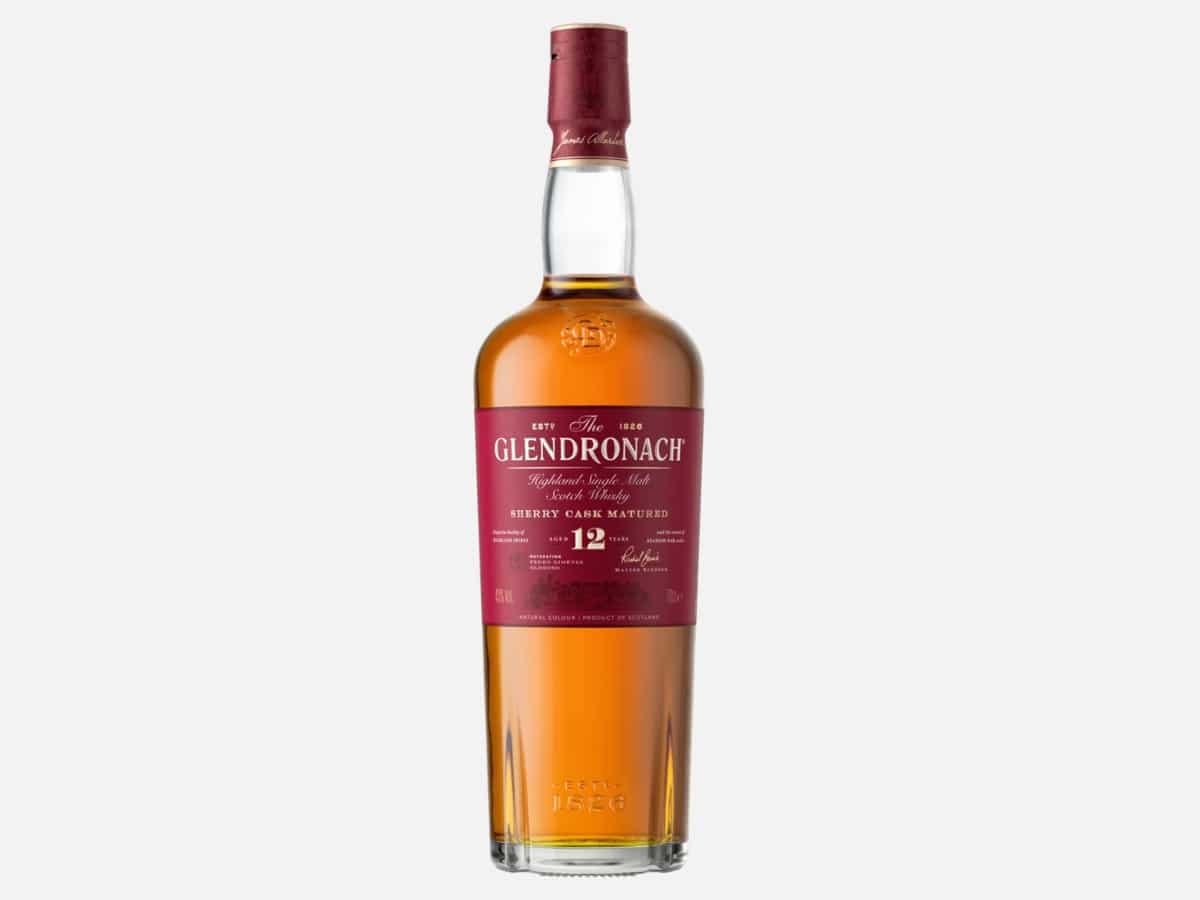
The Highlands: The GlenDronach 12
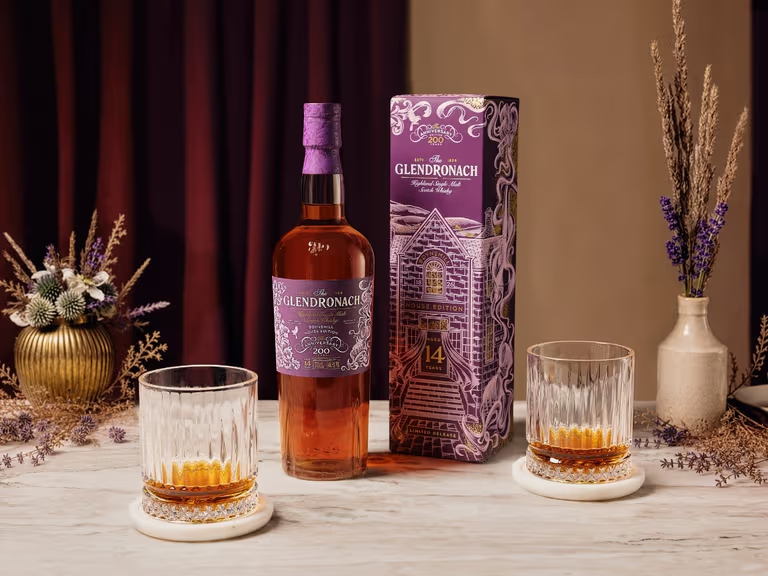
The GlenDronach is a big name in the world of Scotch whisky. If you’re going to try one bottle from this Highlands-based distillery, we suggest the GlenDronach 12. This classic single malt whisky is made with only three simple ingredients: Highland spring water, proprietary yeast, and malted barley. It’s the ageing that gives this whisky its distinct aroma and flavour.
- ABV: 43%
- Cask type: GlenDronach 12 is matured for a minimum of 12 years in Pedro Ximénez and Oloroso sherry casks sourced from Jerez, Spain.
- Flavour profile:
- Nose: Caramel apples, candied nuts, ginger candy, toasted vanilla beans, cinnamon sugar, and oak are prevalent on the nose.
- Taste: Sweet sherry, baking spices, dried cherries, sticky toffee pudding, dried fruits, candied orange peels, vanilla, and oaky wood.
- Finish: The finish is long, warm, and ends with a mix of candied almonds, chocolate, orange peels, butterscotch, and gentle spices.
- Key feature: Maturing completely in ex-sherry casks gives GlenDronach its memorable flavour profile.
- Best for: Drinkers looking for an approachable whisky with a sweet, borderline indulgent flavour palate will love this expression.
- Price: from AUD$115-135
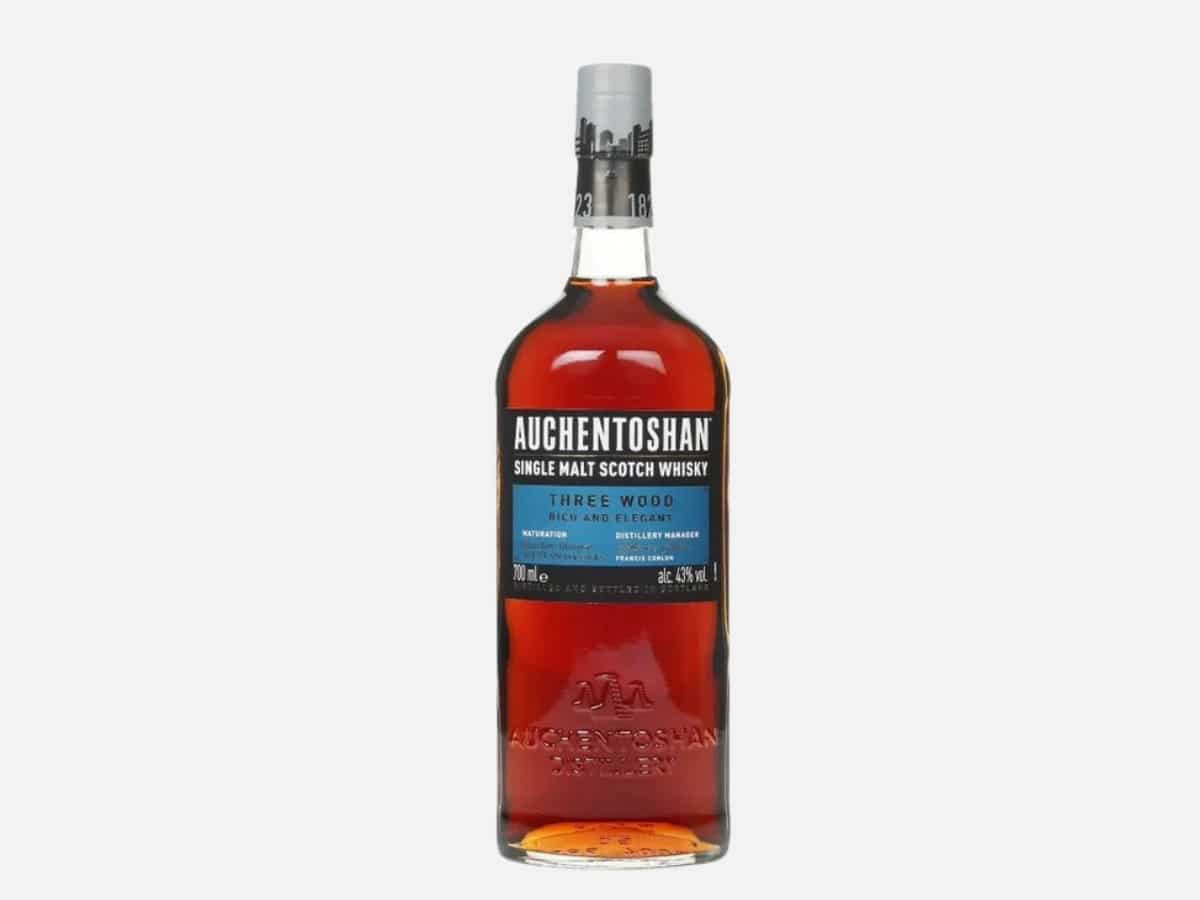
Lowlands: Auchentoshan Three Wood
Auchentoshan Three Wood is a can’t-miss expression for anyone looking to get into single malt Scotch or simply looking for an affordable gateway bottle. This popular expression is made with unpeated malted barley, yeast, and water. It gets its name because it matures in three different types of wooden barrels.
- ABV: 43%
- Cask type: This unique single malt is matured in a combination of American ex-bourbon, Spanish Oloroso sherry, and Pedro Ximénez sherry casks
- Flavour profile:
- Nose: A very aromatic nose of candied pecans, raisins, plums, butterscotch candy, cinnamon sugar, and oaky wood starts everything off on the right foot.
- Taste: Maple candy, toasted vanilla beans, manuka honey, sweet treacle, bitter chocolate, dried fruits, and a gentle, nutty sweetness make for a welcoming palate.
- Finish: Lingering, warm, and finishes with a mix of oak, spices, and indulgent chocolate.
- Key feature: Maturation in three distinct wood types gives this single malt a unique flavour profile.
- Best for: Drinkers ready to try a multi-layered, complex whisky should seek this award-winning single malt out.
- Price: from AUD$75-105
Related: 5 Whiskies Over $200 that are Actually Worth Splurging On
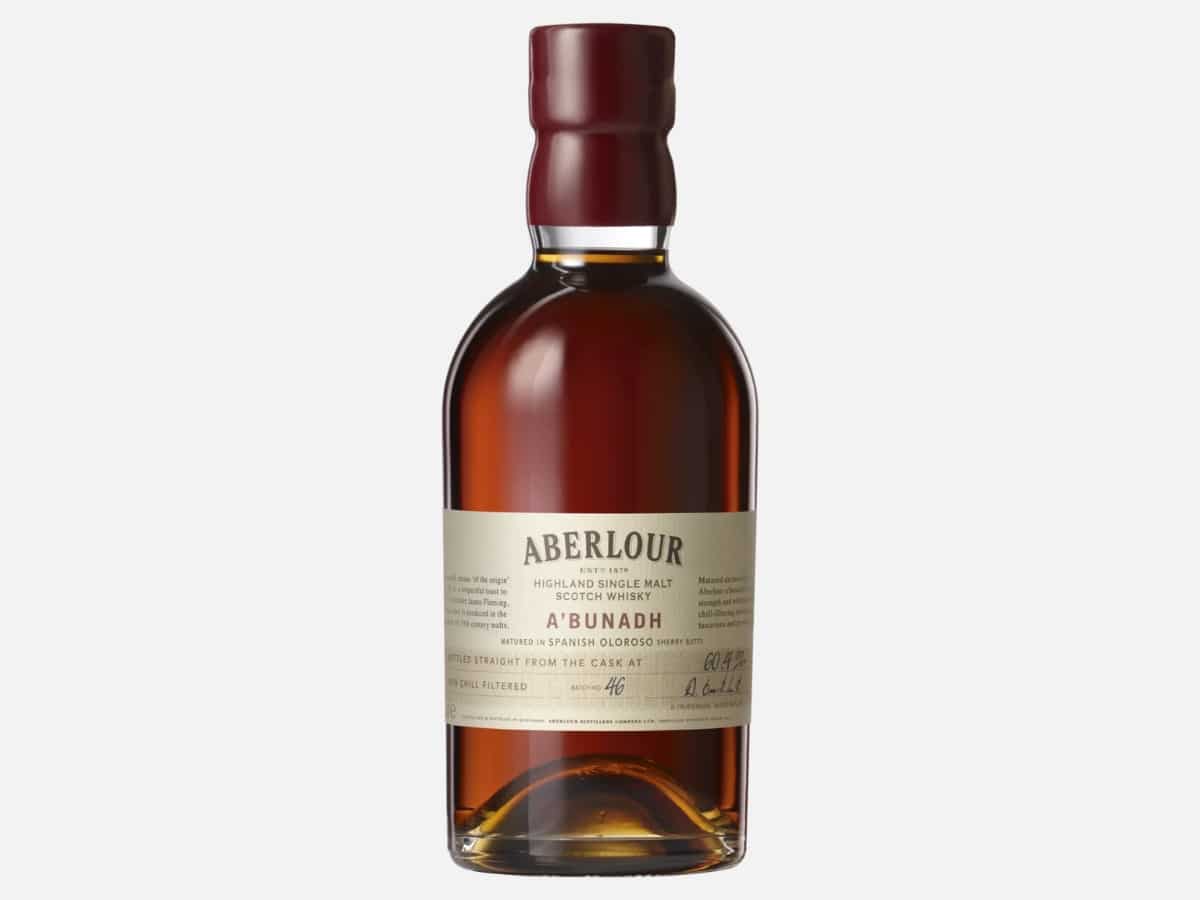
Speyside: Aberlour A’bunadh
When it comes to Speyside value bottles, there are plenty to choose from. In our opinion, none is better for the price than Aberlour A’bunadh. Like many single malt whiskies, it’s made simply with spring water, proprietary yeast, and malted barley. It’s non-chill-filtered, contains no additives, and is bottled at a bold, sippable cask strength.
- ABV: Between 55-65% depending on the batch
- Cask type: Aberlour A’bunadh doesn’t carry an age statement, but it’s matured completely in first-fill Spanish Oloroso sherry casks.
- Flavour profile:
- Nose: Candied oranges, dried cherries, brown sugar, oak, and vanilla are found on a welcoming nose.
- Taste: Raisins, sweet sherry, ginger candy, orange zest, candied nuts, dark chocolate, vanilla, wintry spices, and oak on the nose.
- Finish: Long, extremely warm in the best way possible, and ends with charred oak, sticky toffee pudding, and dried cherries.
- Key feature: Not only is this whisky matured solely in ex-sherry casks, but it’s also bottled at a potent cask strength.
- Best for: Drinkers who prefer to enjoy their whisky neat with a splash or two of water to open up aromas and flavours will love this dram.
- Price: from AUD$130-175
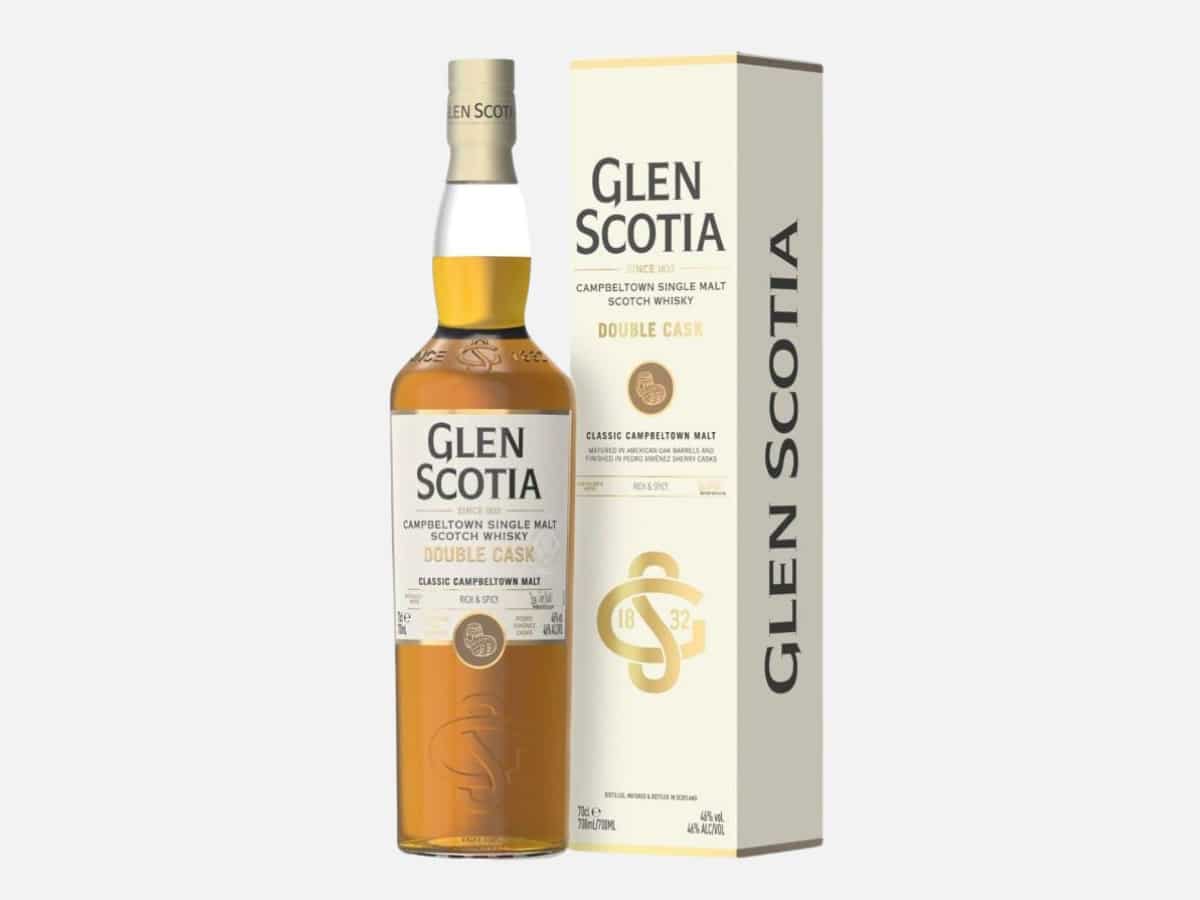
Campbeltown: Glen Scotia Double Cask
There aren’t many choices when it comes to Campbeltown single malts. This doesn’t change the fact that Glen Scotia Double Cask is truly epic. Made from 100% malted barley, this coastal single malt gets its name because it’s aged and finished in two very different wooden barrels.
- ABV: 46%
- Cask type: This non-age statement whisky is first matured in American ex-bourbon casks before being finish for a full year in Pedro Ximénez sherry casks sourced from Spain.
- Flavour profile:
- Nose: Orchard fruits, caramelised pineapple, butterscotch, caramelised sugar, raisins, and oak on the nose.
- Taste: Cocoa powder, toffee candy, dried fruits, sweet sherry, dried cherries, cinnamon, cracked black pepper, and salted caramel on the palate.
- Finish: Long, lingering, warm, and ends with a combination of charred oak, toasted vanilla sweetness, and just a hint of ocean brine.
- Key feature: With a mix of ex-bourbon and sherry barrels, this is truly an old-world and new collaboration.
- Best for: Drinkers who prefer the caramelisation from ex-bourbon barrels and the dry, sherried sweetness from PX barrels will love this expression.
- Price: from AUD$80-120
Islay: Ardbeg 10
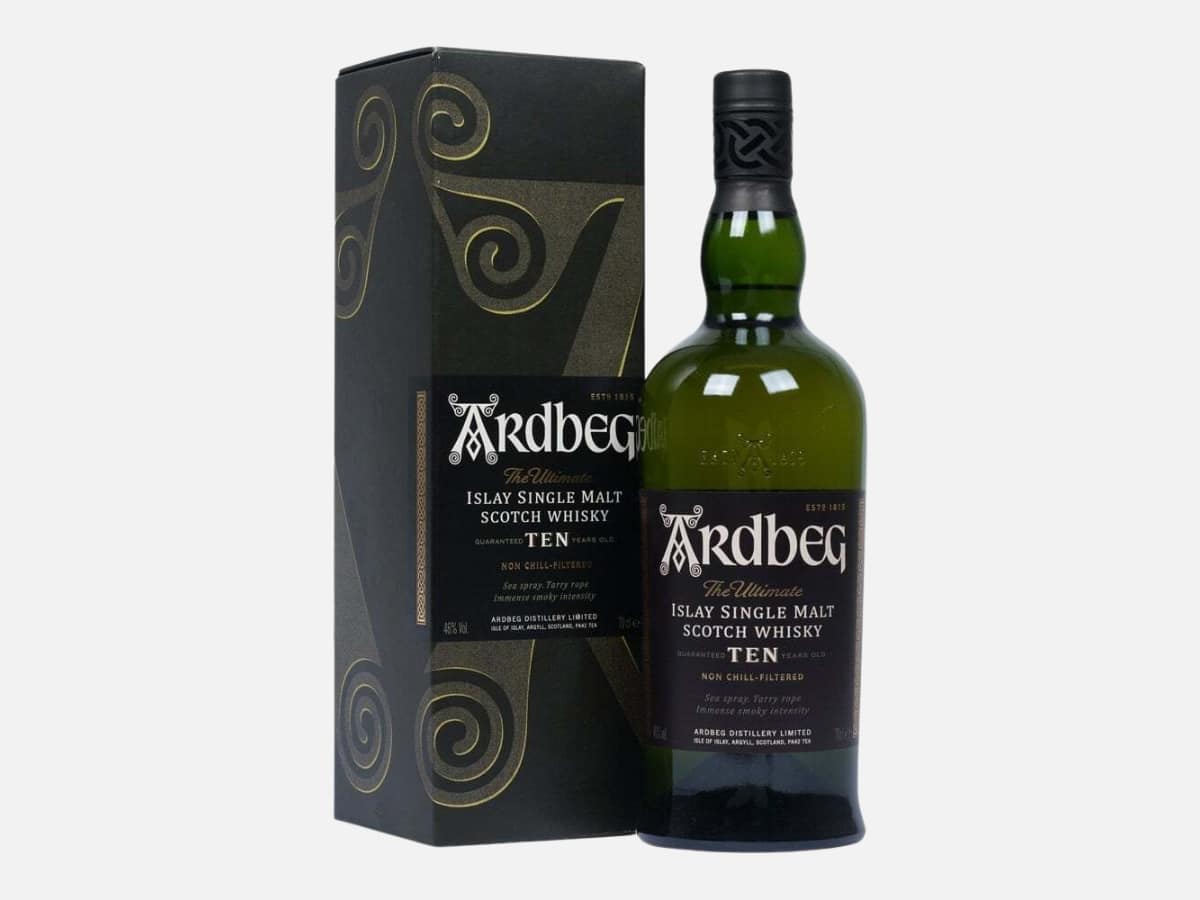
There’s a surprisingly long list of single malts from Islay distillers. But one of our favourites is Ardbeg 10 with its simple ingredients of water from nearby Loch Uigeadail, distiller’s yeast, and heavily peated malted barley. The result is a smoky, rich whisky you’ll go back to again and again.
- ABV: 46%
- Cask type: Ardbeg 10 is aged for a minimum of 10 years in a combination of first and second-fill American oak ex-bourbon barrels.
- Flavour profile:
- Nose: Salted caramel, band-aids, candied orange peels, baking spices, oak, toasted vanilla beans, and robust peat smoke.
- Taste: Salty ocean brine, vanilla beans, butterscotch pudding, orange zest, cracked black pepper, and campfire smoke swirling throughout.
- Finish: Lingering, warm, and ends with a pleasant combination of caramelised sugar, sea salt, and rich, enveloping peat smoke that leaves you craving more.
- Key feature: Since this whisky is made with heavily peated malted barley, it has a unique flavour you won’t find in other regions.
- Best for: If you’ve already tried lighter whiskies from the other regions or you’re simply looking for a well-rounded smoke bomb, this is the value whisky for you.
- Price: from AUD$110-130
Common Questions About Scottish Single Malts
The term ‘single malt’ is actually a two-part rule: “Single” means the whisky comes entirely from one single distillery, and “Malt” means the only grain used in the mash is malted barley. It does not mean the liquid comes from a single barrel; a Master Blender will typically marry multiple casks from that same distillery to achieve a specific flavour profile.
A single malt Scotch whisky must be made from 100% malted barley and distilled entirely at a single distillery using traditional pot stills. Blended Scotch whisky, on the other hand, is a mixture of single malts combined with grain whiskies from multiple different distilleries to create a consistent, smooth flavour profile.
Not necessarily. In the world of Scotch, price is often driven by rarity, age statements, collectability, and production scales rather than pure flavour quality. Excellent value can be found in entry-level expressions from lesser-known regions like the Lowlands or Campbeltown, where the craftsmanship matches older bottles but without the premium marketing price tag.
To truly appreciate the unique characteristics of each region, start by tasting the whisky neat at room temperature in a tulip-shaped glass (like a Glencairn). After the initial sip, add a few drops of room-temperature water; this lowers the alcohol burn and opens up the hidden volatile aromas, making notes like Speyside orchard fruits or Islay peat smoke much easier to identify.


















Comments
We love hearing from you. or to leave a comment.