
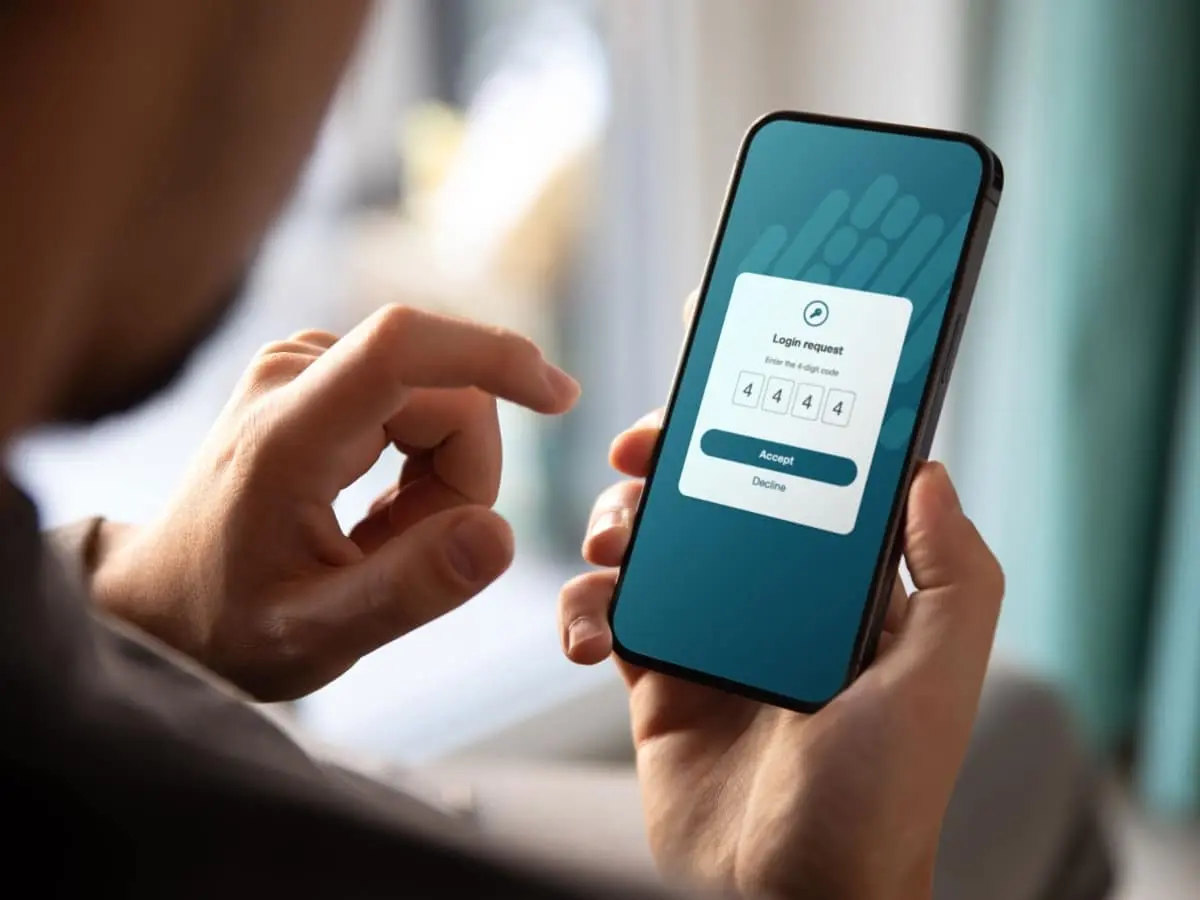

Australia is in the early stages of introducing a nationwide Digital ID system, a major policy shift intended to simplify online verification while reducing the need for organisations to collect sensitive identification documents. The reform took effect when the Digital ID Act 2024 commenced in December last year and is designed to offer Australians a “voluntary, secure, convenient and inclusive” way to confirm their identity online, according to the Department of Finance.
The rollout comes at a time of heightened concern around data security. High-profile breaches, including Qantas’ announcement that a cyber incident compromised customer data in July, have drawn renewed attention to the vulnerability of personal information held by both public and private organisations. As the Digital ID begins to integrate into government and commercial services, questions are emerging about its long-term implications for privacy, cybersecurity and public trust.
Although participation remains voluntary for now, the system is expected to become the default method for verifying online as more services adopt it.

What is the National Digital ID?
The national Digital ID is an online identification method that reduces the need for organisations to collect identity information. Compared to the traditional 100-point ID check, which requires you to provide physical copies of your identity documents, the Digital ID allows you to verify your existing ID documents online against official records held by various government agencies.
This means that instead of having to hand over copies of a passport or driver’s licence every single time, you create a digital ID through an accredited provider, and that provider verifies your identity just the once using official records. Then, when you log into a participating service, rather than transferring all your personal data to a new system, it confirms specific attributes, like your age or name. The system is designed to limit data sharing, which helps keep your information more secure (in theory), while giving you control over where and when it is shared.
Who’s Eligible for the National Digital ID?
The Digital ID does not replace your physical identification documents, but according to the government, it is meant to create a more secure and convenient alternative to those traditional forms of ID. The intent is for you to effortlessly verify your ID online, making it easier for you to undertake activities like changing your job, applying for a lease, or accessing services like the Australian Taxation Office (ATO) and Medicare online.
Eligibility for Australia’s Digital ID is straightforward. To sign up, you must be at least 15 years old, have your own email address, as well as your own smartphone or tablet. That’s simple enough, but when signing up, you’ll also need to decide what level of identification you wish to qualify for.
As the Digital ID is used to access a range of services that present differing levels of risk should your identity be compromised, there are levels of strength to choose from when setting yours up. For example, if you approach the ATO for a tax file number, you might require a higher level of Digital ID than if you were to, say, apply for a general boat driving licence from Service NSW.
When applying for a Digital ID, you can choose from the following levels:
- Basic (IP1) – Simply requires an email address; no ID document is required
- Standard (IP2) – Requires verification of two Australian ID documents (driver’s licence, birth certificate, Medicare card, or Australian passport)
- Strong (IP3) – Requires a passport and one other Australian ID document, as well as a selfie that will be matched with your passport photo and then deleted

How Does the National Digital ID Impact Your Privacy and Security?
While the government claims its primary motivation for implementing the Digital ID project is to protect private information by limiting data sharing, the measure nonetheless concentrates a potentially concerning amount of power in a single place.
With the government both providing proof of identity online and acting as a gatekeeper to services that require it, it’s not unreasonable to harbour concern that, as time goes on, we may find ourselves required to provide this ID to access other key corners of the internet like Google or (heaven forbid) TikTok. It stands to reason that any government with the power to grant such access would also have the power to revoke it, and while this seems unlikely in the current climate, the fact is that governments change, and well-meaning policies can have unexpected outcomes down the road.
Further, there’s the matter of outside actors with malicious intent, and whether our government is any better at keeping them at bay than our aforementioned friends from the Flying Kangaroo. It’s looking unlikely that Qantas will be held accountable for its recent data breach. Under current laws, there are no strong enforcement mechanisms for fining corporations that lose customer data through hacking. Rather, when a hacker breaks in and steals data, it’s considered an eligible data breach, not corporate negligence. With that in mind, it must be asked whether a government that’s hesitant to hold third parties accountable for data mishandling will hold itself to a higher standard and compensate those affected when and if a data breach occurs.
So where does that leave us? For the time being, the Digital ID is an inessential convenience that will have little impact on you if you choose not to sign up in the short term. Fortunately, Australia’s Digital ID is not compulsory (unlike the UK’s, which is essentially mandatory for those wanting to work), so those with reservations can put it on the back burner for now.
That said, the chances of some version of the Digital ID not becoming the default method for Australians to prove their identity in the future seem slim, while the chances of just such a system and its bounty of invaluable data not being the inevitable target of sophisticated cyber criminals seem slimmer still.





























Comments
We love hearing from you. or to leave a comment.