

Updated:
Readtime: 7 min
Every product is carefully selected by our editors and experts. If you buy from a link, we may earn a commission. Learn more. For more information on how we test products, click here.
- Electric vehicles secured a historic 24.9 per cent market share.
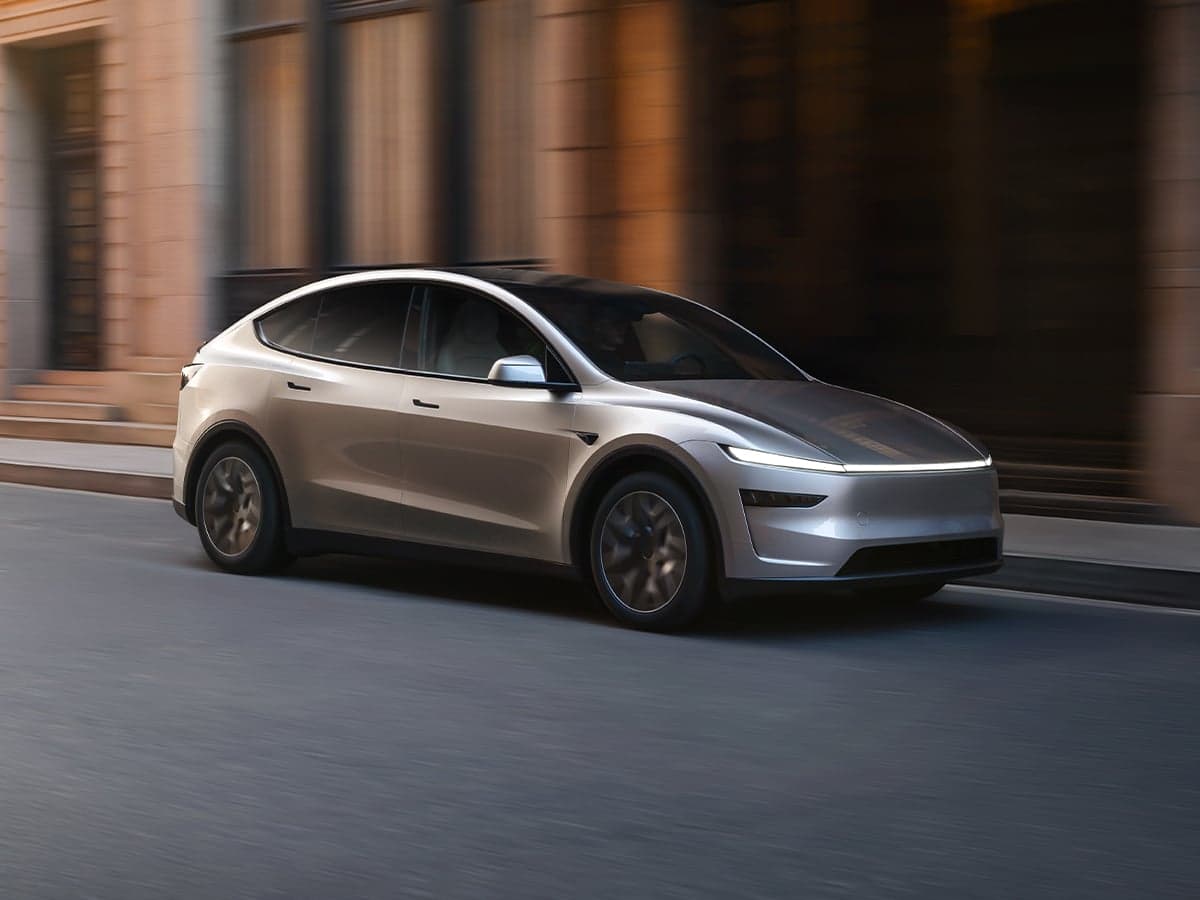
- Tesla Model Y topped overall vehicle deliveries with 6,414 units.
- Total Australian deliveries reached 108,760 vehicles up 4.9 per cent.
- FBT tax exemptions drove AUD$3 billion in foregone government revenue.
- Chinese-manufactured vehicles surged 88.9 per cent to 43,882 units.
Our Australian new-vehicle market is undergoing a fundamental structural shift. While overall delivery volumes continue to demonstrate resilience despite broader economic pressures, the types of vehicles buyers are choosing look vastly different from those sold even 12 months ago. With generous tax exemptions and a growing desire to reduce long-term operating costs, electric vehicles have steadily increased their market share in a market historically dominated by petrol and diesel alternatives.
This transition reached an historic milestone in August 2026, when electric vehicles finally outsold all combustion-powered vehicles to capture a record quarter of the total market.
The path to electrification is inextricably linked to the meteoric rise of Chinese manufacturers. I explored this in detail in a piece I wrote recently, “Why Everyone is Buying Chinese cars in Australia,” in which I detailed how emerging brands have utilised aggressive pricing and high levels of standard technology to outmanoeuvre legacy Japanese and European marques. By treating vehicles as updatable pieces of consumer technology rather than traditional mechanical appliances, companies like BYD, Chery, and Geely have fundamentally altered consumer expectations. Consequently, Chinese-built vehicles have surged, securing the largest manufacturing footprint in the country.
Sales By Vehicle Powertrain Tell an NVES Story
Beyond shifting consumer preference, legislative frameworks are actively forcing market change. The implementation of the New Vehicle Efficiency Standard has created an environment where high-emitting vehicles carry severe financial liabilities for manufacturers.
Detailed in my coverage of the legacy car brands facing NVES penalties, traditional automakers heavily reliant on internal combustion engines are scrambling to offset their emissions footprints. Meanwhile, electric-first Chinese brands are banking massive surpluses of compliance credits, positioning themselves for ongoing market dominance as legacy competitors are forced to rethink their entire local product strategies. It was a slow burn, but we’re starting to see it in the sales numbers.
Total electric vehicle deliveries reached 27,028 units in August 2026, representing a 169.4 per cent year-over-year increase and capturing 24.9 per cent of the total vehicle market. Petrol-powered vehicles accounted for 25,824 deliveries, followed by diesel variants at 23,608 units. Hybrid vehicles logged 18,662 deliveries, while plug-in hybrids (PHEVs) recorded 10,591 units.
| Propulsion Type | August 2026 Deliveries | Year-to-Date Deliveries |
| Electric (EV) | 27,028 | 154,304 |
| Petrol | 25,824 | 243,673 |
| Diesel | 23,608 | 207,541 |
| Hybrid | 18,662 | 142,210 |
| Plug-in Hybrid (PHEV) | 10,591 | 75,206 |

Government’s Big Dangling Tax Carrot
This acceleration in electric vehicle demand has been substantially supported by the Federal Government’s Electric Car Discount scheme. The framework provides a complete Fringe Benefits Tax (FBT) exemption for eligible electric vehicles acquired through novated leases, allowing buyers to cover finance and running expenses using pre-tax income.
More than 100,000 electric vehicles have been purchased under the Federal Government scheme since 2022. However, rapid consumer uptake has pushed policy costs beyond initial projections. Current industry estimates indicate the FBT exemption has resulted in more than AUD$3 billion in foregone tax revenue, exceeding initial budget forecasts by nearly three times.
Data from the Australian Bureau of Statistics indicates that motor vehicle acquisitions have become a primary driver of household consumption growth. Discretionary expenditure on new vehicles added upward pressure to underlying inflation figures, even as broader household spending remained subdued.
To address these mounting costs, the Australian Taxation Office has confirmed a phased reduction of the Electric Car Discount scheme:
- Phase 1 (Current to 31 March 2027): Existing 100 per cent FBT exemption continues unchanged for all eligible battery-electric vehicles priced below the luxury car tax (LCT) threshold.
- Phase 2 (1 April 2027 to 31 March 2029): Full 100 per cent FBT exemption applies only to EVs valued at AUD$75,000 or less. EVs priced above AUD$75,000 but below the LCT threshold receive a partial 25 per cent FBT discount.
- Phase 3 (From 1 April 2029): Full exemption ends completely and is replaced by a permanent 25 per cent FBT discount for all eligible EVs under the LCT threshold.
I’ll be investigating these policy shifts in my next piece, detailing exactly how the AUD$75,000 threshold is calculated and how existing novated leases will be grandfathered.

Top Models and Brands
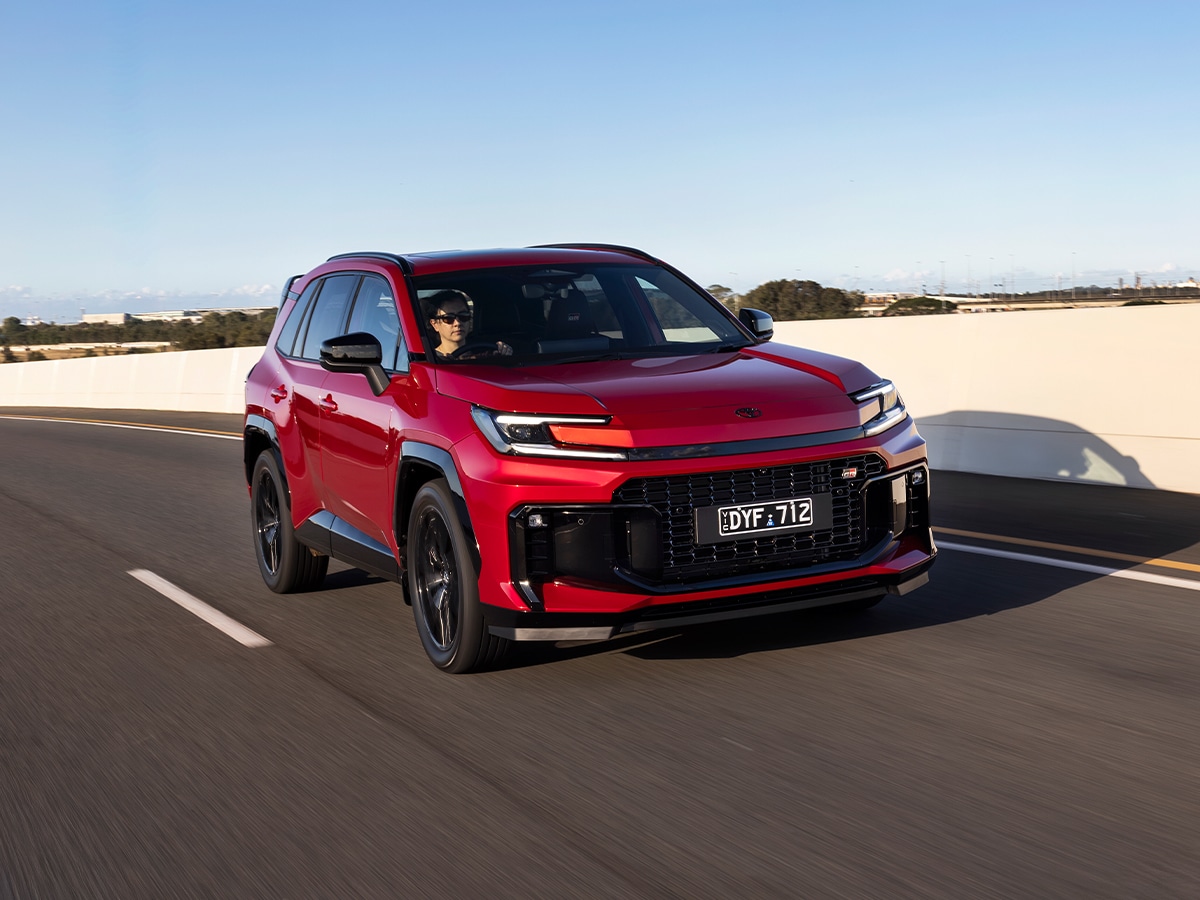
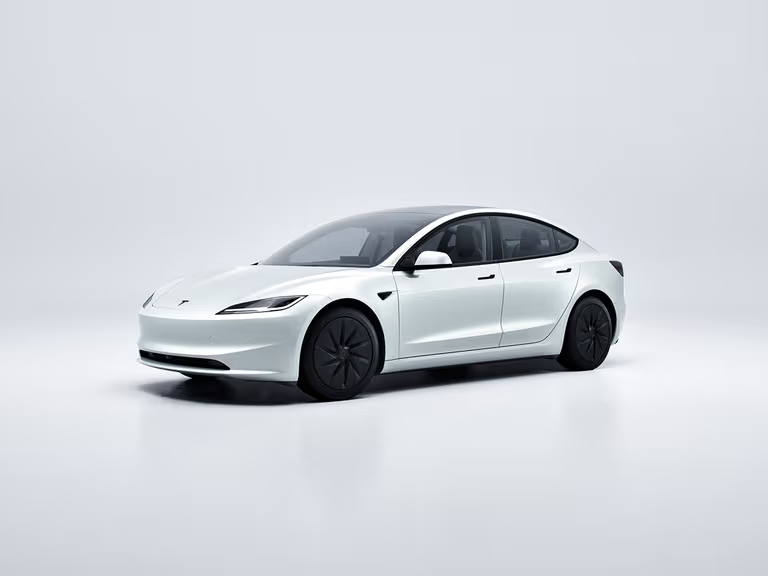
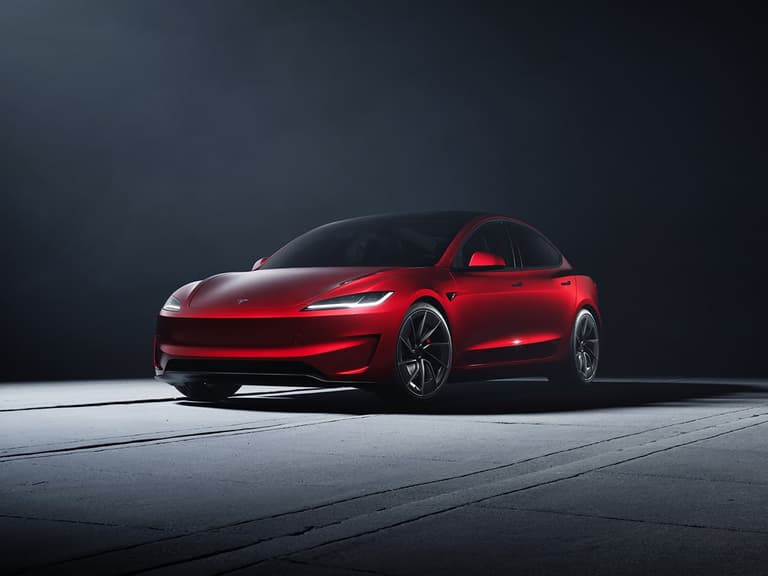
The Tesla Model Y led all new vehicle deliveries nationwide, securing top spot on the charts with 6,414 units delivered. Toyota occupied the next three positions with the RAV4 (5,470 units), HiLux (4,833 units), and Prado (2,475 units), while the Ford Ranger took fifth position with 2,440 deliveries.
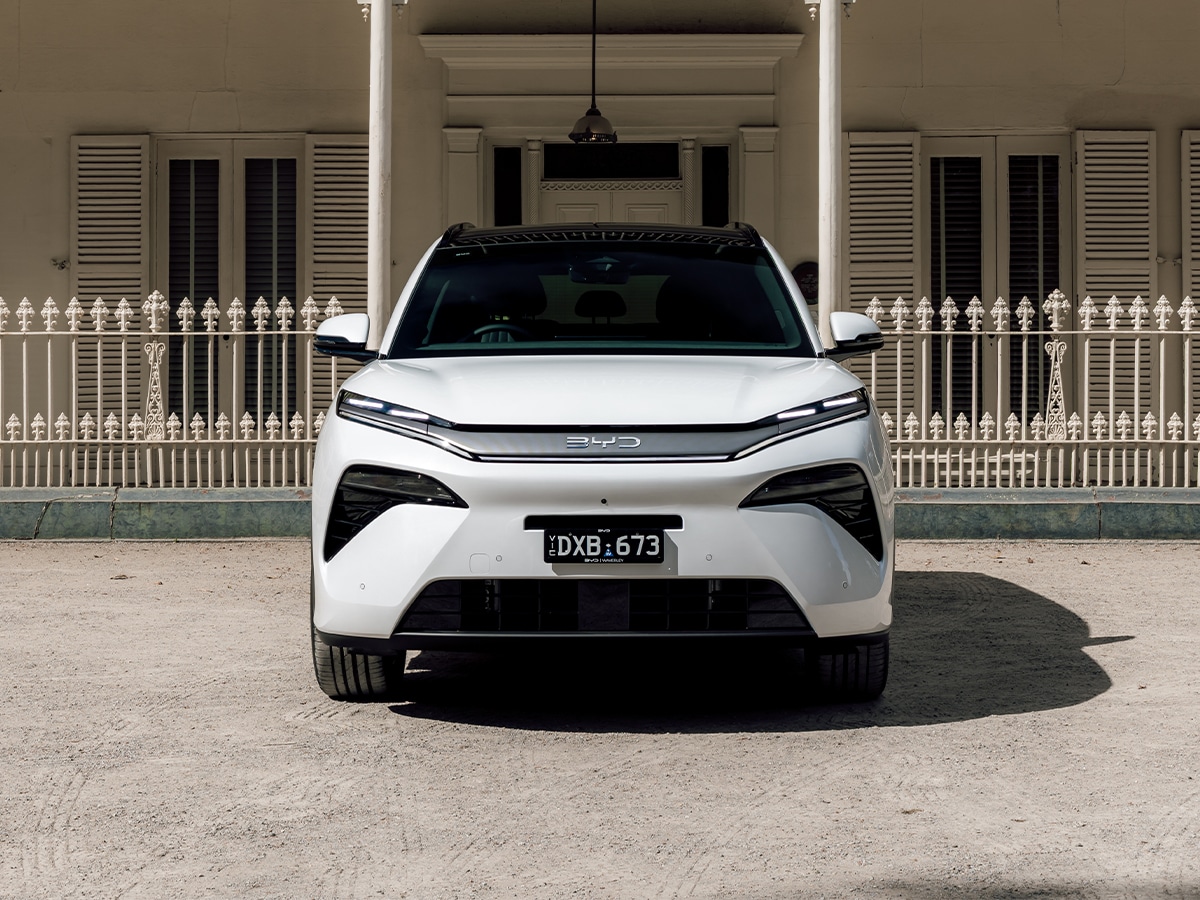
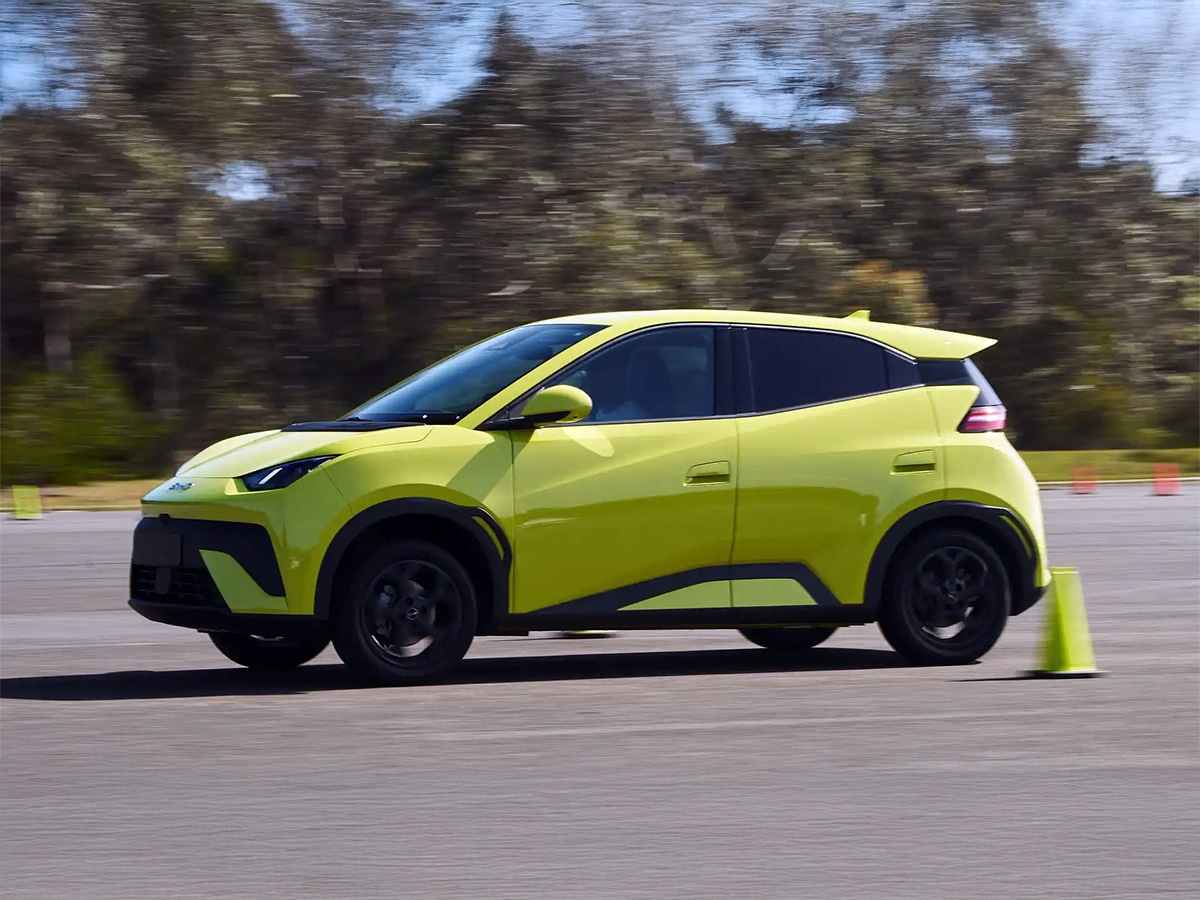
Newer Chinese entrants continued to claim market share within the top 10 best-selling models list, led by the BYD Sealion 7, Chery Tiggo 4, Geely EX5, and Zeekr 7X.
| Rank | Model | August 2026 Deliveries | Year-to-Date Deliveries |
| 1 | Tesla Model Y | 6,414 | 31,454 |
| 2 | Toyota RAV4 | 5,470 | 26,585 |
| 3 | Toyota HiLux | 4,833 | 32,161 |
| 4 | Toyota Prado | 2,475 | 13,659 |
| 5 | Ford Ranger | 2,440 | 32,796 |
| 6 | BYD Sealion 7 | 2,213 | 17,277 |
| 7 | Chery Tiggo 4 | 2,012 | 17,806 |
| 8 | Geely EX5 | 1,947 | 10,737 |
| 9 | GWM Haval Jolion | 1,891 | 15,033 |
| 10 | Zeekr 7X | 1,748 | 9,172 |
Toyota retained its position as Australia’s highest-volume automotive brand despite a 5.2 per cent year-over-year contraction to 19,712 units. BYD held second position for the fifth consecutive month with 8,231 deliveries (up 68.8 per cent), while Tesla rose to third place with 7,685 deliveries, marking a 162.6 per cent increase.
Every Chinese manufacturer within the top 10 brand standings recorded positive year-over-year growth, whereas traditional legacy brands experienced volume declines across the board.
| Brand | August 2026 Deliveries | Year-over-Year Change |
| Toyota | 19,712 | -5.2 per cent |
| BYD | 8,231 | +68.8 per cent |
| Tesla | 7,685 | +162.6 per cent |
| Kia | 6,500 | -12.2 per cent |
| Mazda | 6,203 | -9.0 per cent |
| Hyundai | 5,355 | -15.3 per cent |
| GWM | 4,870 | +8.5 per cent |
| Ford | 4,816 | -39.8 per cent |
| MG | 4,767 | +21.4 per cent |
| Geely | 4,504 | +1,023.2 per cent |
Country of Origin and Segment Preferences
Vehicles manufactured in China accounted for 43,882 deliveries in August 2026, representing an 88.9 per cent year-over-year gain. Imports from Japan dropped 12.8 per cent to 24,892 units, while Thai-built vehicles contracted 24.7 per cent to 15,658 units.
| Country of Origin | August 2026 Deliveries | Year-over-Year Change |
| China | 43,882 | +88.9 per cent |
| Japan | 24,892 | -12.8 per cent |
| Thailand | 15,658 | -24.7 per cent |
| Korea | 11,060 | -14.2 per cent |
| Germany | 3,718 | -15.2 per cent |
SUVs remained the preferred body style for Australian buyers, capturing 66.9 per cent total market share with 72,752 deliveries. Light commercial vehicles recorded 18,081 deliveries (16.6 per cent market share), while passenger cars accounted for 14,930 units (13.7 per cent share). The medium SUV category recorded the strongest segment expansion, growing 45.1 per cent year-over-year to hit 37,328 total deliveries.
Where Do EV Sales Go From Here?
When we factor in plug-in hybrid models alongside pure electric vehicles, electrified transport captured a record 36 per cent of all new car sales in August 2026. Meanwhile, combined sales of pure petrol and diesel vehicles fell to well under half of the total market, signalling an accelerating departure from traditional internal combustion technology.
Do these numbers signal an uptake in the wake of cost-of-living brought on by fuel costs, or FBT incentives, or are they a sign of the future? Well, Electric Vehicle Council CEO Julie Delvecchio believes the milestone reflects a fundamental shift in buyer priorities, driven primarily by long-term household economics.
“Australians want cleaner transport, but they also want to spend less getting to work, taking their kids to school and travelling to see family and friends on weekends,” said Delvecchio.
“As more households do the sums on buying, charging and servicing an electric car, they increasingly find the maths more than stack up against petrol or diesel cars. And those real savings are magnified across the lifetime running cost of a vehicle.”
Delvecchio highlighted that expanding market choice has lowered barriers to entry, with almost 200 electric models now available across various price points, sizes, and feature sets in Australia.
Looking forward, sustaining this trajectory will depend on addressing key structural and infrastructure challenges. Delvecchio emphasised that the immediate priority is ensuring zero-emission mobility reaches regional communities, apartment residents, and the 30 per cent of Australians who rent their homes, and annecdotally, we tend to agree. Supportive policy settings are an important motivational tool, but expanding accessible, reliable charging networks across homes, workplaces, and highways will be critical to keeping pace with consumer demand. No one wants to wait at a charger.
Related reads





















Comments
We love hearing from you. or to leave a comment.