


Updated:
Readtime: 11 min
Every product is carefully selected by our editors and experts. If you buy from a link, we may earn a commission. Learn more. For more information on how we test products, click here.
Chinese automakers have fundamentally shifted the global and Australian automotive landscape. By treating vehicles as updatable pieces of consumer tech rather than the mechanical appliances we’ve known them to be for a century, they’ve outpaced legacy European and Japanese brands and now outsell them. What began as an influx of budget alternatives has evolved into a market transformation that’s reshaping consumer expectations in real time.
While my regular testing schedule usually involves high-end sports cars and supercars like the Porsche 911 Turbo S, I’ve spent the last three years deliberately driving new Chinese electric and plug-in hybrid vehicles. Not always to publish a review, but to figure out where the industry’s future was. I needed to see firsthand how these brands operated, learned, innovated, and built something from scratch in a market that was historically anti-China.
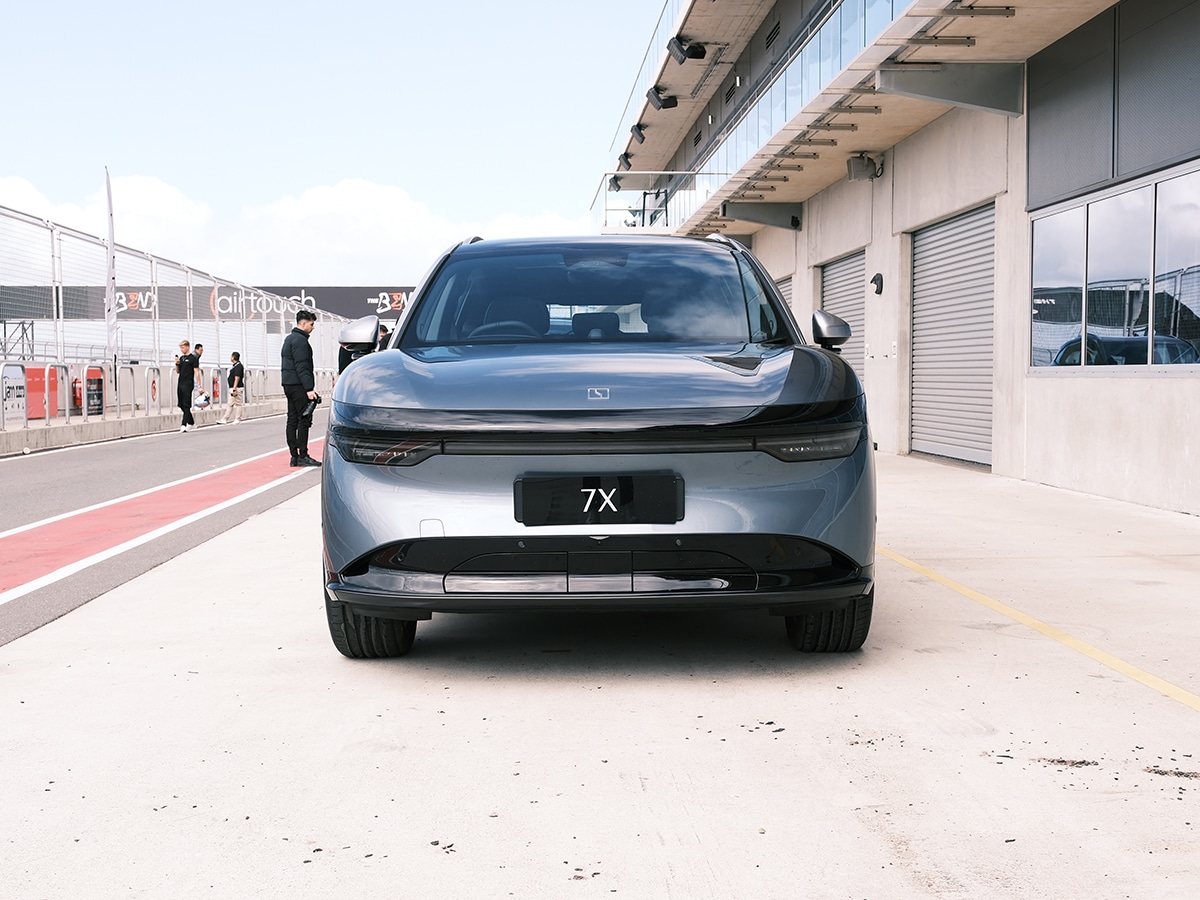
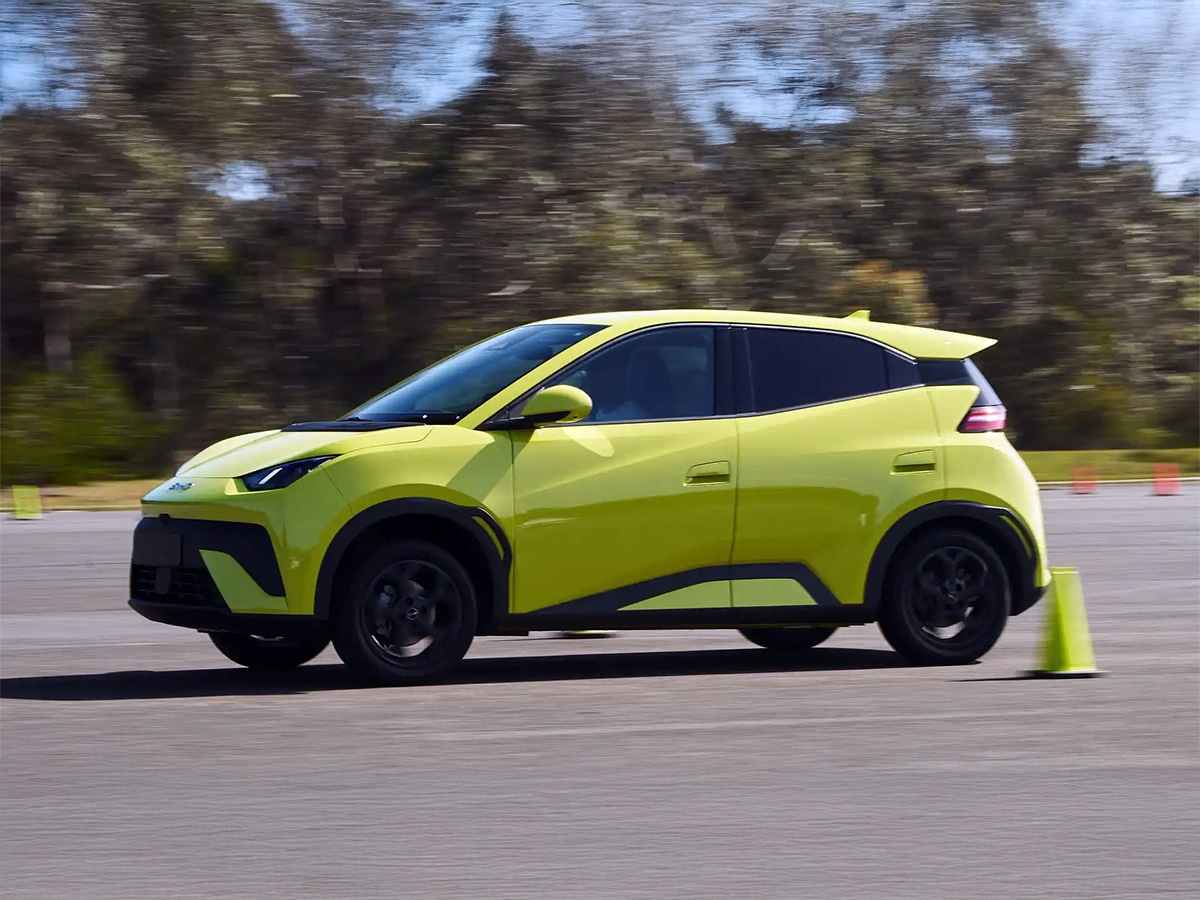
With new models landing on our shores at a daily cadence, I quickly realised that I’d bitten off more than I could chew. I decided to focus on top sellers and those that bring something unique to the market. I’ve jumped into everything from the cheapest EV, the BYD Atto 1 (from AUD$23,990 before on-road costs), to the flagship BYD Sealion 8 (AUD$70,990), which has Japanese manufacturers like Mitsubishi nervous. But also more premium options like the Zeekr 7X (AUD$72,900) and the Polestar 4 ($78,500) that are beating the Europeans at their own game, at an equivalent price point.
It hasn’t always been a positive journey either, with cars like the truly awful first-generation MG ZS EV and Deepal E07. But even these experiences showcased the Chinese brands’ ability to treat customers as guinea pigs and to fix any problems in record time.
Now, having spent three years waiting to publish my findings, I finally know why local buyers are making the switch. Rather than chasing precision, Chinese car makers treat their mainstream vehicles as pieces of average technology, packing high-definition displays, ventilated seats, and 360-degree cameras into accessible price points. They’re not trying to create an iPhone for customers who are more than happy with a Nokia 3210.
Three Years of Rapid Market Adaptation
Spending time in the newest Chinese vehicles on local roads reveals a rapid pace of development that legacy car makers simply can’t match.
Traditional European and Japanese product cycles take five to seven years to deliver a new platform or major cabin overhaul to market. Chinese brands, by contrast, operate on an 18-month consumer electronics cycle. Three years ago, driving an early Chinese import meant putting up with terrible active safety calibration, lane-keep assist systems that would yank the steering wheel erratically from your hands, and driver-monitoring cameras that chimed with incessant alarms if you so much as blinked. However, that’s a rarity these days in all but the fastest-developed cars.
Chinese brands used early adopters (and automotive journalists) to identify small ownership bugs and pushed over-the-air (OTA) software patches to fix them. I could complain about the lane-keep assistance in the GWM Tank and not two weeks later, receive an email from the brand asking me to have another go, as they had already revised the system and updated the software remotely.
That rapid feedback loop wasn’t an accident. They saved money on the slowest and most expensive element of product development (the last 10 per cent), owners would hardly complain, as the car they bought was $20,000 cheaper than the alternative, and they turned the early mistakes into strengths.
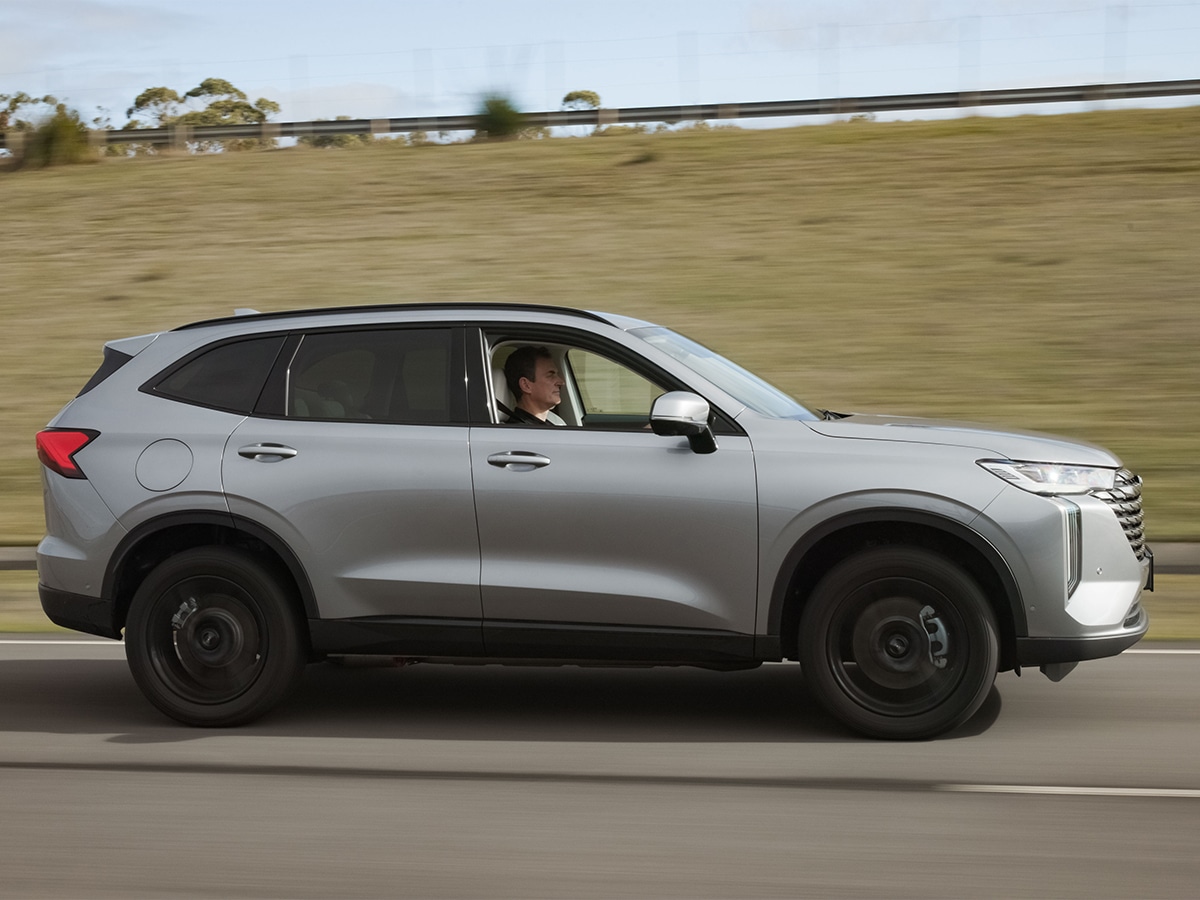
Now, when I jump into even the cheapest models on the market, such as the BYD Atto 1, which starts from around $25,000, I find a quiet urban hatch with a composed ride and up to 310 km of WLTP electric range. Truthfully, I had booked this car in as a joke, expecting it to be headily flawed, but it’s so good that I now know it’s the right time to pen this article. It was the same story with the GWM Haval H6 PHEV, which is so fuel-efficient that I could hardly make an argument for a Japanese alternative.
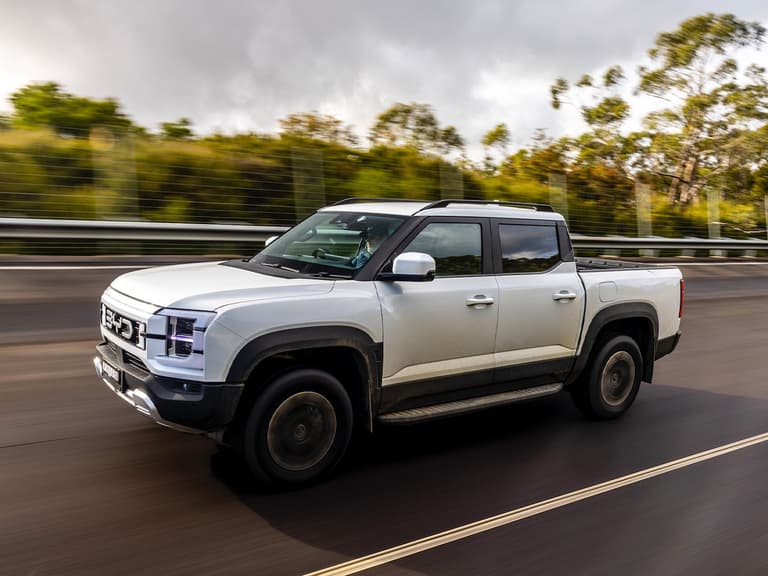
Same story for utes like the BYD Shark 6 and GWM Cannon Alpha PHEV, which are not just better on-road than the equivalent Thai-made ute, but they’re more powerful.
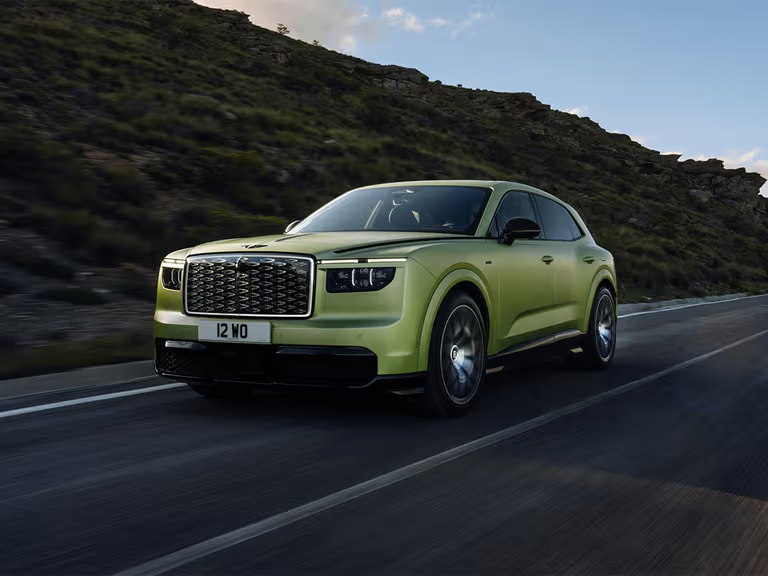
When we look further up the price ladder, flagship models like the BYD Sealion 8 and the Zeekr 7X Performance demonstrate how quickly Chinese marques have moved from producing budget transport to vehicles that sit at the cutting edge of engineering and luxury. The Zeekr 7X features an 800V battery architecture capable of 450 kW DC fast charging along with air suspension, massaged Nappa leather seating, and double-glazed acoustic glass. Where European manufacturers are cutting costs and removing features from cars that cost $20,000 more, the Chinese brands are adding features back in as standard. Sometimes to a fault, as Zeekr’s automatic ‘Rolls-Royce-style doors’ on the 7X do more harm than good.
 1/4
1/4Poor Driving Dynamic Reality, But Improving Rapidly
Beneath the market success lies an undeniable dynamic truth. Many mainstream Chinese models are not great to drive. Steering feel is artificially light and largely disconnected from the road. On twisting B-roads, soft damper tuning results in noticeable body float over mid-corner undulations, and conservative traction control programming cuts power abruptly on loose surfaces.
However, the reality is that the average car buyer simply doesn’t care. Commuters navigating heavy urban traffic, school drop-offs, and highway cruises don’t ask for much from their cars. The precise steering feedback and ‘at-the-limit’ grip I look for isn’t as important as wireless smartphone mirroring, heated seats, 360-degree cameras, and low running costs. It’s why I spend more time talking to car enthusiasts than new car buyers.
Using Tesla as their case study, Chinese manufacturers realised early on that most buyers view their vehicles as functional appliances, focusing more on the digital features than driving dynamics. It took the other manufacturers years to catch up in this area.
That dynamic flaw won’t stay around forever, though. Recognising early feedback regarding light steering and floaty suspension, Chinese car makers are investing heavily in local chassis development.
GWM appointed former Holden ride-and-handling engineer Rob Trubiani to lead chassis tuning for Australia and New Zealand. Working out of Holden’s historic Lang Lang proving ground in Victoria, local engineering teams are re-valving dampers, adjusting spring rates, and recalibrating power steering maps specifically for coarse-chip Australian tarmac and unsealed roads.
Next is Market Dominance
During the last three years, I’ve also examined the shift toward Chinese vehicles by analysing sales numbers across both mainstream and luxury segments. Never has it been so apparent that change isn’t just afoot, but it’s happening right now.
Driven by recent petrol price spikes and broader fuel cost pressures, Australian electric vehicle adoption reached a record 23.3 per cent of total new car sales in June 2026. Here’s a fun fact: roughly 80 per cent of all electric vehicles sold in Australia are manufactured in China, encompassing Shanghai-built Teslas alongside dedicated Chinese marques like BYD, Zeekr, and Polestar.
This rapid volume growth is how China dethroned Japan as the number one source of new vehicles in Australia, ending their 28-year reign at the top of local sales charts. Interestingly, the shift wasn’t driven solely by the expansion of domestic Chinese brands either. With NVES penalties on the horizon, the acceleration was also driven by major Western, Japanese, and Korean car companies shifting production for the local market directly to Chinese factories.
 1/6
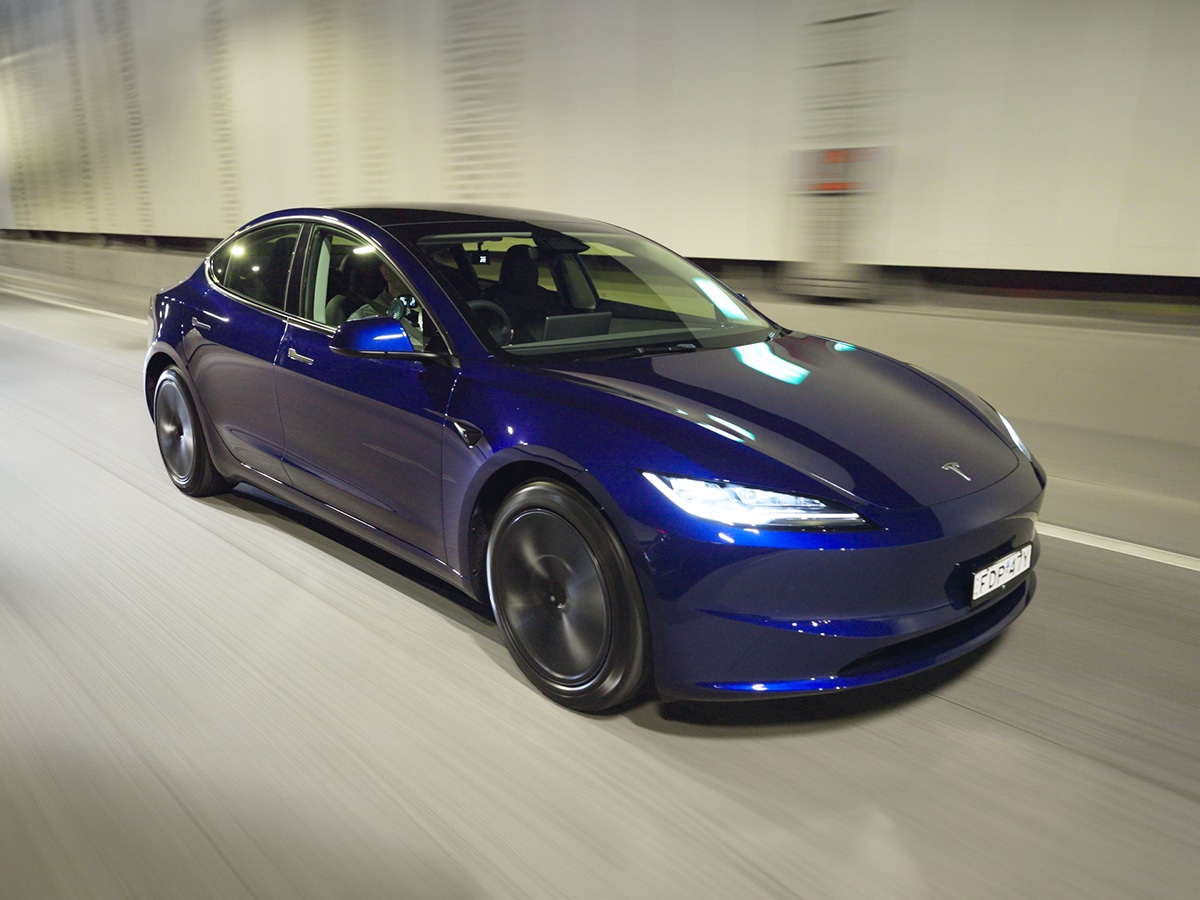
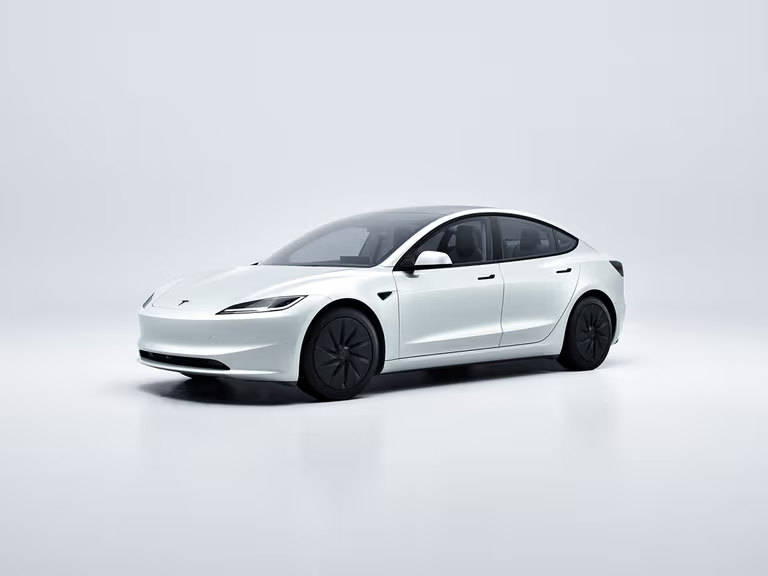
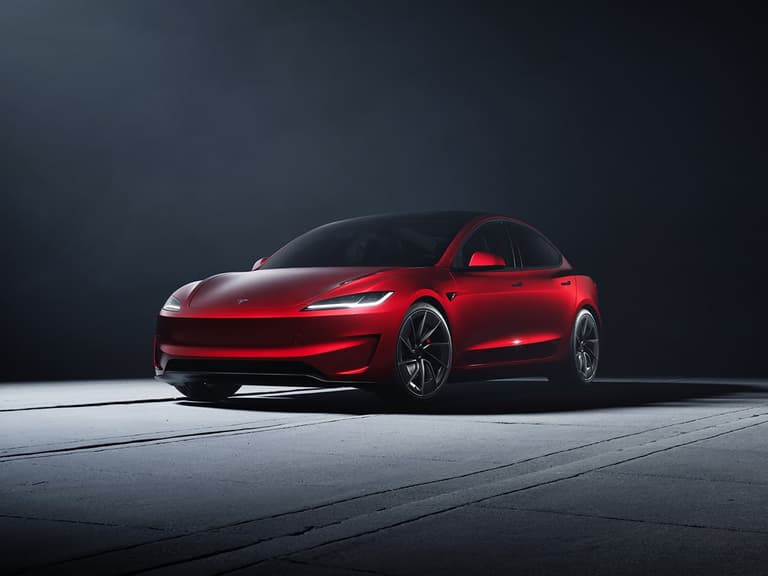
1/6Tesla led the charge by supplying Australian Model 3 and Model Y orders from its Shanghai Gigafactory, while non-Chinese brands like Kia (EV5), Hyundai (Elexio), Mazda (6e), Volvo (EX30), Polestar, and Mini (Cooper SE) followed suit to lower production costs and maintain competitive pricing.
I detailed this further in my breakdown of the top-selling EVs in Australia, but the specific sales figures for the models tested over the past three years highlight how rapidly Chinese volume is accumulating.
BYD has recorded 60,192 sales year-to-date in July 2026, driven by 15,064 sales for the Sealion 7, 10,709 sales for the Shark 6 plug-in hybrid ute, 5,881 sales for the Sealion 6, and 5,779 sales for the flagship Sealion 8. Similarly, GWM has delivered 8,759 units of the Haval H6 and 6,443 units of the Cannon and Cannon Alpha 4×4 series, while Chery reached 29,579 year-to-date sales across its Tiggo SUV range, led by 6,674 units of the Tiggo 7 Pro and 1,132 units of the Tiggo 9.
It’s a similar story at the premium end of the market, where Chinese automotive giant Geely leverages its ownership umbrella over Zeekr, Volvo, and Polestar to challenge European luxury benchmarks. The Zeekr 7X isn’t a cheap car at AUD$72,900, but it has surged into fourth position among Australia’s best-selling electric vehicles. Official VFACTS figures show the Zeekr 7X recorded 1,892 sales in July 2026 alone, bringing the total to 7,424 units year-to-date. Meanwhile, the $78,500 Polestar 4 has secured 958 sales year-to-date, comfortably outperforming established German electric models like the BMW i4 at 526 sales.
NVES Carbon Credits Will Accelerate China’s Market Dominance
The final piece of the puzzle for Chinese vehicle dominance hasn’t even been realised yet, with the arrival of the New Vehicle Efficiency Standard (NVES Act 2024).
Enacted by the Albanese government to force car companies to bring cleaner, lower-emission vehicles to Australia, NVES imposes strict CO2 fleet emission targets that tighten every year through 2029. By 2029, passenger car fleet averages must drop to just 58g/km, while light commercial vehicles (utes and vans) must meet a 110g/km limit. Manufacturers that fail to meet these averages face financial penalties, with a maximum civil penalty of $100 per gram of CO2 over the target for every single vehicle imported onto the Register of Approved Vehicles (RAV).
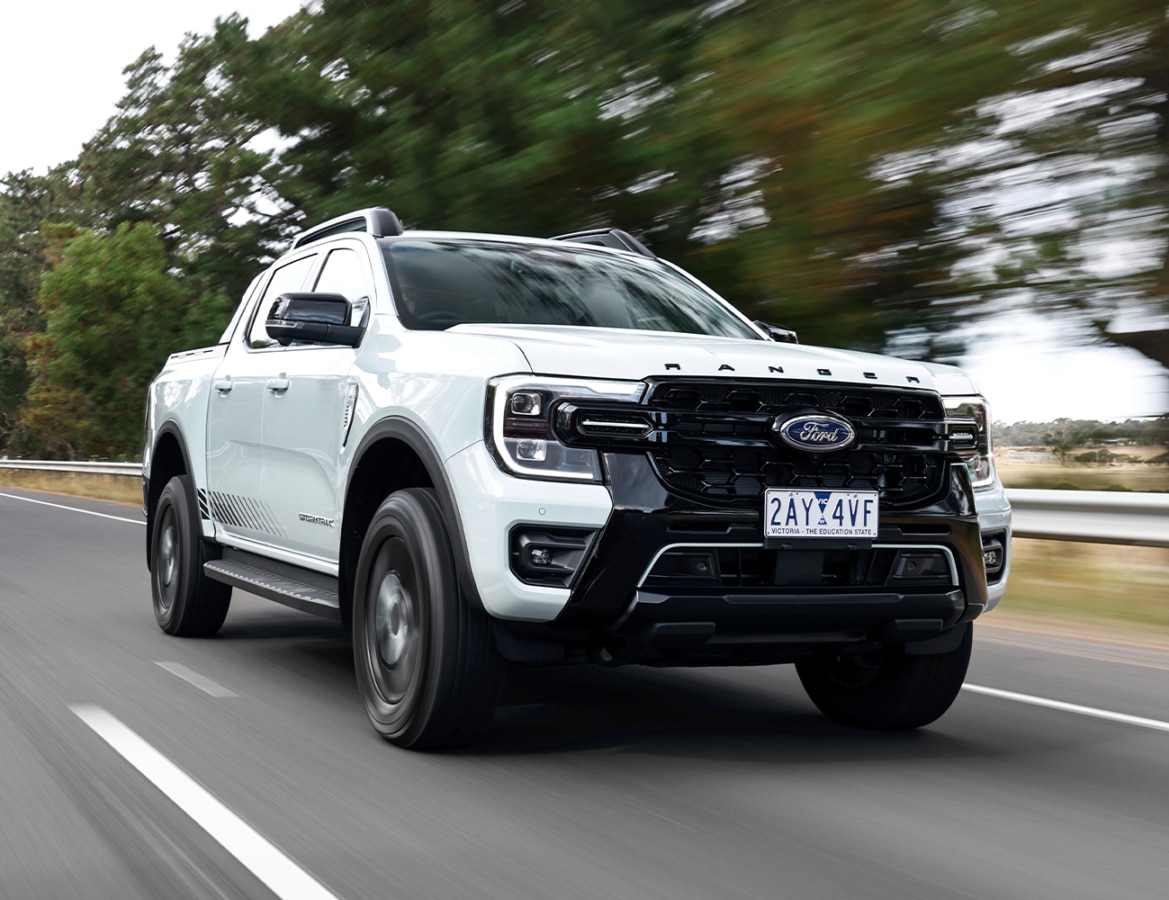
That’s a significant threat to legacy brands, which have previously relied heavily on diesel utes and turbocharged petrol engines. Potential fines run into tens of millions of dollars, and brands like Mazda, Subaru, and Ford face multi-million-dollar liabilities unless they dramatically shift their model mix or purchase surplus credits from cleaner competitors. Legacy brands are trying to catch up, even doing deals with Chinese brands to rebadge already developed vehicles, but Chinese manufacturers are already years ahead. They’re banking millions of compliance credits that legacy rivals will eventually have to buy to avoid government penalties.
Chinese brands hold an insurmountable advantage because their product lineups are dominated by zero-emission battery-electric vehicles and ultra-frugal plug-in hybrids. Chinese OEMs are generating vast surpluses of tradeable NVES credits. According to official data published by the NVES Regulator:
- BYD (Combined Entities): Holds 6,282,824 surplus NVES units.
- Chery Automobile Co.: Generated 438,633 surplus units.
- Great Wall Motor (GWM): Banked 405,198 surplus units.
- SAIC Motor (MG): Accumulated 377,601 surplus units.
Legacy European and Japanese automakers facing steep emissions liabilities will have no choice but to write large cheques to Chinese manufacturers to purchase their excess compliance credits, or pass thousands of dollars in fines directly onto consumers.
Australia’s New Automotive Reality
Having spent three years driving these vehicles and watching the market adapt at breakneck speed, I have reached an unavoidable conclusion.
Local buyers aren’t switching to Chinese cars because of brand loyalty or clever marketing. No, buyers are switching because these vehicles offer unmatched tech, accessible pricing, and rapid product fixes. By building vehicles as digital appliances first and transport second, Chinese manufacturers bypassed traditional performance expectations altogether.
With local engineering teams now addressing chassis concerns and the NVES emissions framework tilting the financial playing field permanently in their favour, China’s rise from budget newcomer to market leader is already here.
















Comments
We love hearing from you. or to leave a comment.