

Updated:
Readtime: 8 min
Every product is carefully selected by our editors and experts. If you buy from a link, we may earn a commission. Learn more. For more information on how we test products, click here.
- Legacy car brands are shifting EV production to China to remain competitive.
- Mazda‘s new Chinese-built CX-6e starts at a highly aggressive $53,990.
- Kia and Hyundai are leveraging Chinese factories to drastically slash EV prices.
- Ford is introducing a Chinese-built unibody Bronco Basecamp for the new-energy market.
- The manufacturing shift is driven by strict Australian NVES emissions penalties.
- China’s dominance in EV battery production has ended the “Made in China” automotive stigma.
Back in February, a seismic shift occurred in the Australian automotive landscape. After a 28-year reign, Japan was officially dethroned by China as our number-one source of new vehicles.
But if you think the 45 per cent surge in Chinese-made vehicles was driven only by the arrival of cut-price brands like BYD, MG, and Chery, then you’re only looking at half the picture. The real reason China will hold that manufacturing crown into the future is the quiet exodus of origin-made vehicles from the world’s most trusted legacy car brands.
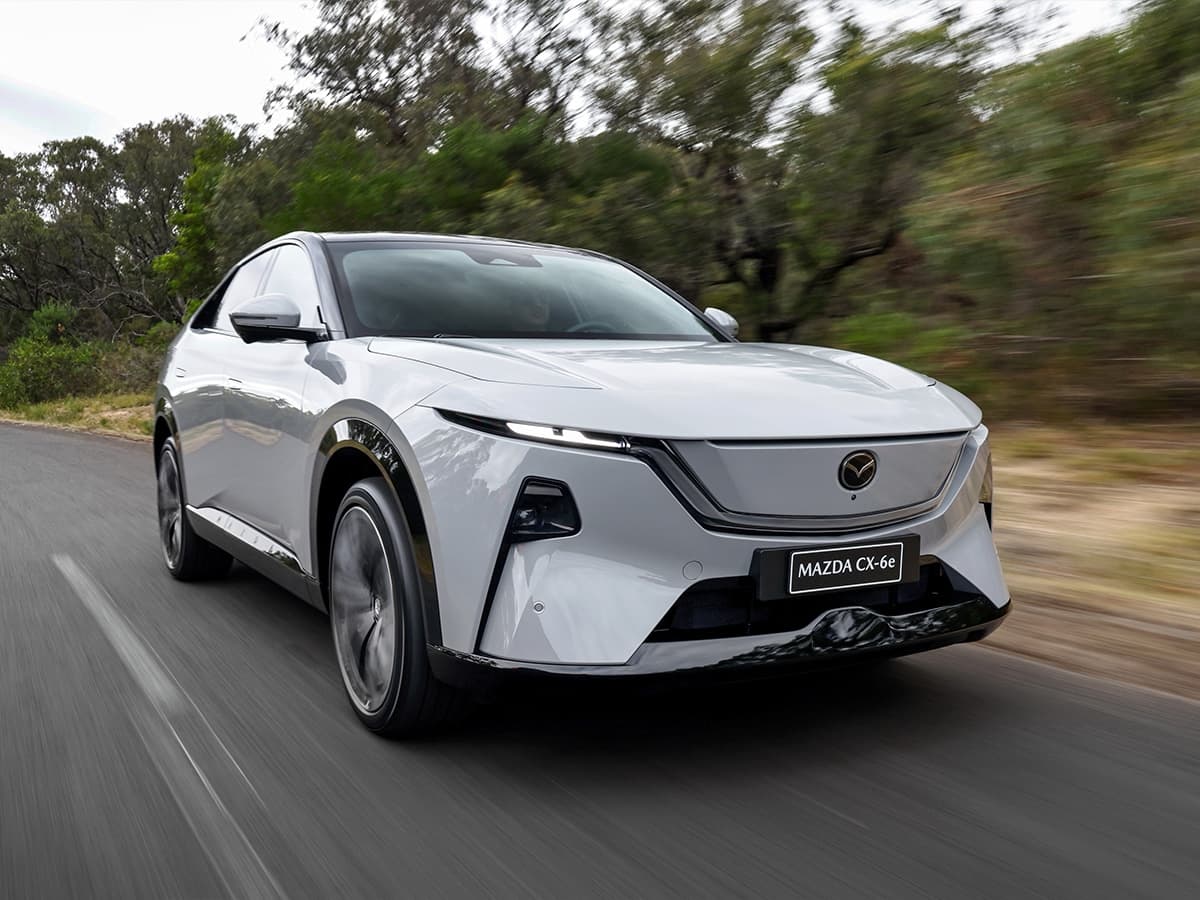
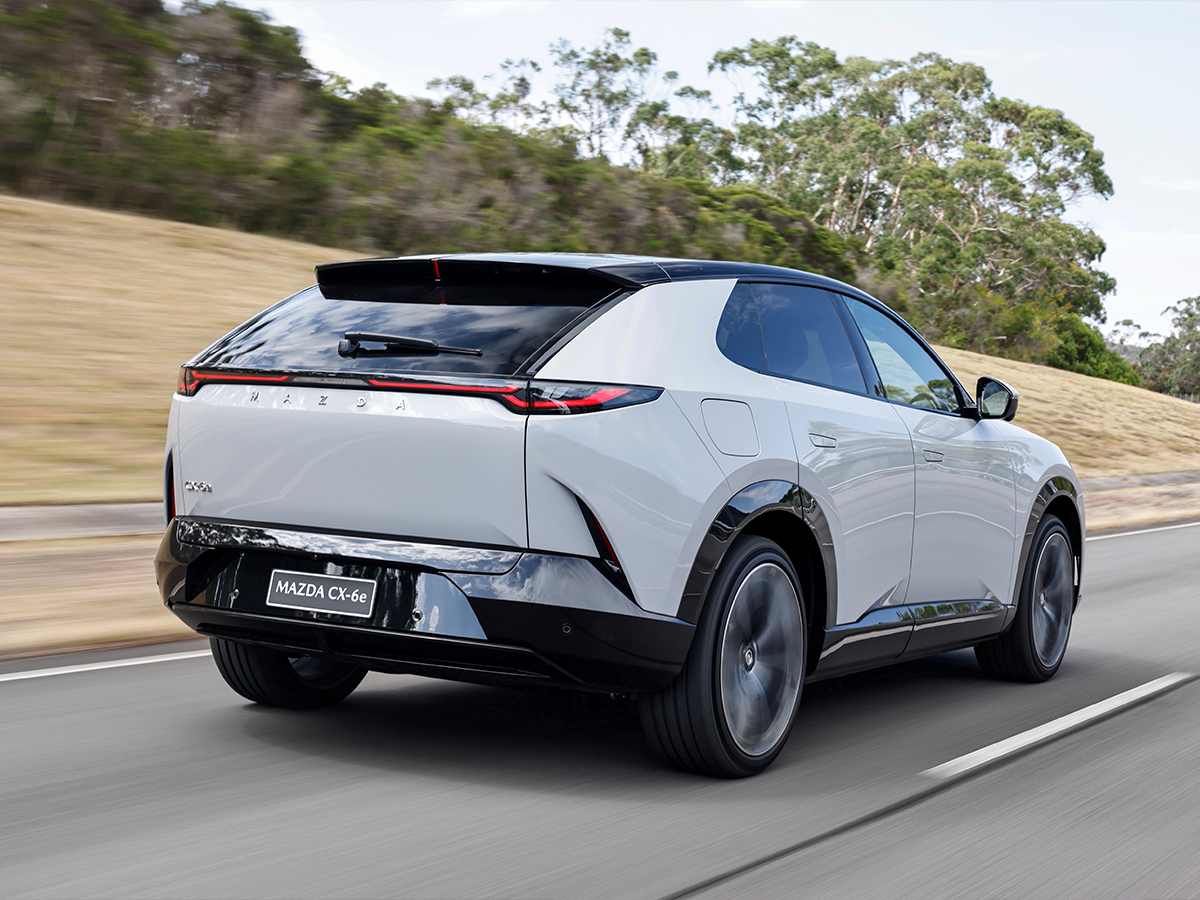
Today, Mazda announced the price and specs of the first Chinese-made, Japanese-branded EV. Called the CX-6e, it arrives priced at a highly competitive $53,990 before on-road costs. The secret to that aggressive price tag lies underneath, as the CX-6e is based on Changan Automobile’s EPA electric vehicle platform, the exact same architecture that underpins the Deepal S07 (which currently starts from $46,990 drive-away). To put that new pricing strategy into perspective, let’s not forget the brand’s previous EV attempt, the Japan-built Mazda MX-30 Electric (E35 Astina), which was priced around $68,000 on the road in Australia and went over like a lead balloon.
 1/8
1/8The badge on the steering wheel no longer dictates the country on the VIN plate. It’s all in an effort to win the race to secure scale production, slash prices, and meet the strict NVES targets set by the Australian Government. The auto giants of Japan, South Korea, and the US have realised that to stay competitive in key markets, you have to build your cars in China.
| Brand & Model | Manufacturing Origin | Starting Price (AUD) | Key Feature / Tech |
| Mazda CX-6e | Changan Automobile | $53,990 | Based on the Deepal S07 EPA platform |
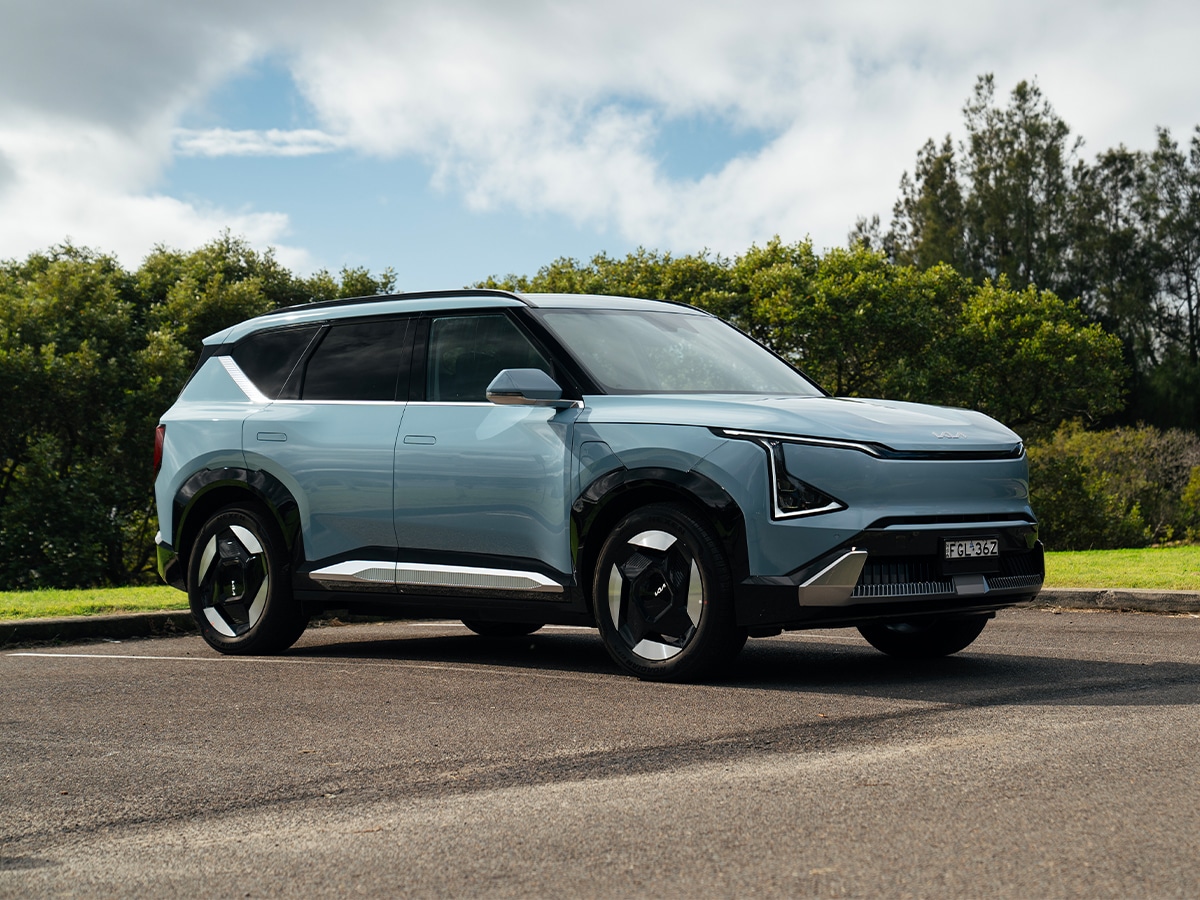
| Kia EV5 | Kia Yancheng Plant | $49,990 | 400-volt architecture; BYD LFP batteries |
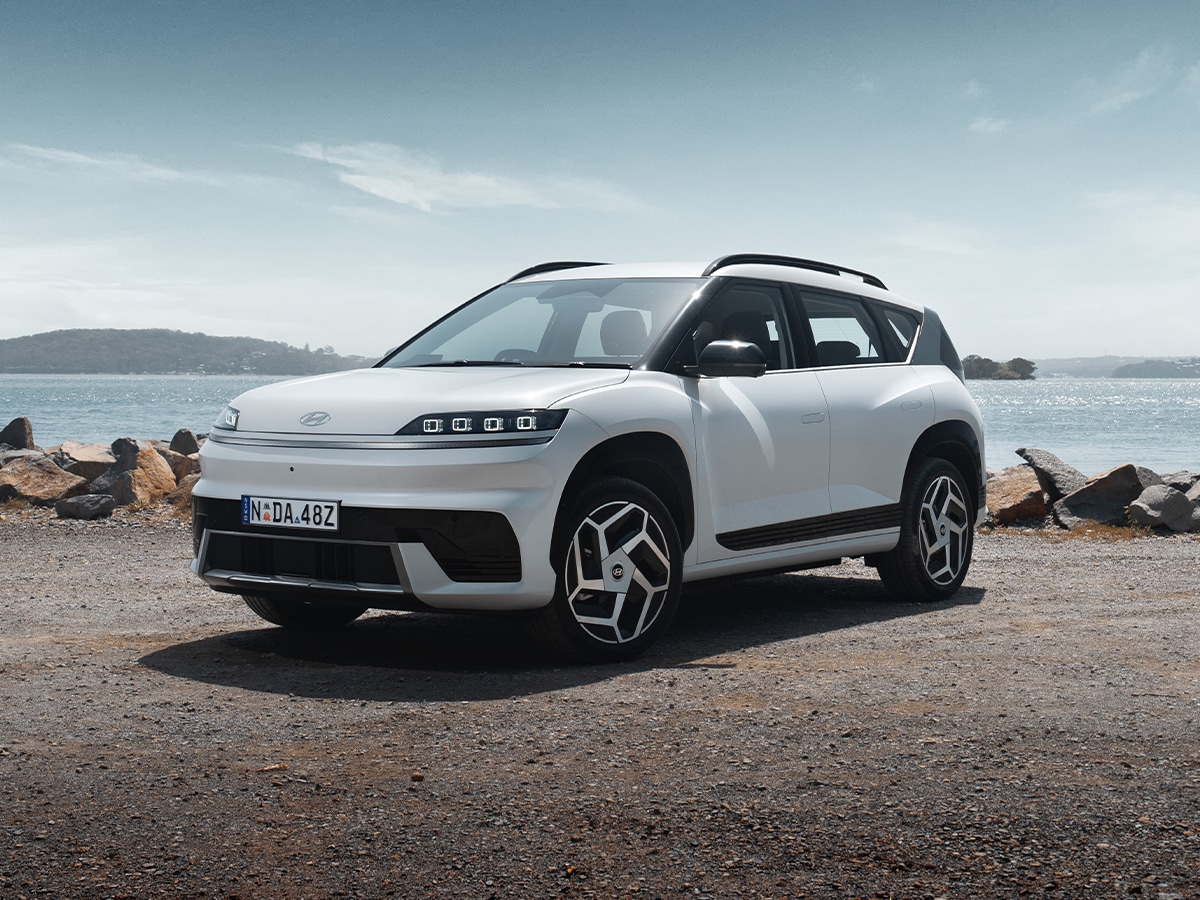
| Hyundai Elexio | Beijing Hyundai (BAIC) | $58,990 | 88.1kWh LFP battery; 546km WLTP range |
| Ford Bronco Basecamp | Jiangling Motors (JMC) | N/A | N/A |
Legacy Car Brand Manufacturing Exodus Expands
It’s important to note that Mazda isn’t the first to the party. They’re following in the footsteps of South Korean giants who have already shifted key production lines westward to combat aggressive pricing from BYD, MG, Chery, and every other Chinese car brand trying to break into our segmented market.
Sourced directly from Kia’s sprawling Yancheng plant in China, the Kia EV5 represents a massive structural shift for one of Australia’s favourite automakers. Rather than utilising the expensive 800-volt E-GMP architecture built in Seoul (which pushes the EV6 well over AUD$70,000), the EV5 rides on a more cost-effective 400-volt platform and utilises Lithium Iron Phosphate (LFP) blade batteries sourced from Chinese giant BYD. Starting from an incredibly sharp $49,990 before on-roads, it aggressively undercuts the top-selling Tesla Model Y and gives buyers a trusted Korean badge with the price advantage of Chinese manufacturing.
 1/13
1/13The same goes for the all-new Hyundai Elexio, which is produced through the Beijing Hyundai joint venture with BAIC. Priced from $58,990 before on-roads, it’s treated as a global “stress test” for Hyundai’s new strategy of exporting highly advanced, cut-price Chinese EVs to the West. We’ve written nearly 1,000 words about the 27-inch 4K “Connect-C” widescreen display powered by a Qualcomm Snapdragon 8295 chip and its odd positioning. However, the large 88.1kWh LFP battery delivers a claimed WLTP range of 546km, and a bespoke suspension setup tuned specifically for Australian roads by Hyundai’s local engineering team means it rides better than key competitors.
Both these cars show that sourcing from China isn’t just about cost-cutting, and they’re only the first in a long line of Chinese-made cars from recognised manufacturers. Let’s take a look at what Ford has brought to the table.
Ford’s American Icon Goes East
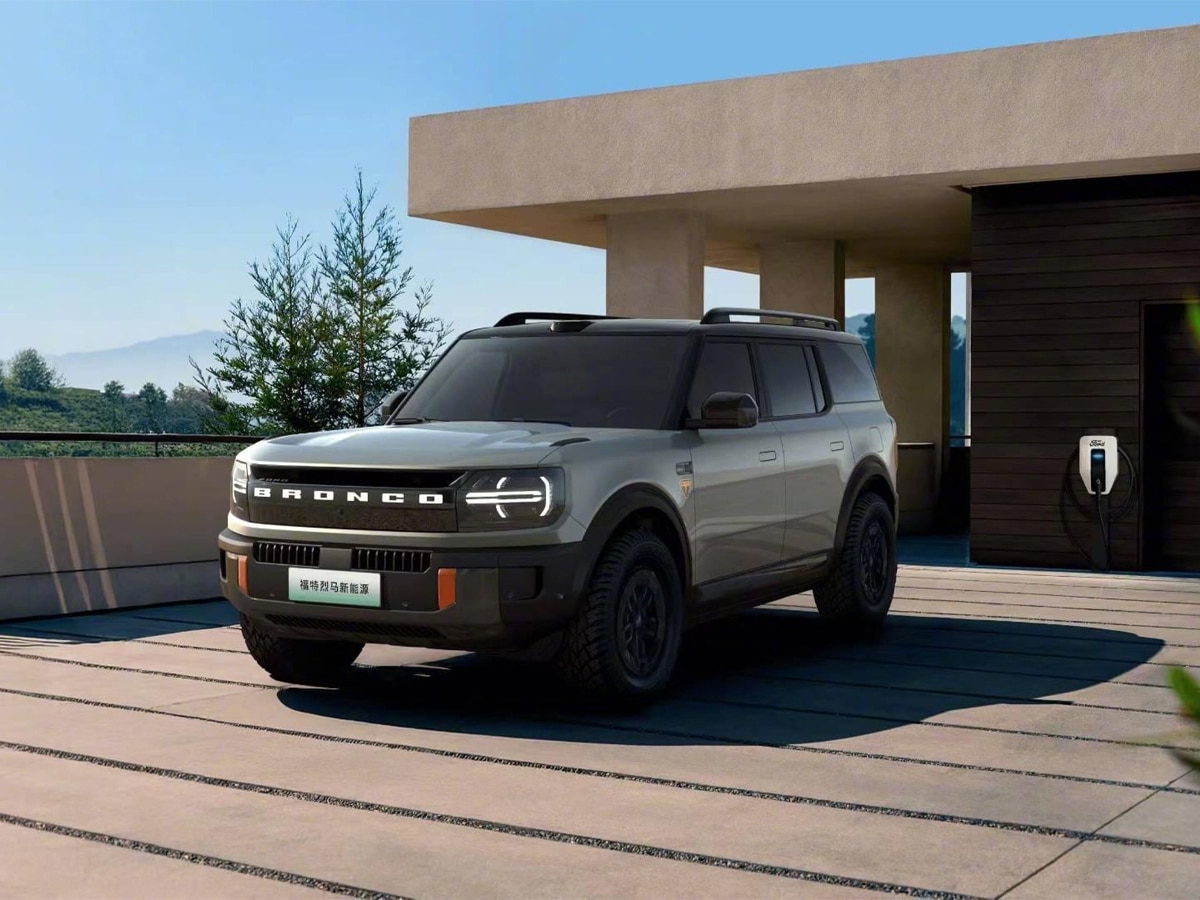
The shift isn’t just limited to Asian manufacturers either. Ford will soon bring its Bronco Basecamp (New Energy) electrified SUV to Australia.
Rather than bringing the traditional, ladder-frame ICE Bronco that off-roaders have been waiting for Down Under (built in the United States and sharing the Ranger platform), the brand has realised there’s more money to be made (and fewer NVES penalties to pay) by bringing a right-hand drive Bronco built through Ford’s joint venture with Jiangling Motors Corporation (JMC) in China.
Unlike the American Bronco, the Chinese-built Basecamp features an on-road-friendly unibody construction. Still, it’s a massive vehicle that measures 5,025mm long, making it slightly larger than a Ford Everest. The specs are aimed at the “new-energy market,” popularised by BYD. With batteries supplied by BYD’s FinDreams division, it’s expected to arrive in two forms:
- Pure EV with a 105.4kWh battery, producing 332kW and offering a CLTC range of 650km.
- Extended-Range Electric Vehicle (EREV) with a 43.7kWh battery and 1.5-litre turbocharged petrol generator, aiming for an electric range of 220km and a combined range of up to 1,220km.
While it’s still early, it appears Ford hopes the Bronco Basecamp will be their answer to the BYD Shark 6, but in a large SUV form.
NVES Has Created a Legislative Fight for Survival
Moving production to China isn’t just about competing with BYD on the showroom floor. Consumer trends haven’t changed quickly enough, and for many legacy brands, it’s a strict legislative necessity, with millions in NVES penalties on the way.
I recently reported that Australia’s biggest car brands are facing millions in potential penalties under the New Vehicle Efficiency Standard (NVES). The NVES acts as a strict emissions cap, and brands like Mazda currently sit near the top of the “dirty” list, staring down potential fines of more than $25 million due to their heavy historical reliance on internal combustion engines. Hyundai and Ford also face significant liability hurdles, given their top-selling vehicles are utes and large SUVs.
To offset the massive emissions of their profitable, high-polluting petrol and diesel vehicles, these legacy automakers must sell high volumes of zero-emission vehicles.
You cannot achieve mainstream volume with $80,000 EVs while cut-price Chinese competitors saturate the market. You achieve it by tapping into China’s unparalleled, low-cost LFP battery supply chain to build sub-$60,000 models that everyday Australians can actually afford to park in their driveways.
Death of the “Made in China” Stigma
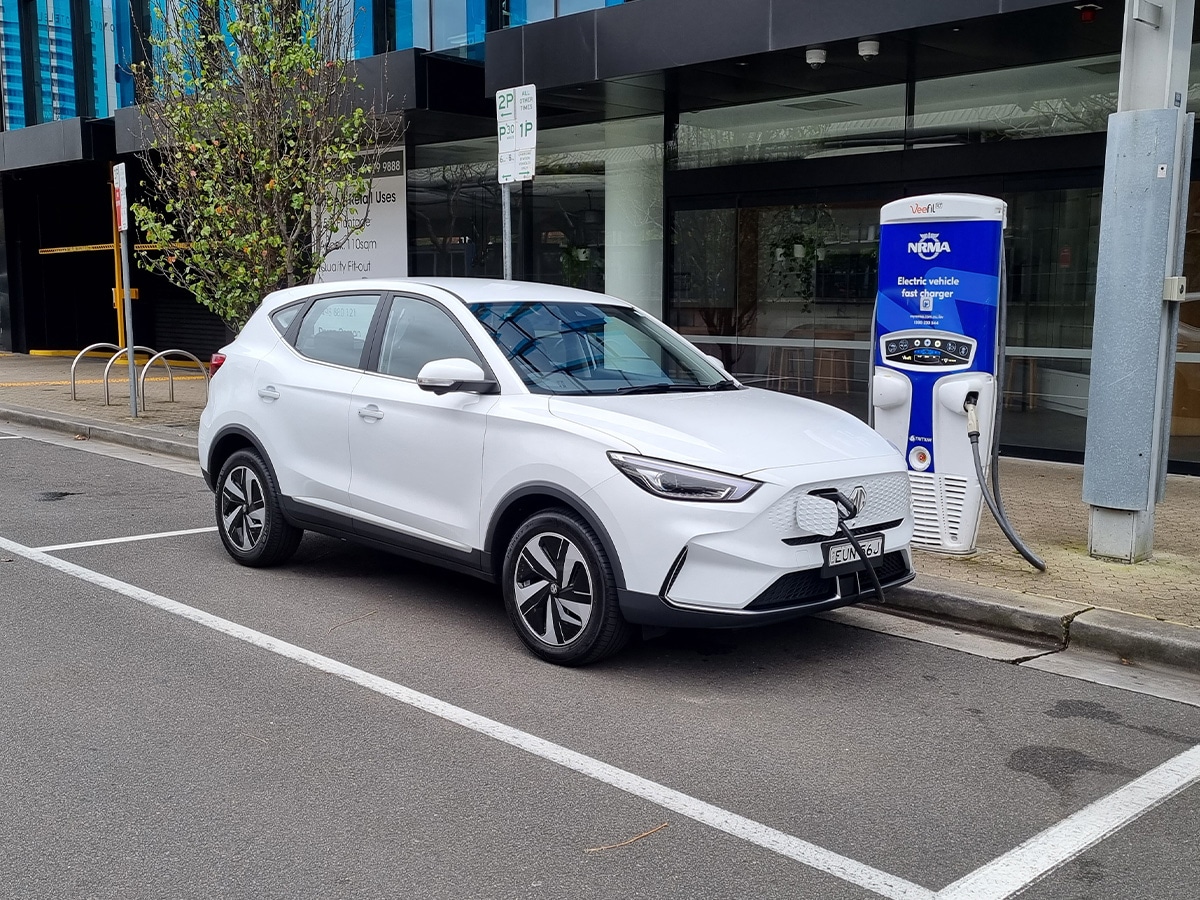
I remember talking to fellow motoring journalists about the Chinese newcomers four years ago, and the general consensus was that most of these cars were terrible. We couldn’t recommend them. I’ll never forget the experience I had behind the wheel of the first-generation MG ZS EV and its light-switch throttle control, which was undeniably one of the worst motoring experiences I’ve ever had. However, today that’s simply not the case.
Consumers previously equated “Made in China” with cheap, entry-level goods, but in the automotive world of 2026, that narrative is almost entirely dead.
China controls the vast majority of the world’s battery mineral processing and cell production. They’re the global leader for software-defined vehicles and smart-cabin integration. Legacy brands are no longer going to China for cheap labour but for world-leading EV technology that they cannot replicate fast enough at home.
Ultimately, the everyday car buyer is the true winner of this global swap. If a Chinese-built Mazda CX-6e or Kia EV5 offers you cutting-edge technology, 500-plus kilometres of range, and comes in $15,000 cheaper than it would otherwise be, backed by a trusted dealer network you’ve known for decades, the geographical origin of the factory floor ceases to matter. The future of the Australian driveway is electric, and it will inevitably come from China.


















Comments
We love hearing from you. or to leave a comment.