


New national research suggests the expectations tied to “being a man” are shaping the mental health, relationships and everyday wellbeing of Australian boys in ways many adults still underestimate.
While most young people support gender equality, many boys still feel confined by outdated ideas about strength and manhood. That’s according to new research from the Adolescent Man Box report, released by Jesuit Social Services’ The Men’s Project, which surveyed more than 1,400 adolescents aged 14 to 18.
Matt Tyler, Executive Director of The Men’s Project, said the findings highlight how limiting the “narrow definition of masculinity” can be.
“Too often, told to stay strong and suppress emotion, but those same pressures can lead to loneliness, violence and poor mental health,” he said.
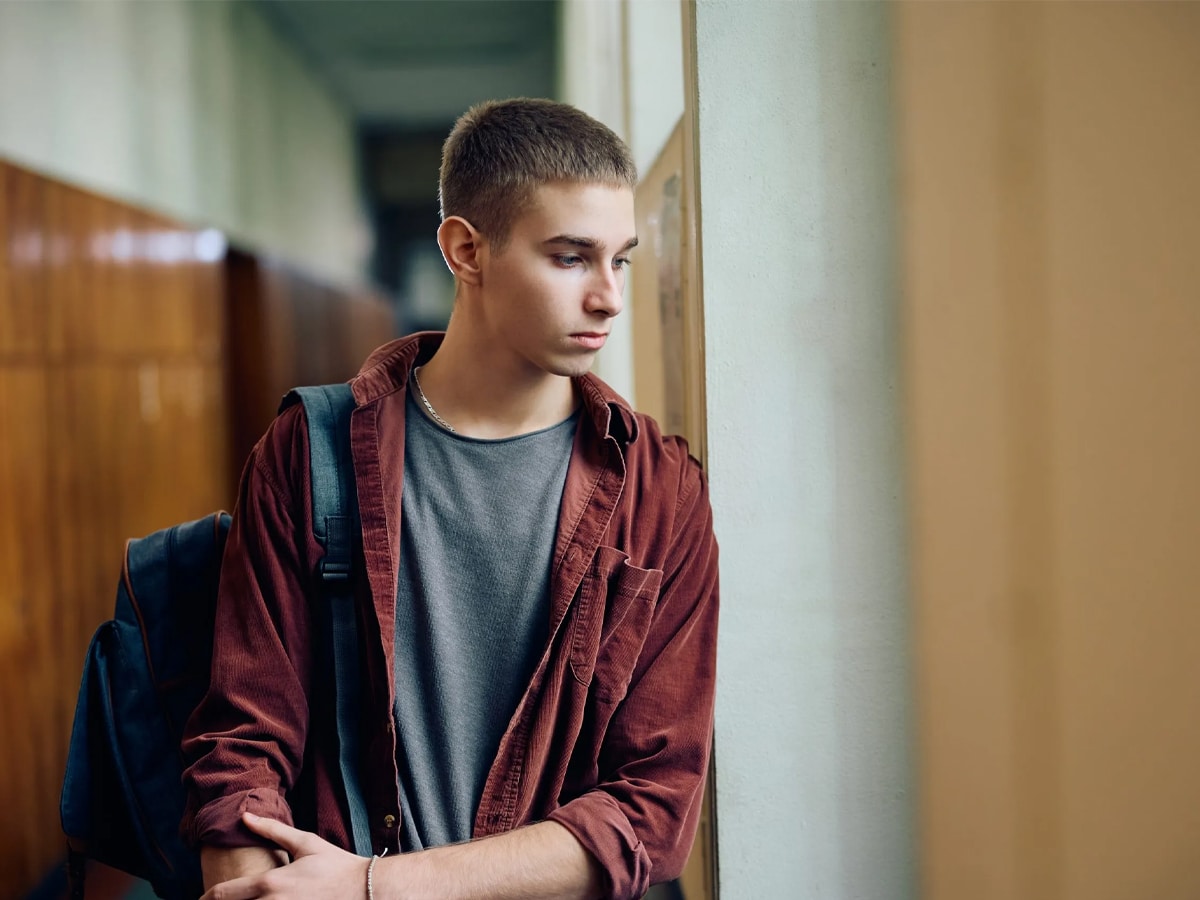
The Weight of Masculine Expectation
The study revolves around the “Adolescent Man Box,” which is a framework of 27 so-called unspoken social rules about masculinity, with each one grouped into four themes:
- always appearing tough,
- restricting emotions,
- distancing oneself from anything considered feminine, and
- participating in teasing or banter regardless of personal comfort.
While these rules may seem outdated for 2025, they still regularly shape the behaviour of many boys today, thanks to their reinforcement by peers, family, and media.
And if you ask the boys, 71 per cent agreed with at least half of these rules. Among girls, however, that figure dropped to 35 per cent. But across all genders, it appears that young people believe society still expects boys to present as strong and confident at all times.
Zac Seidler, Global Director of Research at Movember, told Man of Many that these pressures aren’t self-created. “These pressures aren’t something boys invented; they’re inheriting a cultural script. Both boys and girls recognise these pressures exist in roughly equal measure, which tells us this is about society, not about boys themselves.”
Monash University’s Professor Kate Fitz-Gibbon, a co-author of the study, said the consequences can be severe. “For those teenage boys that adhere to these rigid masculine norms – when rejected – they were three times more likely to report retaliating than boys at the opposite end of the Adolescent Man Box scale,” she said.
Clinical psychologist Gene Efron told Man of Many that what makes being a man so challenging isn’t the idea of strength itself, but rather how it is defined in everyday life.
“Boys need to be taught that being strong doesn’t mean that you are not emotionally vulnerable or emotionless. In fact, showing emotion is a really key part of masculinity,” he said. “We can say to them that the desire to be strong is a great thing, but the concept of strength needs to include emotional vulnerability.”
Seidler also agreed that many of the issues felt by boys are that feelings of uncertainty or vulnerability are questioned in society. “It’s not either/or but expanding what masculinity can hold.”
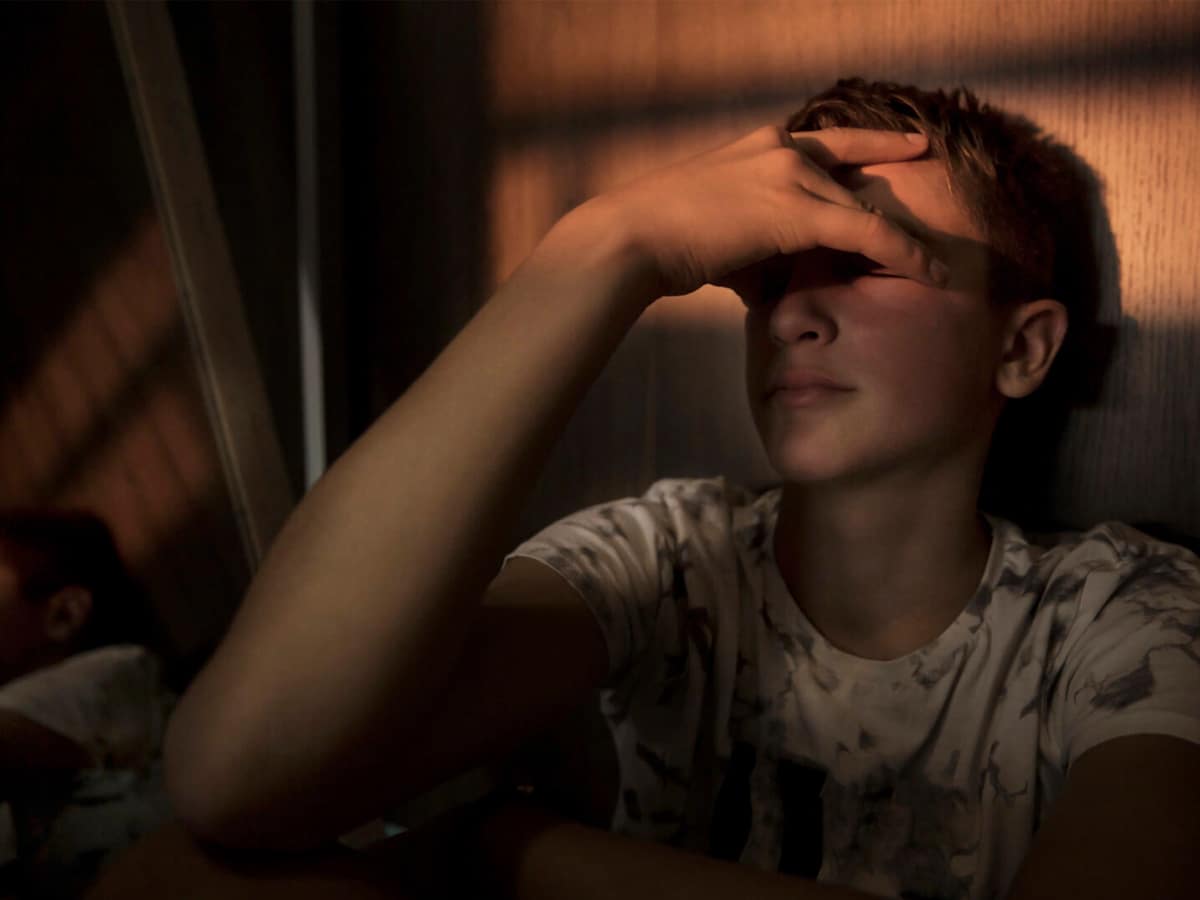
The Mental Health Crisis Among Boys
There are a few data points in the study that reveal a troubling mental health picture for boys in Australia.
- 78 per cent of respondents said they’d experienced at least one poor mental health symptom in the previous two weeks.
- Nearly three-quarters reported little interest or pleasure in everyday activities
- 62 per cent felt down or hopeless
- 17 per cent said they’d had thoughts of self-harm.
And for those boys who most strongly embraced rigid masculine rules, they reported even worse outcomes, like greater loneliness, a sense of disconnection, and feeling misunderstood.
Unlike girls, who were more likely than boys to acknowledge their mental health struggles, boys are far less inclined to seek help. Staying on the data point train:
- More than one-third said they had not sought support for an emotional or personal issue in the past six months, compared with one in five girls.
- Only 27 per cent of boys had asked for help more than once a month.
But it’s not just the Male Box report that is ringing alarm bells.
Figures from Beyond Blue show only 37 per cent of men reach out for support when they need it. But even when they do, men are less likely to receive a mental health diagnosis, despite being far more likely to die by suicide. In Australia, men make up seven out of nine daily suicides. Fitz-Gibbon believes this issue could be addressed by giving them the skills and confidence to reach out for help.
“We need to upskill adolescent boys and challenge the cultures that prohibit vulnerability,” she said.
Efforn believes that early emotional education is needed to allow for “conversations about emotions and healthy masculinity should begin as soon as children start to understand gender”.
“Helping boys to recognise and embrace uncomfortable emotions and speak to someone when they need help leads to better outcomes for men and women.”
Seidler argued that these traditional approaches fail to work because they don’t actually relate. “Boys often stay silent because they have never seen help-seeking modelled in a way that feels natural to them,” he said. “If boys don’t see that modelled, they default to silence.”

The Link Between Masculinity, Violence and Victimisation
Where things start to become increasingly confronting is the connection that exists between rigid masculine norms and violence. Of the boys who strongly agreed with the Man Box ideals, 39 per cent of them said they had used bullying, physical violence or sexual harassment in the previous month. In comparison, only 7 per cent of boys who rejected those ideals said the same.
But it’s not just violence towards others that has researchers concerned. Those same boys were also more likely to experience violence themselves. Two in five adolescents reported being physically hurt, sexually harassed or threatened within the past month. Among boys who had been aggressive, four out of five said they had also been victimised.
The boys who are most invested in rigid masculinity actually feel the most disconnected. According to Seidler, not only are they not thriving, but “they’re often the most isolated, the most victimised, the least likely to have strong parental relationships. What looks like ideology is often a search for certainty.”
Fitz-Gibbon agrees that early intervention is essential to avoid these violent outcomes amongst boys.
“Addressing the harms of victimisation, supporting young victim-survivors to recover and heal is prevention,” she said. “It directly addresses the risk of intergenerational violence.”
But it’s not just about education to help our boys. Tyler also raised concerns that the justice system frequently overlooks trauma among boys. “The children that are being locked up are, more often than not, victims of family violence or other forms of child abuse first and have engaged in criminal activity second,” he said. “Yet the focus is on punishment, not healing, nor restoration.”

From Social Media to Pornography, the Internet Is Shaping Boys’ Identities
Digital spaces are also shaping beliefs about gender, intimacy and identity amongst boys. According to the report, one-third of adolescents reported that their online social life felt more rewarding than their offline social life. That number rose to almost half for boys who most strongly agreed with rigid masculinity.
It’s an alarming statistic that aligns closely with the trends that Efron sees in practice. “We’re seeing the rise of people like Andrew Tate who target vulnerable young men who might feel ostracised or lack identity and purpose,” he said. “They latch onto these vulnerable people and give them a sense of purpose.”
Pornography is another crucial area of concern for the report, particularly around sexual education.
Fifty-nine per cent of boys said they had watched porn, and more than 70 per cent of those had seen aggressive or non-consensual acts. Boys who aligned with traditional masculine rules were more likely to view this type of content.
Seidler said many boys consume online pornography because they have nowhere else to go. “There’s a painful paradox here: the boys who most rigidly endorse rules about self-sufficiency and emotional restriction are also the most isolated.”
Stronger regulation of social media algorithms and pornography platforms is on Tyler’s agenda to address this concern, arguing that governments must do more to create safer digital environments.

The Importance of Positive Role Models
While it can feel almost impossible to escape the digital world and its plethora of online spaces, they still can’t hold a candle to real-world relationships.
This is where we arrive at some of the more positive results from the report: Sixty per cent of adolescents stated that their father or male parental figure strongly influenced how they perceived boys should behave. Nearly half said the same about their mother.
Tyler makes it clear that both parents have an impact on their children. “In spite of frequent calls for more male role models, both mums and dads are rated by adolescents as having a big impact on their ideas related to masculinities.”
Efron agrees that “positive role models are really the most important thing in child development.”
“It’s vital that we champion the right people and guide boys toward role models who align with healthy values.”
For Seidler, the common denominator is that relationships are what make role models effective. “Positive male role models make an enormous difference. But they’re not effective because they teach different content about masculinity. They’re effective because they offer something the internet can’t: a relationship.”
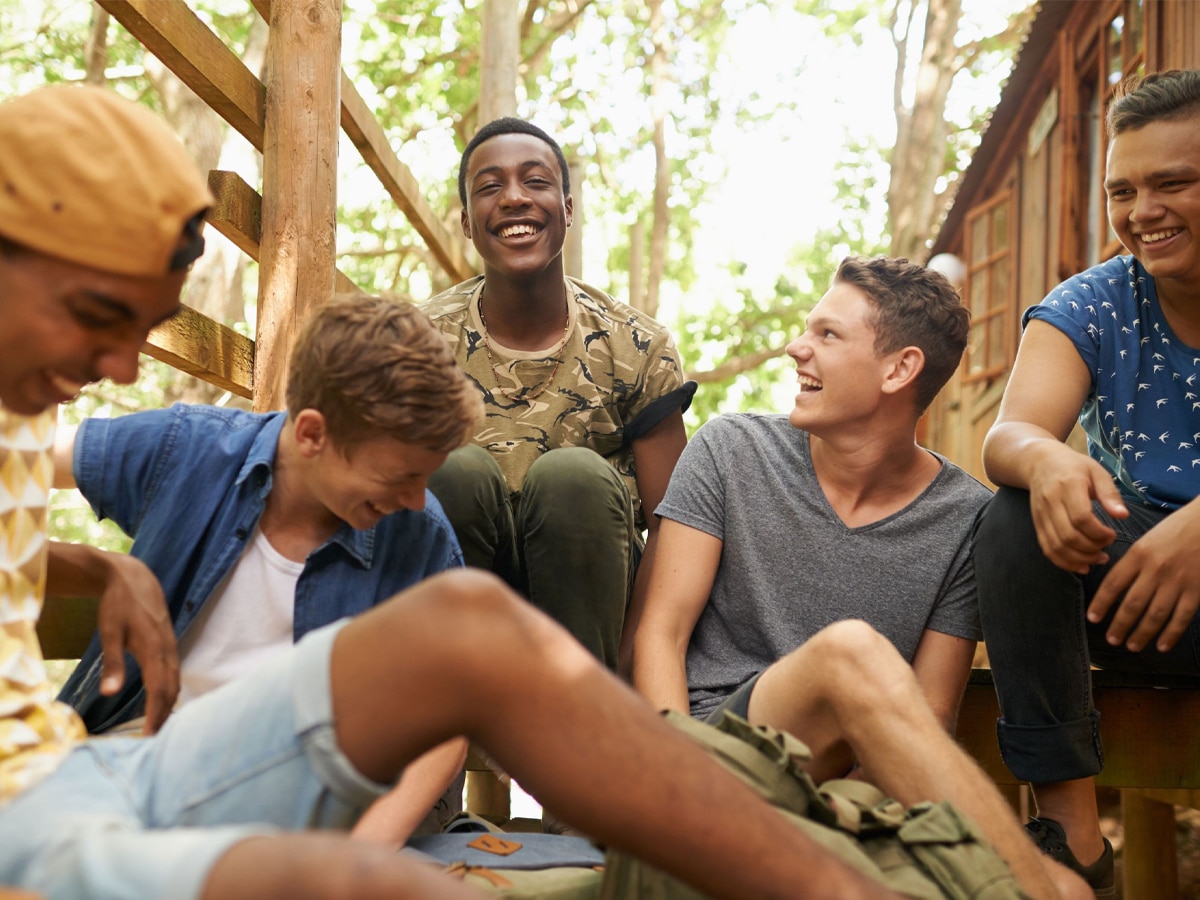
A Need to Support the Shift Young Men Are Already Making
The report has revealed some pretty confronting truths. But behind the scary numbers exists a single truth: boys want healthier, more flexible ideas of masculinity. However, their progress depends on the adults and systems around them.
It’s a paradigm shift that’s already in motion, according to Seidler. “The vast majority of boys believe in gender equality, feel uncomfortable witnessing harassment, and recognise the value of emotional connection. The question isn’t whether boys can evolve but whether we’re creating conditions that support where they’re already trying to go.”
Tyler is urging Australians to take the findings seriously. “Too often young people share their lived experience and they are then asked to take responsibility for making progress,” he said. “Adults fail to hold up their end of the bargain – to use the power they have to act.”
All that’s required, according to Fitz-Gibbon, is policy reform, better education and a national commitment to boys’ wellbeing. “Children must be seen and heard, and as adults, we must act. It is our responsibility to do so.”
Support for mental health is available at Beyond Blue on 1300 22 4636, Lifeline on 13 11 14, and MensLine on 1300 789 978.
Adolescent Man Box FAQs
The ‘Adolescent Man Box’ is a term from the 2025 report by Jesuit Social Services, describing a set of 27 unwritten social “rules” and expectations placed on boys. These rules are grouped into four pillars: appearing tough, restricting emotions, distancing from femininity, and engaging in peer teasing (“banter”).
The report found that boys who strongly adhere to these rigid masculine rules are three times more likely to retaliate with violence when rejected. They also report significantly poorer well-being, including higher rates of loneliness, disconnection, and are more likely to have used bullying, physical violence, or sexual harassment.
There are several free, confidential support services available for young men in Australia. These include Beyond Blue (1300 22 4636), Lifeline (13 11 14), and MensLine Australia (1300 789 978). These services offer support for mental health, relationships, and emotional distress.




















Comments
We love hearing from you. or to leave a comment.