

Updated:
Readtime: 5 min
Every product is carefully selected by our editors and experts. If you buy from a link, we may earn a commission. Learn more. For more information on how we test products, click here.
You may already appreciate the joy of sitting down with a dram of top-quality single malt scotch whisky, but much of that signature flavour comes not from the distillation itself, but from the wood it matures in – the cask.
When it comes to cask importance, your mind likely goes to The Macallan. The Scottish distillery puts its sherry-seasoned casks front and centre of every release, with each barrel undergoing a rigorous five-year preparation journey before a single drop of new-make spirit is poured inside.
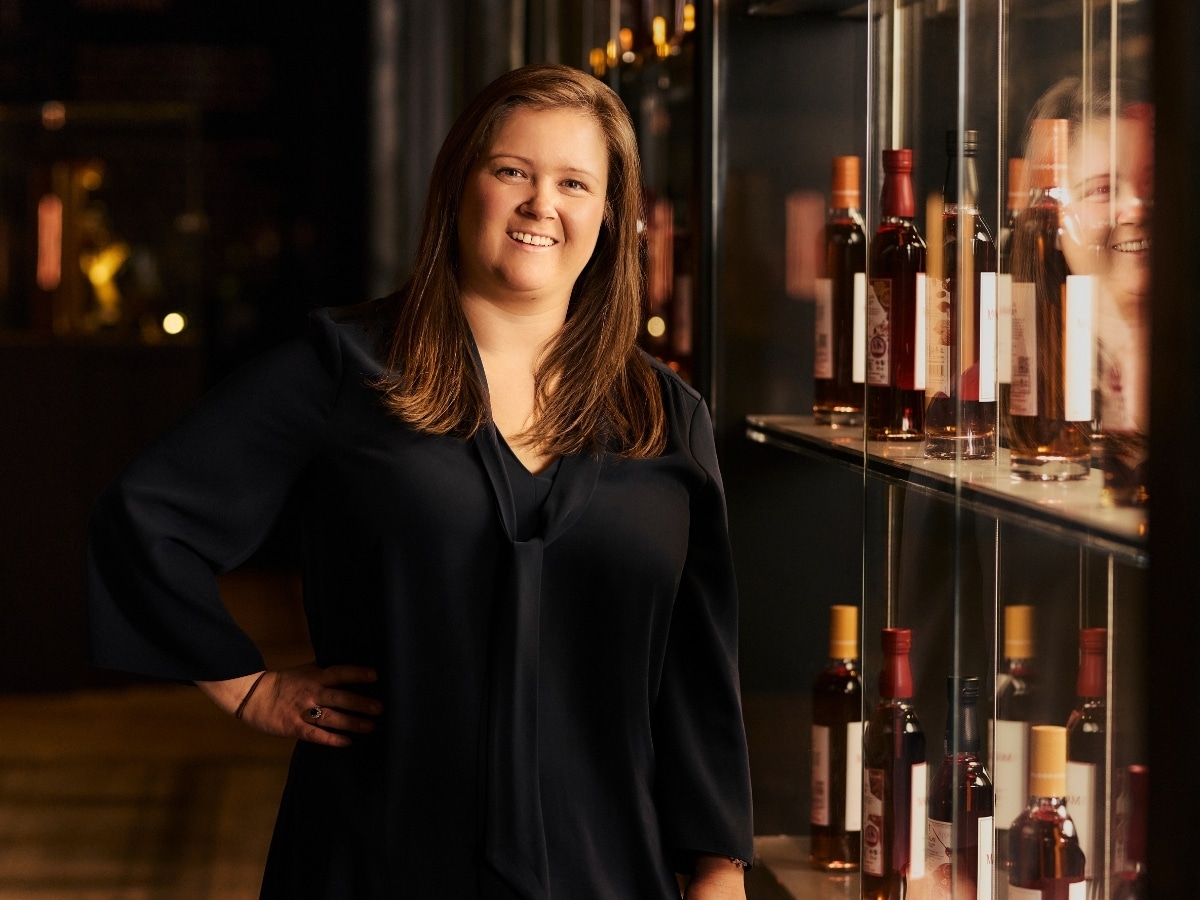
“We estimate from work that we’ve done that in one of our new sherry-seasoned casks, up to 80% of the flavour that you get in a whisky will be coming from that cask during the maturation process,” says Macallan Distiller Diane Stuart, whose background as a forensic scientist gives her a unique perspective on cask treatment.
Before stepping into the distillery, Stuart was destined for crime scenes, inspired by TV shows like Silent Witness. “My mum gave me some very wise words about jobs where you’d have to get up at three in the morning to go to very gory scenes,” Stuart laughs. She pivoted her analytical background in genetics and chemistry to the Scotch Whisky Research Institute instead.
The Anatomy of a Macallan Cask
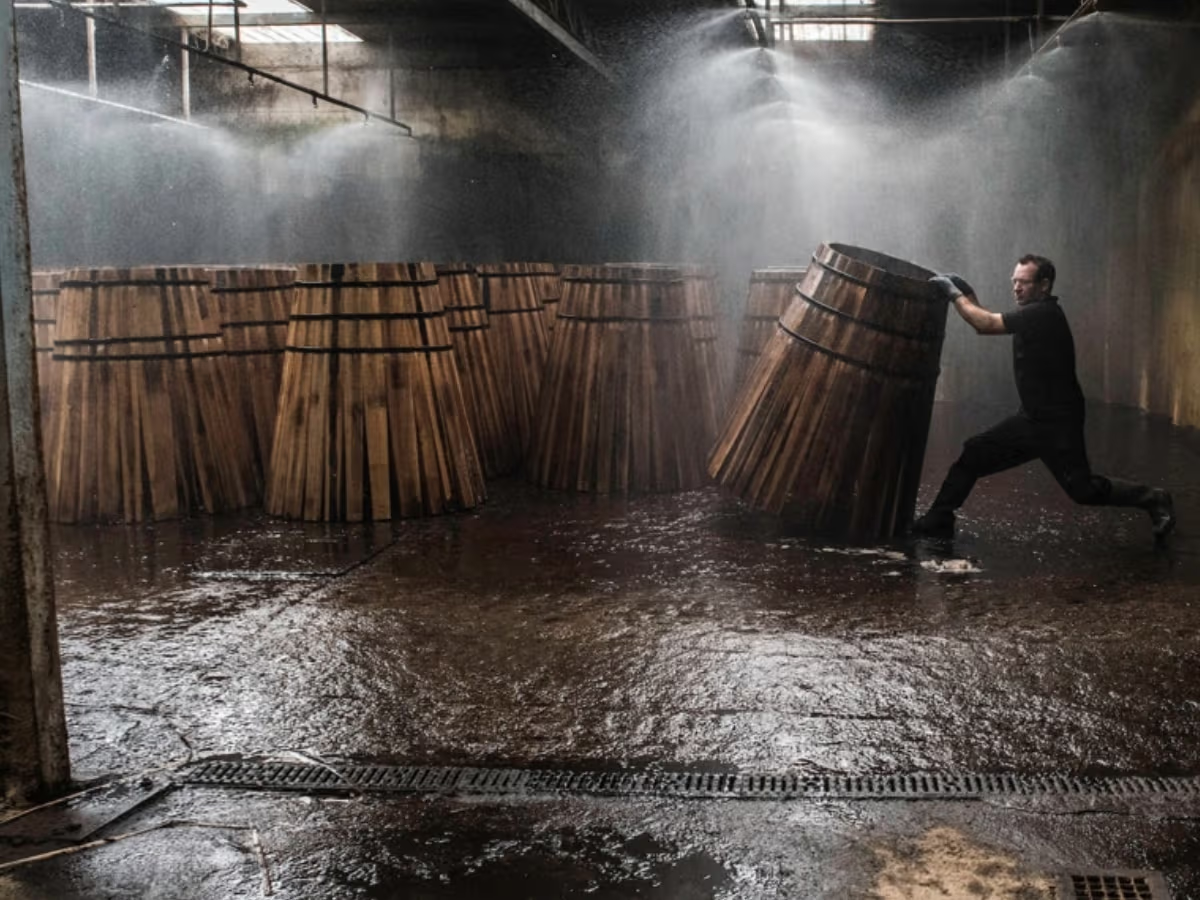
For The Macallan, the lifecycle of a cask takes half a decade – felling trees, cutting staves, air-drying them locally, and shipping them to Jerez, Spain, for solar drying, heat treatment, and water bending. That meticulous craft comes at a cost: while a standard bourbon cask costs around US$100, The Macallan’s custom sherry-seasoned casks cost roughly US$1,000 (~AU$1,500) each.
The newly constructed oak casks are filled with sherry and left to season in Jerez for roughly 18 months. That gentle conditioning process allows European oak to unlock its signature notes of rich dried fruit, warm spice, and deep chocolate without overwhelming the spirit with harsh wood tannins.
This devotion to wood is baked directly into the distillery’s DNA through its foundational Six Pillars. Historically, the brand’s reputation for richness dates back to the late 19th century under Roderick Kemp, a local wine merchant who pioneered Spanish sherry-seasoned oak casks on the Estate.
For Stuart, investing in sherry-seasoned casks is the business of whisky making. “So many of the flavours in our whisky are going to come from that wood, but you need to treat that wood in the right way,” Stuart tells Man of Many. “We don’t want too ferocious of a heat application. We have tight specifications to gently toast the inside of a cask.”
The difference comes down to chemistry. While standard bourbon barrels are seasoned with high-proof spirit, lower-strength sherry (15 to 17% ABV) acts as a gentler conditioning agent before the cask is filled with new-make whisky. This process rounds off harsh oak tannins, helping establish The Macallan as one of the most sought-after and expensive whisky brands in the world.
“That lower strength rounds off some of the heavy tannins in the wood and makes them a lot gentler,” Stuart explains. “And then that sherry also penetrates into the wood.”
As temperatures in Scotland’s Speyside region fluctuate over years of maturation, the spirit moves in and out of the conditioned wood, drawing out complex flavours developed across the cask’s multi-year journey.
To secure this quality, The Macallan recently acquired stakes in Spanish sawmills, cooperages, and historic sherry producer Valdespino, gaining complete end-to-end control over cask production.
“We now actually have ownership all the way through from the sawmills cutting the trees… right through to the cask being brought to the distillery ready to be filled with spirit.”
Art vs Science: The 8-Year Benchmark and 250 Sniff Tests a Day
Once filled, the cask matures undisturbed until reaching its initial eight-year benchmark – a milestone used to project how the liquid will evolve over the next decade or more.
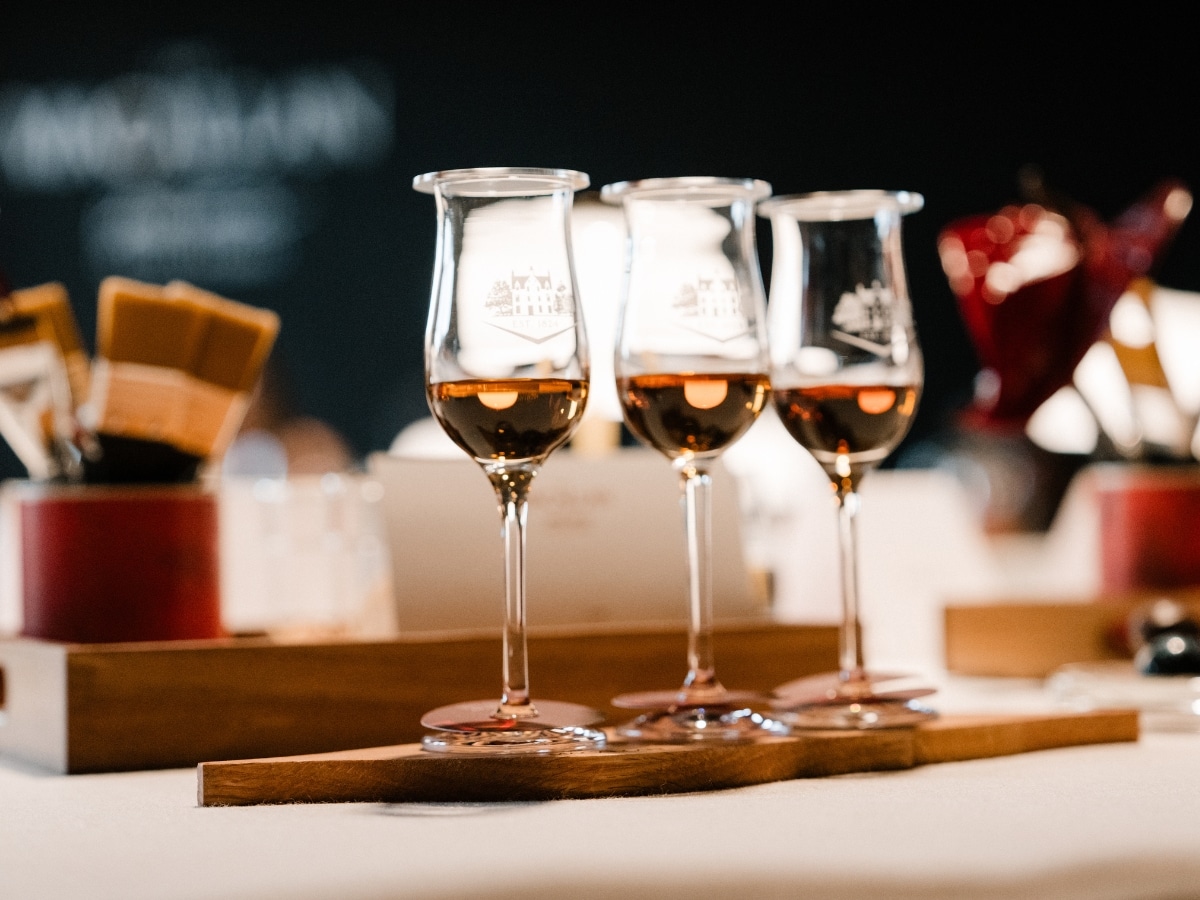
Monitoring that progression requires analysing roughly 3,000 samples a month, or 250 a day. To prevent sensory overload and nose burn from cask-strength spirit (~60% ABV), Stuart’s team dilutes samples down to 20% ABV to release subtle aromatic layers.
These sensory evaluations are paired with precise colour tint analysis and predictive modelling, creating a detailed profile for every cask that ensures flavour consistency across releases.
“It’s probably one of the things I love most about the role – the balance of science and creativity,” Stuart says. “Science provides the understanding of how to build and tweak flavours, but creativity comes in when we develop the product and tell the story of our whisky.”
During her time in Australia, Stuart is eager to sample local spirits. “I’ve not tried a lot of Australian whiskies yet, but I’m hoping to try a lot on this trip,” she smiles. “I’ve heard quite a lot about Lark Distillery and I’m really keen to try some while I’m here.” Whether in Speyside or Tasmania, the pursuit of a benchmark dram remains universal.




















Comments
We love hearing from you. or to leave a comment.