


Updated:
Readtime: 11 min
Every product is carefully selected by our editors and experts. If you buy from a link, we may earn a commission. Learn more. For more information on how we test products, click here.
Key Takeaways
- Drinking red cold isn’t a faux pas – lighter, lower-tannin reds like Pinot Noir, Gamay, and Grenache thrive with a decent chill on a warm day.
- Ideal serving temperature sits around 12°C to 14°C, which you can easily hit by popping a bottle in the fridge for 30 to 45 minutes before serving.
- Cold temperature highlights tannins and hides fruit in heavy reds, but if a glass tastes too cold or dry, simply letting it warm up at room temperature resets it completely.
For most of my wine-drinking life, I’ve always abided by the rule that whites, rosés, and bubbles go in the fridge, and red wine is strictly served and consumed at room temperature. But lately, red wine has been taking up a lot more of my fridge real estate.
Chilled red wines are everywhere at the moment. They’re sitting in bottle shop fridges, and popping up on wine lists left, right and centre.
If you’ve never dabbled in drinking chilled red wine, you’re sorely, sorely missing out. On a hot summer’s day, chilled red wine is one of the most delicious wines you can knock back.
The thing is, you can’t just grab any old bottle of red, chuck it next to the milk and expect greatness. Some reds become brighter, juicier and dangerously drinkable with a decent chill. But try throwing an expensive bottle of Malbec into the fridge, and you, my friend, have just wasted a lot of money.
So, how do you know if a red wine is chillable? We spoke to Liam Stanwell, Head Sommelier at The Recreation Bistro & Bottleshop in Fitzroy North, to find out which grapes belong in the fridge, which ones are better left out of it, how cold a chilled red should be and, most importantly, whether you can do any real damage by experimenting.

The Rules of Chilled Red Wine: Why Temperature Matters
Before getting into what you should be drinking, a quick wine lesson. Tannins are naturally occurring compounds found in grape skins, seeds and stems, as well as oak. If you’ve ever taken a sip of red wine and been left with that dry, grippy sensation around your gums and tongue, you’ve met tannin.
Temperature changes how we perceive a wine, and chilling a tannic red can make that drying sensation feel a lot bolder. That’s why the big, structured reds that are very drinkable with a steak probably aren’t the bottles you want fridge-cold.
On the other hand, lighter reds with lower tannin, plenty of acidity and bright fruit can become incredibly delicious when they’re cooled down.
Best Red Wines to Serve Chilled
| Variety / Style | Chill Status | Why It Works |
| Gamay / Beaujolais | Ideal | High acidity, low tannin, bright red fruit |
| Pinot Noir | Ideal | Light body, supple tannins |
| Grenache (Single Varietal) | Ideal | Juicy raspberry/strawberry profile |
| Shiraz / Cabernet Sauvignon | Avoid | Cold temperature makes heavy tannins harsh and bitter |
If you’re standing in a bottleshop staring at a hundred bottles of red and wondering which are chillable, there’s a pretty easy way to tell: just look at the colour.
“You want to look for lighter, thin-skinned red grapes,” says Stanwell. “Things like Grenache, Gamay, Pinot Noir, maybe some Merlots, some blends.”
Does the bottle specifically need to be marketed as a chilled red? No, no it does not. Any of the following varietals are likely to taste pretty juicy straight out of the fridge, even if you find them on the shelf at a bottleshop and not in the fridge.
Related: 10 Best Wines Under $100, According to a Sommelier
Pinot Noir: The Ideal Entry-Level Chilled Red
Pinot Noir is probably the easiest grape to start with if you’re new to chilled red wine. It’s generally lighter-bodied than varieties such as Cabernet Sauvignon and Shiraz, with bright acidity, red fruit flavours and comparatively moderate tannin, all things that can work nicely at cooler temperatures.
Whether every Pinot Noir is at its absolute best fridge-cold is another question. Region, winemaking, oak and the individual bottle are all important considerations, so don’t go raiding your cellar and refrigerating your most treasured Burgundy. But if you’re buying blind and want somewhere relatively safe to start, Pinot is your friend.
Grenache: Juicy, Fruit-Forward, and Summer-Ready
Grenache is another excellent fridge candidate, particularly the lighter, fruitier styles that have become increasingly common in Australia. With notes of raspberry, strawberry and spice, this wine can taste exceptionally fresh when served on the chilled side.
There is, however, a caveat. Stanwell recommends looking for straight Grenache if you want the safest bet rather than automatically reaching for a Grenache blend.
“If you start getting Shiraz and Mataro in there, they can be very tannic,” he explains. “I think you want a straight Grenache, straight Pinot. They’re probably very safe bets.”
Gamay: The Classic French Choice for Chilling
If there were a grape genetically engineered for a sunny afternoon and a fridge door, it might be Gamay. Best known as the grape behind Beaujolais, Gamay is typically bright, juicy and relatively low in tannin, with red-fruit flavours that are particularly refreshing with a little chill.
There’s also plenty of precedent for drinking it cool. Gamay and Beaujolais have long been served at cooler temperatures in France, so you can refrigerate this one while knowing it’s how the French do it.
Lighter Red Blends: Fresh, Low-Tannin All-Rounders
A wine doesn’t necessarily need to be a single varietal to work chilled. Plenty of winemakers are deliberately producing lighter red blends built around freshness, acidity and drinkability rather than massive tannin and oak.
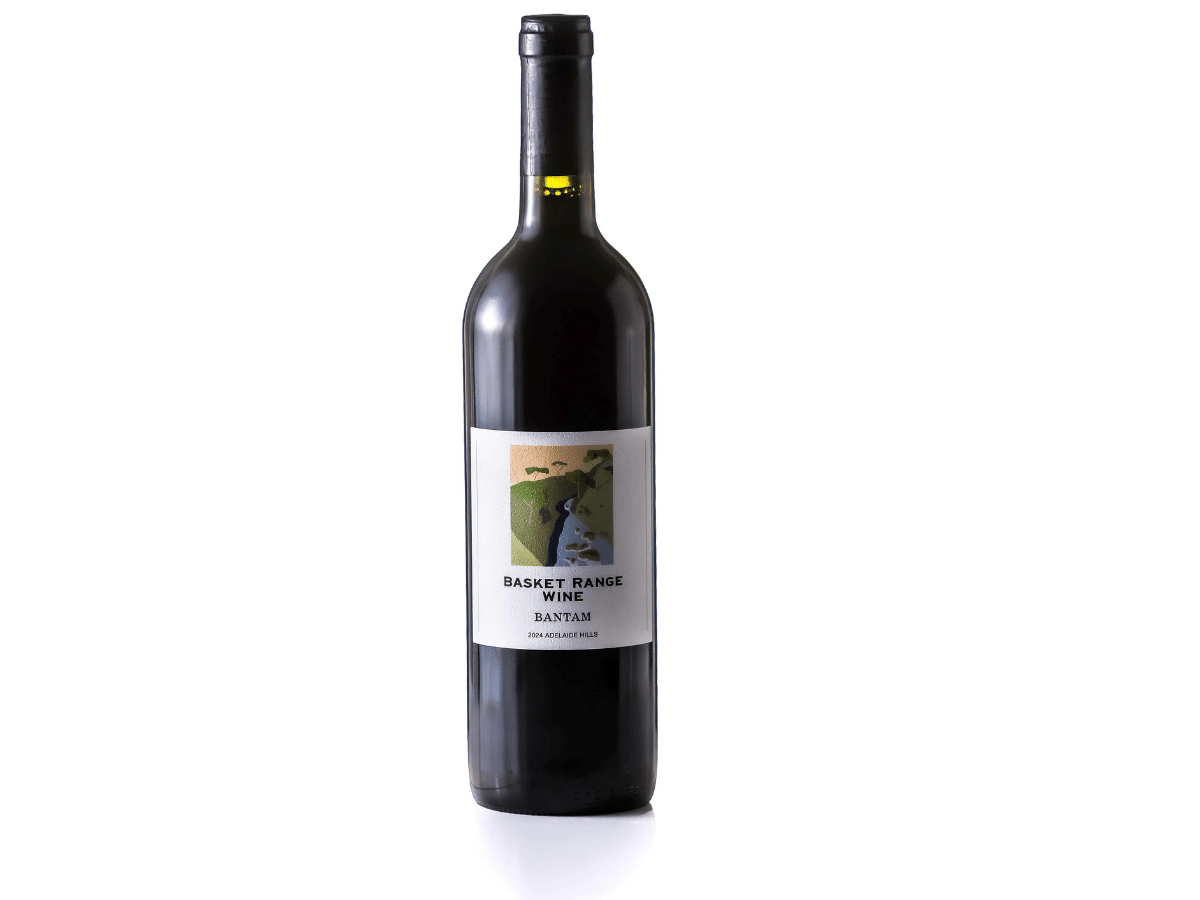
One of Stanwell’s favourites is Basket Range Wine’s Bantam from the Adelaide Hills. The current 2024 Bantam is a delicate, medium-bodied red, bringing together varieties including Merlot, Petit Verdot, Pinot Noir, Cabernet Sauvignon and Saperavi.
Red Wines You Should Never Chill (And Why)
If you want to know what red wines you definitely shouldn’t chill, it all comes down to the tannins.
“When a red wine gets cold, fridge cold in particular, it makes tannin very noticeable,” Stanwell tells Man of Many. “Big tannin wines like Shiraz and Cabernet, Malbecs, they don’t do well chilled because the tannin becomes very aggressive and just dominates the whole palate.”
It’s not like anything catastrophic will happen to the wine if you chill it; however, that coldness can make those already prominent tannins feel much more aggressive.
The fruit and aromatics can also become muted when wine is served very cold, leaving you with plenty of drying structure and less of the good stuff surrounding it.
Can You Chill Expensive or Fine Red Wine?
Can you chill an expensive bottle of red? Of course you can. You bought it. Whether you should is another question.
“I mean, who’s to say there’s a price limit on what you should and shouldn’t chill?” Stanwell says. “But I guess if you’re spending serious money on a bottle of wine, you should probably drink it at the temperature that the winemaker intended.”
That’s very fair enough. However, Stanwell then gets to the much more important point. “Then again, who’s to say how you enjoy it most?” And that’s really the chilled-red philosophy in a nutshell.
Wine comes with an enormous amount of tradition and knowledge attached to it, but you’re still the person drinking the glass. If your fancy Pinot tastes better to you at 12 degrees than 20 degrees, then by all means, chuck that bad boy in the fridge.
However, perhaps experiment with a $30 bottle before conducting temperature trials on the Grand Cru, though.

Ideal Serving Temperature for Chilled Red Wine
You’ll often see chilled reds recommended somewhere around the low-to-mid teens Celsius. But Stanwell isn’t particularly interested in giving every bottle one supposedly perfect serving temperature.
Why? Because the wine is going to warm up anyway. Take the bottle out of the fridge (which typically runs at between 2-4 degrees celcius), pour yourself a glass and start drinking. Over the next 15 or 20 minutes, pay attention to how much you’re enjoying the glass as the temperature changes.
“You might notice that the start of the glass is preferable to the end of the glass, which means that you prefer it colder,” Stanwell says.
“Or, you might find by the end of that first glass you’re thinking, ‘Oh, this is getting a lot better’, and it’s probably because you need to drink it a bit warmer.” Simple, no?
Best Chilled Red Wine Bottles Recommended by a Sommelier
If you’d rather begin with something a professional has already put through the fridge experiment, Stanwell gave us two bottles of red wine worth chucking in the fridge.
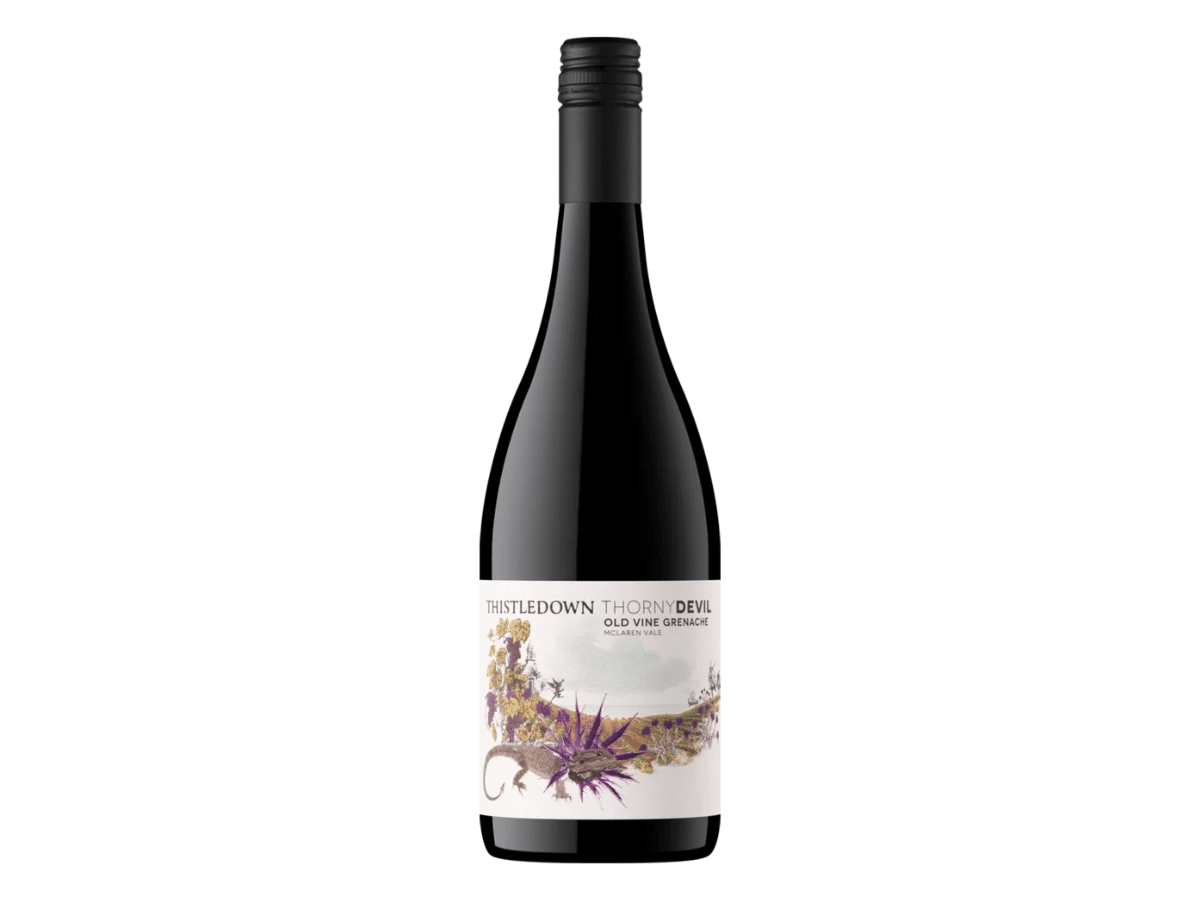
Thistledown Thorny Devil Grenache 2025 (McLaren Vale, SA)
If the advice to start with a straight Grenache has you wondering where exactly to start, Thistledown’s Thorny Devil makes a pretty convincing case. Made using old-vine Grenache from across McLaren Vale, it’s a bright, fruit-forward expression of the variety, with plenty of red fruit, spice and freshness alongside fine tannins. The current 2025 vintage is $39, making it a particularly approachable bottle for a bit of fridge experimentation.
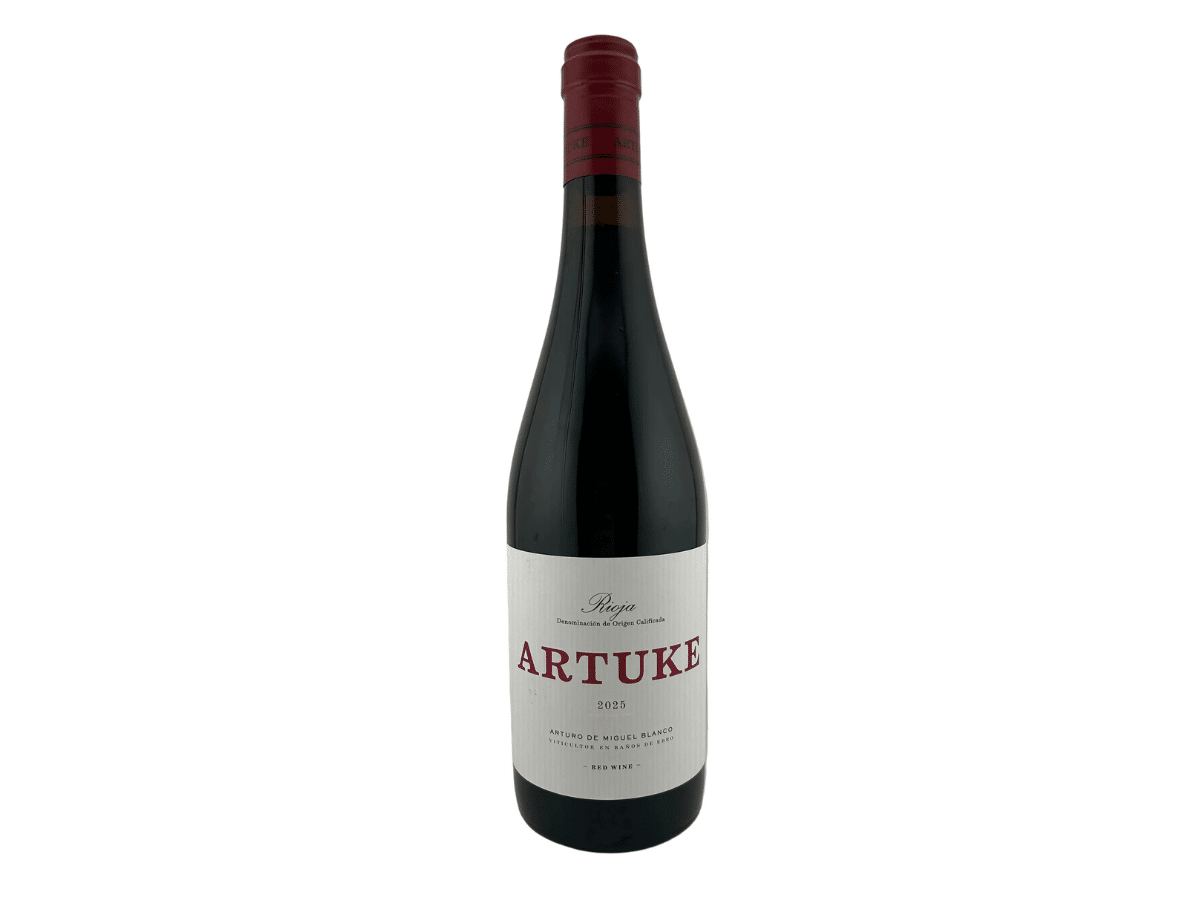
Artuke Rioja Tempranillo 2025 (Rioja, Spain)
Rioja might not be the first thing you’d instinctively throw in the fridge, but Artuke isn’t your big, heavily oaked, sit-by-the-fire style of Rioja. Made predominantly from Tempranillo with a small amount of Viura, this youthful Rioja is made using carbonic maceration, a technique more commonly associated with fresh, fruit-driven wines designed to be drunk young. Expect plenty of red fruit, blueberry and florals, with enough tannin to give it structure. It’s also specifically recommended to be served slightly chilled, so if you’re looking to venture beyond the obvious Pinot-Gamay-Grenache territory, this is the perfect wine to start with.
The Best Chilled Red Might Be the One You Discover Yourself
As with most things in wine (and life), there are rules worth following and others worth breaking. Just because a red is supposed to be served at room temperature doesn’t mean it won’t taste even better with a bit of time in the fridge.
Stanwell’s advice? Experiment. “Just go out there and throw things in the fridge, see what happens,” he says. “I’ve definitely had a few bottles over the years where I didn’t think they were chilled-red appropriate, but something about chilling them down brought out a different flavour that was really delicious.”
And the best part is there’s very little risk involved. If you chill a red, take a sip and decide you’ve made a terrible mistake, simply take it out of the fridge and let it warm back up. Crisis averted.
Chilled Red Wine FAQs
Lighter, lower-tannin reds are generally the best red wines to chill. Pinot Noir, Gamay and straight Grenache all tend to work well chilled, while some lighter Merlots and red blends can also be good options. The main thing to watch is tannin, as colder temperatures can make it feel much more aggressive.
You definitely can, but if you’ve spent serious money on a bottle, it may be worth trying it closer to the serving temperature intended by the winemaker first. Ultimately, though, wine is there to be enjoyed, so if you prefer it colder, there’s no rule saying you can’t.
Thankfully not! If you chill a red and decide it tastes worse, simply leave it out and let it come back up to temperature. Give it around 45 minutes, and you’re essentially back where you started.
While purists might cringe, dropping an ice cube into a heavy or room-temperature red wine is a totally acceptable quick fix on a hot day. Just drink it quickly before the ice melts and dilutes the wine’s body and flavour profile. For a dilution-free alternative, pop the bottle in an ice bucket or use reusable stainless steel or granite wine stones.
More Man of Many Wine Coverage
- Best Wines Under $100
- How to Order Wine Like a Pro, According to a Sommelier
- Soul vs Scale: Why Your Next Bottle of Wine Might Taste a Bit Different
- Best Wineries in Victoria
- Best Wine Clubs and Subscriptions in Australia
- Best Wine Gifts for Wine Lovers and Connoisseurs
- Best Wine Bars in Melbourne
- Best Wine Bars in Sydney



























Comments
We love hearing from you. or to leave a comment.