

Updated:
Readtime: 8 min
Every product is carefully selected by our editors and experts. If you buy from a link, we may earn a commission. Learn more. For more information on how we test products, click here.
Coffee has become a morning essential. Whether you’re on your way to work, on your lunch break or you’re catching up with a friend you haven’t seen for years, a cup of coffee has been there with you.
Over the years, the coffee industry has developed a thriving culture that has improved the quality of coffee we can have today. In most cafes, specialty or not, you’ve seen bags of beans for sale with information on the front detailing the origins, tasting notes and words like ‘washed’, and ‘natural’ followed by ‘process’.
But what exactly does that mean, and why is it important to your morning brew, no matter how you like it?
Why is Coffee Processing Important?
To break down why exactly different coffee processing methods are important, Man of Many spoke with 2026 World Barista Champion Gabrel Tan. He describes it as the “process before drying the green coffee” when what we know as the coffee bean is still a cherry.
“Coffee processing is one of the key steps to develop and preserve coffee flavours and quality.”
Without processing, the flavours of the bean won’t be extracted properly, and the excess moisture within the cherry would cause the bean inside to roast unevenly, resulting in a poor tasting coffee.
What is Processing?
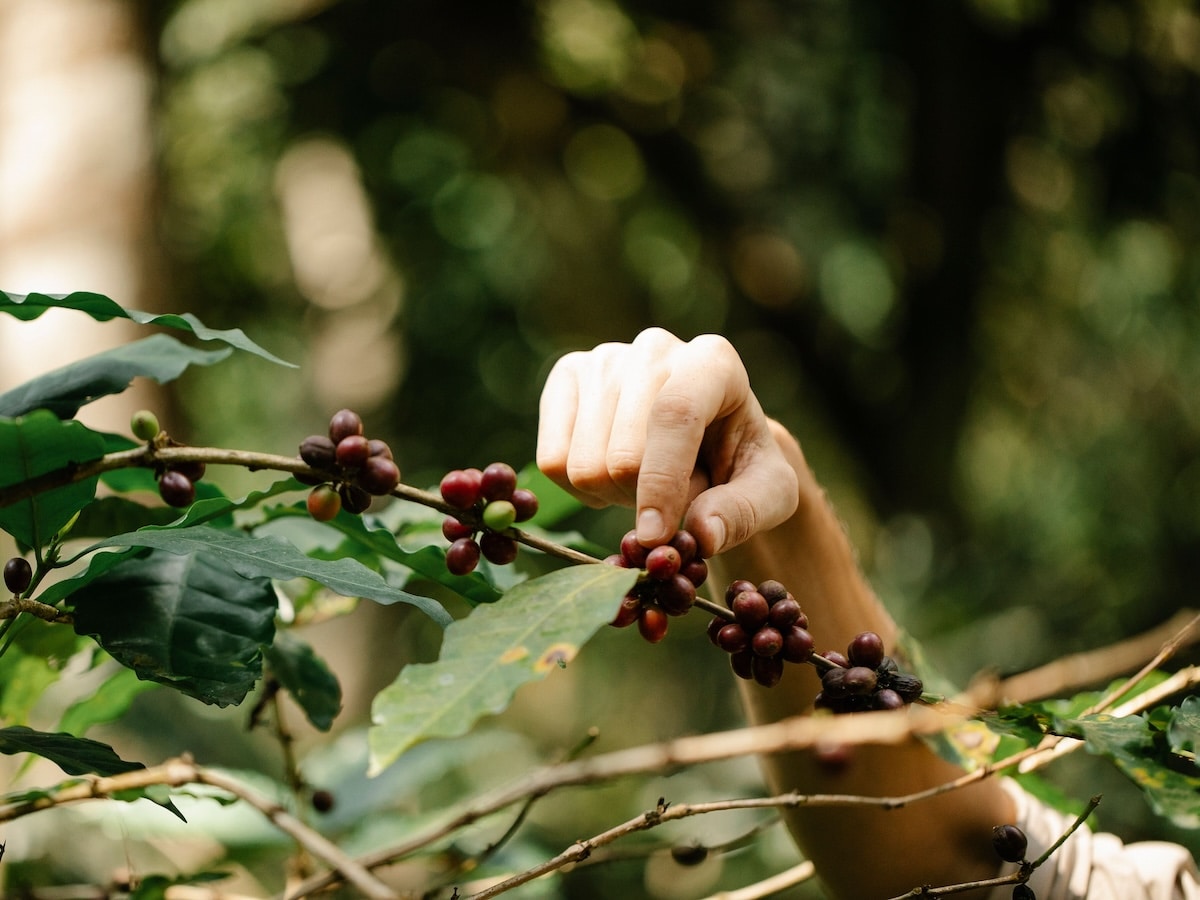
When we talk about coffee processing, we’re talking about the stage before it becomes a ‘coffee bean’. We go back to the beginning when the coffee cherry is picked and harvested and before it gets sent off for roasting.
Processing involves removing the layers of the cherry, resulting in what is known as green coffee. Depending which method was used, it greatly affects the final flavour profile of the bean.
Anatomy of a Coffee Bean
Working from the outside to the inside, there are five parts of the fruit.
- Outer skin (cascara): This is the outermost layer of the fruit that protects the flesh and the seeds inside. This is usually green when it’s unripe but will ripen to red, yellow or even pink depending on its variety.
- Pulp (mucilage): This is the fruity, fleshy body under the skin. It’s primarily made up of water and natural sugars.
- Parchment (hull): The outer caseing that surrounds the coffee bean. When dried it becomes paper-like, hence the ‘parchment’ name.
- Silver skin: The outer protective skin of the coffee seed. It usually adheres to both seeds within the cherry and is naturally removed when roasting.
- Coffee bean: Finally, the star of the show, the bean itself.
Common Coffee Processing Methods
1. Natural (Dry Processing)
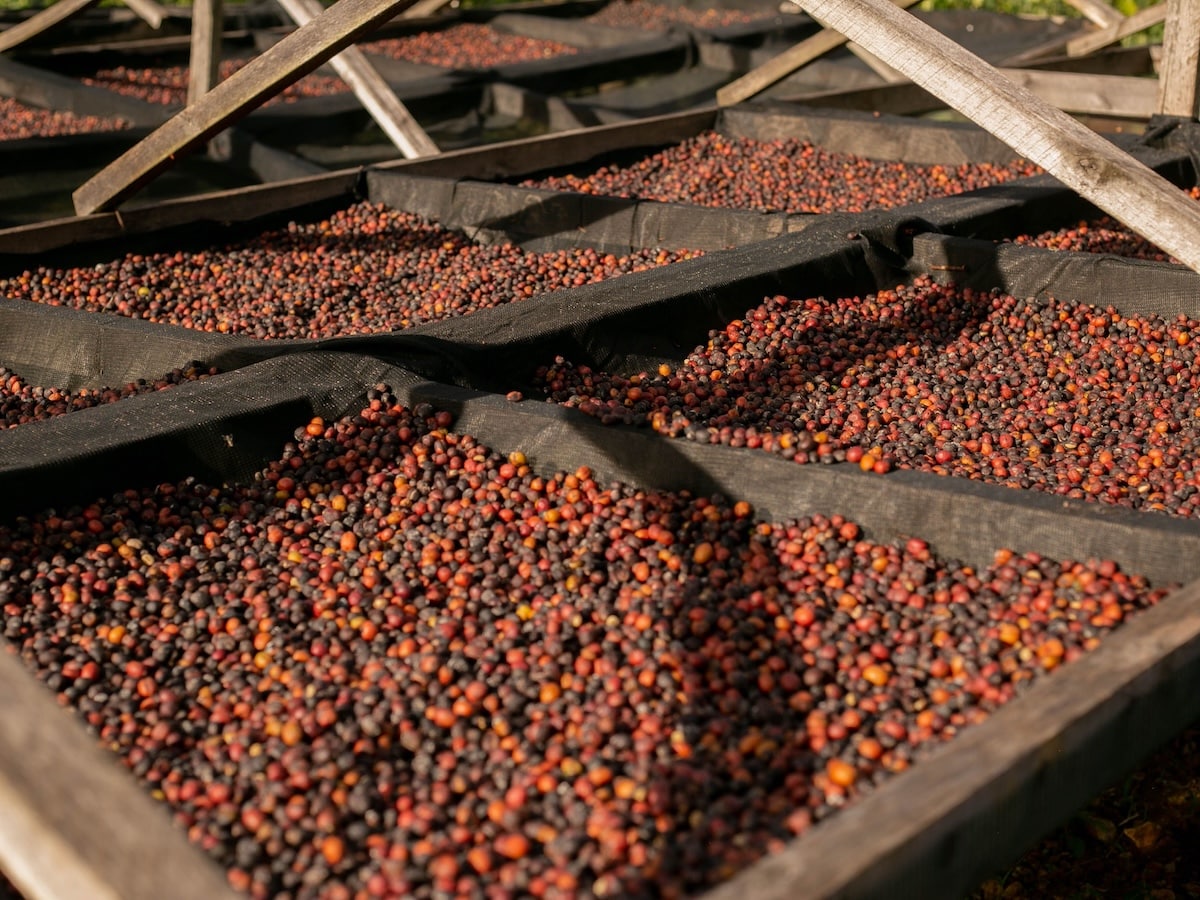
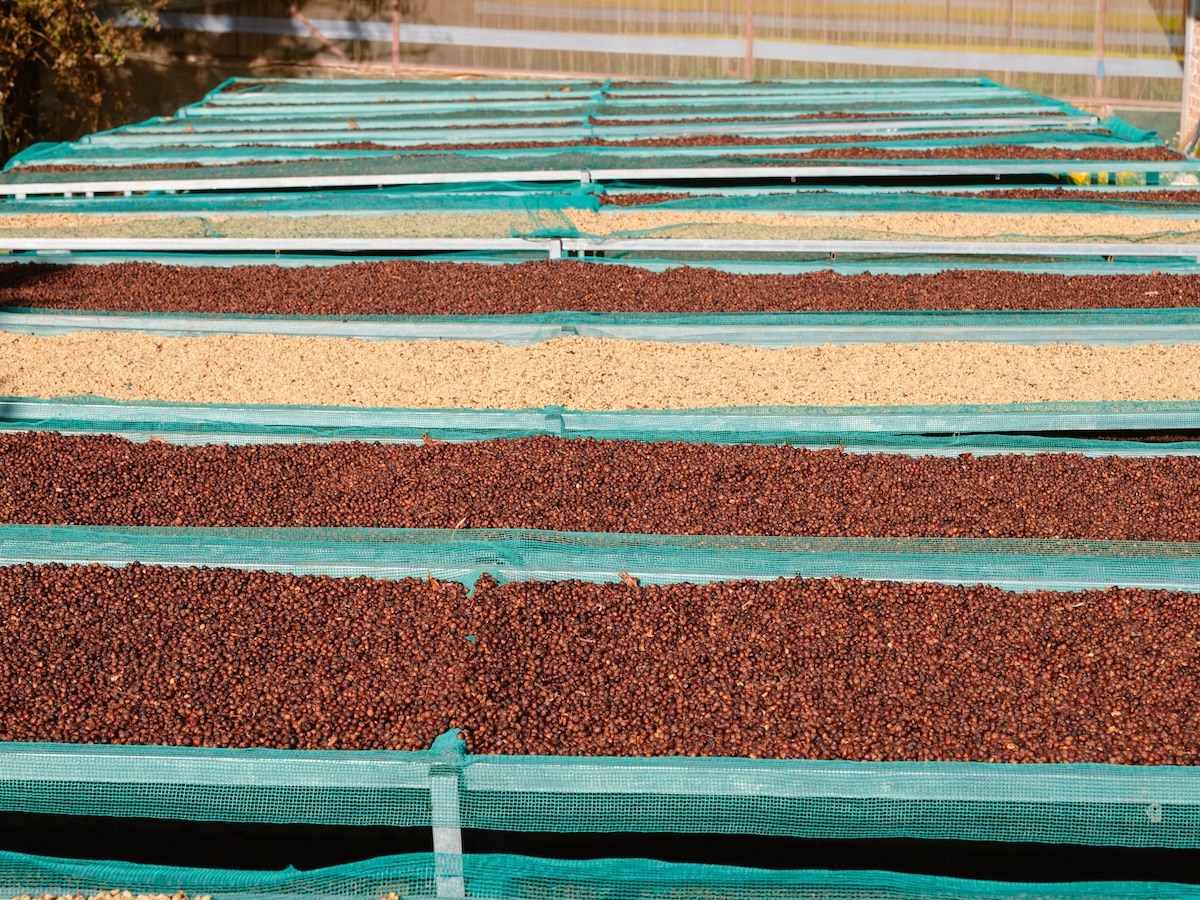
One of the oldest and traditional methods of coffee processing. After harvesting the cherries they are left out to dry in its whole form with the skin on. The cherries are placed on raised beds under direct sunlight while being constantly turned to prevent rotting. This can take up to two weeks to complete.
Natural fermentation occurs, allowing the sugars within the coffee cherry to supply their flavour onto the coffee bean itself.
Challenges:
- Because these rely heavily on the conditions of the environment, dust and debris might affect flavour consistency.
- Uneven or over fermentation.
- Mould growth.
Flavour Profile:
Because the cherries are dried in its entirety, the beans tend to absorb the natural sugars. The sun drying process yields fruitier, berry-like flavours. Resulting in a vibrant and bright coffee with high sweetness and a syrup-y body and mellow acidity.
2. Washed (Wet Processing)
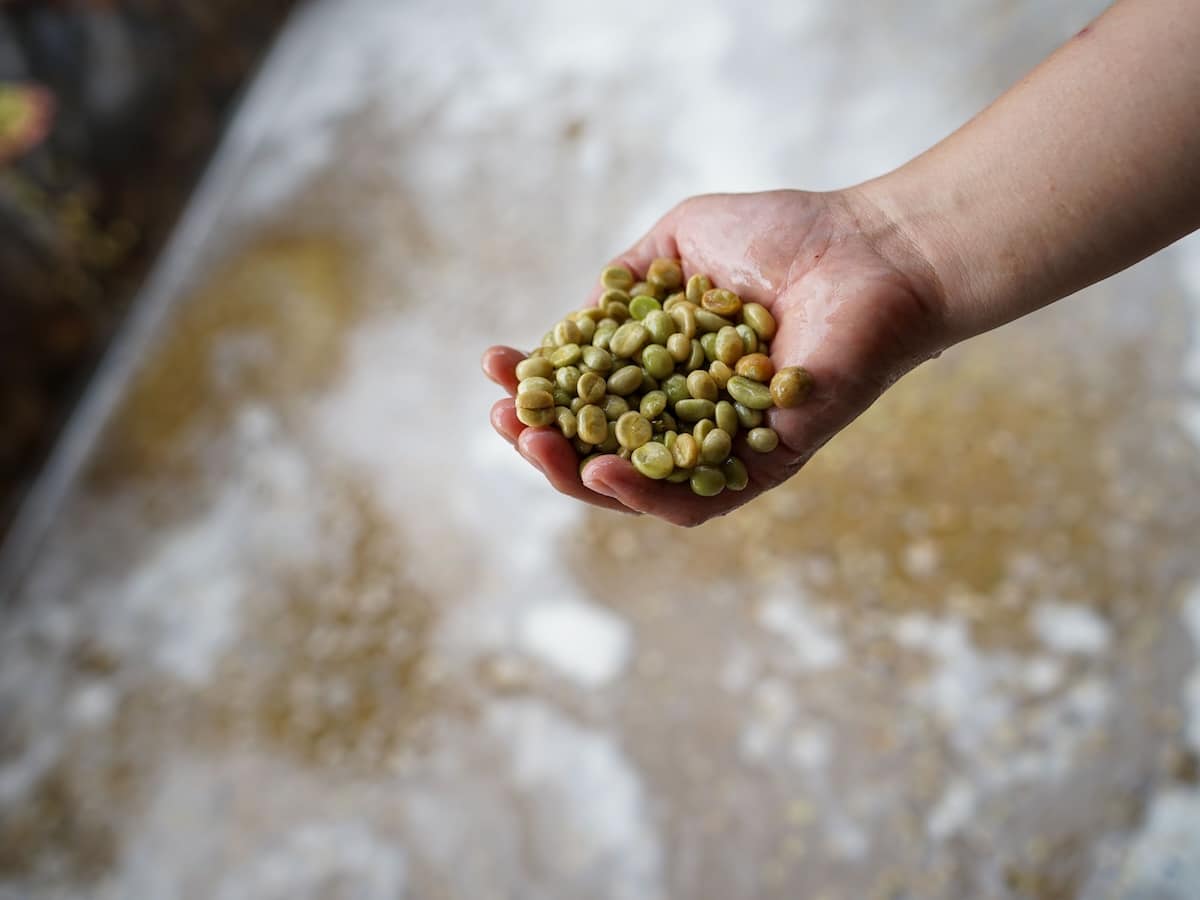
After harvesting the cherries, and before they are dried, the outer skin of the cherry is removed with the pulp still surrounding the bean. It’s then left to ferment in the water for a minimum of two days. After fermentation the beans are washed to remove the pulp before being left to dry on raised beds or tables to dry completely.
They are sorted between ripe and unripe with the unripe being used for other processes. Washed processing or ‘wet processing’ involves
Challenges:
- Requires significant water infrastructure, which sometimes aren’t accessible in water-scarce regions.
Flavour Profile:
It offers a cleaner, lighter body with more nuanced flavours. You can expect a crisp, clean, high acidity coffee with a medium body.
3. Honey (Pup Processing)
Unfortunately, there’s no actual honey involved in processing. This method sits between washed and natural. After harvesting, the main pulp of the cherry is removed except for a thin layer to help the bean develop a sweet, honey-like profile. After drying, the mucilage is removed with the help of a machine rather than using water.
Additionally, depending on what percentage of mucilage is kept on the cherry, the darker the colour, the higher percentage of mucilage remaining during fermentation. There are White Honey, Yellow Honey, Black Honey and Red Honey.
Challenges:
- No standardised guideline for amount of mucilage retained
- Needs close monitoring to prevent over fermentation.
Flavour Profile:
Full bodied with a balanced and muted acidity.
This process retains the flavour and complexity of both washed and natural processes depending on the type of honey process. For example, if it was a black honey process, its taste would resemble a natural flavour profile because of its high percentage of mucilage.
4. Anaerobic
Similar to the methods of washed and natural, after the cherries are harvested they are placed into sealed, pressurised tanks with CO2 and minimal to no oxygen. This allows the fruits to metabolise in a unique environment and ferment with different microbes and yeast that otherwise wouldn’t be present.
Interestingly, there are different types of anaerobic fermentation. You can have anaerobic natural, washed and honey processes.
Challenges:
- Unpredictable
- Uneven and over fermentation.
- Infrastructurely demanding.
Flavour Profile:
This process can yield unpredictable results and one of its many attractions is that it can provide ‘funky’ flavours. Anaerobic coffee can have complex, nuanced flavour.
As science develops so do people’s imagination for the future of coffee. Over the years, more experimental ways of coffee processing have risen. Here are some of those ways.
Experimental Coffee Processing Methods
Thermal Shock Processing
One of the newer, experimental ways coffee is being processed. After harvesting the cherries, they undergo a rigorous selection process; they are dried of their extra moisture and sterilised. As whole cherries, they undergo a first round of anaerobic fermentation, introducing a special yeast microorganism that influences the flavour profile of the cherry.
Then, it goes through a second round of fermentation where the outer skin and some of the pulp is removed, keeping a layer of mucilage for the bean to absorb the natural sugars.
Post fermentation, the beans are washed with hot water then immediately with cold water ‘sealing’ the fermentation and flavours in the bean. Then, they are laid out to dry in a controlled environment until the desired moisture content is achieved.
Challenges
- Infrastructure dependent
- Cost
- Consistency varies depending on bean varietal
- Incredible precision over time and temperature
Flavour Profile:
This process enhances the natural oils, flavours and aroma, bringing out its natural sweetness. Due to the sealing phase of the bean, it traps aroma compounds that get released when brewed.
Carbonic maceration
Introduced by World Barista Champion Saša Šestić in 2015, this process is inspired by winemaking. After the cherries are harvested, they will pick the ripest and put them in an airtight container and pump CO2 inside, similar to anaerobic processing, it allows the bean to absorb the natural sugars into the bean.
Simultaneously, the tanks are kept in a consistent low temperature environment to avoid the beans developing alcohol or acid.
Because the beans are in an airtight container, the flavours and aromatics being released have no where to go, so instead, they’re absorbed by the parchment. After the desired moisture is reached, the cherries still have to go through either a washed or natural process to pulp and dry the beans.
Challenges
- Infrastructure dependent
- Time consuming, taking an upwards to 2 months+ to achieve the depth and flavour needed.
Flavour Profile:
Because of its similarity to wine making, this process provides a fruity, red-berry like flavour and aroma. Emboldening the natural tannins inherent to the coffee. They are rounded, silky with a bright but balanced edge.

More Than Just Coffee
Obviously, there are other factors that determine the final flavour of a coffee. Ranging from the region it was harvested, the varietal type, altitude and even the way its roasted. Throughout its development, it is a collaborative effort.
Coffee is undergoing a massive transformation. With he development of technology and peoples innovation to create new ways to enjoy a beverage, its becoming clear coffee is more than a drink. It’s becoming an art form that is constantly expanding and borrowing from different disciplines like wine and science to provide you with an experience.




























Comments
We love hearing from you. or to leave a comment.