


Updated:
Readtime: 9 min
Every product is carefully selected by our editors and experts. If you buy from a link, we may earn a commission. Learn more. For more information on how we test products, click here.
- Dolly Parton gave more than 325 million books to kids and helped fund critical early COVID-19 research.
- She sent millions directly to families after devastating wildfires and used Dollywood to bring jobs back to East Tennessee.
- She was a brilliant songwriter who protected her publishing rights and wrote Jolene and I Will Always Love You within days of each other.
Global music icon Dolly Parton died on Tuesday at the age of 80, and if you needed any indication of just how beloved she was, you only had to look at the reaction around the world.
And there’s a very good reason for that reaction: Dolly Parton was more than a country music singer and songwriter. She was a philanthropist and all-round good person. Dolly Parton could have been a billionaire, but instead chose to spend her life giving back to her community, helping kids around the world learn to read, and treating everyone with basic human decency.
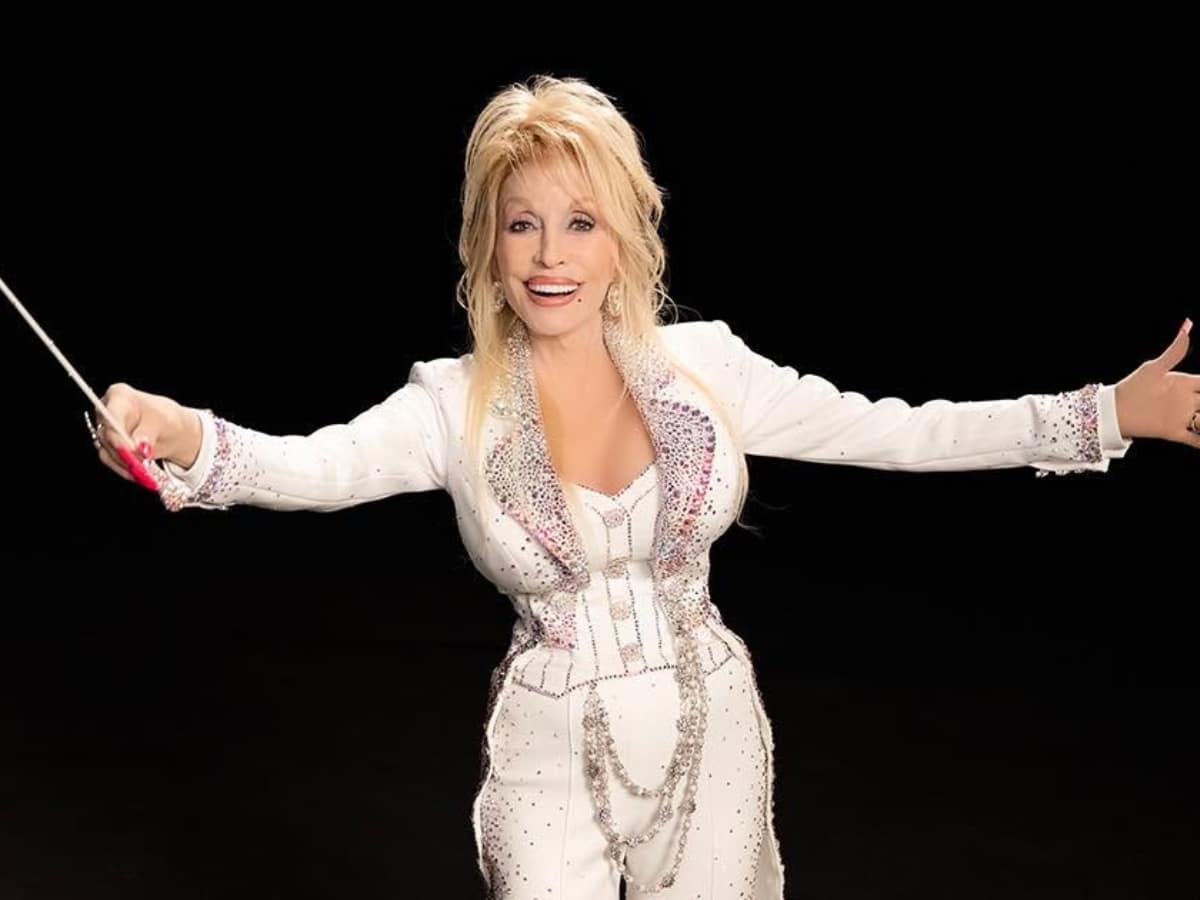
I’ll admit, growing up, my household didn’t listen to country music all that much. I knew Jolene, 9 to 5, and I Will Always Love You. I could pick out the enormous hair from a lineup; the rhinestones would give it away, and then there was the unmistakable Tennessee accent, all that charm and compassion that, for me at least, made me realise she was one of those rare celebrities everybody seemed to like. What I didn’t know until I began writing this article was just how much she’d done to earn that affection.
Beyond writing thousands of songs, Parton spent decades giving books to children, helping families rebuild after tragedy, funding medical research, creating jobs back home and making some remarkably smart decisions about her own work.
So, for anyone else like me who knew Dolly Parton without really knowing Dolly, here are some of the remarkable things she did in her 80 years.
1. Dolly Parton Gave More Than 325 Million Books to Kids
Some celebrity charities donate books to children; Dolly Parton’s Imagination Library gives away hundreds of millions.
Parton started the program in Sevier County, Tennessee, in 1995, inspired partly by her father, Robert Lee Parton, who couldn’t read or write. She later said that despite being one of the smartest people she knew, his illiteracy had always made him feel ashamed.
What began locally eventually spread across five countries, including Australia. By June 2026, the Imagination Library had gifted more than 325 million books and was distributing another 3.5 million every month.
All because Dolly wanted kids to have an opportunity her dad never did.
2. She Wrote Jolene and I Will Always Love You in The Same Songwriting Session
Every celebrity develops a little mythology, and Dolly’s includes the claim that she wrote two of the last century’s most iconic songs – Jolene and I Will Always Love You – on the same day.
Although she was more than happy to let the story spread, Parton later suggested they were written within a few days of each other, although both were recorded onto the same cassette. That’s still one hell of a week at work.
Jolene became one of country music’s defining songs, while I Will Always Love You, originally written as a farewell to Porter Wagoner, found another life when Whitney Houston turned it into a global hit in 1992. Most songwriters would happily build a career around either one. Dolly had both on the same tape.
3. Dolly Parton Turned Down Elvis and Made Millions as a Result
Before Whitney Houston came along, Elvis Presley wanted to record I Will Always Love You. Parton was thrilled until Elvis’ manager, Colonel Tom Parker, told her they would need half the song’s publishing rights. She said no.
Parton later recalled crying over the decision because she desperately wanted Elvis to record it, but she knew what surrendering half the publishing meant. “You have to take care of your business!” she later said.
It proved an exceptionally good call. Parton retained ownership, and when Houston’s version became a global phenomenon in 1992, she continued earning royalties as its songwriter. Those rhinestones weren’t stopping Dolly from reading the fine print.
4. A Rare Unifier: Why Everyone Loved Dolly Parton
Parton spent decades walking an unusual cultural line. She was a deeply Christian country singer from rural Tennessee who also became a gay icon. And as we know from her charity work, she didn’t just talk the talk, but walked the walk.
Dolly Parton’s decency was never about political posturing – it was a quiet, unshakeable belief that nobody deserved to be looked down on for who they are. Long before inclusivity was fashionable, she openly embraced LGBTQ+ fans and used her platform to signal that everyone had a place at her table.
In her 1991 song Family, she sang about a household holding onto its “gays, preachers, addicts, drunks and strays” – a line that summed up her entire worldview. Raised dirt-poor in rural Appalachia, she brought that same refusal to judge everywhere she went, treating theme park workers and world leaders with the same warmth.
That basic empathy extended to how she handled her own mistakes. When critics pointed out the Confederate nostalgia tied to her “Dixie Stampede” dinner attraction, she didn’t get defensive or dig her heels in – she just quietly dropped “Dixie” from the name and changed the show entirely.
As she later put it, “As soon as you realise that something is a problem, you should fix it. Don’t be a dumbass.”
Couldn’t have put it better.
5. Her $500 Graduation Pact Cut Tennessee High School Dropout Rates
Before the Imagination Library, Parton was already trying to keep kids in school back home. In 1991, with Sevier County facing a dropout rate above 30 per cent, her Buddy Program asked seventh- and eighth-graders to pair up buddy-style. If both students eventually graduated, each would receive USD$500. If one dropped out, neither got paid. And it worked.
According to the Dollywood Foundation, the dropout rate for those classes subsequently fell to around 6 per cent. Whether it was the allure of Parton or the foundation’s efforts to support those children, paying teenagers to drag each other across the finish line is a pretty clever place to start.
6. She Used Her Fingernails To Write A Working Class Anthem
I’ve seen the late-night talk show clips of Dolly strumming her guitar with her impossibly long acrylic nails. But I had no idea just how productive they were.
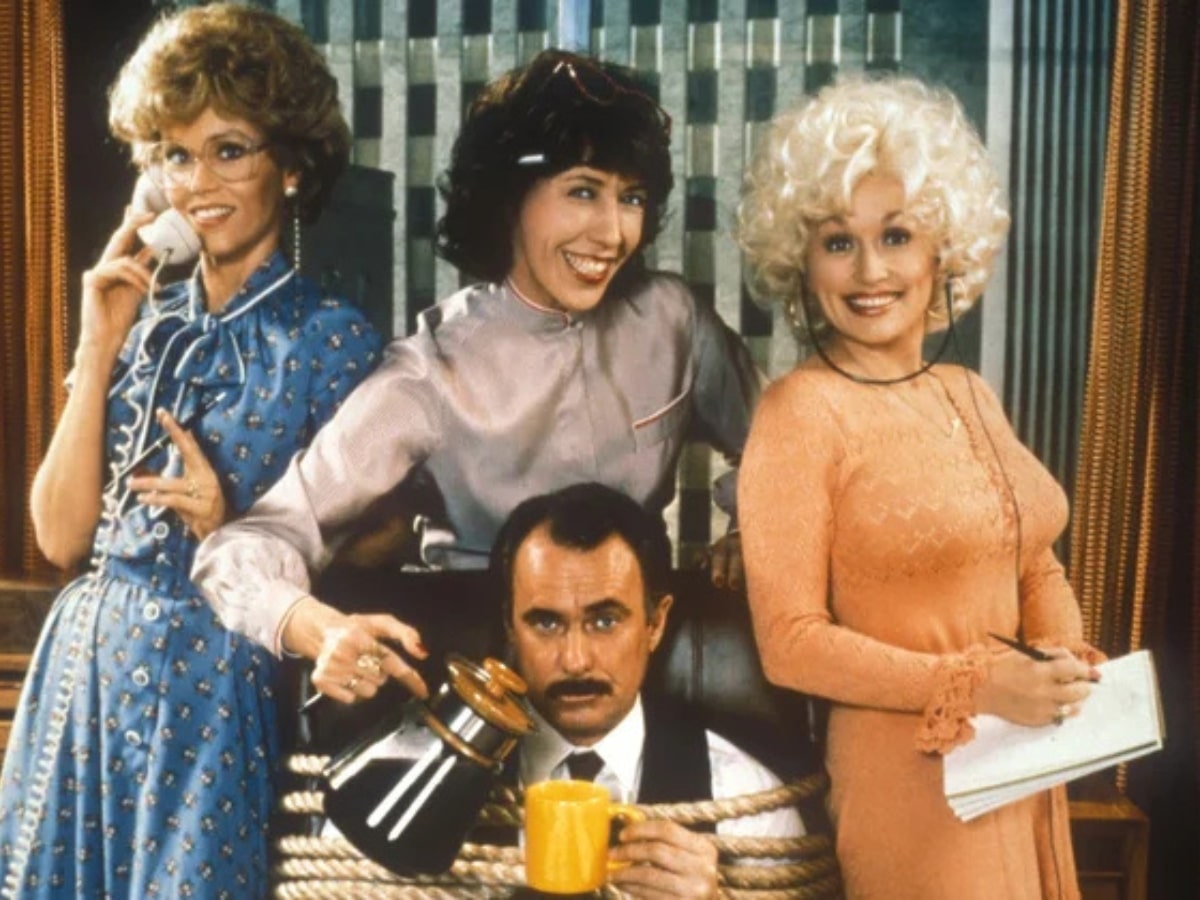
While filming 9 to 5, Parton began developing the title song by tapping her fingernails to mimic a typewriter. She didn’t have a guitar on set, so the rhythm started from the tips of her fingers, and those nails eventually became the percussion on the final recording.
The song topped both the country and pop charts, won Grammys, earned an Academy Award nomination, and became an enduring anthem for working women. And all it took was a manicure.
7. When Her Hometown Burned, She Helped to Rebuild It
When wildfires devastated East Tennessee in 2016, Parton didn’t waste much time figuring out how to help.
Within 48 hours, the Dollywood Foundation had established the My People Fund for families whose homes had been destroyed. Eligible households received USD$1,000 every month for six months, before the final payment was increased to USD$5,000.
By the end, the fund had distributed about USD$8.9 million directly to affected families, with even more money committed to long-term recovery.
8. Dollywood Wasn’t Vanity – It Was an Economic Lifeline
Of course, Dolly Parton had a theme park called Dollywood. But putting her name on the gates wasn’t really the point.
Growing up in the poor end of East Tennessee, Parton had long talked about bringing jobs and tourism back home if she ever became successful. After partnering with the operators of an existing attraction in the 1980s, Dollywood grew into one of the region’s biggest employers and tourist destinations.
Dolly didn’t leave Tennessee behind after she became famous. She found a way to make her success economically useful to the place that produced her.
9. Dolly Donated $1M to Fund Early COVID-19 Vaccine Research
In 2020, Parton donated USD$1 million to Vanderbilt University Medical Center as researchers scrambled to understand COVID-19. Her money helped support critical early research connected to Moderna’s eventual vaccine, including work to determine whether it produced a potentially protective immune response.
No, Dolly Parton didn’t “fund the Moderna vaccine”, as the story is sometimes simplified online. But her money genuinely supported research that mattered to its development and testing. Turns out the woman behind Jolene also has her name attached to COVID vaccine research.
10. Giving Back to the Very End
For her 80th birthday in January 2026, Parton released a new version of Light of a Clear Blue Morning with Miley Cyrus, Reba McEntire, Queen Latifah and Lainey Wilson, with the proceeds going towards paediatric cancer research,
Weeks later, East Tennessee Children’s Hospital announced a new collaboration that would see it renamed the Dolly Parton Children’s Hospital. By then, she’d spent decades giving away books, helping families rebuild, funding research and creating opportunities back home.
I started this article knowing only a handful of Dolly Parton songs. And now I understand why everybody loved her so much.
Rest in Peace, Dolly Parton. Truly one of the best.















Comments
We love hearing from you. or to leave a comment.