

Updated:
Readtime: 4 min
Every product is carefully selected by our editors and experts. If you buy from a link, we may earn a commission. Learn more. For more information on how we test products, click here.
- The government is currently auditing 350 high-risk petrol stations across Australia.
- Official audits reveal 1 in 10 tested fuel pumps short-change customers.
- Inaccurate, under-pouring fuel pumps have essentially doubled in the past decade.
- Dodgy operators face massive fines of $222,000 per offence under strict new rules.
The National Measurement Institute (NMI) is currently undertaking a nationwide audit of fuel pumps, visiting up to 350 retail fuel sites from major brands, independents and new traders.
While that barely covers five per cent of the country’s petrol stations, the NMI is specifically targeting “high-risk” sites with a history of complaints, as well as “new traders” whose equipment might not be properly calibrated.
This latest audit follows a TikTok video by “theaustraliankanga” that sparked public outrage. The video shared shows the social media user being charged for over 30 litres of fuel to fill a standard 20-litre jerry can. Subsequent tests doubled down, showing that the person purchased 10 litres at the bowser, but only 7.2 litres were actually delivered. “That’s not f-ing 10 litres… They ripped me off,” said the person in the video. However, this is merely the tip of the iceberg when it comes to customer rip-offs.
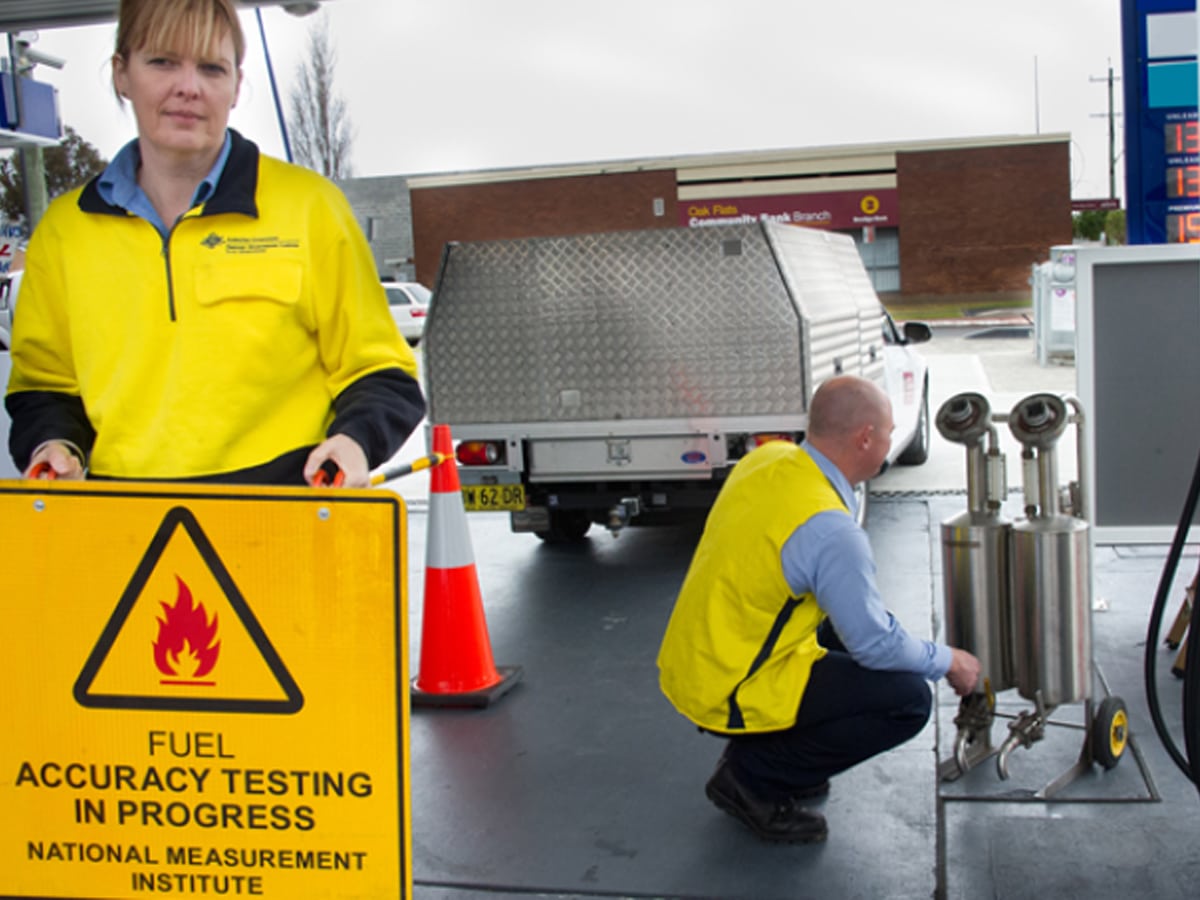
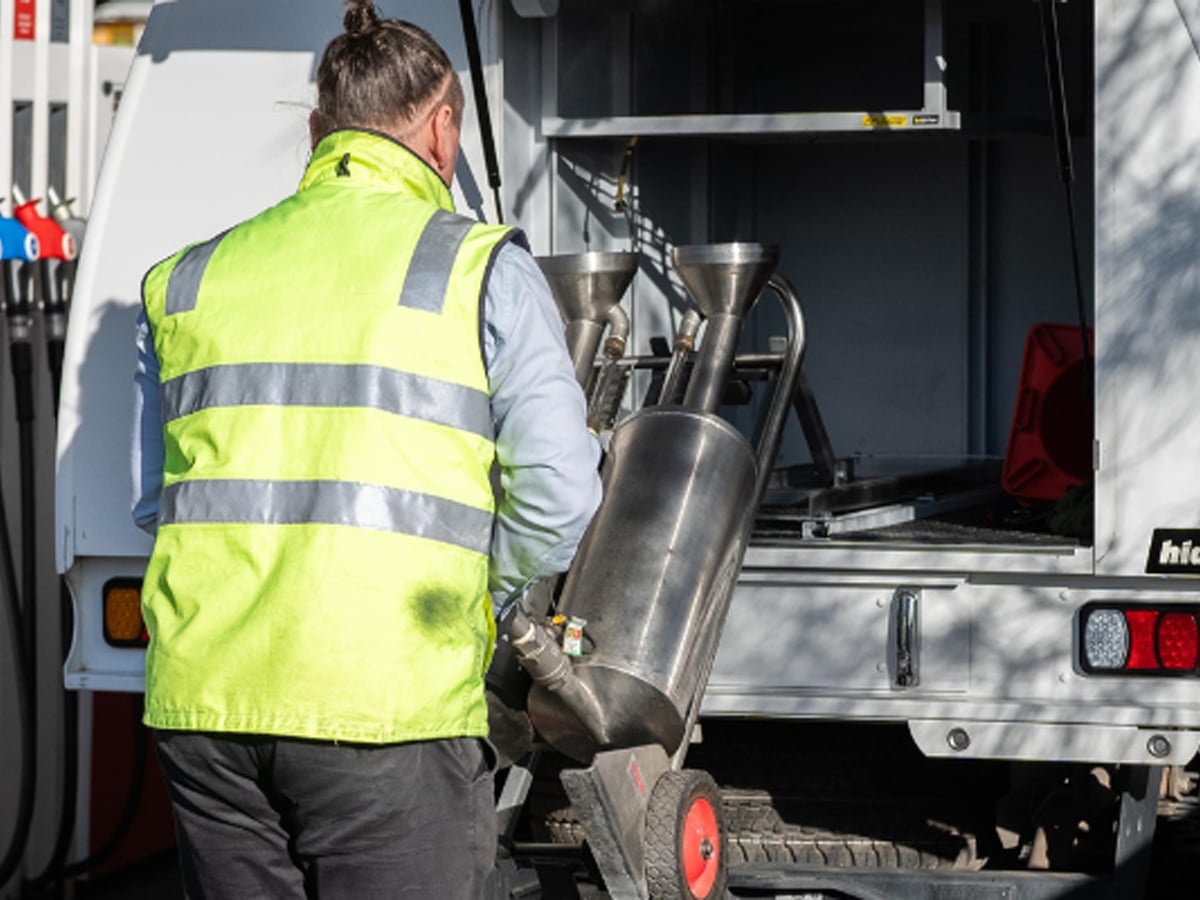
The NMI has been auditing petrol stations for years, ensuring the Maximum Permissible Error (MPE) for petrol and diesel retail dispensers is plus or minus 0.3 per cent of the volume delivered. That means for every 100 litres of fuel dispensed, the pump is allowed a margin of error of 0.3 litres (300 mL) either over or under, with the NMI requiring calibration to be as close to zero as possible.
It has previously been found that problems in the fuel audit programs are “small or technical mistakes.” However, the percentage of breaches has increased since a 2018 audit revealed that 7 per cent of the 328 fuel pumps tested were inaccurate, and 1 in 20 were delivering less than indicated on the display.
NMI fuel audits conducted in the last five years have revealed that 1 in 10 petrol stations were in genuine breach of the rules. “Over the past 5 years, inspectors have responded to consumer complaints by conducting more than 1,800 audits. Of these, just 9.7% were genuine breaches. This reinforces the value of targeted inspections and ongoing engagement with industry,” reads a statement from the NMI, announcing the latest audit.
Despite it being framed as such, 1 in 10 is not a small number. The fact that the number of inaccurate pumps has essentially doubled in less than a decade presents a serious issue that the NMI must address.
Acting CEO of the NMI at the time, Bill Loizides, said the NMI was paying attention to non-compliance with fuel pumps due to a worrying trend identified in its compliance data for 2017-18.
“The proportion of fuel pumps found to be inaccurate to consumer disadvantage doubled over a two-year period, from 2.4 per cent of inspected pumps in 2015-16 to 4.8 per cent in 2017-18,” said Mr Loizides. “While we accept that the great majority of fuel retailers are doing the right thing, the one-in-20 pumps found during the audit to be under-pouring is an unacceptable level of non-compliance, especially when we provided plenty of warning that our inspectors would be on the lookout.”
Today, that “unacceptable” number has doubled yet again. Retailers were fined a total of $15,750 for the 2018 breaches, but will face tougher fines in 2026. If an inspector catches a retail fuel site giving customers less fuel than they paid for, fines of up to $222,000 can be imposed for each offence.
If you suspect your local servo is short-pouring, don’t just argue with the cashier, report it to the NMI on 1300 686 664 or email [email protected].
























Comments
We love hearing from you. or to leave a comment.