


Updated:
Readtime: 6 min
Every product is carefully selected by our editors and experts. If you buy from a link, we may earn a commission. Learn more. For more information on how we test products, click here.
- The Audi Nuvolari is the brand’s most powerful production vehicle ever.
- 10,000-rpm V8 and three electric motors deliver massive hybrid output.
- Formula 1 technology dictates the active aerodynamics and advanced thermal management.
- Next-generation predictive all-wheel drive anticipates and corrects grip loss instantly.
- Global production is strictly capped at 499 units, ensuring extreme exclusivity.
Modern supercars face a complex challenge as manufacturers balance high-performance targets with strict global emissions regulations. Traditional, unassisted combustion engines face gradual regulatory obsolescence, while total electrification has yet to fully win over enthusiasts, and that’s especially true in the supercar segment. To navigate this landscape, manufacturers today, from Ferrari to Lamborghini and Bentley, almost entirely rely on high-output plug-in hybrid architecture to preserve the engagement of internal combustion while meeting legislative mandates.
Unveiled today, the Audi Nuvolari is the latest expression of this approach and is officially the fastest and most powerful production vehicle in the brand’s history. Named after the legendary Italian racing driver Tazio Nuvolari, the supercar boasts a combined system output of 1,001 HP (736 kW). This comes courtesy of a mid-mounted 4.0-litre biturbo V8 engine paired with a 7.3 kWh lithium-ion battery and three axial-flux electric motors, each producing 110 kW. Shared with the Lamborghini Temerario, the internal combustion engine spins to a superbike-challenging 10,000 rpm.
Having spent time behind the wheel of the Temerario recently, it’s unlikely that an even more powerful version of this hybridised powertrain will compromise the direct connection between driver and tarmac. Let’s take a closer look at the new Audi Nuvolari.
| Specification | Details |
| Engine / Battery | 4.0-liter V8 biturbo / 7.3 kWh lithium-ion battery |
| Electric Motors | Three 110 kW axial flux electric motors |
| Power Output | 736 kW (1,001 PS) combined / 730 Nm engine torque |
| Suspension | quattro predictive ride |
| 0-100 km/h | 2.6 seconds (requires SoC >80% and battery temp >28°C) |
| 0-200 km/h | 6.8 seconds |
| Starting Price | Price on application (Limited to 499 units globally) |
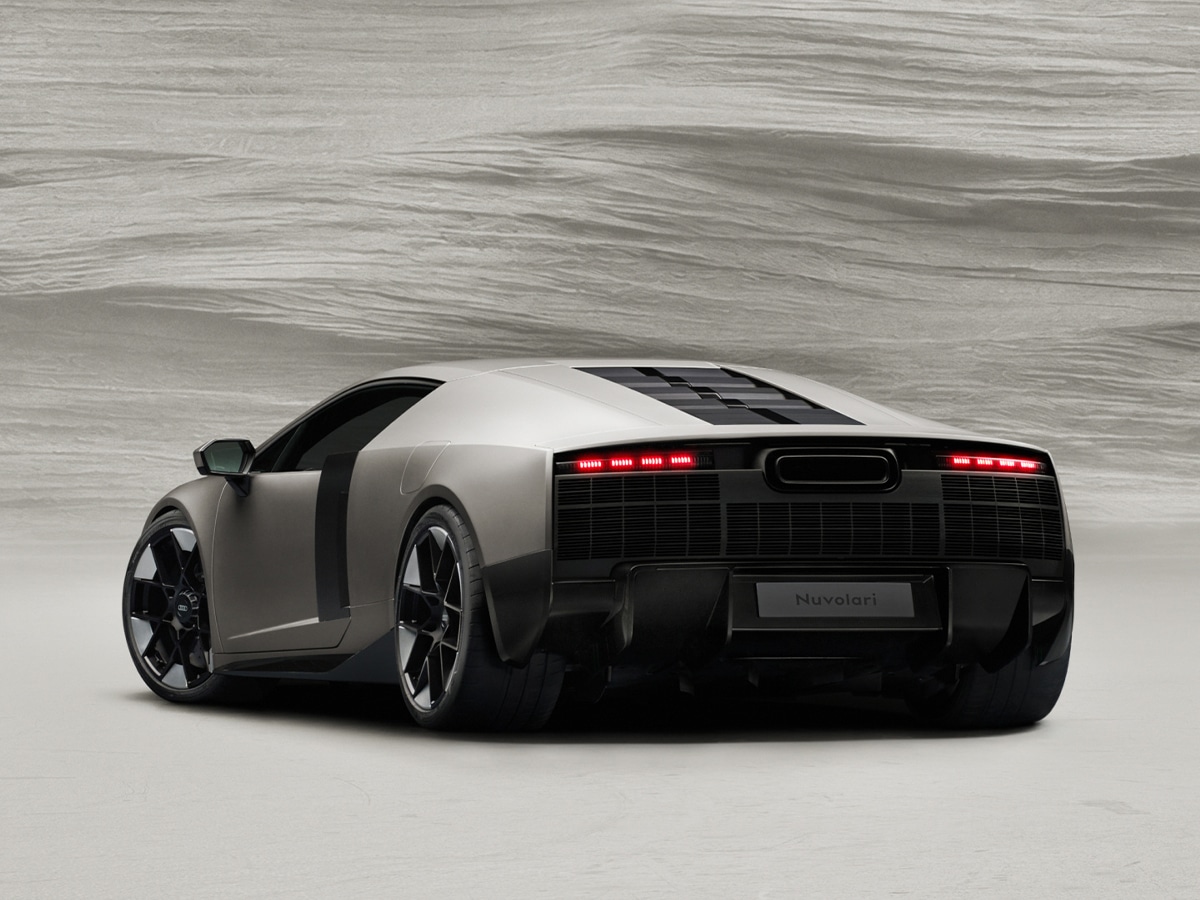
Proactive Dynamics and the Next Generation of quattro
Beyond the clever traction control system, there’s a new control architecture named Quattro Predictive Ride. The module continuously evaluates sensor variables, such as steering input, lateral acceleration, and yaw rate, to build a real-time model of road grip.
If the software calculates an impending loss of traction during aggressive cornering, it redistributes torque longitudinally and laterally before physical slip occurs. Two oil-cooled electric motors located on the front axle produce up to 2,150 Nm of torque to manage variable torque vectoring. This lets the chassis maintain directional stability on unpredictable surfaces, while the driver can adjust chassis behaviour via rotary steering wheel controls.
Drivers can cycle through E-Hybrid, Balanced, Dynamic, and Dynamic+ modes. For ultimate control, Track Mode offers highly granular traction settings ranging from Wet to Dry, and Race to TC Off. To maximise straight-line speed, an F1-derived Launch Control function strategically deploys stored battery energy for relentless off-the-line acceleration.
Two oil-cooled electric motors located on the front axle produce up to 2,150 Nm of torque to manage variable torque vectoring. This lets the chassis maintain directional stability on unpredictable surfaces, while the driver can adjust chassis behaviour via rotary steering wheel controls featuring modes ranging from E-Hybrid to Track Mode.
Of course, slowing a supercar from a top speed exceeding 350 km/h requires an extreme approach to thermal management. The Audi Ceramic Pro braking system features a motorsport-derived brake-by-wire configuration that functionally decouples the pedal from the wheels. This design delivers a highly consistent pedal feel regardless of whether the vehicle is slowing via friction or regenerating energy.
Up front, 10-piston fixed calipers work with 420 x 40 mm brake discs, while at the rear, four-piston calipers are paired with 410 x 32 mm discs. This combination delivers balanced braking performance with high thermal stability and precise pedal feedback across the entire speed range. Crucially, engineers incorporated a specially designed internal cooling system for the brake discs that radically improves airflow. This specialised layout increases thermal heat dissipation by up to 21 per cent compared with conventional carbon-ceramic systems.
The system can tolerate massive deceleration loads on par with a current Formula 1 car, blending up to 0.3 g of purely electric deceleration before activating the hydraulic pads.
Aerodynamic Performance and Carbon Architecture
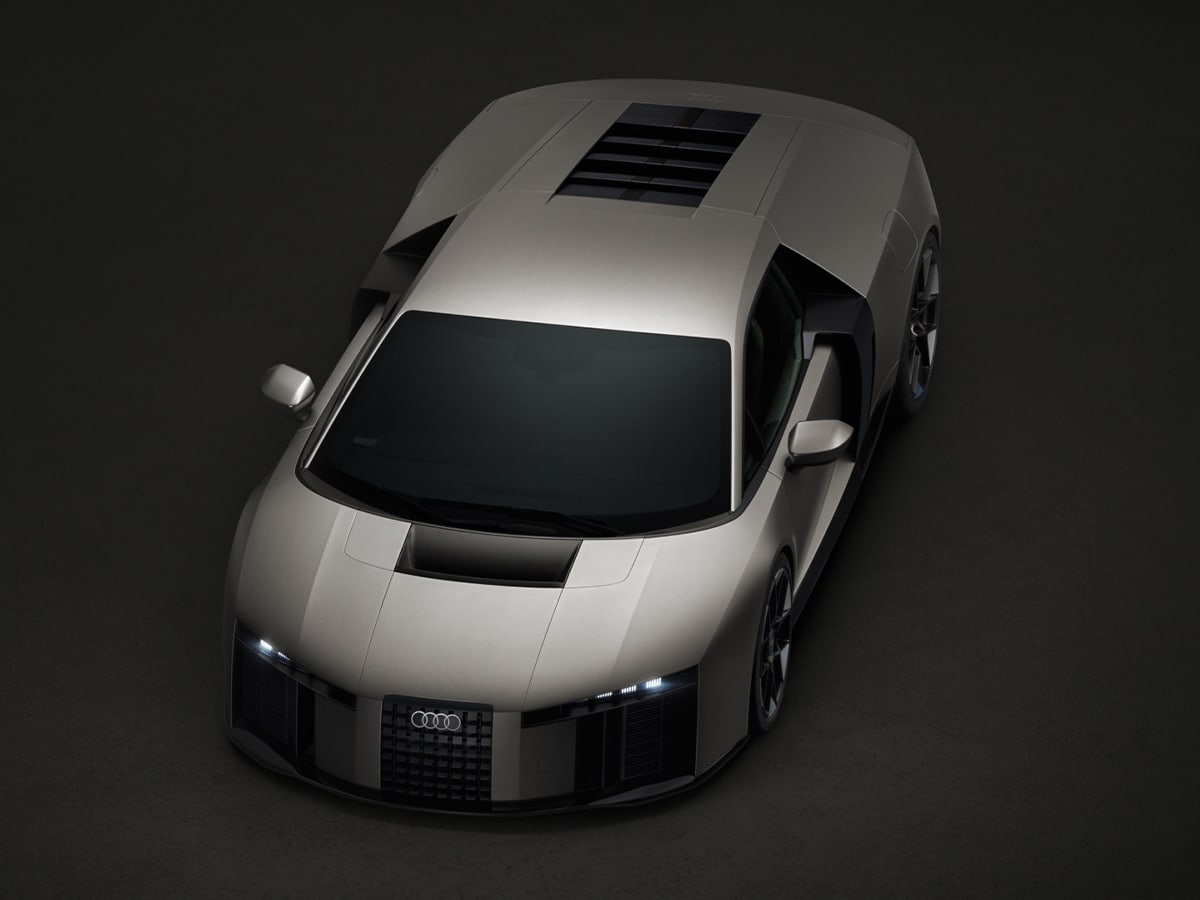
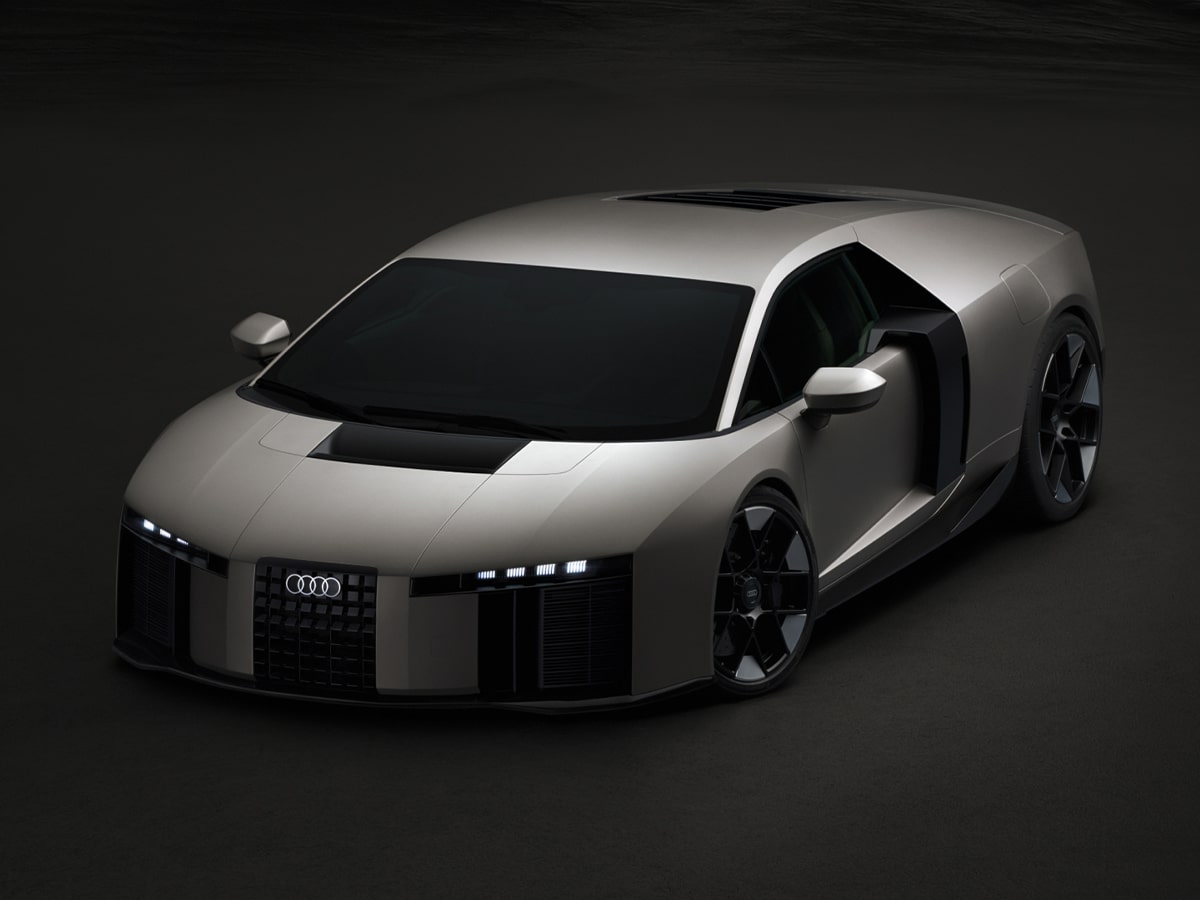
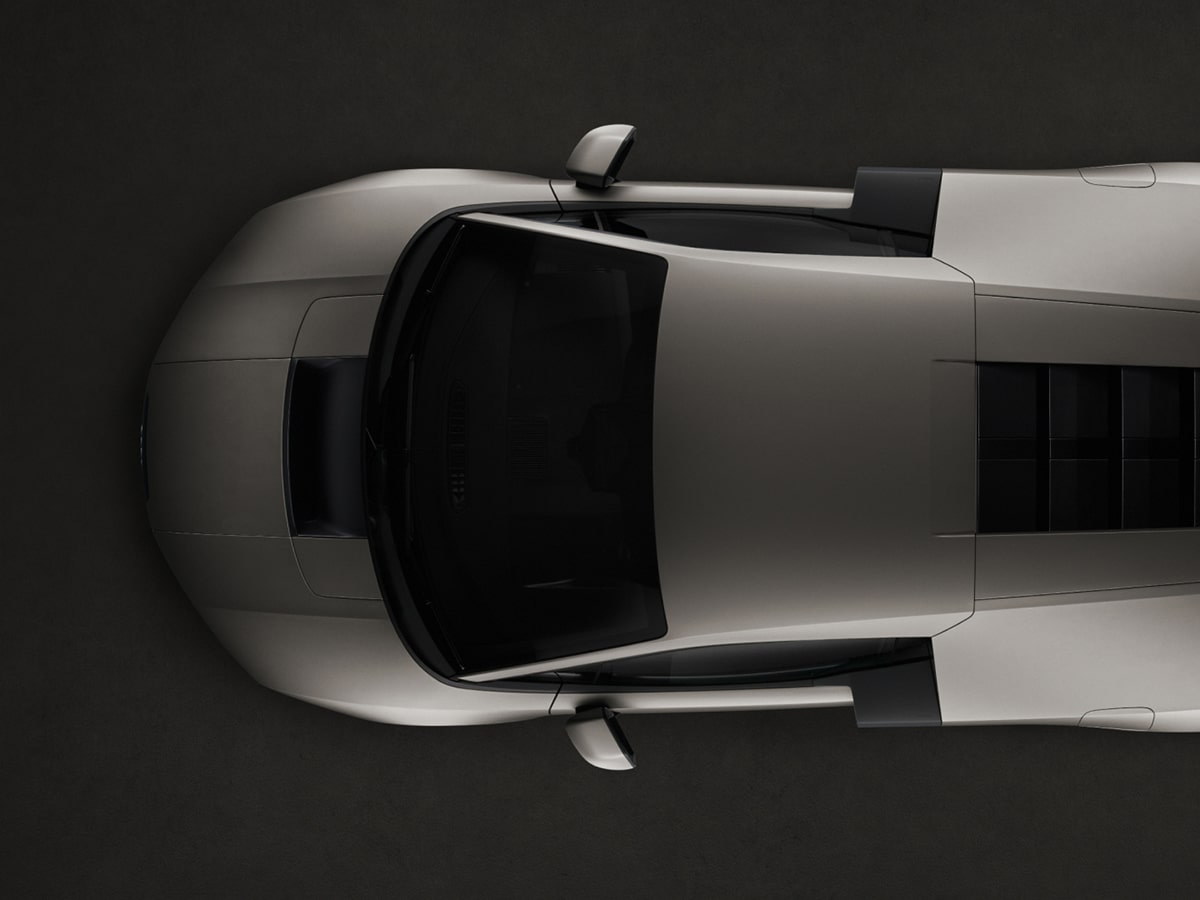
We think it looks pretty good, but it’s clear that the exterior styling is a functional relationship between cooling requirements and airflow. Large front intakes route clean air into the cooling loops for the biturbo engine and electrical components, while air at the front passes through a prominent front S-duct layout to clear the front axle, creating downforce and minimising aerodynamic lift at high speeds, not unlike the new Ferrari 296 Speciale.
The side profile emphasises the traditional proportions of a mid-engine layout, finished in a signature Titanium paint finish borrowed from the grand prix vehicle. Body panels rely on lightweight prepreg autoclave carbon fibre technology to maximise structural rigidity while minimising physical bulk.
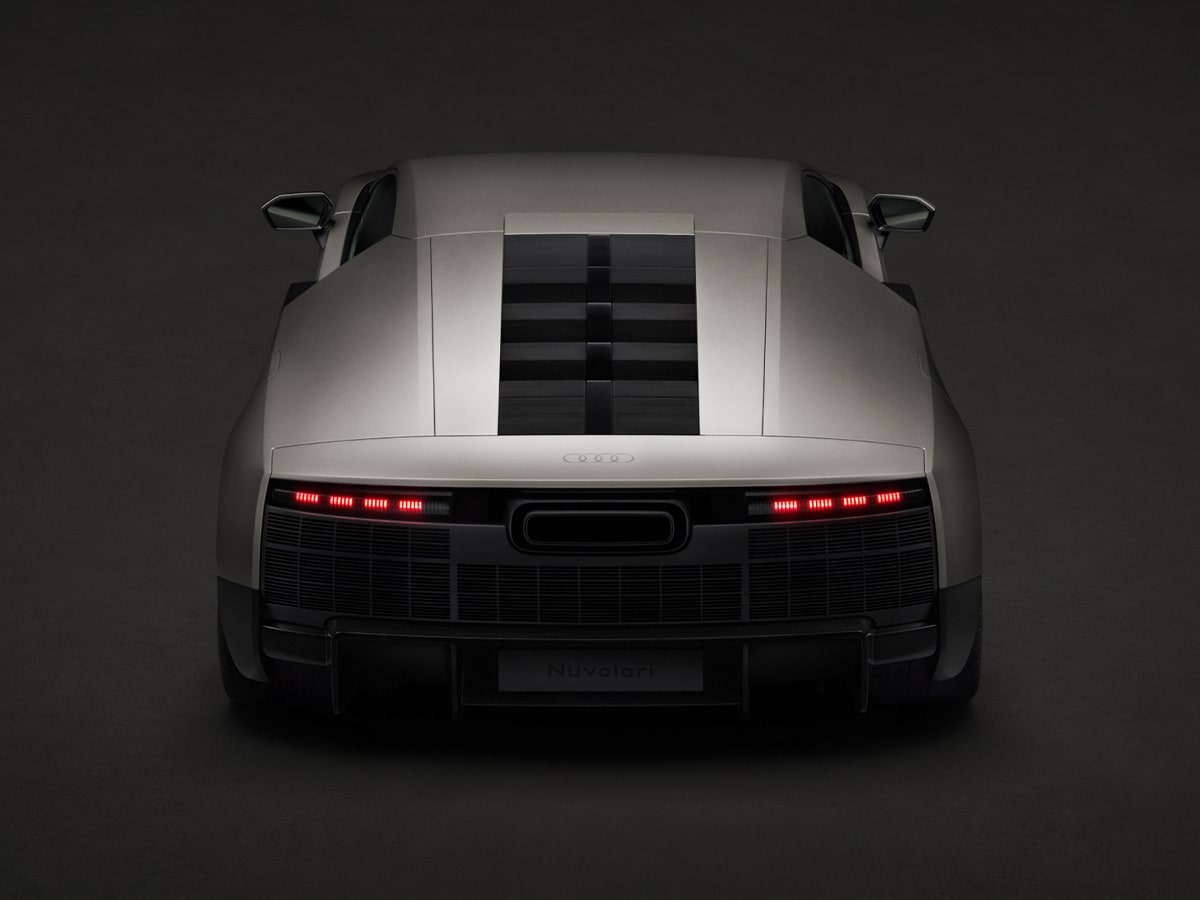
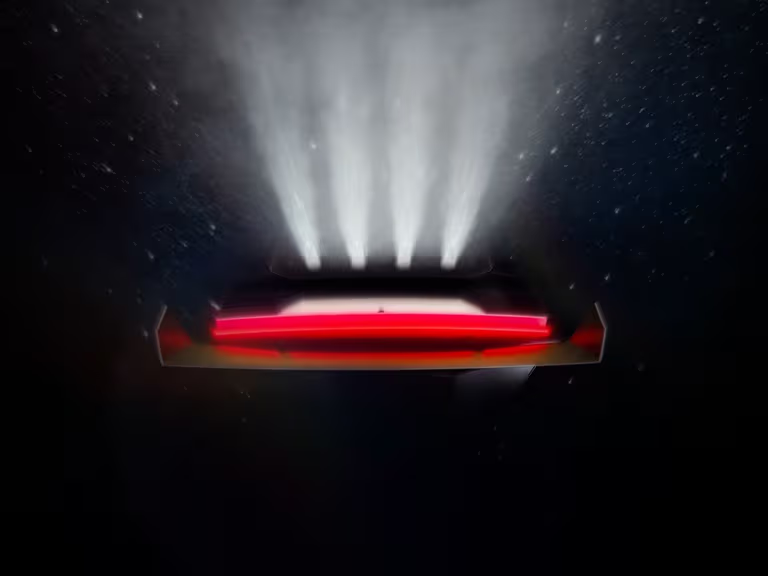
Maybe the most distinctive aerodynamic component is the deployable rear wing that can be positioned in three distinct states. When in the closed position, the element sits flush with the rear bodywork to achieve low aerodynamic drag. When driving in performance-oriented configurations, the wing automatically balances downforce. The driver can override the system via a steering wheel button to engage a manual Drag Reduction System (DRS), lowering the wing profile to maximise straight-line velocity, then adjust back to a high-downforce setting that generates over 400 kg of total downforce.
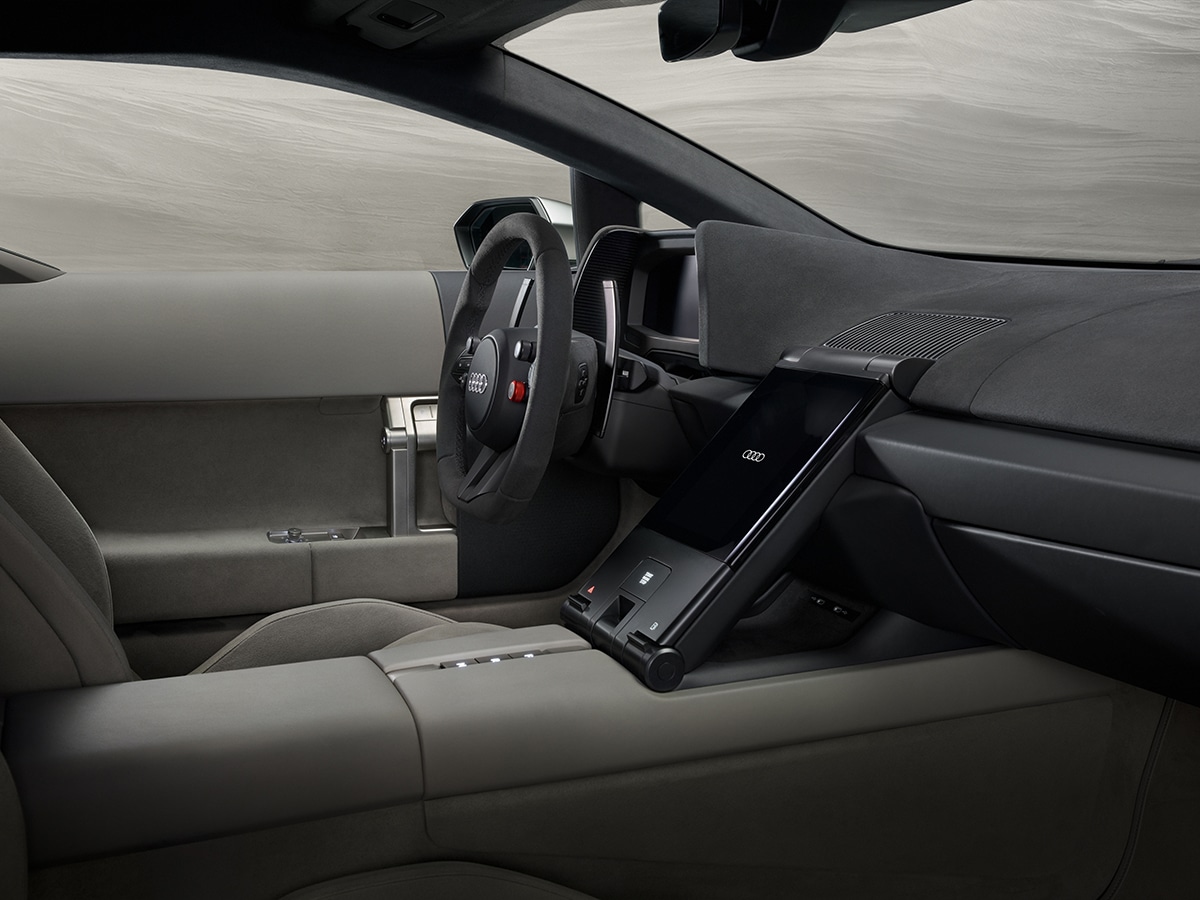
Driver-Centric Cockpit and Heritage UI
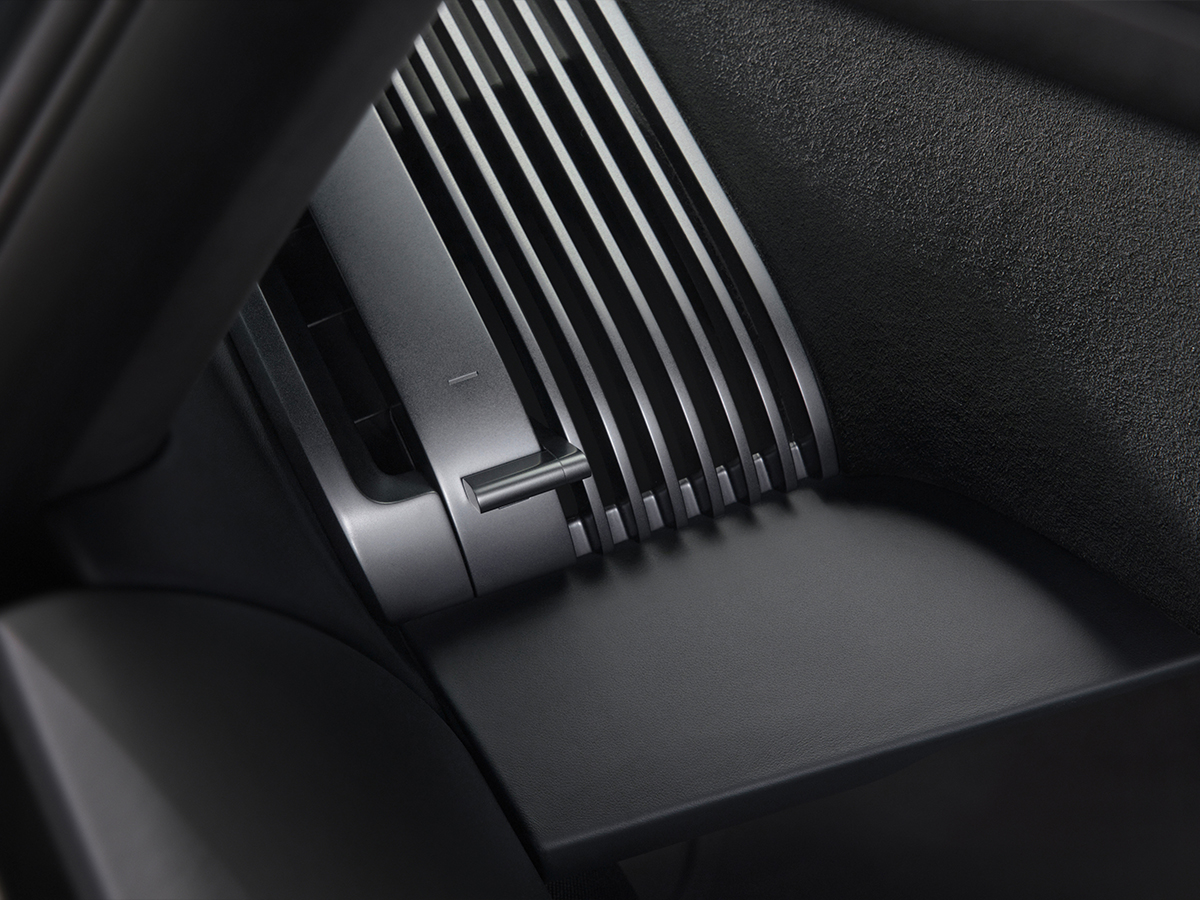
When we look inside, the Nuvolari is clearly focused on the act of driving. The cabin introduces a unique two-zone colour scheme: the front section is finished in a deep, dark tone specifically designed to support driver concentration, sharply contrasting with a lighter “Shadow Dune” rear section.
Drivers are held in place by lightweight seats featuring a carbon fibre structure in the base and backrest to reduce weight and increase lateral support. Digital displays and the human-machine interface (HMI) follow a minimalist logic, keeping important information front and centre.
Look closely at the digital UI, and you’ll spot colour accents that pay homage to the legendary Auto Union Type C race car, which is a subtle nod to the motorsport era of the 1930s.
Price and Availability
Global deliveries of the production vehicle are scheduled to commence in the first half of 2027, with the total production run capped at 499 units worldwide.
Specific allocations, local pricing structures, and exact delivery windows for the Australian market have not been finalised. Given the limited production status and extensive manual carbon fibre layup, local buyers can expect a premium price well above previous performance benchmarks, and even that above the AUD$613,885 before on-road Lamborghini Temerario.
The arrival of a highly complex hybrid platform demonstrates the ongoing transformation of the premium performance market. Manufacturers can no longer rely on unassisted internal combustion to deliver top-tier performance data, making sophisticated digital management the new standard for speed.



















Comments
We love hearing from you. or to leave a comment.