


Updated:
Readtime: 12 min
Every product is carefully selected by our editors and experts. If you buy from a link, we may earn a commission. Learn more. For more information on how we test products, click here.
It feels like years ago, because it was. We had to look back and check our notes to see when the Ferrari F80 and McLaren W1 were released, and to our surprise, nearly two years have passed since their October 2024 reveal. It was the moment the hypercar world got tipped completely on its head again, but without Porsche in attendance, it feels like the holy trinity has lost its pragmatic, and slightly autistic German brother.
McLaren tore the covers off the W1 first when they revealed their highly anticipated successor to the P1, impressing the internet with its 1,258 HP rear-wheel-drive powertrain. Then, barely a week later, Ferrari returned the favour by unveiling the F80. But Maranello’s latest flagship was not without a touch of controversy (not to Luce levels) as they ditched the V12 entirely in favour of a complex, all-wheel-drive, multi-motor hybrid V6 setup. Just like that, the battle was ready to be fought between two old friends with unadulterated rear-wheel-drive power versus a highly advanced, digital computer game.
If we fast forward to today, the first-drive reviews are finally hitting the internet. Normally, you’d find the Man of Many team at a global launch like this, and we’re no strangers to pushing serious machinery, but McLaren kept the W1’s track launch at Mugello incredibly tight, specifically giving priority to a handful of international journalists who had already driven the Ferrari F80 during its own international first drive at the Misano World Circuit Marco Simoncelli in Misano, Italy. Scoring an invite to that is a tall order, so we’re doing the next best thing by combing through the dispatches from trusted, veteran journalists who spent the day sweating behind the wheel.
Where On Earth is Porsche?
Before we get into the comparisons between McLaren and Ferrari, we have to talk about the elephant in the room.
If you remember Chris Harris’s iconic Top Gear film, then you’ll recall the original ‘Holy Trinity’ era, and the legendary track showdown between the McLaren P1, the Ferrari LaFerrari, and the Porsche 918 Spyder. More than a decade later, McLaren and Ferrari have laid their cards on the table, but we still don’t officially know what Porsche is doing to answer.
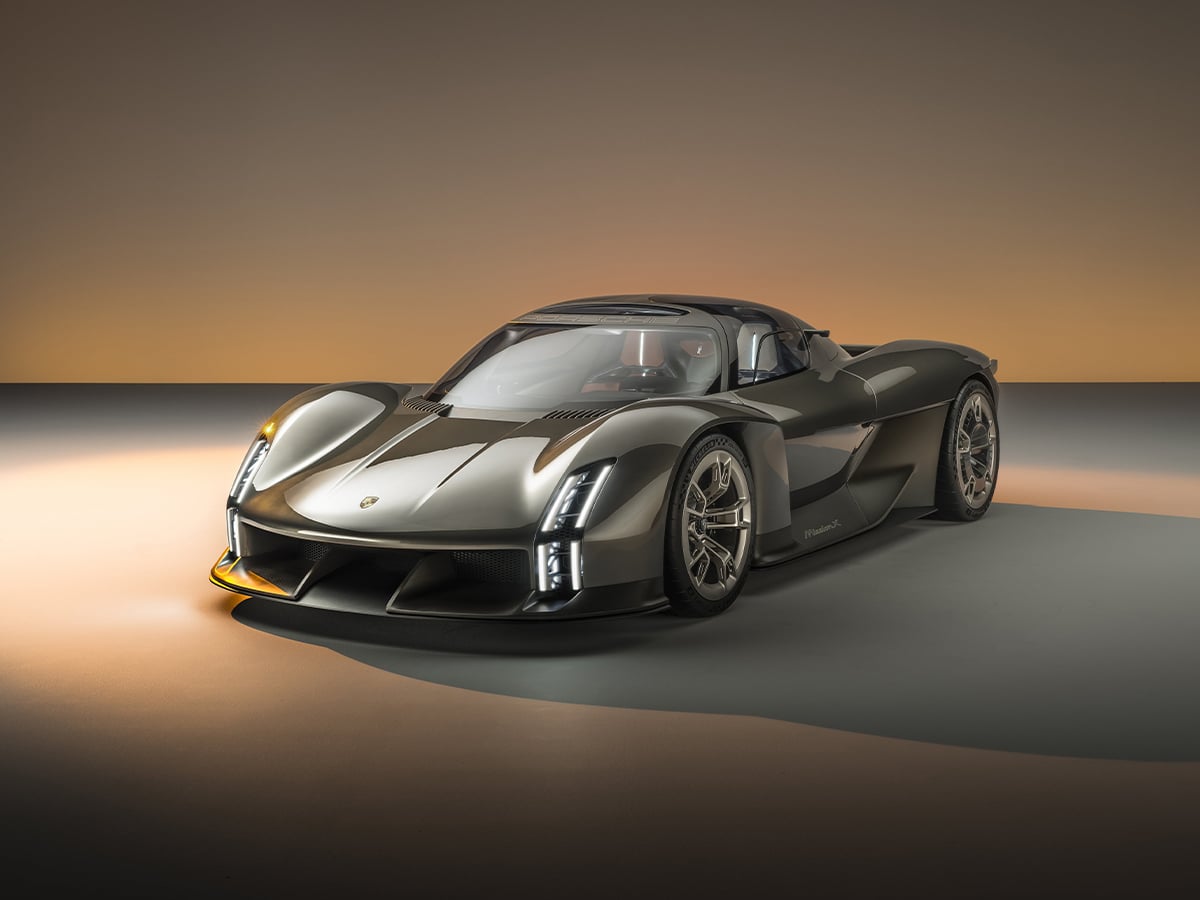
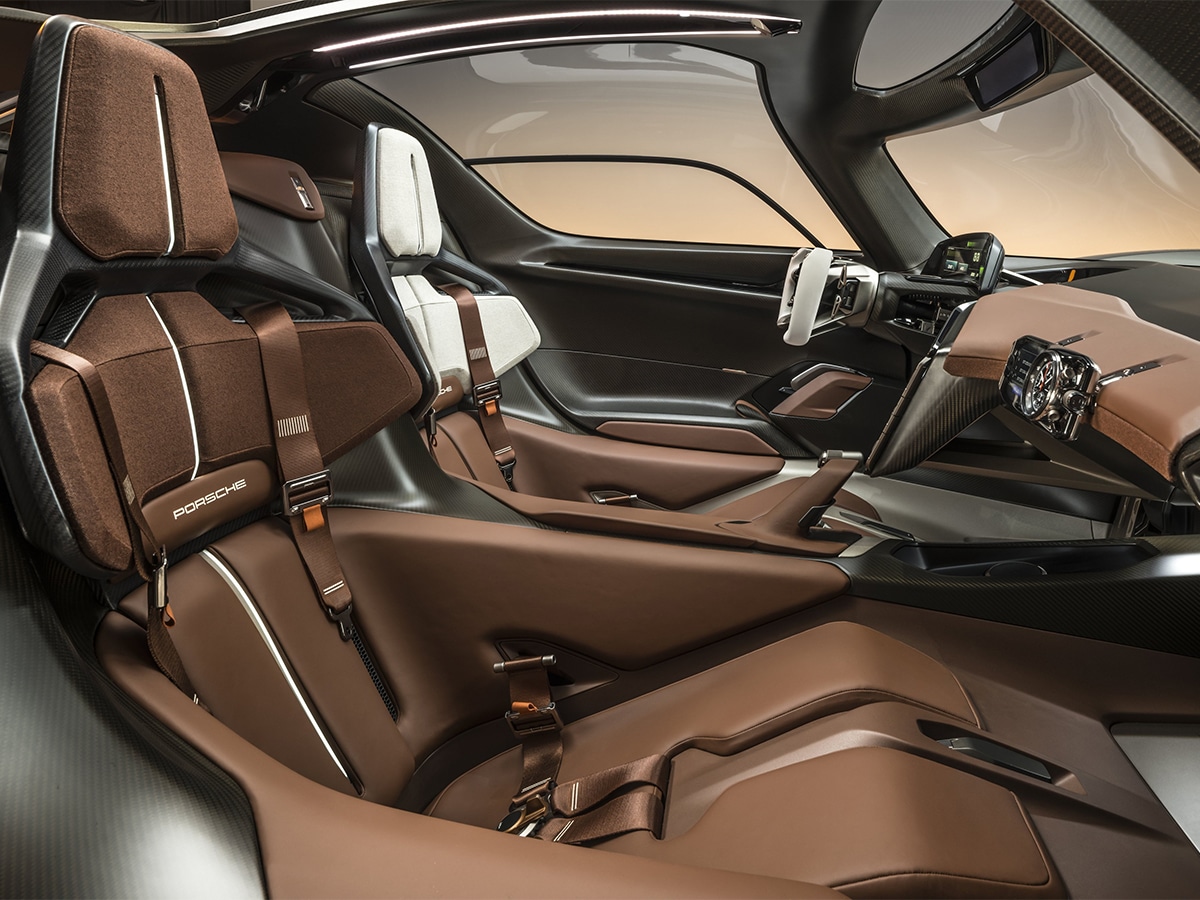
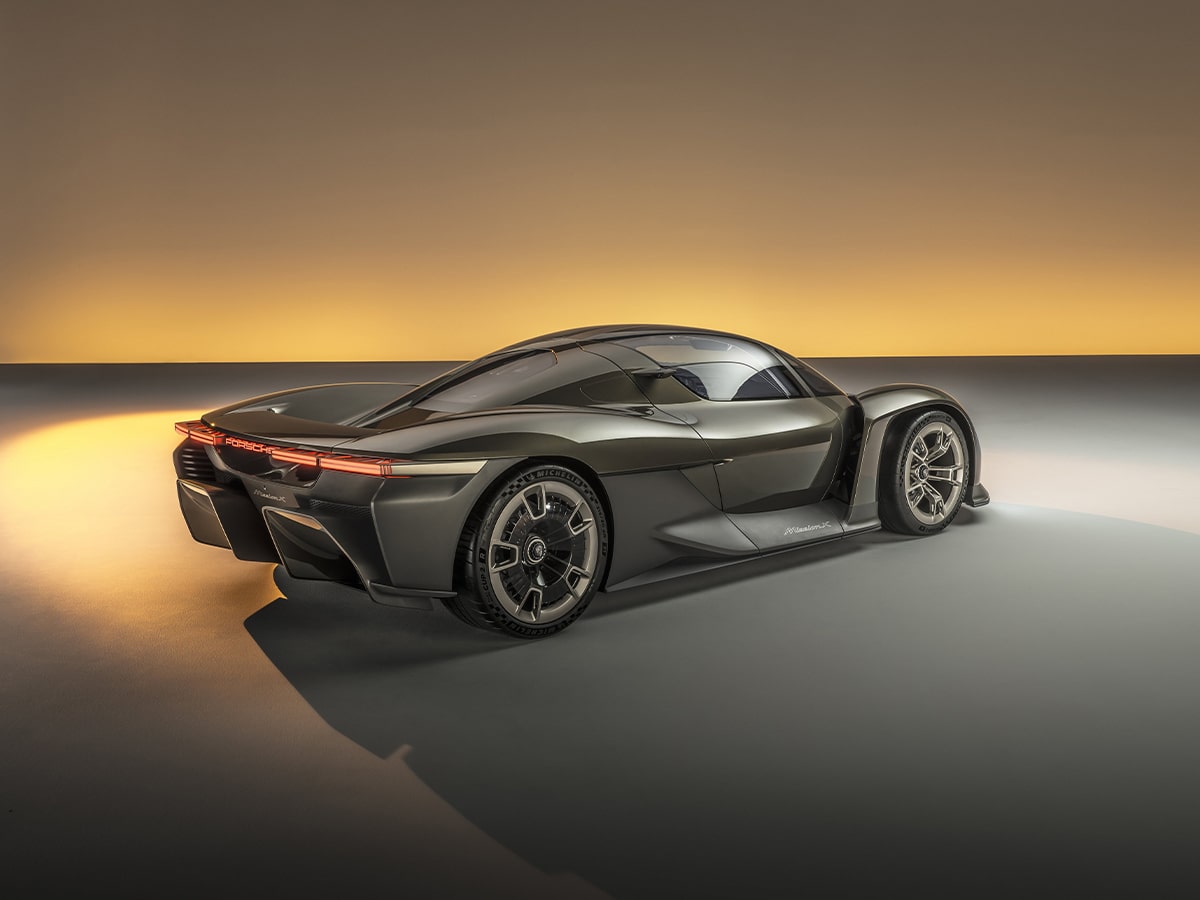
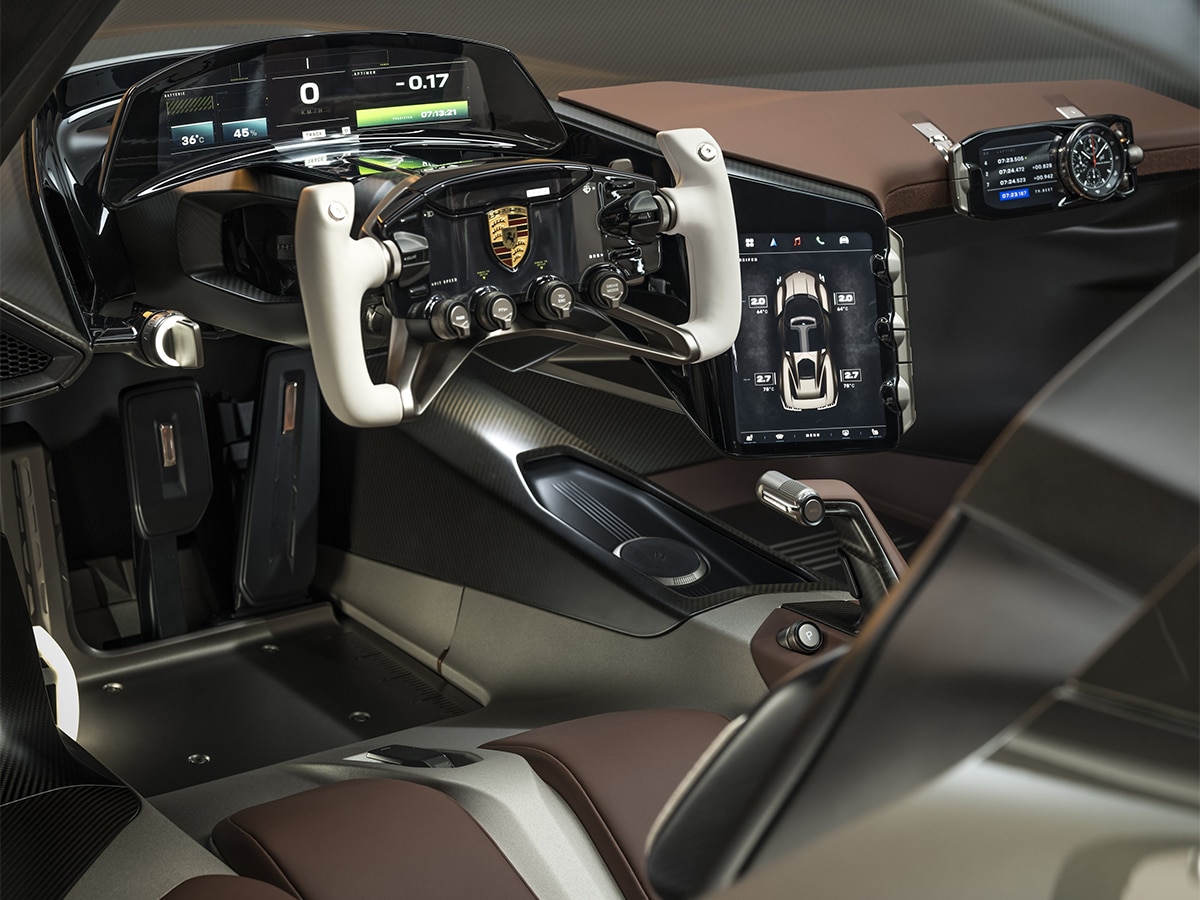
Zuffenhausen gave us a huge tease with the all-electric Mission X concept, which promised a 1:1 power-to-weight ratio and some strange Le Mans-style doors. But with Porsche recently backing away from its strict EV targets, rumours are flying that the production version might undergo a major powertrain rethink before it ever hits showrooms. Until Porsche steps up, this hypercar war is a two-horse race.
Price and Exclusivity
We want to make this as clear as possible because price matters not when you’re talking about the flagship products from either brand. Some buyers will simply purchase both (others will buy what appeals to them), but the floor price doesn’t matter to anyone who is putting one in their garage. They’re more concerned with the colour of the leather on the seats.
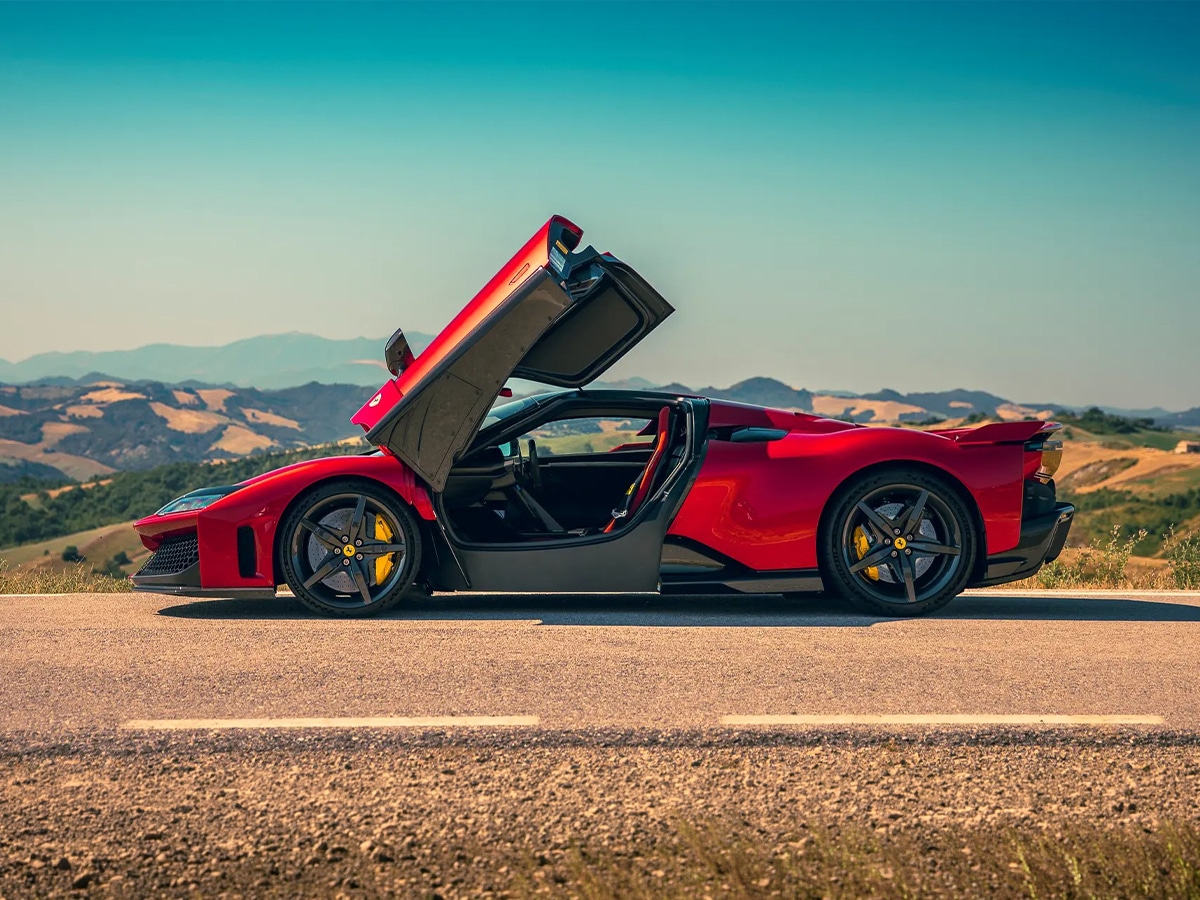
The McLaren W1 kicks off at roughly USD$2.1 million (approx. AUD$4 million) before you even look at the options list. Production is strictly capped at 399 units worldwide, and to absolutely no one’s surprise, every single build slot was spoken for long before the car was publicly revealed. Meanwhile, the Ferrari F80 makes the McLaren look like a bit of a bargain with a starting price of USD$3.73 million (approx. AUD$5.8 million).
Despite being nearly double the price of the McLaren, Ferrari is actually building twice as many units, with a production run of 799 units, all of which were sold out before the car was even released.
Powertrain and Hybrid Technology
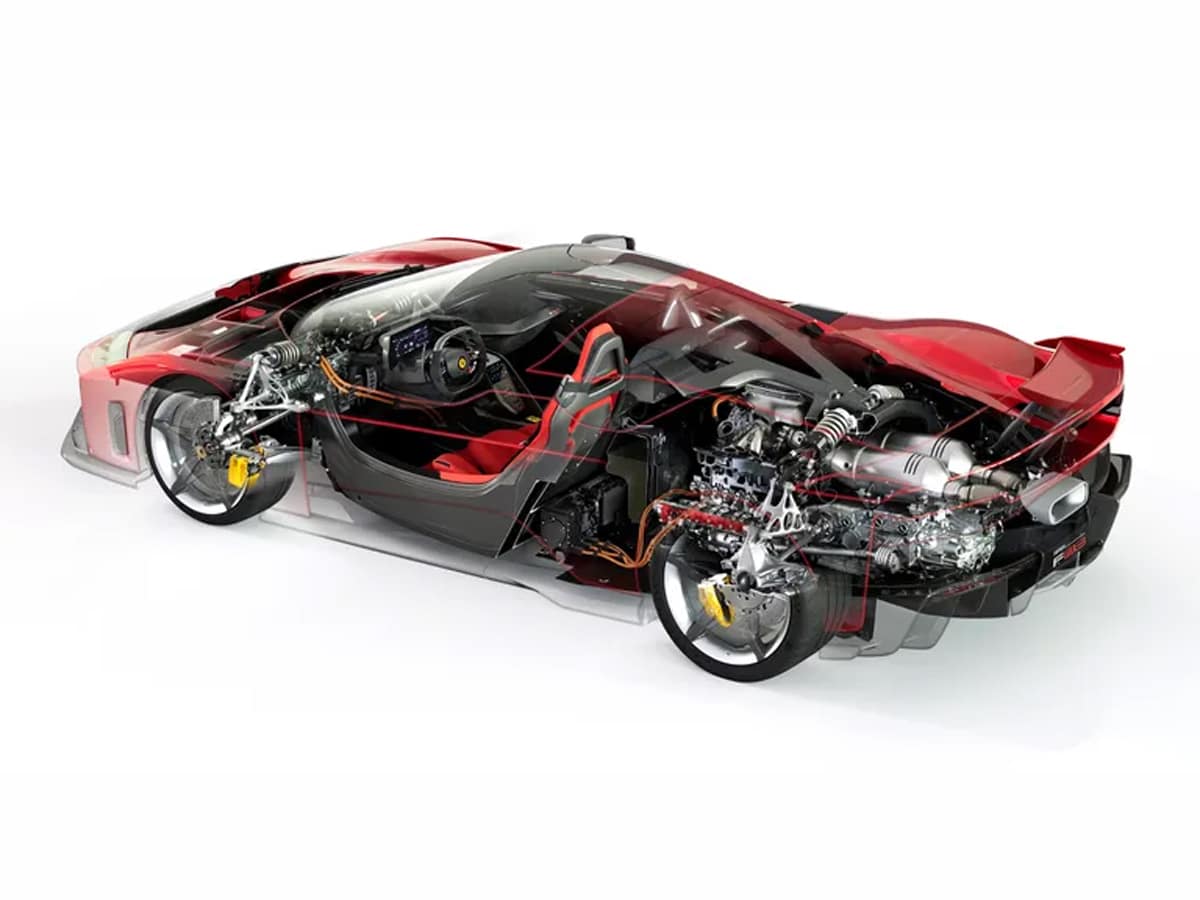
While it’s easy to compare on paper, the powertrain setups highlight a stark ideological split between the two brands. The Ferrari F80 uses a Le Mans-derived 1,184 HP twin-turbo V6 coupled with three electric motors. Top Gear’s Jack Rix pointed out in his review that the F80 drives like an incredibly sharp “surgical tool.” It relies on a heavy digital brain that pre-maps a circuit after just one lap, determining exactly where to deploy electric torque vectoring on the front wheels. Rix even admitted that the sheer speed of the hybrid V6 setup meant he never actually missed an old-school Ferrari V12.
To add some critical counter-perspective to Rix’s praise, Evo’s first drive of the Ferrari F80 argued that while the speed is undeniable, the complex twin-turbo V6 configuration struggles to live up to the aural theatre of past multi-cylinder hypercars., noting: “I don’t believe anyone will recall the song that the F80 sings the same way they might if they heard, say, an F50 bouncing off the rev limiter… It’s relatively quiet, low but not impactfully so, and simply not that remarkable.” This sharp contrast in opinion raises the question of whether chasing absolute lap times is worth “losing some emotion in its newest flagship.”
| McLaren W1 Specification | Ferrari F80 Specification | |
| Engine | 4.0-litre Twin-Turbo Flat-Plane V8 | 3.0-litre Twin-Turbo 120° V6 |
| Hybrid Configuration | Single Radial Flux E-Motor (Rear Axle) | Dual Front E-Axle + Rear MGU-K & MGU-H |
| Drivetrain Layout | Mid-Engine, Rear-Wheel-Drive (RWD) | Mid-Engine, Torque-Vectoring AWD |
| Peak Power Output | 1,258 HP (1,275 PS) | 1,184 HP (1,200 PS) |
| 0–62 mph (0–100 km/h) | 2.7 seconds | 2.15 seconds |
| Steering System | Hydraulic | Speed-Sensitive Electronic |
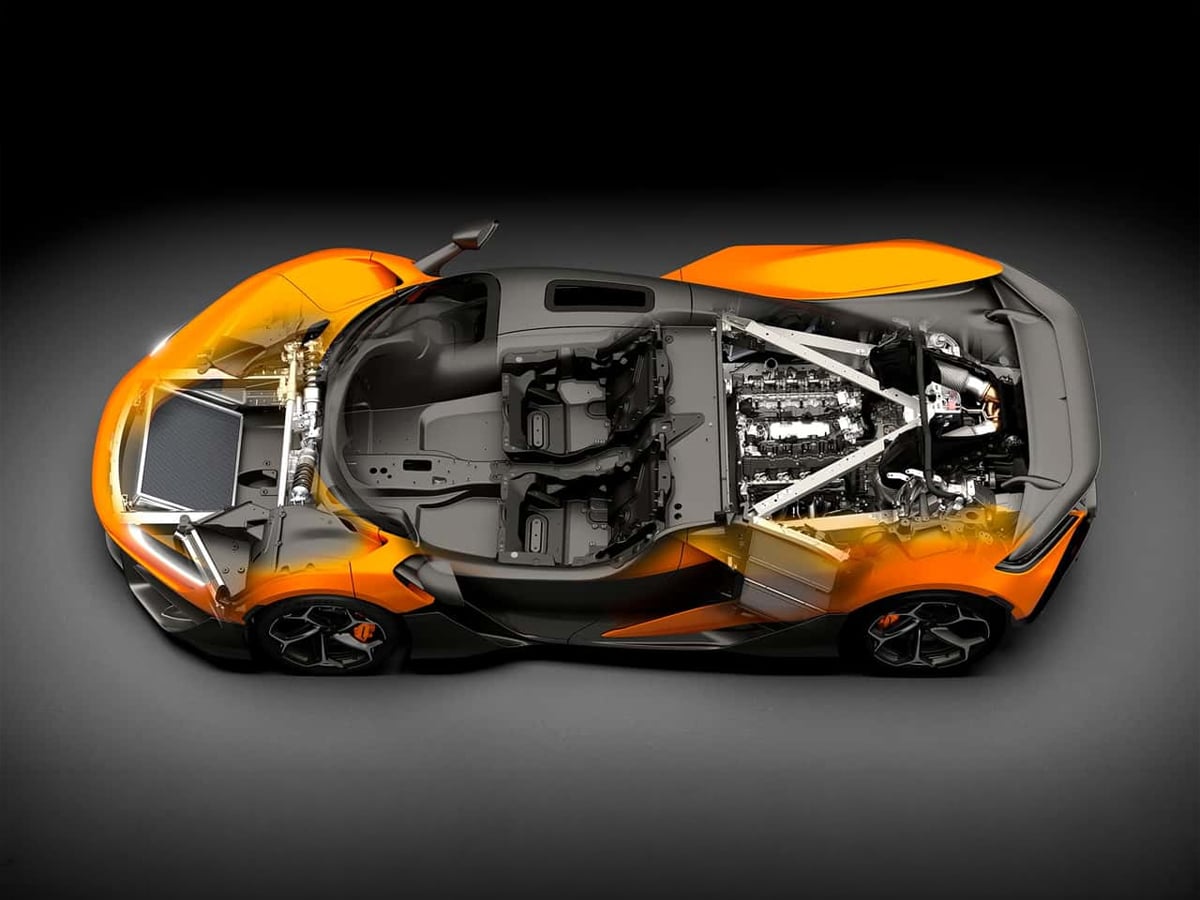
Meanwhile, the McLaren took one look at that complex, heavy all-wheel-drive approach and went in the complete opposite direction. Writing for Road & Track, Mike Austin explained how McLaren’s engineers left the front axle completely unpowered to save weight and keep the driving experience pure.
On paper, it works, and we’ll explain more about how it works in practice in a moment. The W1 tips the scales at 1,399 kg dry (vs. the 1,525 kg Ferrari F80). Best of all, leaving the front wheels alone meant McLaren could stick with a traditional, unassisted hydraulic steering rack, which they’ve prided themselves on for decades.
Dumping 1,258hp purely through the rear tyres sounds like a recipe for disaster, but critics universally praised how manageable the car is. Jason Barlow from Top Gear noted:
“It would be a little reductive to think of it as a 750S with twice the power, but it takes everything we love about that car and just dials it up,” said Barlow. “By rights, 1,258bhp through the rear wheels should be unmanageable, but instead the W1 is a paragon of feel, feedback and traction. It’s battling physics and the tyres are surely the limiting factor in a rear-drive car with this sort of firepower, but everything feels… pure.”
That progressive power delivery is all thanks to the way the new flat-plane-crank V8 interacts with the electric motor inside the transmission. Henry Catchpole from Hagerty explained exactly how this torque fill works, noting that a “mechanical trifle of torque begins with the instant hit of the e-motor, giving immediate throttle response in any situation.” He quantified the performance boost directly, confirming that the radial flux e-motor adds “its own 342 hp and 324 lb-ft,” completely wiping out turbo lag before the huge twin-scroll turbos take over and scream all the way to a 9,200 rpm redline.
Track Performance: Aero vs. Active Suspension
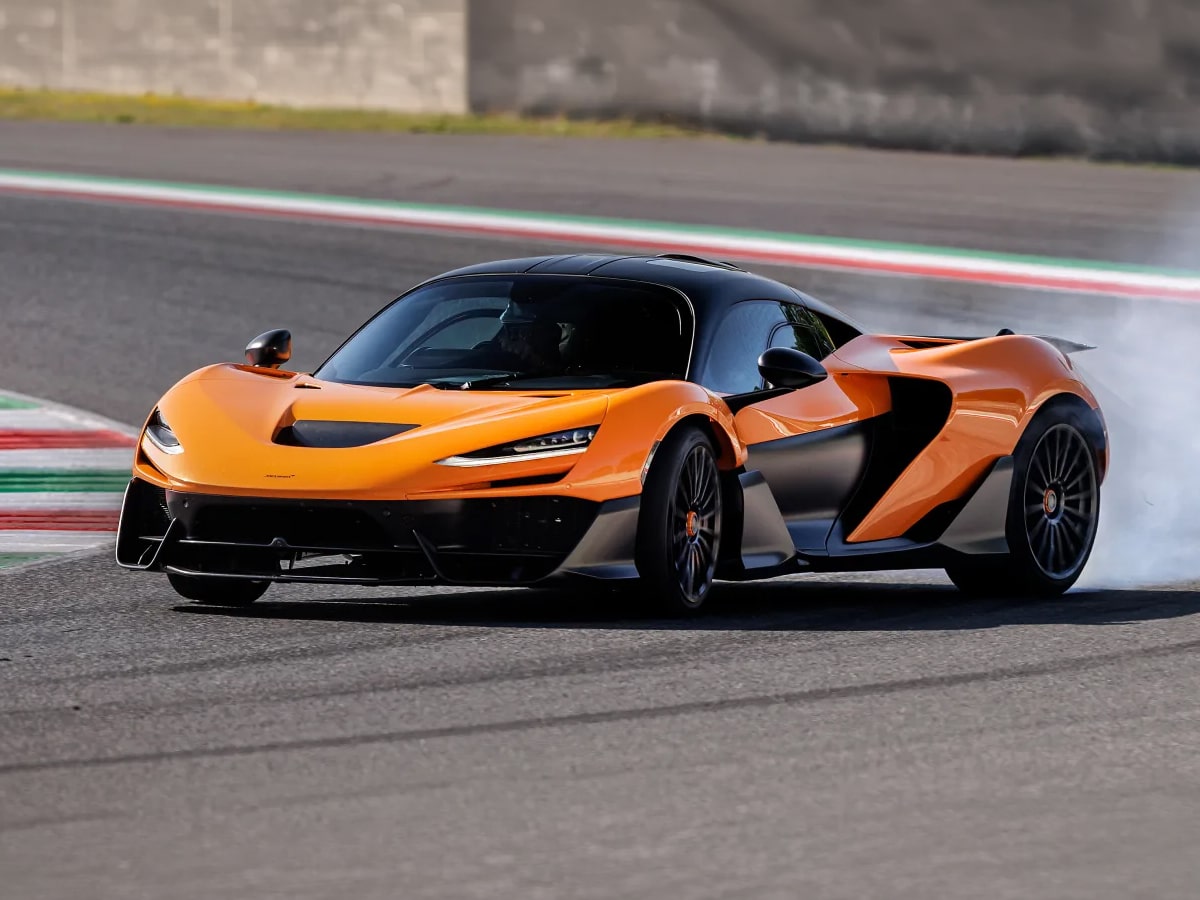
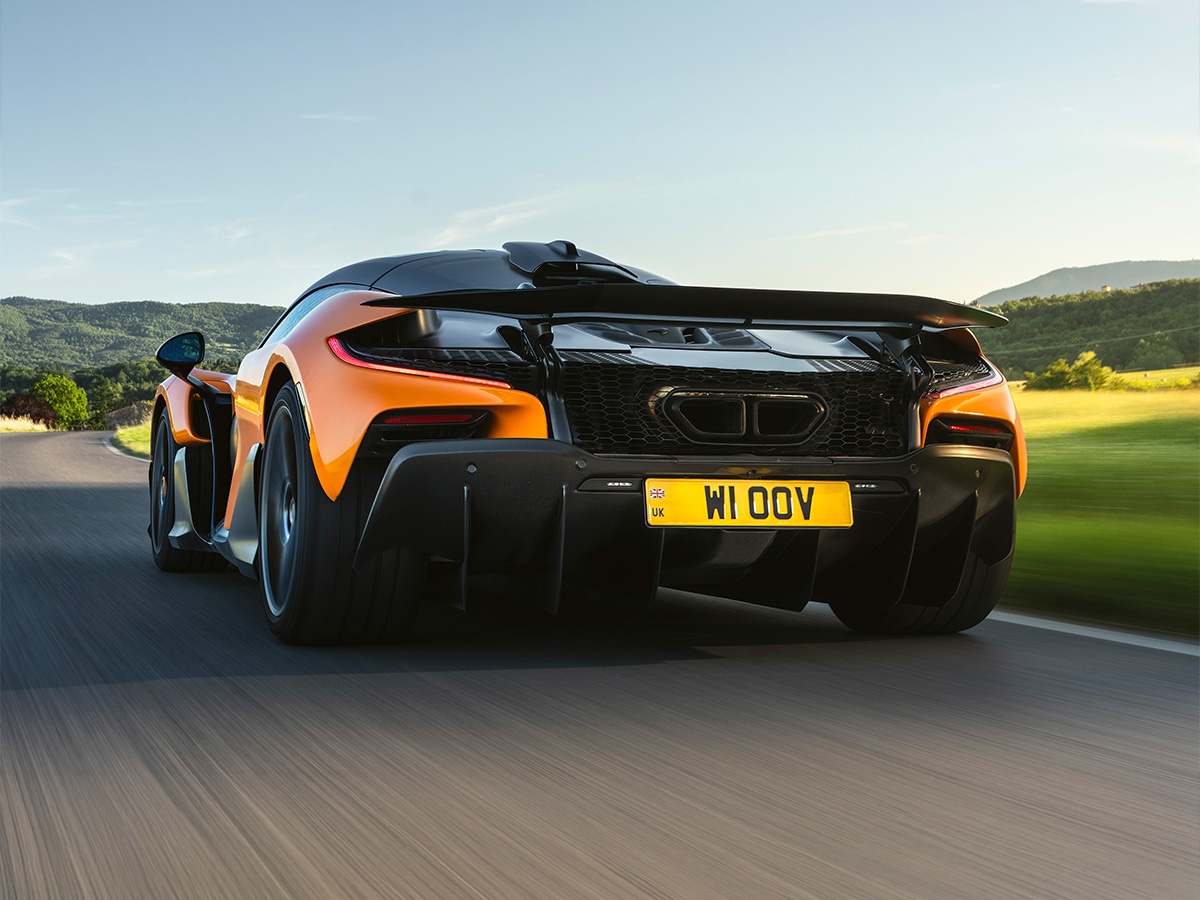
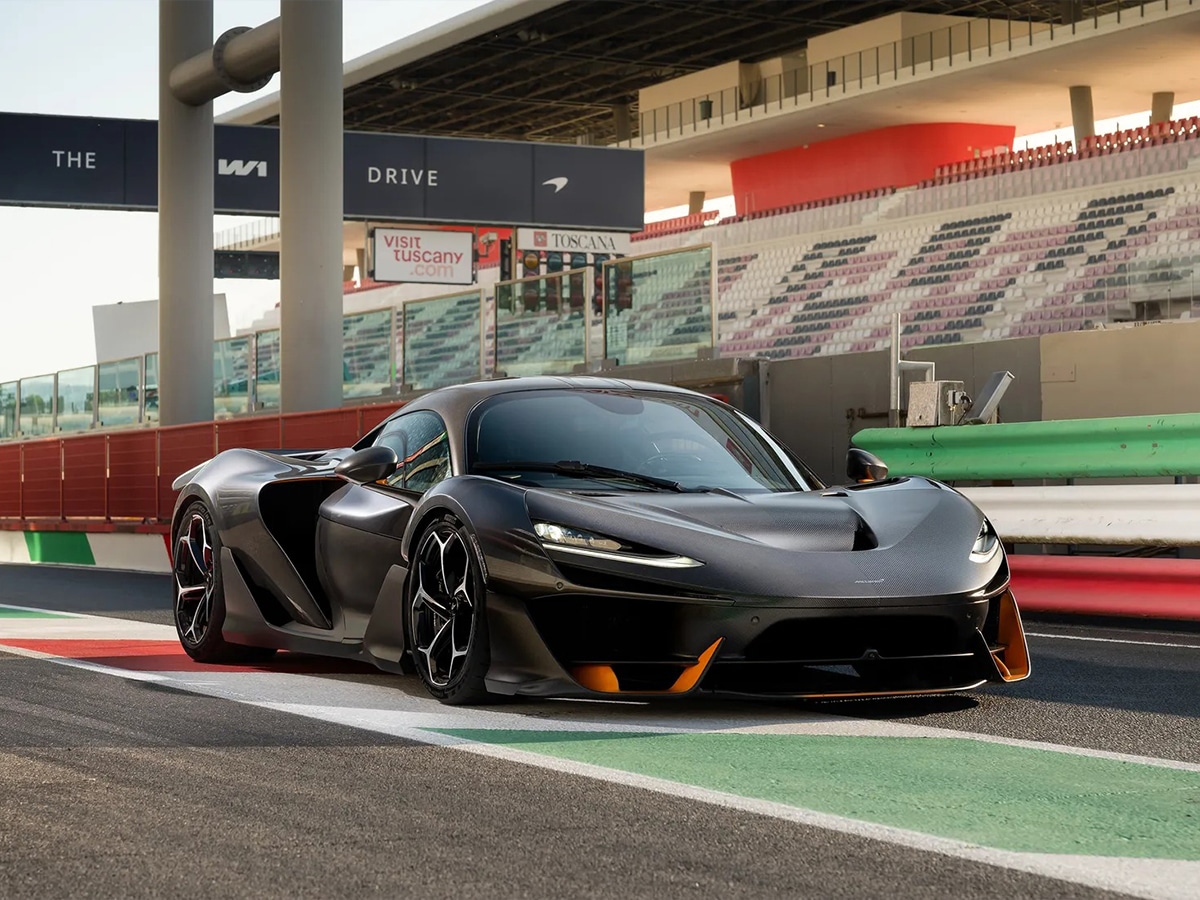
On a smooth circuit like Mugello, these two deployment methods couldn’t be more different. The McLaren W1 is all about extreme aerodynamics, where the underside of the car features huge venturi tunnels that essentially turn the whole vehicle into an upside-down wing. Drop it into “Race Mode,” and six electric motors lower the car by 37mm and slide the huge rear wing nearly a foot straight backward.
Evo loved this setup, noting that you can absolutely monster high-speed chicanes with zero body roll or understeer. Meanwhile, Hypebeast’s Eddie Eng agreed, saying that hitting the DRS-style “BOOST” button on Mugello’s main straight was an absolute blast, helping generate an immense 1,000 kg of downforce as it reached nearly 300 km/h.
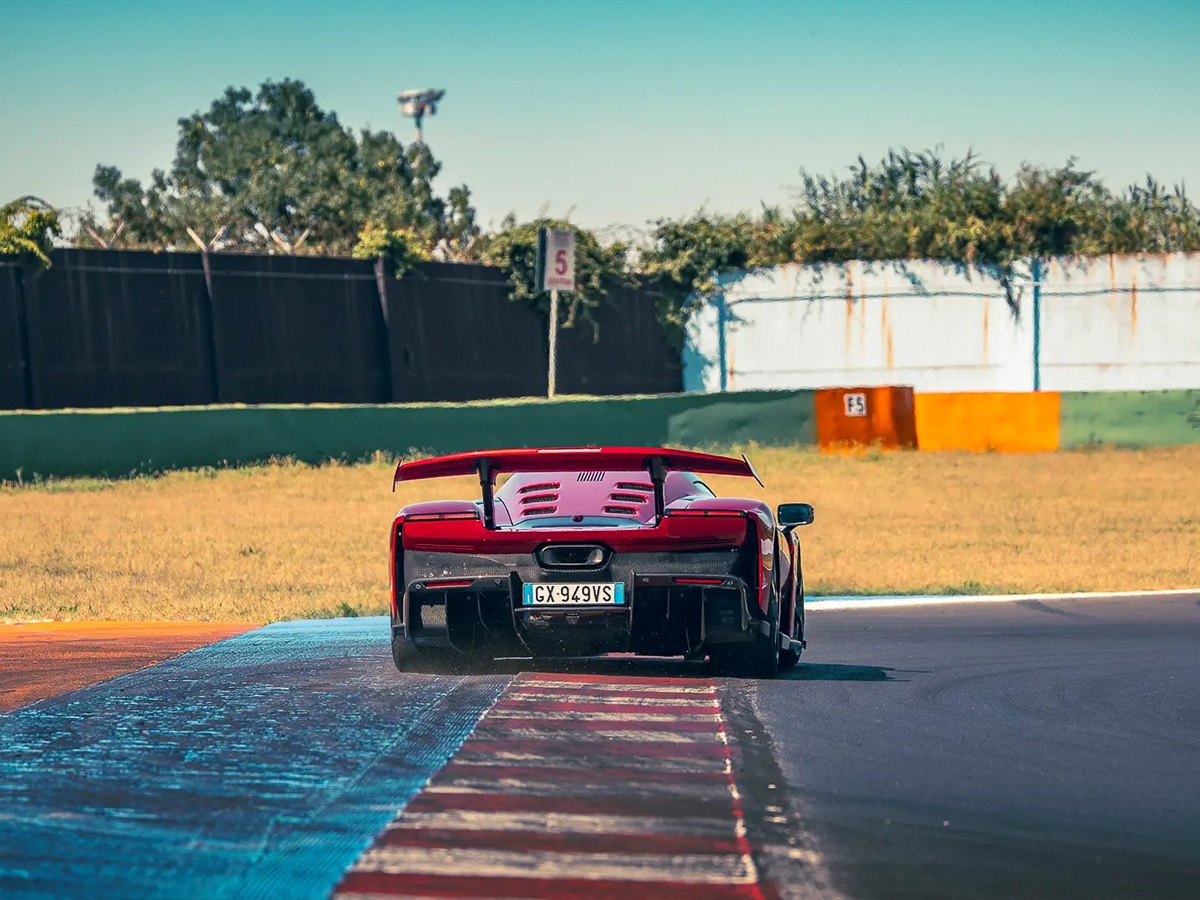
The Ferrari F80 hits similar downforce numbers (1,050kg at 250km/h) but relies more on its chassis hardware. It throws traditional anti-roll bars out the window, opting for an active Multimatic suspension with individual 48V electric motors on each shock absorber to actively fight body roll.
Reviewing the F80’s track dynamics for Car Magazine, James Dennison noted that while the F80 feels mind-blowingly agile and gives you instant confidence, the electronics can feel a bit prescriptive as they do so much work for you that it can mask raw driver involvement. The W1, by letting physical airflow do the heavy lifting, gives you a much louder, more mechanical connection to the track.
Road Manners: The Comfort Differences
Take them off the track and put them on broken, bumpy public roads, and the gap between these two widens significantly.
Henry Catchpole’s report for Hagerty was impressed by the W1’s suspension bandwidth, noting it can crawl through tight Italian villages without breaking a sweat. However, Hypebeast was way less forgiving of the McLaren’s road manners:
“Where we think the W1 lost a bit of its way is the road-going-ness of it. For example, ‘Comfort’ mode is a head-scratcher for us,” said Eng. “Maybe it’s just a poor choice of words, but nothing about the W1 came off as “comfortable.” Sure, it made the suspension a little more compliant, and used the electric motor to smooth out shifts, but aren’t all of these things part of the maniacal nature of this multi-million dollar supercar? Maybe the technology is impressive to include, but no one will be impressed to learn you drove your McLaren W1 to Cars & Coffee in comfort mode. If it’s for long road trips, the hardcore bucket seats are a contradiction.”
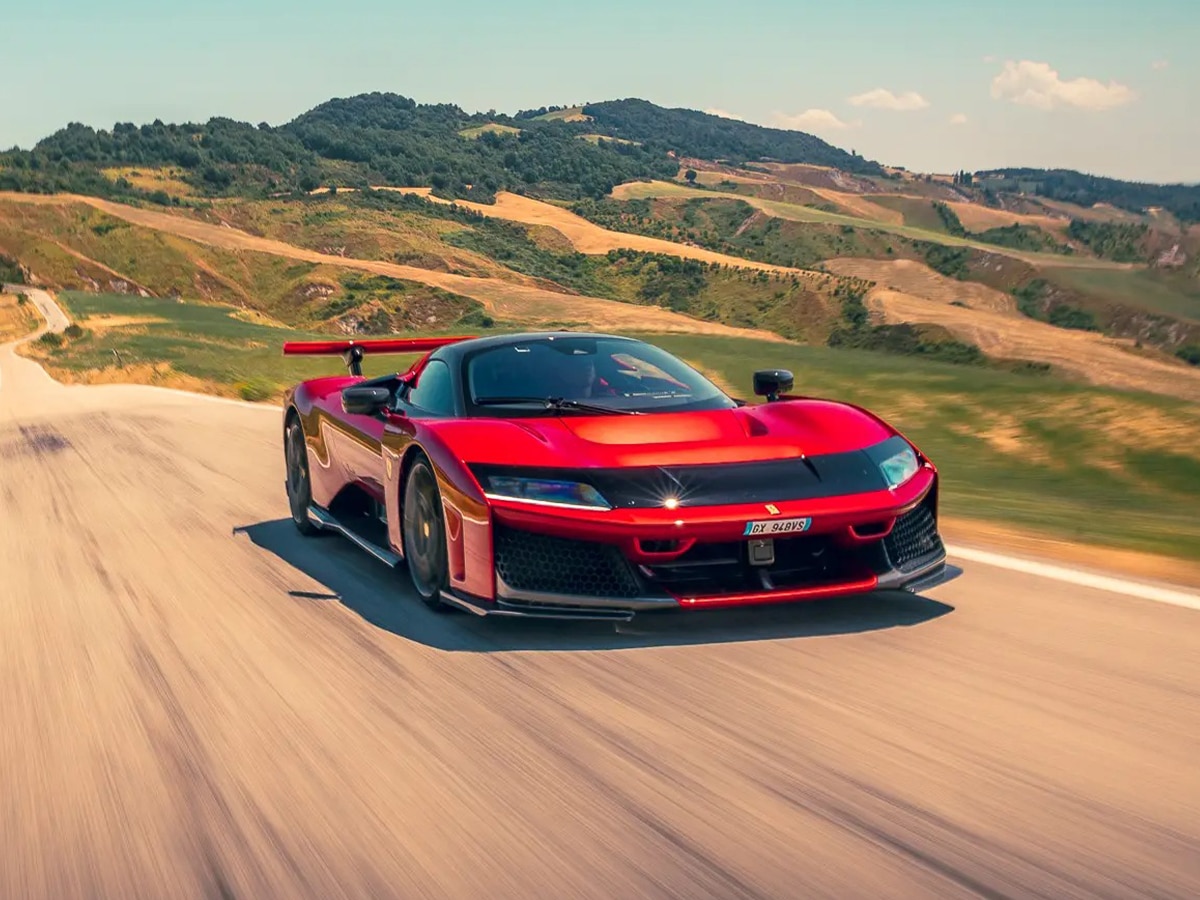
By contrast, the Ferrari F80 is reportedly the vastly superior road car. Jonny Lieberman from Motor Trend noted that Ferrari’s active suspension layout handles road imperfections, potholes, and bumps with added composure. It makes the F80 feel compliant and genuinely livable on public roads, whereas the setup in the McLaren is direct and “always on.” Henry Catchpole noted that the “W1 has a 70mm shorter wheelbase than a P1, and it feels like a smaller, more agile car.”
“In some ways, it has the attitude of a sports car rather than a supercar in the way that you can hustle it down a narrower road with confidence. The fabulous steering obviously gives you wonderful feedback through the thin, Alcantara rim as to how hard you’re pushing the 265-section front tyres, but there is also a direct sense of connection through the seat to the huge 335-section rears.”
Interior and Ergonomics: Real-World Headaches
Pack this much aero and performance into a car, and the interior is always going to take a hit. It’s interesting to see how differently these two brands tackled the cabin space.
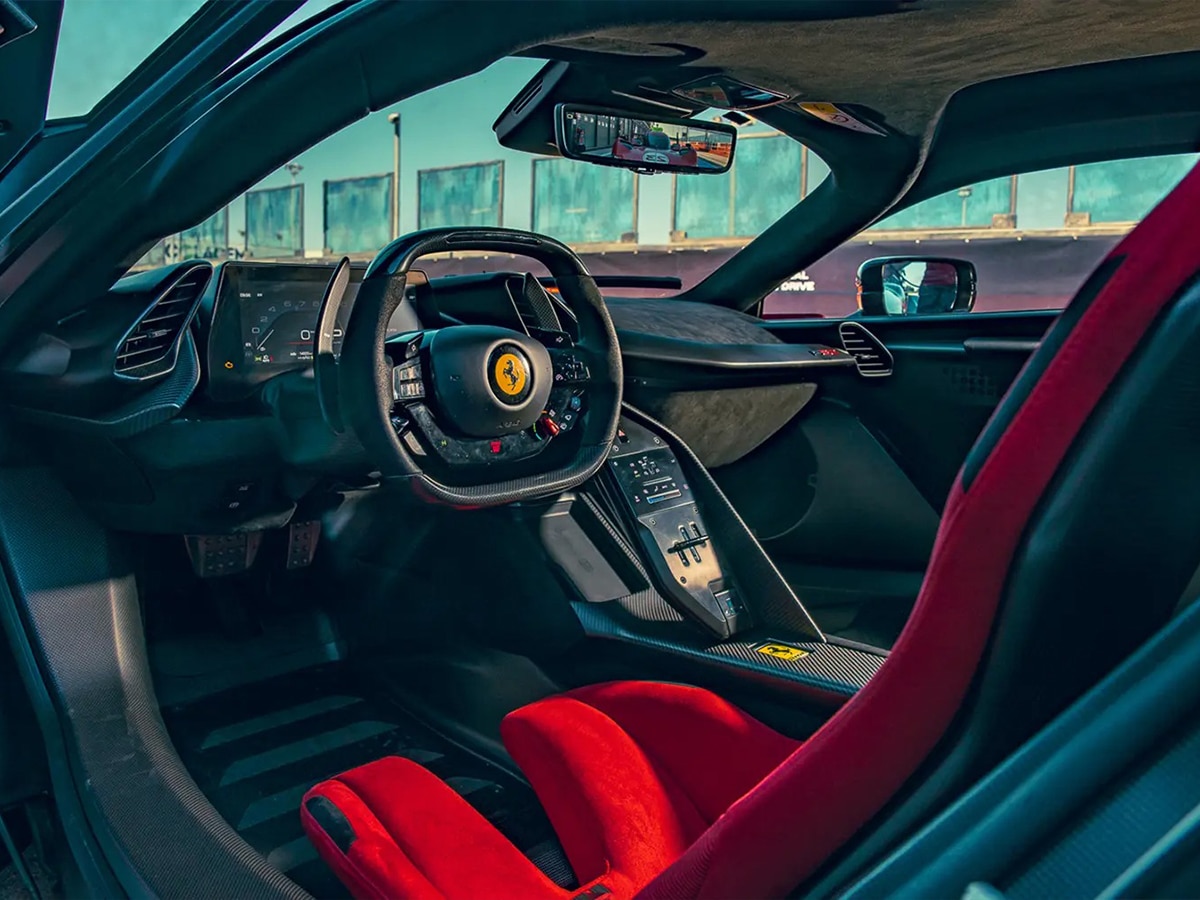
Ferrari F80 went with what they call a “1+” layout. The driver gets a bright red, fully adjustable bucket seat, while the passenger seat is black, fixed, and pushed slightly back to keep the cabin as narrow and aerodynamic as possible. Despite the tight squeeze, Motor Trend and Car Magazine noted that it feels highly focused rather than claustrophobic, making it genuinely usable for a weekend drive.
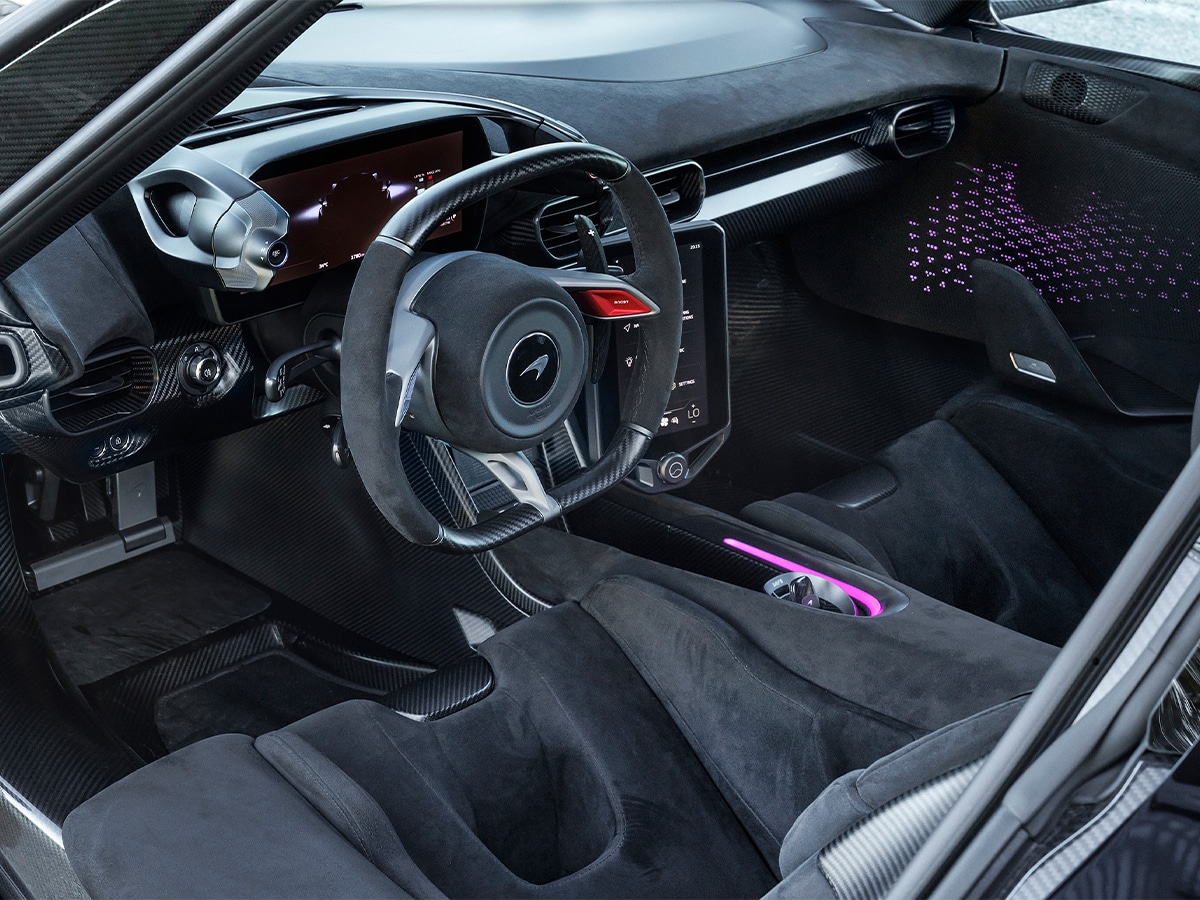
The McLaren W1 took the hardcore route, with carbon fibre seats that don’t move at all, moulded directly into the tub to save weight. Similar to the McLaren P1, which had a technician only adjust for seat height, the steering wheel and pedal box are what you adjust to fit your frame.
It sounds a little dramatic, but Hypebeast called out some significant everyday ergonomic flaws. The roof-hinged gullwing doors look cool, but the leather door-pull straps sit completely out of arm’s reach for shorter drivers once you’re buckled into the fixed seats. On top of that, because of the door design, the side windows are entirely fixed except for a tiny little opening. Trying to grab a toll ticket or get through a boom gate is going to be a real headache, “The presentation from the outside is similarly dramatic, but inside we must admit the gullwing was hard to reach, even with the leather pull strap that was still too far for our height,” said Eddie Eng in his review.
The Verdict
Ultimately, choosing between these two depends entirely on what you want out of a multi-million-dollar hypercar.
The Ferrari F80 is an all-wheel-drive digital masterpiece. It’s faster than the McLaren off the line, incredibly advanced under the skin, and shockingly easy to live with on normal roads. But it achieves that speed with the hand of god behind you, which some purists might feel dulls the raw excitement.
On the other hand, the McLaren W1 brings some old-school charm to the fold, with mechanical power, aerodynamics, steering, and suspension that deliver an unfiltered, analogue rush. By leaving the front axle alone and keeping that classic hydraulic steering, Woking has built a rear-wheel-drive weapon focused entirely on mechanical feedback. It’s loud, it’s stiff, and the cabin ergonomics are a bit flawed, but it offers the kind of high-resolution connection to the tarmac that’s becoming incredibly rare these days.





















Comments
We love hearing from you. or to leave a comment.