

Updated:
Readtime: 7 min
Every product is carefully selected by our editors and experts. If you buy from a link, we may earn a commission. Learn more. For more information on how we test products, click here.
- The RS e-tron GT is Audi’s most powerful production car ever.
- It features a 680kW dual-motor system hitting 100km/h in 2.5 seconds.
- Revolutionary active ride suspension eliminates body roll, pitch, and dive.
- A high-tech 850V architecture allows for ultra-fast 320kW DC charging.
- The flagship model showcases Audi’s future engineering in a premium package.
It was said that the technology found in the Mercedes-Benz S-Class would make its way to the average commuter car in a decade. However, the automotive trickle-down effect has been firmly passed to the Volkswagen Group in recent years. You won’t find active suspension and 3D audio in your run-of-the-mill VW Golf, but look further up the range, and the high-end Porsches and Audis of the world are quietly innovating at lightspeed.
Often reserved for the brand’s high-end EVs due to platform and engineering constraints, the costs both brands have incurred in the quest to create the most impressive pieces of technology in their history have been unpleasant, to say the least. But the winner in this equation is the consumer, who can now purchase cars like this Audi RS e-tron GT Performance that I’ve spent the last week behind the wheel of. There are cars in the line-up that pull at your heartstrings more than an EV, but I’m not sure Audi has ever made a better all-around vehicle.
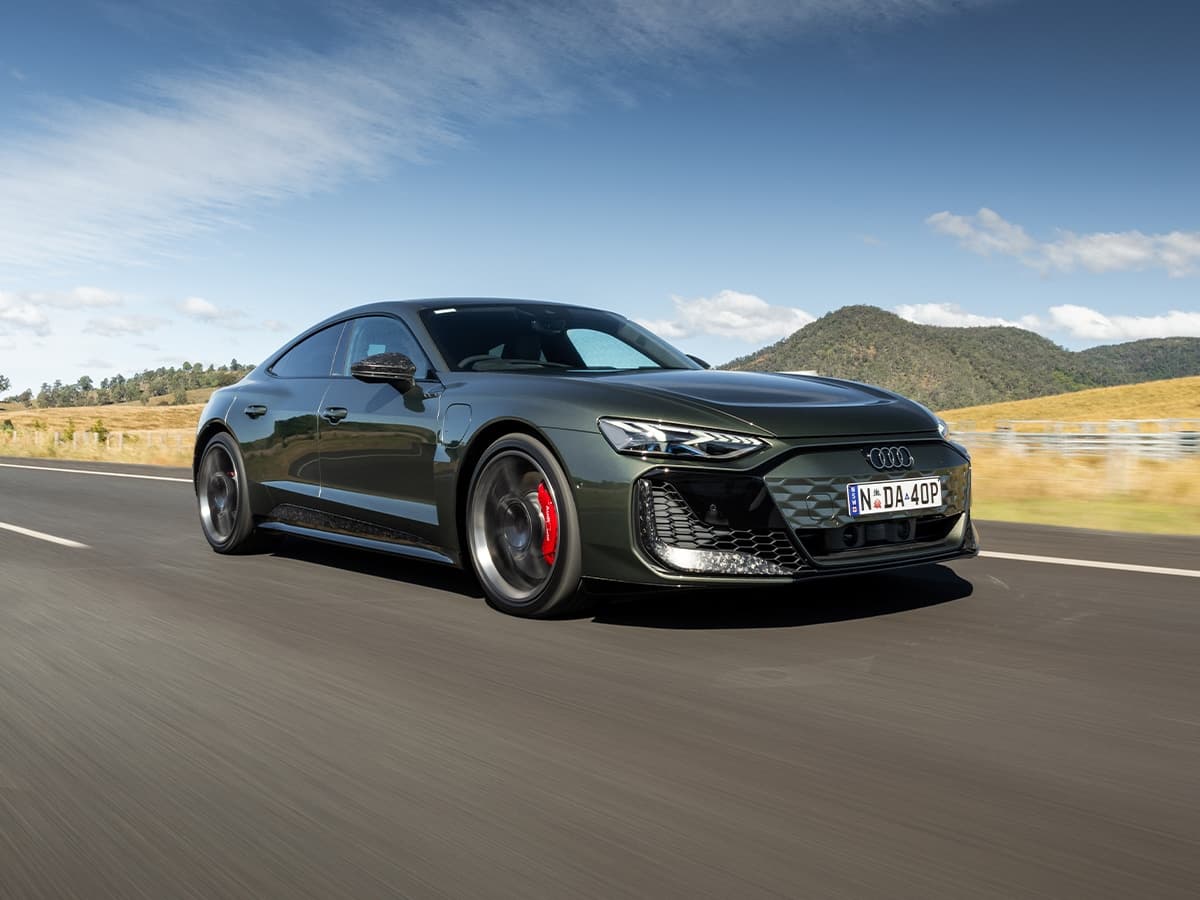
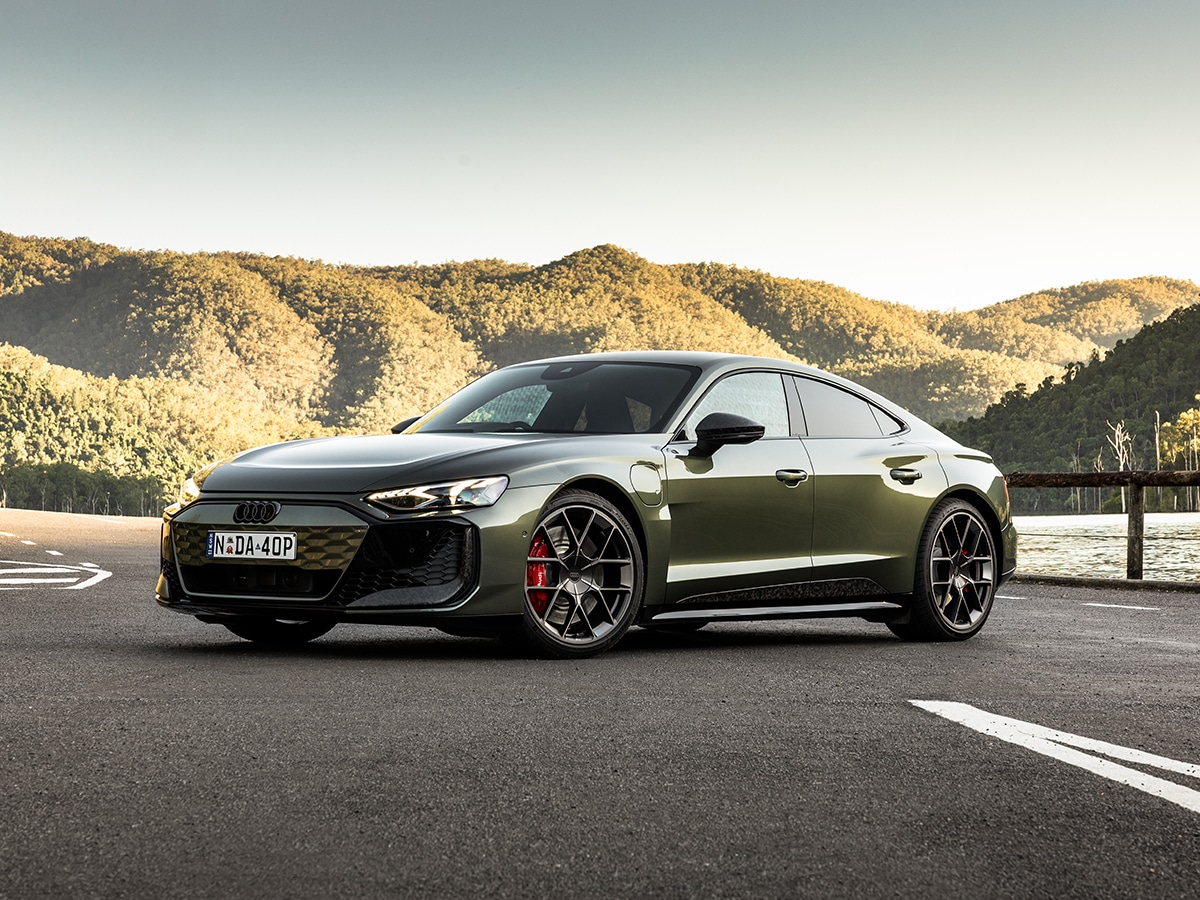
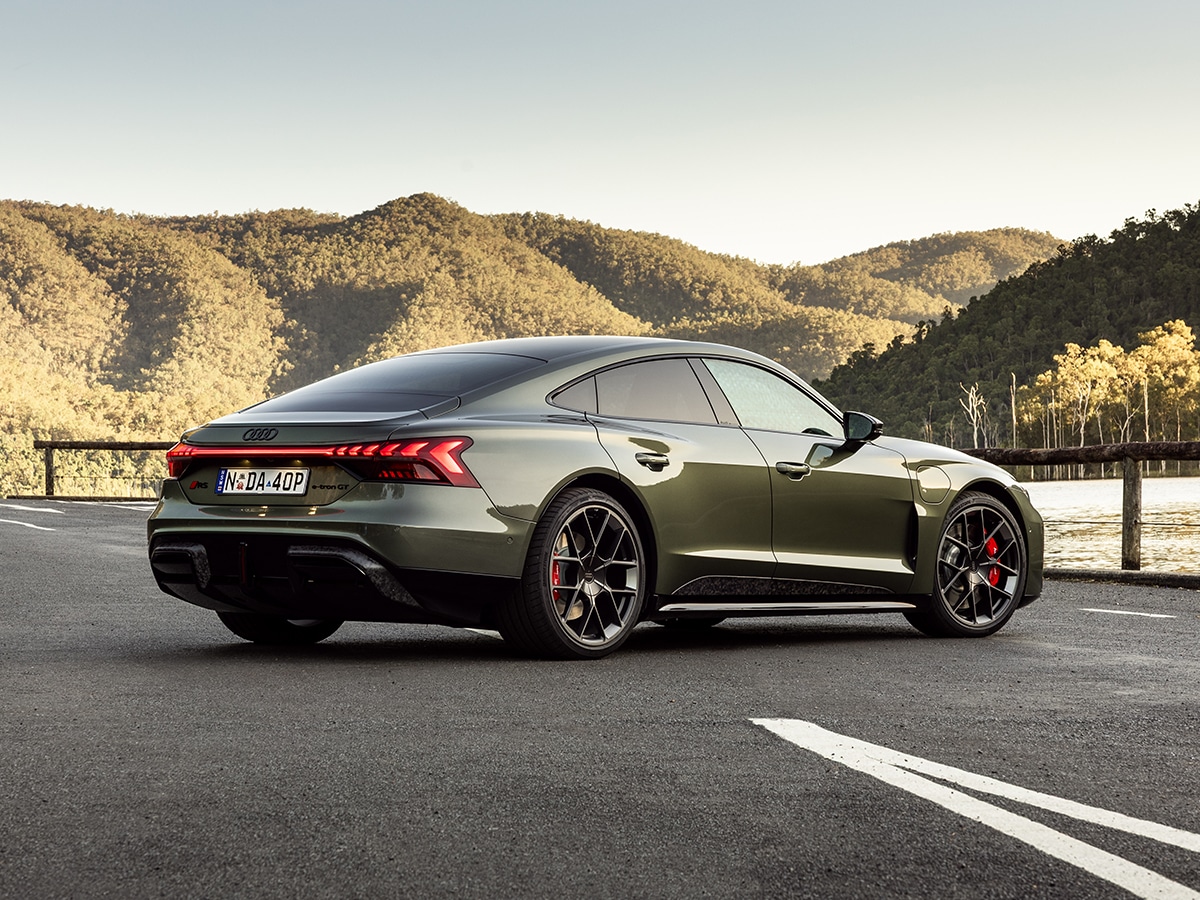
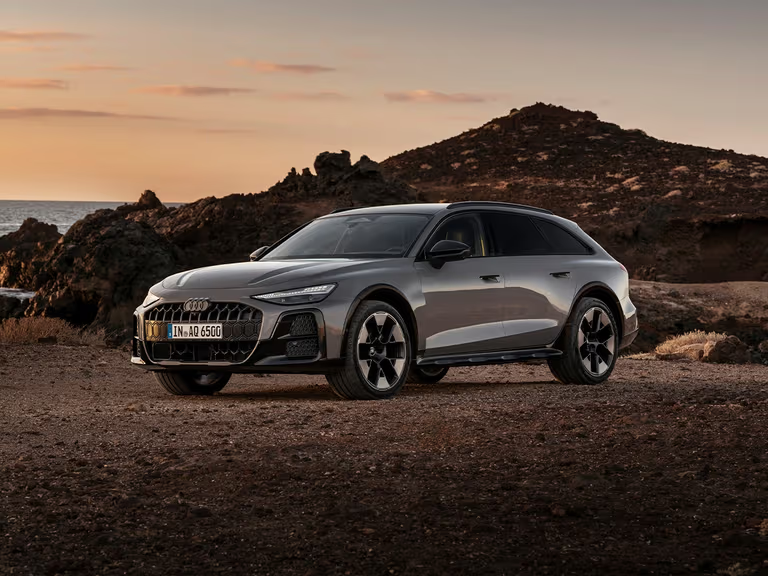
Priced from AUD$309,900 before on-road costs, the Audi RS e-tron GT Performance is the quickest and most powerful production car that Audi has ever made. The dual-motor EV produces 680 kW (with launch control) of power and a combined 999 Nm of torque, which is good for a 0-100km/h time of 2.5 seconds (with launch control). It’s painfully quick in a straight line, but, like a V8, knowing you have the power is half the purchasing equation for buyers.
Audi RS e-tron GT Performance Key Stats
Before we get into the review, these are the key stats for the car:
- Drivetrain: quattro all-wheel drive / Two-stage planetary gearbox
- Power: 680 kW (with launch control engaged)
- Torque: 409 Nm (front) / 590 Nm (rear)
- Acceleration (0–100 km/h): 2.5 seconds (with launch control engaged)
- Electric Power Consumption: 21.0 kWh/100km (combined)
- Range (WLTP): up to 528 km
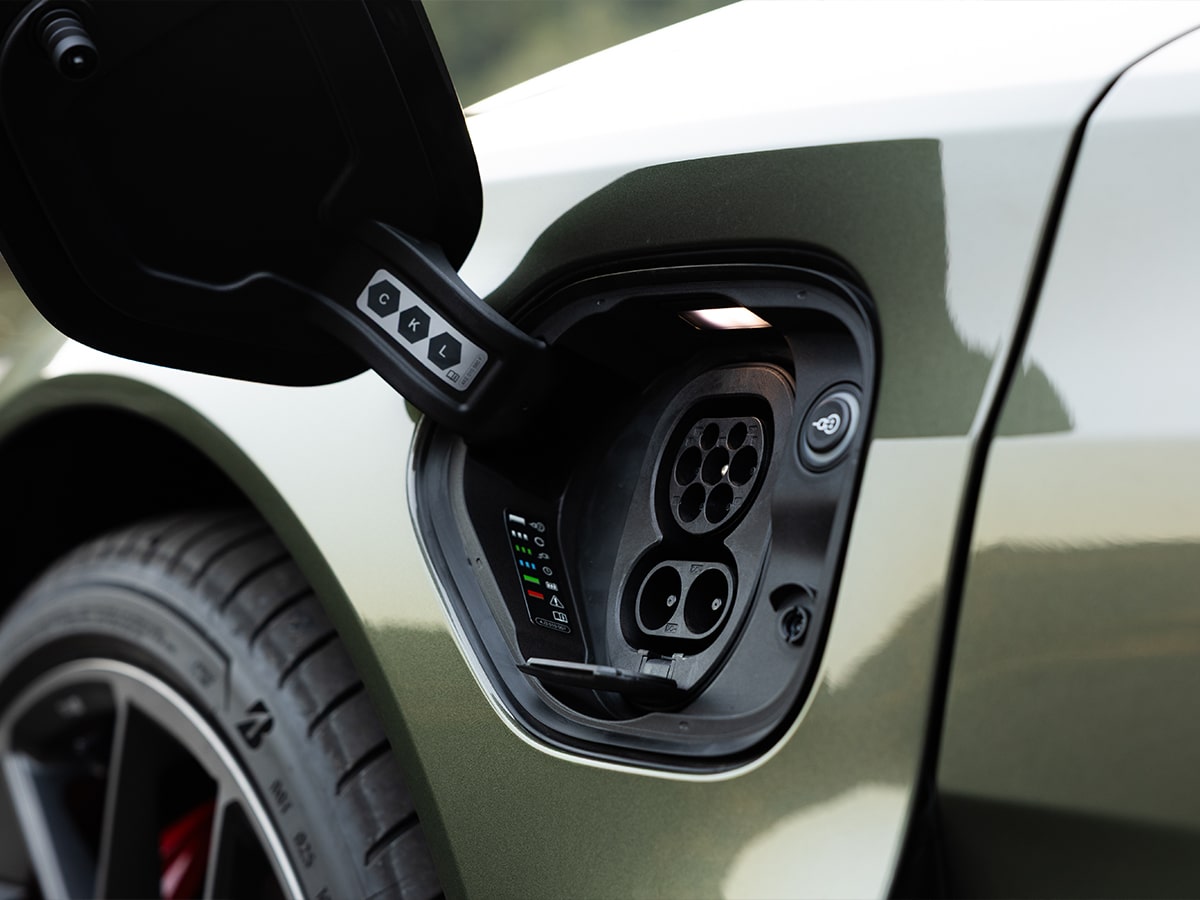
- Charging: up to 320 kW DC
Performance is One Thing, Active Ride is Even More Impressive
It took Porsche six years to develop the active ride suspension system for its next-generation Panamera, and it then trickled down to the Taycan and Audi e-tron, which share the same J1 platform.
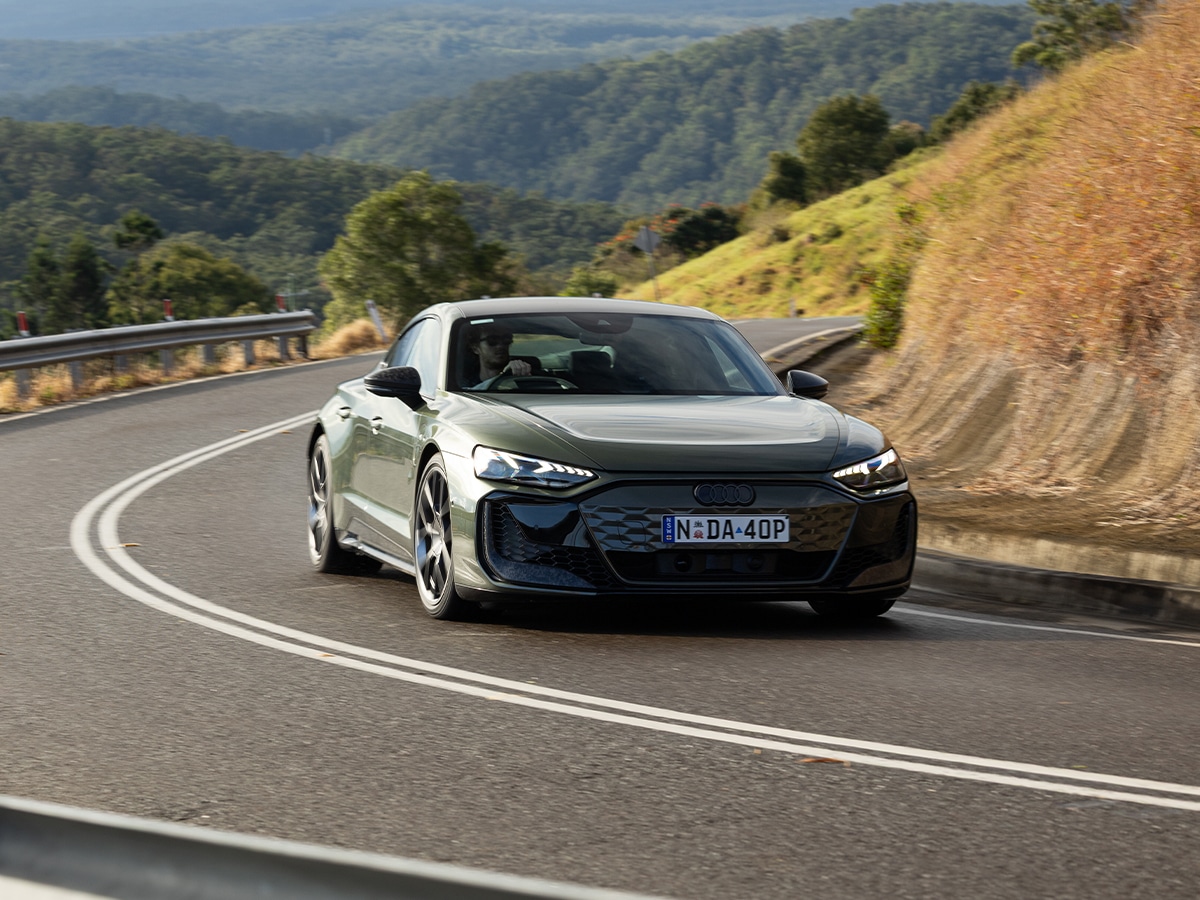
We’ve seen similar technology from Mercedes-Benz in its E-Active Body Control, but the Porsche (and Audi) system sets itself apart on twisty roads. Here, active ride can completely eliminate body roll, pitch, and dive. Usually, suspension systems are designed to counteract physics, but active ride uses real-time data and user inputs to augment the car’s suspension. The result is a vehicle that works with the road proactively rather than reactively. It sounds synthetic, but it only increases driver engagement and elevates the driving experience.
Engineers from both companies chose to dial in body-roll at different speeds. The Taycan will sit flat and counteract natural lateral and longitudinal acceleration forces until about 150 km/h, whereas the Audi will always dial in a little body-roll to keep the driver fully aware of the grip on offer.
The Panamera Turbo E-Hybrids’ active ride is far more aggressive in its application than that of the Audi RS e-tron GT Performance. It leans into corners more and makes its presence felt at every point of the journey, whereas the e-tron’s a little more reserved. Still, with powerful motor pump units, one in front and one in back, the e-tron’s ability to read the road ahead and react to potholes, bumps, pedestrian crossings, and undulations in real-time makes it both comfortable for your commute and a weapon in the mountains.
Make No Mistake, This is a Halo Car
If the active ride suspension is the technological breakthrough of the decade, it must be elevated by other areas of the vehicle.
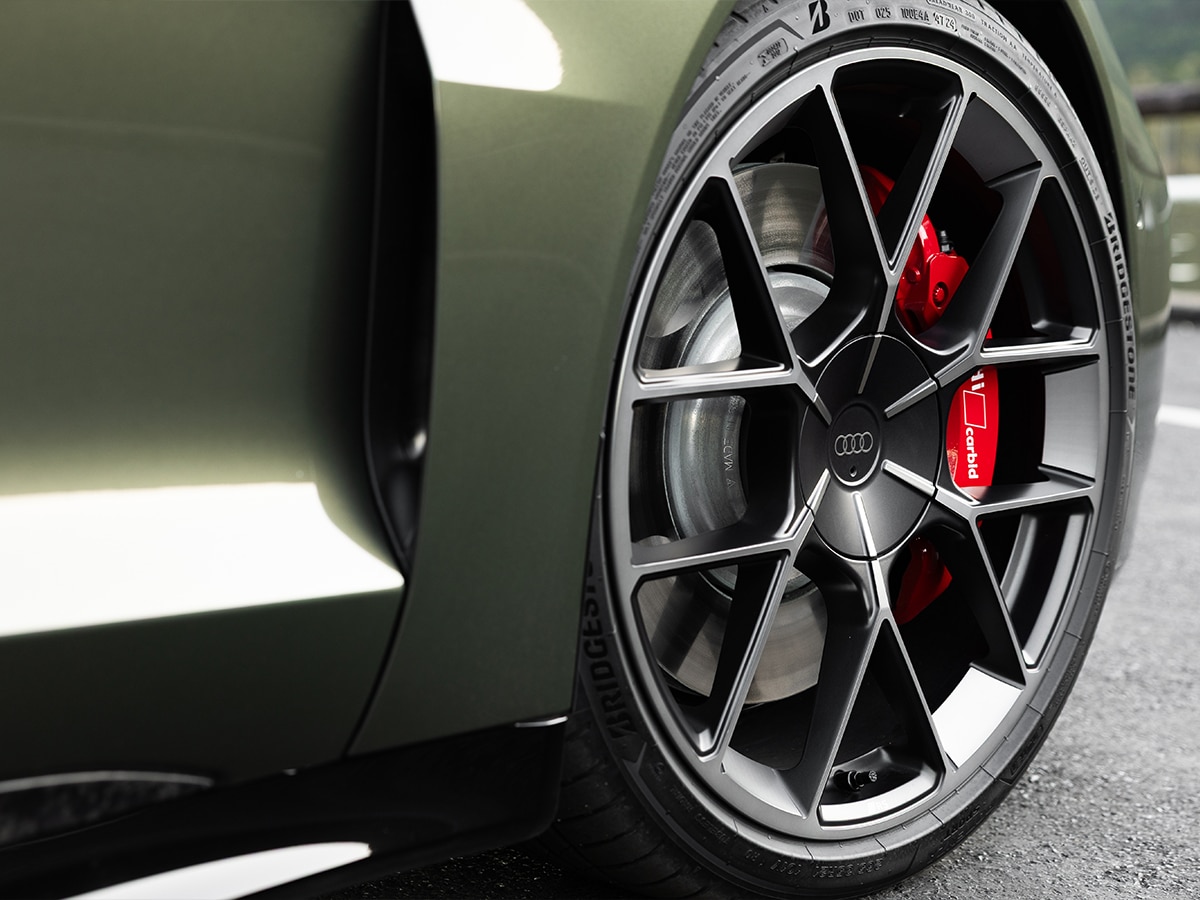
This is what makes a ‘halo’ car a ‘halo car, where a brand hasn’t cut any corners in the quest to create the best possible vehicle they can. The brand has added an e-quattro sport differential with torque vectoring, all-wheel steering, drive select with performance mode, RS performance-specific exterior sound, 21-inch alloy wheels, and performance brakes with tungsten carbide coating.
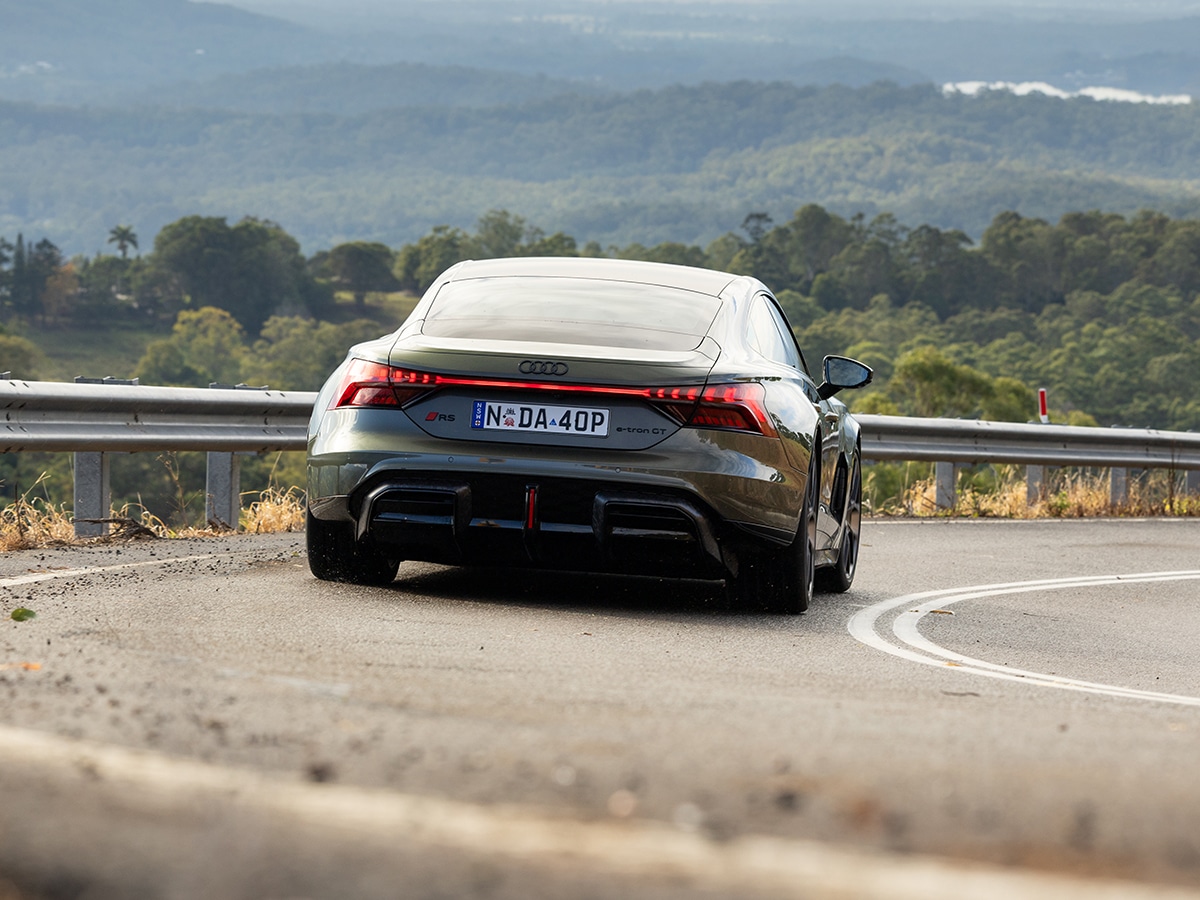
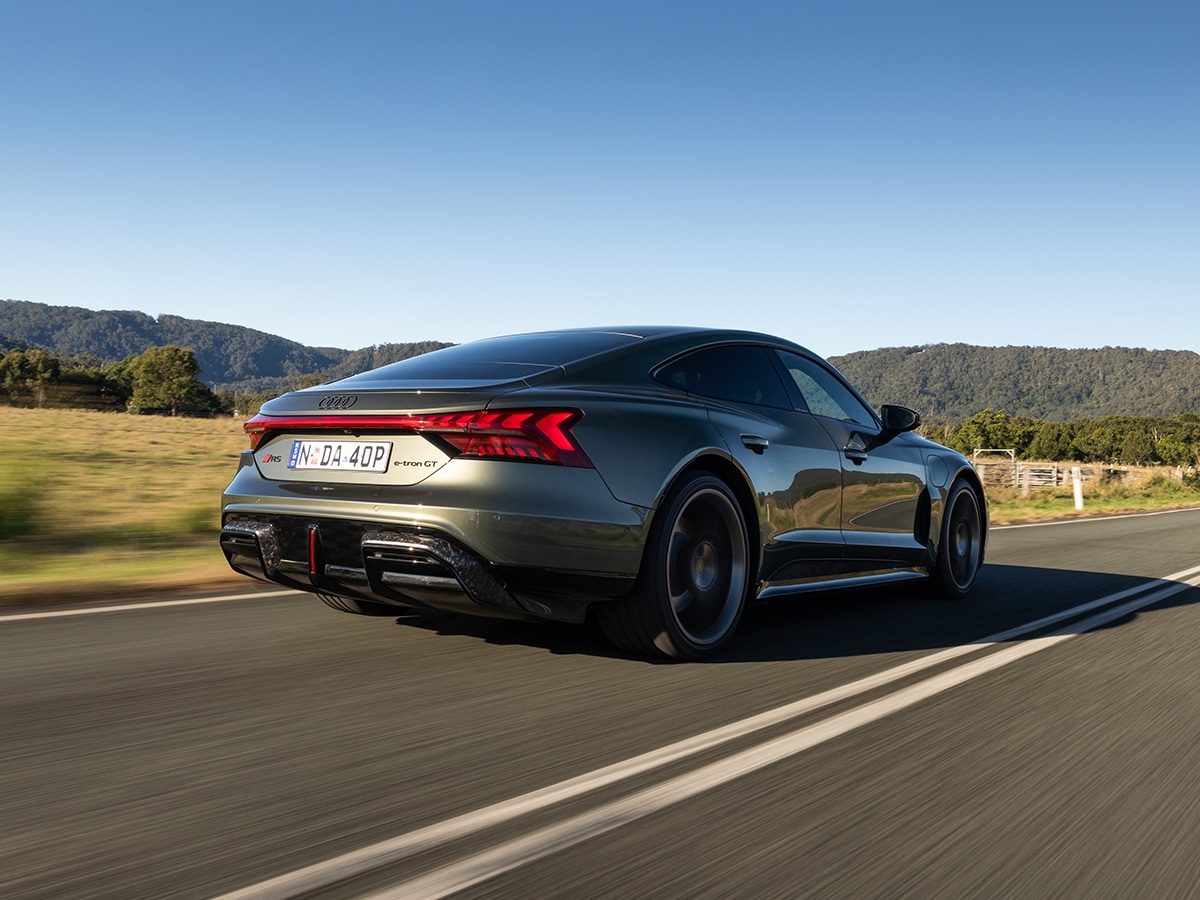
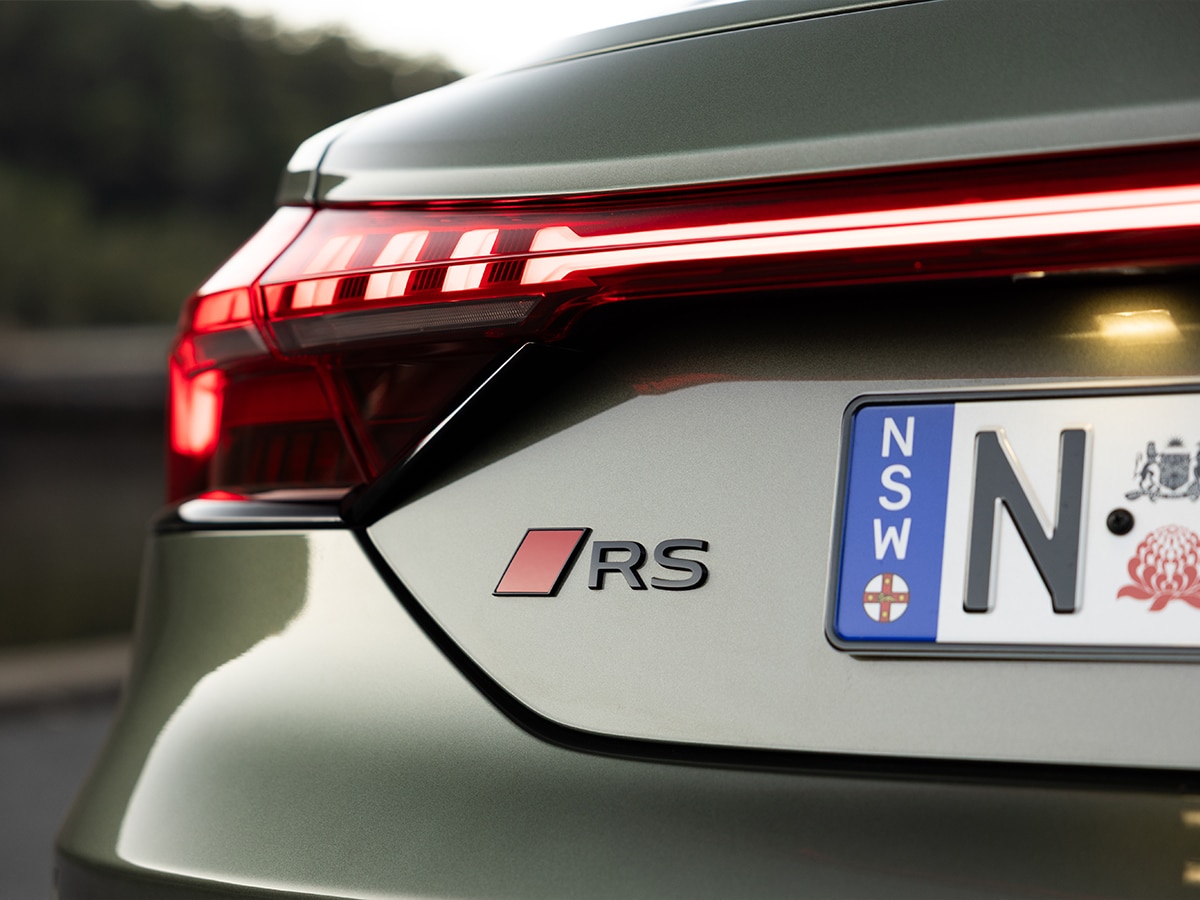
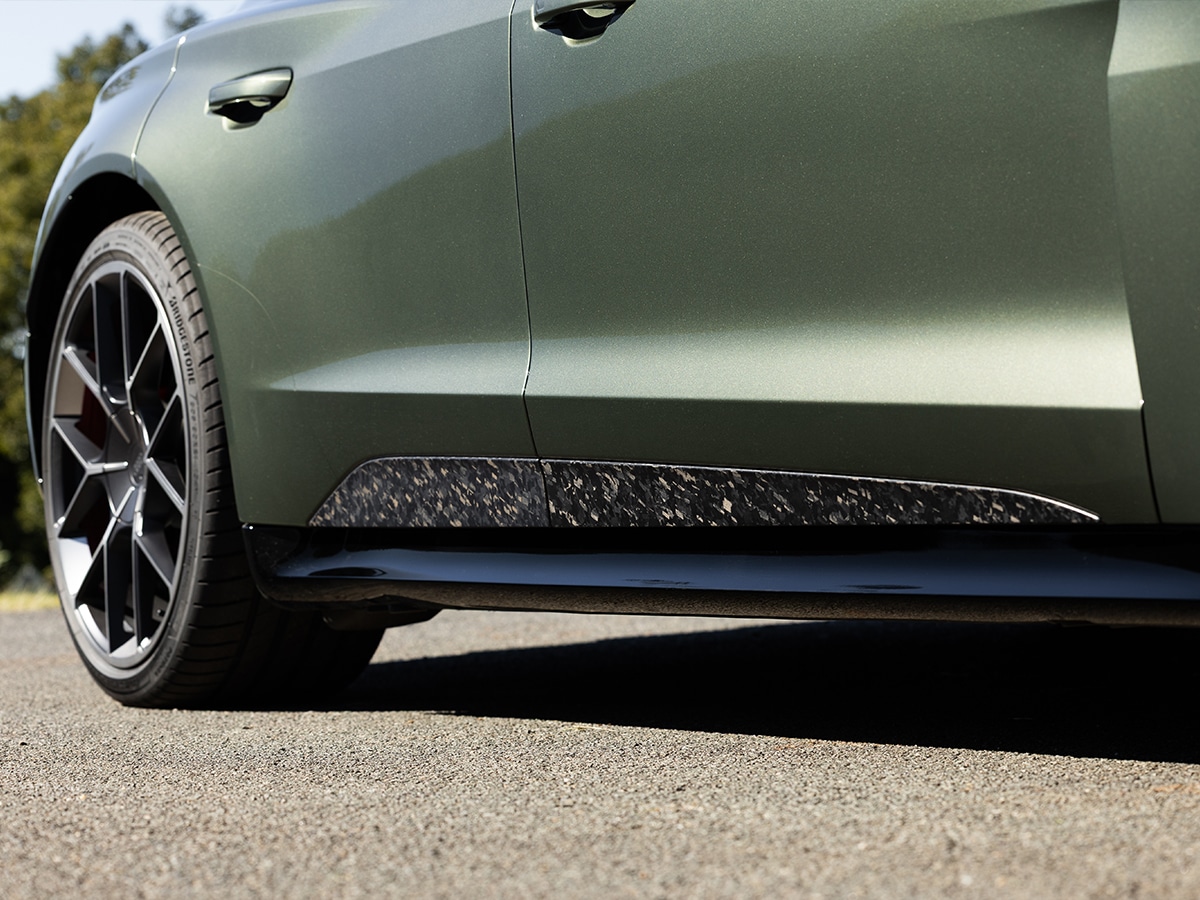
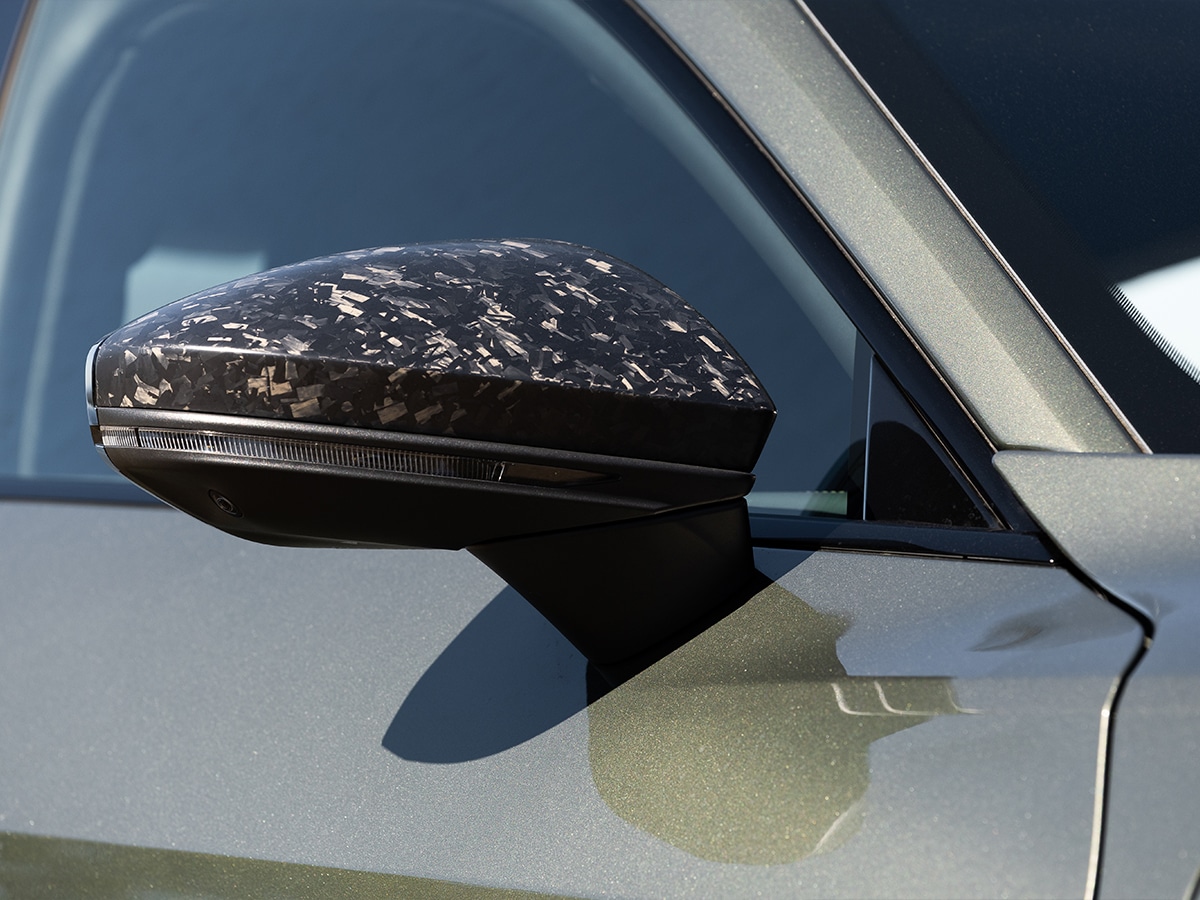
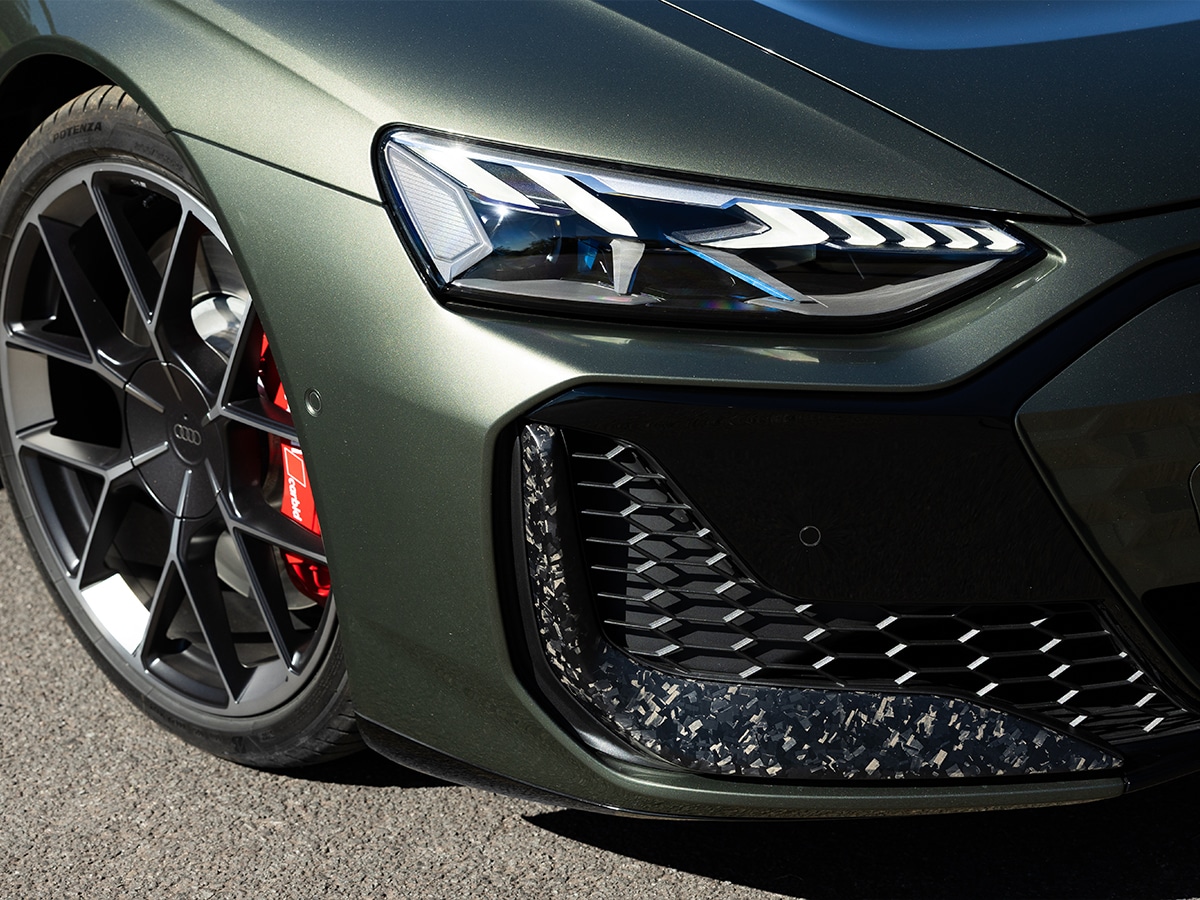
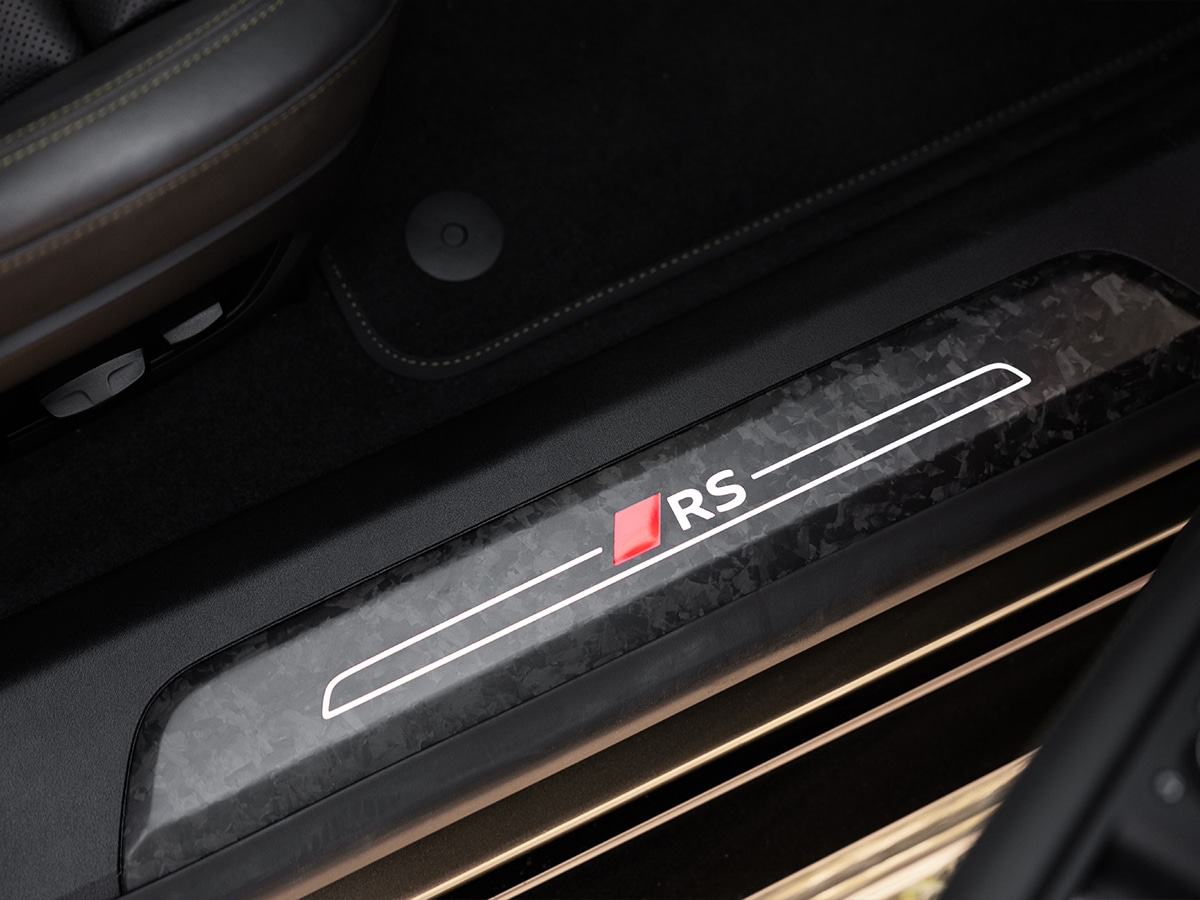
Throw in the optional equipment, including the very out there Matt carbon camouflage styling package (AUD$10,000) that adds a matt carbon roof (removes glass roof with switchable transparency), matt carbon exterior mirror housings, matt carbon front air intakes, matt carbon rear diffuser insert, matt carbon side door trims, inlays in matt carbon camouflage, door sill trims in matt carbon camouflage, illuminated, with rhombus RS logo at front and the RS performance design package (AUD$4,500) and it feels as over the top expensive and premium as any flagship should for nearly AUD$400,000 drive-away.
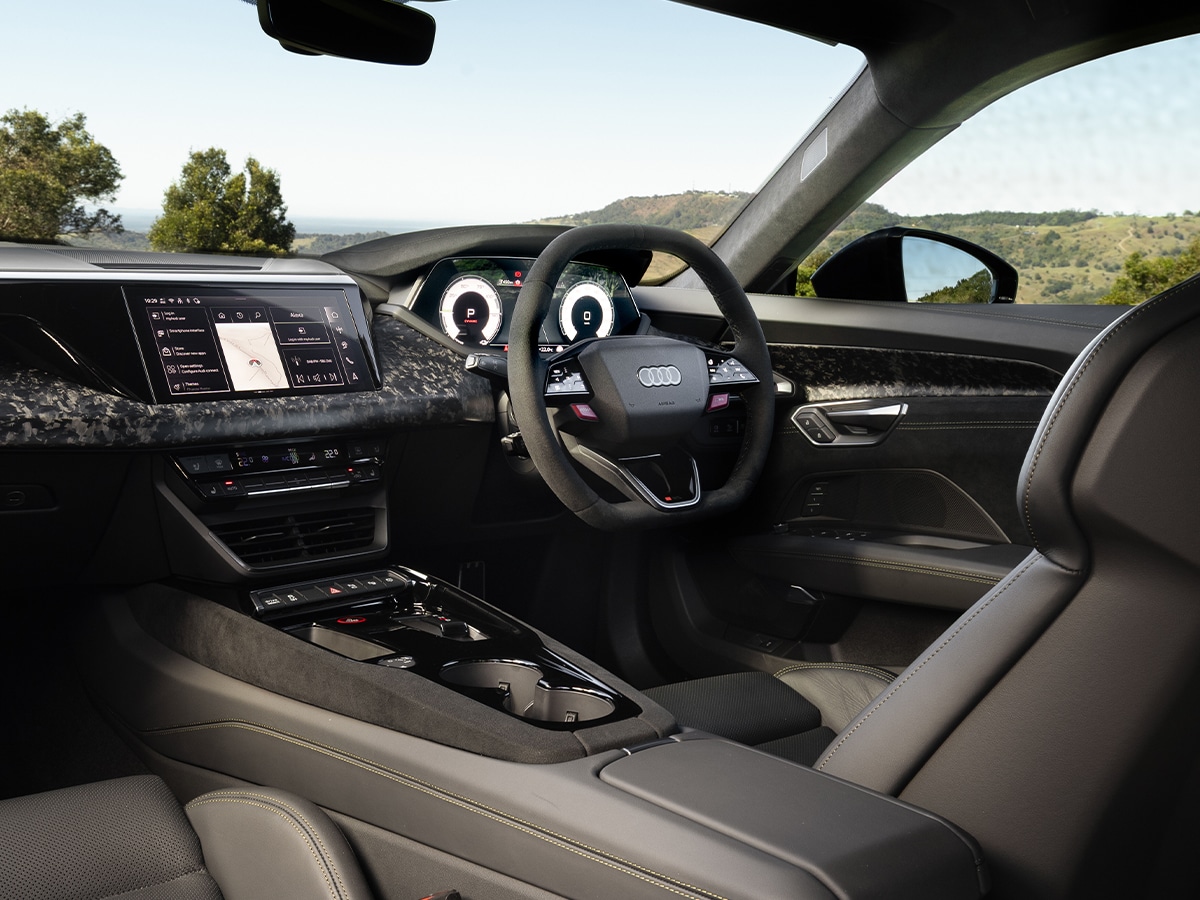
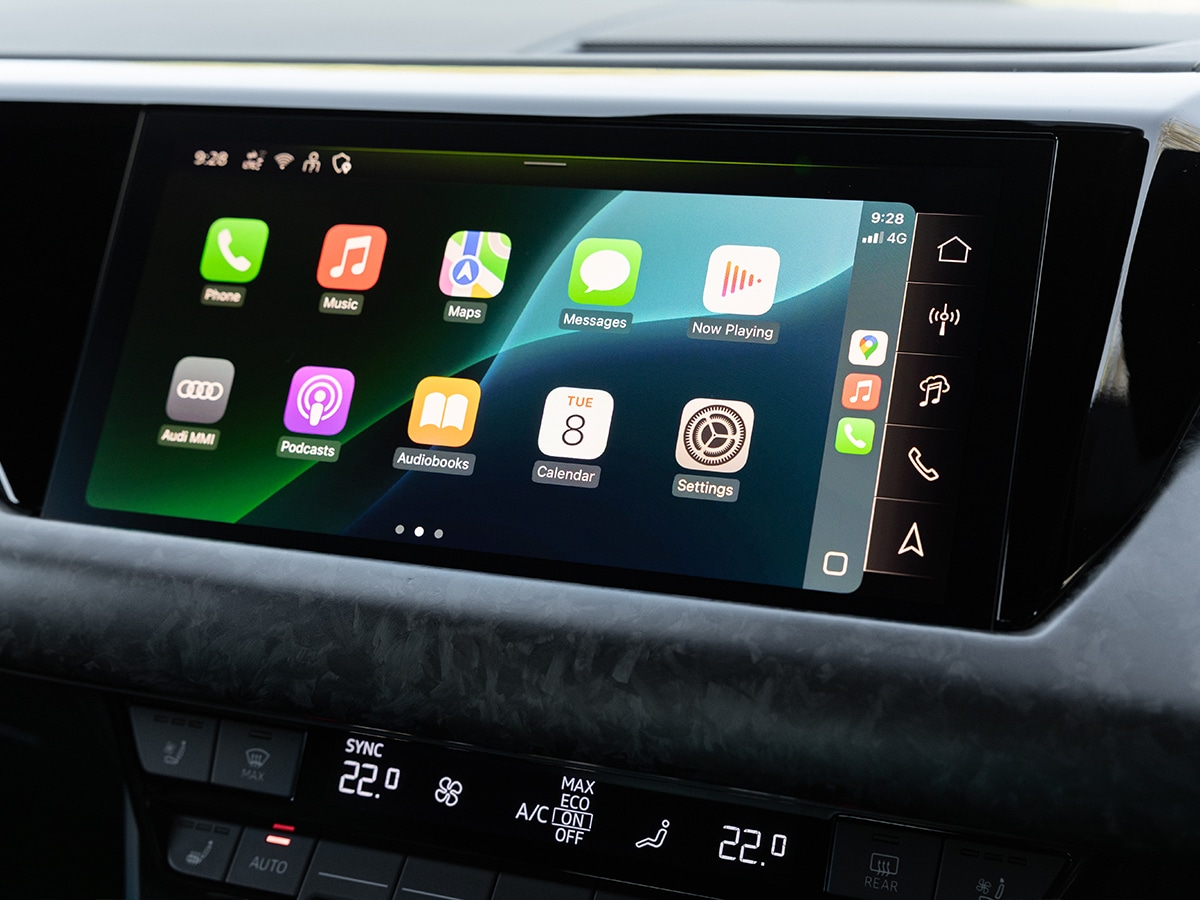
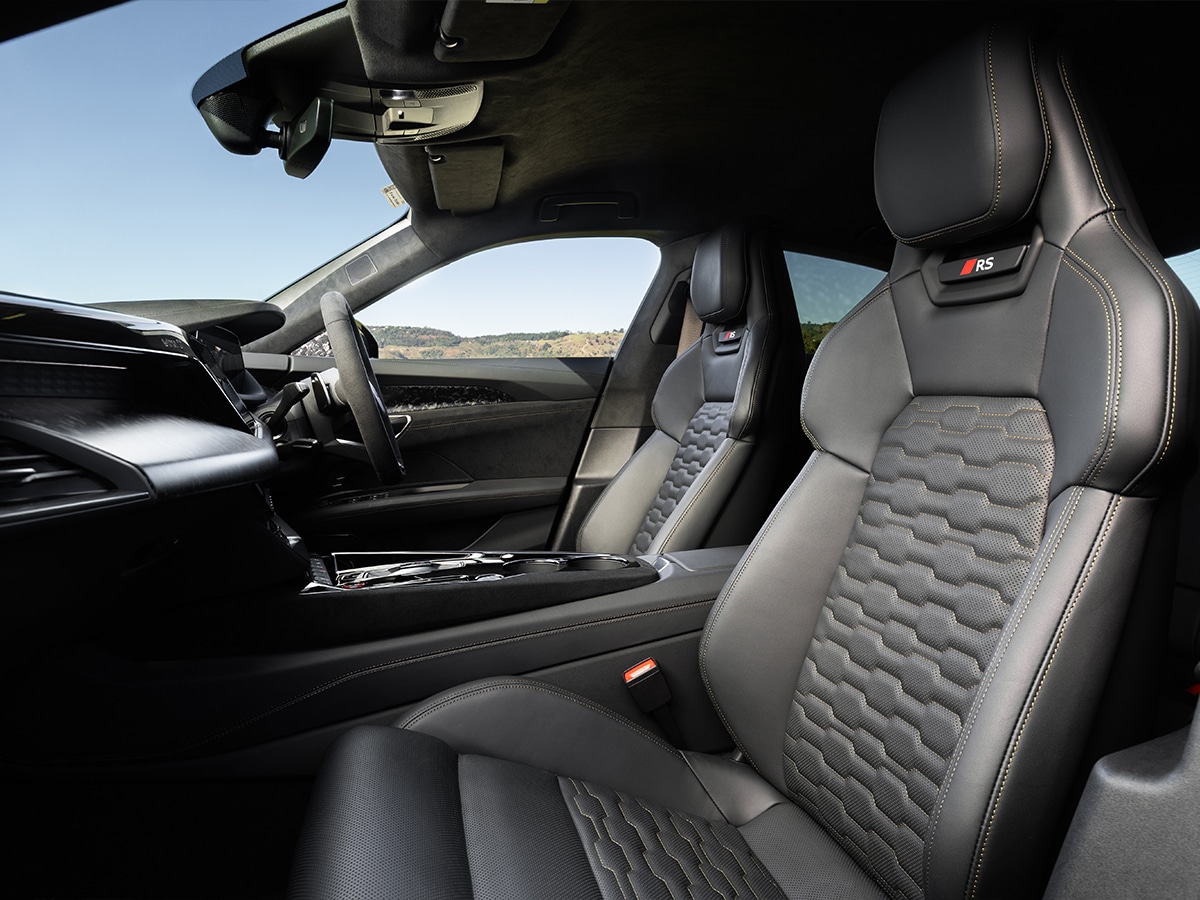
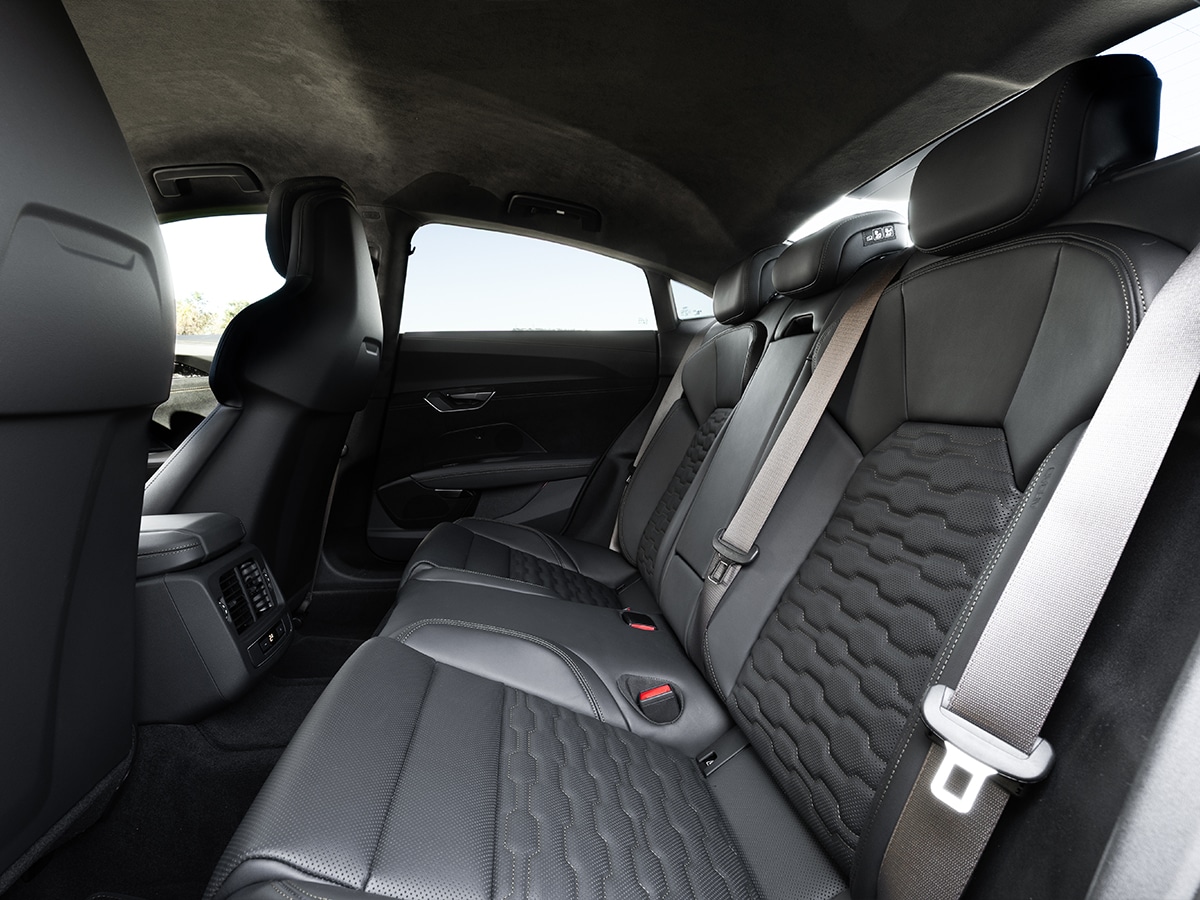
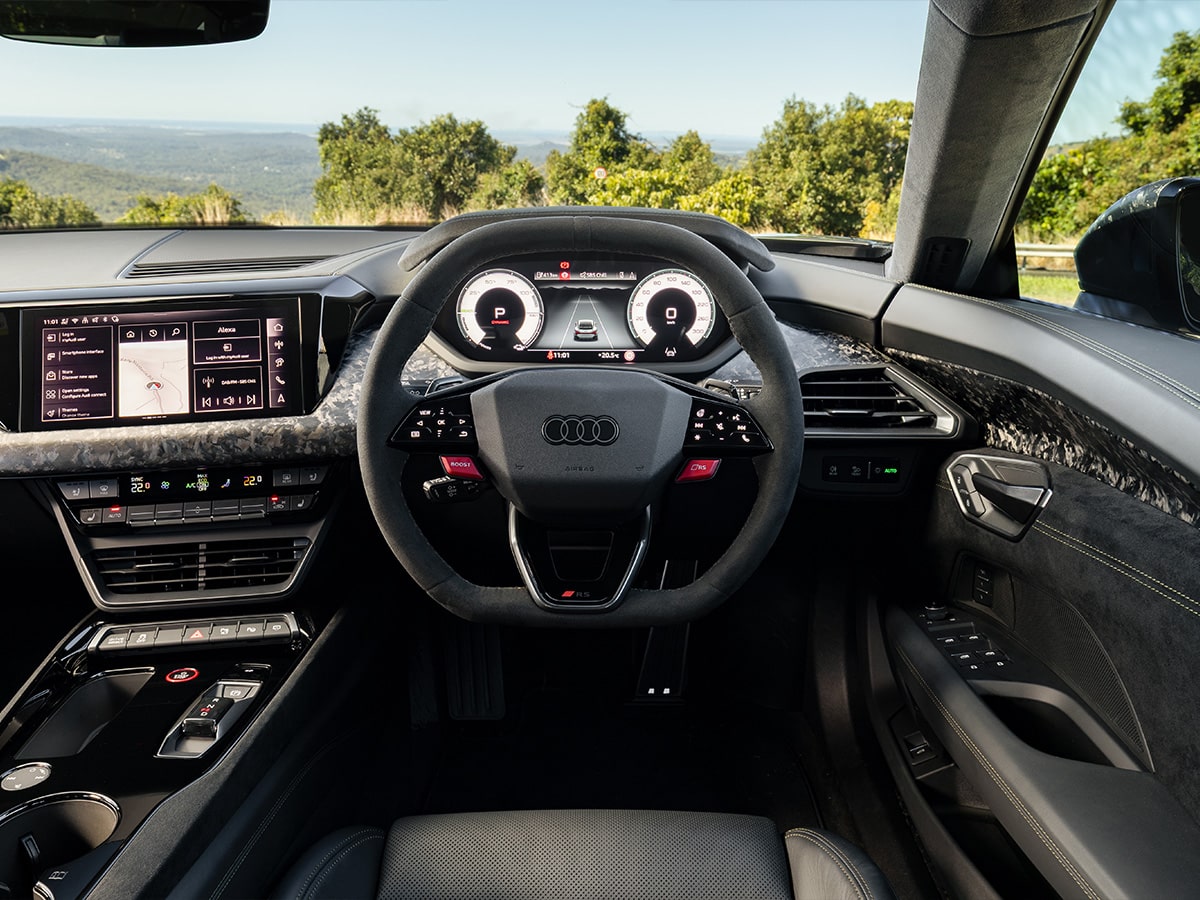
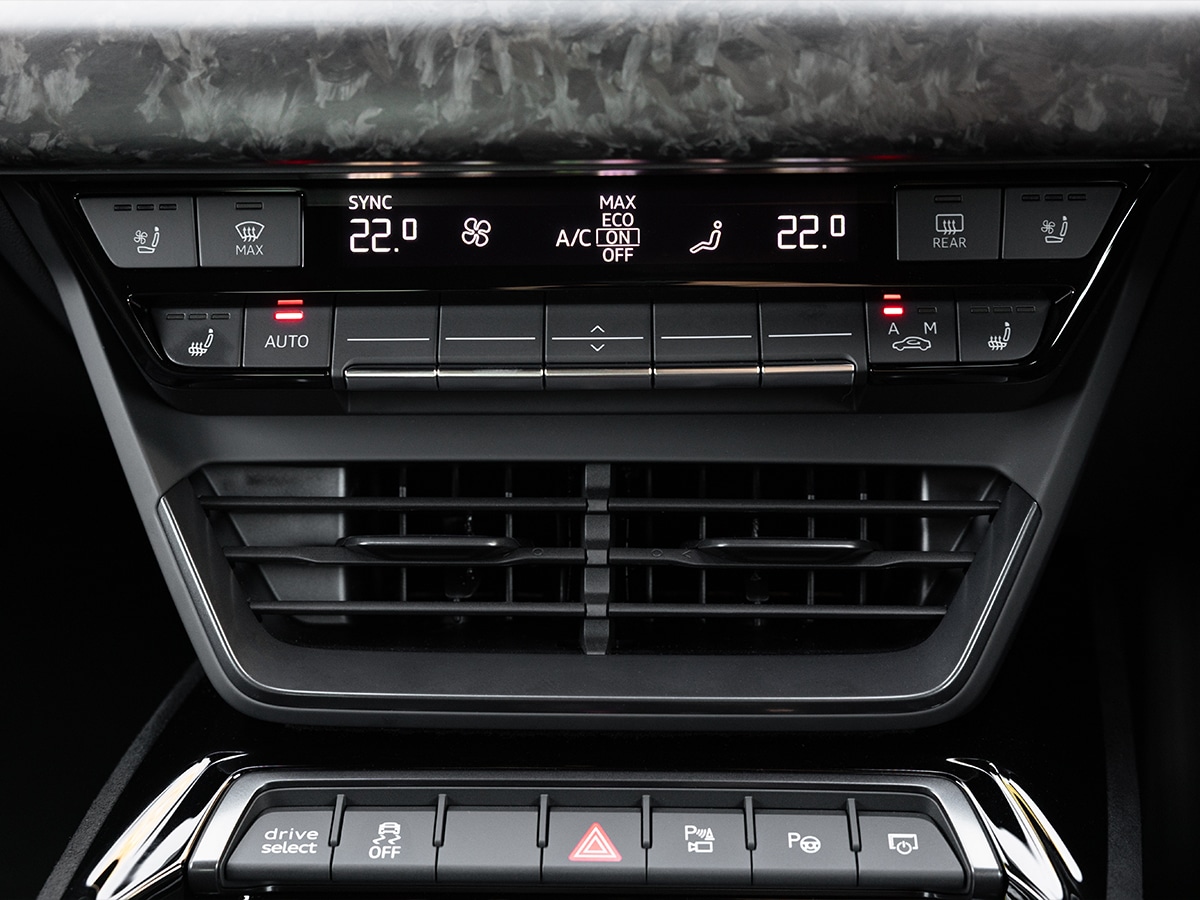
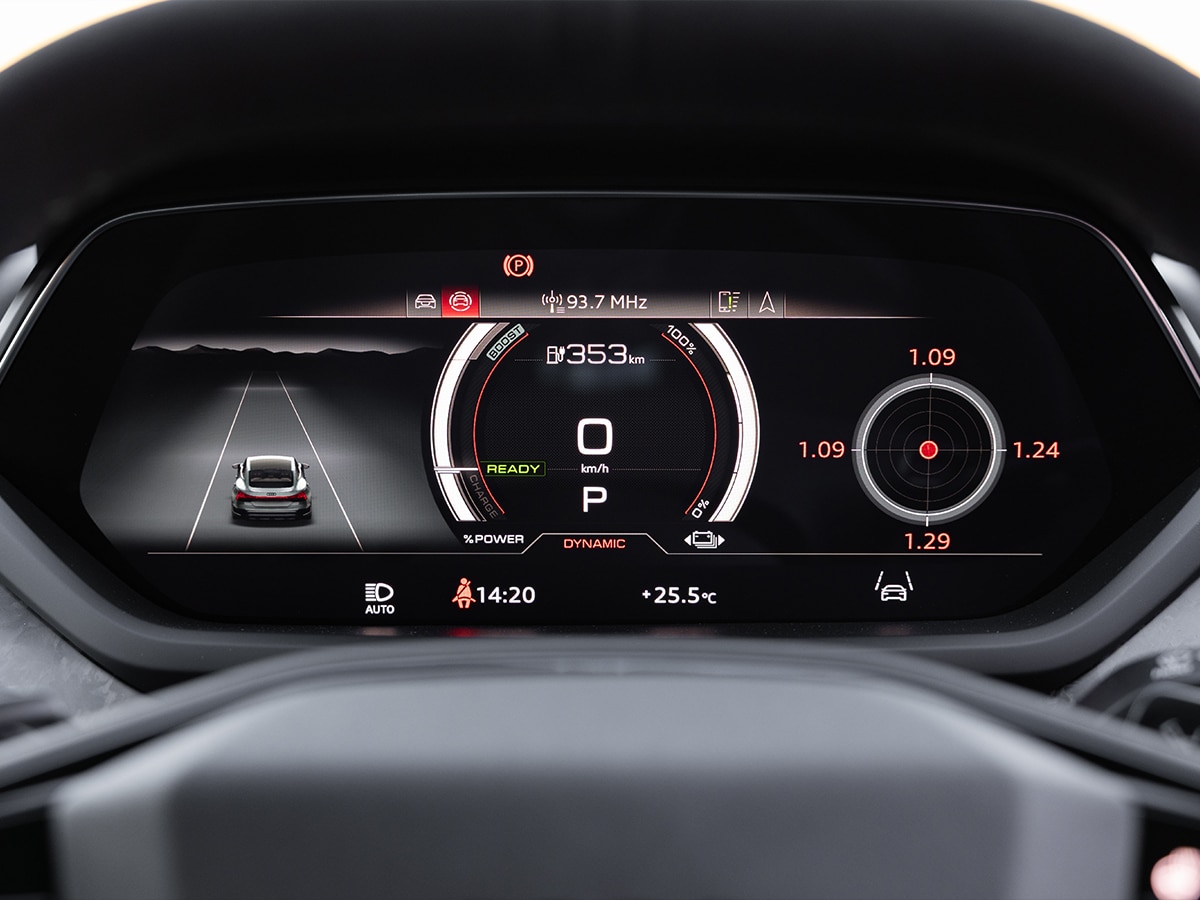
The cabin is uber-premium, even more so than its platform-shared Porsche relative. I’m a huge fan of Audi’s electrically adjustable Sport front seats Pro (memory, massage, heating, and ventilation), and the RS-specific virtual cockpit behind the 3-spoke Sport contour steering wheel is easy to read and customisable to your preferences. It’s paired with a 10.1-inch infotainment touchscreen with Apple CarPlay and Android Auto, better integrated than Audi’s latest tablet-style displays. The Bang & Olufsen 3D Sound System with 16 speakers and 710 Watts also deserves a mention.
Uncertain Future, Ahead of Its Time
I’m on my way back to the dealership to drop off the Audi RS e-tron GT Performance, and I can’t help but think it’s too far ahead of its time.
Technically speaking, this is one of the most impressive vehicles that I’ve driven. However, it will likely be remembered as nothing more than Tony Stark’s (Robert Downey Jr.) personal vehicle from Avengers: Endgame. Very cool, a brilliant all-rounder, but sadly forgotten.
It’s no secret that the e-tron GT has been a tough sell for Audi here in Australia. They sold just 33 e-tron GTs in 2025, which is down from 84 in 2024. Globally, the brand has dropped plans to sell only electric cars after 2032. Its latest flagship release is the Audi RS 5, which is a plug-in hybrid. Driving the e-tron, it feels like they might have given up on their EV aspirations too soon. It’s excellent.
But who’s it for? That’s the challenge. There’s a very small market for people who are very wealthy, future-thing, don’t want a petrol-powered car, and don’t care about depreciation. If you’re one of those people, the Audi RS e-tron GT Performance will outperform all expectations. For everyone else, it’s a halo car that previews Audi’s future in both EV, ICE, and Hybrid forms.
























Comments
We love hearing from you. or to leave a comment.