
Updated:
Readtime: 6 min
Every product is carefully selected by our editors and experts. If you buy from a link, we may earn a commission. Learn more. For more information on how we test products, click here.
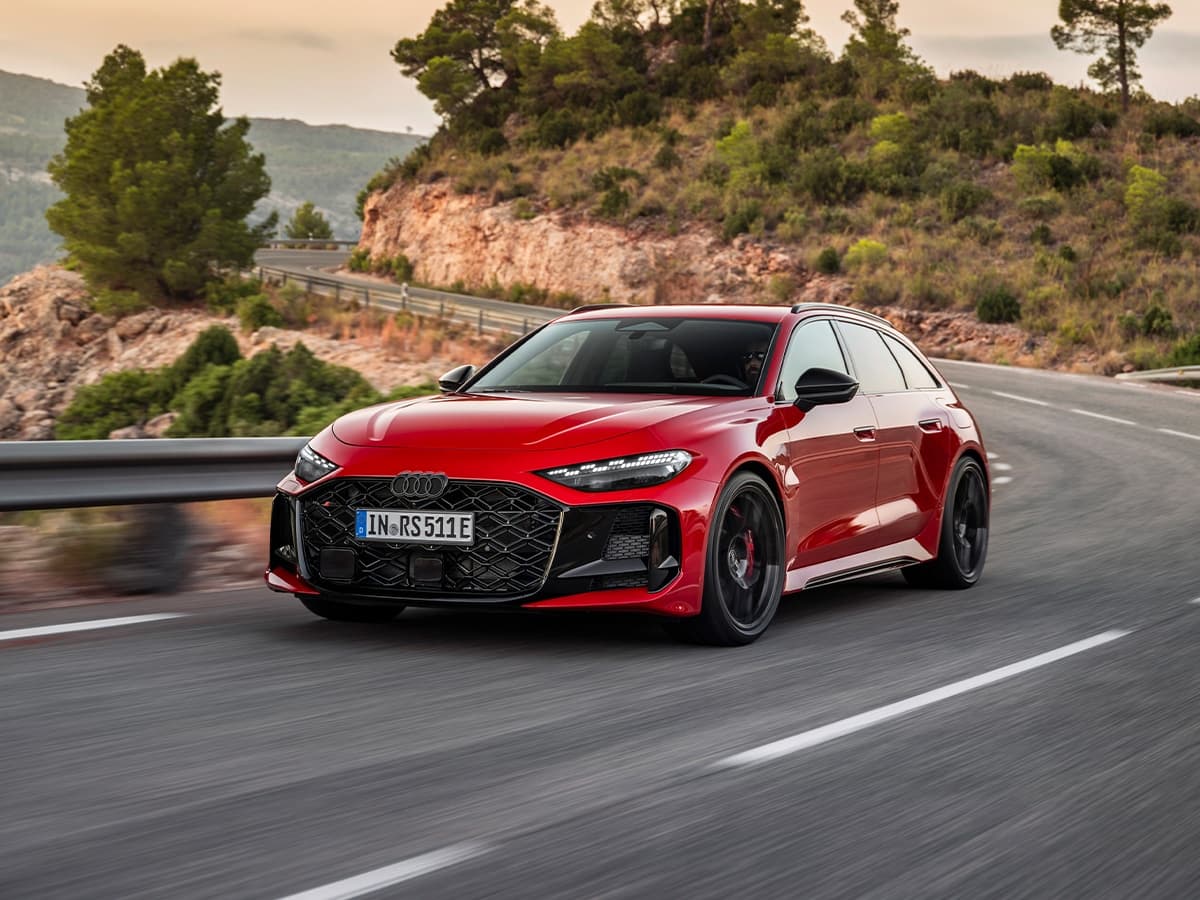
- 2026 Audi RS 5 debuts as a high-performance plug-in hybrid in both Sedan and Avant body styles.
- Pricing starts from $179,900 MLP for the Sedan and $182,900 MLP for the Avant.
- It features the world’s first electromechanical torque vectoring system in production.
- Combined system output reaches 470 kW and 825 Nm of torque.
- Accelerates from 0-100 km/h in 3.6 seconds, all-electric driving range of up to 78 kilometres.
- New twin-valve adaptive dampers help manage the car’s 2,370 kg weight.
I still remember when everyone’s major complaint about EVs was that “they weigh too much.” Now, that was entirely true five years ago, but as technology has progressed (and emissions regulations have got stricter), manufacturers have been forced to adapt. Fancy active and adaptive suspension systems are a must-have to control the weight of the added hybrid batteries, and as the new 2026 Audi RS 5 demonstrates, torque vectoring is next.
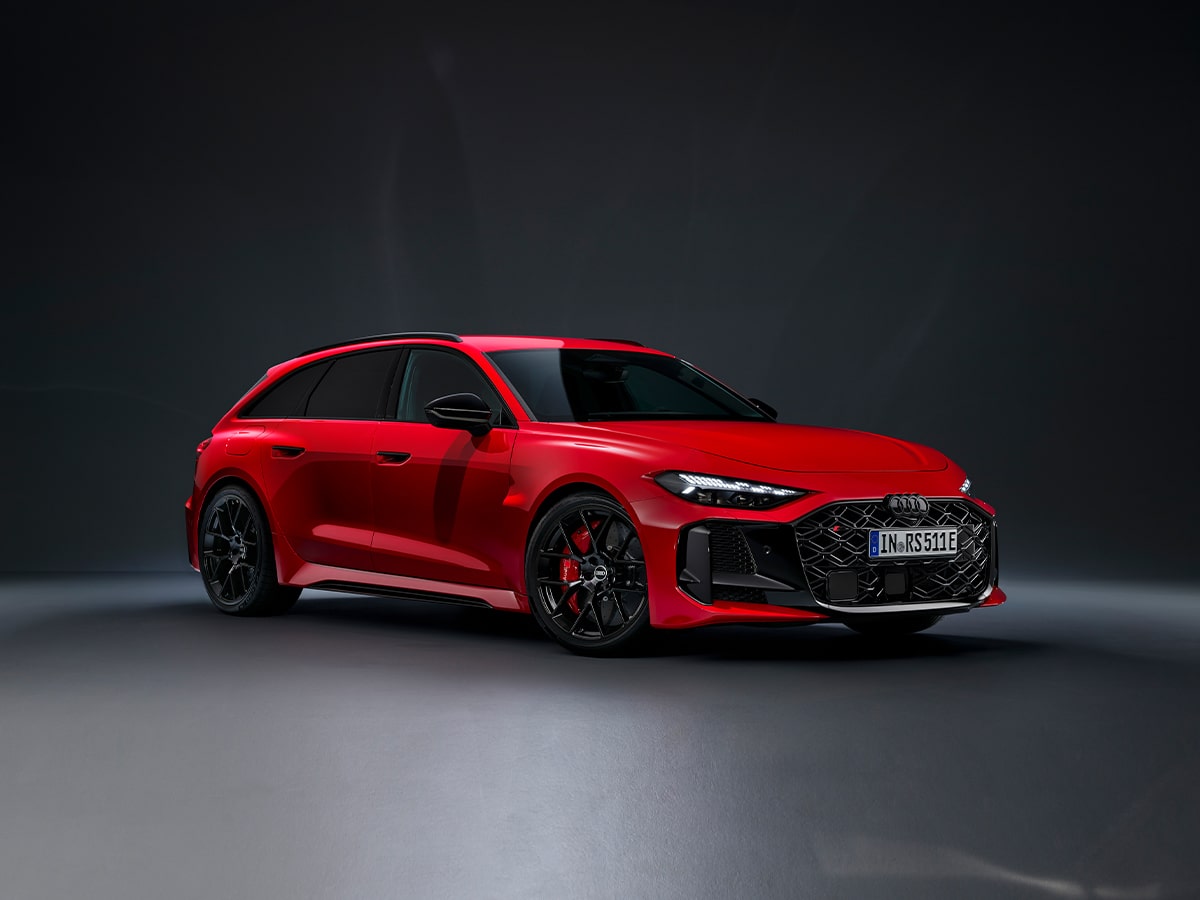
It’s a little strange that the 2025 Audi RS 6 Avant Performance (2,150 kg) that I drove last year is lighter than the new Audi RS 5 Avant (2,370 kg). However, what the RS 6 has in raw, old-school power, the RS 5 more than makes up for with technology, including clever Quattro controls that split power in 15ms and help deliver that instant torque from the electric motor (inside the gearbox) that’s capable of delivering 130 kW (177 PS) and 460 Nm of torque on its own. When the boost button is pressed, it combines with the 2.9-litre twin-turbo V6 engine to produce a total system output of 470 kW (639 PS) and 825 Nm of torque.
The new Audi RS 5 can accelerate from 0-100km/h in 3.6 seconds (0.2 seconds less than the previous generation), but we won’t know if it’s more fun to drive until we get behind the wheel. Until then, let’s take a deep dive into the new RS 5, as it previews the future of (heavier) sports sedans and wagons.
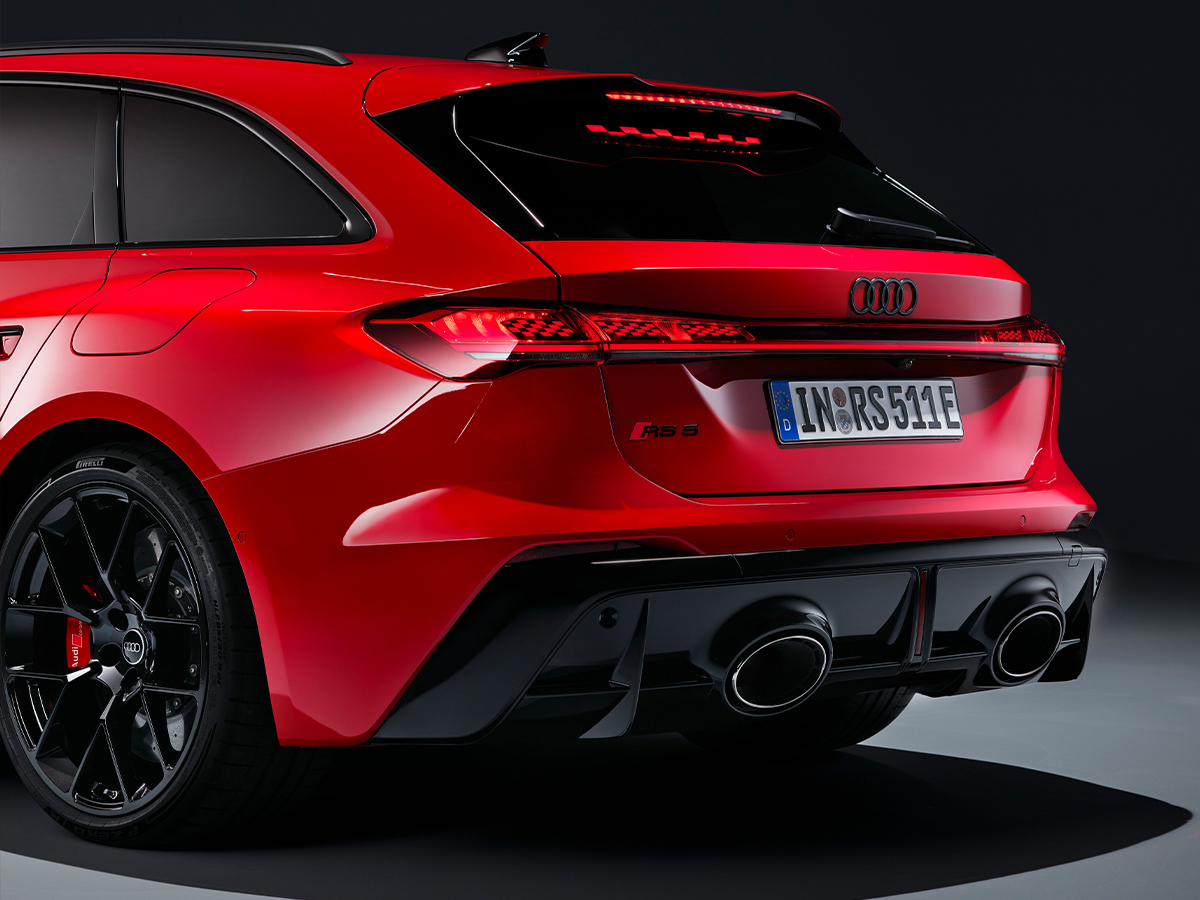
How Does the Audi RS 5 Manage Ride and Handling?
This is the first time that we’ve seen “Electromechanical Torque Vectoring,” which sounds incredibly German. However, we’re assured that this is designed to make the car more capable and fun to drive.
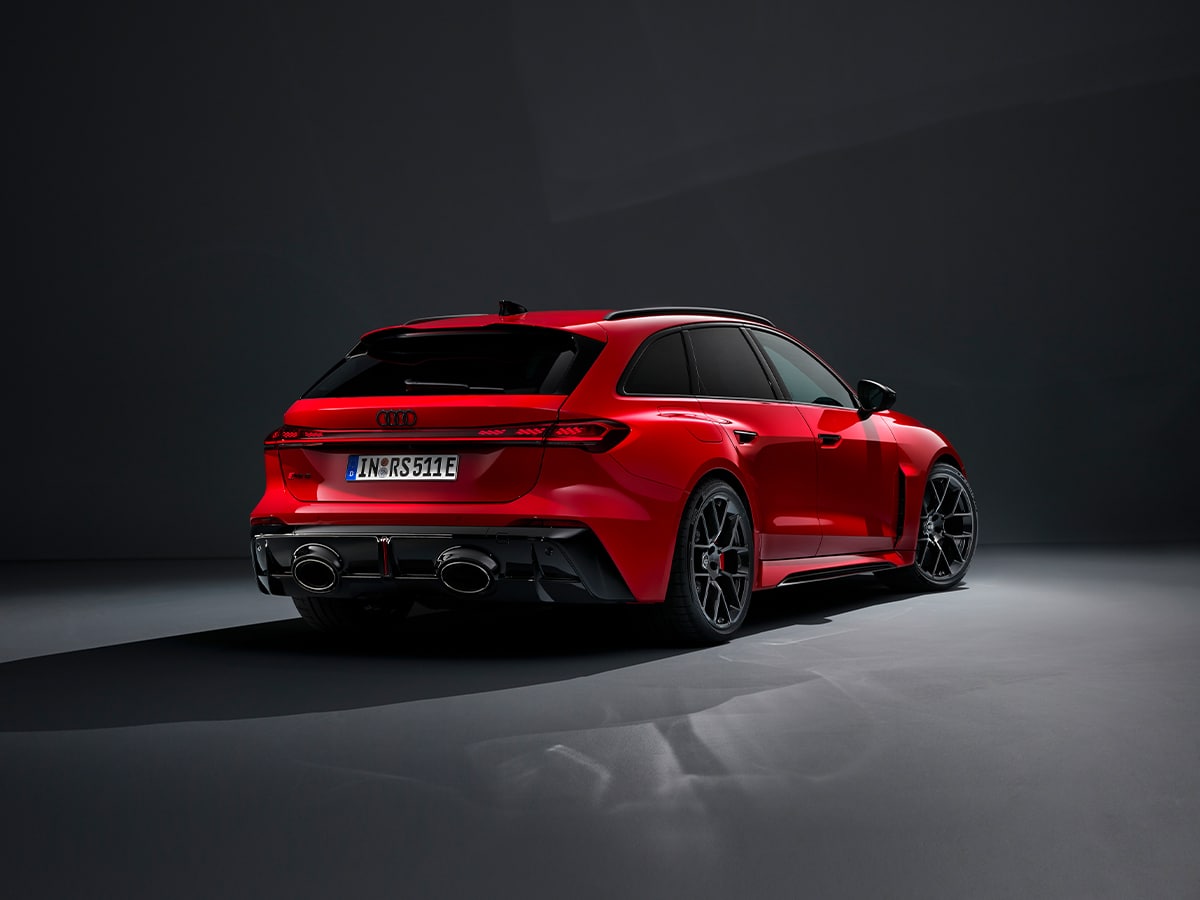
The system relies on a dedicated 8 kW electric motor in the rear transaxle rather than traditional mechanical diffs that react to slip. It can actively send up to 2,000 Nm of torque between the left and right rear wheels in just 15 milliseconds, meaning it can force the heavy vehicle to do things that physics can’t, e.g., rotate into corners and eliminate understeer before it happens.
“The A5 model series’ new pinnacle is our first high-performance plug-in hybrid,” said Gernot Döllner (CEO, Audi). “Our newly developed quattro drivetrain with Dynamic Torque Control is the world’s first electromechanical torque vectoring system in a production car. The sophisticated technical interplay between combustion engine and electric power brings performance and efficiency together in a new way at Audi. Customers can experience both peak sportiness and everyday comfort.”
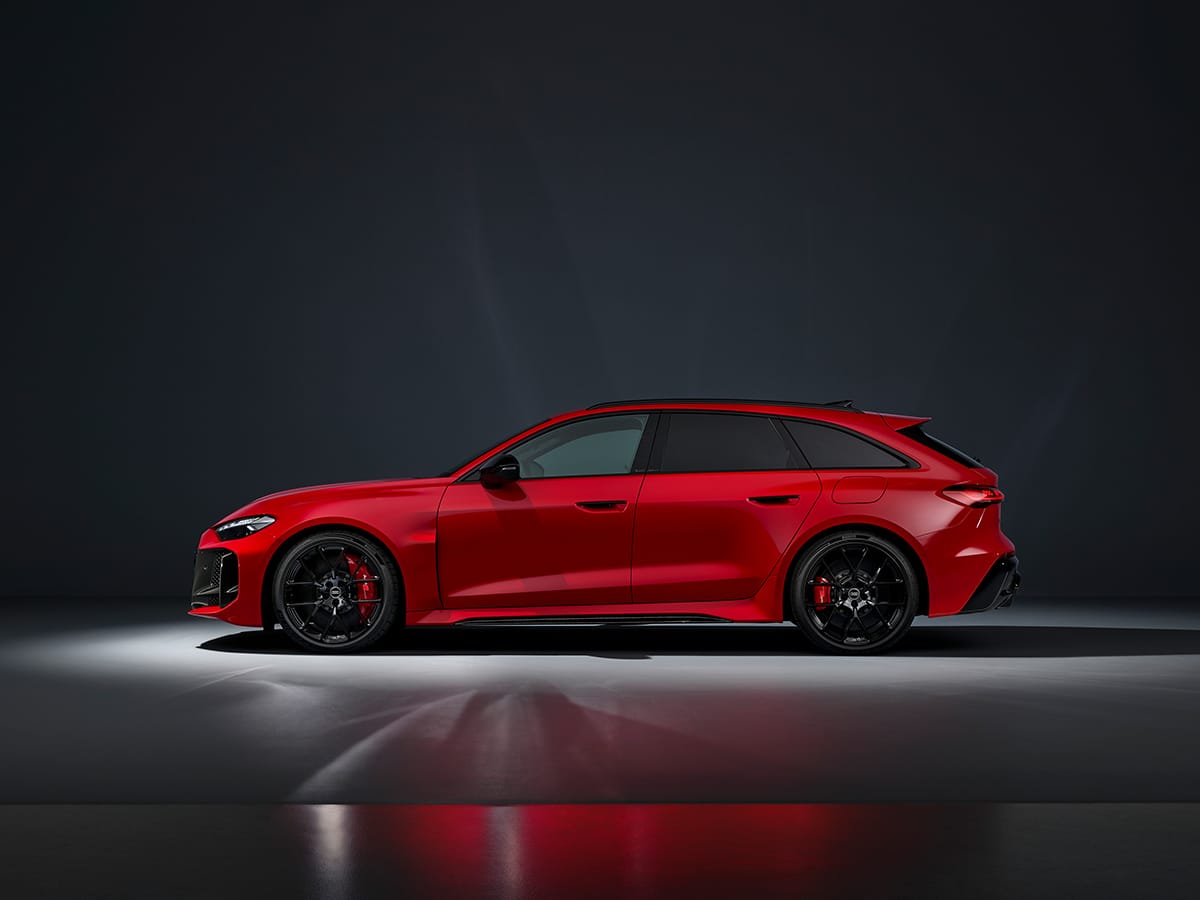
It’s a remarkable piece of engineering, but it’s nothing without the new twin-valve adaptive dampers that help control the 2,370 kg wagon as it shifts its weight around.
I would’ve liked to see the brand’s active suspension make its way into the car, but it’s likely that would have only added weight. The new twin-valve shock absorbers are not dissimilar in concept: they control compression and rebound entirely independently, allowing the car to instantly stiffen the outer suspension under heavy lateral G-forces to prevent the body from rolling while keeping the ride comfortable on the straights.
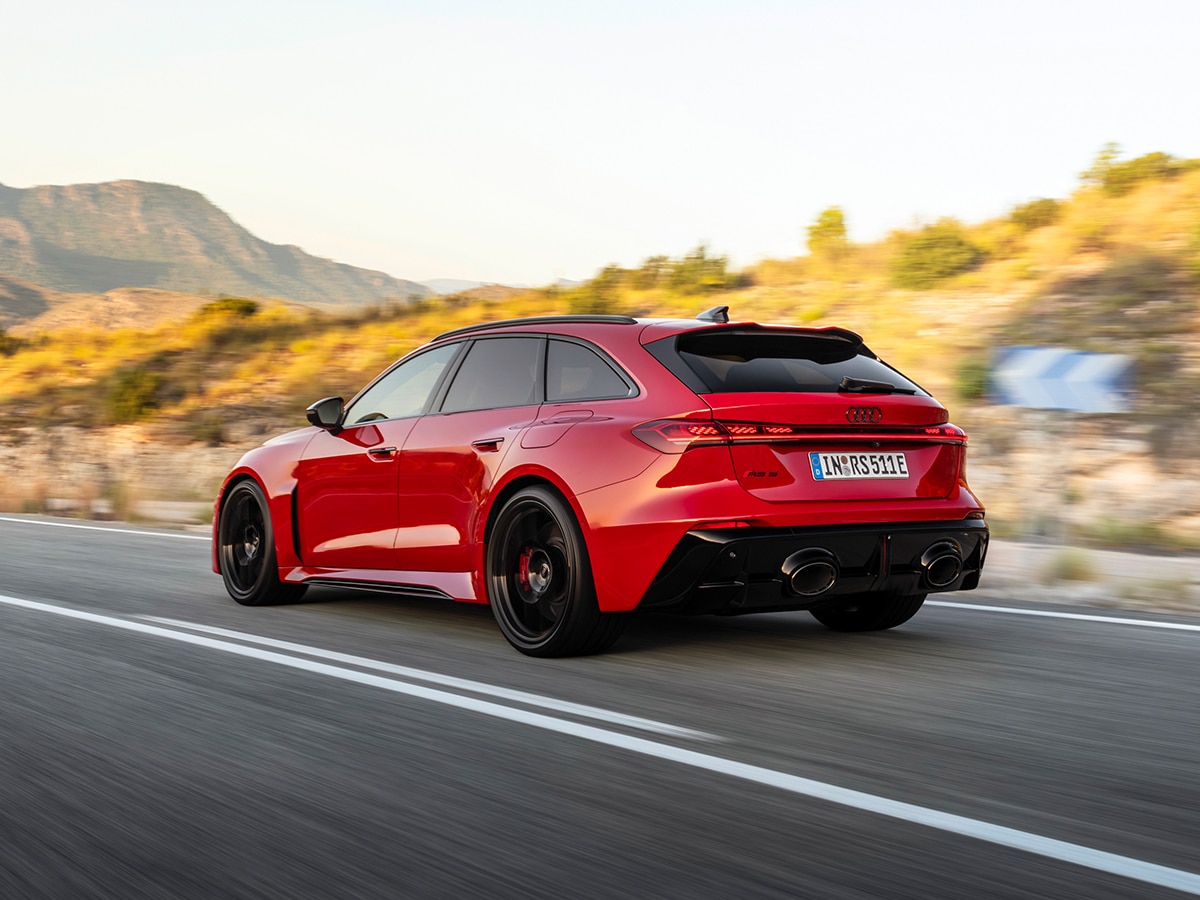
How Does the Audi RS 5 Manage Power?
This directly addresses the main problem we had with the even heavier, larger BMW M5 Touring. Wagons are designed to be the ultimate dual-purpose sports cars, but when the suspension is stiff and jarring during your morning commute, it defeats the whole purpose. On paper, the Audi RS 5 fixes that.
“The RS 5 and its innovative drive concept mark the beginning of a new era for our RS models,” said Rolf Michl (Managing Director, Audi Sport). “They bring a new level of dynamics to the driving characteristics our customers love and further improve day-to-day use value thanks to all-electric driving and innovative technologies. A new interpretation of the true RS experience.”
So it can beat physics at its own game, but power can also be an issue with PHEVs. Often, the battery depletes, leaving the combustion engine crying out for dear life. It revs its guts out, struggling to put charge back into the battery while also acting as the only power source.
To prevent this, Audi’s software actively manages the state of charge. When you switch to “RS Sport” or the new, drifty “RS Torque Rear” mode, the car actively cools the battery to 20°C and uses the combustion engine to maintain a 90% battery charge. This guarantees that the electric torque vectoring and the 130 kW electric motor always have the power required to continue to mask the car’s weight.
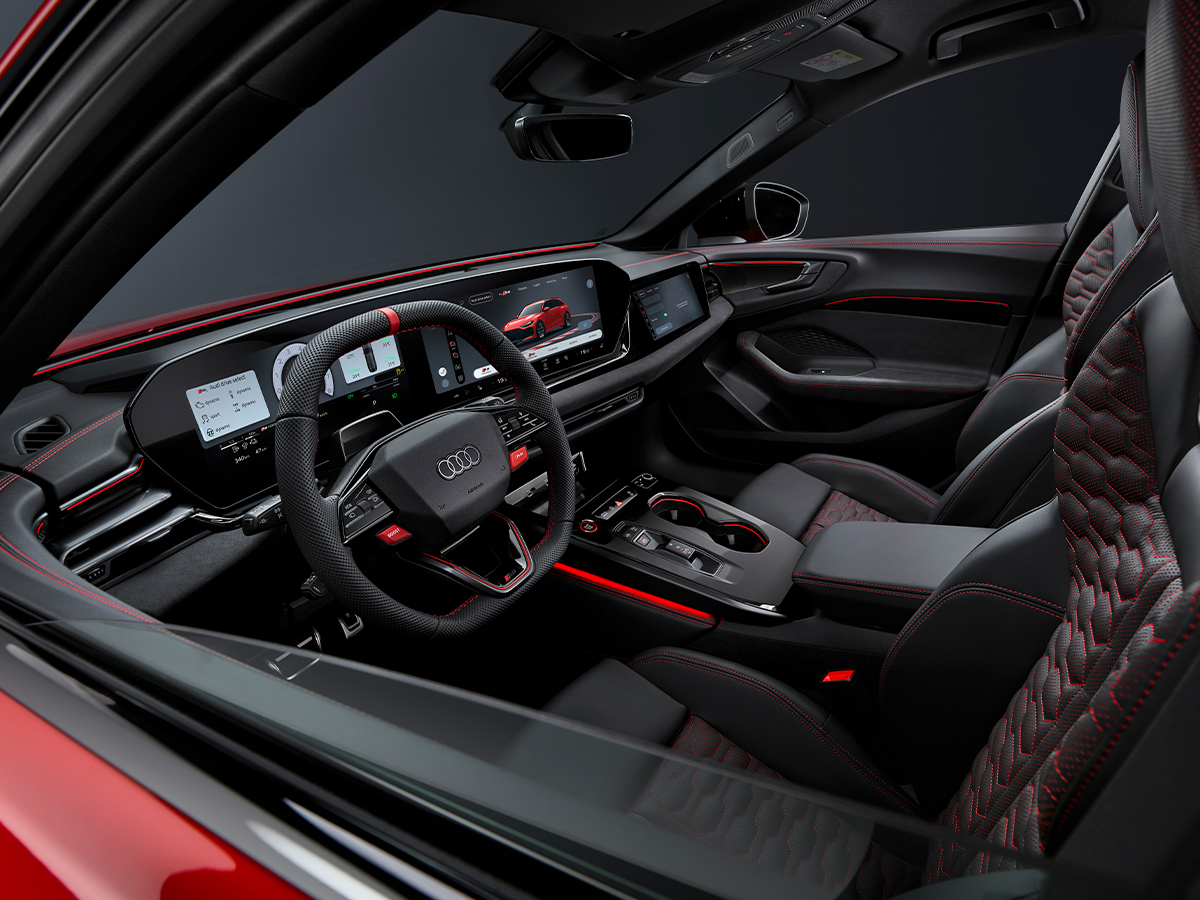
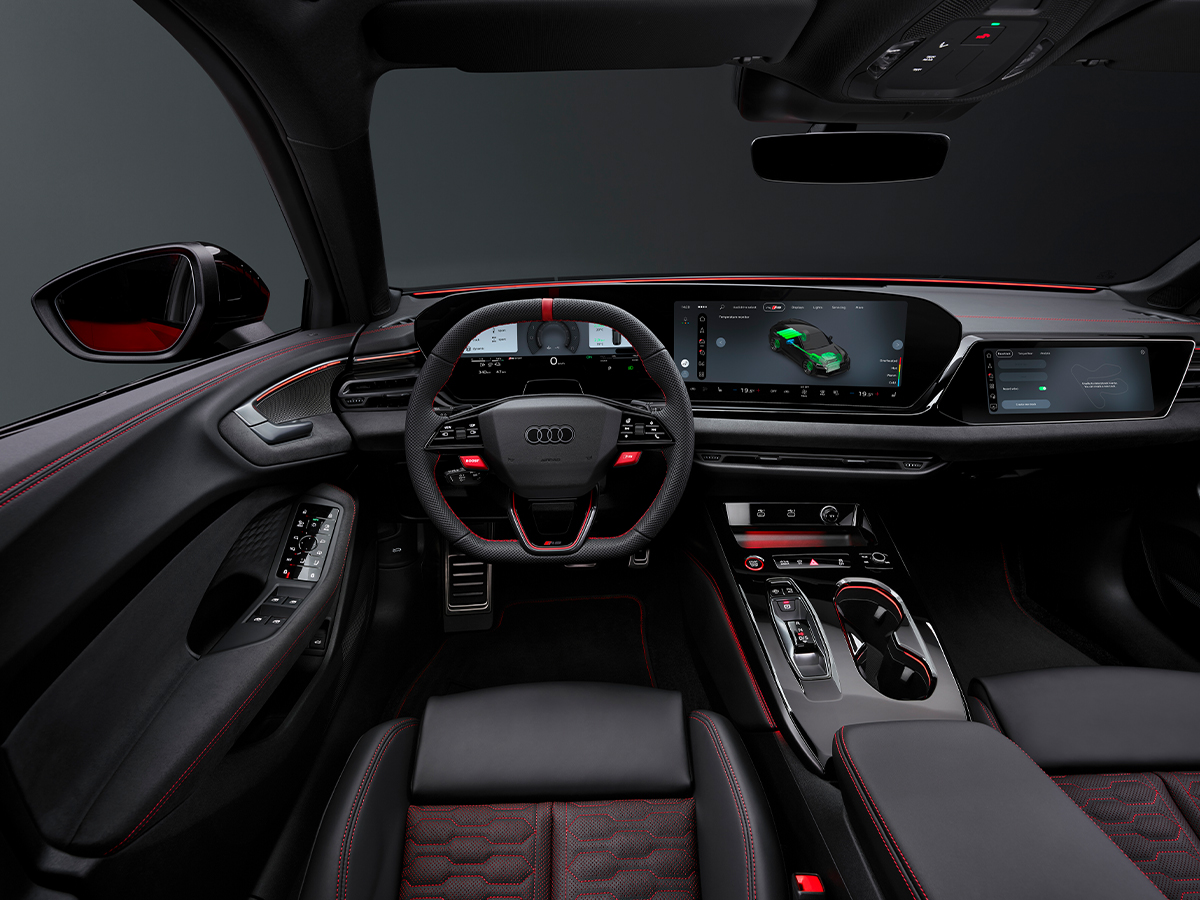
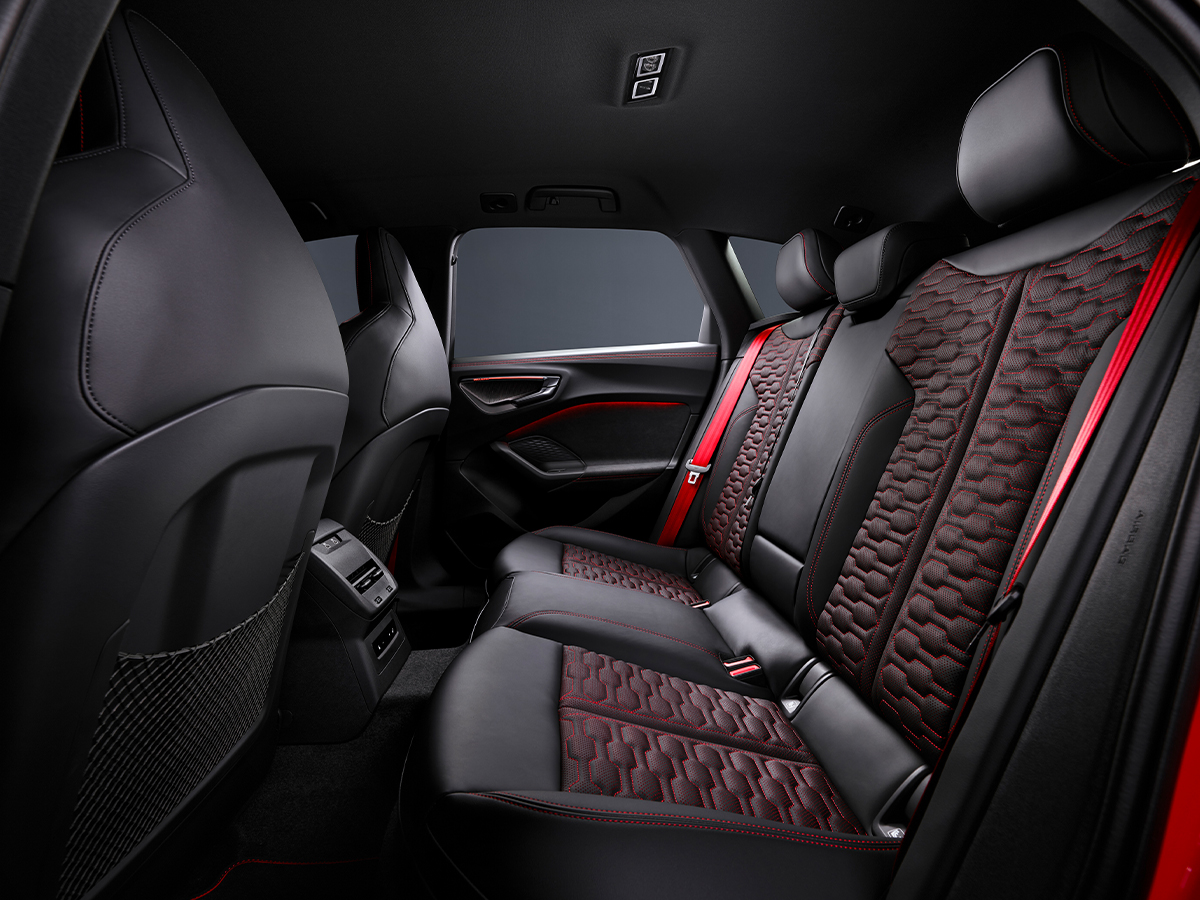
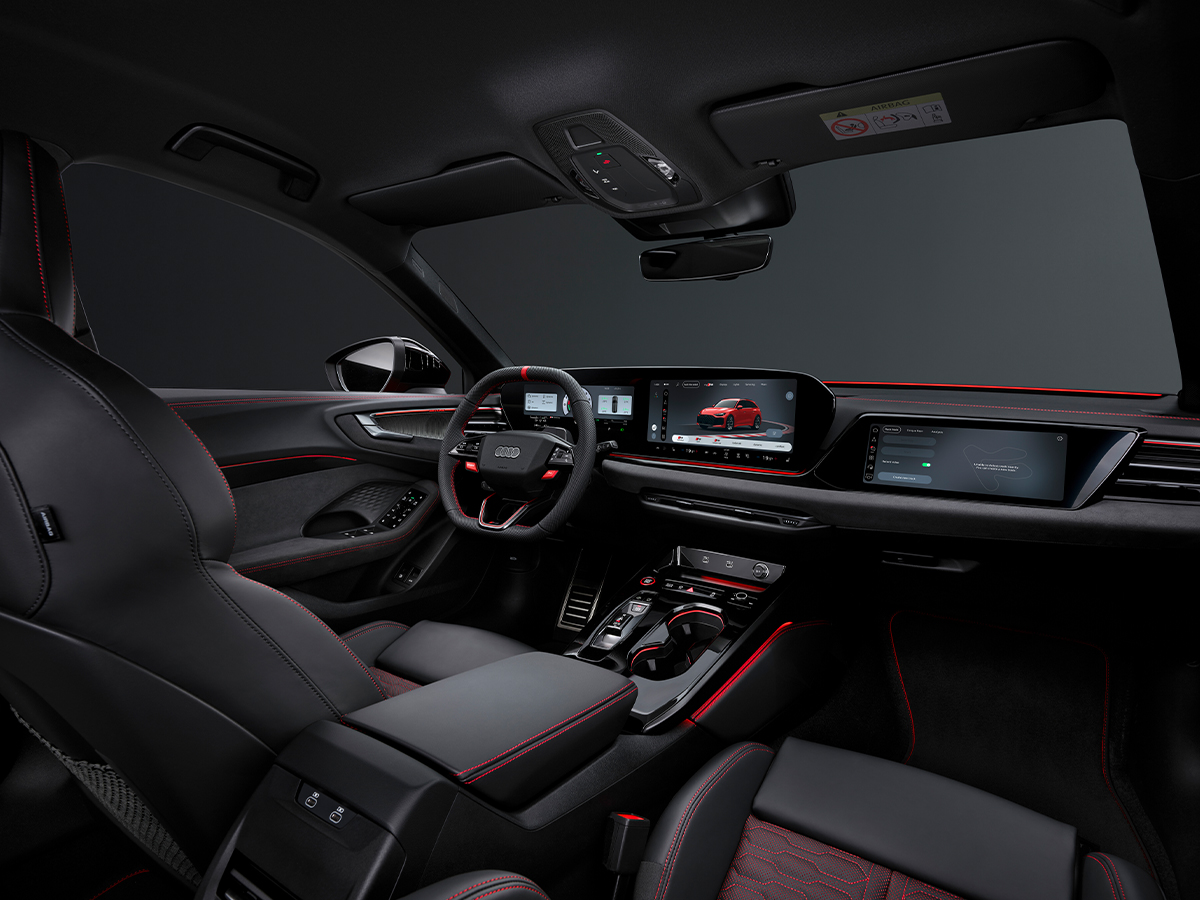
Price and Availability of the New Audi RS 5
The main message here is that you shouldn’t be scared of a future where heavier, more tech-filled cars roam our streets.
Would we prefer naturally-aspirated V8s and manual transmissions? Of course, but that’s not the reality we live in with tightening global emissions regulations. It’s impressive when a brand keeps an engine around, adds performance to a platform, and makes a car more capable despite the added weight.
The order books for European buyers open in the first quarter of 2026, with the first customer deliveries scheduled to commence in Summer 2026 (June–August). For Australian buyers, the wait is almost over, with both the RS 5 Sedan and RS 5 Avant scheduled to arrive in local showrooms in the second half of 2026.
Like expected with the addition of the complex plug-in hybrid powertrain, there is a noticeable price bump over the previous generation. Pricing for the all-new Audi RS 5 Sedan starts at $179,900 before on-road costs, while the RS 5 Avant is priced from $182,900 before on-road costs. The new RS 5 range is backed by Audi Australia’s five-year vehicle warranty, an eight-year high-voltage battery warranty, and twelve years manufacturing warranty for bodywork against corrosion.























Comments
We love hearing from you. or to leave a comment.