

Updated:
Readtime: 3 min
Every product is carefully selected by our editors and experts. If you buy from a link, we may earn a commission. Learn more. For more information on how we test products, click here.
- Toyota is diagnosing recalled twin-turbo V6 engines with 250-gram plastic mallets.
- Technicians hit the crankshafts three times.
- Sensors send hammer vibration frequencies directly to Toyota’s cloud.
- Over 250,000 Toyota Tundras and Lexus LX600s are affected.
- Factory metal shavings in main bearings cause catastrophic engine failures.
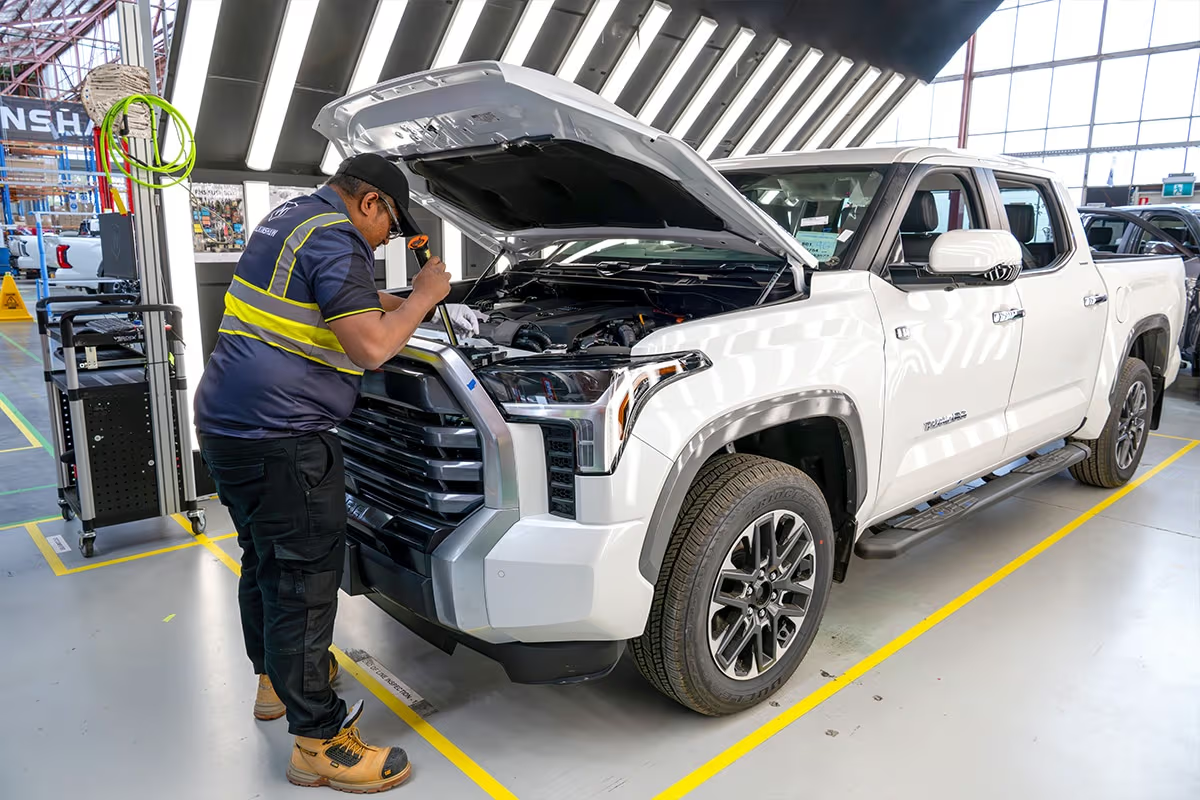
Toyota has built its reputation on unbreakable engineering, from Hiluxes that survive ocean tides to LandCruisers that outlive their owners. So when a recall hit more than 250,000 twin-turbo V6 models, including the Toyota Tundra, Lexus LX600, and Lexus GX, the automotive world expected a meticulously clinical response from Japan‘s manufacturing titan.
What we didn’t expect was the ultimate union of caveman engineering and NASA-level computer science. To figure out which 3.4L powerplants were accidentally assembled with stray metal shavings in the main bearings, Pickup Truck + SUV Talk uncovered that Toyota instructed service technicians to whip out a certified 250-gram plastic mallet and whack the engine exactly three times.
This is the first time we’ve seen official corporate endorsement of “percussive maintenance” (the age-old workshop tradition of hitting something until it works), but we’re here for it. Of course, those who spent the AUD$155,990 before on-road costs on the base-grade Tundra wouldn’t be so happy, as the hammer can’t diagnose loose materials already inside the engine. But in true Toyota fashion, hitting the engine with a hammer is only half the story, as the rest involves cloud computing, frequency analytics, and acoustic science. Let’s take a closer look.
The Surprisingly High-Tech ‘Whack-a-Mole’ Instructions
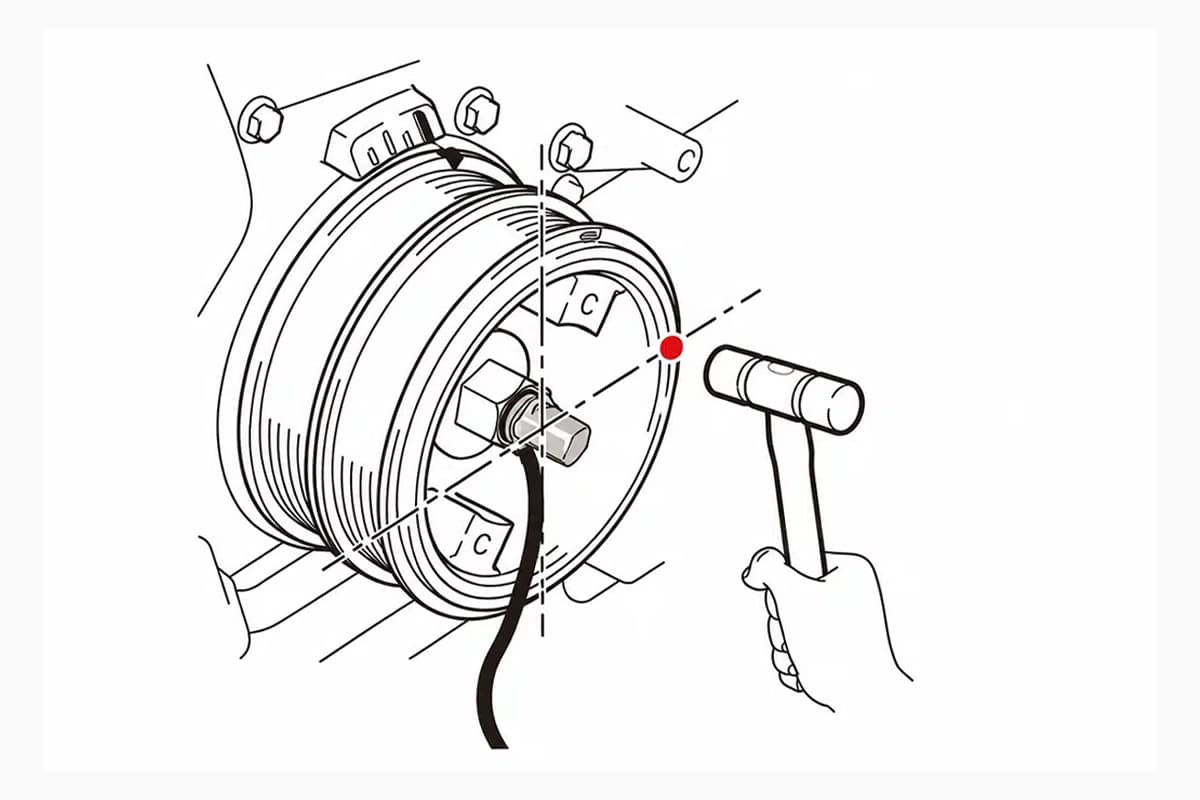
Rather than tearing down a quarter-million engines or replacing them blindly, Toyota created an ingeniously precise diagnostic routine for dealership mechanics:
- Warm Up the Patient: Draining all engine fluids, refilling them, and bringing the V6 to temperature.
- Strip and Align: Remove all accessory drive belts and align the crankshaft to a specific position.
- Attach the Sensor: Bolt a high-precision accelerometer directly to the front crankshaft pulley bolt.
- Percussive Maintenance: Strike the crankshaft pulley at exactly the 3 o’clock position three times.
It might sound pretty silly, but there’s genuine science behind this mallet-wielding ritual. Manufacturing debris tends to lodge itself in the number-one main bearing, and a pristine one rings out at a specific acoustic frequency when struck, whereas a bearing compromised by metal fragments alters the vibrational pitch. The attached accelerometer captures vibrations from the mallet strikes and uploads the acoustic file straight to Toyota’s cloud server.
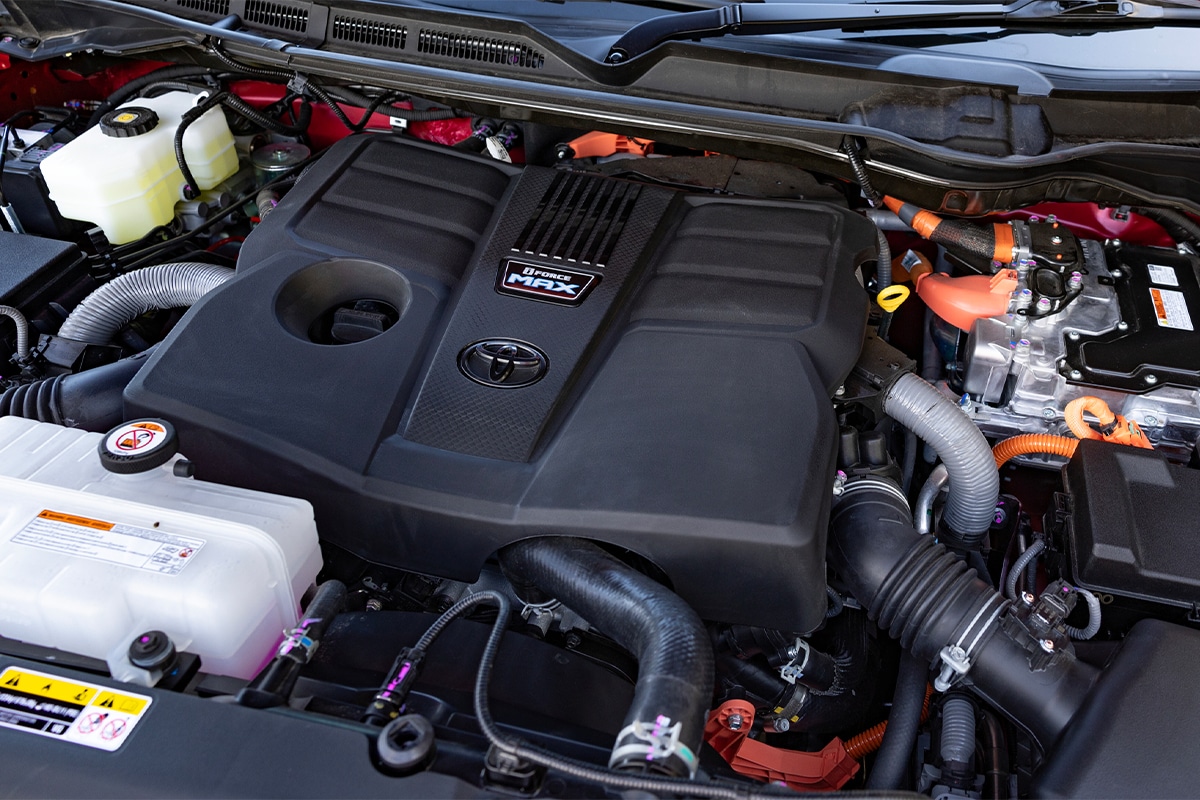
If the cloud algorithm decides your engine’s “hammer pitch” sounds off, Toyota approves a shiny new V6 engine swap. If it rings clear, your truck gets a clean bill of health, and you’re sent on your way.
While turning a plastic hammer into a cloud-connected diagnostic wand sounds like an April Fools’ joke, it’s a kind of corporate stroke of genius that saves both owners and dealers weeks of workshop downtime and money.
For more quirky automotive stories and industry news, explore our latest coverage of new cars or browse our complete library of car reviews.
Related reads





























Comments
We love hearing from you. or to leave a comment.