

Updated:
Readtime: 4 min
Every product is carefully selected by our editors and experts. If you buy from a link, we may earn a commission. Learn more. For more information on how we test products, click here.
- Toyota unveils GR GT supercar with new 4.0L twin-turbo V8 hybrid.
- Developed with LFA engineers, preserving Toyota’s driver-focused performance heritage.
- Targets 650+ PS, 850+ Nm and 320 km/h top speed.
- All-aluminium body, 45:55 balance, and extensive global track testing.
- Launch expected around 2027, shaping into a serious, purist-aimed driver’s car.
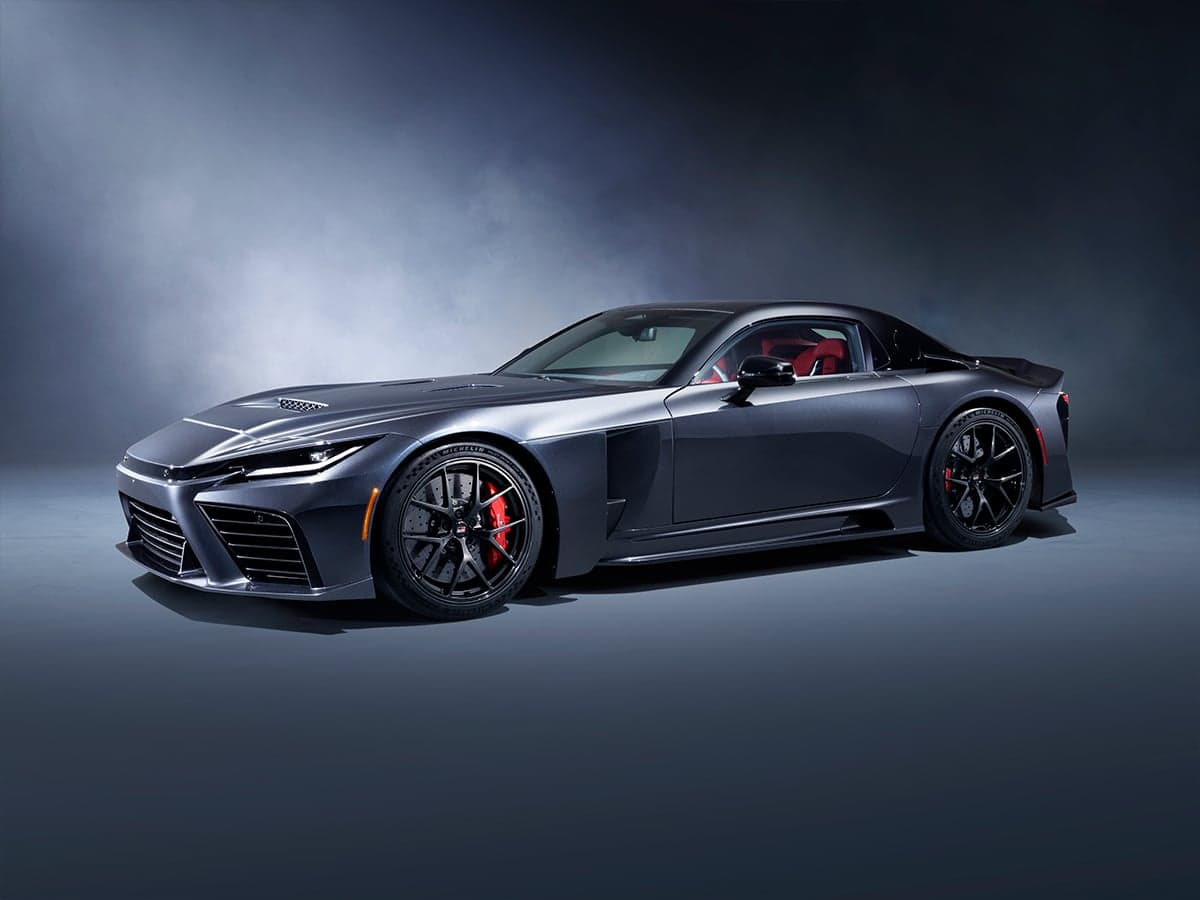
The car enthusiast gods are looking down on us and smiling at the launch of Toyota’s new 4.0-litre, V8 twin-turbo hybrid (single electric motor) GR GT supercar.
Developed in collaboration with the same folks who created the infamous Lexus LFA, the new Toyota GR GT aims to preserve and pass on “the secret sauce of car-making” to the next generation. It will carry on the legacy of the Toyota 2000GT and the Lexus LFA, featuring a low centre of gravity, front-engine, rear-wheel-drive powertrain layout. It will package all of this inside Toyota’s first all-aluminium body frame.
With slowing EV demand, especially in the high-end market, manufacturers are looking to give the high-end market exactly what they’re asking for. Ferrari and Lamborghini made limited-production supercars cool, but now brands like Toyota are getting in on the action with cars like the GR GT.
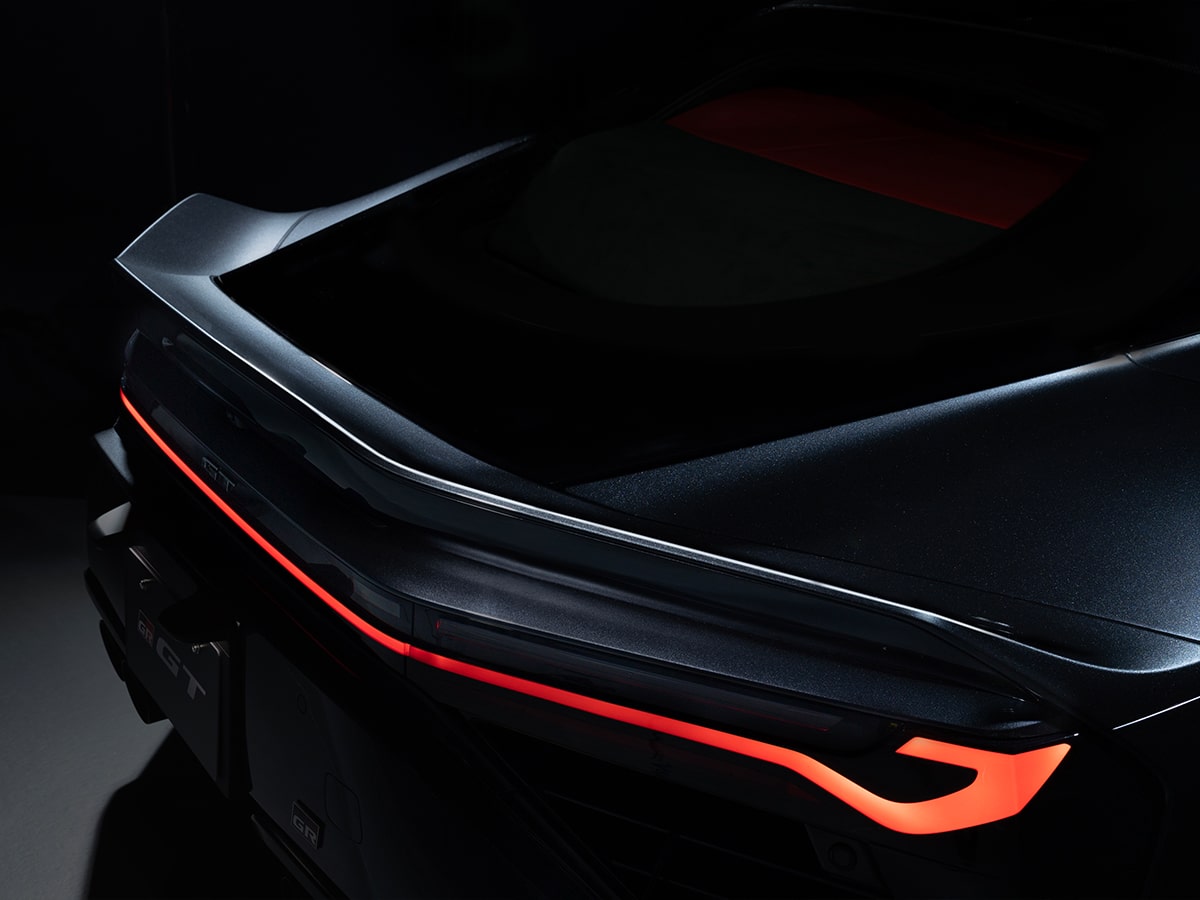
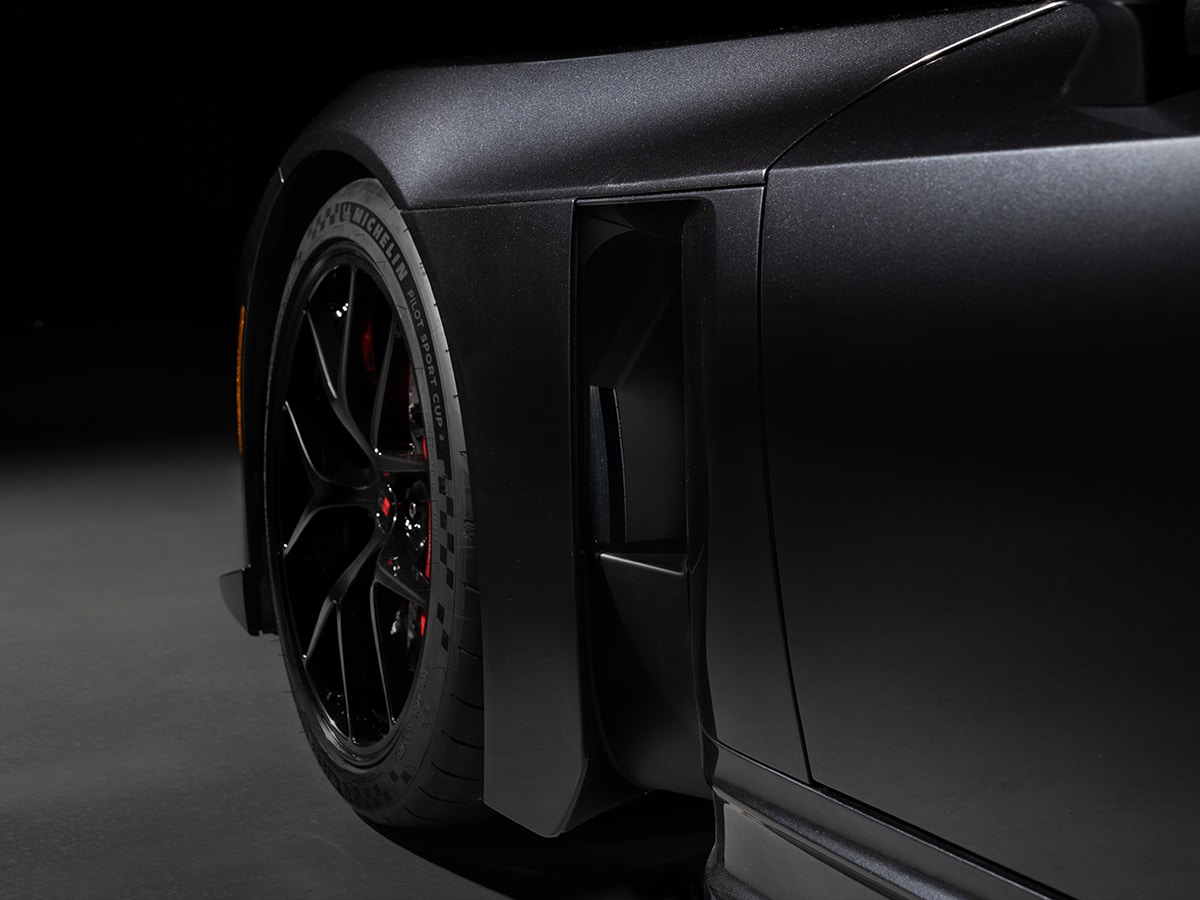

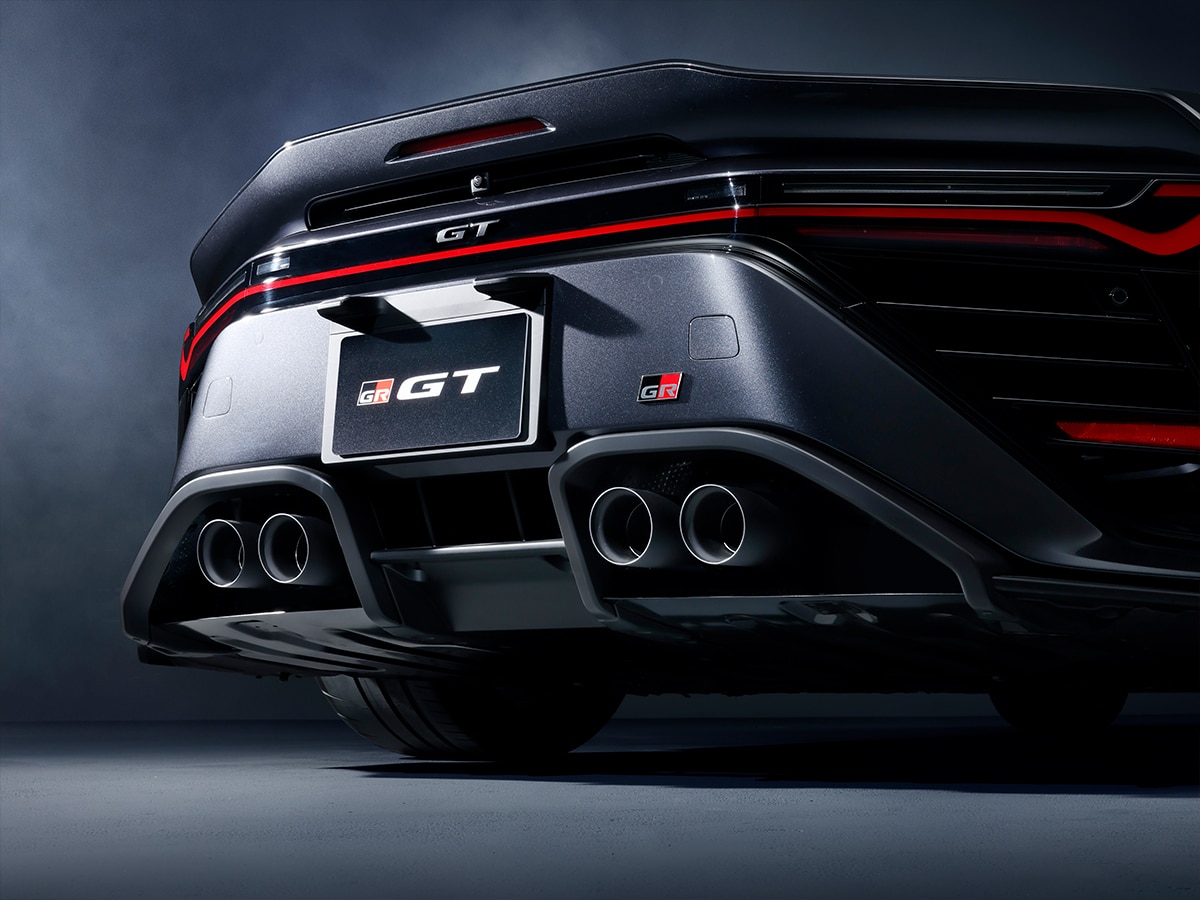
It was refreshing to hear that the maximum system output of the GR GT will “only” be around 650 PS or greater, and the maximum system torque of 850 Nm or greater (development target values) from this new 4.0-litre, V8 twin-turbo hybrid powertrain. It will send this power to the ground through a “newly developed” 8-speed automatic transmission, and will surely provide more than enough punch out of low-speed corners with help from that single electric motor.
The car’s development was defined by a driver-first approach, not as a pure stat-sheet chaser for reputation’s sake.
Toyota employed several new methods to create the vehicle, starting with the exterior design, where they first utilised aerodynamics engineers to determine the required cooling and aerodynamic performance, and then entered the design studio for the finalisation of the exterior.
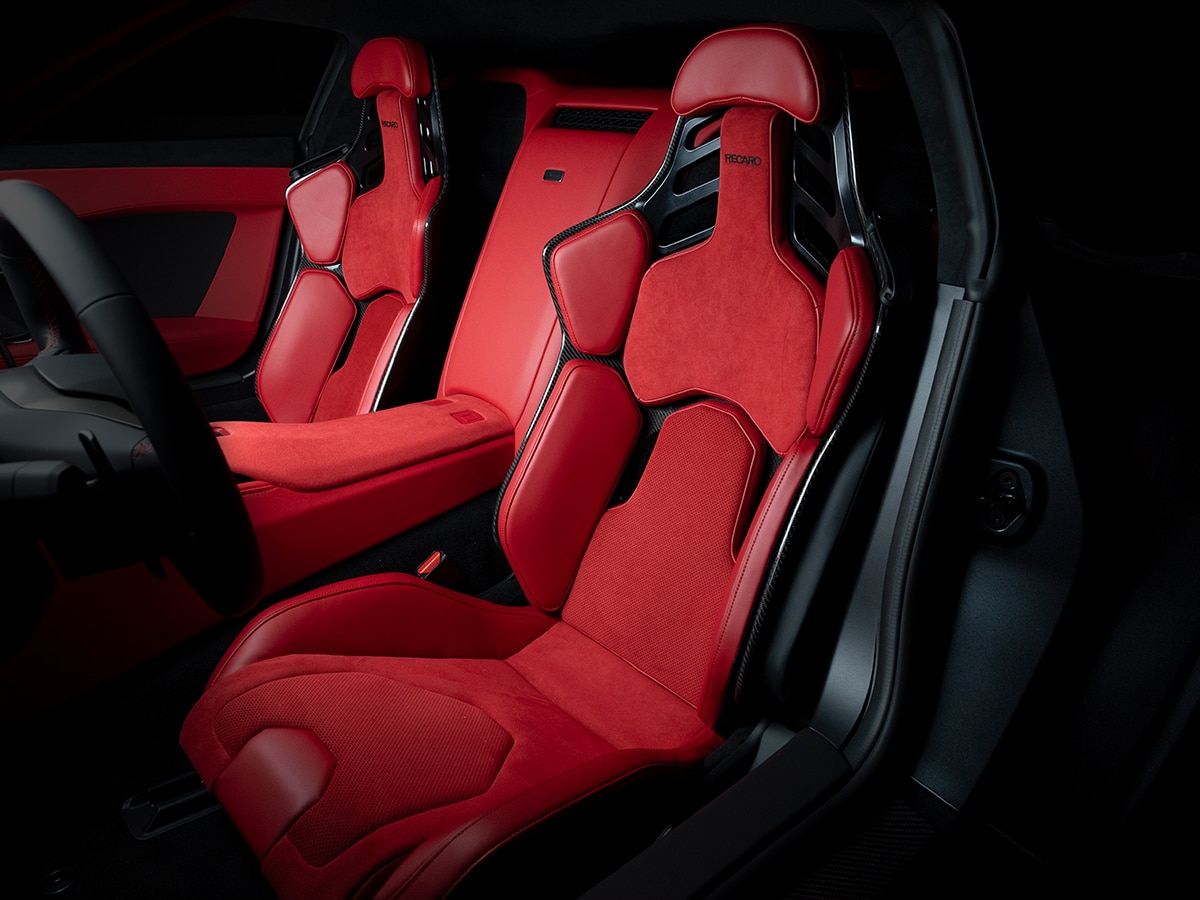
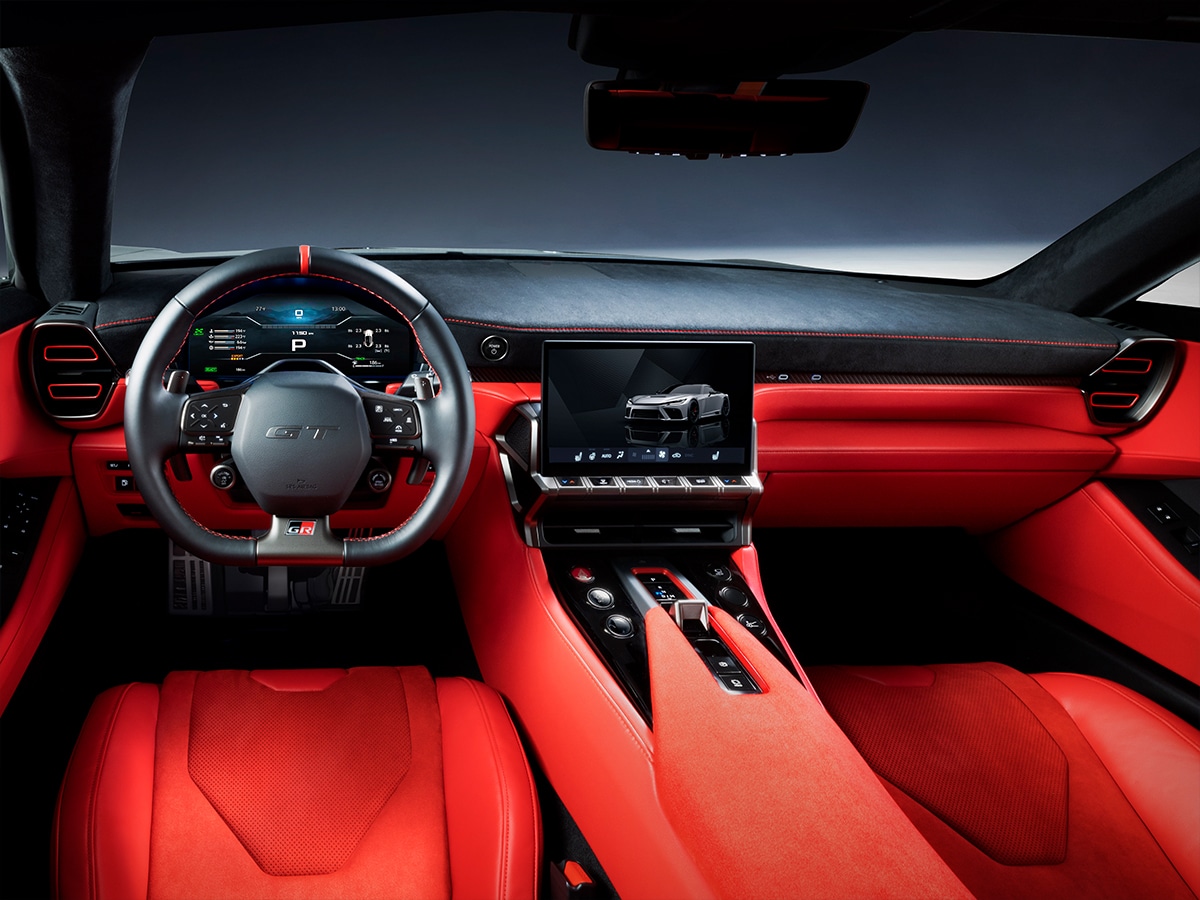
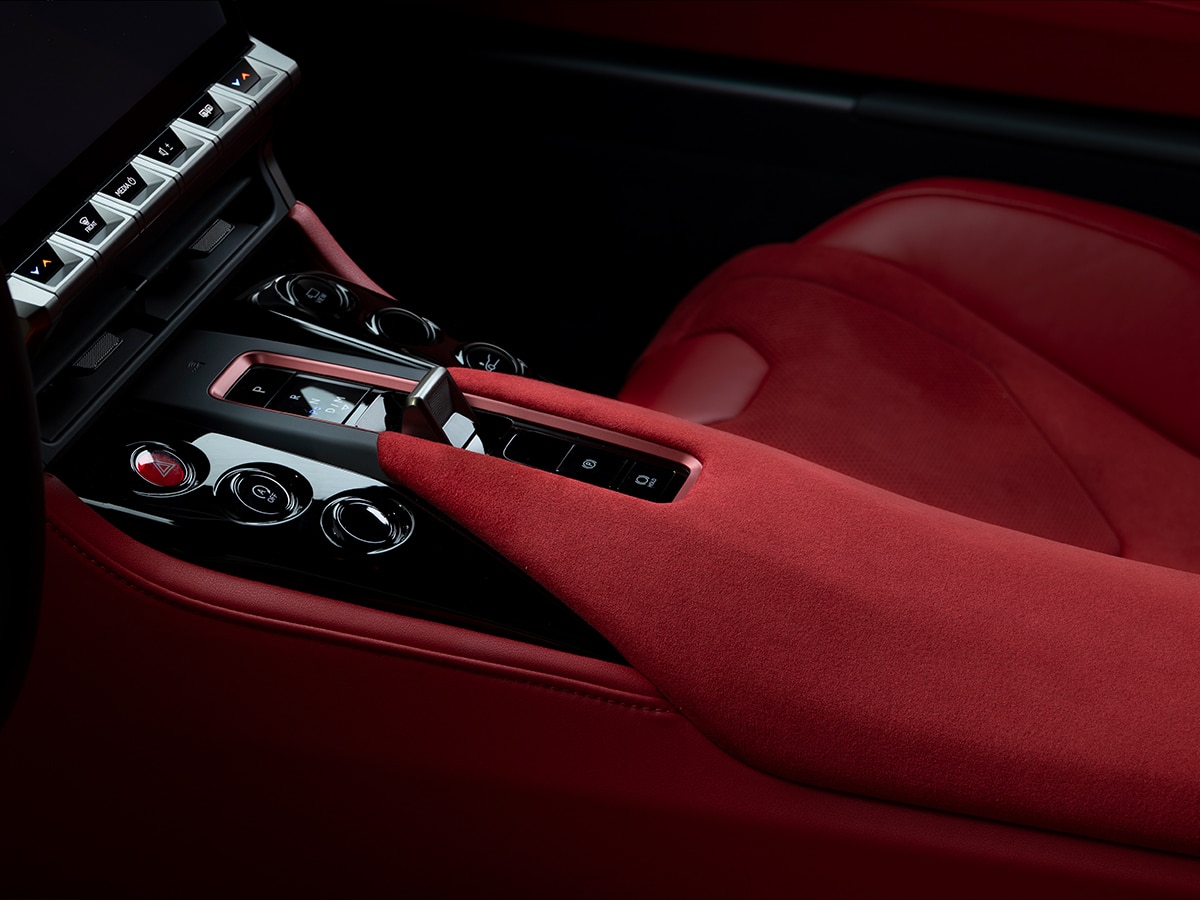
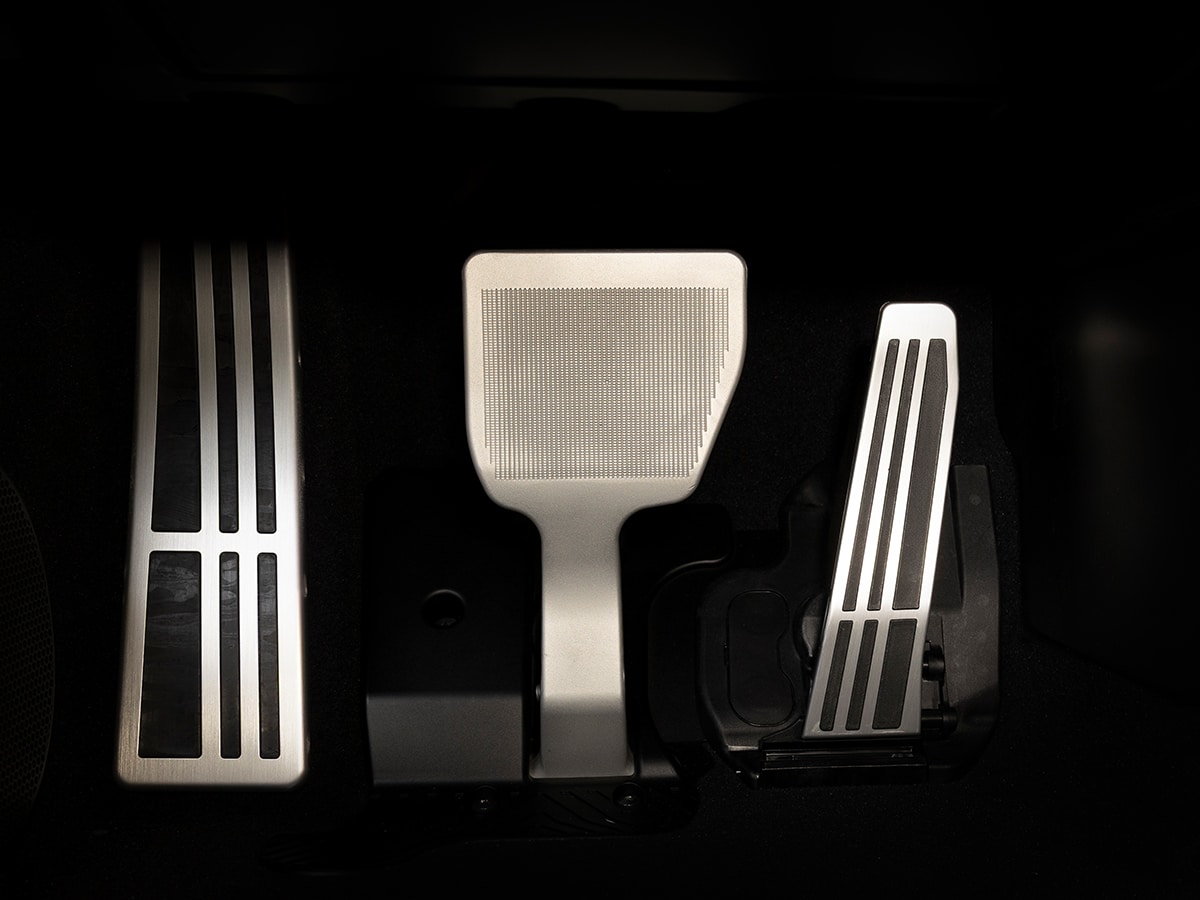
That theme continues to the interior, where the team leaned on ergonomics aimed at achieving the optimal driving position from a professional driver’s perspective and the required visibility needed for driving at the limit.
Extensive real-world testing was done not only on test courses, such as the one at Toyota Technical Centre Shimoyama, but also at circuits around the world, including Fuji Speedway and the Nürburgring.
The team also notes that the car was extensively tested on the road to achieve a balance between hardcore track driving and street use, much like a Porsche GT3 RS. They also implemented driving simulator-assisted vehicle research and development for the vehicle.
While we don’t know too much about the Toyota GR GT, as it’s still in the prototype development phase, it’s shaping up to be a serious driver’s car.
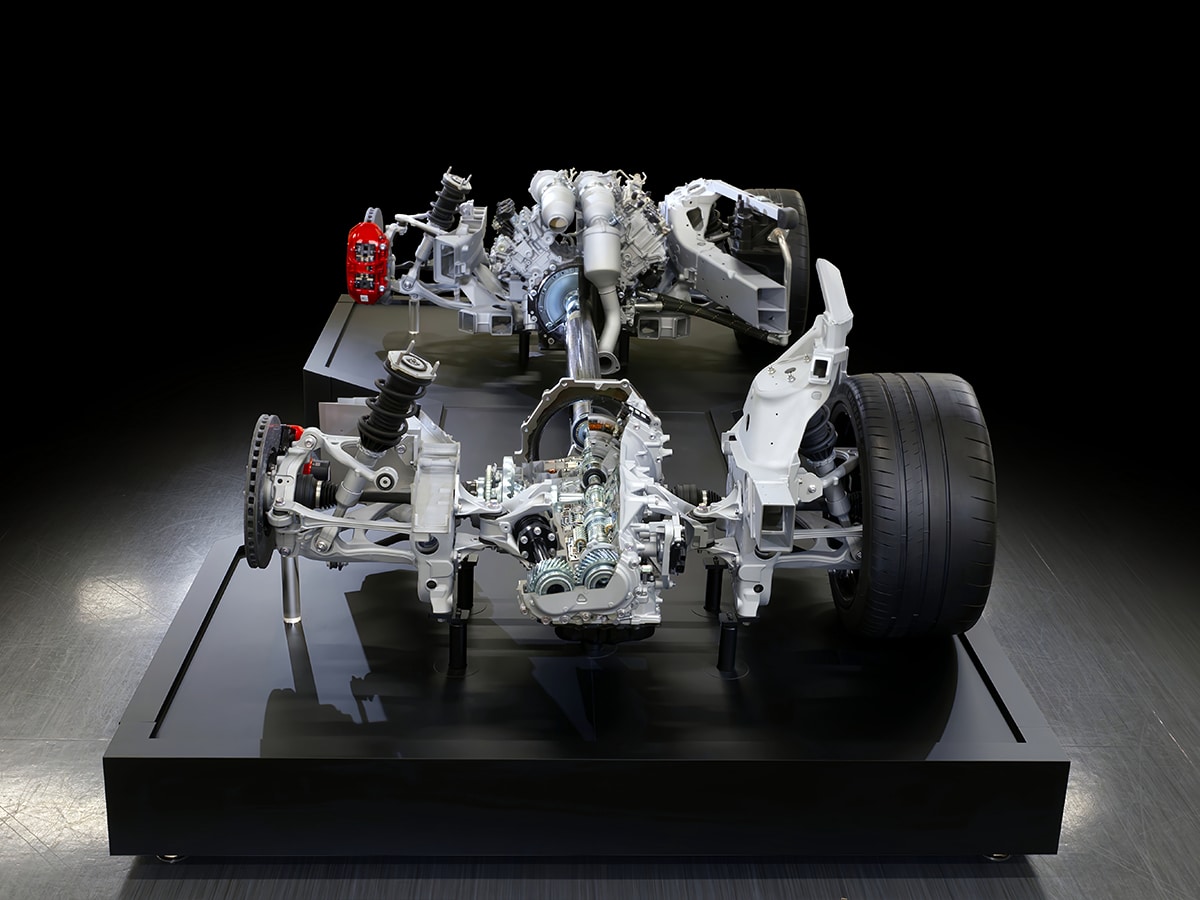
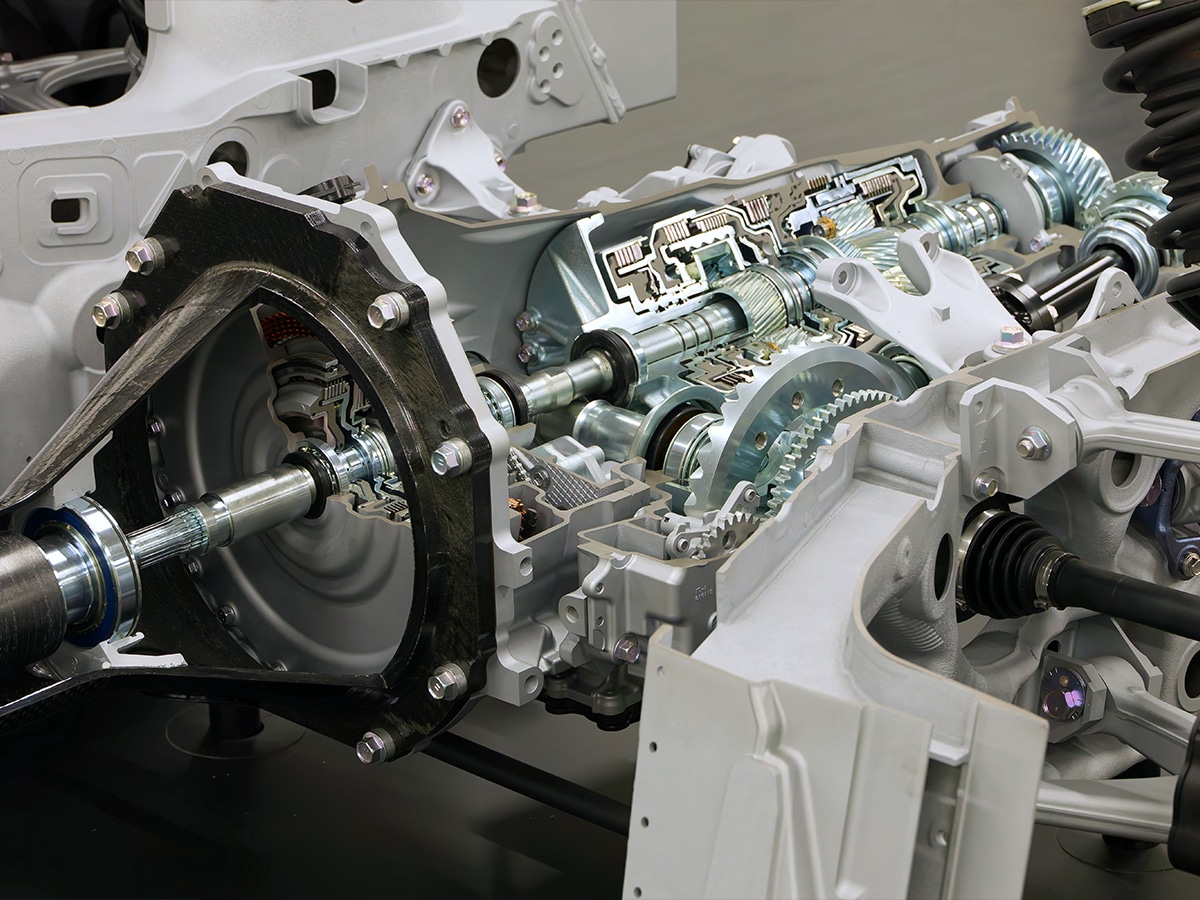
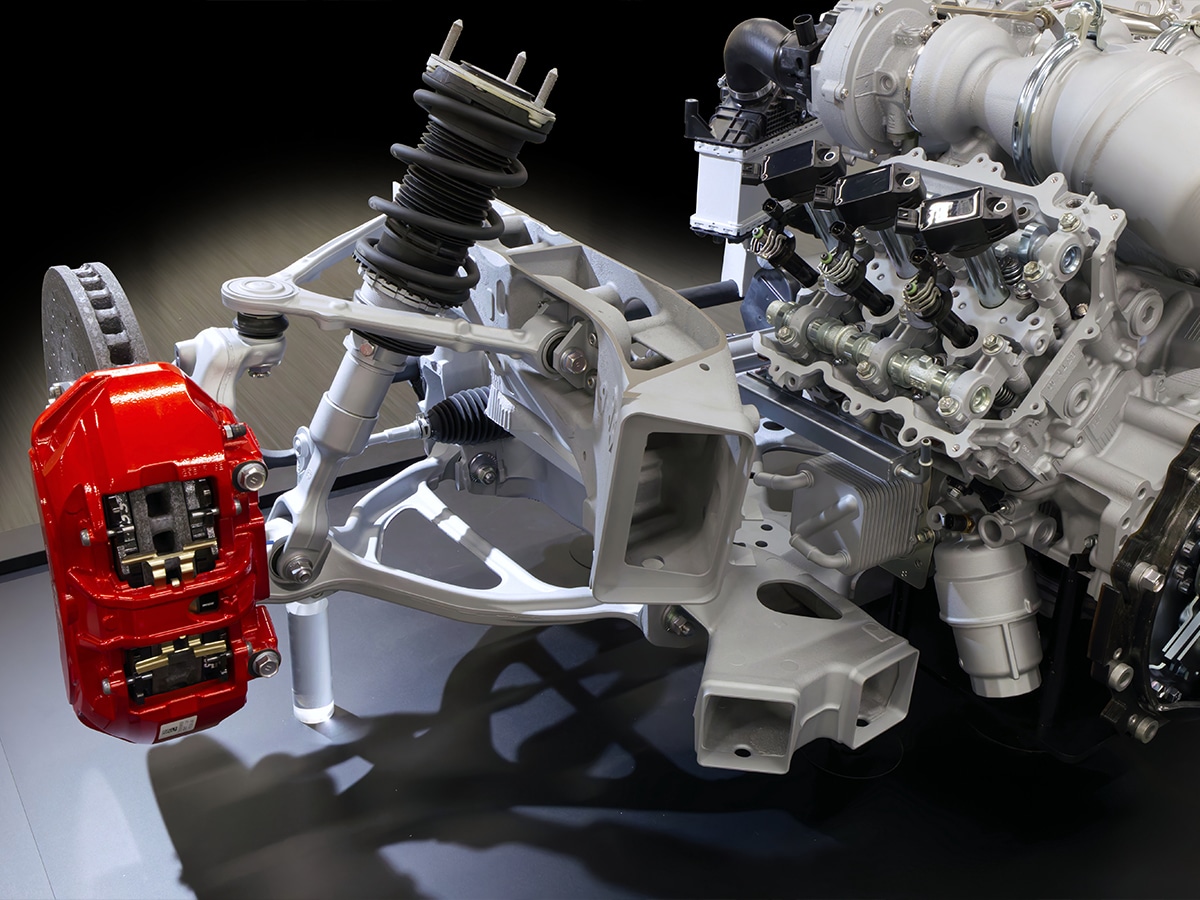
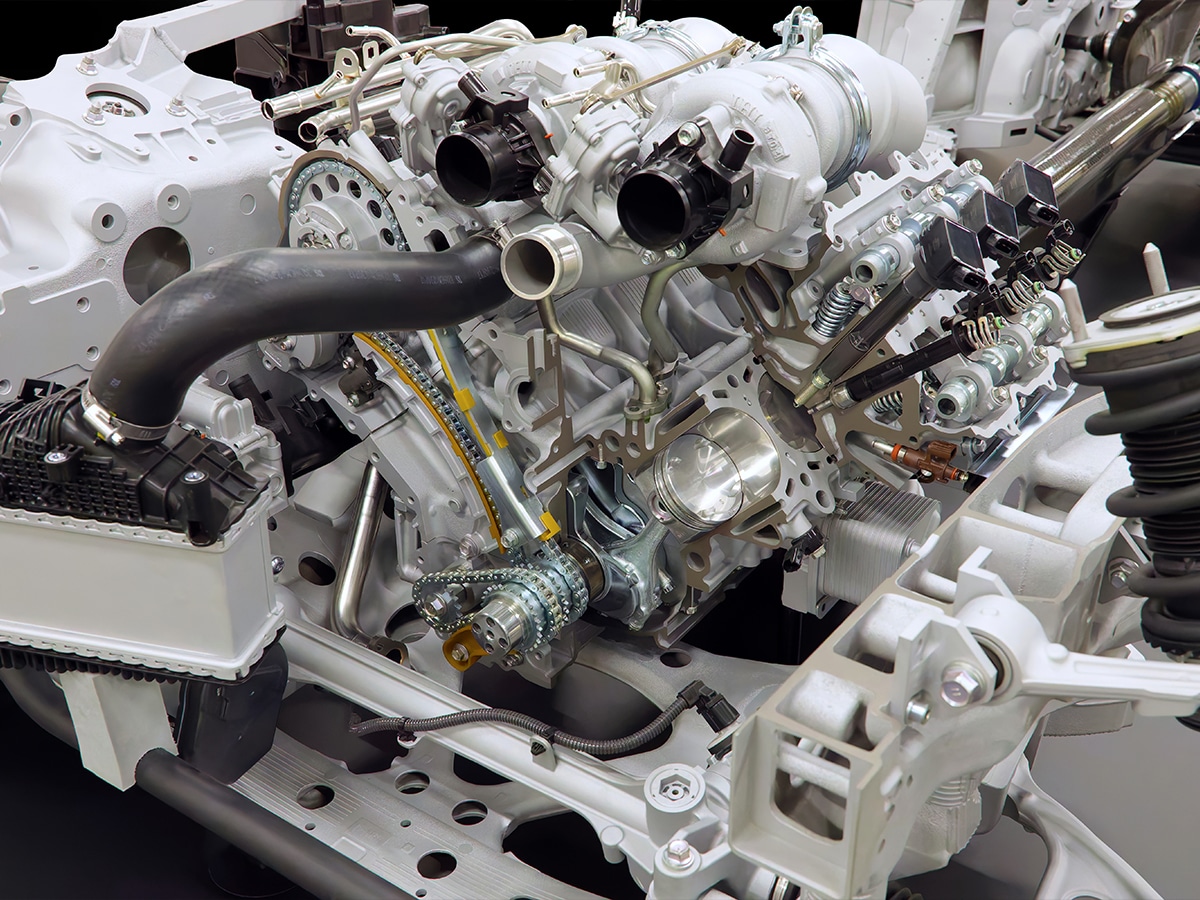
Targets for the vehicle include a 45:55 weight distribution, a vehicle weight of 1,750 kg or lower, double wishbone front and rear suspension, carbon ceramic disc brakes, a newly developed 8-speed automatic transmission, and a top speed of 320 km/h or greater.
Toyota has announced that the GR GT and the GR GT3 racecar are scheduled to “launch around 2027,” but we rarely see vehicles like this stick to schedule in the automotive world. Still, even the concept is enough to get enthusiasts excited about the prospect of a twin-turbo V8 living until the end of the decade.
GR GT Main Specifications (prototype development targets, in-house measurements)
| Body | Length | 4,820 mm | |
|---|---|---|---|
| Width | 2,000 mm | ||
| Height | 1,195 mm | ||
| Wheelbase | 2,725 mm | ||
| Body structure, cabin | Frame | All-aluminum body frame | |
| Occupancy | 2 | ||
| Vehicle weight | Vehicle weight | 1,750 kg or lower | |
| Front-rear weight distribution | Front: 45; rear: 55 | ||
| Powertrain | Engine displacement | 3,998 cc | |
| Engine bore x stroke | 87.5 x 83.1 mm | ||
| Engine type | V8 | ||
| Turbocharger | Twin-turbo | ||
| Electric motor | Transaxle-integrated single-motor hybrid | ||
| Transmission | Newly developed 8-speed automatic | ||
| Maximum system output | 650 PS or greater | ||
| Maximum system torque | 850 Nm or greater | ||
| Suspension & related items | Drivetrain | Front engine, rear-wheel drive | |
| Suspension | Front | Double wishbone with coil spring | |
| Rear | Double wishbone with coil spring | ||
| Brakes | Front | Carbon ceramic disc brake | |
| Rear | Carbon ceramic disc brake | ||
| Tire size | Front: 265/35ZR20; rear: 325/30ZR20 | ||
| Other | Top speed | 320 km/h or greater | |





















Comments
We love hearing from you. or to leave a comment.