

Updated:
Readtime: 8 min
The Lowdown:
Australia does four seasons in a day better than anywhere else. Here's how to layer for the weather without looking like the Michelin Man.
Every product is carefully selected by our editors and experts. If you buy from a link, we may earn a commission. Learn more. For more information on how we test products, click here.
The Australian climate is notoriously unpredictable. You can leave the house in the morning shivering, only to be sweating through your shirt by lunchtime, and then caught in a downpour on your way home. It’s the classic Aussie “four seasons in one day” scenario, and it’s exactly why mastering the skill of layering isn’t only a style flex but also a practical necessity.
Yet despite its obvious usefulness, layering remains one of the most misunderstood skills in men’s style. Most guys think layering is just throwing a massive puffer jacket over a t-shirt and calling it a day. True layering, however, is building an outfit with depth, texture, and proportion. It means looking as good when you’re fully bundled up as you do when you’ve peeled off two layers at the office or pub.
If you want to stop looking like the Michelin Man and start dressing with style in the colder months, here’s how to get layering right.
Related Read: Stop Chasing Trends: A Fashion Expert’s Guide to Dressing Better in 2026
A Guide to Layering: Start Thin, Build Thick
Before we get into textures and statement pieces, we need to establish the ground rules. The foundation of any good layered outfit is the “thin to thick” principle.
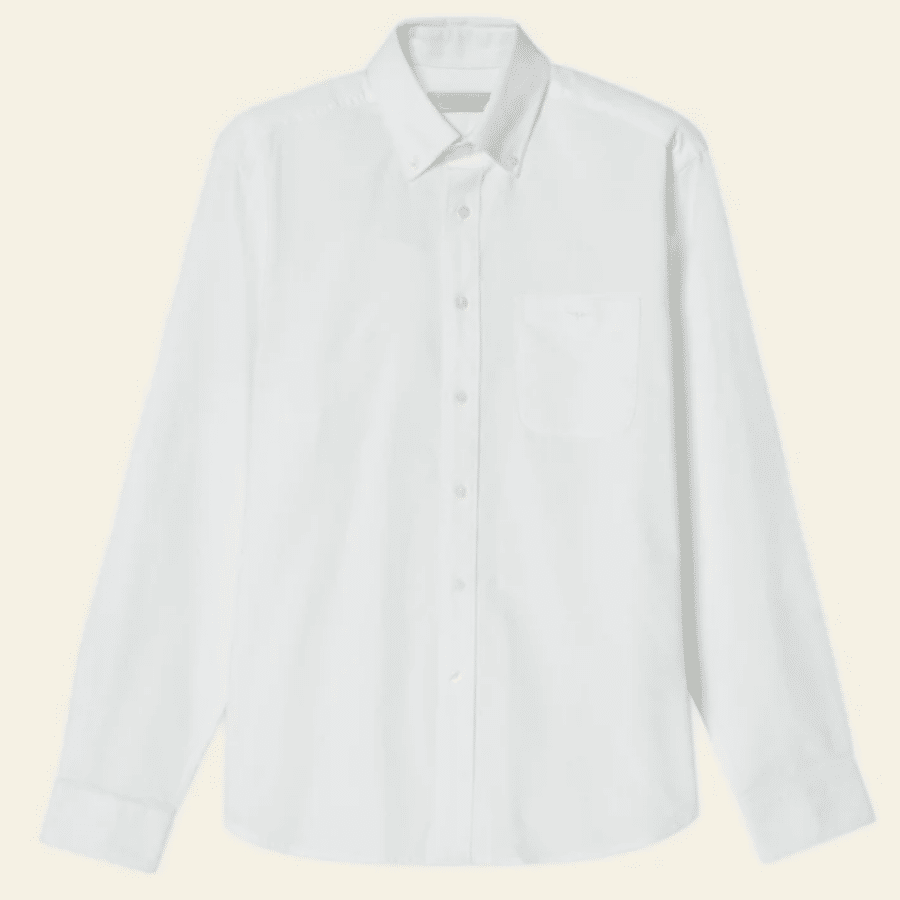
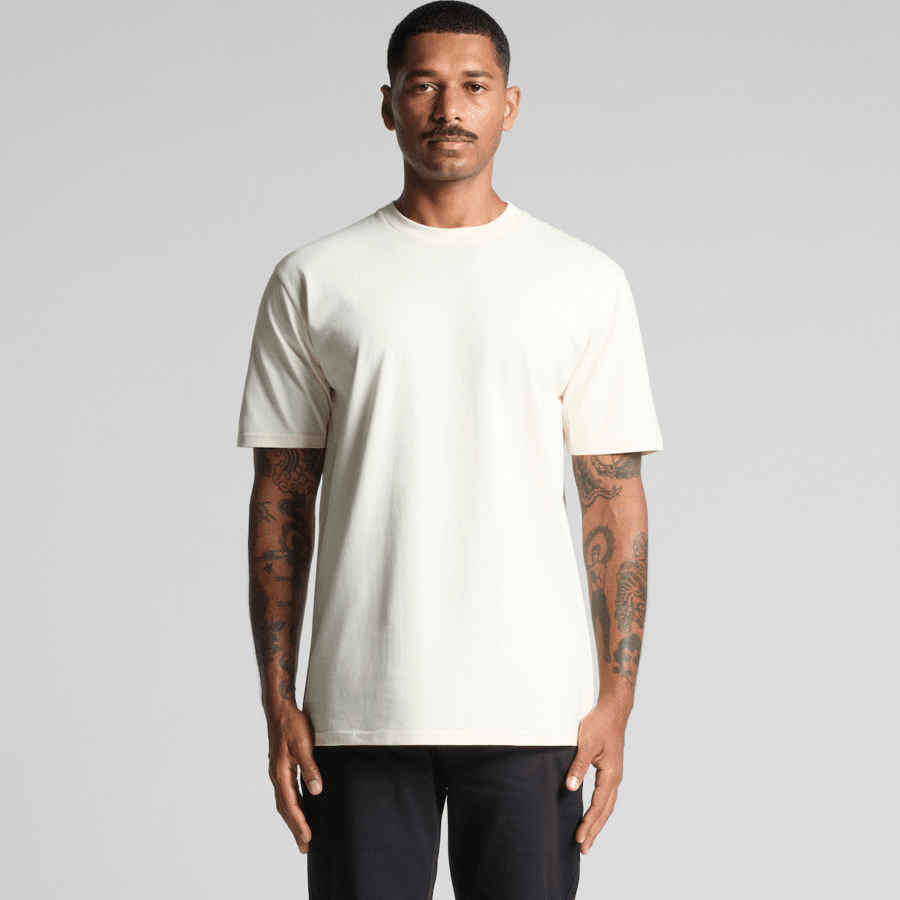
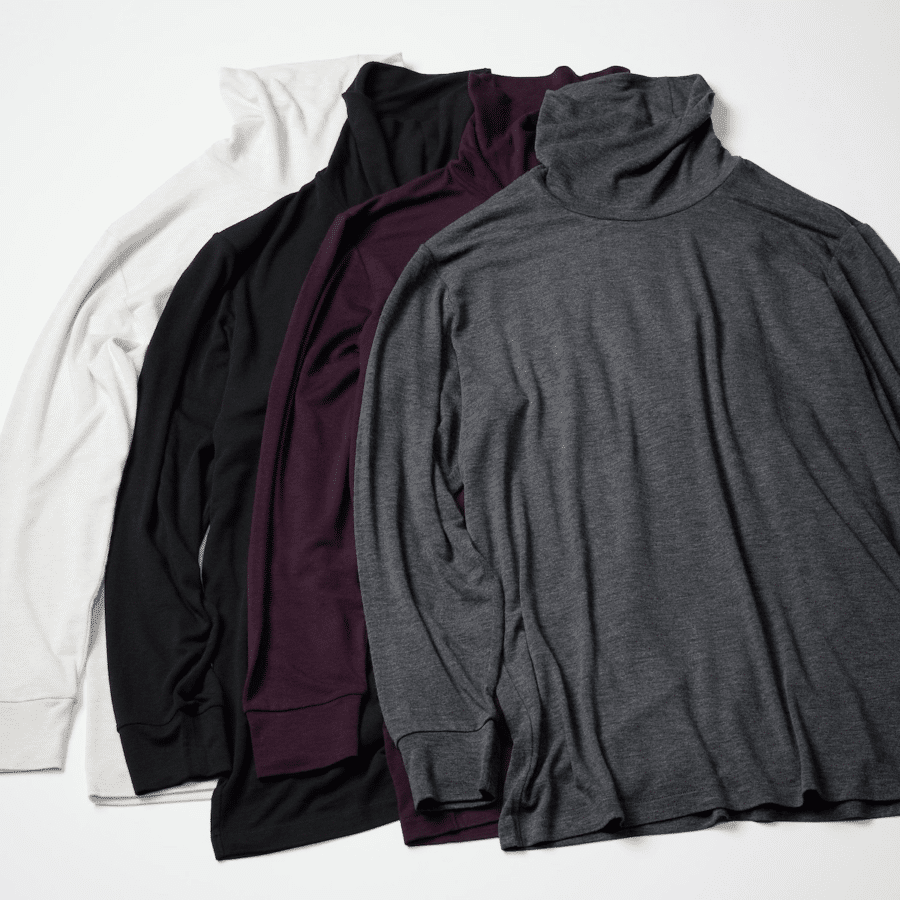
Your base layer (the one closest to your skin) should always be the thinnest and most breathable. Think lightweight cotton tees, fine merino wool/cashmere roll-necks, or crisp Oxford shirts. As you build outward, the fabrics should get progressively heavier and thicker. If you put a heavy flannel under a thin, tailored blazer, you’re going to look stuffed, and nobody wants that.
The second part of this rule is “light to dark.” While not as strict as the fabric weight rule, keeping your lighter colours closer to your body and your darker colours on the outside is a foolproof way to create visual depth. A white tee under a grey cardigan under a navy overcoat draws the eye inward and creates a stylish, structured shape.
Stick to Three Visible Layers
When it comes to visible layers, three is the magic number. A base layer, a mid-layer, and an outer layer.
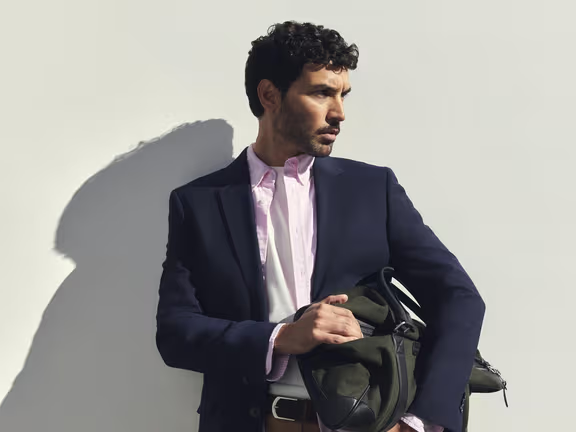
Why three? Because two layers (for example, a shirt and a jacket) is fine, but it’s a bit boring. Three layers (a shirt, a cardigan, and a jacket) shows you’ve put some thought into your outfit, adding complexity and style.
Once you hit four visible layers, you’re entering dangerous territory. Unless you’re trekking through the Snowy Mountains, four layers usually just look messy and overcomplicated. Keep it to three, and importantly, make sure each layer can stand on its own. If you have to take your jacket off, the shirt and mid-layer underneath still need to look like a complete outfit.
Mix Your Textures
If you’re sticking to a relatively neutral colour palette (which you should be if you’re new to this) texture is how you stop your outfit from looking flat and lifeless.
Mixing different fabrics is the easiest way to elevate a layered look. Don’t wear a cotton shirt under a cotton cardigan under a cotton jacket. It’s monotonous. Instead, pair a smooth, crisp shirt with a textured, nubby wool sweater, and throw a leather or suede jacket over the top. The contrast between the smooth and rough fabrics creates visual friction, which is exactly what makes an outfit interesting.
Think about the tactile qualities of your clothes. Corduroy, flannel, tweed, denim, and chunky knits are all high-texture fabrics that play beautifully against smoother materials like silk and cotton.
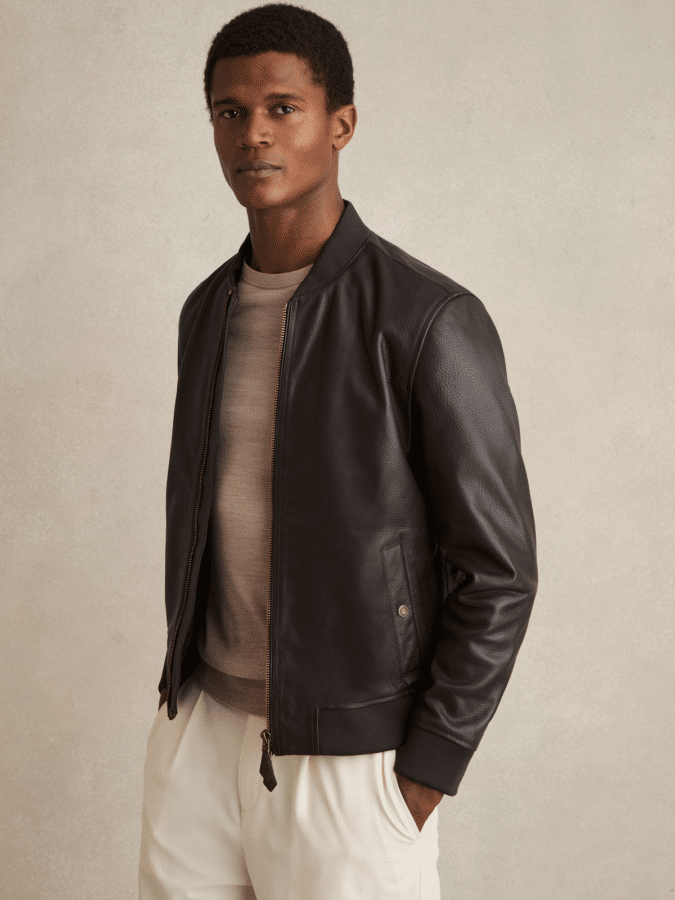
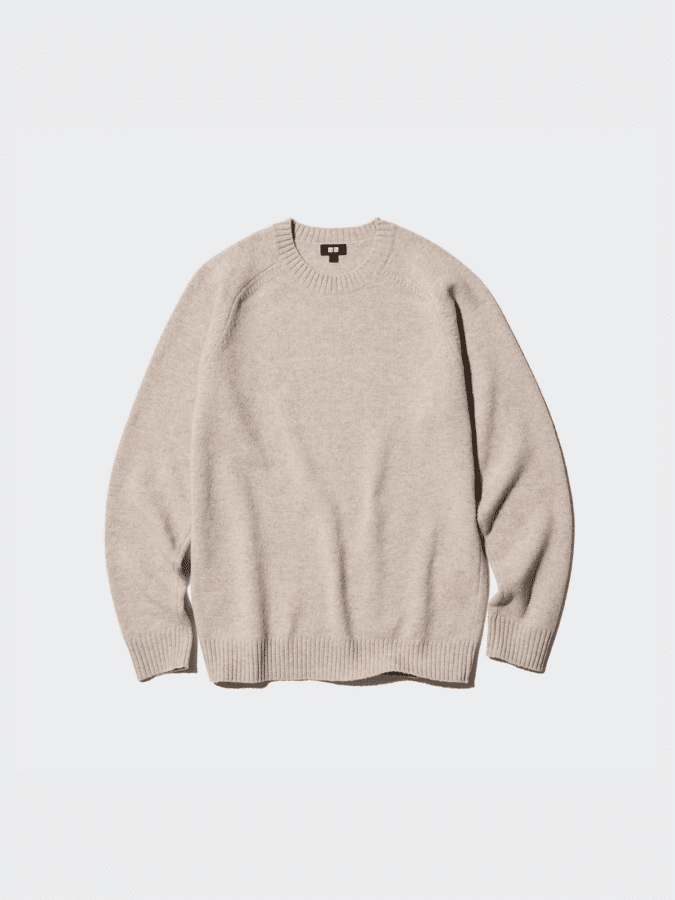
Choose the Right Mid-Layers
The mid-layer is the workhorse of your layered outfit. It’s the piece that typically provides the most character. Here are the three mid-layer ideas to try:
The Overshirt
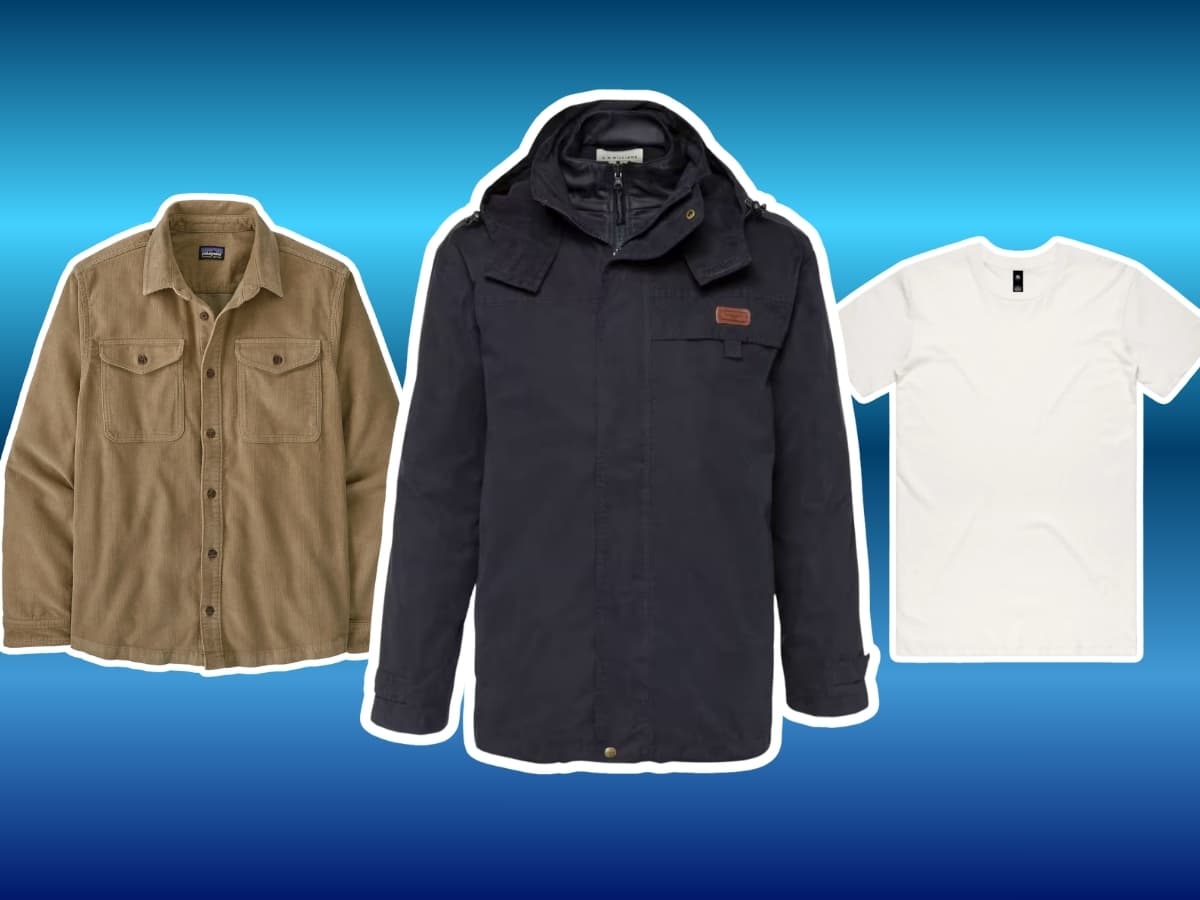
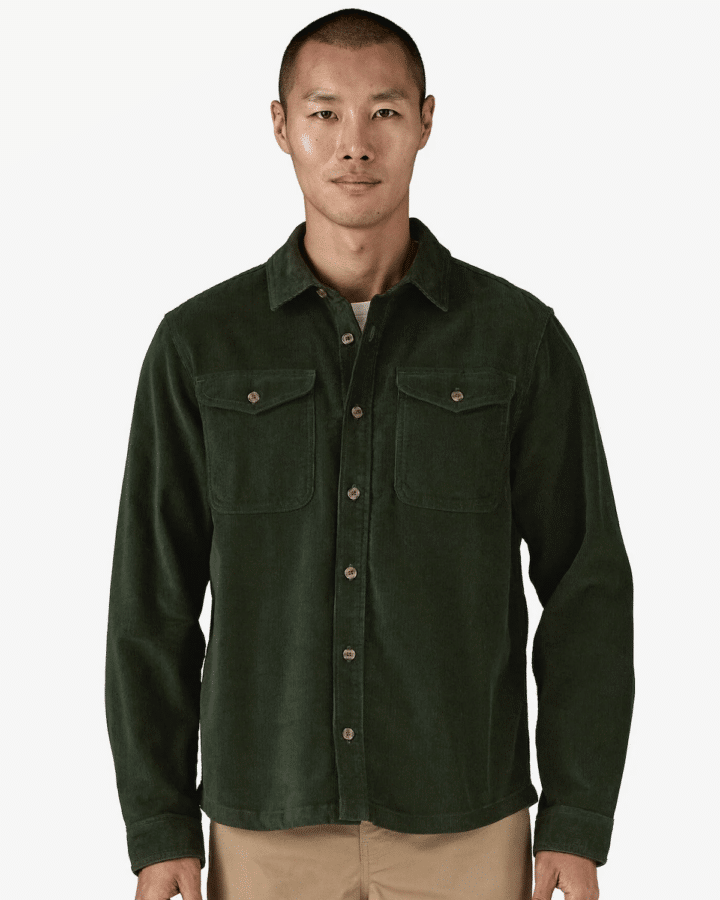
The overshirt is the undisputed king of transitional weather. It’s heavier than a regular shirt but lighter than a jacket, making it perfect for those autumn mornings or breezy spring evenings. Wear a heavy flannel or corduroy overshirt open over a plain white tee for an effortlessly rugged look.
The Fine-Gauge Knit
A lightweight merino wool or cashmere crewneck or V-neck sweater is the ultimate smart-casual mid-layer. It’s thin enough to slide comfortably under a tailored blazer without adding bulk, but warm enough to keep the chill off. Stick to versatile colours like navy, charcoal, or camel.
The Cardigan
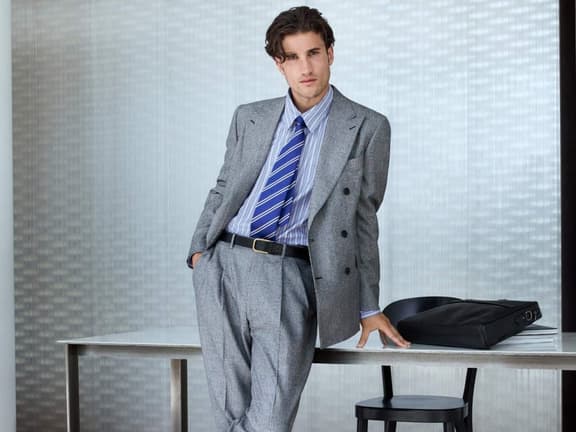
Forget the grandpa associations; a well-fitted cardigan is a layering essential. A chunky shawl-collar cardigan can almost act as an outer layer on milder days, while a thinner, fine-knit cardigan looks incredibly stylish layered under a suit jacket or overcoat. Plus, the V-shape of the cardigan frames your shirt and tie (if you’re wearing one) perfectly.
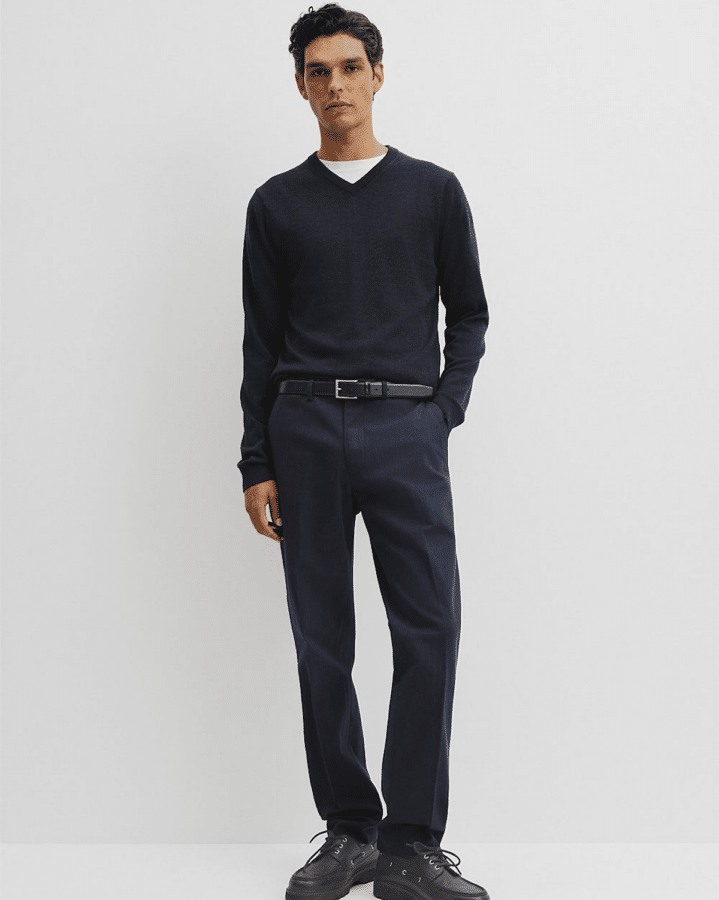
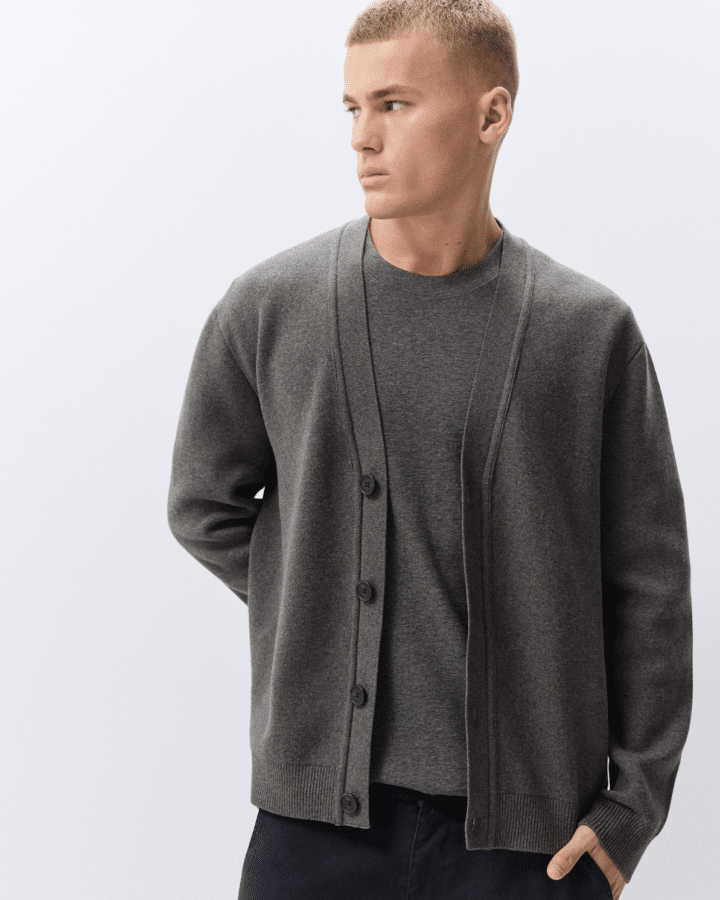
Related Read: 10 Pieces Every Stylish Man Needs in His Capsule Wardrobe
Get the Proportions Right
One of the biggest mistakes men make when layering is ignoring the lengths of their clothes. As a general rule, your outer layer should be the longest piece of clothing you’re wearing. Your jacket should completely cover your sweater, and your sweater should completely cover your shirt.
However, rules are made to be broken, and playing with proportions is a great way to add a bit of edge to your look.
Letting the hem of a slightly longer t-shirt peek out from under a cropped bomber jacket or a chunky knit sweater is a classic streetwear move that adds a relaxed, casual vibe to your outfit. Just keep the visible hem to an inch or two; any more than that, and it looks sloppy.
Manage Your Collars
When you’re layering multiple pieces with collars (like a shirt, a sweater, and a jacket) you need to make sure they’re playing nicely together.
The points of your shirt collar should always stay tucked inside the neckline of your sweater. If they’re popping out and flapping around over the top of your crewneck, it looks messy. If you struggle to keep your collar tamed, opt for a button-down collar shirt; the buttons will keep the points firmly in place.
When adding a jacket over the top, make sure the lapels or collar of the jacket sit comfortably over the layers beneath. You don’t want the collars fighting for dominance around your neck.
Expect a Few Misfires, But Keep Playing
Mastering the art of layering takes a bit of practice, and you’ll probably get it wrong a few times. You might step out looking a bit too bulky or a bit too mismatched. But don’t give up. Once you nail it – once you find that perfect combination of a crisp tee, a textured overshirt, and a sharp jacket – you’ll never look at your wardrobe the same way again.
You’ll stop seeing individual items of clothing and start seeing a wardrobe of interchangeable parts, ready to be combined and recombined to face whatever the day (and weather) throws at you.
Layering Men’s Clothes, At a Glance
| Layer | Purpose | Recommended Fabrics |
| Base | Moisture & Comfort | Pima Cotton, Fine Merino, Silk blends |
| Mid | Insulation & Texture | Cashmere, Flannel, Brushed Cotton, Corduroy |
| Outer | Protection & Structure | Wool Melton, Leather, Heavy Denim, Technical Nylon |
Layering Clothes FAQs
For merino wool (which is the best base layer fabric for Australian conditions), Uniqlo’s merino range punches well above its price point. For a straight cotton tee as a base, AS Colour is hard to beat locally. The fit is consistent, and the quality is solid without the markup.
Of course! A fine-gauge turtleneck under a suit jacket is an incredibly stylish look. Or a merino crewneck under a blazer works just as well.
No, but they should work together. Tonal dressing (sticking to the same colour family across all three layers) is a reliable, low-effort approach that makes any outfit look stylish. If you want to introduce contrast, do it through texture rather than colour until you’re comfortable with it.
Sizing up to accommodate the layers! Don’t do it. If your jacket doesn’t fit over a sweater, the jacket is the wrong cut, not the wrong size. Buy outerwear that’s designed to layer, and keep your base and mid-layers fitted.
Yes, but proportion matters even more. Stick to longer outer layers that create a clean vertical line, avoid overly bulky mid-layers, and keep the base fitted. A well-cut overcoat over a slim knit is one of the most flattering combinations for any body type.
White tee, navy overshirt worn open, dark jeans, clean white sneakers or boots. It works every time, and requires almost no thought.


















Comments
We love hearing from you. or to leave a comment.