Every product is carefully selected by our editors and experts. If you buy from a link, we may earn a commission. Learn more. For more information on how we test products, click here.
Apple Watch Series 12 samples heart rate every five seconds.
Recovery HRV updates every five minutes using the S11 chip.
The Readiness score rates daily physical capacity from 0 to 10.
Apple’s Cait Dooley and Craig Bolton detail new health algorithm.
Algorithm models draw directly from the Apple Heart and Movement Study.
Wearable health trackers are powerful, but they often bury us in mountains of raw metrics without explaining what to do next. While some elite athletes and trainers can decipher this information at a glance, most of us just want an answer and some guidance on what it all means. Having recently tested the new Apple Watch Ultra 4 alongside the iPhone 18 Pro Max, the most meaningful leap forward isn’t just the faster silicon underneath, but how software turns these advanced biometrics into guidance.
With the release of Apple Watch Series 12 and Ultra 4, the brand has created a new feature called “Readiness.” It’s a score designed to translate all of these complex signals into clear recommendations. During a sit-down interview, Apple’s Cait Dooley (Apple Watch and Health Product Marketing) and Craig Bolton (Health and Fitness team) explained to me how hardware advancements, including the new S11 chip, made this feature possible. This unlocked the revamped Health Sensing System, which samples heart rate every five seconds and recovery Heart Rate Variability (HRV) measurements every five minutes overnight.
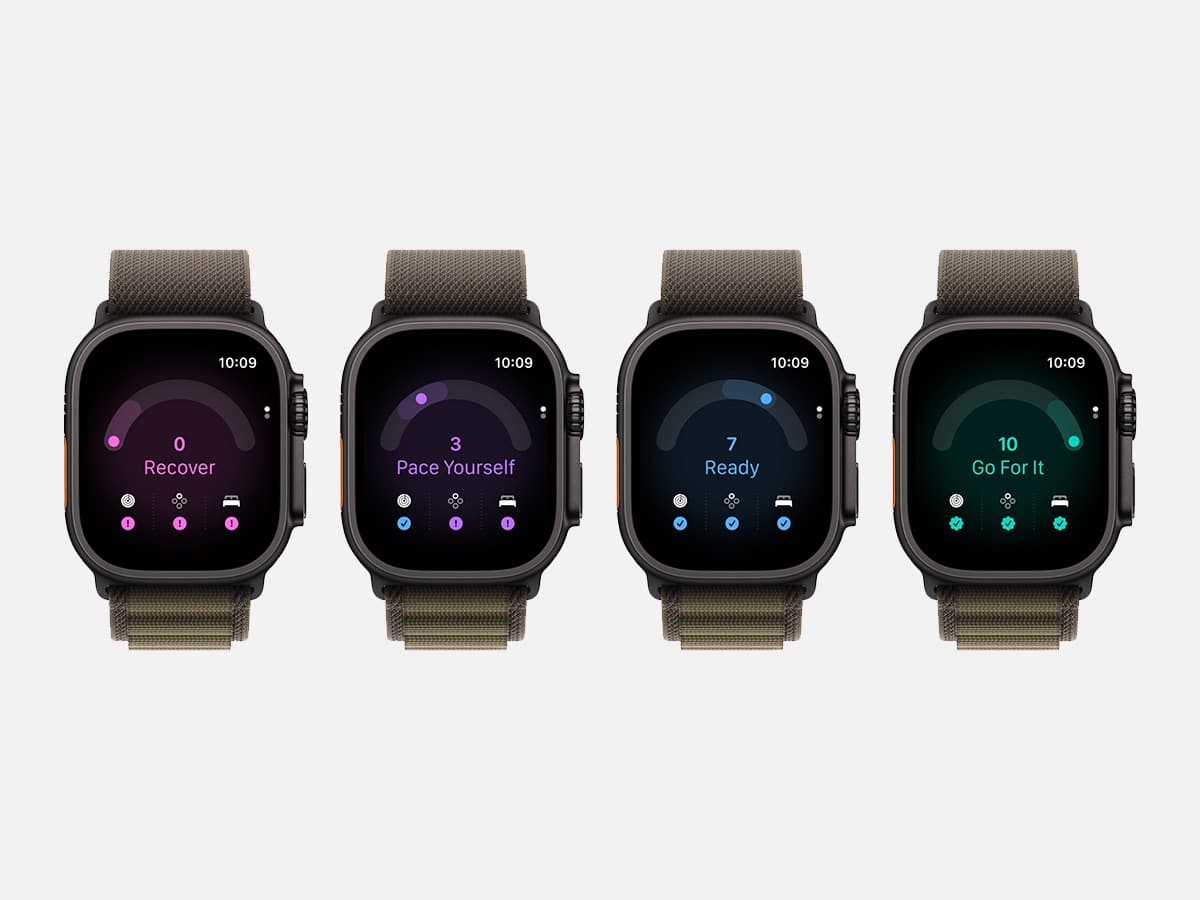
The Readiness feature delivers a single score on a 0 to 10 scale along with four action states: Recover, Pace Yourself, Ready, or Go For It. Starting from AUD$649 for Series 12 and AUD$1,399 for Ultra 4, the biggest takeaway for me was how Apple is moving away from static health snapshots toward a dynamic health partner. But most of all, they’re removing the data-intensive friction that scares most users in the process. Let’s have a chat with Cait and Craig.
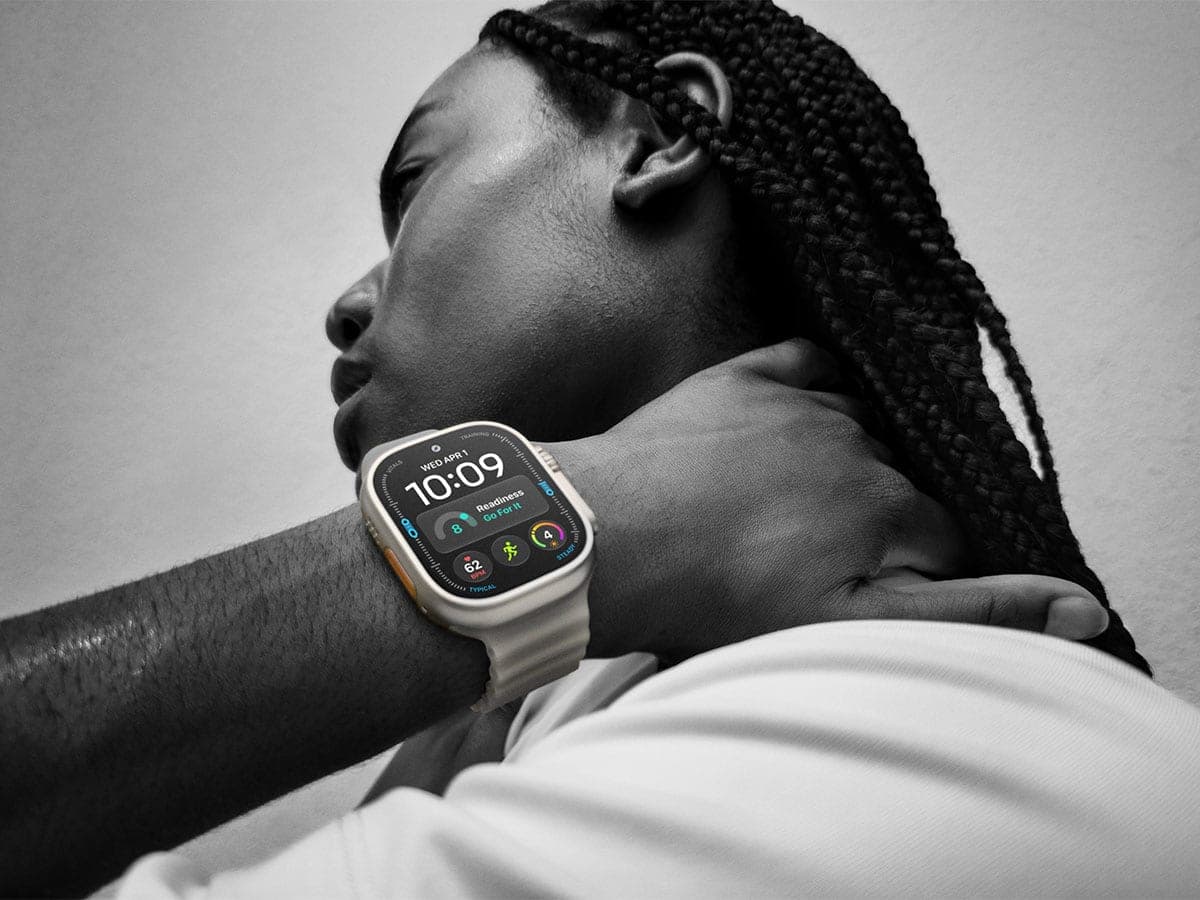
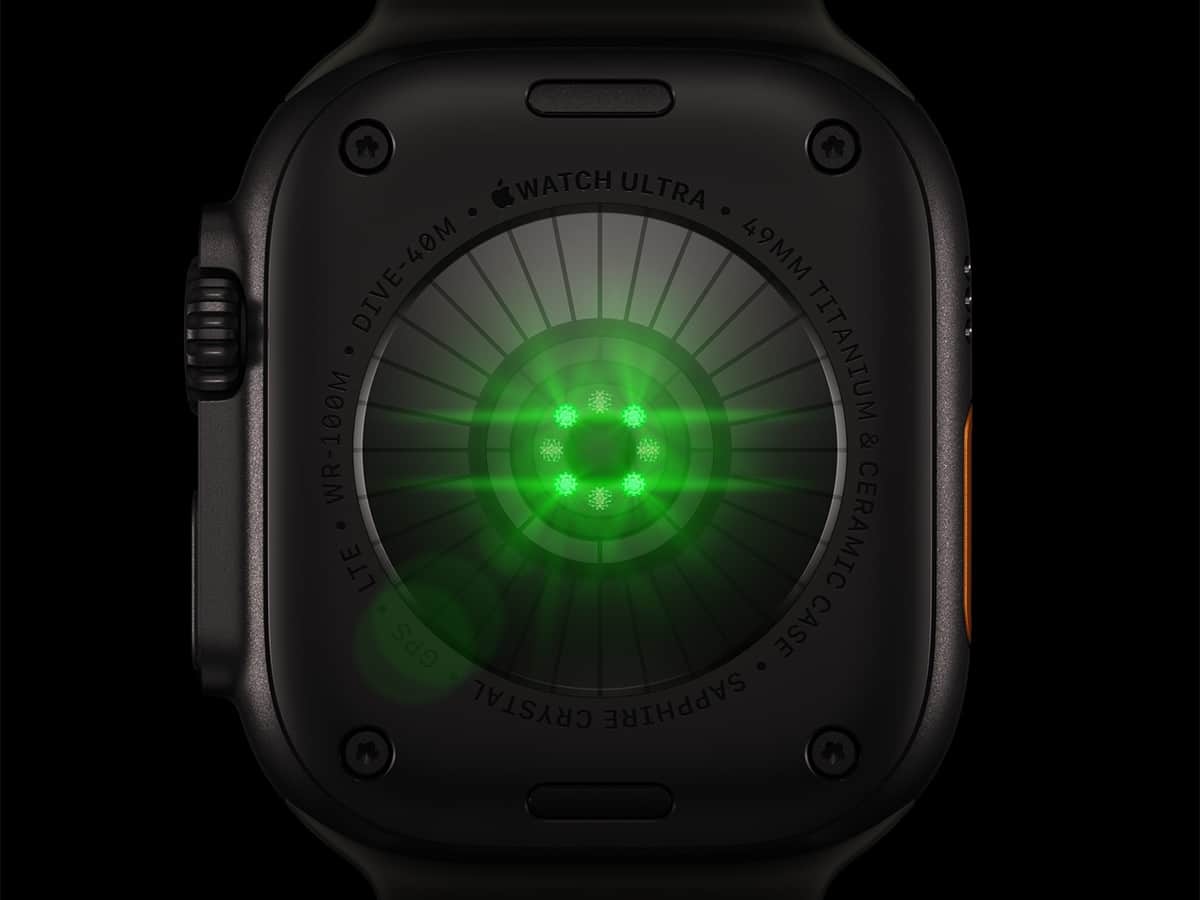
Apple Watch Ultra 4 is re-architected to provide continuous high-fidelity health monitoring using the Health Sensing System, featuring new optical and electrical heart sensors. | Image: Apple
Hardware Efficiency Meets Five Second Sensing
Delivering continuous health tracking required a complete redesign of both the sensor stack and the underlying silicon. Explained by Cait during our discussion, capturing high-frequency data demands strict power efficiency across the entire watch architecture, and you can’t add one feature and take another away in the form of battery life. That’s the power of the S11 chip and other new hardware features in the watch.
“S11 is our most powerful chip for Apple Watch yet,” said Cait. “One key piece for the Health Sensing System was that we redesigned the optical sensing as well as the electrical sensor, but we also needed power efficiency, which is provided from the Health Sensing System itself and the power efficiency of the S11 chip to be running this analysis all day long.”
This sensor efficiency unlocks a far more granular dataset than previous generations could handle. Rather than taking intermittent snapshots, the watch maintains a constant dialogue with your vascular system throughout the night and day.
“We’re so excited about the introduction of Apple Watch Series 12 and Ultra 4 with the new Health Sensing System, which provides continuous heart rate and a new recovery HRV metric,” Dooley added. “It samples heart rate 60 times more frequently than before, so every five seconds, and then HRV is up to every five minutes thanks to the Health Sensing System. Together with the S11 chip, this unlocks a whole bunch of new experiences including Readiness, which is designed to help you understand your body’s capacity to take on the day and be your partner in understanding how you might want to plan or optimize it.”
1/2The Vitals app includes a new daytime view and integrates high-frequency HRV for a more complete look at a user’s health status, night or day. | Image: Apple
This hardware foundation was the critical prerequisite for launching the Readiness feature, allowing Apple to build on years of clinical research from the Apple Heart and Movement Study. To ensure these continuous readings are actually reliable, Apple validated the new heart rate sensors against leading wearables in a rigorous study of over 1,000 participants, resulting in the highest accuracy across all tested devices.
“For us, the big breakthrough here comes with the S11 chip and the Health Sensing System, because that does enable these continuous heart rate readings,” Bolton explained. “Getting that recovery HRV throughout the course of the night, and obviously your daytime heart rate readings as well, it’s a really key input to this Readiness feature. When we deliver a feature like this, we want it to be very rigorous and take into account everything we possibly can. It’s really been enabled by these hardware technologies.”
Apple Watch Ultra 4 introduces readiness, a new feature that can help a user decide how to take on their day. Readiness analyses a user’s recent activity, training load, vitals, and sleep score, and then provides a single 0-10 score each day with a clear, actionable recommendation: Recover, Pace Yourself, Ready, or Go For It. | Image: Apple
Translating Complex Data into Dynamic Guidance
Rather than building a niche tool strictly for endurance athletes, Apple engineered the Readiness algorithm to personalise itself across every activity level. The software establishes an individual baseline by continuously analysing historical sleep quality, vitals, and workout load.
“It’s personalised to you,” Dooley emphasised. “It establishes your baseline across your activity, vitals, and sleep. If you’re someone who’s been in an intense training block, Readiness is going to adjust with you based on your recent activity, and not just your activity rings, but the intensity of those workouts and your training load. If you’re having a busy week, it’ll take into account all the activity that you’re doing simply by wearing your watch and provide insights on whether your activity is actually increasing because you’ve been running around the office or running to your kids’ soccer practices.”
Bolton pointed out that this algorithmic flexibility bridges the gap between everyday lifestyle management and elite athletic conditioning.
“We try and deliver these features in a way where it can provide value to users regardless of where you are on the fitness spectrum,” Bolton said. “Whether you’re just looking to go about a busy week with work schedules, kids, and life challenges, this can be a great partner in helping you make good decisions each day. If you’re an athlete at the other end getting really dialed in for a marathon program and you want to understand how to adjust or augment your training, it can equally be as valuable there. It’s really taking all this information from different sources and elevating it into insights.”
Readiness State
Physical Capacity
Actionable Guidance
Recover
Low (0-2)
Prioritise rest, quality sleep, or light active recovery.
Pace Yourself
Moderate (3-5)
Keep activity light and avoid intense overexertion.
Ready
High (6-8)
Good to go for your standard daily routine and workouts.
Go For It
Peak (9-10)
Prime physical condition to tackle your hardest training sessions.
Scroll horizontally to view full table
The Readiness score isn’t a static number locked in when you wake up. It dynamically recalculates as your body experiences strain or rest throughout the day. This flexibility is supported by a new daytime vitals view in the Vitals app, letting you toggle between overnight and daytime metrics to spot shifts before they even show up in your sleep data.
“Things can change during the day,” Dooley noted. “You might wake up and see that you have a ‘Ready’ or a ‘Go For It’ and you take on that really intense workout or hard activity, and your Readiness will adjust with you. It might help you plan things later on in the day, or because it factors in your vitals, it might catch something before you even start to feel it.”
“If you go into a workout or a lot of activity, you can expect it to change slightly,” Bolton added. “If you have a nap, that may change it. But also the continuous heart rate tracking enabled by the S11 chip lets the feature assess your heart rate throughout the day. So if we see that elevated, that may shift it as well.”
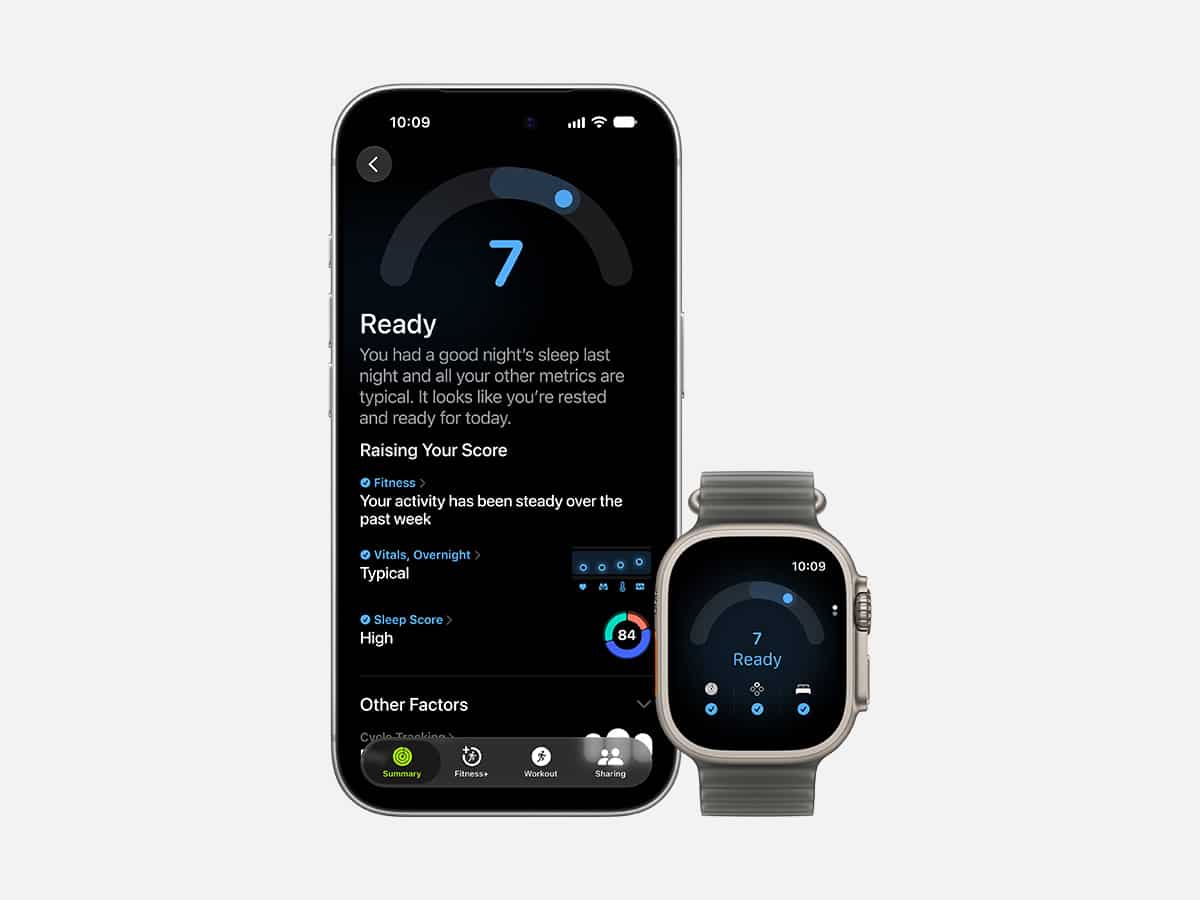
Readiness clearly highlights which factors are driving the score and allows users to tap into more details. | Image: Apple
You Can Dive Even Deeper If You Want
Beyond surfacing a simple top-level score, Apple prioritised complete algorithmic transparency. Users who want to audit their recovery can tap into the score to see exact contributing factors.
“One of our design principles is to make it simple and intuitive, so that score and state does that for you,” Bolton explained. “But what was also really important for us was to not just give you the score and an insight, but also tell you about how it was formed. If you want to go deeper and understand what was contributing to that score, we made it super easy for the user to see, okay, it was vitals or heart rate variability overnight driving that down. It’s trying to meet the user where they’re at in terms of the level of engagement they want to have.”
This data now feeds directly into a redesigned Health app powered by Apple Intelligence. It introduces a new Insights tab for personalised recommendations, alongside a Longevity tab that calculates your ‘Health Age’ relative to your actual age. You can even perform in-depth physical assessments, measuring balance and flexibility right at home using your iPhone camera and Apple Watch.
Rather than just logging data for you to review later, this close integration between the S11 chip and the new software algorithms actively tells you how to plan your next move.
“For some users, this may tell you or confirm what your body’s already telling you or what you may already feel,” Bolton concluded. “In other instances, it may actually surface something that you didn’t notice. Using the overnight vitals data and this recovery HRV to give you that insight before something happens becomes really powerful. It takes features users traditionally thought were health features, like vitals or sleep, and combines them with fitness features into proactive guidance.”
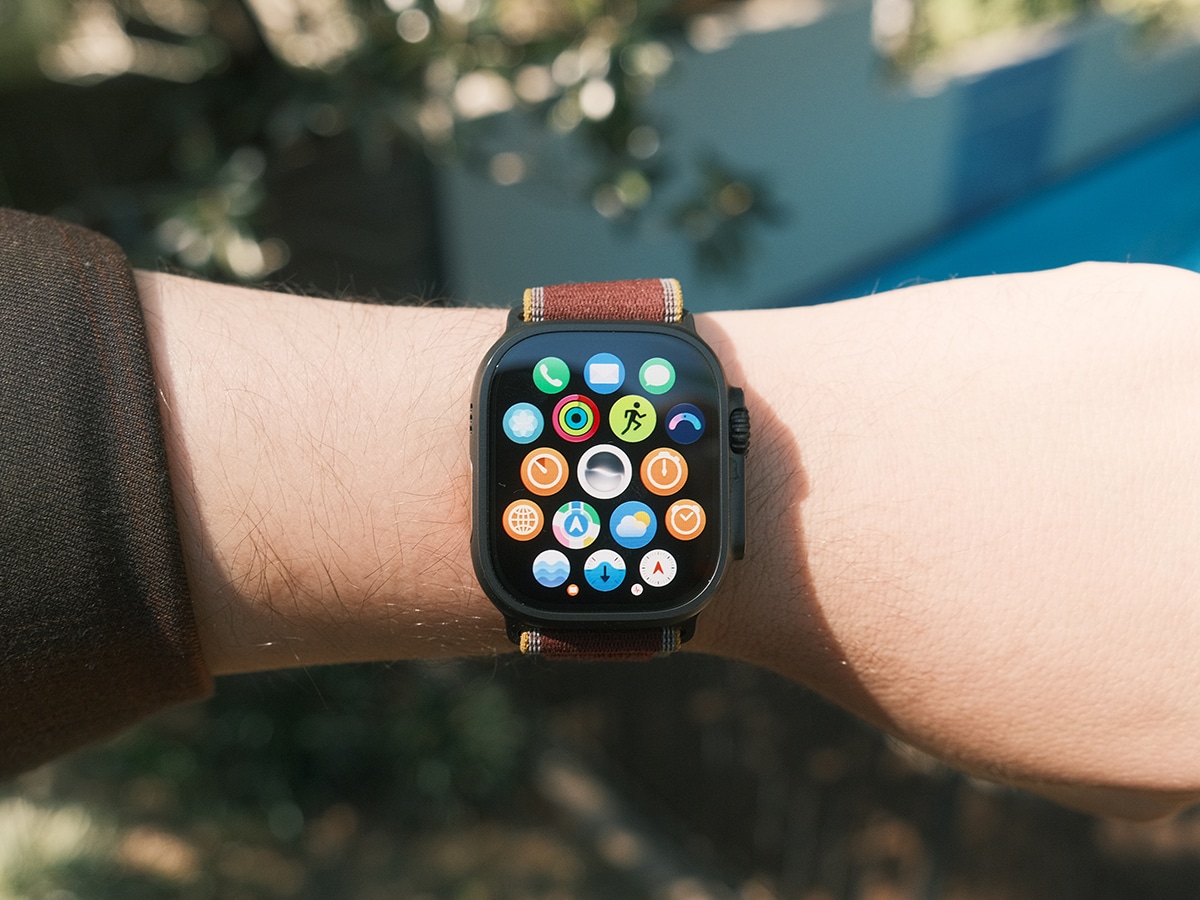
The Super Retina display easily cuts through bright outdoor glare.
Ultimately, this integration between the S11 chip and the new Health Sensing System marks a distinct shift in how we interact with wearable data. By processing high-frequency vitals in the background and serving up a simple, dynamic score, the new hardware removes the friction of daily data analysis.
It leaves you with a clear, immediate understanding of your physical capacity, proving that the most effective wearable technology is the kind that does the heavy lifting for you.
Ben lives in Sydney, Australia. He has a Bachelor's Degree (Media, Technology and the Law) from Macquarie University (2020). Outside of his studies, he has spent the last decade heavily involved in the automotive, technology and fashion world. Turning his ...


1/2

























Comments
We love hearing from you. or to leave a comment.