


Updated:
Readtime: 7 min
Every product is carefully selected by our editors and experts. If you buy from a link, we may earn a commission. Learn more. For more information on how we test products, click here.
- Apple launched the new Mac Studio with M5 Max and Ultra.
- Ticking every top upgrade pushes the Mac Studio price to AUD$28,699.
- Key price drivers include a 16TB SSD and 256GB unified memory.
- The 2019 Mac Pro remains Apple’s most expensive retail desktop ever.
- Pre-orders for the Apple Mac Studio are now open in Australia.
Second-hand prices for the previously discontinued 512GB memory Mac Studio M3 Ultra models rose to more than $60,000 on the grey market. Driven by an increased appetite for local artificial intelligence computing power, buyers paid nearly double the original retail price just to run large language models on the device. So it came as a welcome relief when Apple officially refreshed its compact desktop workstation, equipping the new Mac Studio with next-generation M5 Max and M5 Ultra silicon and confirming a 512GB unified memory option will arrive in October.
While official pricing for the 512GB memory configuration is yet to be revealed, checking every high-end upgrade box currently available on Apple’s online configurator pushes the total Mac Studio price to AUD$28,699 in Australia. Once the 512GB tier is added to the configurator, we estimate the fully loaded price could easily approach AUD$40,000. When the alternative to this is paying more than $60,000 on the secondary market, that steep sum starts to look like a genuine bargain for AI developers.
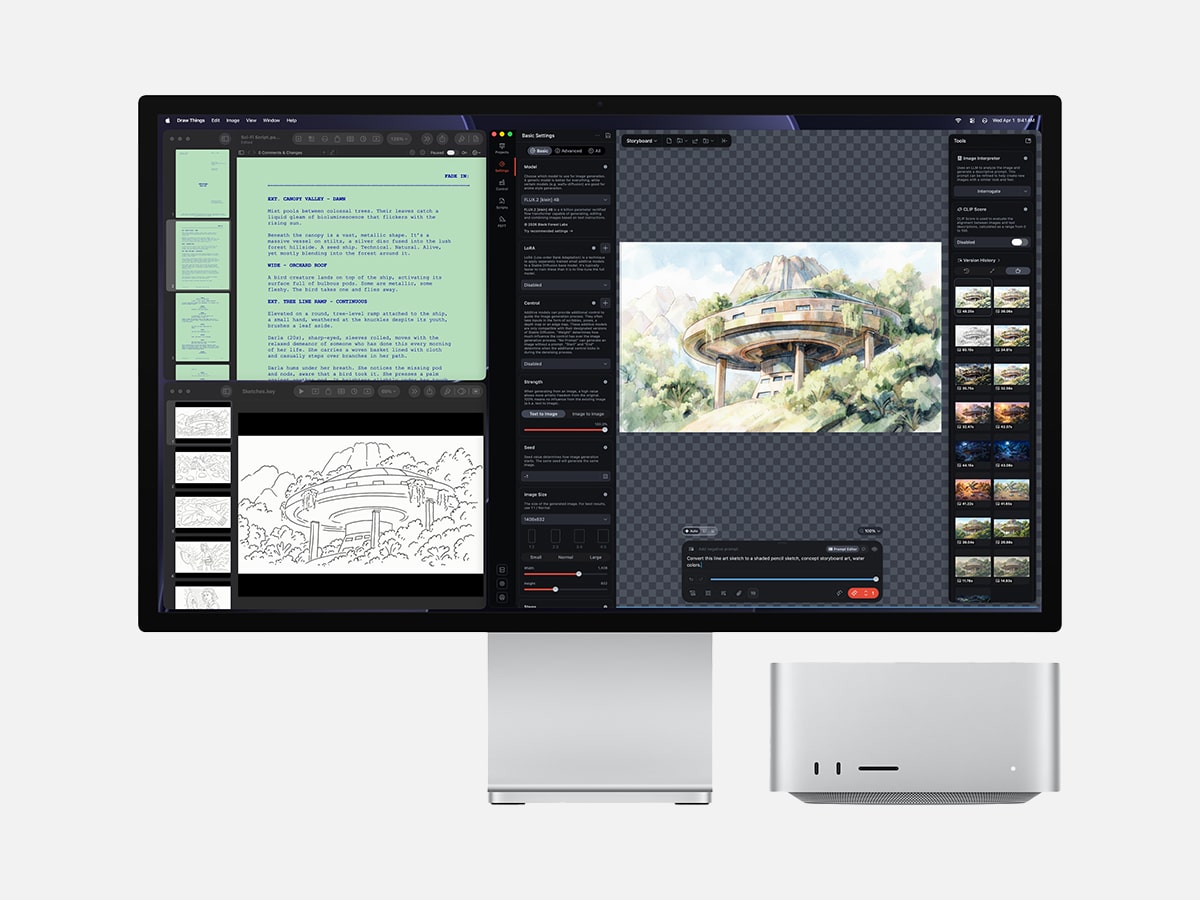
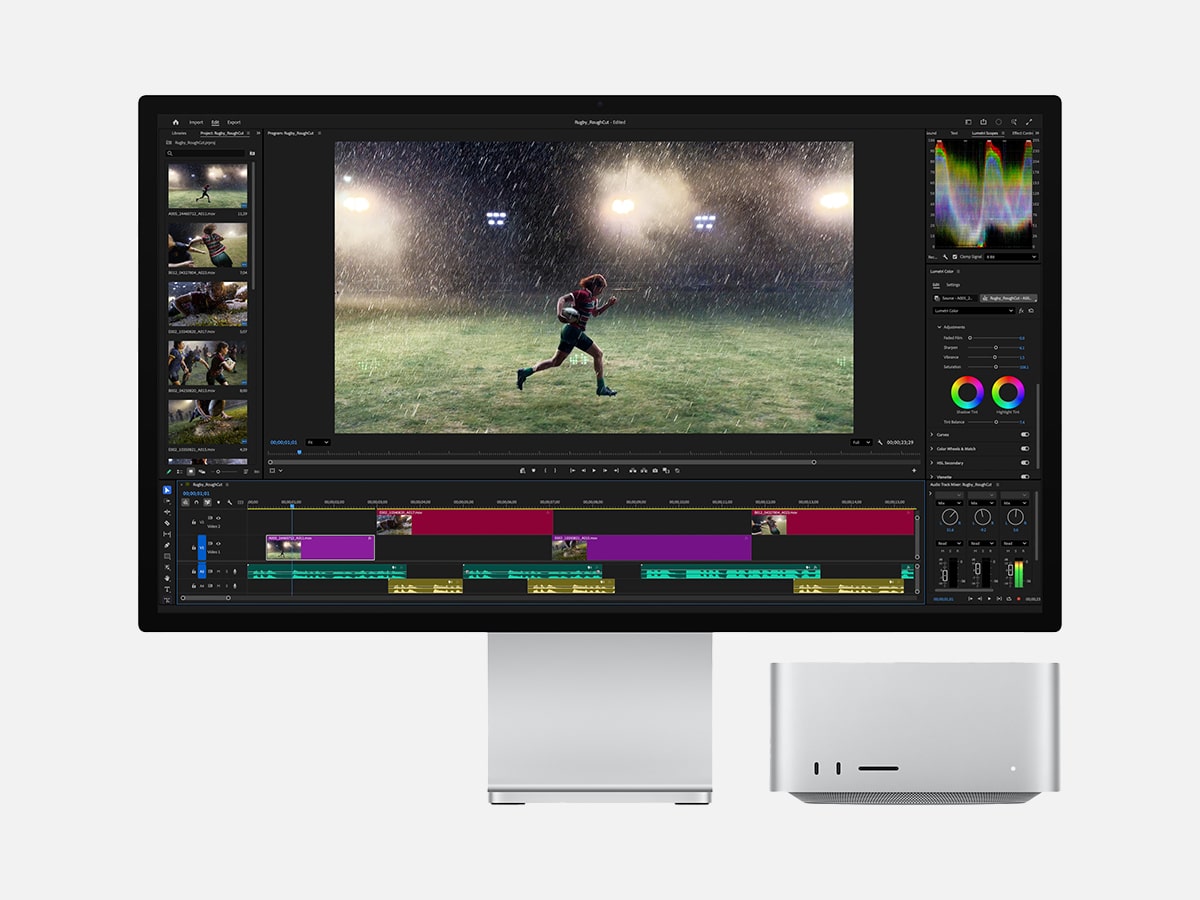
Built for video editors, 3D animators, and artificial intelligence developers, the aluminium desktop delivers up to 4.3x faster peak AI performance and double the storage speeds over previous generations. Upgrading to the top-tier 36-core CPU and 80-core GPU M5 Ultra chip adds AUD$1,950, while jumping to 256GB of high-bandwidth unified memory adds AUD$6,000. The biggest cost contributor is the 16TB PCIe Gen 6 SSD upgrade, which adds AUD$11,250 on its own, giving creative professionals enough local power to render complex 3D environments or run open-weight artificial intelligence models without touching cloud servers.
The base Apple Mac Studio with M5 Max starts at AUD$4,299, while the Mac Studio Ultra base starts at AUD$9,499 and scales up to the fully loaded tier of AUD$28,699, without Final Cut Pro (AUD$499.99) or Logic Pro (AUD$299.99) pre-installed. Australian pre-orders are open across retail channels today, with official store deliveries starting on September 22, 2026.
How Does the Mac Studio M5 Ultra Compare to Historical Heavyweights?
While an AUD$28,699 price tag caught our attention, it still falls far short of the brand’s highest-ever retail price for a desktop computer. That crown belongs to the 2019 Intel Mac Pro, which reached AUD$85,597 in Australia when configured with a 28-core Intel Xeon processor, 1.5 TB of ECC memory, dual Radeon Pro Vega II Duo graphics cards, and an 8 TB SSD. So compared to that six-figure workstation stack, the new Mac Studio M5 Ultra almost feels like a sensible compromise.
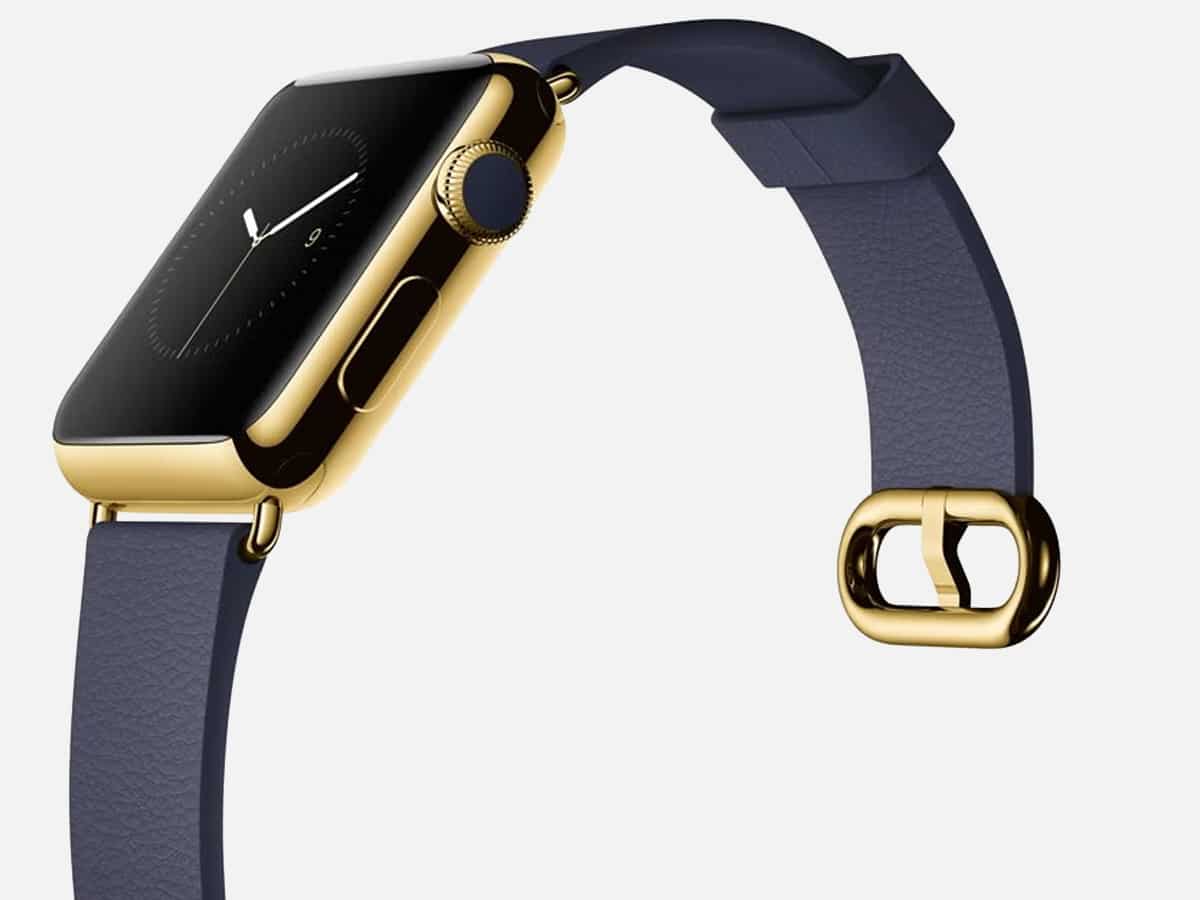
When we look outside the realms of raw desktop computing, Apple has experimented with extreme luxury pricing before. The 2015 Apple Watch featured an 18-karat solid yellow gold or rose gold chassis option that topped out at USD$17,000 (approx. AUD$24,000) at release. When we look further back in the catalogue, the 1983 Apple Lisa retailed for USD$9,995, which translates to over USD$31,000 or roughly AUD$47,000 in today’s currency.
Those following the recent price rises across the industry will know that it’s not surprising to see the new Mac Studio hit the market at a higher price point, as we’re living in a broader period of hardware price increases driven by global memory shortages. Recent supply chain pressure forced price hikes across the entire lineup, with a fully optioned 16-inch MacBook Pro featuring an M5 Max chip, 128GB of memory, and an 8TB SSD now costing AUD$15,724.
M5 Silicon Architecture, Benchmark Gains, and AI Frameworks
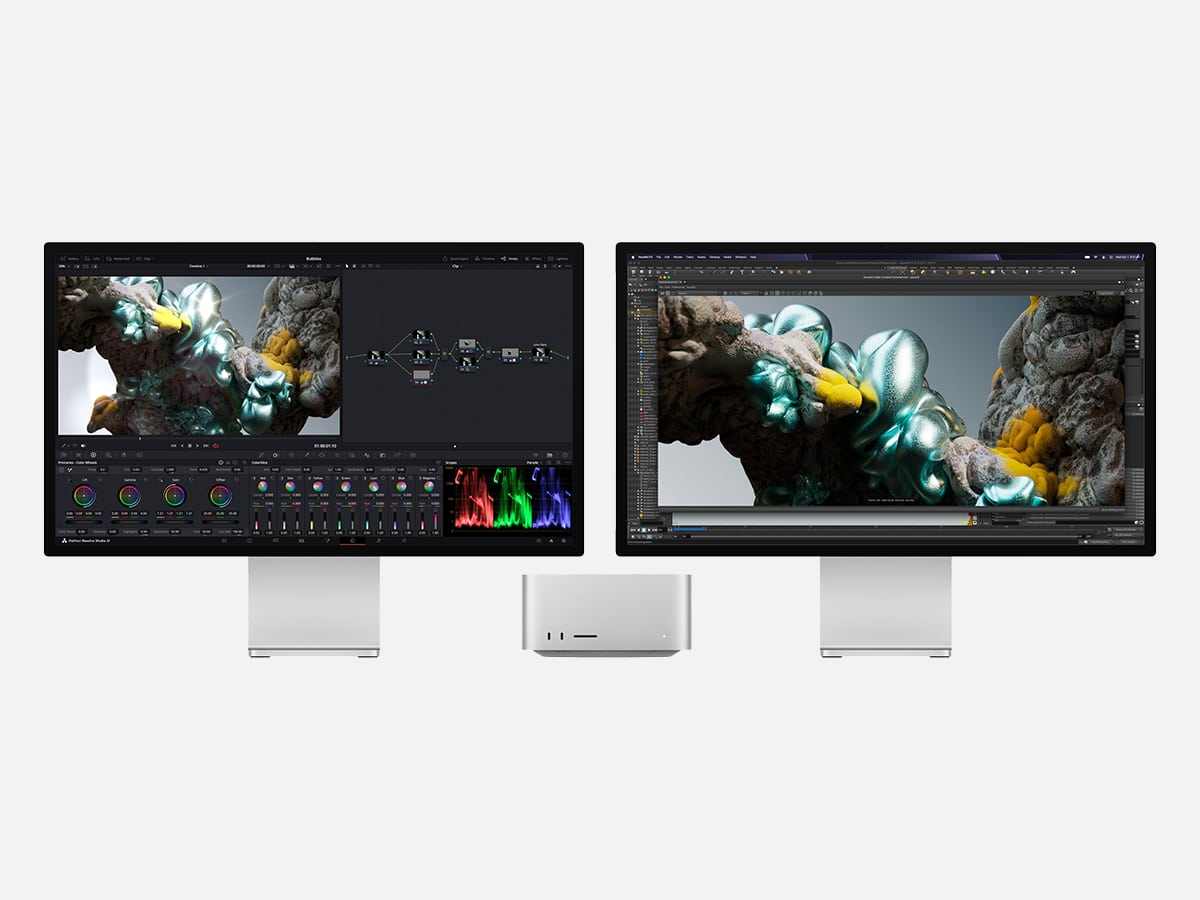
Under the hood, Apple restructured its silicon layout to push local processing performance. The M5 Max features an 18-core CPU split into 6 super cores and 12 performance cores, paired with an up to 40-core GPU offering 614GB/s of memory bandwidth. Stepping up to the flagship M5 Ultra doubles the architecture to a 36-core CPU with 12 super cores and 24 performance cores, alongside an 80-core GPU and 1.2TB/s of bandwidth. Crucially, Apple integrated Neural Accelerators directly into each GPU core for the first time, driving peak AI performance up to 4.3x higher than the M3 Ultra and 9.8x higher than M1 Ultra.
These hardware updates deliver real-world performance gains across demanding creative applications. Benchmark testing shows LLM prompt processing in LM Studio running up to 10.7x faster on M5 Max compared to M1 Max, while text-to-image generation reaches up to 7.4x faster speeds. For video production and 3D rendering, DaVinci Resolve Studio Magic Mask tracking operates up to 5.3x faster, Maxon Redshift scene rendering runs up to 4.7x faster on M5 Ultra, and Foundry Nuke CopyCat ML training sees a 15.4x leap over M1 Ultra.
Creative pros also benefit from third-generation hardware-accelerated ray tracing and an upgraded Media Engine capable of playing up to 33 streams of 8K ProRes 422 video at 30 fps simultaneously.
To support this hardware, macOS introduces brand new software infrastructure, including Core AI and the open-source MLX machine learning framework. Developers using Xcode can deploy local models directly into apps, while researchers can cluster up to four Apple Mac Studio units together via Thunderbolt 5 and Remote Direct Memory Access RDMA. This multi-system clustering creates a shared memory pool that delivers up to 3x faster AI inference for frontier-class open-weight models.
Full Specs, Ports, and Australian Pre-Order Schedule
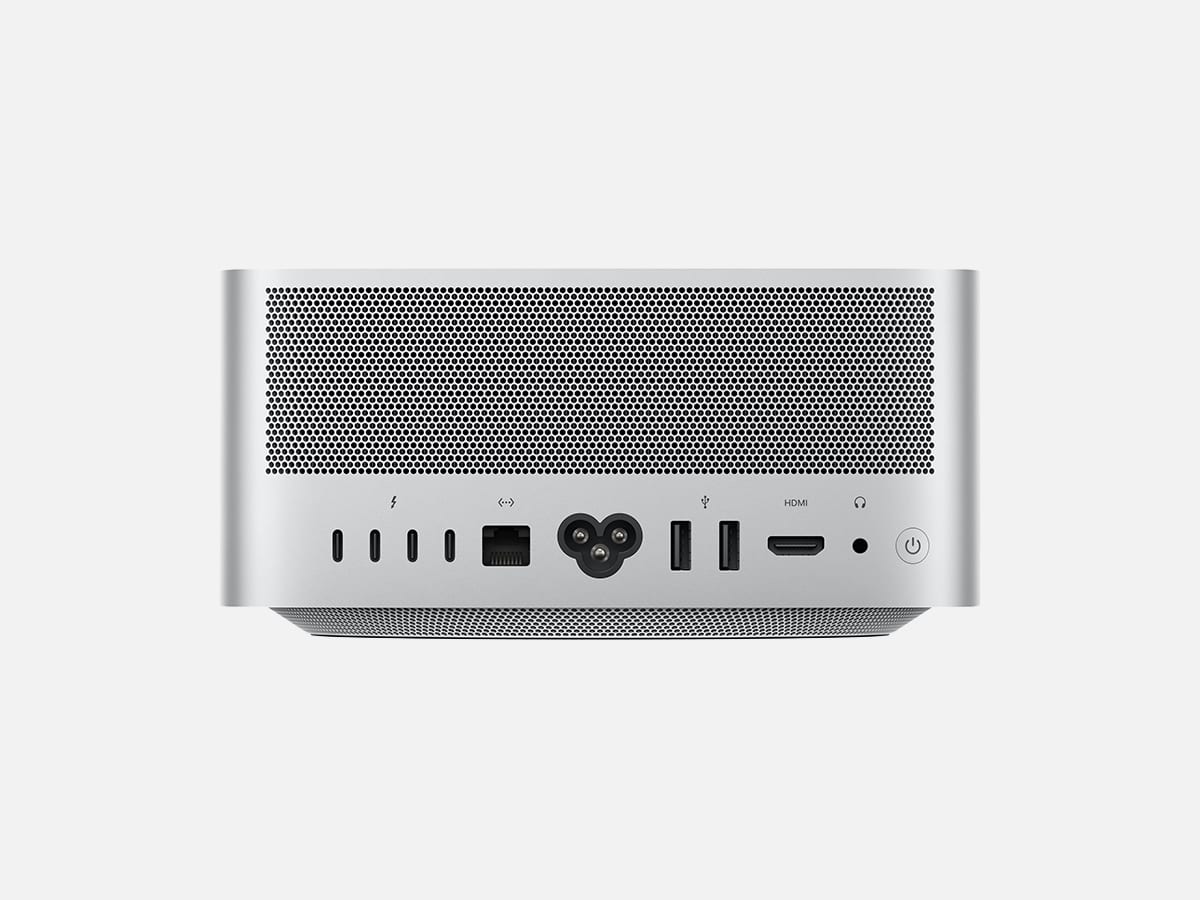
Connectivity receives comprehensive upgrades across front and rear IO panels. Front ports include two Thunderbolt 5 ports and an SDXC card slot, while the rear features four Thunderbolt 5 ports, two USB-A ports, HDMI, 10Gb Ethernet, and a 3.5mm headphone jack. The Apple-designed N1 chip brings Wi-Fi 7 and Bluetooth 6 to the desktop for the first time, while genlock support over USB-C allows frame synchronisation with cameras like iPhone 17 Pro. The desktop supports up to eight external displays or up to four Studio Display XDR monitors at 5K resolution and 120Hz.
The system ships running macOS 27 Golden Gate, introducing Siri AI with Spotlight integration and Visual Intelligence screen-context shortcuts, and Liquid Glass design refinements. On the sustainability front, the chassis is built using 35 per cent recycled content overall, featuring 100 per cent recycled aluminium in the enclosure and 100 per cent recycled rare earth elements in all magnets. Manufacturing utilises 40 per cent renewable energy across the supply chain, and is supported by 100 per cent fibre-based packaging.
The Mac Studio is available for pre-order across Australia today, with store availability and local shipments beginning on September 22, 2026. Configurations featuring a 512GB Mac Studio memory option will arrive later in October. Buyers can also bundle preinstalled software licenses for Final Cut Pro for AUD$499.99 or Logic Pro for AUD$299.99 during checkout.
Related reads




























Comments
We love hearing from you. or to leave a comment.