

Updated:
Readtime: 9 min
Every product is carefully selected by our editors and experts. If you buy from a link, we may earn a commission. Learn more. For more information on how we test products, click here.
- Available in Australia on November 6, 2026, from AUD$1,099.
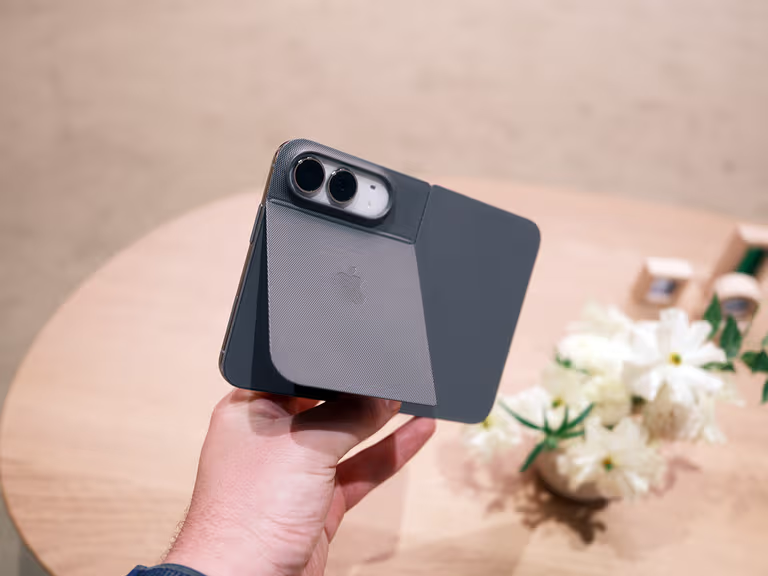
- Features an 8.5-inch OLED display, slightly larger than the iPhone Duo.
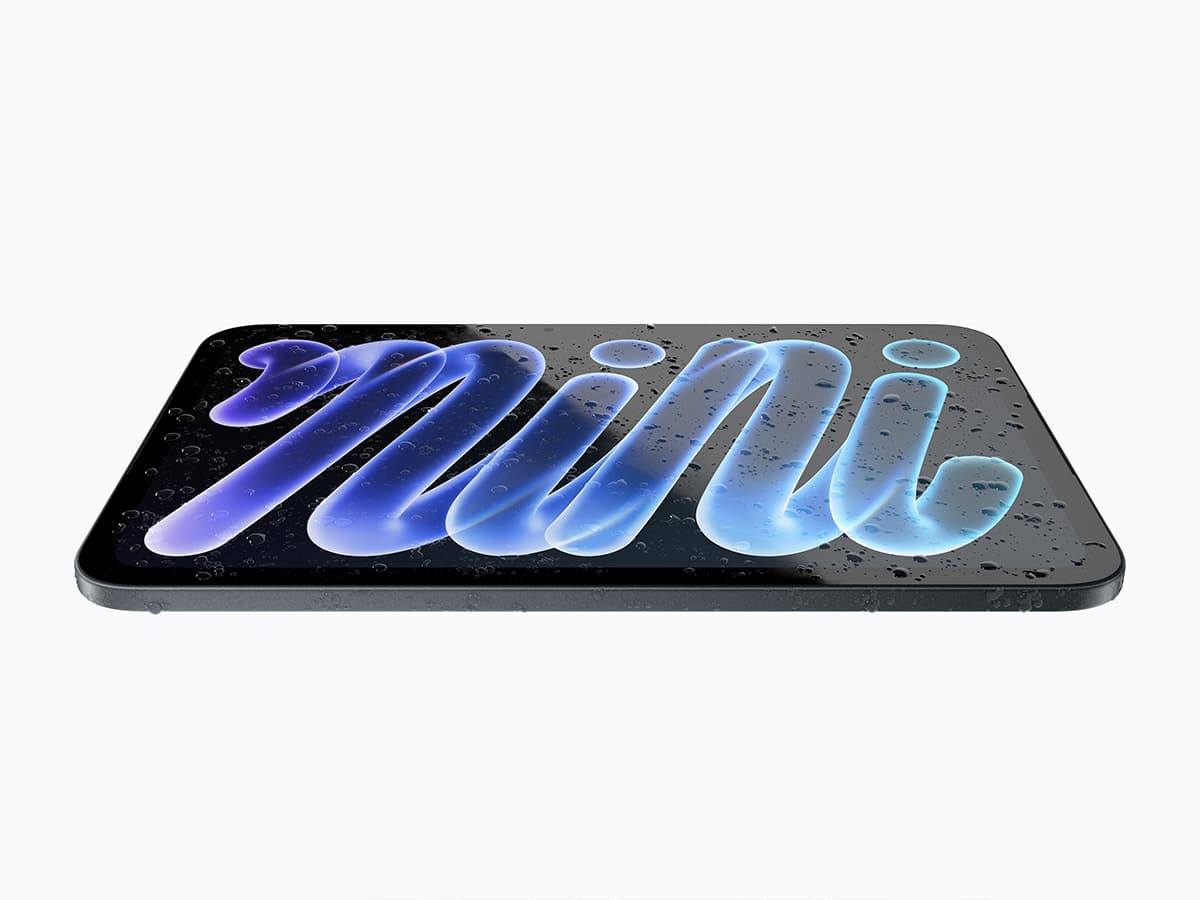
- The 5.4mm-thin chassis introduces IP67 water and dust resistance.
- It shares the A20 Pro chip with the new iPhone Duo.
- The iPad mini sits A$150 below the 11-inch iPad Air.
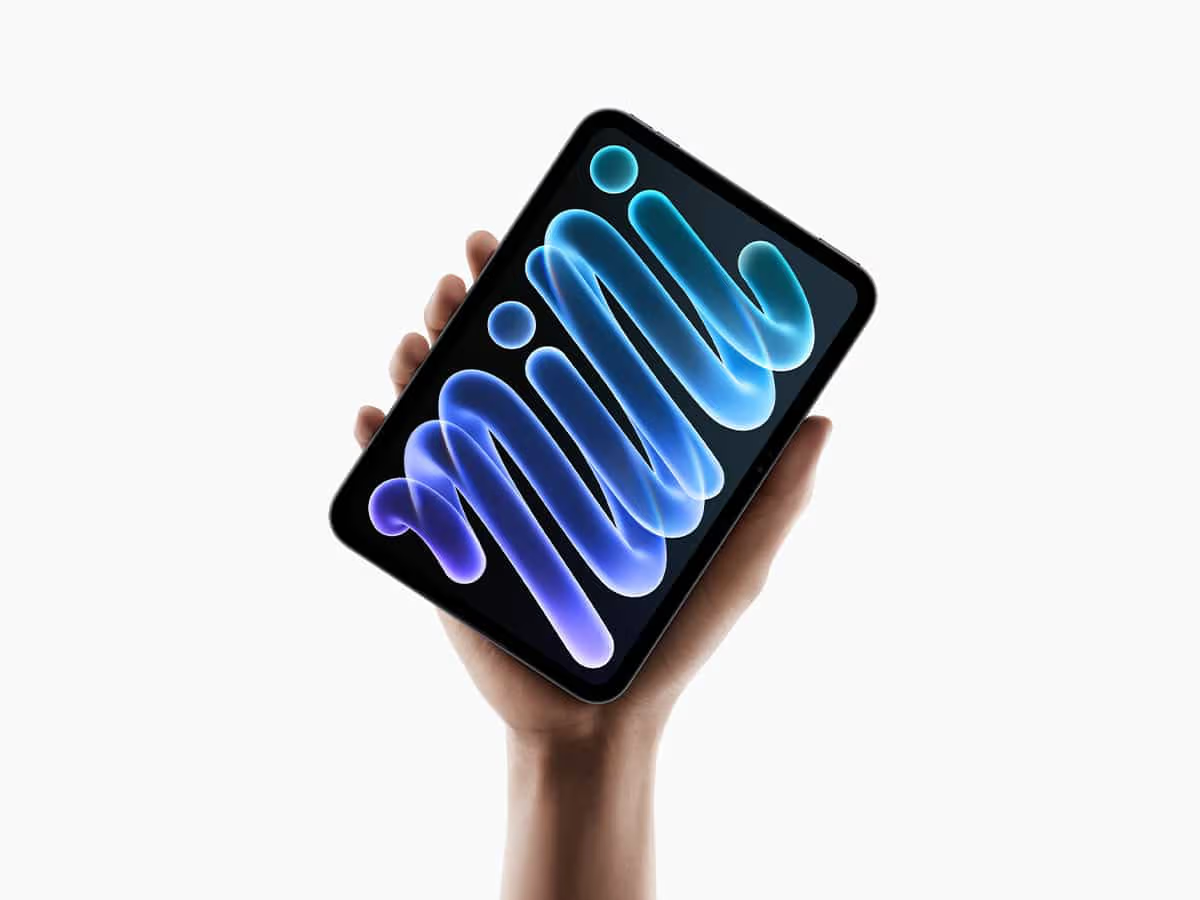
Just days ahead of Apple‘s “Pro and tell” event in Los Angeles, where rumours point to a touchscreen OLED MacBook Pro, M6 MacBook Pros, and a refreshed iMac, the iPad mini is here. It’s quietly copped the biggest upgrade since its launch in 2012. With the iPhone 18 Pro’s A20 Pro chip under the hood and a new 8.5-inch OLED display that’s larger than the new iPhone Duo’s 7.6-inch inner Super Retina XDR display, the brand has all form factors covered across its range.
Priced from AUD$1,099 for the 128GB Wi-Fi model, the 2026 iPad mini sits comfortably below the 11-inch iPad Air (from AUD$1,249) here in its eighth generation. But it also sits in close proximity to Apple‘s new foldable iPhone Duo (from AUD$3,499), which features a 7.6-inch inner Super Retina XDR display when unfolded. This leaves a mere 0.9-inch diagonal difference between the brand’s largest phone and its smallest tablet, but a gigantic price gap. When matching the same devices at an equal 256GB storage tier, the dynamic becomes even more striking. You could buy the mid-spec 256GB iPad mini (AUD$1,299) and the 256GB iPhone 18 Pro (AUD$2,099) for a combined AUD$3,398, saving you AUD$101 compared to purchasing a single iPhone Duo.
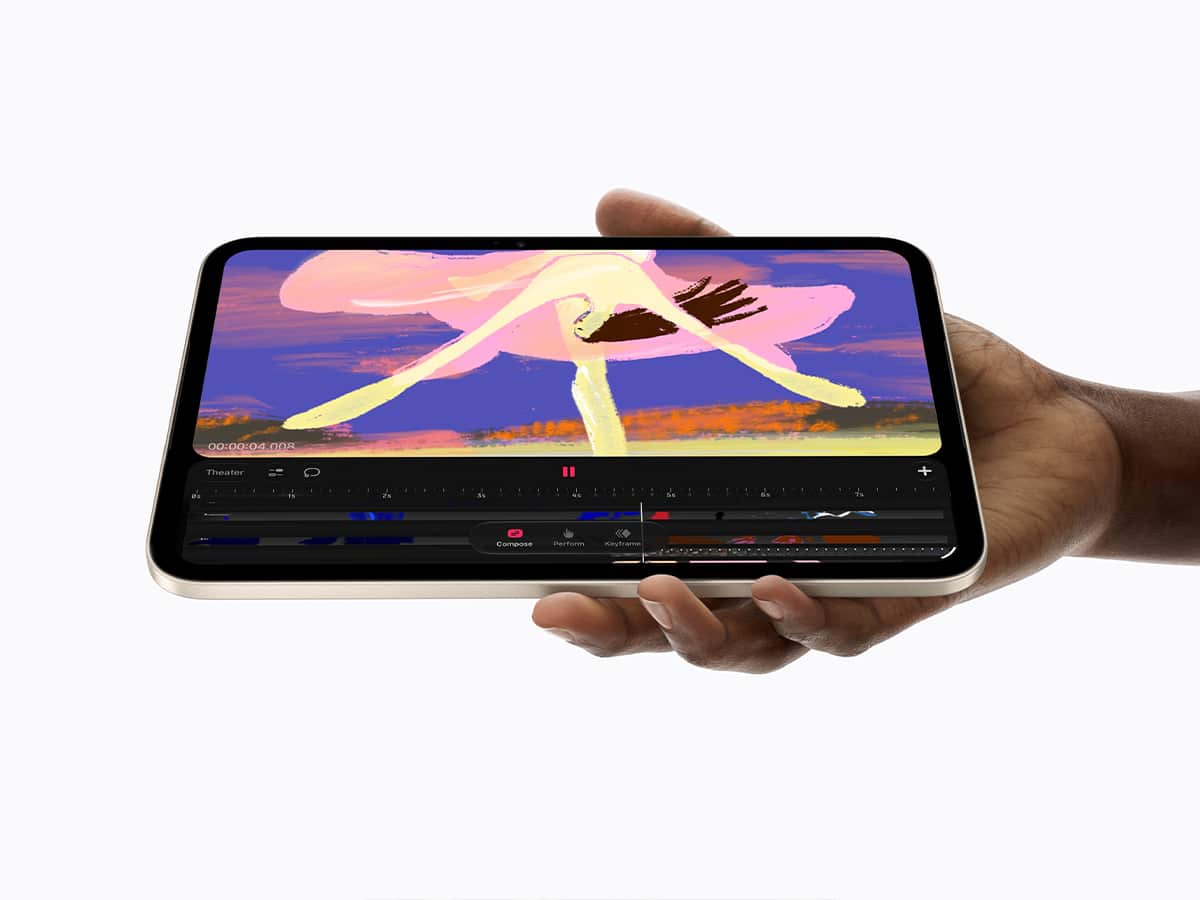
Still, the iPad mini skips several processor generations to utilise the same A20 Pro chip found in the iPhone Duo, bypassing the laptop-class M4 processor powering the iPad Air. Launching in Australia on November 6, 2026, the new iPad mini fits all of this into a 5.4mm thin chassis. Thanks to bezels that are 24 per cent slimmer, Apple has managed to expand the screen from the previous 8.3-inch panel to 8.5 inches while maintaining the exact same compact physical footprint.
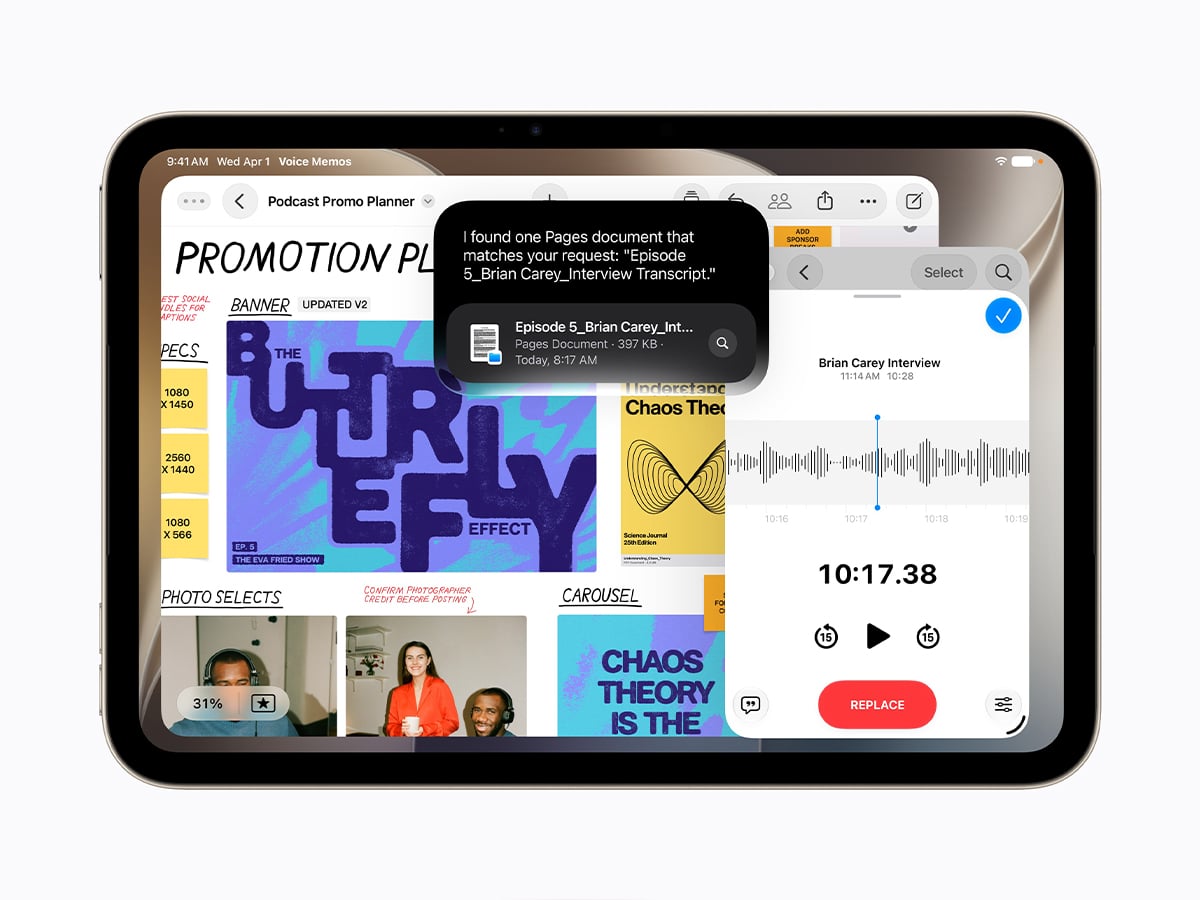
You have a choice between a new midnight finish alongside starlight, and it’s worth noting quickly here that this is the first iPad mini to feature an IP67 rating for water and dust resistance, aided by a new sealed Acoustic Display enclosure. Weave in some advanced Apple Intelligence integration with new Siri AI, the introduction of Apple Pencil Pro support, and the new iPad mini looks more like a professional-grade tool rather than a standard content-consumption device.
| iPad mini (2026) | iPad Air 11-inch (M4) | iPhone Duo (Inner Display) | |
| Display Size | 8.5-inch OLED | 11-inch Liquid Glass | 7.6-inch Super Retina XDR |
| Processor | A20 Pro | M4 | A20 Pro |
| Durability | IP67 | N/A | IP68 / Grade 5 Titanium |
| Wireless Modem | Wi-Fi 7 / C2 Modem | Wi-Fi 7 / C1X Modem | Wi-Fi 7 / C2 Modem |
| Keyboard Support | Smart Folio | Magic Keyboard | N/A |
| Starting Price | from AUD$1,099 | from AUD$1,249 | from AUD$3,499 |
Silicon, Pricing and Performance
The new iPad mini shares its processor architecture with the iPhone Duo. Built on a 2-nanometre process, the A20 Pro chip inside the 128GB and 256GB iPad mini features a 5-core CPU (two super cores and three efficiency cores), a 7-core GPU and a 16-core Neural Engine. However, power users should note that the top-tier 512GB model upgrades to a 6-core CPU and a Dual 16-core Neural Engine to process local AI workloads even faster. These price tiers offer several options for buyers trying to decide what they should upgrade next.
iPad mini offers three storage sizes:
- 128GB (AUD$1,099)
- 256GB (AUD$1,299)
- 512GB (AUD$1,649)
Oddly, if you opt for the mid-spec 256GB iPad mini alongside the 256GB iPhone 18 Pro (AUD$2,099), the total price is AUD$3,398. That means purchasing both dedicated devices is AUD$101 cheaper than buying the AUD$3,499 foldable iPhone Duo.
We also need to mention the 11-inch iPad Air (from AUD$1,249), which relies on the M4 chip and features an 8-core CPU, 9-core GPU, and 12GB of unified memory with 120GB/s bandwidth.
Displays and Hardware
The iPad mini introduces OLED technology to the 8.5-inch form factor, offering a 2316-by-1512 resolution at 326 ppi. However, Apple still hasn’t added its ProMotion technology, meaning the OLED panel remains locked at a standard 60Hz refresh rate rather than pushing to the fluid 120Hz found on the iPhone Duo and iPad Pro. It delivers a 2,000,000:1 contrast ratio and up to 1200 nits of peak HDR brightness.
This pixel density will be noticeably sharper than the 11-inch iPad Air’s 264 ppi, while the Air also relies on a standard Liquid Retina LCD panel that caps out at 500 nits and cannot produce true OLED blacks. Conversely, the iPhone Duo matches the iPad mini’s contrast ratio but pushes its pixel density even higher to 460 ppi, while delivering 3000-nits of peak outdoor brightness.
Like the Duo, the iPad mini features a new 1-nit minimum brightness, specifically designed for people who like to read in bed and other low-light situations where a bright screen might be distracting. It also has the glare-reducing nano-texture display option, but it’s available exclusively on the 256GB and 512GB models, pushing the entry price to AUD$1,499 with this box ticked. Powering the display is an 18.9-watt-hour battery that is rated for up to 10 hours of web surfing on Wi-Fi, and it now supports fast charging, reaching 50 per cent in around 30 minutes when paired with a 35W or higher adapter.
The USB-C port has also been upgraded to support 10Gb/s transfer speeds and Native DisplayPort output to drive a single external monitor at up to 4K resolution at 60Hz.

Cameras and Connectivity
Photo and video aren’t exactly the iPad mini’s best element, but the 12MP Center Stage front camera (featuring an f/2.0 aperture) has been moved to the landscape edge on the new iPad mini to mimic the changes made to the iPad Air.
The audio hardware gets an equal boost from the new Acoustic Display system, which uses specially engineered woofers that vibrate sound directly through the display glass for punchier bass and higher volume, balanced by custom tweeters situated between the glass and aluminium enclosure for crisper highs.
On the back, the iPad mini includes a 12MP Wide camera with an f/1.8 aperture, Smart HDR 4, and support for 4K video recording at up to 60 fps. It can’t match the 48MP Dual Fusion rear camera system (featuring 48MP Main and Ultra Wide lenses) in the iPhone Duo, which is capable of recording Dolby Vision up to 4K at 120 fps, while hiding its internal FaceTime camera completely under the inner display to keep the 7.6-inch screen uninterrupted. Not that you’d be shooting much footage on an iPad mini.
Connectivity across the iPad mini relies on Apple’s N1 wireless chip for Wi-Fi 7, Bluetooth 6, and Thread networking support. The cellular models (starting at AUD$1,349) rely entirely on eSIM technology with no physical SIM slot. These cellular versions upgrade to the new C2 modem, the exact same modem found in the iPhone Duo, delivering up to 50 per cent faster data speeds than the previous iPad mini.
Accessories and Productivity
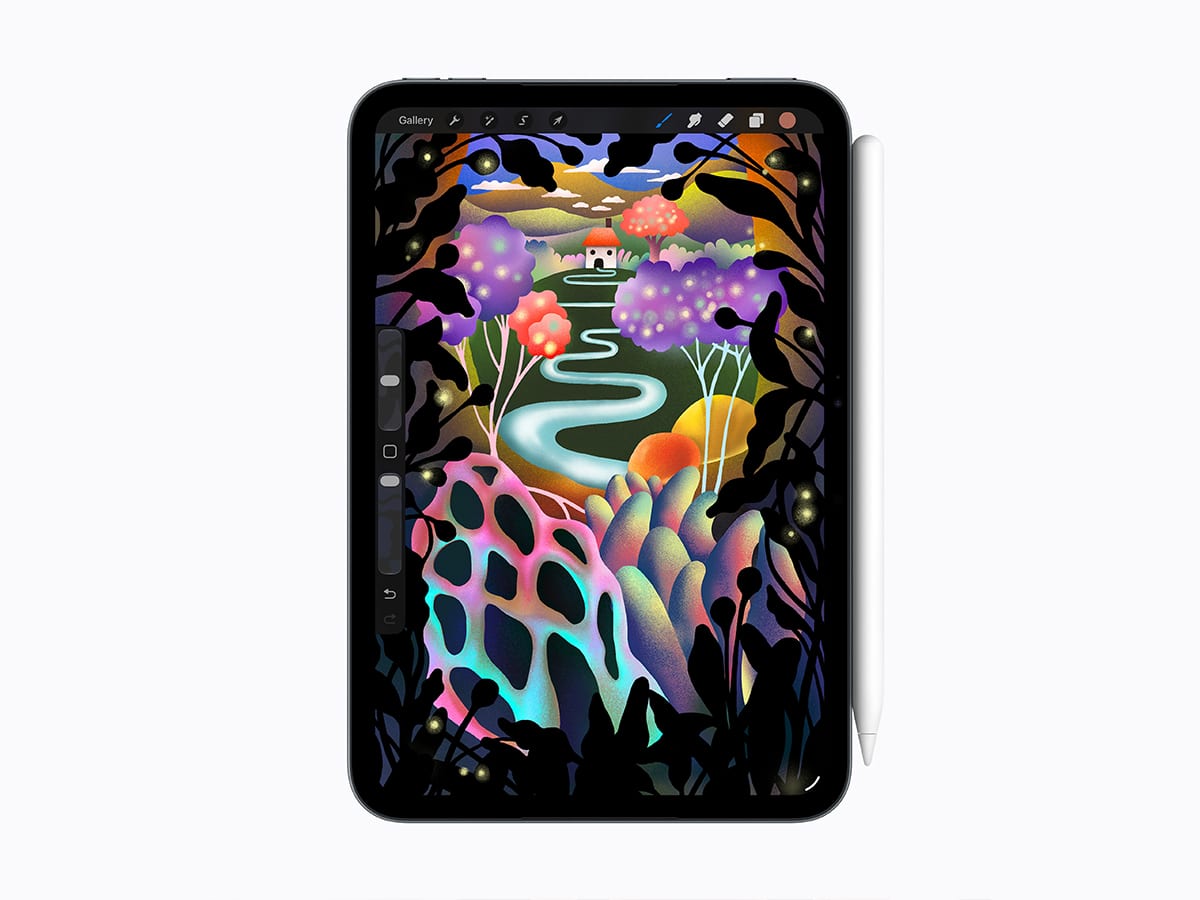
Both the iPad mini and the iPhone Duo support the Apple Pencil USB-C (AUD$139), while the iPad mini and the iPad Air also support the Apple Pencil Pro (AUD$219) that adds squeeze gestures, barrel roll, and Find My support.
The iPad Air supports the Magic Keyboard with a built-in trackpad for AUD$449, while the iPad mini relies on a two-panel TechWoven Smart Folio for AUD$129.
In line with Apple’s 2030 carbon-neutral goal, the iPad mini is built with 35 per cent recycled content overall, including 100 per cent recycled aluminium in the enclosure and 100 per cent recycled cobalt in the battery. The device is manufactured using 40 per cent renewable electricity across its supply chain and ships in 100 per cent fibre-based packaging.
Verdict
The push into foldables could’ve easily made the iPad mini irrelevant, but it feels like it’s carved out its own niche and achieved the exact opposite. By packing an 8.5-inch OLED display, flagship A20 Pro silicon, and rugged IP67 protection into a 255-gram chassis, Apple has transformed its smallest tablet into one of its best portable devices.
Compromises that defined earlier iterations are gone: you get top-tier display contrast, full Apple Pencil Pro capability, and desktop-level performance and connectivity in a frame thin enough to disappear into a jacket pocket. But the real kicker for us is how the numbers stack up against the AUD$3,499 iPhone Duo. Matching storage for storage, pairing a mid-spec 256GB iPad mini (AUD$1,299) with a 256GB iPhone 18 Pro (AUD$2,099) lands at a combined AUD$3,398. That two-device setup saves you AUD$101 compared to buying a single foldable phone.
You don’t have the camera sensors, battery life, and hinge durability with an all-in-one hybrid like the Duo, but you walk away with an unmatched triple-lens Pro camera in your pocket and a dedicated, water-resistant OLED canvas in your backpack.
If you need a genuine laptop stand-in with a physical trackpad and desktop-grade M4 muscle, the iPad Air paired with a Magic Keyboard remains the correct choice. If you have cash to burn on first-generation folding novelties, the iPhone Duo exists for that exact reason. But for commuters and creatives who want a dedicated digital notebook without the four-figure foldable price, the AUD$1,099 iPad mini is quietly Apple’s smartest tech purchase of the year (unless you need a pair of outstanding $200 earbuds).
 1/9























Comments
We love hearing from you. or to leave a comment.