
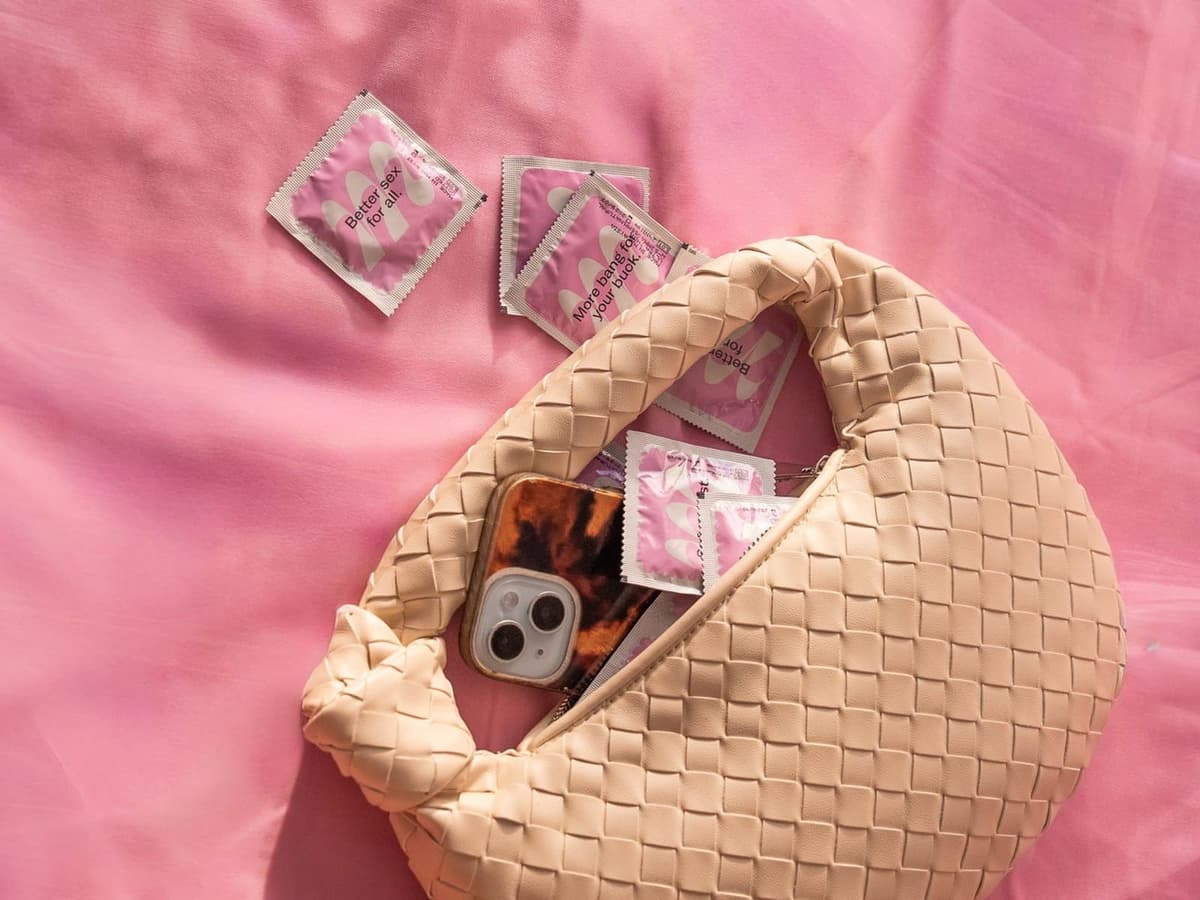
Why Buying Condoms Is Still Awkward for Three in Four Australian Women, and What Men Can Do About It

Updated:
Readtime: 8 min
Every product is carefully selected by our editors and experts. If you buy from a link, we may earn a commission. Learn more. For more information on how we test products, click here.
Buying condoms is a small, sensible, legal errand. A new national study from Australian condom brand Moments suggests it rarely feels that way. Asked what they actually do at the checkout, three-quarters of 1,111 Australian women described at least one strategy for not being seen buying condoms, and two in five have walked away from a purchase they’d already decided to make.
The findings are worth reading not as a curiosity but as a to-do list. Most of the discomfort comes from an audience, real or imagined, and most of the fix comes from sharing a job that has quietly been left to one person. Here’s what the study found, and what a considered response from men looks like.
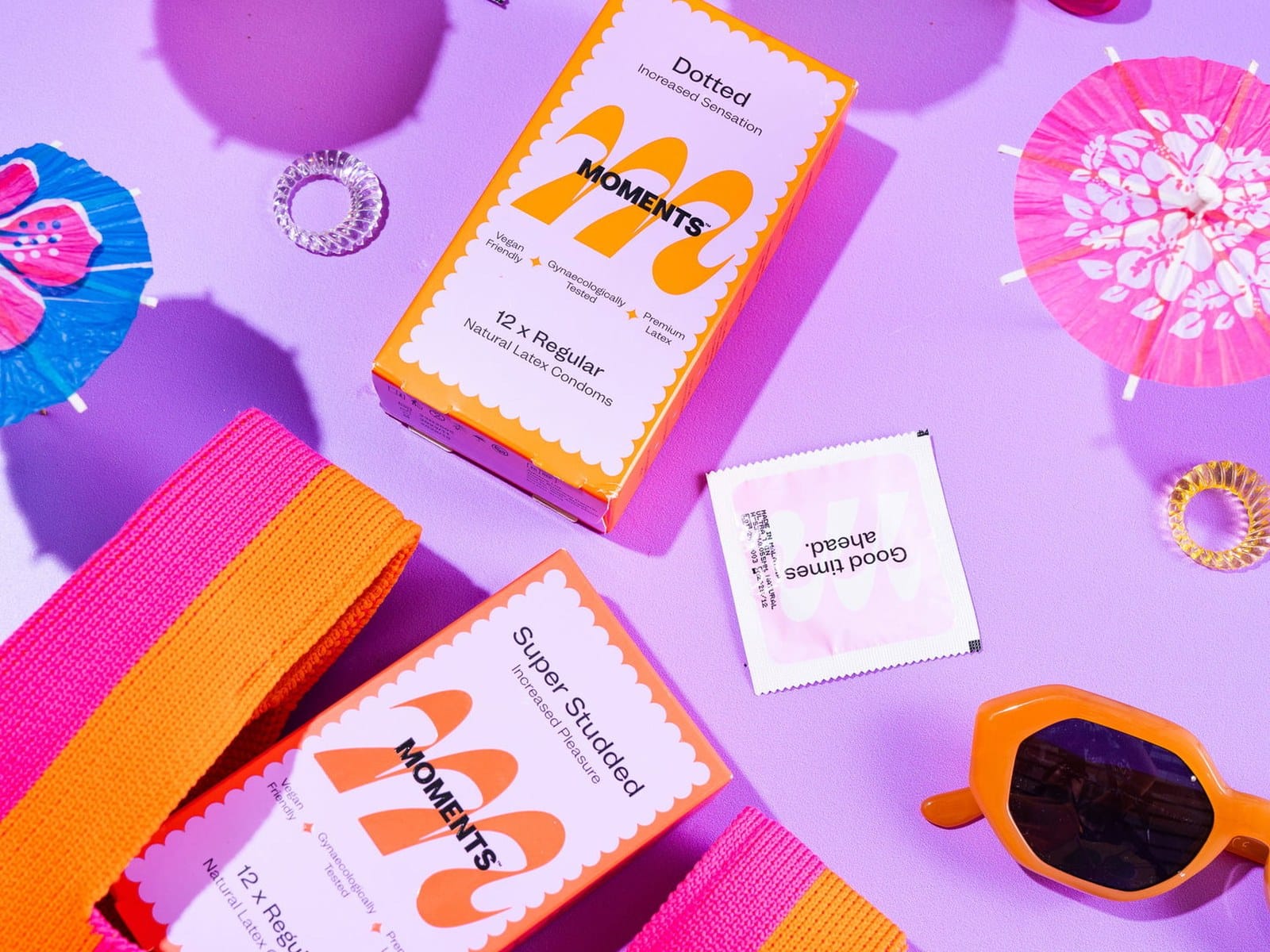
The Seven Workarounds Australian Women Use at the Checkout
Most people will recognise at least one of these.
- 48.5 per cent: used a self-checkout specifically rather than hand condoms to a person
- 39.1 per cent: bought other items so the condoms weren’t the only thing in the basket
- 27.7 per cent: hid them under other products
- 14.0 per cent: waited until the shop was quiet
- 13.7 per cent: bought online to avoid buying in person
- 13.4 per cent: asked a partner or friend to buy them instead
- 12.2 per cent: went to a different suburb, or a shop where they weren’t known
In total, 75.2 per cent of Australian women reported at least one of these behaviours. Somatic sex coach Eleanor Hadley says the list is worth reading twice. “It is a set of workarounds, invented independently by three-quarters of the female population, for a legal product that prevents disease,” she says. “Nobody taught anyone the decoy shop. They each worked it out alone, which tells you how consistent the pressure is.”
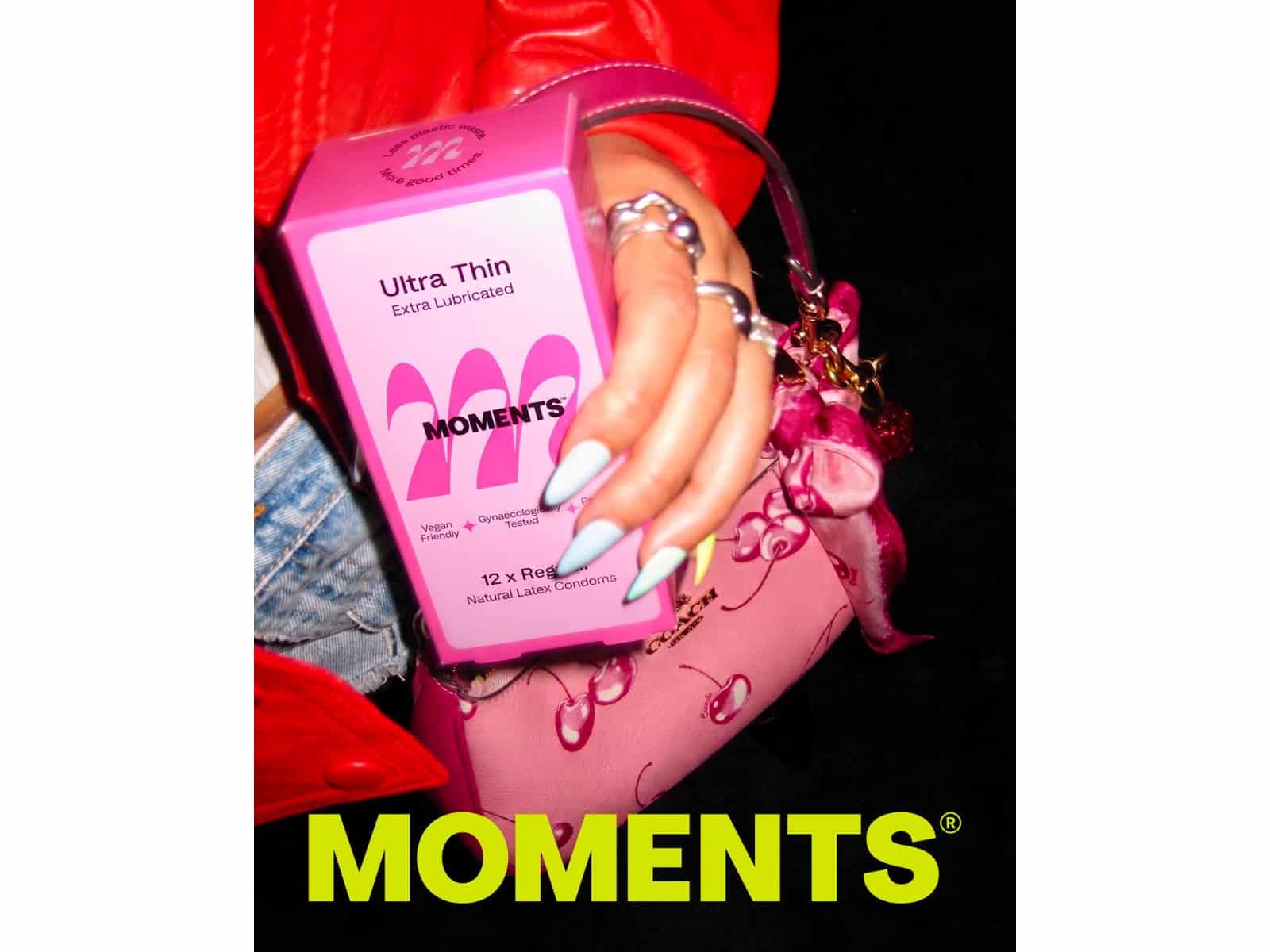
Two in Five Walked Away
The workarounds above are inconvenient. The next finding isn’t. Asked whether they had ever decided not to buy condoms, or put them back, because they felt embarrassed or judged, 39.8 per cent of Australian women said yes. 22.0 per cent had done it more than once.
That’s a health decision reversed at the shelf by an audience that may not even have been paying attention. Nothing about the product changed. Nothing about her decision changed either. What changed was who else was standing there. If you’re in a relationship, or hoping to be, that abandoned purchase is a shared risk, not hers alone.
Nikhil Daftary, CEO of Moments Wellness, calls it the finding he’d take to a retailer. “Two in five women have walked away from a purchase they had already decided to make,” he says. The brand’s answer is to make its range as easy to buy online as it is at the supermarket or pharmacist, which removes the audience altogether.
Asking Is Easier Than Buying, and the Answer Is Yes
Here’s the counterintuitive part. 81.5 per cent of Australian women say they’d feel comfortable asking a new partner to use a condom. Only 76.2 per cent say they feel comfortable buying them. The conversation, in other words, is easier than the counter.
Hadley says that surprised her, and then didn’t. “The bedroom conversation is private and it’s with someone who already knows you’re having sex,” she says. “The shop is public and it’s in front of strangers who are making an assumption from nothing but a box. The audience is the problem, not the intimacy.”
One thing the study doesn’t measure, and this is where men come in, is how that conversation is received. When a partner asks you to use a condom, the only good answer is yes. It’s a condition of their consent, not a negotiation, and pressuring someone to go without, or removing one without agreement, is treated as a sexual offence in several Australian jurisdictions, including New South Wales, Victoria and the ACT. The easiest way to make the conversation unnecessary is to have already bought them.
The Good News: It’s Getting Better
The one clear piece of good news in the study is genuine. Discomfort buying condoms has fallen for the first time since the research began: 29 per cent in 2017, 31 per cent in 2021, and 23.9 per cent now.
Nearly a third of Australian women, 29.9 per cent, still never buy condoms themselves, essentially unchanged from 31 per cent in 2017. But among them is the group the researchers flag as most movable: the 9.9 per cent who use condoms and never buy them. They’re already in the category. They’ve simply never been the one at the counter, which is a job that can be shared.
Sharing the Job: What Men Can Do
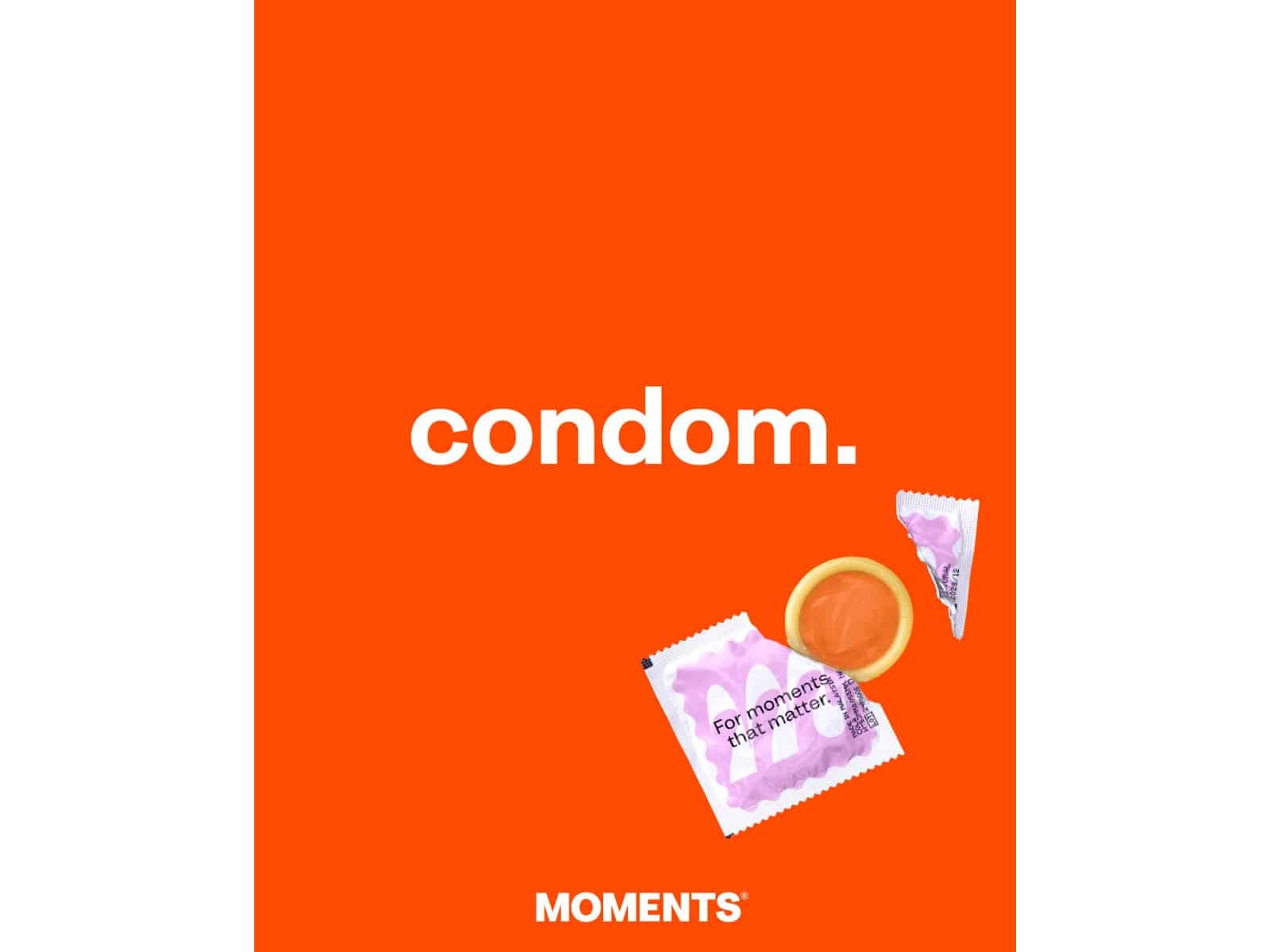
None of this needs a grand gesture. Keep the household stocked without making it a conversation. Buy for both of you, and don’t comment when a partner does the same. If the checkout is the problem, skip it: Moments sells direct from its own site with free shipping on orders over $50, or in store at Coles and Chemist Warehouse. The condoms are natural rubber latex, silicone lubricated and certified vegan by The Vegan Society. Prices and stockists checked on 7 September 2026.
The Ultra Thin range comes in regular, large and extra large from $10 a pack. A Mega Thin 0.03 sits at $12, as does the Super Studded, and there’s a Dual Lubricated at $9. Flavoured packs run strawberry, watermelon, cola and chocolate at $10, and a Party Pack at $25 covers a household with mixed preferences. Three and four pack bundles bring the per-pack price down further.
The brand’s Women Carry Condoms Too campaign runs through September for Sexual Health Month. Its pitch is that carrying should be ordinary, not brave. The same applies to buying, and to who does it.
About the Moments Sexual Health Study
The Moments Sexual Health Study 2026 was fielded by Toluna Australia and surveyed 1,111 Australian women aged 18 to 45, weighted by age, state and region. Trend comparisons use matched wording from the 2017 and 2021 waves, both fielded by YouGov. The 2026 wave was fielded by a different provider, so read the trend as direction rather than a precise shift. It’s a brand-commissioned survey, published in full by Moments Wellness.
Where to Get Information and Support
Nothing in a brand-commissioned survey replaces a conversation with a clinician. For plain-language guidance on contraception, testing and sexual health, healthdirect is the Australian Government’s health information service, and its page on sexually transmitted infections covers what to test for and how often. Your GP or a local sexual health clinic can arrange a test, usually at low or no cost.
If any of this raises something closer to home, 1800RESPECT (1800 737 732) is the national sexual assault, domestic and family violence counselling service, available 24 hours a day.
Moments Condom Purchase Study FAQs
Using a self-checkout rather than handing condoms to a person, reported by 48.5 per cent of Australian women. Buying other items so condoms weren’t the only thing in the basket was next at 39.1 per cent.
Yes. Discomfort buying condoms fell to 23.9 per cent in 2026, down from 31 per cent in 2021 and 29 per cent in 2017, the first improvement across three waves of the study.
According to the study, yes. 81.5 per cent of Australian women feel comfortable asking a new partner to use a condom, but only 76.2 per cent feel comfortable buying them. If a partner asks you to use one, that’s a condition of their consent.
Online at momentswellness.com.au, with free shipping on orders over $50, or in store at Coles and Chemist Warehouse. The Ultra Thin range starts at $10 a pack (checked 7 September 2026).
Three in four women have a checkout strategy. Two in five have abandoned the purchase altogether. The simplest way to take the pressure off both of you is to share the job and make sure the drawer is never empty. Moments condoms ship free over $50, and nobody in a queue needs to be part of the decision.




















Comments
We love hearing from you. or to leave a comment.