

Updated:
Readtime: 10 min
The Lowdown:
Eau de toilette vs eau de parfum: longer wear, richer scent, higher price – but the choice is less straightforward than that. Here's what the labels actually tell you, and what they don't.
Every product is carefully selected by our editors and experts. If you buy from a link, we may earn a commission. Learn more. For more information on how we test products, click here.
If you’ve ever spritzed on a fragrance in the morning and found absolutely no trace of it by 11am, there’s a decent chance the concentration was working against you. That, or you tested it on a paper strip at the counter, loved it, bought the bottle, wore it on actual skin, and wondered why it smelled completely different. Both are fixable problems – once you understand the difference between eau de toilette (EDT) and eau de parfum (EDP). Which, as it turns out, is less straightforward than every beginner’s guide on the internet would have you believe.
Eau de Toilette vs Eau de Parfum Explained
Most people assume these are just fancy French ways of saying “weaker” and “stronger.” That’s somewhat true, but the story is a lot more interesting than that, and understanding it will save you from making expensive mistakes at the fragrance counter.
First, the full picture. Fragrance comes in four main concentrations, from most to least potent:
- Parfum (also called Extrait de Parfum) – 20–30% fragrance oil. The original, most concentrated, most expensive form. Long wear, intimate projection, and typically the version a house considers the purest expression of a scent.
- Eau de Parfum (EDP) – 15–20% fragrance oil. Sits just below parfum, with longevity of around six to ten hours. The format most people mean when they say a fragrance “lasts all day.”
- Eau de Toilette (EDT) – 5–15%. The everyday workhorse. Lighter, fresher, three to six hours on skin. The most widely available format for men’s fragrance.
- Eau de Cologne (EDC) – 2–5%. The lightest and shortest-lasting. Best for casual, warm-weather wear or reapplication throughout the day.
EDT and EDP are by far the most common formats on the market but overall, these fragrance categories are also younger than most people realise.
Eau de cologne originated in 18th-century Germany as a specific style of fragrance – citrus-forward, herbal, refreshing – not a concentration descriptor. Eau de toilette followed as a catch-all for scented waters that didn’t fit the cologne mould. EDP only became widespread in the 1980s – Chanel No. 5 didn’t have one until then, despite the parfum existing since 1921 and the EDT since the 1950s.
EDP was created to sit between EDT and parfum, offering closer-to-parfum longevity at a lower price point. The idea that EDP is the prestige tier and EDT is the budget entry point is largely something consumers collectively decided.
The Labels Mean Less Than You Think
What most eau de toilette vs eau de parfum guides don’t tell you is that EDP and EDT are not tightly standardised categories. The percentage ranges you’ll see repeated everywhere (EDT at 5–15%, EDP at 15–20%) are industry conventions, and not enforceable standards.
Basically, fragrance houses have flexibility in how they define and apply these terms, which is why you’ll find overlapping concentrations and wildly different performance between two bottles wearing the same label.
This isn’t to say fragrance products aren’t regulated – they are regulated for safety, allergen disclosure, and ingredient labelling. However, the EDT vs EDP distinction itself sits in a grey area that’s more marketing convention than technical specification.
EDT vs EDP: How They Compare
With the caveat that these are industry conventions rather than hard rules, here’s how EDT and EDP typically stack up, and what you can broadly expect from each.
| Feature | EDT | EDP |
| Fragrance oil concentration | 5–15% | 15–20% |
| Longevity on skin | 3–6 hours | 6–10 hours |
| Projection | Stronger initial blast | Softer but longer-lasting |
| Scent character | Lighter, fresher, top-note forward | Richer, deeper, base-note forward |
| Best for | Daytime, summer, office, warm climates | Evening, cooler months, longer wear |
| Price | Generally lower | Generally higher |
| Reapplication | More likely needed | Usually not necessary |
Why the EDP and EDT of the Same Fragrance Can Smell Completely Different
Have you ever noticed this? It’s because when a perfumer creates both versions of a fragrance, they don’t just add more of the same oil to one bottle. They rebalance the formula. Base notes (woods, musks, ambers) get more room in the EDP. Top notes (citrus, light herbs, aquatics) tend to shine more in the EDT.
Different concentrations often use completely different formulas, with different ingredients, different balances, sometimes composed by different perfumers years apart. You’re not always getting more or less of the same thing, but oftentimes a different fragrance that shares a name.
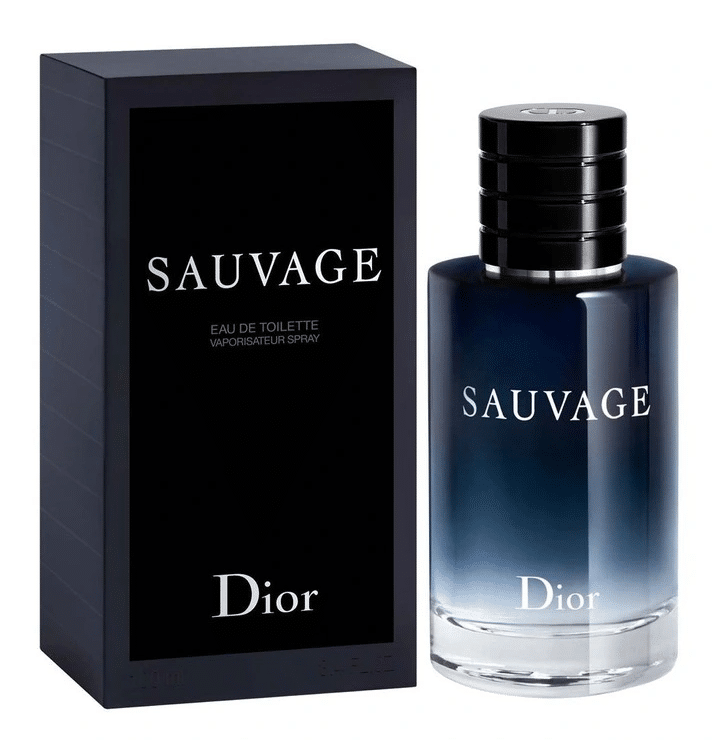
- Dior Sauvage is the textbook example. The EDT opens with a bright, electric bergamot punch. It’s clean, immediate, and easy to wear. The EDP shifts into richer, darker territory. The pepper is deeper, the base more animalic and magnetic.
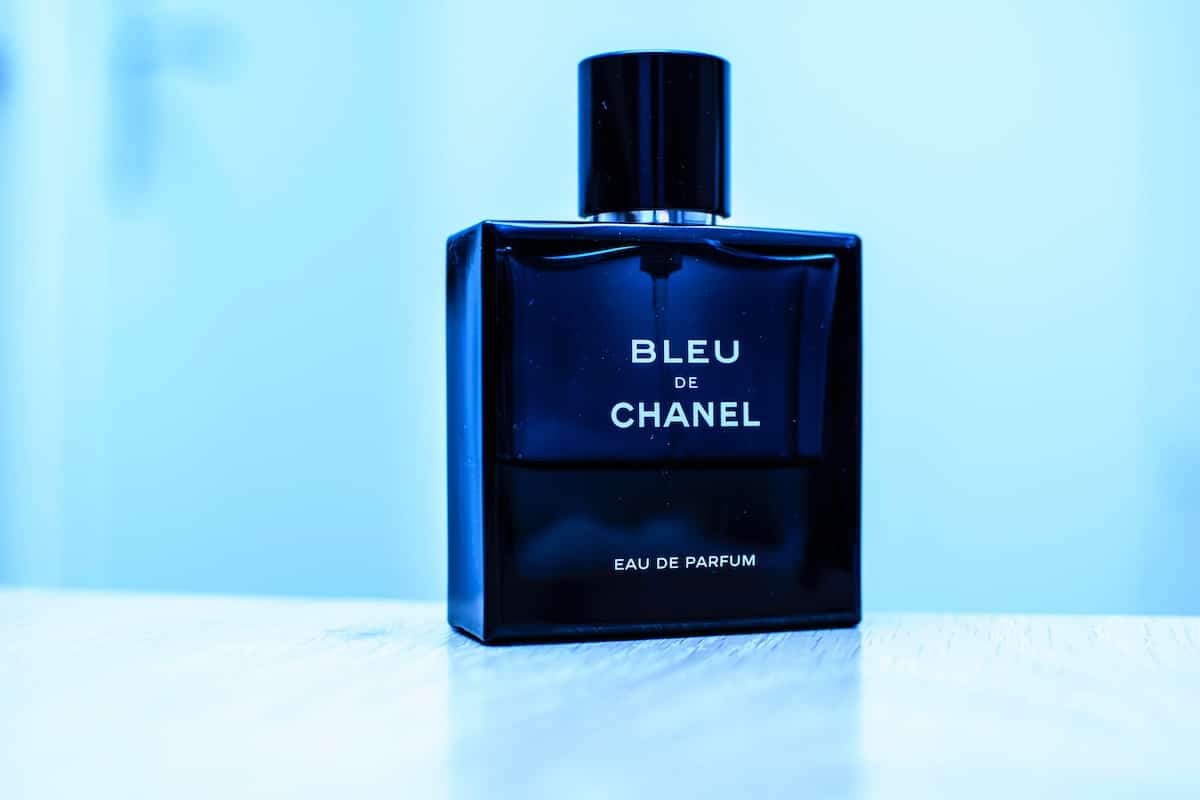
- Bleu de Chanel follows the same pattern. The EDT is airy and fresh. The EDP adds incense, iris, and a creamy depth that changes the character significantly.
- YSL Y is a third example, but the gap is less dramatic. The EDT is woody and fresh (apple, sage, cedar), but the EDP pushes the base harder with tonka bean and amber, giving it a warmth the EDT doesn’t have.
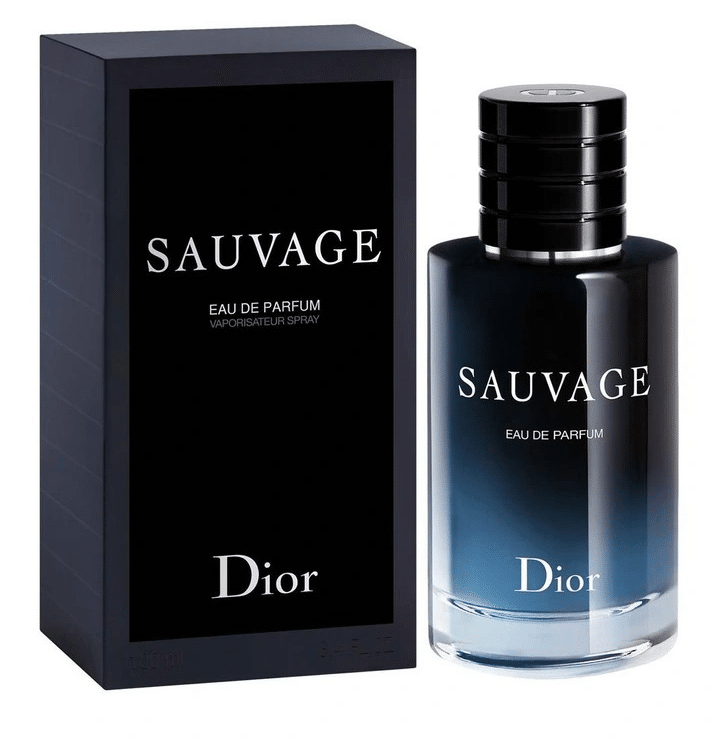
Basically, don’t assume the EDP is automatically the superior version of a fragrance you already like in EDT. Test it on your skin. You might be surprised to realise you prefer the “lighter” version.
Which Fragrance Lasts Longer on the Skin?
Here’s where it gets counterintuitive. Higher oil concentration means longer wear, but often softer projection. EDT, with its higher alcohol content, tends to have a stronger initial blast. So an EDT can hit harder in the first hour and then fade, while an EDP settles into a softer dry-down that just keeps going.
Check a fragrance at two hours, four hours, and six hours – not just when you first spray. A lot of men write off a fragrance because they stop noticing it, when it’s still sitting close to their skin, and everyone else can smell it fine.
Your Skin Type Changes the Scent More Than You Think
Your skin type might dictate whether an EDT or EDP is best for you.
- Dry skin absorbs fragrance faster, so EDT can disappear quickly.
- Oily skin holds onto scent longer, which can make an EDP more intense than expected.
So, if fragrance always seems to evaporate off you within an hour, it’s probably your skin and not the product. Apply an unscented moisturiser before you spray and see what changes (it gives the fragrance something to cling to).
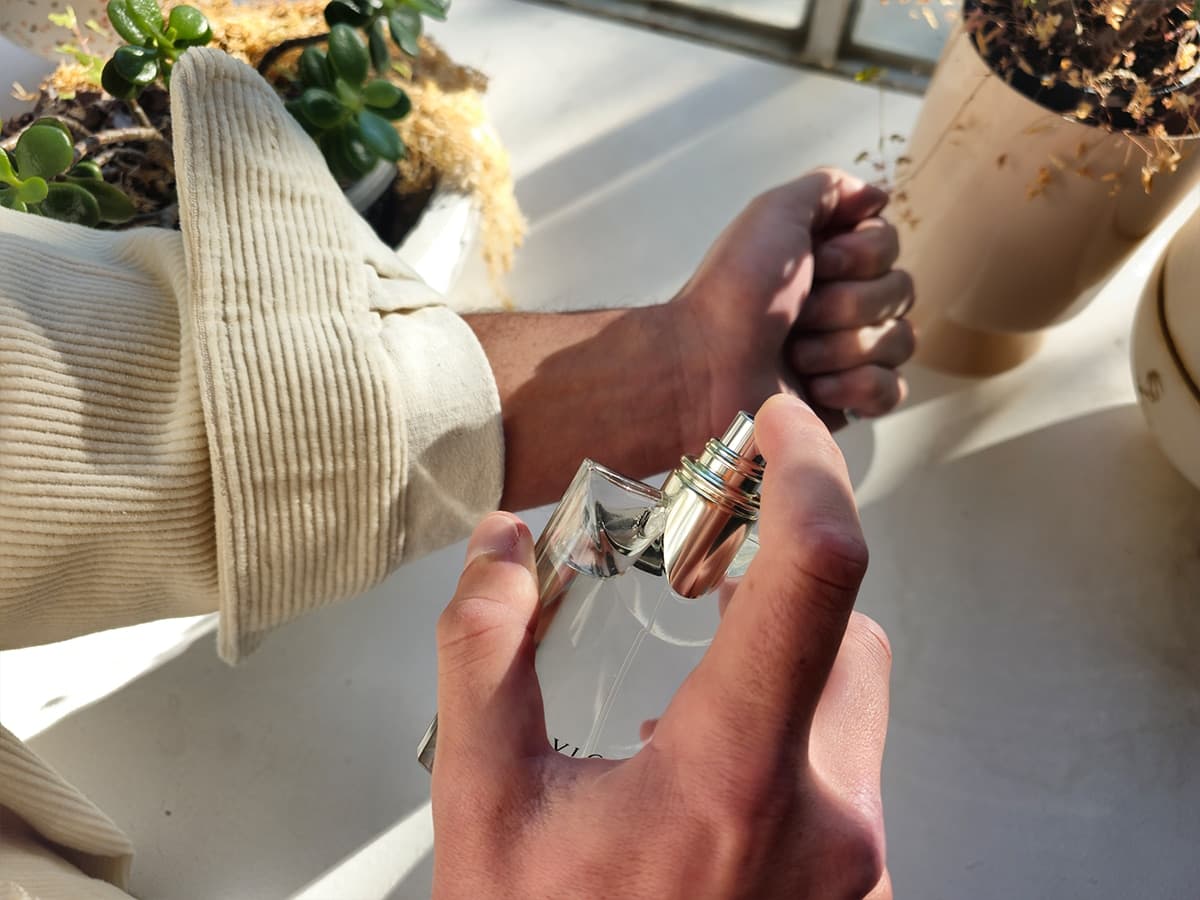
Also – stop rubbing your wrists together after you spray. It breaks down the fragrance molecules and kills the top notes. Spray and leave it alone.
When to Choose Eau de Toilette
Heat amplifies everything. Lighter concentrations breathe in warm weather rather than suffocate (Versace Pour Homme EDT and Chanel Allure Homme Sport EDT are both built precisely for this). An EDP on a hot Australian summer day can go from dreamy to overwhelming before you’ve even left the house.
For work and office settings, EDT gives you more control. You can apply a bit more without turning a meeting room into a fragrance cloud. And if a fragrance’s DNA is already strong (aromatic, woody, spicy) the EDT version can perform just as well for most situations. The EDP upgrade isn’t always worth the price difference.
When to Choose Eau de Parfum
If we’re following normal conventions, choose eau de parfum for evening wear, cooler months, or if your skin tends to eat fragrance.
The higher oil content means the heart and base notes have more time to develop and come through. An EDP will often dry down to a noticeably different scent by late afternoon, which is why testing it on skin for a few hours tells you far more than a quick sniff at the counter.
There’s also a cost-per-wear argument. If you’re using fewer sprays because the concentration is doing more work, the higher upfront cost can balance out over time.
So, Which One Should You Buy?
It honestly comes down to personal preference. Yes, EDP lasts longer, but longer isn’t always better, and the two versions of a fragrance you’re considering might smell different enough to make longevity the secondary question.
The best concentration is the one that gives you the experience you want for the hours you need. If you can, test both on skin on separate days. See which one you’re still happy with at the four-hour mark and buy that one.
Frequently Asked Questions
No. Quality lives in the ingredients and the craftsmanship, not the label. Plenty of exceptional fragrances exist in EDT form because certain notes like citrus, aquatic, and fresh herbs perform better at lower concentrations. A badly made EDP is still a badly made fragrance.
While this logic tracks, the execution usually doesn’t. Over-applying means an overwhelming first hour followed by the same disappearing act. A better approach is to apply EDT to pulse points, use moisturised skin, and accept that some fragrances are meant to be close-to-skin.
It depends entirely on the fragrance and how you apply it. Two sprays of a well-chosen EDP at your neck and wrist will easily carry you through a workday. The issue is usually application volume, not concentration.
Both, ideally. Skin (pulse points like your neck, wrists, and chest) gives you the full experience. Body heat diffuses the scent and lets it develop through its notes over time. Clothing holds scent longer because fabric doesn’t absorb fragrance the way skin does, so a spritz on a collar or jacket can outlast anything on your wrist by hours. One caveat is that darker fragrances with heavy oils can stain light fabrics, so spray from a distance!
Related reads
- 17 Best Woody Fragrances for Men
- How to Find Your Signature Scent, According to an Expert Perfumer
- 15 Best Winter Fragrances and Colognes for Men
- 16 Best Summer Fragrances for Men
- 10 Best Colognes for Men, According to a Fragrance Guru
- 10 Best Citrus Fragrances for Men
- 8 Best Spicy Fragrances and Colognes for Men
- 6 Best Spring Fragrances and Colognes for Men
- 15 Best Perfumes for Men Worth the Investment
- 14 Best Classic Old-School Colognes for Men

















Comments
We love hearing from you. or to leave a comment.