

Updated:
Readtime: 7 min
Every product is carefully selected by our editors and experts. If you buy from a link, we may earn a commission. Learn more. For more information on how we test products, click here.
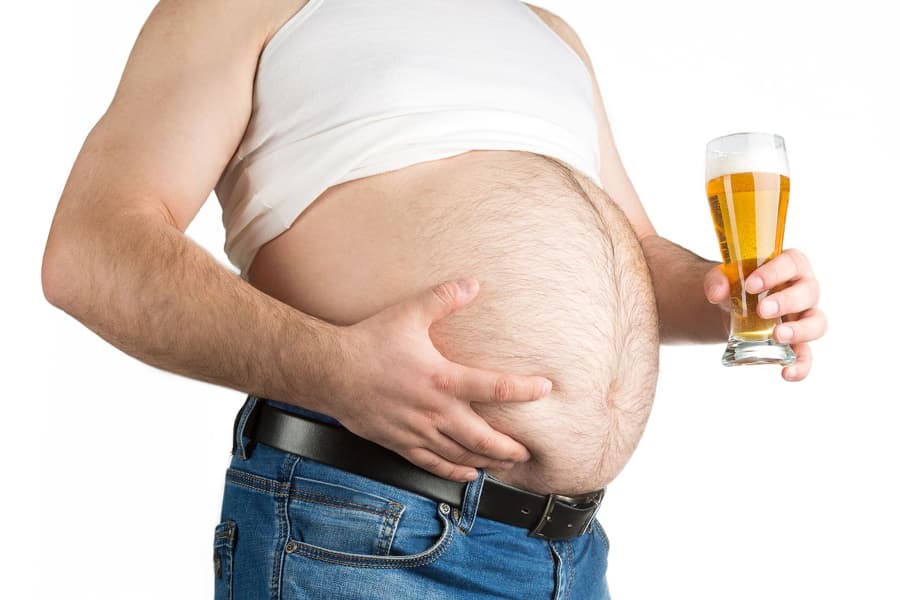
I am one of those people who maintain the same weight all year round. I mean, I used to be one of those people, until I turned 30. On my most recent trip to Europe, I managed to pile on three kilos despite eating clean and running almost every day. How is that possible? What have I done differently? The answer is simple: alcohol.
When I was away I had a glass of wine with every dinner, for a month, and a few vodkas on a night out. Who would think that one glass a day and two nights out could be so bad for you? In the search for answers, I found many surprising reasons alcohol piles on the kilos.
1. Alcohol Equals Empty Calories
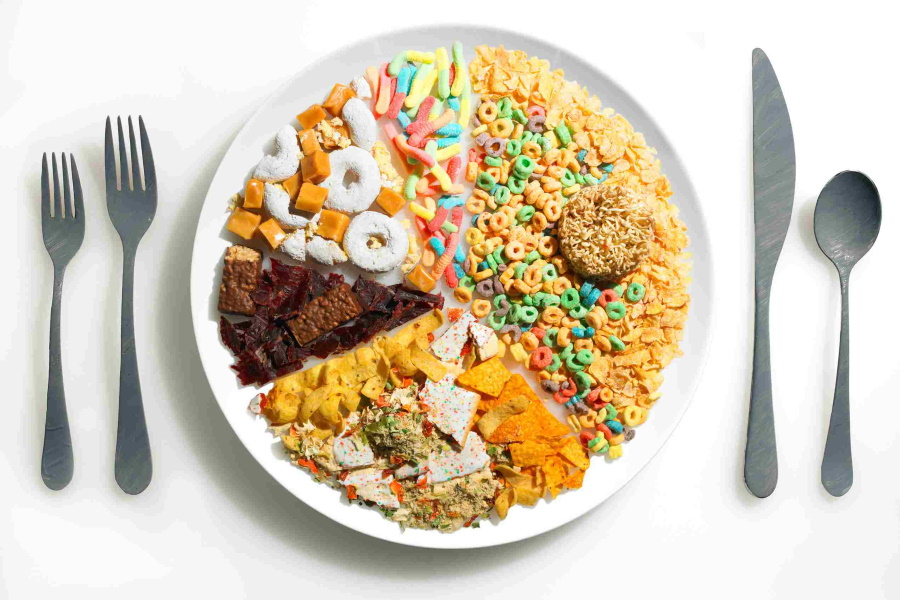
Alcohol doesn’t contain any nutrients but does have a caloric value of seven calories per gram. That means that in just one shot of vodka, there’s at least 100 calories. For those of you trying to lose fat, alcohol is going to make it that much more challenging. Not only will the high-calorie content of alcohol have a negative effect on your total calorie intake, but it can also impact your metabolism.
Basically, your body is trying so hard to digest and metabolise the alcohol, that your body prioritises this task over other processes. If you are a cocktail or soft drink lover, you add the second evil in the form of sugar, which will cause insulin spikes and add even more calories.
2. Alcohol Causes Dehydration and Slows Down Muscle Synthesis
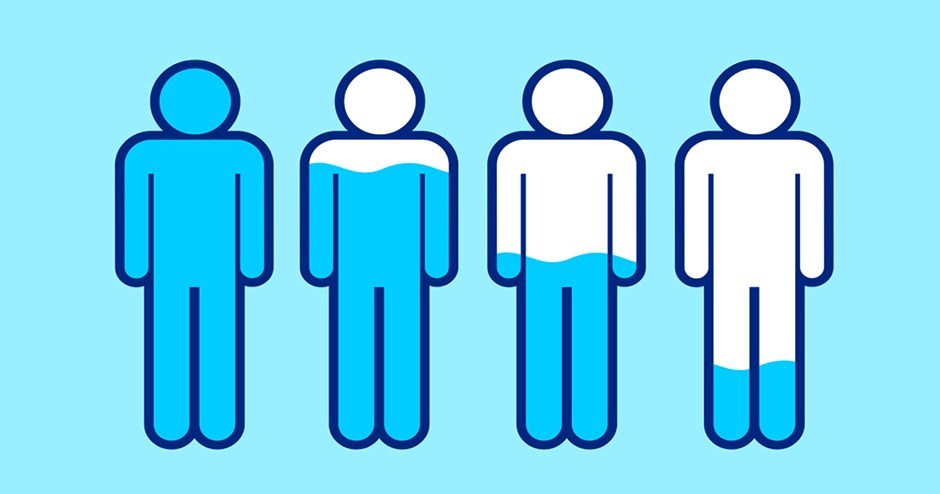
You might already know that alcohol is a diuretic. Often the more you drink, the more trips to the bathroom that are required. This means your body is more likely to become dehydrated, especially if you have done some exercise on the same day as drinking. Dehydration also impairs your exercise performance because your body needs enough water to maintain blood flow through your body, which delivers necessary nutrients to the muscles during exercise.
Not only does alcohol give you a hangover, which also makes exercise extremely difficult, but it actually lowers muscle-protein synthesis by 20 per cent even when you do exercise. The other reasons alcohol slows down muscle-protein synthesis are impacts on testosterone levels, vitamin and mineral depletion and poor sleep. But more on this later.

3. Alcohol Can Lower Testosterone and Increase Oestrogen
Studies have demonstrated that high doses of alcohol can alter men’s testosterone levels by 25 per cent. When blood alcohol levels were the highest, testosterone was at its lowest.
Research has also shown that testosterone may convert into oestrogen at a higher rate in those consuming excess alcohol, which explains why heavy drinkers who are male may develop gynecomastia (man boobs) over a period of time. Even drinking two standard drinks (24g alcohol) lowers testosterone levels and causes physiological damage that can impact fertility. libido, energy levels and other areas of your health.
Testosterone is also an important hormone for muscle building and fat burning for both men and women. So if you have two drinks a day every day, your testosterone will always be lower than optimal.
4. Alcohol Effects Quality of Sleep
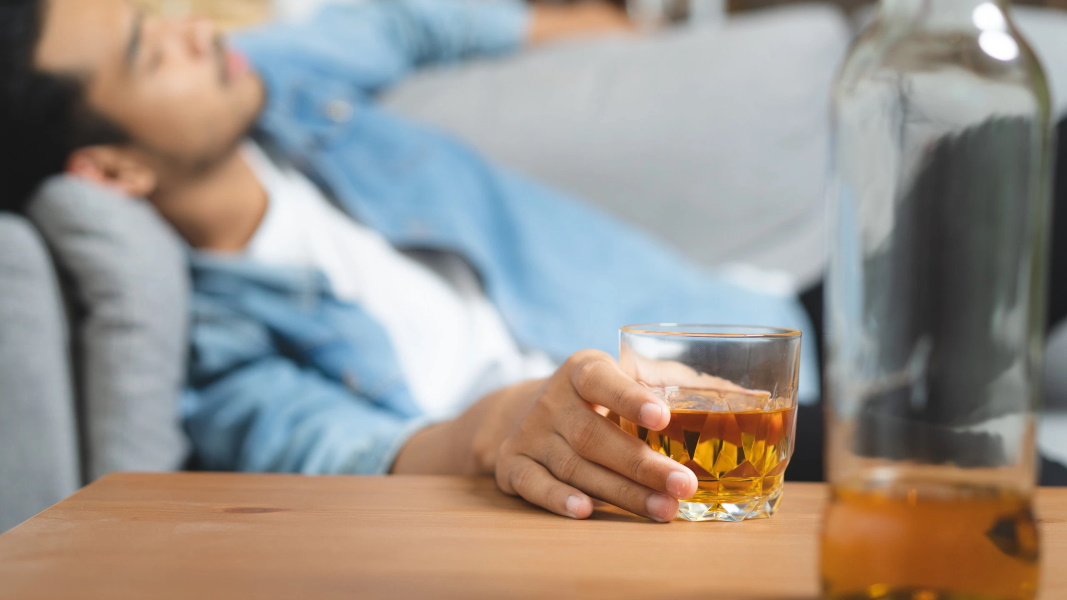
Alcohol consumption, especially at the times when you would normally sleep, can affect your quality of sleep. It can disrupt the sequence and duration of sleep states and affect your total sleep time. A good night’s sleep is essential for the rebuilding and growth process of muscle as growth hormones are released in the deepest levels of sleep. Without proper rest and recovery, muscle gain is affected due to low levels of growth hormone, melatonin and other hormonal imbalances.
5. Alcohol Decreases Vitamin and Mineral Absorption
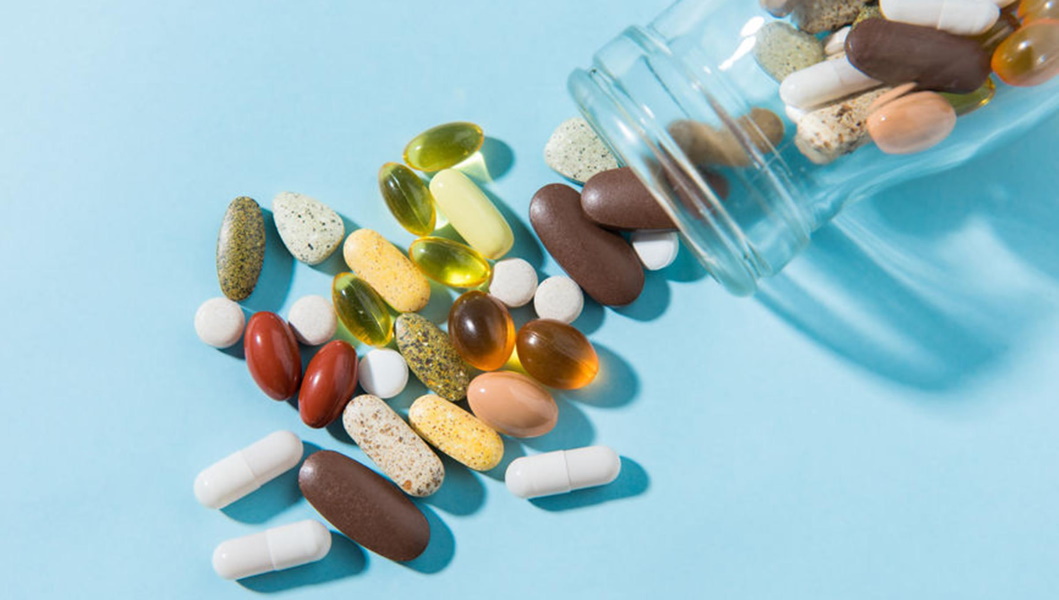
Alcohol interferes with our body’s ability to absorb many important vitamins and nutrients that are essential to keep us healthy. It is well known that alcohol competes with nutrients for digestion in the body. It literally robs your body of magnesium, zinc and B vitamins just to name few. When you consume large quantities of alcohol, your liver is busy converting the alcohol to acetate and any vitamins and minerals that it might be present are taken up by the detoxification process. It also damages the lining of the stomach and intestines, meaning any nutrients in your diet will have a hard time being absorbed.
6. Alcohol Causes Inflammation
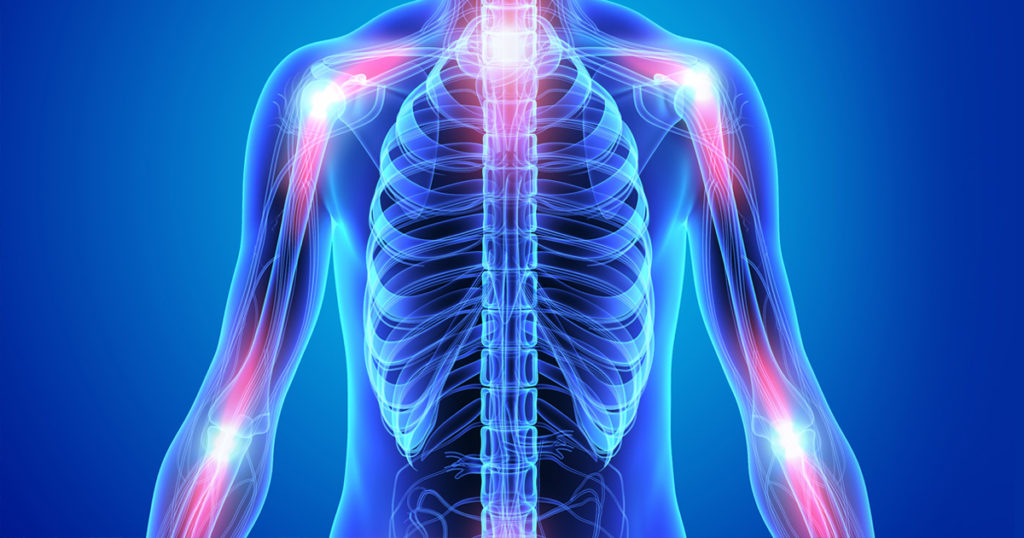
Alcohol causes inflammation in your body, affects your gut microbiome and damages your gut wall. When your body is inflamed and when you have gut dysbiosis, you can’t burn fat.
Alcohol also drives up your appetite and removes inhibitions so you are likely to act on your impulses. Next thing you are bingeing on greasy and sweet junk food.
Now, this doesn’t mean you can’t have a drink every now and then. Our advice is to make it no more than one to two drinks, one to two times a week. A glass of red or a vodka and soda has it’s place in many people’s lives – although make sure drink responsibly and ensure you take care of your health first and foremost!
And when you are trying to lose fat and build muscle, you’re better abstaining from alcohol altogether.
This is a guest post from Veronika Larisova who is an Exercise Physiologist, Nutritionist, Chief Bar and beauty Food Co-founder, Ultra-marathon runner. You can read more on her website wearechief.com or follower her on her Instagram @veronikalarisova & @chief_bar.
Alcohol and Weight Gain FAQs
In short, alcohol is rich in calories, with little to no nutritional value, and hence can cause weight gain to a varying degree.
Alcohol not only adds calories to your system, but it can also slow your metabolism, making it harder to burn those calories, meaning weight gain is imminent.
While some carbonated alcoholic products such as beer are likely to increase bloating, alcohol can increase your BMI simply due to its calorie content.
The best way to avoid weight gain from alcohol, as with anything you consume, is to monitor your intake and exercise regularly to avoid an accumulation of calories in your system that can easily be converted to fat.
Citations
- Cederbaum, A. I. (2013). Alcohol metabolism. Clinical Liver Disease, 17(4), 667–685. ncbi.nlm.nih.gov
- MedlinePlus. Alcohol use and safe drinking. medlineplus.gov
- Better Health Channel. Alcohol and weight gain. betterhealth.vic.gov.au
- O’Shea, R. S., Dasarathy, S., & McCullough, A. J. (2017). Alcoholic liver disease. American Journal of Physiology-Gastrointestinal and Liver Physiology, 312(3), G227-G245. ncbi.nlm.nih.gov
- Yin, S., Wang, C., & Ren, W. (2001). Effects of alcohol on nutrition and metabolism: The role of intestinal bacteria. Alcohol Research & Health, 25(3), 221-227. pubmed.ncbi.nlm.nih.gov
- Soltani, H., & Dickinson, K. (n.d.). The truth about alcohol and exercise. Irish Nutrition and Dietetic Institute. Retrieved from indi.ie
- Childs, E., & de Wit, H. (2009). Hormonal, cardiovascular, and subjective responses to acute stress in smokers. Psychopharmacology, 203(1), 1-12.ncbi.nlm.nih.gov
- National Institute on Alcohol Abuse and Alcoholism. (n.d.). Alcohol’s effects on the body. niaaa.nih.gov
- Kwo, P. Y., & Ramchandani, V. A. (2009). Effects of ethanol on gastrointestinal tract function. Alcohol Research & Health, 33(4), 337-344. ncbi.nlm.nih.gov















Comments
We love hearing from you. or to leave a comment.