


Updated:
Readtime: 14 min
The Lowdown:
What looks like ageing is often a handful of controllable factors compounding over decades. A psychoneuroimmunology expert breaks down what drives the gap, and what to do about it before it's decided for you.
Every product is carefully selected by our editors and experts. If you buy from a link, we may earn a commission. Learn more. For more information on how we test products, click here.
- Your health trajectory in your 50s and 60s is actively dictated by the lifestyle debts you rack up in your 30s and 40s
- Missing or weak morning erections serve as an early-warning stress test for your vascular health and hormones
- Men easily adapt to internal dysfunction, allowing insulin resistance and muscle loss to accumulate for years
- The single most impactful health habits you can establish in your 30s are protecting your sleep and getting unfiltered morning sunlight
- Your primary physiological focus in your 40s must shift to building and maintaining muscle mass
Your twenties and early thirties basically run on credit. You can survive on four hours of sleep, a diet built almost entirely from pub schnitties and Moccona, and manage a Saturday night that bleeds into Sunday afternoon with ease. Your liver clears the damage overnight, and your metabolism has a miraculous way of shrugging off whatever you feed it.
Then you hit your mid-thirties, and the tax man calls. The debt you’ve been slowly racking up since your uni days starts demanding repayment. Most men blame feeling like rubbish on “just getting older.” But even if you think you’re feeling “fine”, it’s not always the case.
If you’re in your 30s or 40s, this is the window to start tracking what’s really going on under the hood and start building habits to help you age as well as possible.
To help you get started, Man of Many spoke with Dr Olivia Lesslar, a psychoneuroimmunology expert and Founding Medical Advisor at EIR LIV. Her position is that very little of this is random. Below is her breakdown of what drives how well you age, and what to fix first in your thirties and forties so that you age well into your fifties, sixties and beyond.
Why Chronological Age is a Lie
Ageing is unavoidable; we all know that. However, accelerated ageing usually isn’t, and the gap between how old you are and how well your body functions on a holistic level is the part you have more control over than you think.
“Different organs even age at different rates, depending on the lifestyle choices you’ve prioritised or neglected,” Lesslar says.
Lost muscle, low energy, weight gain, declining testosterone, slow recovery and metabolic dysfunction get filed under “just getting older” when they’re often the direct result of how you’ve trained, slept and eaten for the last decade.
Have you ever seen a fit 70-year-old running along the beach at 6am and thought, “Wow, he aged well, he must have good genes”? Well, the difference between a healthy 70-year-old and a frail one doesn’t just come down to genes or luck, but rather the accumulated weight of decisions he made decades earlier.

Your Morning Wood is Trying to Tell You Something
Most people treat their GP as the only source of health data they have, which means they’re only finding out something’s wrong once or twice a year, if that. Lesslar’s argument is that your body runs its own diagnostic test every single night, and the results are staring you in the face before you’ve even rolled out of bed.
Lesslar argues that the most obvious health marker is whether you wake up with an erection or not. “The genitals happen to be one of the most honest dashboards you own,” she says.
Nocturnal erections aren’t a side effect of a full bladder or a good dream. They happen during REM sleep, when your brain triggers blood flow to keep erectile tissue oxygenated and functional. She calls it “a nightly stress test of your blood vessels, your hormones, and your sleep.” If that test result starts coming back weaker or less frequent, it’s usually one of those three systems under strain.
If you’re having trouble getting or maintaining an erection during sex, the same logic applies. Erectile function depends on small arteries, and small arteries show plaque build-up before the larger ones feeding your heart do.
“Erectile difficulty is often the body’s early-warning system for cardiovascular disease,” Lesslar says, “sometimes flagging trouble years before it would ever surface on an exercise stress test.” Translation: a circulation problem can show up in the bedroom long before it shows up on a cardiologist’s chart.
Then there’s the test Lesslar admits is only half a joke: can you see your penis when you look straight down? If you can’t, you’re possibly looking at visceral fat, which is the type that wraps around your organs and drives inflammation and insulin resistance from the inside. As she puts it, waist-to-hip ratio beats BMI as a predictor every time.
The last marker is less clinical and more on the relational side of things. Are you still having sex that’s creative, frequent and attuned to your partner? “This is the marker that ties everything together. Desire runs on testosterone, dopamine, low stress, and good sleep,” Lesslar says. “Flatten any of those and libido is the first thing to go.”
A varied, engaged sex life is a signal your brain can handle novelty and your relationship can hold complexity, and Lesslar points to connection as one of the strongest predictors of how long, and how well, people live.

Why “Feeling Fine” is a Dangerous Health Metric
Men are good at compensating – too good, according to Lesslar. You can develop insulin resistance, lose muscle mass, accumulate visceral fat and start showing signs of sleep-disordered breathing while feeling completely normal day-to-day, because your body is built to adapt around dysfunction.
Two things can let this slide for years:
- Everyone around you is also working hard and probably feeling the same way, so it reads as par for the course rather than a warning sign.
- The changes happen slowly enough that society has a built-in excuse for it: ageing, which is treated as inevitable rather than something that’s influenced by your behaviour.
“Feeling fine is not the same as being healthy,” Lesslar says. “True health is the regular ability to produce energy efficiently, recover quickly, think clearly, maintain relationships, sleep deeply, and foster resilience under stress, not just on holiday.”
What a Decade of Chronic Stress Does to Your Biology
Chronic stress doesn’t stay in your head. Over a decade, Lesslar says it reshapes cortisol rhythms, erodes sleep, raises inflammation, disrupts glucose regulation, suppresses testosterone, dampens immune function, accelerates biological ageing and lowers mitochondrial energy production.
The reason most men miss it is that from the outside, stress looks like productivity. The adrenaline that’s wrecking your hormonal rhythms is the same adrenaline keeping you sharp at work.
” keep overfunctioning while accumulating fatigue, irritability, weight gain, broken sleep, and declining resilience,” Lesslar says. The costs, unfortunately, end up showing up in men’s intimacy and family life, once the work performance mask comes off at home.
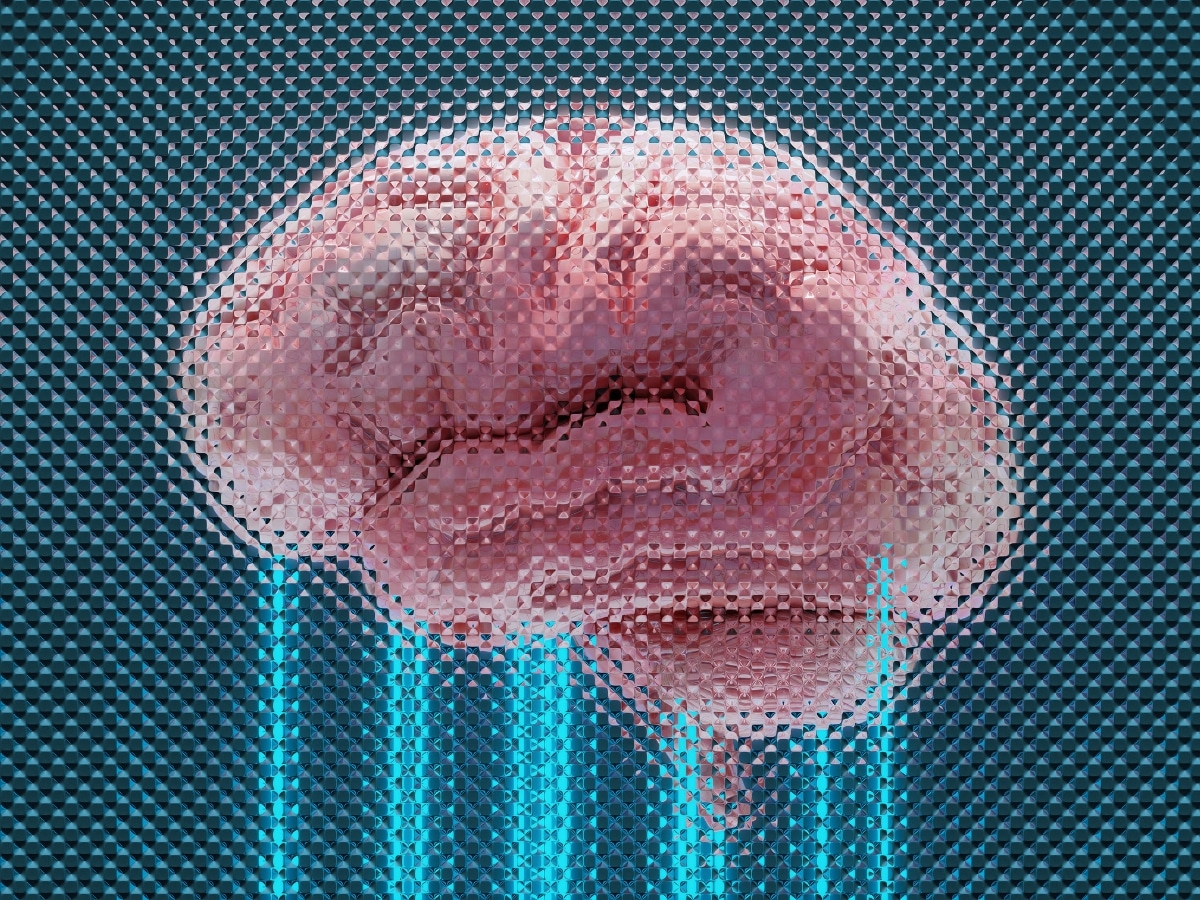
Brain Fog & Burnout: The Biological Connection
Lesslar’s specialty is psychoneuroimmunology, which studies the links between the nervous system, the immune system and mental state. Her position on splitting mental health from physical health is this: it’s never had any scientific basis. It happened because of old philosophical traditions and the limits of older technology, and not because the mind and the body actually operate separately.
“You cannot separate the mind from the biology that supports it,” says Lesslar.
Modern neuroimaging and molecular biology back her position up. Psychiatric conditions involve measurable changes in brain metabolism, neuroimmune function and neural circuitry. When Lesslar sees anxiety, irritability, low motivation or brain fog in a patient, she’s thinking about inflammation, sleep quality, mitochondrial function, metabolic health, social stress and nervous system regulation, not a separate “mental health issue” that exists apart from the rest of the body.
So, if you’ve been treating your low mood or short fuse as a mental health issue, it may be time to consider that it might be a biological one too.
The Role of Testosterone in Men’s Health
When energy drops, focus blurs, or libido fades, the instinct for most men is to assume low testosterone and look for a quick fix, usually testosterone replacement therapy (TRT). Lesslar’s view is that low testosterone is rarely the root cause. Rather, it’s a lagging indicator of other things going wrong.
Poor sleep, obesity, insulin resistance, chronic stress, sleep apnoea, excess alcohol and too little exercise all suppress testosterone, which then makes those same problems worse. “Testosterone often responds to broader health problems rather than causing them,” Lesslar says.
There’s also a factor most men never consider: endocrine-disrupting chemicals. These are synthetic compounds that mimic natural hormones closely enough to interfere with your body’s signalling. Heating food in plastic, cooking on non-stick pans, and surrounding yourself with synthetic fragrance, including aftershave, body spray, candles and even office “signature scents,” can all add to the load. Lesslar points to this as one plausible thread behind the rise in gynaecomastia she’s seeing, including in younger, leaner men.
Her recommendation is to clean up the inputs before chasing a prescription:
- Swap plastic containers for glass or stainless steel
- Move from non-stick pans to cast iron or stainless steel
- Choose personal care products without synthetic fragrance, phthalates or parabens.
“Men should get a baseline even when there are no symptoms to possibly head an issue off at the pass,” Lesslar says, “and of course, definitely act when symptoms are present. The real question isn’t only ‘What is the testosterone level?’ but ‘Why is testosterone at that level, and what is within my control to change that?’”
The Worst Habits In Your 20s That Catch Up with Everyone
Lesslar puts poor sleep at the top of the list of habits that catch up with men in their thirties and forties. In your twenties, you can mask the consequences of sleep deprivation, alcohol, processed food, chronic stress and a sedentary lifestyle for years at a time. But the thing to remember is these aren’t one-off costs but debts that compound.
Then once you hit your thirties, the repayments start. “I can’t party like I used to” is the throwaway line most men say as a joke, but it’s a fairly accurate description of declining reserve capacity, according to Lesslar.
Remember how you used to party all weekend and rock up to work fresh as a daisy on Monday, and now it takes you three or four good days just to reset after one night out? That’s your body starting to take repayments. No one is immune to this. Bad sleep, too much booze, not enough exercise, and chronic stress catch up with everyone eventually.

Men’s Health in Your 30s: Sleep and Sun
When I asked Lesslar what single habit would have the biggest flow-on effect for a man in his thirties, Lesslar didn’t hesitate: protect your sleep and get unfiltered morning light.
“Lock these in now, and they become the foundation for everything that follows,” she says. Together, they shift metabolic health, hormonal regulation, energy, mood, recovery, appetite control and cognitive performance all at once.
Looking at sunlight through a window or sunglasses doesn’t count because glass filters out the blue and UV wavelengths your brain needs to set its internal clock. Instead, you need to step outside, skip the sunglasses for ten minutes, and let your circadian system do what it’s designed to do.
In terms of sleep, it’s actually doing more work for your health than diet or training ever could on their own. You know the adage that goes “you can’t outrun a poor diet?” Well, perhaps it should be “you can’t outrun poor sleep.” Sleep affects testosterone production, insulin sensitivity, appetite regulation, immune function, memory consolidation, cardiovascular health and exercise recovery. If you’re not sleeping well or sleeping enough, every other intervention you’re paying for becomes less effective.
Lesslar flags snoring as something to specifically look out for. Loud, habitual snoring can signal sleep apnoea, which carries cardiovascular risk, including high blood pressure, irregular heart rhythms, and stroke. The same oxygen dips and fragmented sleep that come with untreated apnoea are increasingly linked to cognitive decline and higher dementia risk down the line.

Men’s Health in Your 40s: Prioritise Muscle Mass
For men in their forties, Lesslar says the focus should be on building and preserving muscle (and no, not for aesthetic purposes). Muscle is one of the strongest predictors of healthy ageing, influencing glucose regulation, hormonal health, physical function, metabolic resilience and longevity.
However, she’s clear that there’s a specific way you should go about this. “Know your metabolic ceiling, protect your recovery windows, and get your macro- and micronutrients right, so you’re not trying to build muscle without a way to pay for it,” she says.
Basically, lifting without sleep, protein, or recovery built into the plan just adds another debt to the pile.
How to Set Your Health Trajectory for Later Life
Poor health, including heart disease, stroke, dementia, type 2 diabetes, kidney disease and several cancers, doesn’t always appear out of nowhere at sixty. Yes, sometimes genetics is a factor, but often, they’re the late-stage result of metabolic dysfunction that started two or three decades earlier.
“Your metabolic health in your thirties and forties is effectively setting the trajectory for your sixties,” Lesslar says. The earlier insulin sensitivity, body composition, muscle mass, sleep quality and inflammation get addressed, the bigger the payoff later.
Aging is unavoidable – aging poorly isn’t. The window to change course is now, before anything shows up on a scan, a blood test or when you look in the mirror.
So, when you wake up tomorrow morning, peek under your sheets and see what you’re working with. From there, start actioning Lesslar’s advice, and you’ll be well on your way to thriving in your golden years.
FAQs About Ageing and Men’s Health
Yep! Morning erections are a strong marker of vascular and neurological health, largely because they happen involuntarily during REM sleep, removing any performance pressure from the equation. If they disappear for months, it’s worth investigating nitric oxide production, blood flow and hormone levels rather than writing it off.
Age shouldn’t make you exhausted every day. Struggling to get out of bed after seven hours of sleep, hitting an afternoon crash that only caffeine fixes, or noticing you’re consistently irritable and unfocused, point to something specific like poor mitochondrial function, insulin resistance or undiagnosed sleep apnoea.
The good news is yes – the body adapts surprisingly quickly to better inputs. Clean circadian habits, resistance training and reduced exposure to environmental toxins can meaningfully improve insulin sensitivity and inflammation within months. You can’t undo the past, but you can change the trajectory from here.
No, but you should start checking the label. Conventional fragrances often rely on phthalates to make scent last longer on skin, and phthalates are known endocrine disruptors that can lower free testosterone and raise estrogen signalling. Products built on natural essential oils rather than synthetic “fragrance” or “parfum” can be the safer choice.
Related reads:
























Comments
We love hearing from you. or to leave a comment.