


Updated:
Readtime: 13 min
Every product is carefully selected by our editors and experts. If you buy from a link, we may earn a commission. Learn more. For more information on how we test products, click here.
- Aussie men need around 30g of fibre per day, but roughly 70 to 80 per cent are falling short of the mark.
- A fibre deficit starves your good gut bacteria, leading to sluggishness, bloating, and disrupted digestion.
- Fibre adds bulk to meals to keep you full and stabilises blood sugar levels to kill cravings, indirectly supporting weight management, metabolism and ultimately body composition.
- If you can hit just 10g of fibre with every main meal, you’ll successfully reach your baseline fibre target.
If you spend more than five minutes on fitness TikTok or listen to any modern health podcast, you’d think the key to peak male performance is waking up at 4am, sitting in an ice bath, and tracking your macros down to the gram. Guys obsess over protein for muscle synthesis and calculate our carb intake for energy, but there is one vital nutrient that most men completely ignore: fibre.
The reality is that while biohacking has made health ‘sexy’, basic nutrition and the most important stuff often get left behind.
But the tide is starting to turn. #Fibremaxxing has recently blown up online, with guys now paying attention to a nutrient usually associated with their grandparents. Why? Because the performance benefits of a high-fibre diet are too significant to ignore.
To get the lowdown on the importance of a high-fibre diet for men, I spoke to Dr. Gina Levy, Kellogg’s Senior Nutrition Manager, as well as qualified nutrition coach Hayden Quinn to find out exactly what a fibre deficit does to your body, and how to fix it without completely overhauling your life.

Related: Health Habits to Master in Your 30s and 40s
Fibre Deficit: What Happens To Your Body When You Don’t Get Enough
If you’re constantly feeling lethargic, bloated, or dealing with unpredictable digestion, a lack of fibre may be the culprit (although that’s not an official diagnosis – it may be worth a visit to your GP too to see what’s going on under the hood).
Dietary fibre resists digestion in the small intestine and ferments in the large intestine, where it feeds and sustains the gut microbiome. When that fermentation process is working well, it produces short-chain fatty acids that reduce inflammation, regulate the immune system, and support the gut lining. When it isn’t (because there’s not enough fibre coming through) the whole system starts to break down.
Most people know that fibre is the nutrient that keeps you “regular,” but getting enough dietary fibre into your body is essential for good gut function and has been directly linked to a reduced risk of heart disease, certain cancers, and type 2 diabetes.
“Fibre is a critical nutrient for gut health,” explains Dr. Levy. “Without it, the gut bacteria that keep us healthy have nothing to eat and they can’t perform their good work. Digestion is disrupted too because fibre helps to move food through the gut. When that happens, we can feel sluggish, bloated, and uncomfortable.”

The Protein Trap: Why Men Ignore Dietary Fibre
Aussie men need about 30g of fibre per day, but new research commissioned by Kellogg’s found a staggering majority are missing the mark. According to Dr. Levy, many men struggle to even hit 25g. The suggested dietary target (SDT) to actively reduce chronic disease is even higher, at 38g a day.
So, why the blind spot? Well, Quinn believes it comes down to a fundamental misunderstanding of what fibre does for your body. “I think most lads miss the fibre because of the presumption it’s not as ‘vital’ as your protein and carb intake when it comes to overall health,” he explains.
However, he notes that if you are tracking your macros, you might already be on the right path.
“One good thing is, especially when we look at carbs, if lads are hitting good carbs then they are also more than likely getting a good whack of fibre at the same time.”
Things like beans, oats, and sweet potatoes all contain good amounts of fibre and tick the boxes when it comes to good carbs.
Health Benefits of a High-Fibre Diet for Men
Beyond avoiding a sluggish gut, a high-fibre diet plays a massive, albeit indirect, role in the things most guys care about in the gym: metabolism, weight management, and body composition.
Weight Management: How Fibre Kills Cravings and Boosts Metabolism
When you eat a high-fibre meal, it physically takes up more space in your stomach and digests slower than simple carbohydrates. This means you stay full for longer, which naturally prevents the mid-afternoon snack raids.
“Fibre has benefits that can indirectly impact what we eat and how much we eat,” says Dr. Levy. “It adds bulk to meals, helping us feel fuller, whilst also supporting stable blood sugar levels to help manage appetite and reduce cravings.”
By keeping your blood sugar stable, you avoid the insulin spikes and subsequent crashes that leave you feeling exhausted and reaching for a sugar hit. It’s the best foundational tool for maintaining a lean physique without feeling like you’re starving yourself.
Sleep & Muscle Recovery: The Gut-Brain Connection
This is the performance benefit that’s arguably the most important one for guys who are training hard. A study published in the Journal of Clinical Sleep Medicine found that greater fibre intake directly predicted more time spent in slow-wave sleep (SWS), which is the deep, restorative stage most critical for physical recovery, muscle repair, and memory consolidation. On the other hand, a diet low in fibre and high in saturated fat and sugar was associated with lighter, more fragmented sleep and more frequent night-time wakeups.
The mechanism runs through the gut-brain axis. When your gut bacteria ferment dietary fibre, they produce short-chain fatty acids like butyrate, which reduce gut inflammation and help regulate the communication highway between your digestive system and your central nervous system. Roughly 90 per cent of the body’s serotonin (the neurotransmitter most associated with mood stability and emotional regulation) is produced in the gut. A well-fed microbiome supports that production.
In other words, if you’re training hard and sleeping badly, your diet might be doing more damage than your training program is doing good. You can optimise your sleep with blackout curtains and a magnesium supplement, but if your gut microbiome is starved of fibre, you’re working against yourself from the inside out.

Fibremaxxing: The Risks of Adding Too Much Fibre Too Quickly
With #fibremaxxing trending, the temptation for many is to immediately start dumping chia seeds into every meal and eating bowls of raw broccoli. However, that’s a terrible idea. Don’t do that. Your gut needs time to adjust to the increased workload.
“Adding fibre to your diet slowly is recommended, especially if you didn’t eat much to begin with,” warns Dr. Levy. “Start by incorporating one additional fibre food at each main meal and increasing from there. More importantly, as you increase fibre foods, don’t forget to drink water to help move food through the gut effectively.”
Quinn echoes this sentiment, noting that going too hard, too fast will leave you miserable. “It can throw your guts right out, so be smart about it and think more about layering fibre into your diet rather than just piling it all in!”
3 Easy Ways to Hit Your Daily 30g Fibre Target
The best diet is the one you can actually stick to. You don’t need to completely overhaul your meal prep to hit your 30g target; you just need to make smarter swaps and additions to the meals you’re already eating.
Both Dr. Levy and Quinn agree that the easiest way to up your intake is to start first thing in the morning.
“Breakfast is the strongest opportunity for fibre intake during the day,” says Quinn. “Kick things off right with a good percentage of your fibre intake in the morning and you are good to go!”
Here are three easy ways to layer fibre into your day:
1. The High-Fibre Breakfast Hack (10g First Thing)
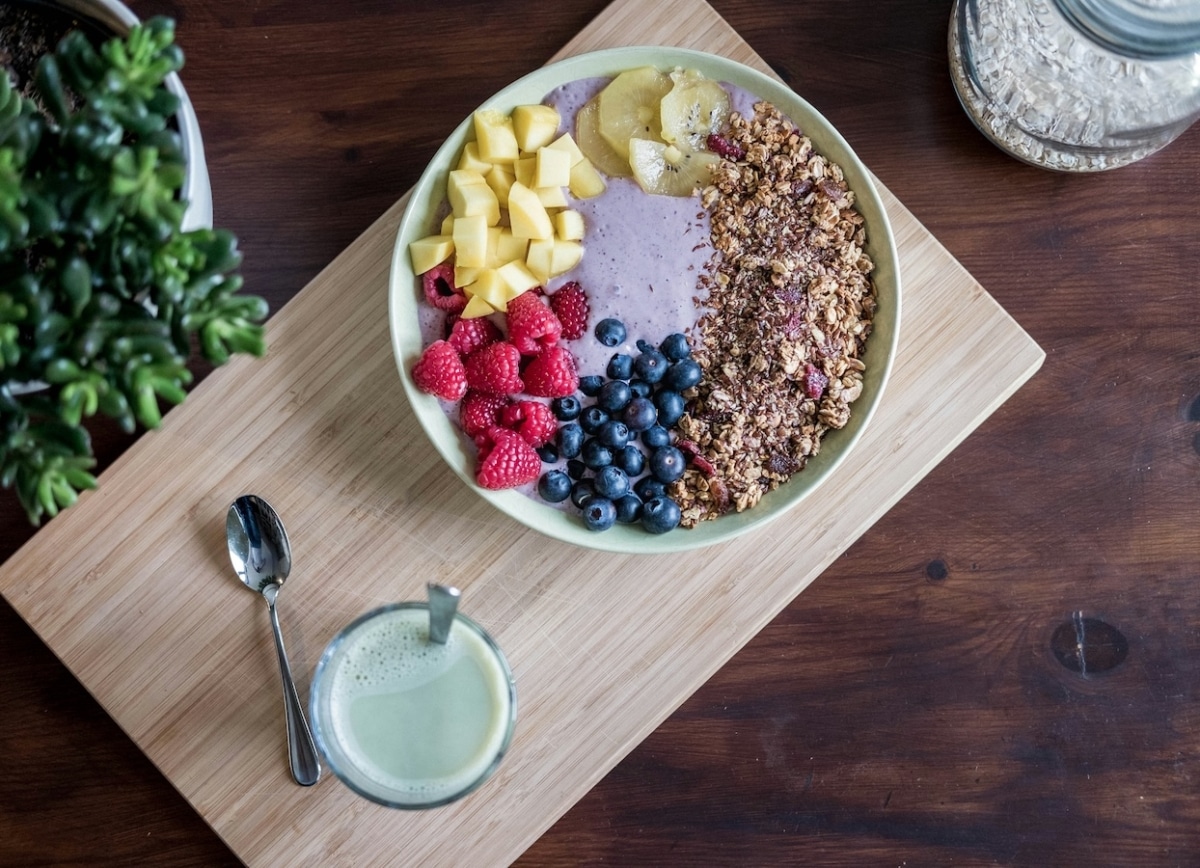
A high-fibre cereal with fruit and Greek yoghurt can deliver around 10g of fibre, which means you’re already a third of the way to hitting your fibre target. Or, as Dr. Levy suggests, you can blend a handful of high-fibre cereal and chia seeds with your protein powder to make a high-fibre breakfast smoothie.
2. Make Legumes Your Best Friend
The good news is you don’t have to eat dry salads every day to get your fibre. “Chickpeas, baked beans, or edamame beans are high in fibre and add delicious dimension to meals. Open a hummus dip when you snack or add edamame beans to your sushi meal,” Dr. Levy advises.
3. Swap Refined Carbs for Wholegrains
The easiest swap of all requires almost zero effort: just change your base carbs. “Choose wholegrain or wholemeal options at every opportunity,” says Dr. Levy. “Whether it be bread, wraps, pasta or brown rice, they are an easy fibre addition to any meal.”
Quinn also points to avocados, raspberries, pears, broccoli, and Brussels sprouts as easy additions to sprinkle throughout your day.
High Fibre Whole Foods, At A Glance
| Food Source | Category / Serving Size | Approx. Fibre (g) | Key Health / Performance Benefit |
| Rolled Oats | Breakfast / 1/2 cup (40g) | 4g | Rich in beta-glucan; stabilises blood sugar levels |
| Chia Seeds | Booster / 2 tbsp (25g) | 10g | Massive fibre density plus anti-inflammatory Omega-3s |
| Wholegrain / Sourdough Bread | Base Carb / 2 slices | 5g | Easy swap over white bread to slow down digestion |
| Avocado | Healthy Fat / 1/2 medium | 5g | High in soluble fibre to keep you fuller for longer |
| Canned Lentils / Chickpeas | Legumes / 1/2 cup (75g) | 7g | Prebiotic powerhouses that feed good gut bacteria |
| Raspberries or Blackberries | Fruit / 1 cup (125g) | 8g | Highest fibre fruit option; low sugar, high antioxidant |
| Broccoli or Brussels Sprouts | Greens / 1 cup cooked | 5g | Supports gut transit and liver detoxification pathways |
| Psyllium Husk / Fibre Powder | Supplement / 1 tbsp (9g) | 7g | Convenient top-up to bridge daily gaps when on the move |
The Bottom Line: Should You Try Fibremaxxing?
It might not look as cool on Instagram as a $5,000 cold plunge tub, but hitting your daily fibre target is one of the most effective, evidence-based ways to optimise your energy, manage your weight, and keep your gut functioning perfectly. Layer it in slowly, drink your water, and let your microbiome do the heavy lifting.
High-Fibre Diet FAQs
A high-fibre diet is one that prioritises foods rich in dietary fibre, which are the indigestible part of plant-based foods that feeds your gut bacteria, supports digestion, and keeps you feeling full. For Australian men, hitting around 30g of fibre per day is the general target, though most fall well short of that. Think wholegrains, legumes, vegetables, fruit, nuts, and seeds as your core building blocks.
This will vary from person to person, but as per the recommendations of Dr. Levy and Quinn, breakfast might be a high-fibre cereal with fruit and Greek yoghurt (roughly 10g of fibre right there). Lunch could be a wholegrain wrap loaded with hummus and salad. Dinner might feature a legume-based side (think chickpeas, lentils, or edamame) alongside your protein and brown rice instead of white. Snacks like avocado on sourdough, a handful of raspberries, or raw vegetables with dip fill in the gaps.
The best high-fibre foods to build your diet around include oats, brown rice, wholegrain bread and pasta, lentils, chickpeas, kidney beans, edamame, broccoli, Brussels sprouts, avocado, chia seeds, raspberries, pears, and apples. The key is variety. Different fibre sources feed different strains of gut bacteria, so the more diverse your intake, the better.
It’s essential for a well-balanced diet. Beyond keeping your digestion running smoothly, a high-fibre diet supports stable blood sugar levels (which kills cravings and manages energy), helps you stay fuller for longer (which supports weight management), and feeds the gut microbiome that underpins your immune system, mood, and overall health. The research linking adequate fibre intake to reduced risk of chronic disease – including type 2 diabetes, heart disease, and certain cancers – is among the most robust in nutrition science.
It’s one of the most effective dietary interventions for constipation. Fibre adds bulk to your stool and helps move food through the gut more efficiently. Insoluble fibre (found in wholegrains and vegetables) speeds up transit time, while soluble fibre (found in oats, legumes, and fruit) absorbs water to soften stool. The critical caveat: you need to increase your water intake alongside your fibre intake, or the added bulk can actually make things worse rather than better.
While supplements like psyllium husk or inulin powders are great for bridging a gap when you’re busy, they shouldn’t completely replace whole foods. Whole-food fibre sources like oats, legumes, berries, and vegetables come packed with essential micronutrients, antioxidants, and a diverse mix of both soluble and insoluble fibres that interact naturally during digestion. This feeds a broader variety of good gut bacteria than isolated supplement powders alone. The best strategy? Build your meals around plant foods first, and use a daily scoop of psyllium husk as a convenient safety net to guarantee you hit your 30g target.
Related reads:
- The Mid-Life Health Audit: Habits to Master in Your 30s and 40s
- Minimum Effective Dose: Time-Efficient Fitness for Busy Men
- From Ozempic to BPC-157: Are Peptides Safe, Legal, and Worth It?
- Zone 2 Training is Everywhere: Here’s What it Means for Your Routine
- Minimalist Home Gym Guide
- Best Bicep Workouts for Men





























Comments
We love hearing from you. or to leave a comment.