


Updated:
Readtime: 13 min
The Lowdown:
Peptides are one of the biggest topics in health & fitness right now. Whether the science backs it up depends on which one you're asking about.
Every product is carefully selected by our editors and experts. If you buy from a link, we may earn a commission. Learn more. For more information on how we test products, click here.
TLDR: Outside of GLP-1 drugs, most of the peptides people are excited about haven’t been validated in large human trials. The animal study data is promising, but pre-clinical results don’t always translate to humans, and there aren’t enough ongoing trials to know definitively either way. People are essentially running ahead of the evidence, and that’s their call to make, but it’s worth remembering that’s exactly what they’re doing. As always, this isn’t medical advice; consult your doctor.
Peptides have gone from niche bodybuilding territory to mainstream health practically overnight, showing up in clinics, online stores, and your Instagram feed all at once. But what are peptides? Do peptides work? Are they safe? And are they even legal/TGA approved in Australia? Here’s what you need to know.
What Are Peptides & What Do They Do?
Peptides are short chains of amino acids – the same building blocks that make up proteins – and your body naturally produces thousands of them. The simplest way to distinguish a peptide from a protein is length: peptides are generally fewer than 50 amino acids linked together.
Many act as what’s called a ‘signalling molecule’, helping regulate everything from collagen production and growth hormone release to tissue repair, metabolism, and immune responses. The idea behind taking synthetic peptides is to influence those same pathways in a targeted way – nudging a specific biological process in a specific direction rather than flooding the body with a hormone. That’s why people are starting to use peptides for such a wide range of reasons: weight loss, injury recovery, anti-ageing, muscle growth, gut health, and sexual health.
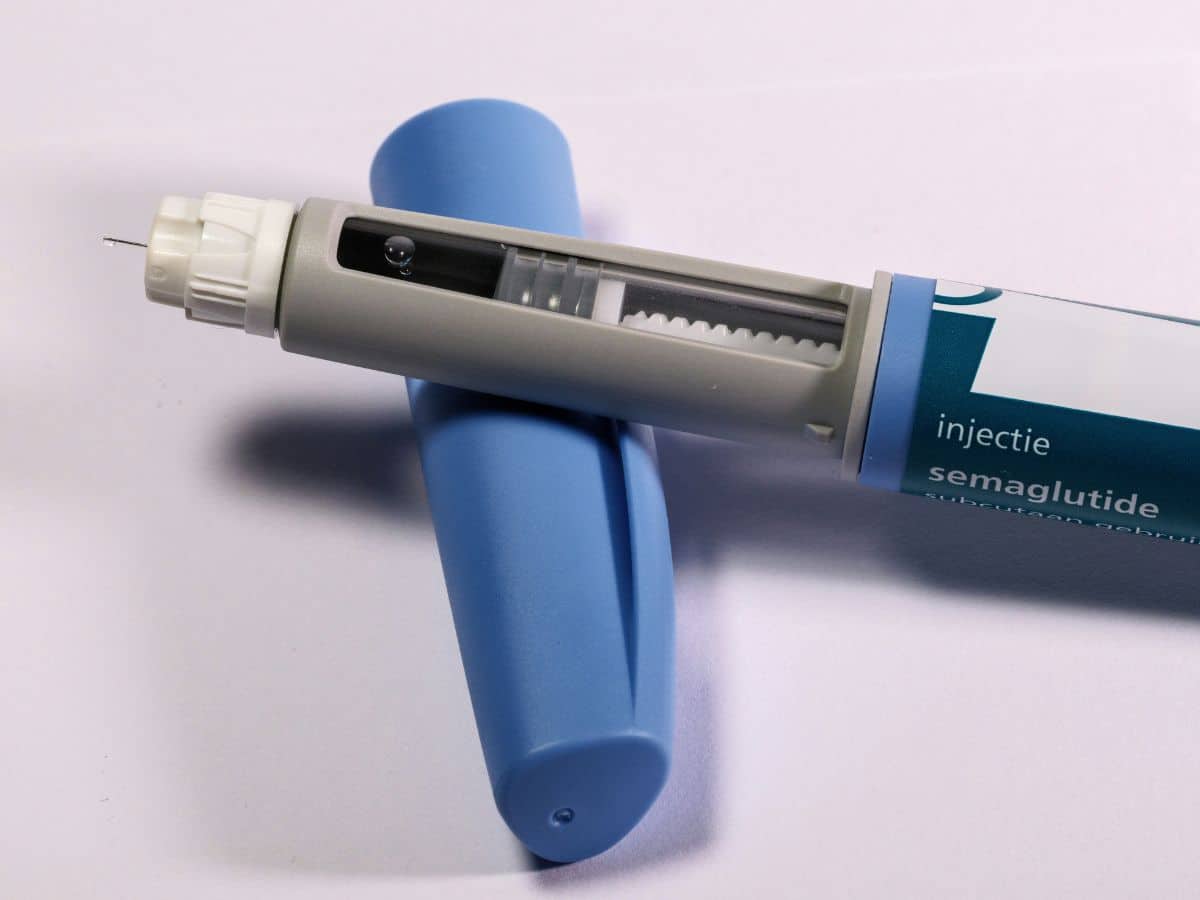
Some synthetic peptides are approved pharmaceutical drugs – like semaglutide (Ozempic) for diabetes and obesity, and leuprolide for prostate cancer and endometriosis. Others sit in murkier territory, marketed as research chemicals and used off-label in sports and wellness settings.
What Are Peptides Used For?
You’ve probably already heard of a peptide without realising it. Ozempic? That’s semaglutide – a GLP-1 receptor agonist, and technically a peptide-based drug. It’s TGA-approved, increasingly common, and has completely changed how medicine approaches obesity and weight loss.
Apart from weight management, what peptides are used for spans a wide range, depending on who you ask and what they’re chasing. In fitness and body composition circles, peptides like CJC-1295, Ipamorelin, and GHRP-6 are popular for their ability to stimulate growth hormone release, which in turn supports muscle development, fat metabolism, and recovery. These are prescription-only compounds in Australia.
Recovery and injury is another big one. BPC-157, short for Body Protection Compound, has built a reputation in athletic communities for accelerating healing in tendons, ligaments, and muscles. The catch is it’s not TGA-approved for human use, so anyone using it is doing so outside the regulatory framework.
Anti-ageing and longevity is an area that’s attracting more interest – people who are less interested in getting shredded and more interested in slowing the clock. Peptides like Epitalon are being researched for effects on cellular ageing, though this is still largely experimental territory.
Peptides are also being used for sexual health reasons. PT-141 (Bremelanotide) is primarily used to treat sexual dysfunction in women and is available for prescription in Australia. Men can take it too, but it’s different from Viagra. Rather than increasing blood flow, it works on melanocortin receptors in the brain, which basically helps to boost sexual desire.
Do Peptides Work?
Perhaps one of the biggest concerns with peptides is that the evidence hasn’t kept pace with the enthusiasm. Ian Musgrave, senior lecturer in pharmacology at the University of Adelaide, told the AFR: “They certainly work OK under certain circumstances in animals, but that does not necessarily translate into effects in humans.” He points to BPC-157 as a case in point – the only human clinical trial involving the compound was cancelled, with little explanation as to why.
The strongest cases for peptides working are the clinically approved ones. Semaglutide, the active ingredient in Ozempic, has produced double‑digit percentage weight loss in large randomised trials, making it one of the most effective obesity treatments ever studied.
Collagen peptides have repeated human trials that show improvements in skin hydration and elasticity, with some support for joint and bone benefits too.
PT‑141 (bremelanotide) has phase 2 and 3 clinical trials behind it for sexual desire disorders, showing better outcomes than placebo in premenopausal women.
Then there’s the middle ground – the performance and recovery peptides that are big in fitness circles but don’t have the same level of human data. As Musgrave mentioned, BPC‑157 looks promising with multiple animal studies suggesting benefits for tendon and other tissue healing, but high‑quality human trials are lacking.
CJC‑1295 (often paired with ipamorelin) does raise growth hormone and IGF‑1 levels in small human studies, but there’s a gap between hormone level increasing and proven long‑term performance and recovery benefits.
Product quality is another potential concern. Peptides bought from unregulated “research chemical” sites may be underdosed, mislabelled, or contaminated, which can be a risk when you’re injecting them yourself.
A List of Peptides and What They Do
| Name | What it does | Is it legal in Australia? |
| CJC‑1295 | Tells your pituitary gland to release more growth hormone, often paired with ipamorelin. | Not an approved medicine for regular patients. Treated as prescription‑only/experimental and banned in drug‑tested sport. |
| Ipamorelin | Signals your body to release more growth hormone, with fewer side‑effects than older GH boosters. | Also not an approved over‑the‑counter medicine. Sits in the prescription‑only/grey area and is banned for tested athletes. |
| BPC‑157 | Popular “healing” peptide in gym circles; most data is from animal studies on gut and tissue repair. | Not approved for human use. You’re not meant to sell or prescribe it as a treatment in Australia. |
| TB‑500 (thymosin beta‑4) | Another “repair” peptide that people use for soft‑tissue injuries. | Not approved as a medicine. Treated like other unapproved peptides and off‑limits in sport. |
| PT‑141 (bremelanotide) | Libido/sexual‑function peptide that works on brain receptors linked to desire. | The drug is TGA-approved and is available via prescription, but access is tightly controlled. |
| Semaglutide | GLP‑1 drug used for type 2 diabetes and weight loss (think Ozempic/Wegovy). | Yes, legal with a script. |
| Tirzepatide | Newer dual‑action peptide for blood sugar control and weight loss. | Yes, legal with a script, as a TGA‑approved medicine for diabetes and weight management. |
| Epitalon | Experimental “anti‑ageing” peptide mostly studied overseas. | Not approved here. Sits firmly in the experimental bucket. |
| Selank / Semax | “Nootropic” and anti‑anxiety peptides developed in Russia, used by some for focus and mood. | Not approved medicines in Australia. Any use is basically off‑label/experimental. |
Are Peptides Legal in Australia?
Whether a peptide is legal in Australia depends on which one you’re talking about. Some are TGA-approved prescription medicines. Others are Schedule 4 substances sitting outside the approved register. And some have no approval at all. Basically, if it’s classed as a therapeutic substance, you need a prescription (and “research chemical only” / “not for human consumption” printed on a label doesn’t change that as far as the TGA is concerned).
For athletes, there’s another layer to navigate. The World Anti‑Doping Agency (WADA) bans a wide range of peptides. Anything that boosts growth hormone or mimics anabolic effects is generally off the table, and those rules apply in Australia through the national anti-doping framework. It’s the same system that in 2016 saw 34 Essendon Football Club players banned for 12 months for taking a banned peptide.
Essentially, a peptide is classed as a therapeutic substance, and you need a prescription to be on the right side of the law. The Australian Register of Therapeutic Goods (ARTG) is publicly searchable if you want to verify a specific compound, and a good sports medicine or men’s health doctor can walk you through both the medical and anti-doping considerations.
What Are Collagen Peptides?
Collagen peptides sit in a completely different category to everything else on this list. Hydrolysed collagen (the technical name for what’s sold as collagen peptides) comes from animal collagen (usually bovine or marine) that’s been broken down to make it easier for the body to absorb. It typically comes as a flavourless powder you stir into your coffee, water, or a shake.
Regular use has been linked to improvements in skin elasticity, reduced joint pain, and better bone density across multiple studies. It’s not going to fix a serious injury or replace medical treatment, but as a baseline for joint support and skin health, it’s one of the more credible things in the supplement aisle.
It’s worth mentioning that you’ll also see “peptides” listed on skincare and serum labels. Those are topical cosmetic formulas – a different thing entirely from the ingestible collagen powders most people are referring to when they say collagen peptides.
What Are the Side Effects/Risks of Peptides?
Side effects depend on which peptide you’re talking about. For the approved ones, the effects are reasonably well documented. Semaglutide’s most common issues are gastrointestinal (nausea, vomiting, and constipation), particularly when starting out.
Growth hormone secretagogues like CJC-1295 and Ipamorelin can cause water retention, joint discomfort, and tingling, effects tied to elevated GH levels. What long-term off-label use does to a healthy body over months or years is largely unstudied. BPC-157 and TB-500 (when taken together, they’re known as the Wolverine stack) have even less to go on, with most risk data coming from animal studies.
Timothy Piatkowski, a senior research fellow at the University of Queensland specialising in image and performance-enhancing drugs, told the AFR that peptides are now a bigger problem than steroids, largely because they’re marketed as risk-free, while more people are using them than ever.
“For any growth-promoting peptide, like ipamorelin, GHRP-2 and GHRP-6, you’re looking at growing everything,” he told the AFR. “That includes organs and any malignant or non-malignant growths.”
Then there’s sourcing, which arguably carries more risk than the peptides themselves. Compounds from unregulated suppliers may be contaminated, mislabelled, or incorrectly dosed. When you’re injecting something, that’s not a small variable.
How to Take Peptides
Most of the therapeutic and performance-focused peptides (your growth hormone secretagogues, BPC-157, TB-500, PT-141) are injected. Why injection? Peptides are made of amino acids, which means they’re broken down in the digestive system before they can do be useful. Injection bypasses that issue and gets the compound into the bloodstream intact.
There are some exceptions. Collagen peptides are taken orally. BPC-157 is also sometimes taken orally for gut-specific applications, since the digestive tract is the target in that context. Certain nasal sprays exist for compounds like PT-141 and some nootropic peptides, though these are less common in Australia.
GLP-1 drugs like semaglutide are also delivered via injection (pre-filled pens that Ozempic users will be familiar with).
If you’re accessing peptides through a legitimate clinic, they’ll walk you through administration. If you’re sourcing them elsewhere and figuring it out from forum posts, that’s another layer of risk worth factoring in.
How Much Do Peptides Cost?
The cost of peptides varies depending on whether you’re going through a clinic, a compounding pharmacy, or the grey market.
For GLP-1 drugs, you’re looking at roughly $120–$400 per month depending on the dose and whether you’re accessing the brand-name product or a compounded version. Demand has pushed prices around considerably over the past couple of years.
Growth hormone secretagogues prescribed through a health clinic typically run $150–$400 per month, factoring in the cost of the compounded peptide itself plus any consultation fees.
Collagen peptides are the most accessible end of the spectrum. A quality product from a reputable Australian brand will set you back roughly $40–$80 for a month’s supply, depending on the dose and brand.
Research chemical suppliers sit at the cheaper end for the injectable peptides (often significantly cheaper than going through a clinic) but that lower price reflects the lack of regulatory oversight, quality testing, and medical support that comes with the legitimate route.
Where to Buy Peptides in Australia
There are three routes to buy peptides in Australia, depending on what you’re looking for.
- The legitimate route is through a licensed doctor and a compounding pharmacy. If a peptide can be legally prescribed in Australia, this is how you do it correctly. That means working with a men’s health, endocrinology, obesity or longevity clinic that uses TGA‑approved medicines, and, in some cases, other prescription‑only peptides sourced from Australian compounding pharmacies. These clinics start with bloods and a consult, write a script if it’s appropriate, and have the medication made and dispensed through regulated pharmacies rather than shipped in from a random website.
- For collagen peptides and other food-grade supplements, you’ve got no hoops to jump through – you can buy them from pharmacies, health food stores, supermarkets, and online retailers.
- The research chemical route – ordering online from overseas or domestic suppliers selling compounds as “not for human consumption” – is where it gets complicated. The TGA’s position is that if something is clearly being used therapeutically, the “research chemical” label doesn’t provide legal cover. And even setting aside the legal question, you’re taking on quality risk that a regulated pharmacy doesn’t carry.
If you’re seriously interested in prescription peptides, the cleanest path is a men’s health clinic or a telehealth consult with a doctor who specialises in this space.
Related reads
- Best Supplement Stores in Sydney
- What Does Creatine Do? Fitness’s Most Misunderstood Supplement Explained
- Is Pre-Workout Safe? Everything You Need to Know About the Workout Supplement
Common Peptide FAQ’s
It depends on the peptide. Ozempic (semaglutide) is a fully legal, FDA-approved prescription peptide medication. BPC-157, however, is an experimental, unregulated chemical. The FDA does not approve BPC-157 for human use and recently banned pharmacies from compounding it due to insufficient data and significant safety concerns.
Safety profiles vary drastically. FDA-approved peptides like Ozempic have undergone rigorous clinical trials in humans to demonstrate their safety and efficacy for diabetes and weight loss. On the other hand, experimental peptides like BPC-157 lack human trials entirely, meaning their short-term and long-term safety risks are largely unknown and unregulated.
Medical professionals generally say no. While some animal studies show potential healing benefits, the lack of human data, the high risk of contamination in products bought online, and its status as a banned substance by the World Anti-Doping Agency (WADA) make it a significant medical gamble.
Disclaimer: This article is for informational purposes only and does not constitute medical advice. Always consult a qualified medical professional before starting any new treatment or supplement.





























Comments
We love hearing from you. or to leave a comment.