

Updated:
Readtime: 3 min
Every product is carefully selected by our editors and experts. If you buy from a link, we may earn a commission. Learn more. For more information on how we test products, click here.
It was a strange weekend at the box office. Sam Raimi returned to horror with Send Help. A YouTuber made his cinema debut with Iron Lung. And right behind them, Melania, a self-titled documentary about the US First Lady delivered one of the biggest documentary openings in years, amid wall-to-wall attention and instant controversy.
Melania was tipped to open around USD$3–5 million. Instead, it landed in third place in the US with roughly $10 million. For a documentary in 2026, that’s enormous. It’s the strongest non-concert opening in more than a decade.
The reaction, though, is a mess.
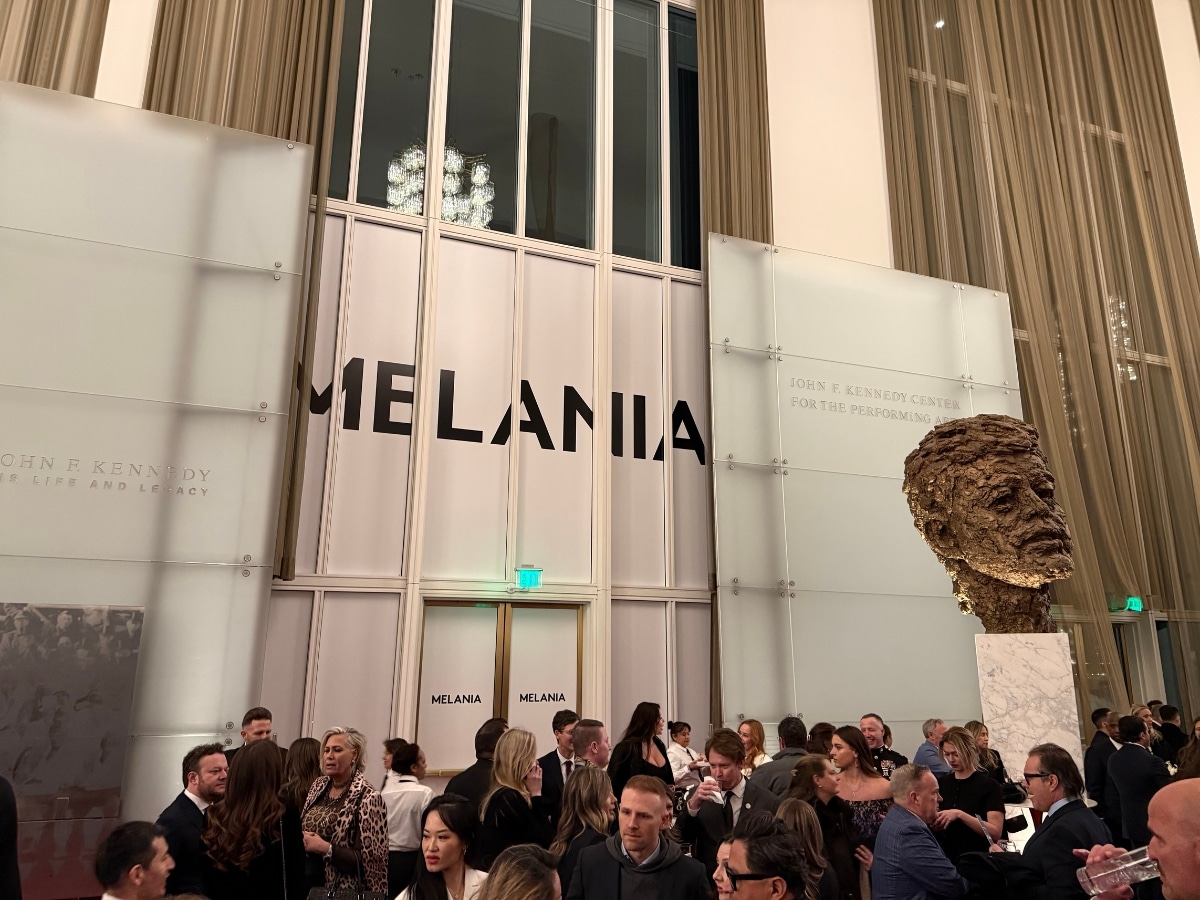
Critics have torn it apart. On Rotten Tomatoes, fewer than one in ten approved of it. Metacritic’s score sits in the low-single digits. And because reviews only landed once the film hit cinemas, there was no cushioning the blow, no slow burn, just a full public reckoning the moment audiences walked in.
Well, at least from the left-hand side of the cinema aisle.
What critics are saying about Melania
The tone was set early by The Guardian, where Xan Brooks argued that there could be a compelling documentary about Melania Knauss, “the ambitious model from out of Slovenia who married a New York real-estate mogul,” but said this emphatically wasn’t it. He described Melania as having “not a single redeeming quality,” questioning whether it even qualifies as a documentary at all, instead likening it to “an elaborate piece of designer taxidermy”, ice-cold, grotesquely overpriced, and “proffered like a medieval tribute to placate the greedy king on his throne.”
Audience scores tell a very different story, though they come with their own caveats. Rotten Tomatoes’ verified audience rating sits near 99 per cent, but that pool is overwhelmingly self-selecting. If you’re motivated enough to buy a ticket to a Melania Trump documentary, chances are you already know exactly how you’re going to score it. And given the film’s politics, it’s hard to ignore the likelihood of coordinated enthusiasm rather than organic discovery.
IMDb swings the other way entirely. There, Melania has dropped to around 1.3 out of 10, briefly placing it among the five lowest-rated films of all time out of more than 700,000 titles. IMDb and Metacritic don’t require proof you’ve seen the film, making them an obvious outlet for protest voting from the opposite end of the spectrum.
Outside the US, the numbers aren’t great either. In Australia, Melania opened in the low 30s with a per-screen average under $1,000. The UK and New Zealand runs were similarly muted, making it pretty clear which side of the cinema was turning up, or not, as it were.
The economics make Melania even harder to ignore. Amazon reportedly spent well over US$100 million between acquisition and marketing. That’s a ludicrous amount of money when you realise most theatrical documentaries are made for a fraction of that, often in the low single-digit millions, and rarely rely on cinemas at all to recoup costs. Melania isn’t just expensive. It’s operating in a completely different category.
Which is why some analysts argue profit was never really the goal. If the film buys political goodwill or strategic leverage, the cost barely registers on Amazon’s balance sheet.
As a movie, Melania probably isn’t converting many fence-sitters. As a piece of political media, it’s already done what it needed to do.
















Comments
We love hearing from you. or to leave a comment.