


Updated:
Readtime: 12 min
Every product is carefully selected by our editors and experts. If you buy from a link, we may earn a commission. Learn more. For more information on how we test products, click here.
- Sony’s 1000X THE COLLEXION delivers exceptional separation, making instruments, vocals and production layers unusually easy to follow.
- That revealing presentation works brilliantly on dense tracks, but can push supporting elements too far forward on other recordings.
- Manual EQ noticeably improves the balance, while the excellent ANC, transparency and luxury construction help explain the AUD$999.95 price without making it an obvious value proposition.
Like the Grammys themselves, Sony’s 1000X THE COLLEXION seems determined to recognise every outstanding contribution in music. The lead vocal, rhythm guitar, backing singers, bassline, claps, snares, kicks and small production details buried in the mix all get their moment, for better and for worse.
It’s a remarkable presentation. Across familiar records, the Collexion made it easier to hear how songs were assembled, drawing my attention to instruments and production layers that would otherwise be ignored. But Sony also describes these headphones as delivering relaxed, immersive listening, and to be honest, it wasn’t always my experience. At times, I found myself paying too much attention to the construction of the song rather than just listening.
After several days of wired and wireless listening, repeated EQ testing, long album sessions, walks through Sydney traffic and a comparison with my current daily drivers, the thinking behind Sony’s Grammy-Engineered Tuning became clearer. These headphones want you to lean in and follow every part of the arrangement, encouraging you to understand why a recording works. The question, though, is whether Sony’s deeper view into the world of music is worth nearly a thousand dollars.

What Grammy-Engineered Tuning Sounds Like
Sony says the 1000X THE COLLEXION was tuned with Grammy Award-winning and nominated mastering engineers to deliver smooth vocals, balanced instruments and nuanced dynamics. After spending some quality time with these headphones, it wasn’t “balance” that stood out most. It was the separation.
Individual instruments, backing vocals, percussion and the various production layers are unusually easy to identify. Even the most familiar songs revealed parts previously hidden behind the mix.
Supertramp’s School offered one of the clearest examples of that separation. The building drone in the introduction stood out more clearly than I could remember hearing it before. As the arrangement developed, the harmonica, bass, drums, piano and synths remained easy to follow without feeling like they were being forced into my ears. Each part carried more presence without immediately crowding the others. And then the final piano solo hit, further forward than I expected, but also more physical and instant.
Michael Jackson’s Human Nature was a pleasant surprise and made the strongest overall case for Sony’s tuning. The synths, percussion and backing textures gained more presence around Michael’s vocals, but he remained firmly at the centre. There was certainly more to hear in the background without the song losing shape.
Moving on to something a little more modern, Flight Facilities’ Clair de Lune clearly benefited from the separation in the tuning. Sony’s headphones give warmth to the melancholic electronic production, making it more expansive, with the layers of synths and atmosphere far easier to follow than with your average pair of cans. The added presence supported the mood rather than pulling the track apart.
They’re not going to make every recording sound better, but there’s something satisfying in how they make the construction of every recording much easier to hear.
When Separation Works, And When It Doesn’t
Sony’s tuning works best when the extra separation makes a dense production easier to follow without weakening its impact. Slipknot’s Duality produced one of the biggest surprises during my testing.
Their music is deliberately dense and heavily engineered, with distorted guitars, enormous drums and layered vocals often forming a wall of sound. Through the Collexion, that wall stayed intact without becoming indistinct. The guitars, drums and vocals remained clearly separated, but the track still hit with the force it needed. It may be the best I have heard Slipknot sound through a pair of wireless headphones.
Problems arise when Sony’s separation disturbs the hierarchy already built into the mix.
Beat It exposed the issue immediately. The rhythm guitar sounded exceptional, with more texture and definition than I was used to hearing, but the claps and kicks sat too far forward, leaving Michael’s voice slightly overshadowed by the production around him.
That hierarchy issue popped up again and again across parts of Thriller. During the title track’s chorus, the backing vocals and effects competed with Michael rather than widening the soundstage around him. Billie Jean was equally complicated. The strings and chorus vocals came through beautifully, but the claps and bassline carried enough weight that I became a little too aware of the individual parts rather than the groove they usually conjure.
The Collexion wants you to know everyone at the party rather than simply feeling the vibe.
Sony’s headphones do offer a deeper appreciation of the arrangement. But at other times, it becomes difficult to forget the production and hear the song as one complete performance. For me, the deciding factor isn’t how busy the recording is, but whether Sony’s presentation supports its existing balance or pulls too many parts into competition.
EQ Makes the Difference
The default tuning wasn’t to my liking, so I changed it.
Out of the box, the low frequencies carried too much weight for my taste, contributing to the somewhat overbearing percussion, basslines and other supporting elements, like the claps and kicks in Beat It.
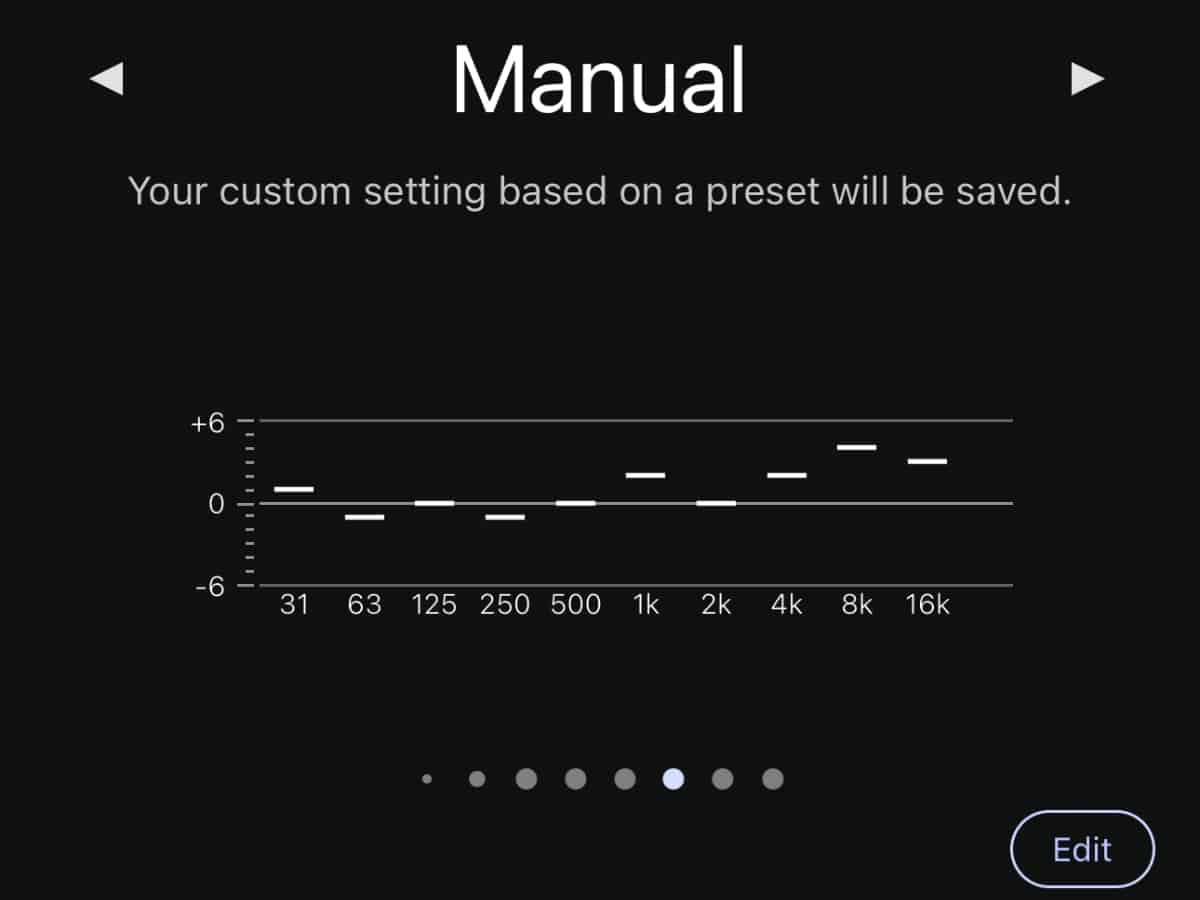
Sony’s Sound Connect app gives you enough control to make corrections without stripping away what makes these headphones interesting in the first place. A Manual EQ profile with modest midrange and treble boosts brought the bass under better control and opened up denser sections without making them fight for attention.
The difference was clearest on Beat It. The claps no longer competed as aggressively with Michael’s vocals, while the rhythm guitar retained the separation that impressed me during the first listen.
Overall, the sound became clearer and less muddied without losing the Collexion’s ability to expose individual parts. It still sounded like the Collexion, just a little more suited to my ears.
ANC, Transparency and Everyday Use
Sound is only part of the argument at this price point, and Sony makes a stronger case once you leave the couch.
The active noise cancelling is excellent and clearly better than what I get from my current pair of cans. Walking along Military Road gave the system a proper workout, with its constant stream of cars, buses and road noise. Passing vehicles and sharper sounds occasionally broke through while the system adjusted, but those moments were fleeting. For most of the walk, the ANC did exactly what a flagship pair of Sony headphones should.
Transparency mode was even more impressive.
Voices and surrounding sounds came through naturally enough that I rarely felt the need to remove the headphones. Crossing roads, ordering coffee and speaking to someone all felt more natural than they usually do through transparency modes.
The Sound Connect app is less convincing. It works and provides substantial control over EQ, noise cancelling and listening modes, but for Sony’s most expensive consumer headphones, I expected something cleaner and more polished.
DSEE Ultimate also made little difference. I noticed a faint lift in brightness with it switched on, but the change was marginal at best. I left it off, relying on the headphones’ native performance and my selected EQ profile.
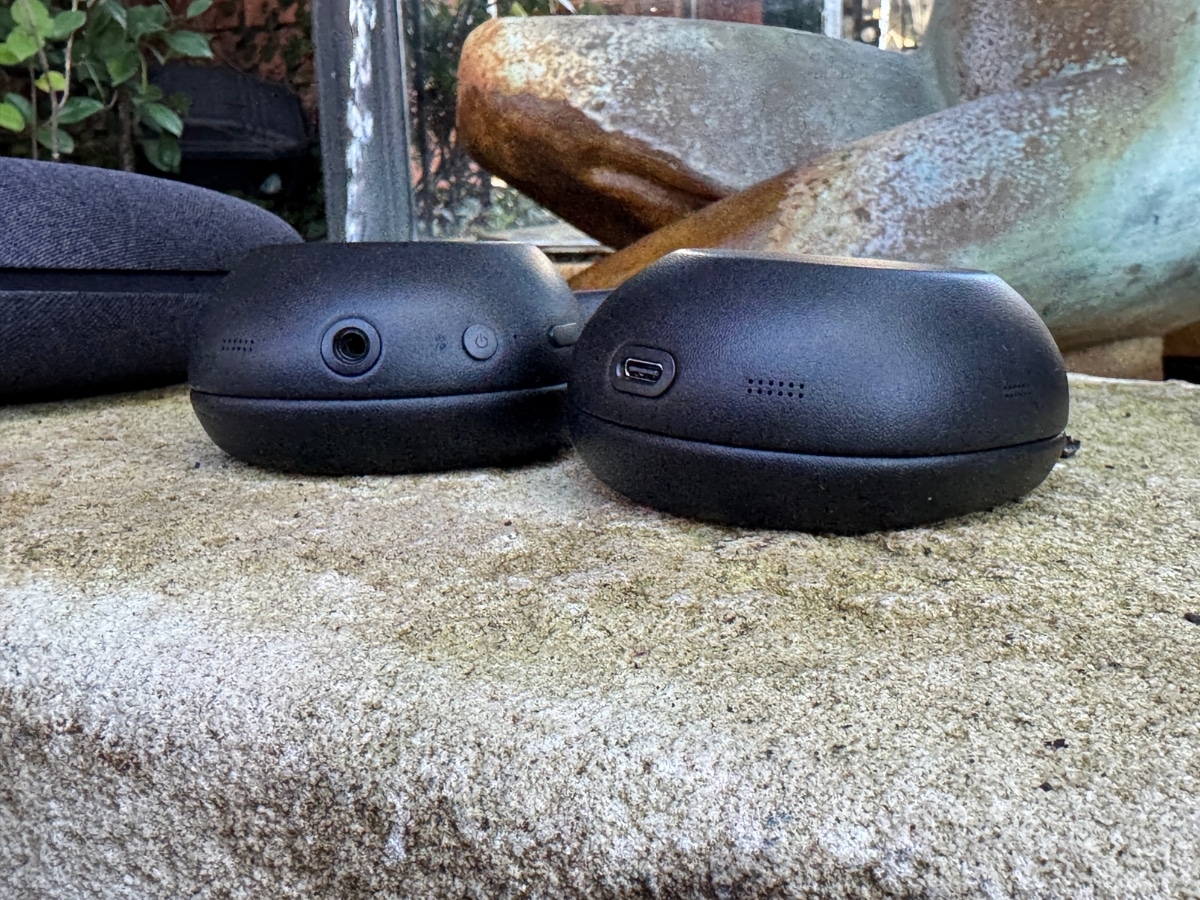
The accessory package is similarly underwhelming. Sony includes a 3.5mm headphone cable, but no USB-C charging cable, and the USB-C port only handles charging rather than wired audio. At AUD$999.95, both omissions feel unnecessarily stingy.

Comfort and Build
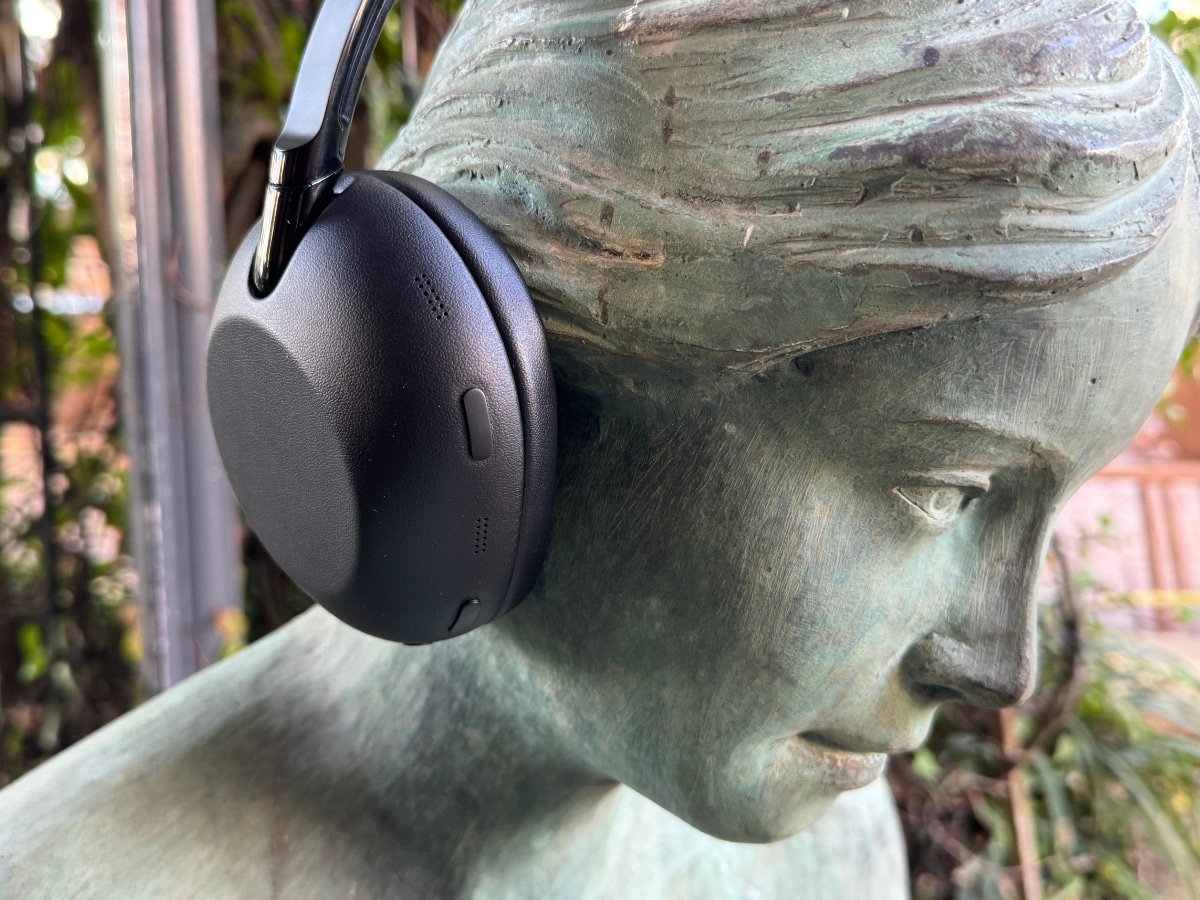
The Collexion looks and feels like Sony’s luxury version of the 1000X. Metal hardware, polished accents and soft faux leather give it more presence than the plastic-heavy construction associated with the standard XM range. The materials and finish provide a genuine sense of occasion, living up to our claim of Sony’s “Most Luxurious Headphones Ever”.
It does add a bit of weight, though. During my first listening session, the headphones felt heavy and clamped more firmly than I expected. Both issues eased after several longer sessions, allowing me to wear them through an entire album or two with little discomfort.
Where the fit becomes a bit more demanding is on the go. The generously sized earcups and headband needed frequent adjustment, and the weight never completely disappeared. And the earcups don’t exactly handle sweat all that well, leaving the cushions noticeably damp by the end of my mid-winter walk.
I dread to think how sweaty they might get in the Australian summer.
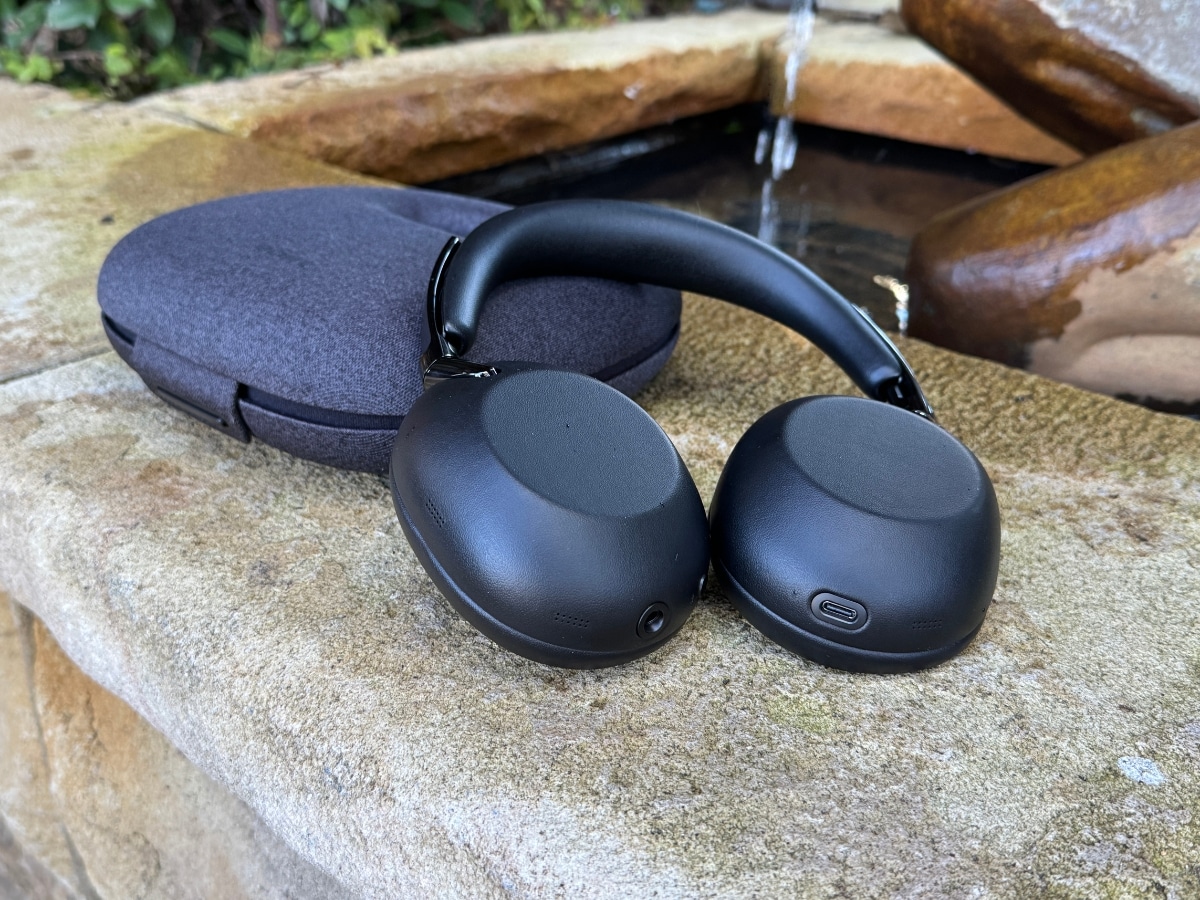
I wouldn’t say they’re uncomfortable, though. The wider headband and spacious earcups distribute the weight reasonably well, but you’ll feel them on your head from start to finish. For desk listening, flights and slower-paced use, the materials and fit make more sense than they do for anything particularly active.
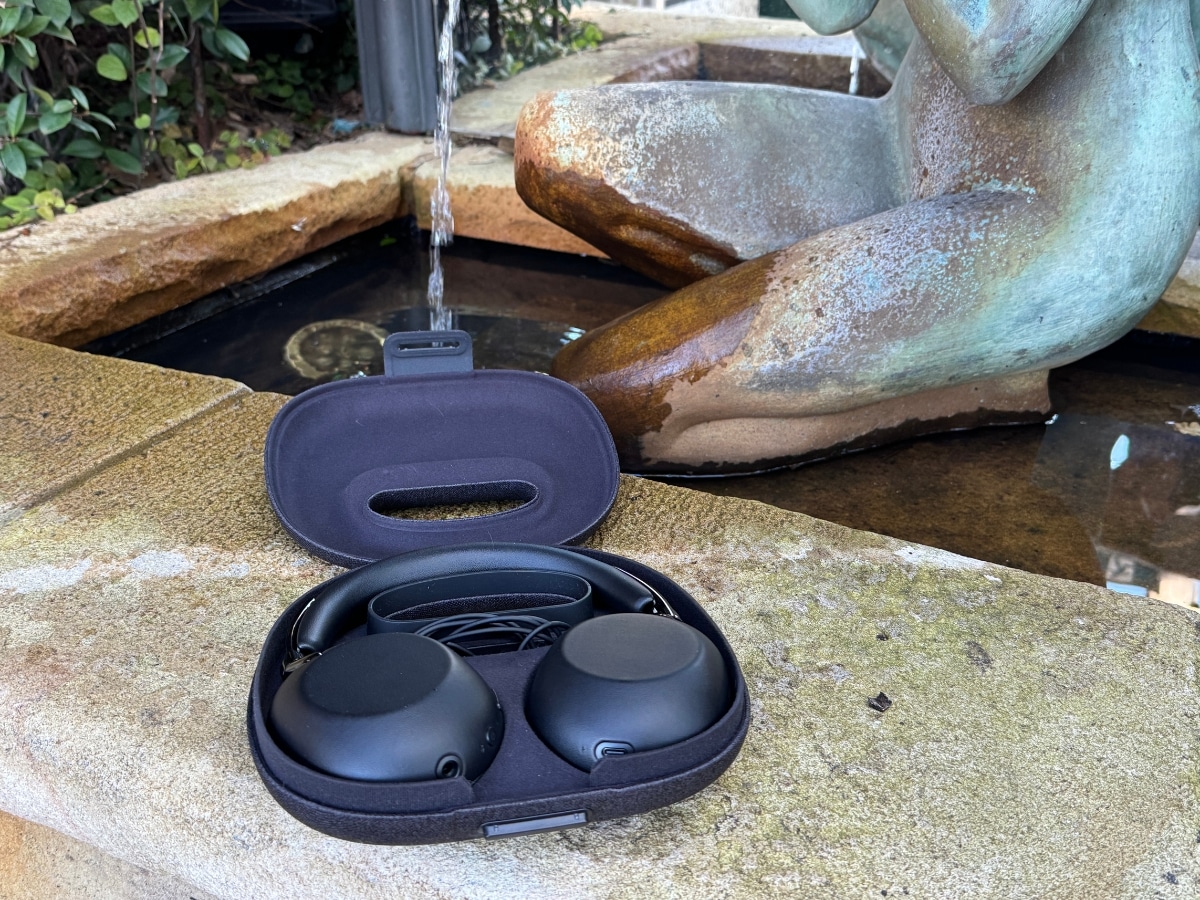
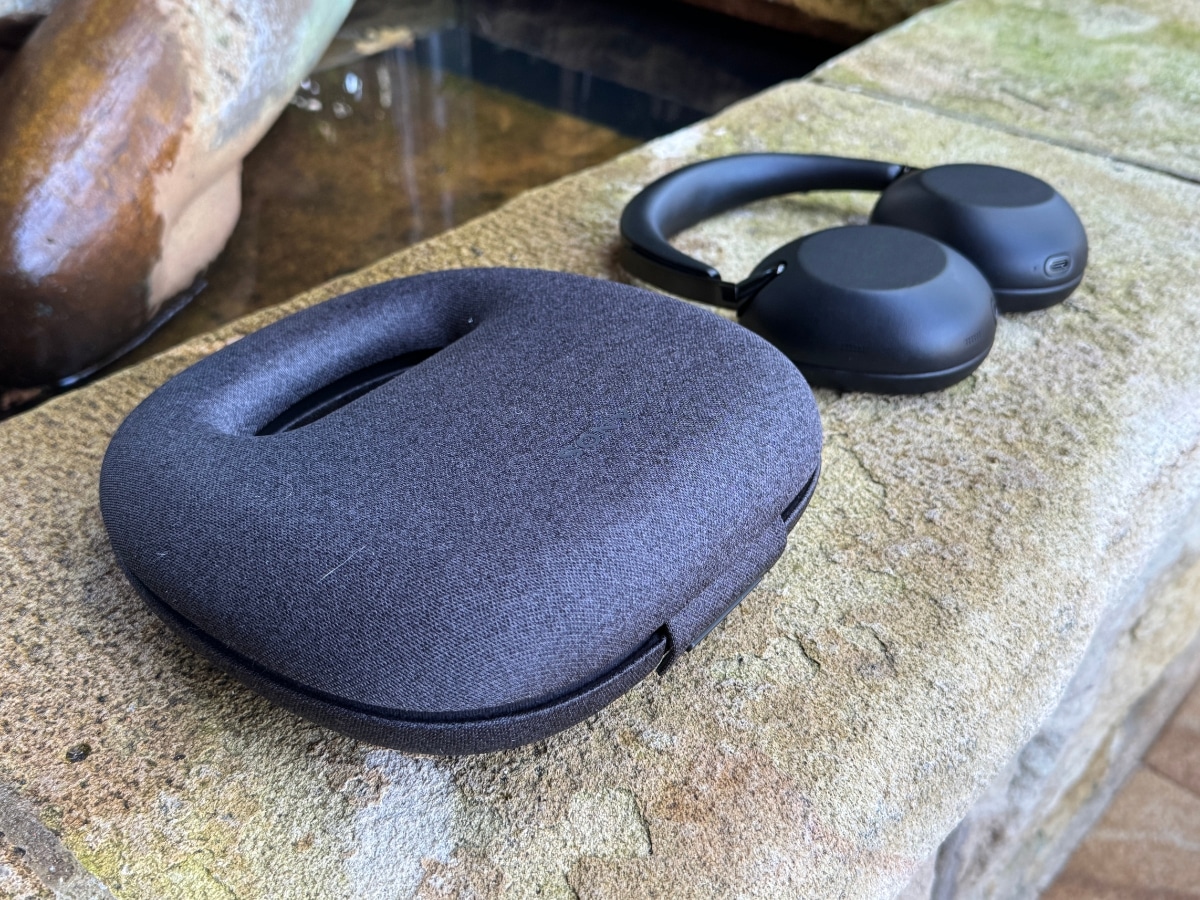
The carry case continues the luxury treatment. Its rounded shape and cut-out handle look uncannily like a fabric-covered Coperni Swipe Bag, making it far more distinctive than the usual black headphone shell. It also takes up more room in a bag, but at least Sony has turned something purely functional into part of the design.
Are The Sony 1000X THE COLLEXION Worth AUD$1000?
As a pure sound-value proposition, the Sony 1000X THE COLLEXION is difficult to justify at AUD$999.95.
At nearly a thousand dollars, the comparison is no longer limited to other premium wireless headphones. When you’re at this level, buyers start considering specialist wired models, DACs, amplifiers and hi-fi setups built around fidelity. Sony is targeting something broader.
The Collexion combines revealing sound, exceptional separation, excellent ANC, outstanding transparency, premium construction, wireless convenience and meaningful EQ flexibility. It’s a splendid combination that easily places it among the most accomplished consumer wireless headphones I have used.
It’s just not the best possible sound experience you can buy for a grand.
The ideal buyer is someone who wants a luxury wireless headphone and genuinely enjoys not just listening to a recording, but listening into it. If you want to follow every instrument, vocal layer and production choice, the Sonys can be fascinating. Tracks such as Human Nature, Clair de Lune and Duality show how powerful that approach can be when the separation supports the music rather than disturbing it.
Compared with my Momentum 4s, the Collexion are more revealing, but they also ask me to pay closer attention. I’m an analytical listener at times, but more often than not, I would rather settle into an album than examine how it was assembled.
Sony 1000X Headphones Compared
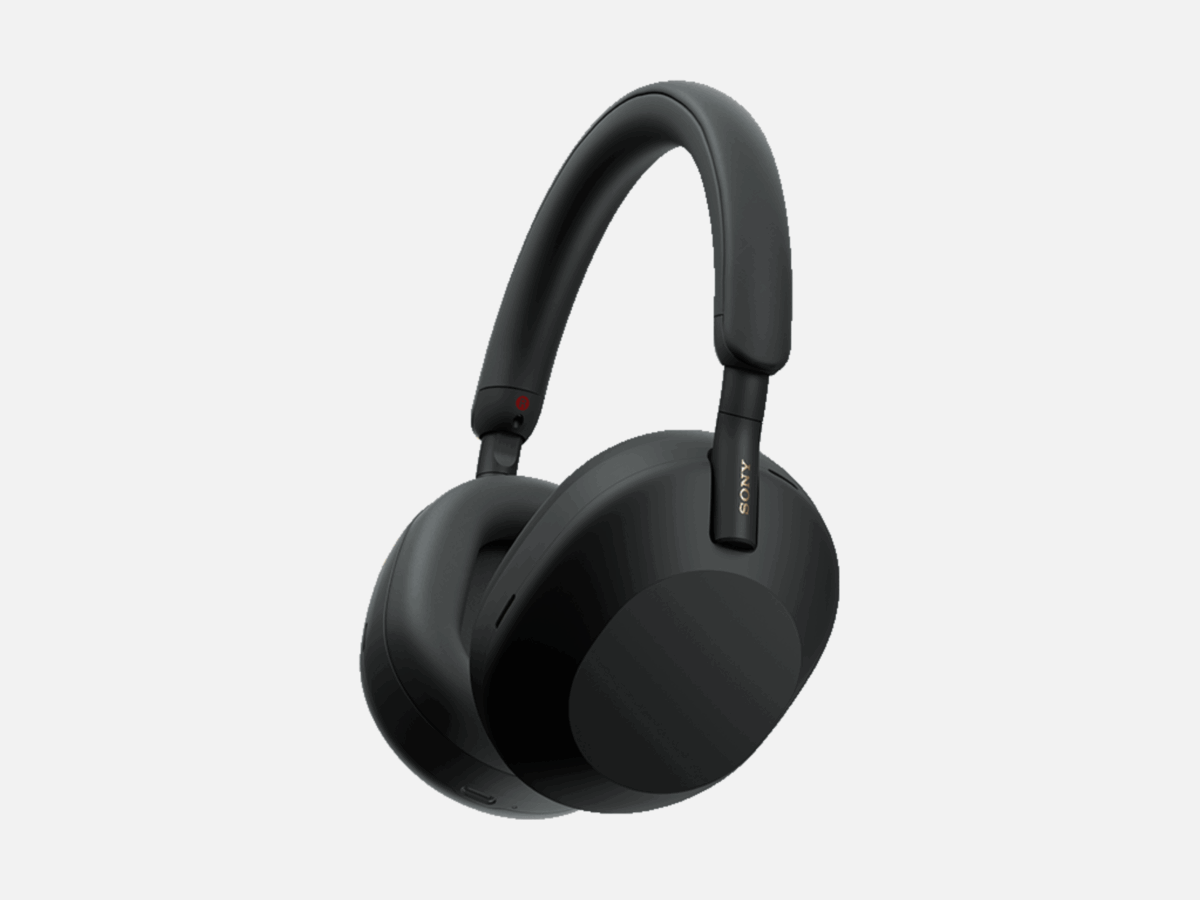
The Collexion sits above Sony’s mainstream 1000X line, but its higher price, shorter battery life and additional weight complicate the value equation. It’s heavier than every XM model below it and offers shorter headline battery life, with more of the premium going towards the bespoke driver, materials and distinct tuning.
| Specification | 1000X THE COLLEXION | WH-1000XM6 | WH-1000XM5 | WH-1000XM4 |
|---|---|---|---|---|
| Model | WH-1000XX | WH-1000XM6 | WH-1000XM5 | WH-1000XM4 |
| Australian price | AUD$999.95 | AUD$549.95 | AUD$549.95 | AUD$439.95 |
| Positioning | Luxury expression of the 1000X series | Current mainstream flagship | Previous-generation flagship | Older foldable flagship |
| Weight | Approx. 320g | Approx. 254g | Approx. 250g | Approx. 254g |
| Driver | 30mm | 30mm | 30mm | 40mm |
| Battery with ANC | Up to 24 hours | Up to 30 hours | Up to 30 hours | Up to 30 hours |
| Battery without ANC | Up to 32 hours | Up to 40 hours | Up to 40 hours | Up to 38 hours |
| Bluetooth | Version 6.0 | Version 5.3 | Version 5.2 | Version 5.0 |
| Codecs | SBC, AAC, LDAC, LC3 | SBC, AAC, LDAC, LC3 | SBC, AAC, LDAC | SBC, AAC, LDAC |
| DSEE | DSEE Ultimate | DSEE Extreme | DSEE Extreme | DSEE Extreme |
| Multipoint | Yes | Yes | Yes | Yes |
| Wired listening | 3.5mm input | 3.5mm input | 3.5mm input | 3.5mm input |
| Noise-cancelling system | Adaptive NC Optimizer | Adaptive NC Optimizer | Auto NC Optimizer | Personal NC Optimizer |
| Ambient sound mode | Yes | Yes | Yes | Yes |
| Folding design | No conventional inward fold | Yes | No conventional inward fold | Yes |
| Materials and design | Metal construction and soft faux leather | Lightweight flagship construction | Lightweight minimalist construction | Mostly plastic foldable construction |
| Main advantage | Luxury build and revealing presentation | Best balance of current features, portability and battery | Similar core battery performance at a lower price | Strong value, larger driver and compact folding design |
| Main compromise | Heaviest, shortest battery life and highest price | Less luxurious than the Collexion | Older ANC platform and non-folding design | Oldest Bluetooth and noise-cancelling platform |
Existing WH-1000XM4 owners may find the materials, noise cancelling and distinct sound presentation appealing enough to consider an upgrade, while XM5 owners will face a more difficult decision. XM6 owners probably only need to consider the Collexion if the luxury construction and particular tuning are exactly what they want.

Our Verdict
Anyone starting without a premium pair of headphones should know this: you do not need to spend this much to get excellent sound.
Sony has delivered on the most important part of its Grammy-engineered promise. The Collexion exposes individual performances, production layers and arrangement choices with unusual clarity. It can make familiar records feel like new again, with a surprising level of control for denser tracks.
It won’t suit every pair of ears. The default tuning carries too much low-frequency weight for my taste, and the separation can occasionally disrupt the balance of a finished mix. EQ improves the experience, but these headphones are for listeners who want to lean into a recording rather than disappear inside it.
At AUD$999.95, the Sony 1000X THE COLLEXION is easier to admire than universally recommend. It’s distinctive, accomplished and occasionally remarkable, but it requires a very particular listener.




























Comments
We love hearing from you. or to leave a comment.