


Updated:
Readtime: 6 min
Every product is carefully selected by our editors and experts. If you buy from a link, we may earn a commission. Learn more. For more information on how we test products, click here.
- McLaren Special Operations restored the historic M6GT road car prototype.
- The build utilises an authentic chassis from an M6A racer.
- A period-correct small-block V8 engine powers the mid-engine vehicle.
- Custom cream Colnbrook White paint finishes the fibreglass exterior bodywork.
- The one-off vehicle debuts at the 2026 Goodwood Festival of Speed.
You can often trace the lineage of modern supercar manufacturers back to a pivotal shift from motorsport dominance to road-going production. For McLaren, that transition began long before the launch of the iconic F1 or the establishment of its modern automotive division. Bruce McLaren envisioned a road-legal sports car based on his championship-winning Can-Am racers in the late 1960s, a project that was cut short after his passing. Due to be unveiled at the 2026 Goodwood Festival of Speed, McLaren Special Operations will display a perfectly reconstructed version of that very vehicle, completing a historical loop that defines the brand’s technical history.
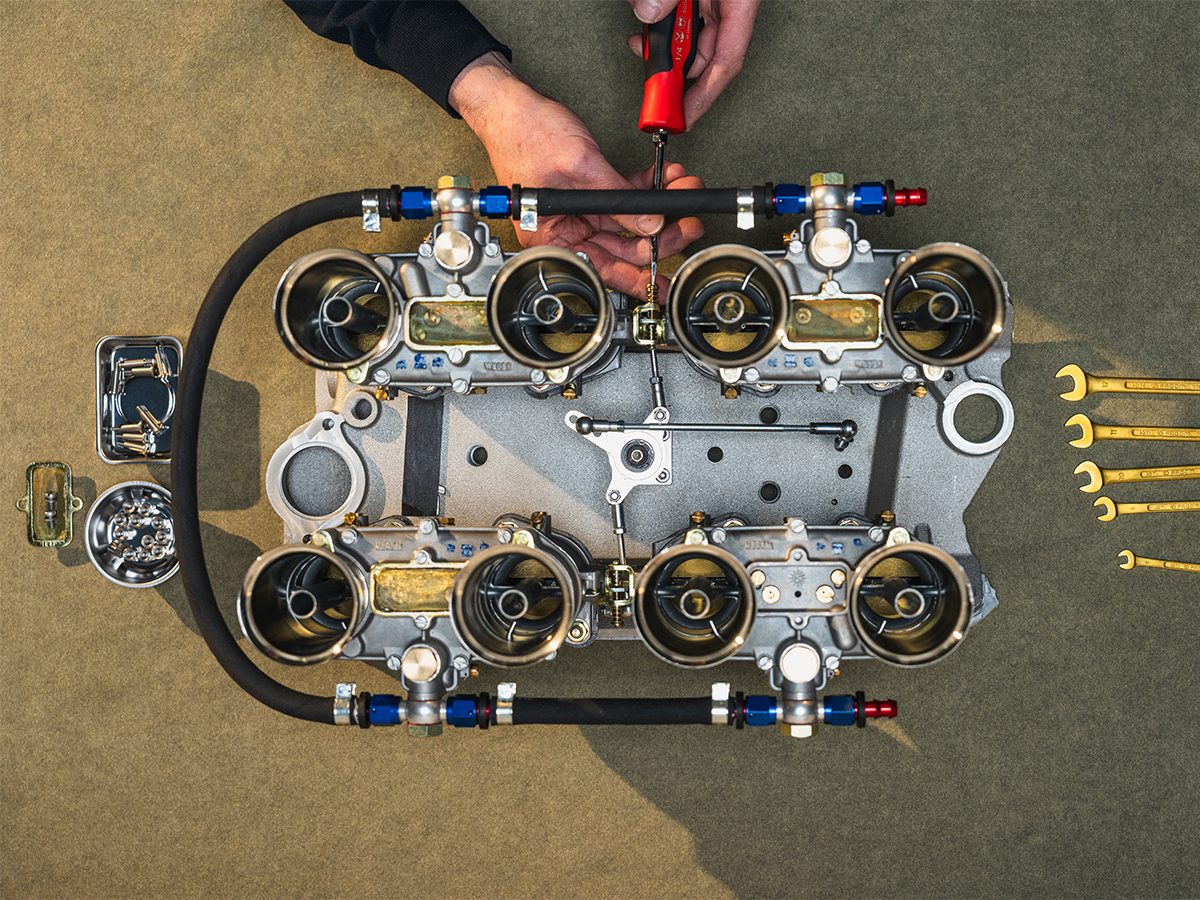
With a period-correct small-block V8 engine at its core, paired with a historic manual gearbox, the M6GT roadcar contrasts sharply with the 920kW hybrid powertrain of the modern McLaren W1 hypercar that will also be on display in the paddock at Goodwood. While official performance figures for this specific one-off build aren’t shared by the factory, the original M6A racing donor chassis utilised a mid-mounted small-block V8 designed to challenge endurance machinery from rival brands like Ferrari and Porsche.
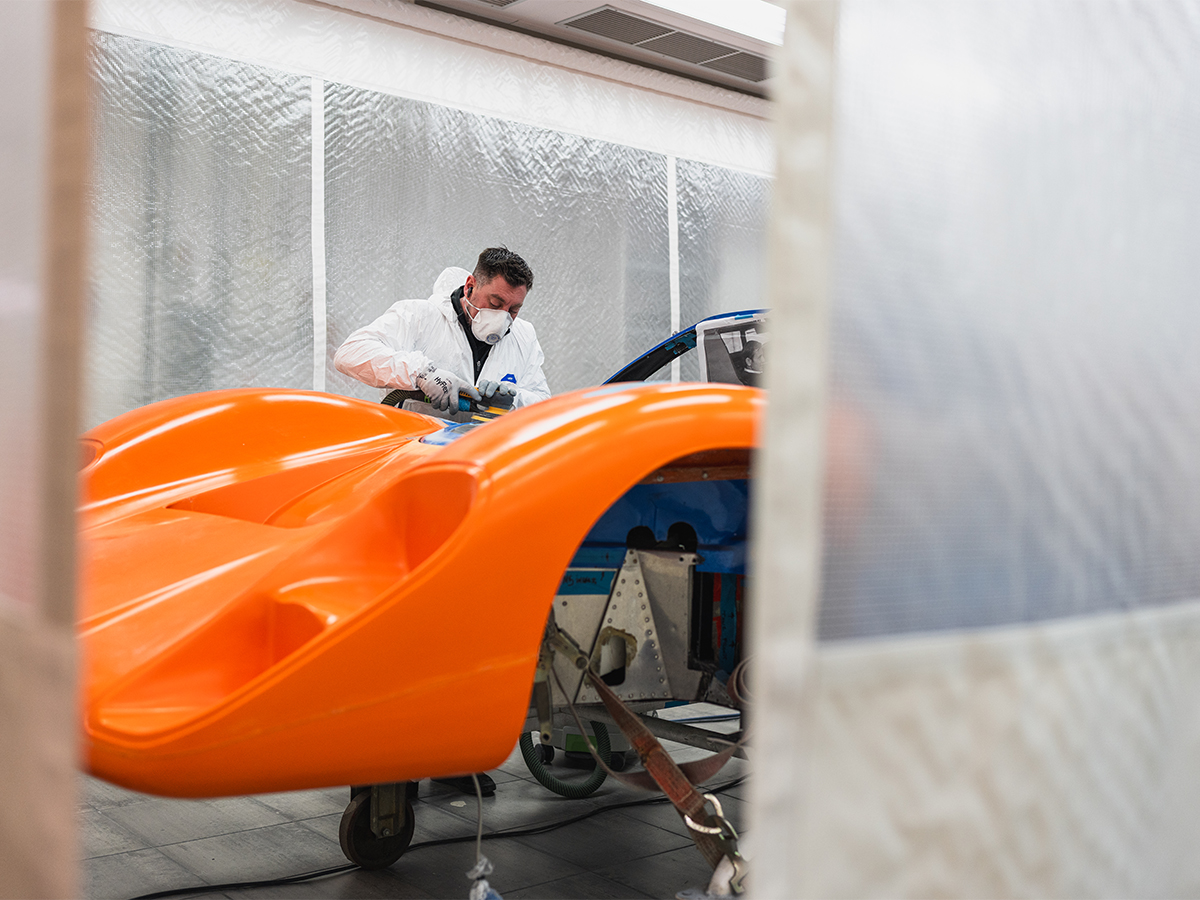
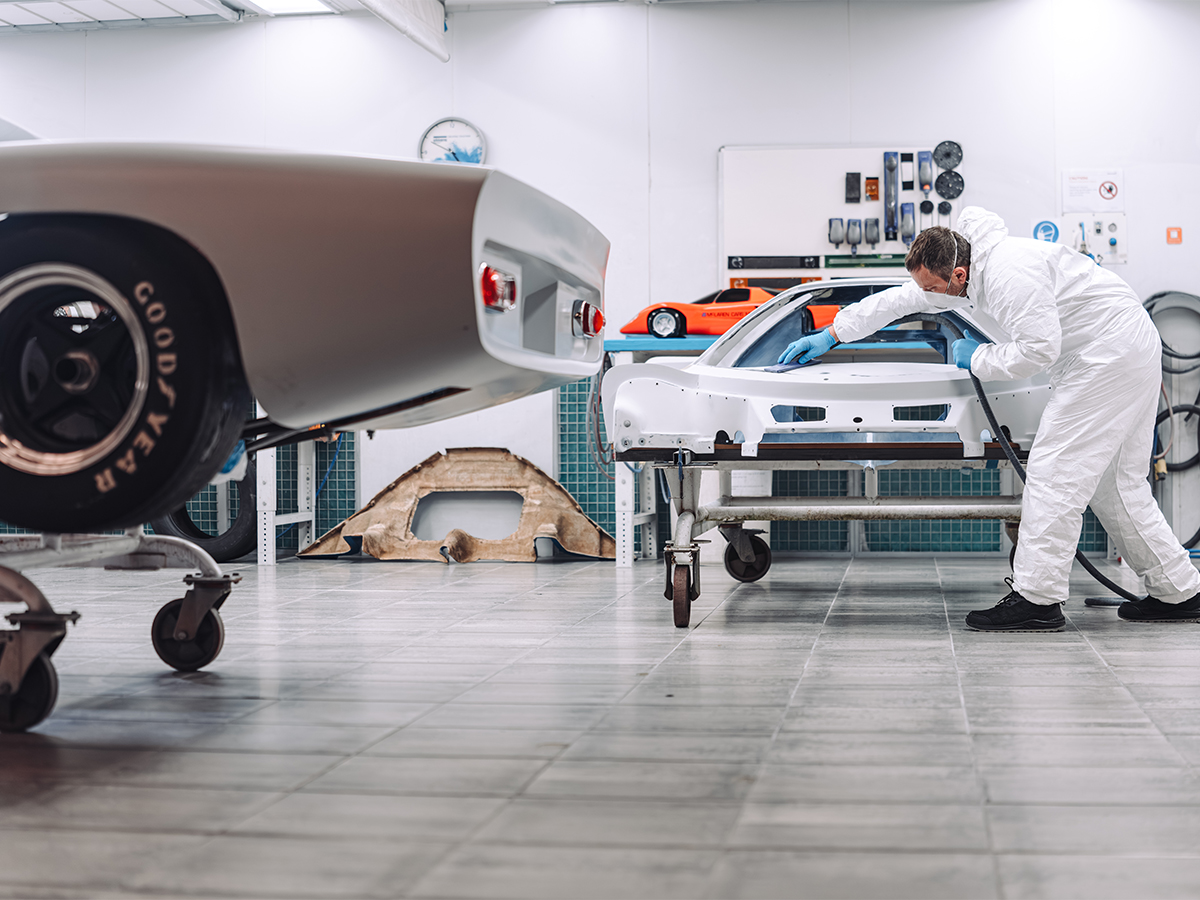
MSO focused entirely on historical fidelity rather than modern lap times here, opting for specific camel-hump cylinder heads and imperial-era bearings to match the exact engineering standards of 1970. The construction process required an archival approach to automotive manufacturing, utilising original body moulds discovered in the United Kingdom to shape the low-slung fibreglass exterior. These historical components revealed structural modifications made during the initial development program, which the engineering team chose to preserve rather than smooth over. Let’s take a closer look!
Key Features of the Restored McLaren M6GT
- Brand: McLaren
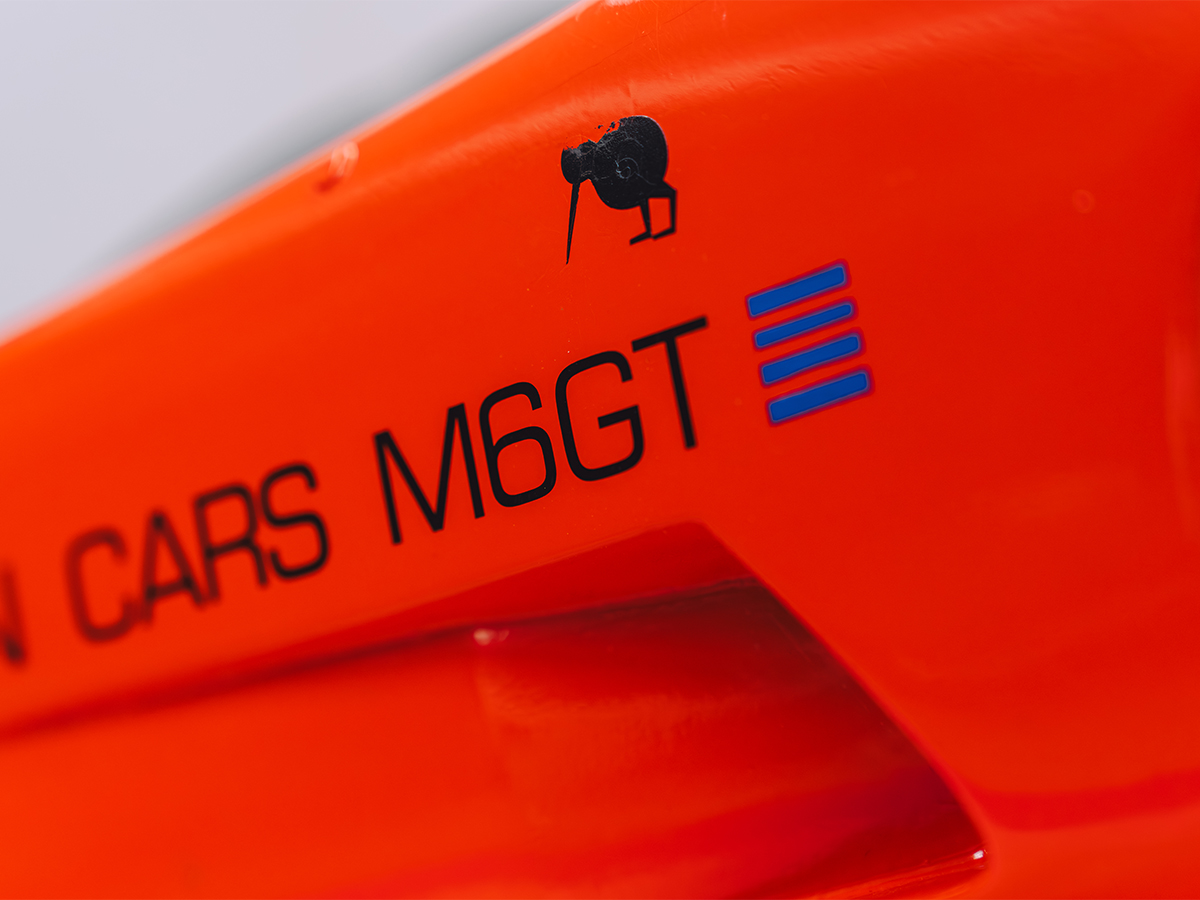
- Model: M6GT: Restored by MSO
- Engine: 5.7-Litre Chevrolet Small-Block V8
- Power Output: Estimated 370 bhp (276 kW) @ 5,800 rpm
- Torque: 502 Nm (370 ft-lbs) @ 4,000 rpm
- Transmission: 5-Speed Manual
- Chassis Material: M6A-derived Aluminium Monocoque
- Body Material: Fibreglass formed via original heritage moulds
- Paint Finish: Colnbrook White (Bespoke Cream Formulation)
- Valuation: Priceless Archival Collection Commission
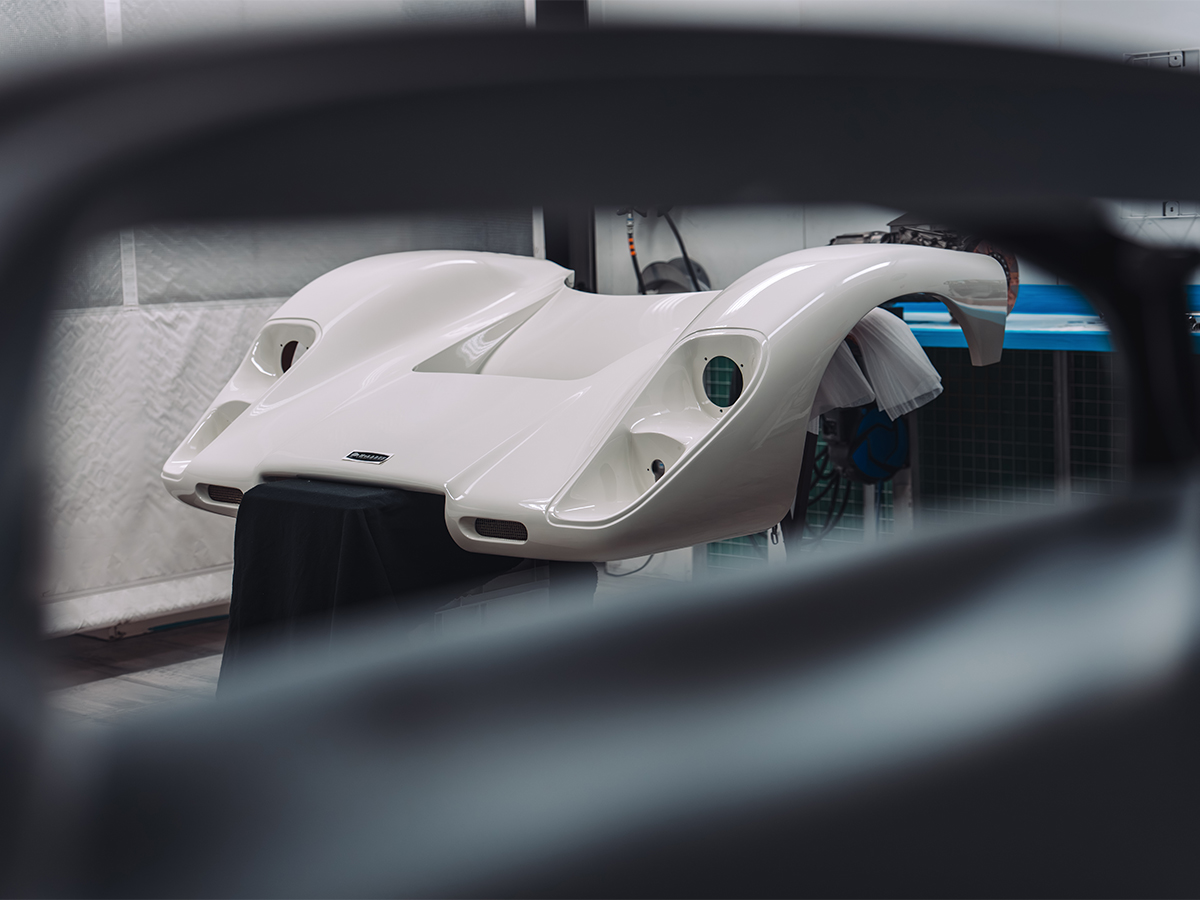
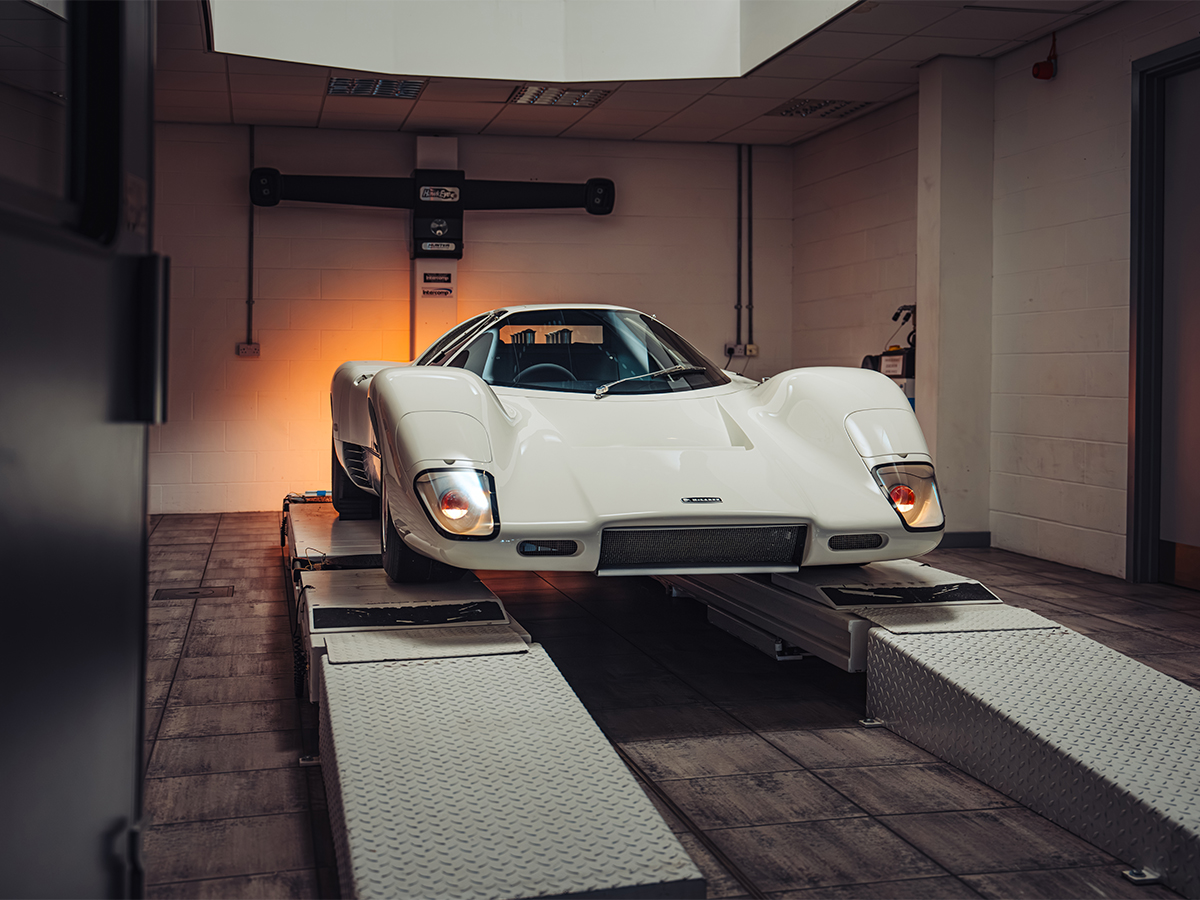
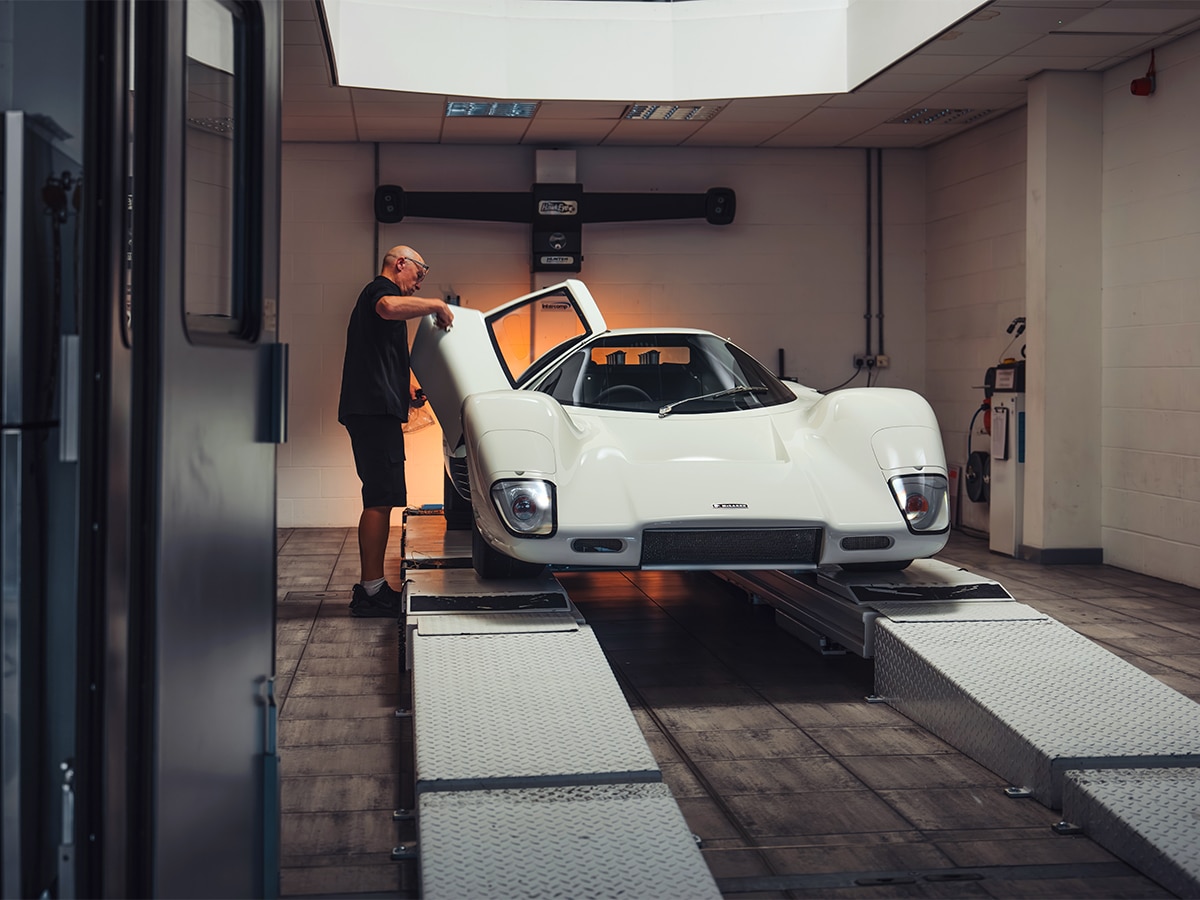
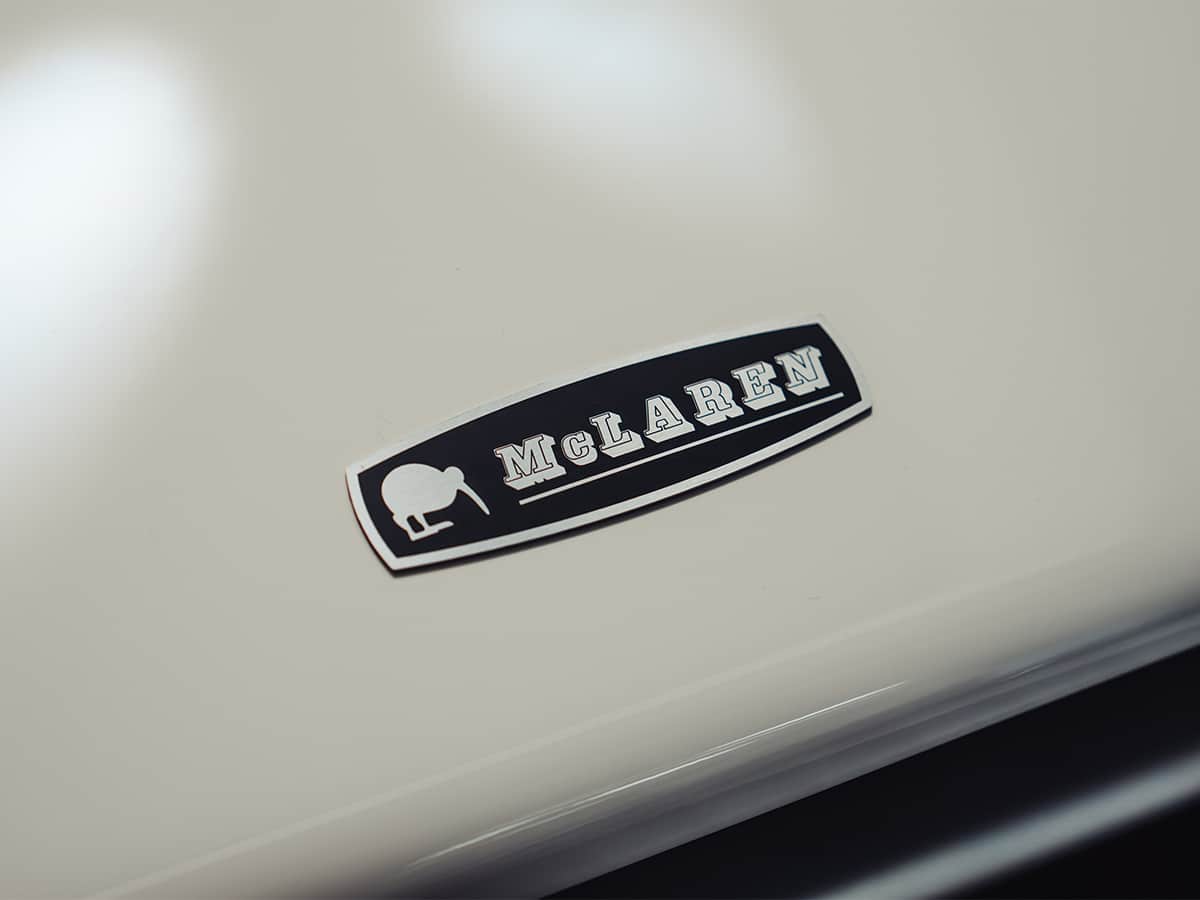
The reconstruction of the exterior relies on original composite body moulds discovered in the United Kingdom. This preserves physical evidence of the original design modifications made during the initial development program. The engineering team didn’t lean on their modern production processes to retain the unique body contours, finishing the fibreglass panels in a bespoke cream-based formulation designated as Colnbrook White. This specific paint shade honours the original workshop beneath a London airport flight path, establishing a direct visual link to Bruce McLaren’s early development environment.
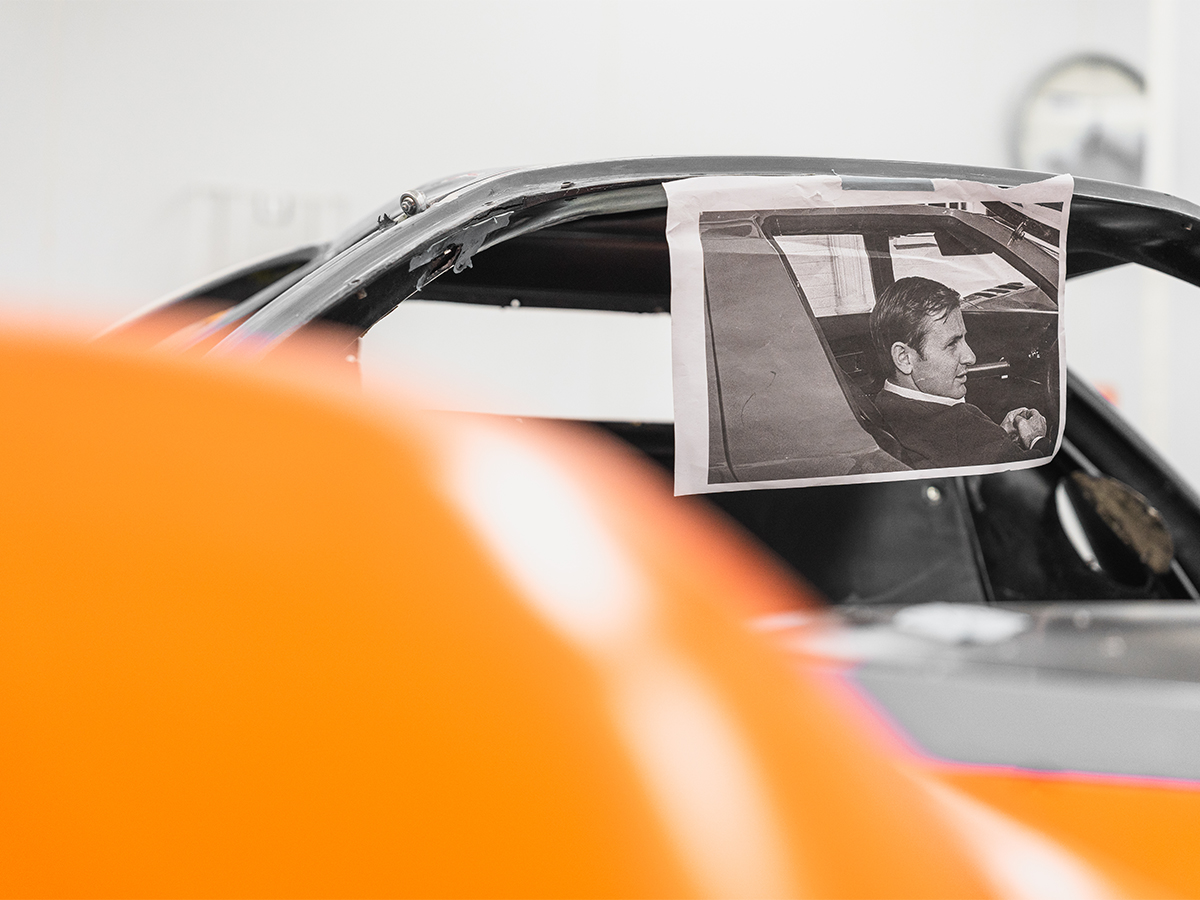
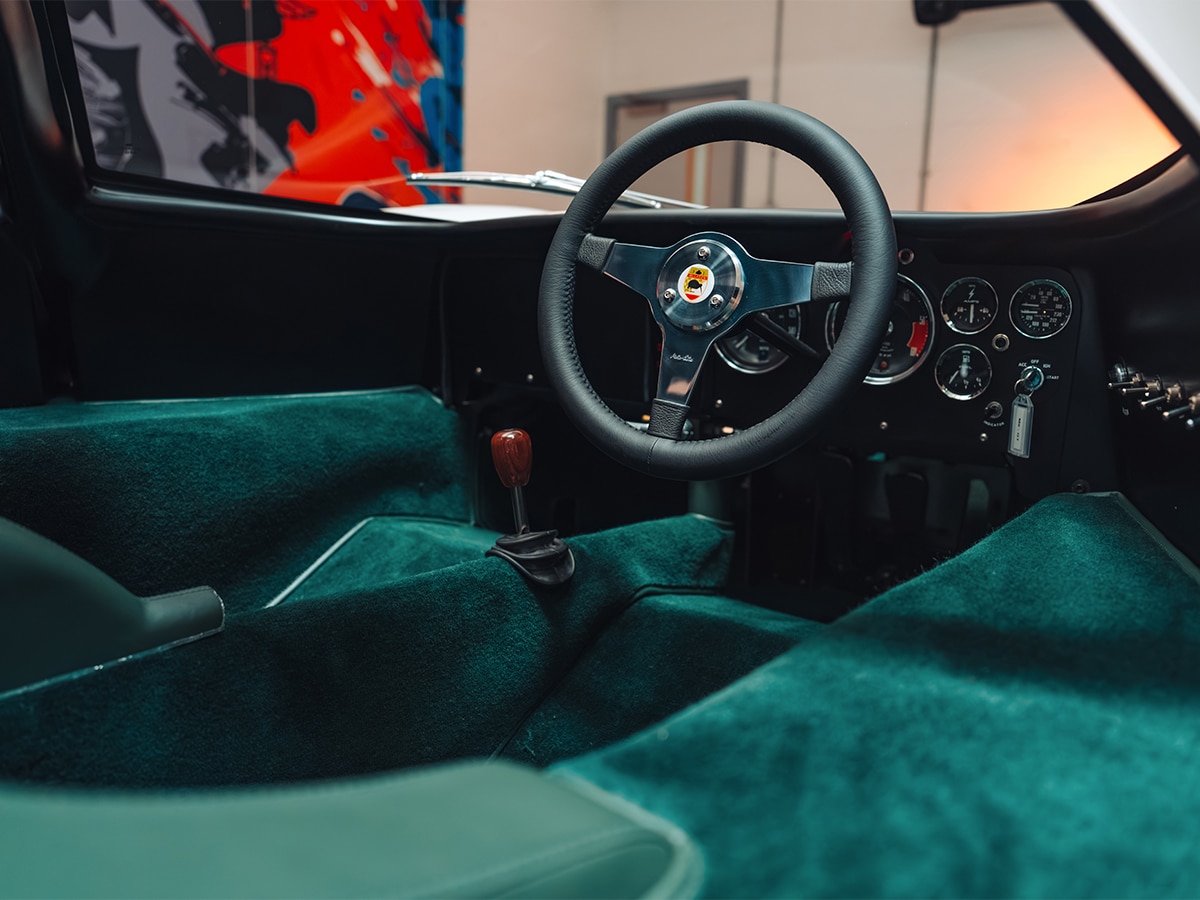
When you look inside the cockpit, the vehicle features an entirely analogue layout. The central interface is a custom gear knob, hand-turned from solid walnut and crafted by specialists, using archival photographs to match the precise shape and tactile finish of the original prototype. This sits alongside vintage-spec seats trimmed in custom green vinyl with stitched heat-seam detailing, a direct nod to the white-and-green livery of the 1966 M2B Formula 1 car.
Underneath, the chassis dynamics utilise original double-wishbone suspension rebuilt entirely without modern electronic damping systems. Because the late-1960s specifications required imperial-era bearings that are no longer in regular production, the factory sourced these obsolete components from specialised industrial archives. It’s these levels of mechanical preservation that make the difference in restorations like this. Finally, the original unassisted steering feedback provides a raw connection to the road.
 1/7
1/7Cabin Architecture and Handcrafted Elements
Look a little closer at some of the finer details, the interior environment of the M6GT provides a stark contrast to the multi-screen layouts found in modern supercars. You won’t find a 16.8-inch digital instrument cluster and central 10.9-inch touchscreen, as this cockpit features exactly zero digital displays, prioritising a purely analog race-derived configuration from the 1970s.
Every touchpoint relies on a mechanical connection rather than an electronic one, highlighted by a bespoke, hand-turned solid walnut gear knob that replicates the exact tactile feel of the initial prototype.
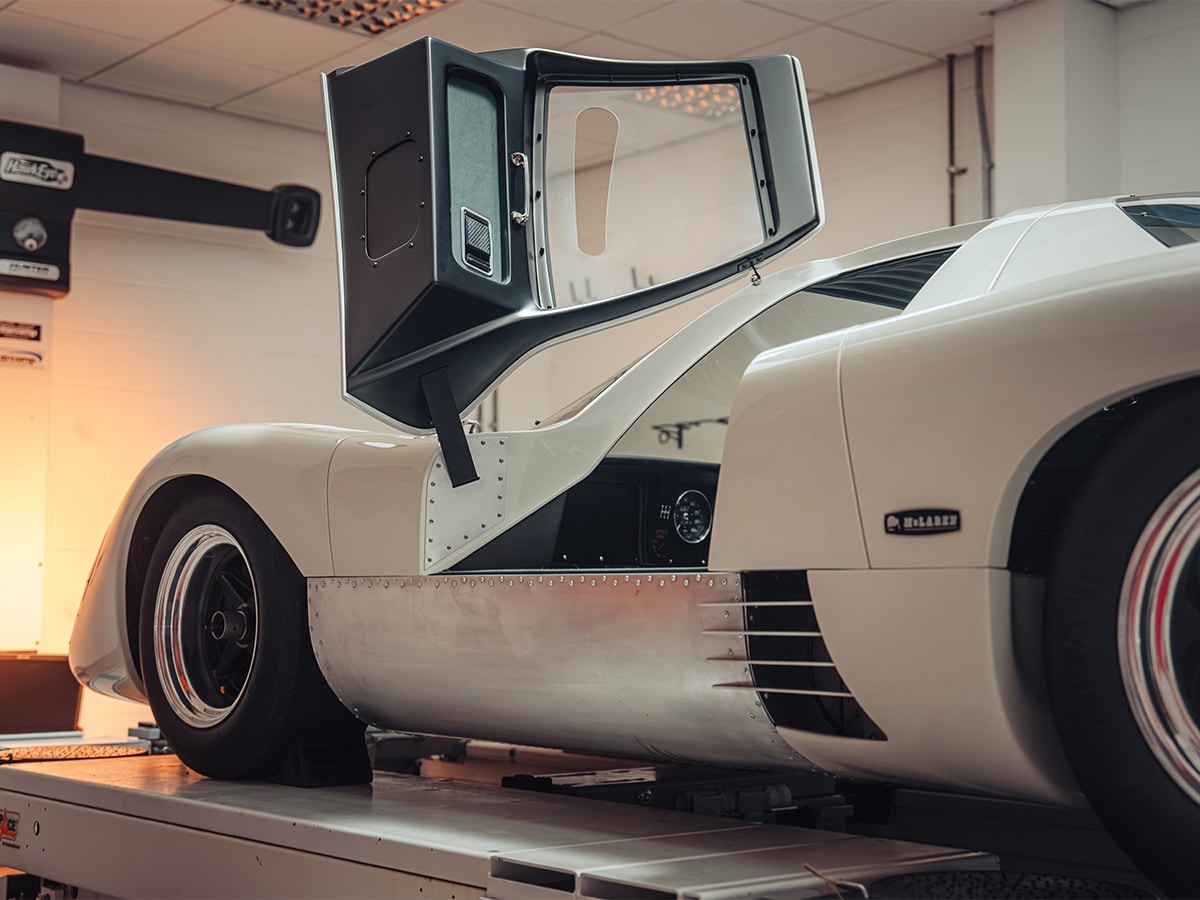
Seating arrangements feature custom vinyl material detailed with precise heat-seam stitching in a historical green hue. To achieve structural integrity without altering the visible aesthetic, the engineers hand-fabricated hidden reinforcement elements behind the upholstery, including a custom roll hoop, rear frame supports, and a completely bespoke wiring harness. The unique wraparound windscreen also required advanced scanning of historical drawings to accurately replicate its sweeping profile.
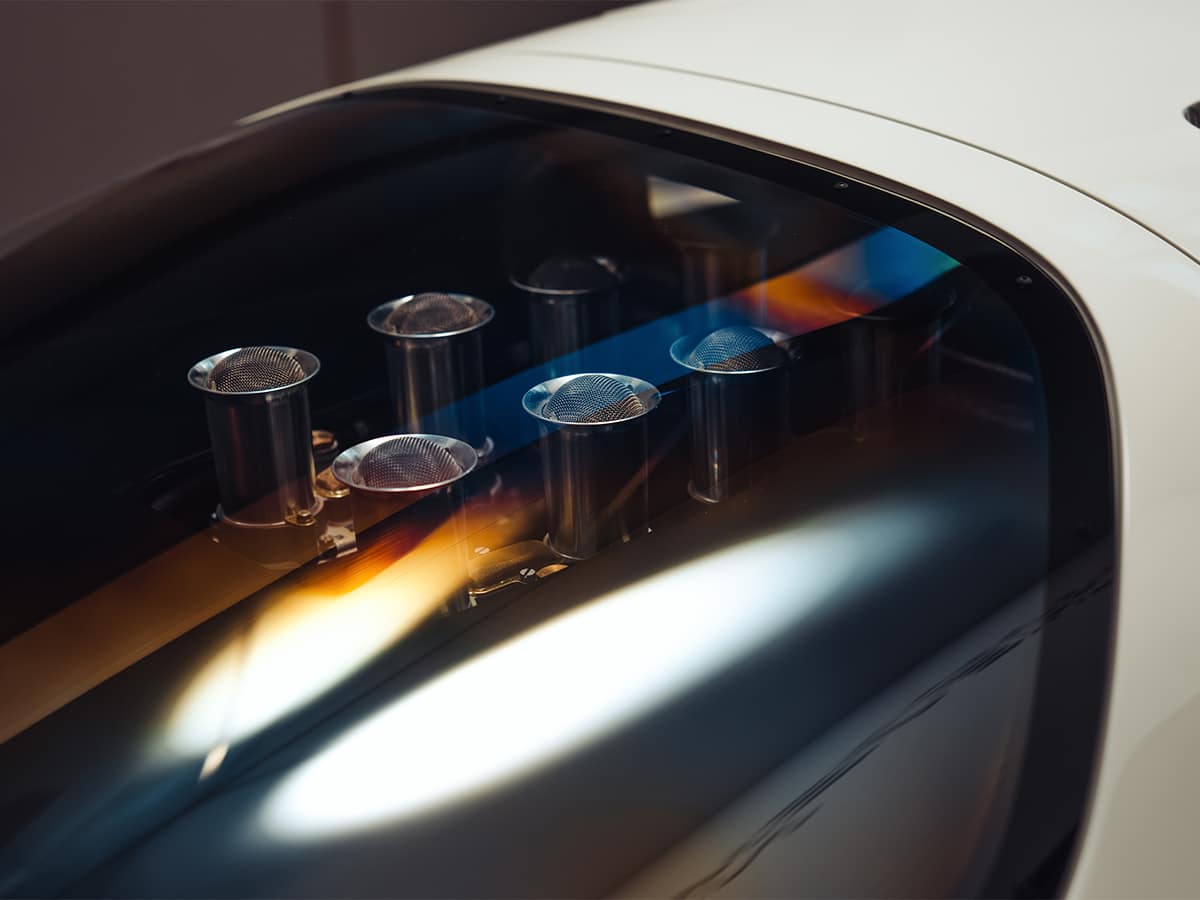
Exterior Geometry and the Colnbrook Heritage Identity
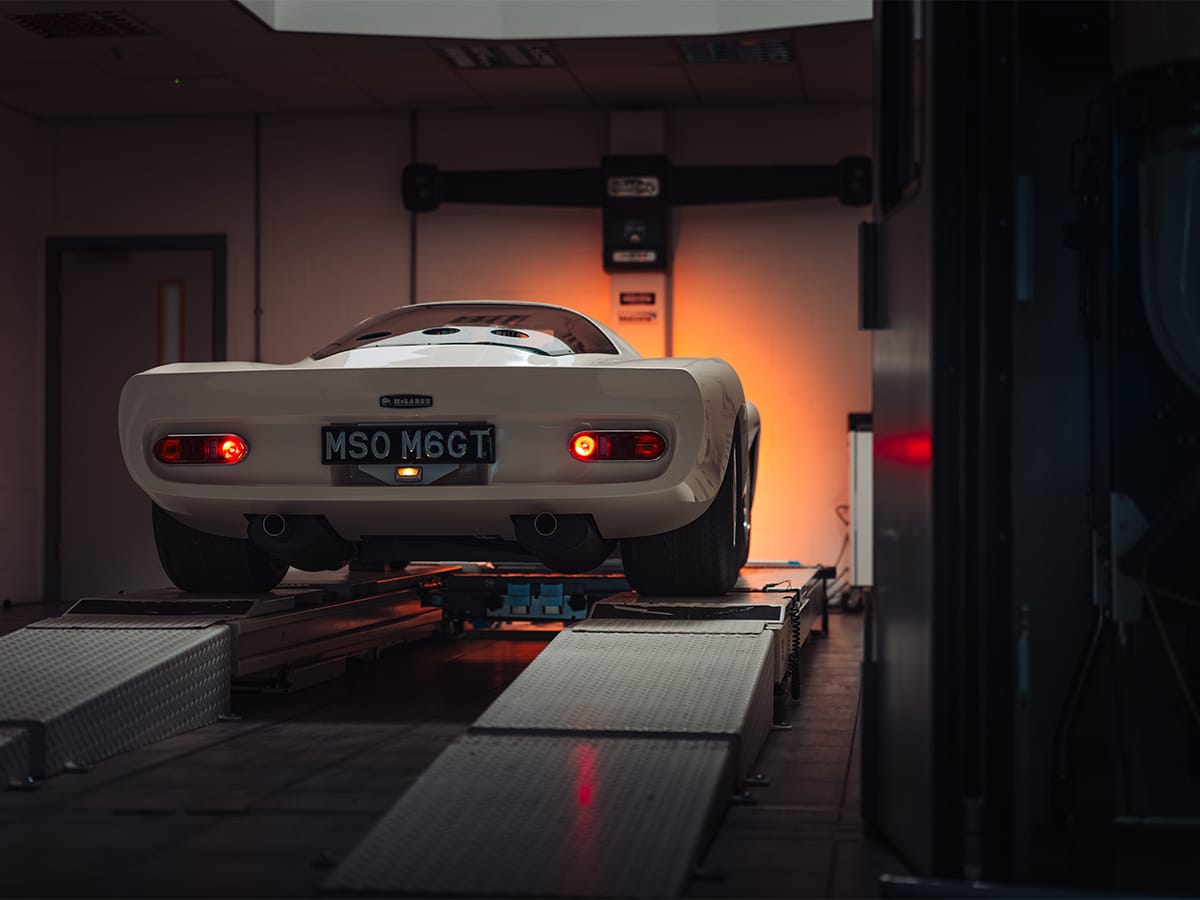
The exterior design mirrors the low, wide proportions of late-1960s Can-Am endurance racing cars, utilising a functional aerodynamic silhouette that directly informed the development of the iconic McLaren F1 twenty-five years later. The fibreglass bodywork is finished in a unique cream-based white hue designated Colnbrook White, referencing the location of the original workshop beneath the airport’s flight path near London.
This specific shade, paired with the broad green accents of the cabin, draws inspiration from the livery of the 1966 M2B Formula 1 car, which served as the personal racing signature of the company’s founder, Bruce McLaren.
Structural rigidity is maintained through original-specification closed aluminium dome rivets, which were installed by aerospace technicians to preserve authentic assembly techniques. The sweeping rear clamshell swings upward to reveal the mechanical packaging, showcasing how racing dynamics were repackaged for a road car.
Price and Availability
Being a unique heritage build directly by McLaren Special Operations, the M6GT is a non-retail commission destined for the brand’s permanent heritage collection.
Because it’s essentially a priceless archival piece, a price is not shared. To put the expected costs into perspective, acquiring a period-correct M6A donor chassis and commissioning a full-scale ground-up restoration through a factory bespoke program can easily command a multi-million-dollar valuation in the current collector market.
The M6GT will serve as the centrepiece of the McLaren House display at Goodwood, alongside contemporary production models such as the Artura Spider and the 750S.


























Comments
We love hearing from you. or to leave a comment.