

Updated:
Readtime: 10 min
Every product is carefully selected by our editors and experts. If you buy from a link, we may earn a commission. Learn more. For more information on how we test products, click here.
Fine dining etiquette is simpler than most people think, and knowing the basics will transform a nerve-wracking evening into one you’ll genuinely enjoy. From confirming your booking to tipping at the end, these are the dos and don’ts of eating at a top-tier restaurant, covering everything the first-timer needs to know.
In Australia, we are spoilt with some of the best fresh produce in the world, and as such, we have amassed a collection of restaurants and chefs who are highly renowned on the world stage. Proper fine dining places are a special treat for most and don’t come with a handbook for first-time users. Until now. Here’s your concise guide to getting the most out of your next visit to a three-hatter without ending up with sous vide duck egg on your face.
What is Fine Dining?
Just because they pour your Heineken into a glass and the waiter’s in a bow tie, it doesn’t necessarily mean it’s fine dining. A fine dining restaurant is one that generally offers a degustation menu (around ten courses) with matched wines, has a different wine glass for every grape, provides fresh cutlery for every dish, changes its menu daily to suit market availability and has about three times the staff on shift as anywhere else. If you’re unsure, ask. Fine dining places pride themselves as such, whereas fun dining places eschew the bells and whistles for a more casual experience.
The Dos of Fine Dining Etiquette
1. Confirm Your Booking
This may seem obvious, but it’s probably the most important step. Get this wrong and you won’t even make it to canapes. Contact the restaurant on the day, double-check the address (some restaurants have multiple locations with the same name, so make sure you’re heading to the one in your actual city), and confirm any allergies or dietary requirements. The more tools you give the restaurant to do its job, the better it’ll be able to do it.

2. Dress Appropriately
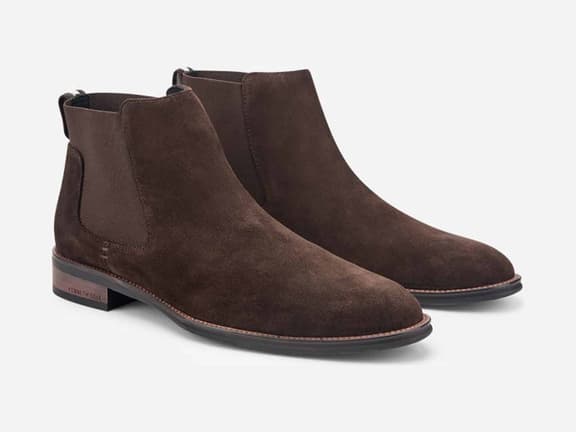
Suit up. This isn’t just for the benefit of your date or the other diners; it’s also for yourself. There’s no need for top hat and tails, but a simple, elegant suit or smart casual blazer and clean denim look are expected, and nicely polished shoes won’t go amiss either. Check the venue’s dress code beforehand if you’re unsure.
Nobody wants to see your legs, so don’t even think about what constitutes “smart shorts”. Activewear of any kind is criminal. The clothes make the man, so to be the perfect gentleman dinner guest, dress like one. Remember, this is a special occasion place for most, so respect it as such and you’ll fit right in.
3. Relax and Enjoy It
You’ve confirmed your booking, donned some fresh daks and arrived on time. Your work is almost done. Once you step into the dining room, the restaurant’s hospitality standards will come into play and you, the guest, will be looked after. Let them take your coat upon entry (take your wallet out first; you’ll need it in about three hours).
You’ll be offered still, sparkling or tap water. Pick one, and watch in awe as different servers somehow top up the correct water for different diners all evening (fun fact: they use maps in discreet locations to communicate who’s drinking what). Once you’ve been sat, settle in for a couple of decent hours of gastronomical excellence.
4. Master Napkin Etiquette
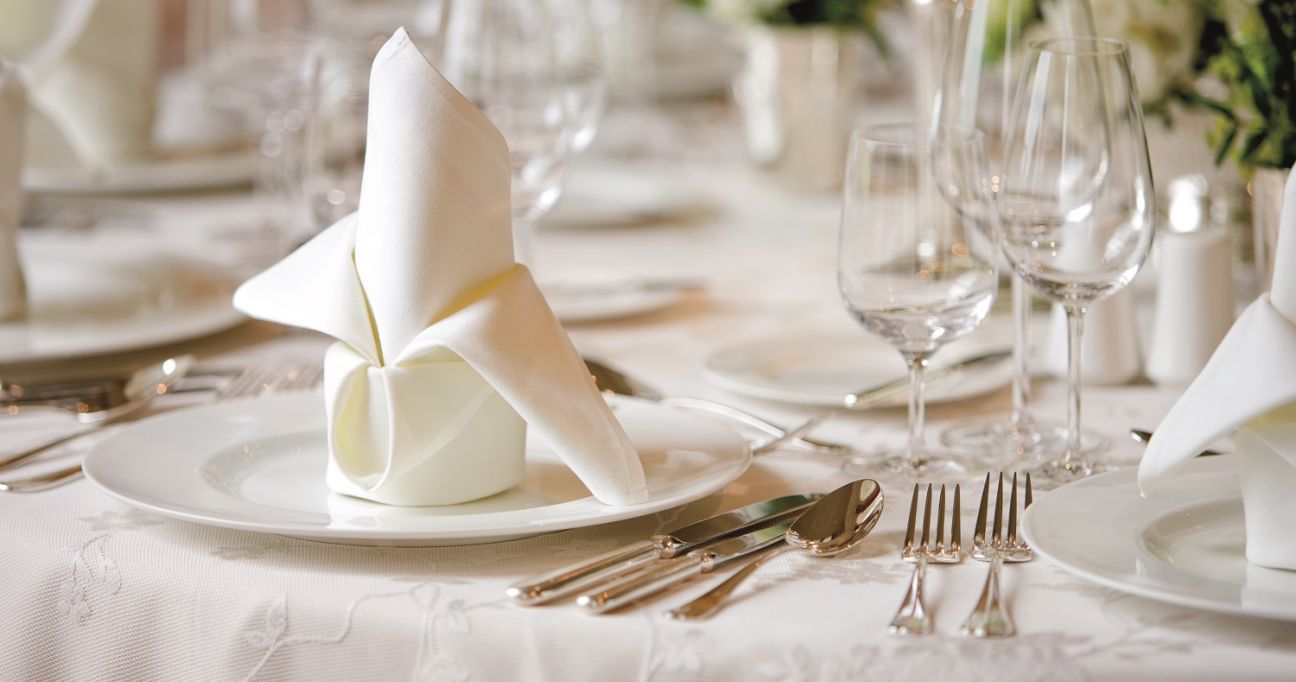
The staff will place the napkin on your lap at the start. When you use the restroom, simply place it on the table next to your plate and it’ll be neatly folded upon your return. If you need a fresh one, just ask.
5. Communicate With Your Server
Your server is your ticket to an amazing evening and can make or break a hot date, so be nice to them. They’ll introduce themselves, give you a quick rundown on what to expect, and then ask if you have any allergies, intolerances or dislikes. This should ideally be communicated upon booking, but if you don’t already know the difference between an intolerance and an allergy, then you’re probably not anaphylactic.
Be honest about your needs, within reason. If you say you’re allergic to things you simply don’t like in the hopes of avoiding them, you’ll get a very different dinner made on the fly by a frustrated chef. You’re here to try new things, so live a little.
The Don’ts of Fine Dining
6. Keep Your Phone in Your Pocket
Whether you’re here to lock down a business deal or you’re taking your partner out for a fancy feast, there is no place for your smartphone at the dinner table. Make eye contact and engage your guests the old-fashioned way, with dazzling conversation and your razor-sharp wit. One quick photo of the food is acceptable. Scrolling through Instagram between courses is not.
7. Don’t Fake Allergies
This bears repeating because it happens constantly. Telling a kitchen you’re allergic to an ingredient you simply dislike forces them to alter their entire preparation process, potentially ruining the flow of the meal for everyone. If you genuinely don’t eat something, say so. Chefs are far more accommodating of honest preferences than fabricated emergencies.
8. Don’t Drunkenly Signal for the Bill
Scribbling your signature in the air to signify that you’d like to pay is not an acceptable practice in any culture. Simply catch your server’s eye and ask. Good restaurants have the bill ready the moment desserts are ordered, so there’s rarely a wait.
Your Guide to Wine at a Fine Dining Restaurant
The person who helps with your wine for the evening is called a sommelier. It’s possibly the most first-world job on the planet, and discussing the subtle differences between a left-bank and right-bank Bordeaux isn’t everyone’s idea of quality conversation, so stick within your comfort zone. If you don’t know what you want and you’re not driving, go for a wine pairing. You’ll get a new glass with each course, and there’s no shame in not finishing every last drop.
If you’d prefer to order off the list, tell the sommelier what style of wine you normally enjoy and roughly how much you’d like to spend, then let them do the rest. When they pour that small tasting amount, don’t drink it. It’s so you can ascertain whether the bottle is corked (a chemical taint occurring in about one per cent of wines sealed under cork) or oxidised. Your sommelier will have already checked this themselves, so it’s really just a formality. If you’re a wine buff, simply nose the glass and nod. Otherwise, just ask them to pour.
Table Manners at a Fine Dining Restaurant
Bread Etiquette
Bread is usually served shortly after arriving. Your bread plate is the one directly to your left. Butter is provided but often unsalted, so don’t be afraid to add some. Take a dab from the communal pat and place it on your plate. If bread is served in the centre of the table, offer it to your left before taking some and passing it right.
If it’s a bread roll, use your hands to break it (don’t embarrass yourself trying to slice sourdough with the butter knife; it never ends well). You may eat bread as soon as you’re seated, and it’s not impolite to ask for more, provided everybody has been offered some. Tear off one piece at a time and butter it as you go.
Eating Etiquette
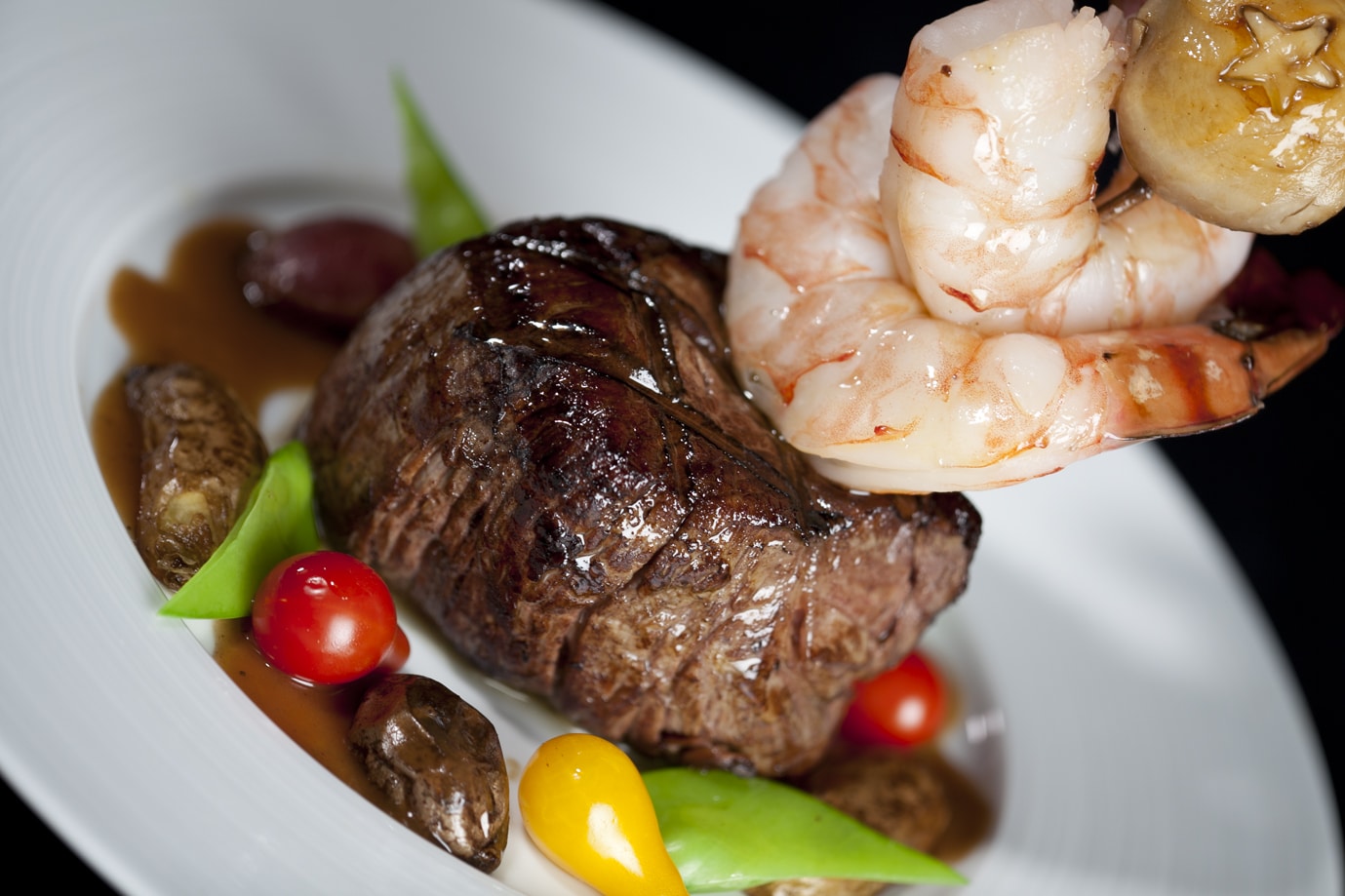
Fork on the left, knife on the right (if you’re left-handed, a good server will have picked up on that and set your cutlery accordingly). Elbows off the table, close your mouth when you chew, don’t make noises, and never lick your knife. Good table manners are second nature to most but especially sacred in a restaurant, so be mindful and everyone will be quietly appreciative.
Cutlery Guide
If you have multiple sets of cutlery laid out, don’t despair. Always start from the outside and work your way in. During the meal, neatly cross your knife and fork with the handles resting just over the edges of your plate. Once you’ve finished eating, place them facing the same direction at five o’clock on the plate. This also signals to your server that they can clear.
Tipping at Fine Dining Restaurants in Australia
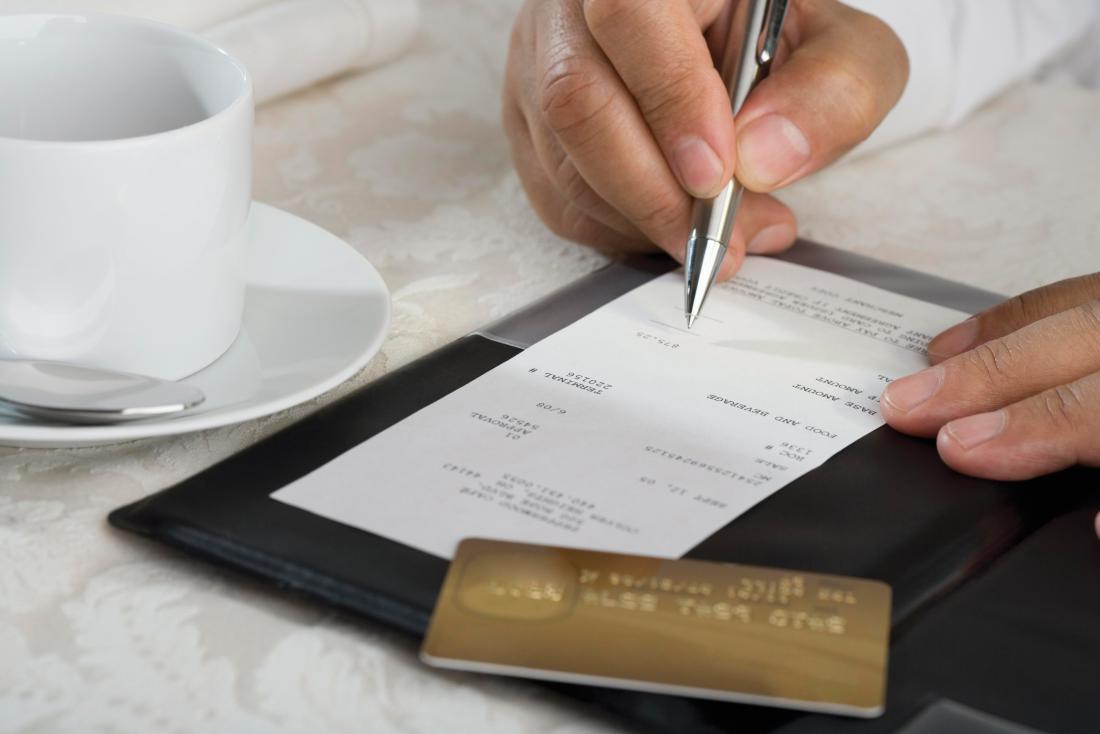
While tipping isn’t as common in Australia as it is in the United States, it is still customary to reward good service. Your server at a high-end venue gets paid about the same hourly wage as somebody on the counter at Maccas, yet they’re expected to remember every ingredient in over a dozen dishes, a plethora of different cheeses and wines, and your name. Ten per cent of the bill is an acceptable amount for a good night’s service.
Final Advice for Fine Dining
If there’s one last piece of advice, it’s this: enjoy yourself. For the price of a new pair of RMs, you get a host, manager, server, food runner, bartender, sommelier, chefs and support staff, all highly trained in their respective roles for the sole purpose of ensuring everybody has the best possible time. Take a load off, let them look after you, and armed with the above knowledge, you’ll no doubt be their favourite table of the evening.
Ready to put your new knowledge to the test? Check out our guides to the best restaurants in Sydney, Melbourne and Hobart to find somewhere worthy of the occasion.
Fine Dining Etiquette FAQs
A suit, smart blazer with clean denim, or cocktail attire is expected at most fine dining restaurants. Avoid shorts, activewear and open-toed shoes. Check the venue’s dress code beforehand if you’re unsure, as some places have specific requirements.
In Australia, 10 per cent of the total bill is an acceptable tip for good service at a fine dining restaurant. While tipping is not mandatory in Australia as it is in the United States, it is customary to reward attentive service at high-end venues.
Fine dining restaurants typically offer degustation menus of around ten courses with matched wines, provide fresh cutlery for every dish, change menus daily based on market availability, and employ significantly more staff per guest than casual venues. Casual dining is more relaxed in both service and dress code.
No. Keep your phone in your pocket throughout the meal. One quick photo of the food is generally acceptable, but scrolling, texting or taking calls at the table is considered poor etiquette and disrespectful to your dining companions and the staff.



















Comments
We love hearing from you. or to leave a comment.