

Updated:
Readtime: 5 min
Every product is carefully selected by our editors and experts. If you buy from a link, we may earn a commission. Learn more. For more information on how we test products, click here.
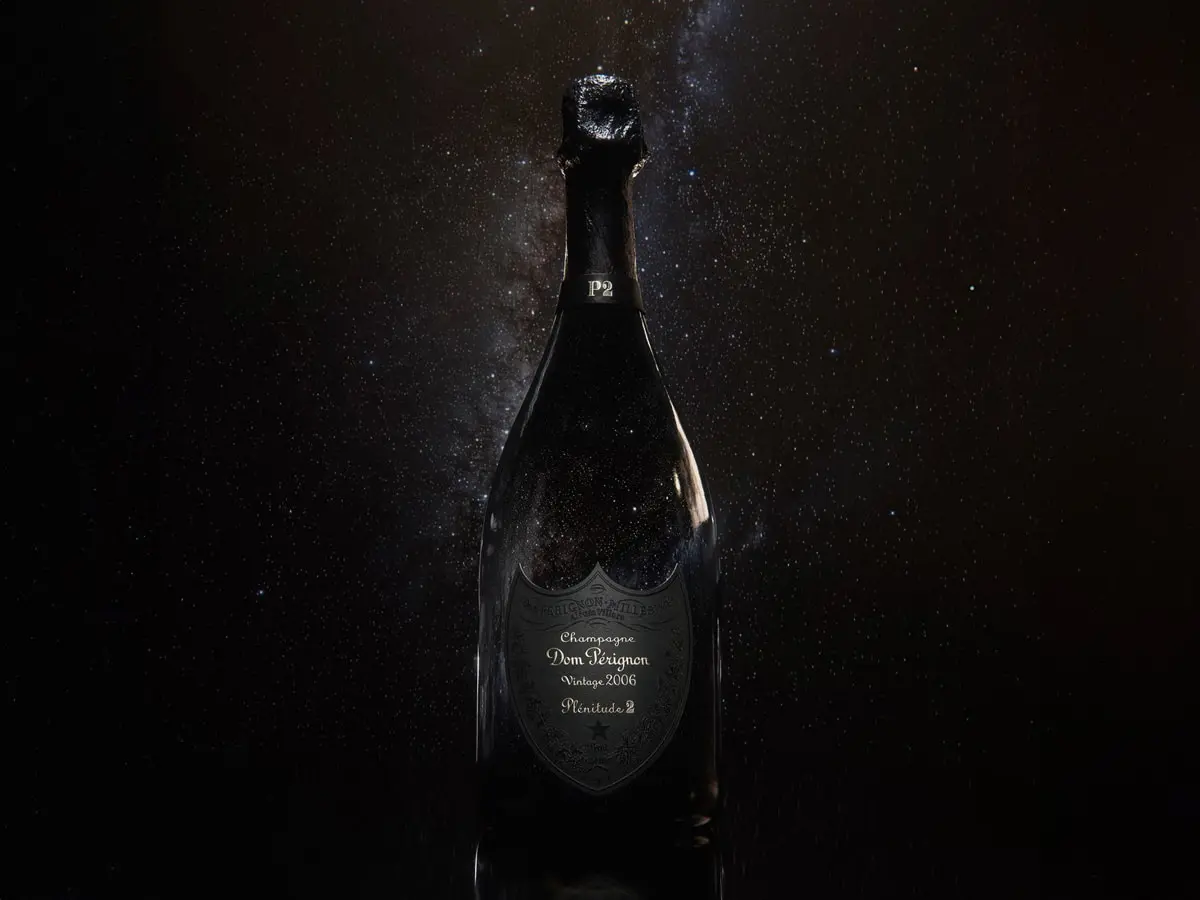
Time is often considered a constraint to be managed. However, within the cellars of Dom Pérignon, its passage is viewed differently. Rather than an enemy, it’s a raw material; an active ingredient as vital as the Pinot Noir and Chardonnay grapes harvested from the maison’s Grand Cru vineyards.
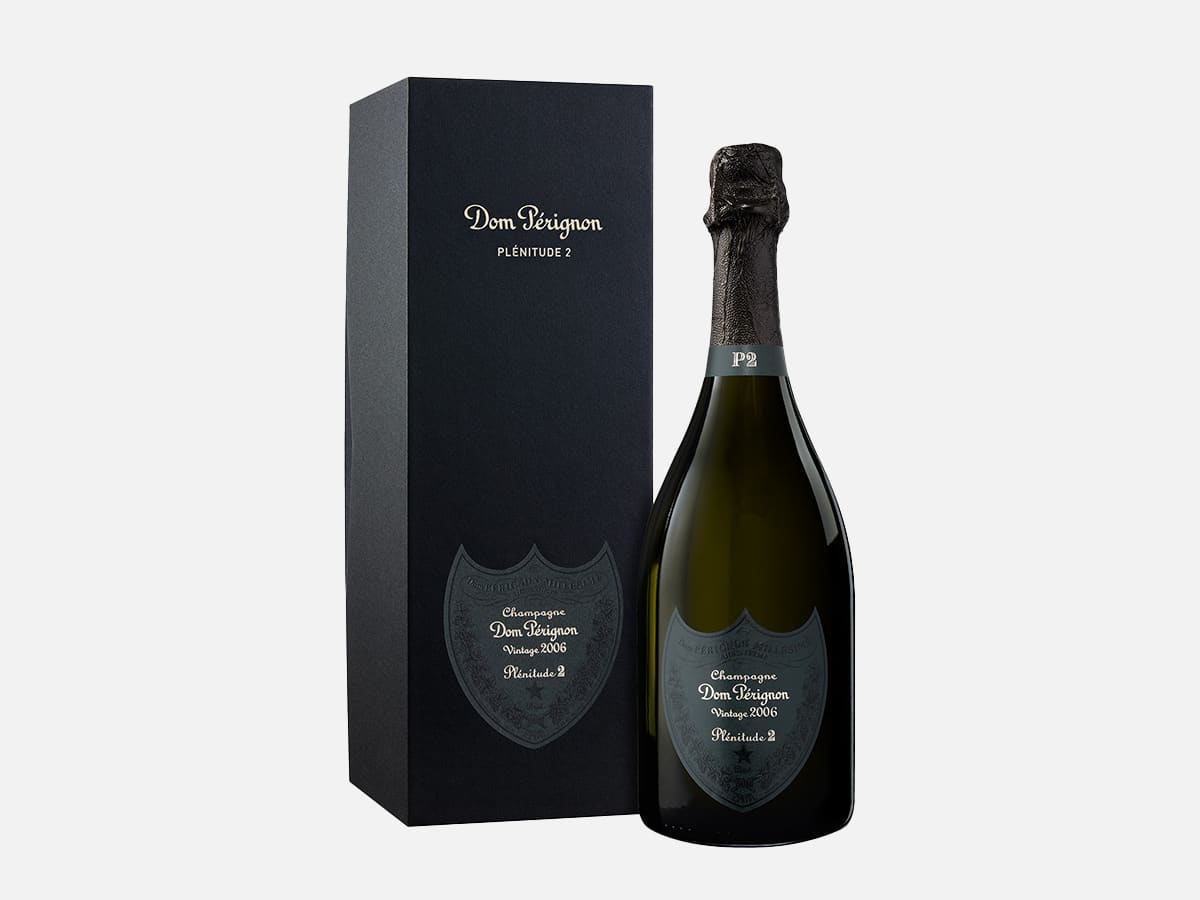
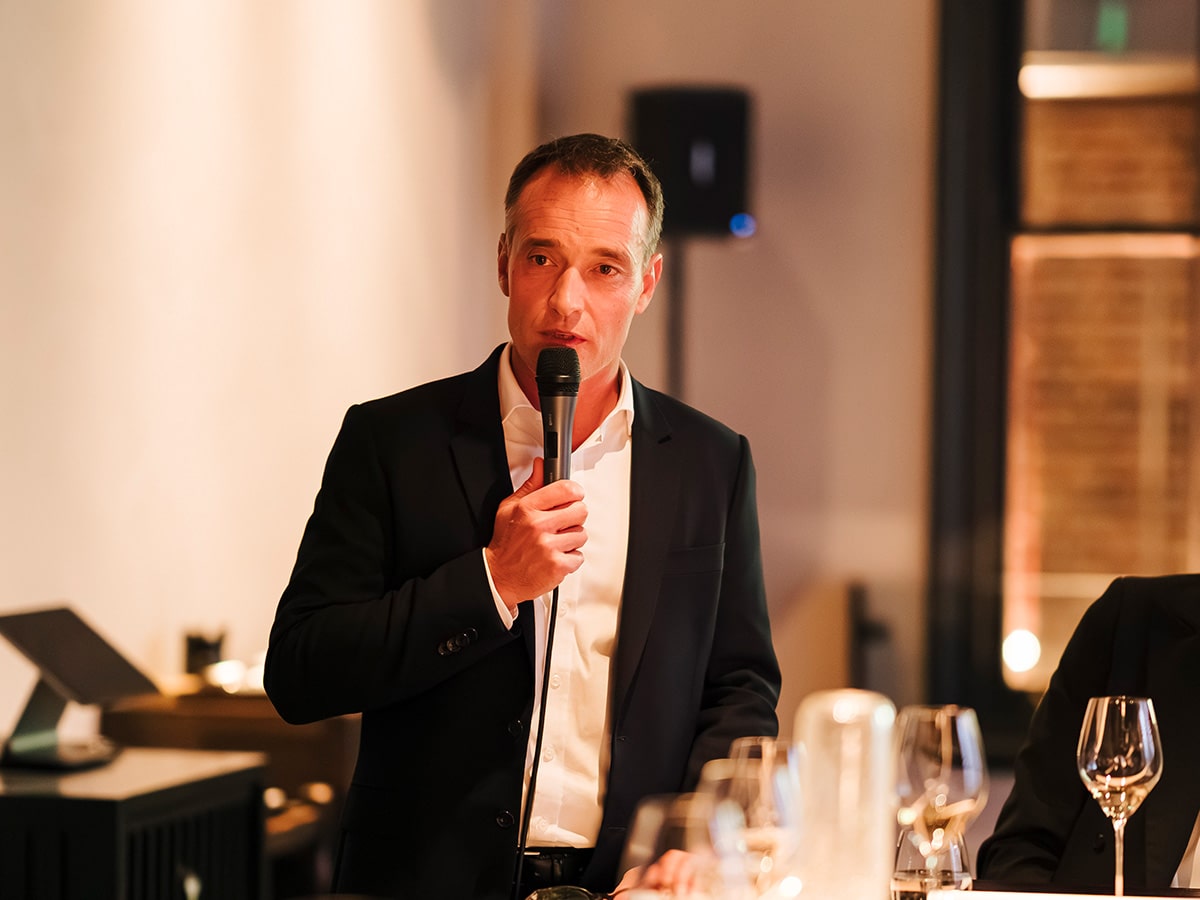
A recent conversation with Dom Pérignon’s Project Director, Jean-Baptiste Terlay, shed some light on this philosophy. Following the launch of the Vintage 2006 Plénitude 2 champagne, Terlay explained its release was not merely the resurfacing of an old wine, but the unveiling of a second life, and that to understand this, one must first grasp Dom Pérignon’s perspective on time as a series of active transformations.
The Fourth Dimension of Winemaking
For Terlay, the modern world often forces us to “touch with distance”, prioritising digital experiences over physical connection. Dom Pérignon counters this by obsessively focusing on the friction, weight, and physical form of the wine on the palate, or as Terlay calls it, the “tactile dimension”. Time is the fourth dimension that shapes this tactile destiny.
This is the essence of the Plénitude concept. While Dom Pérignon is always a vintage champagne (made from the grapes of a single year), a limited number of bottles are held back in the cellars for extended maturation on lees. This patience unlocks distinct windows of expression, or “lives”, for the wine:
- P1 (Vintage / Plénitude 1): The first window of expression, released after about 8 years.
- P2 (Plénitude 2): The “second life”. After close to 15 years, the inner activity in the bottle increases, fueled by the energy transferred from the yeast to the wine, creating a moment where the wine rises to a “peak of essential, radiant vitality”.
- P3 (Plénitude 3): The third window, occurring decades later.
The Monk and the Scientist
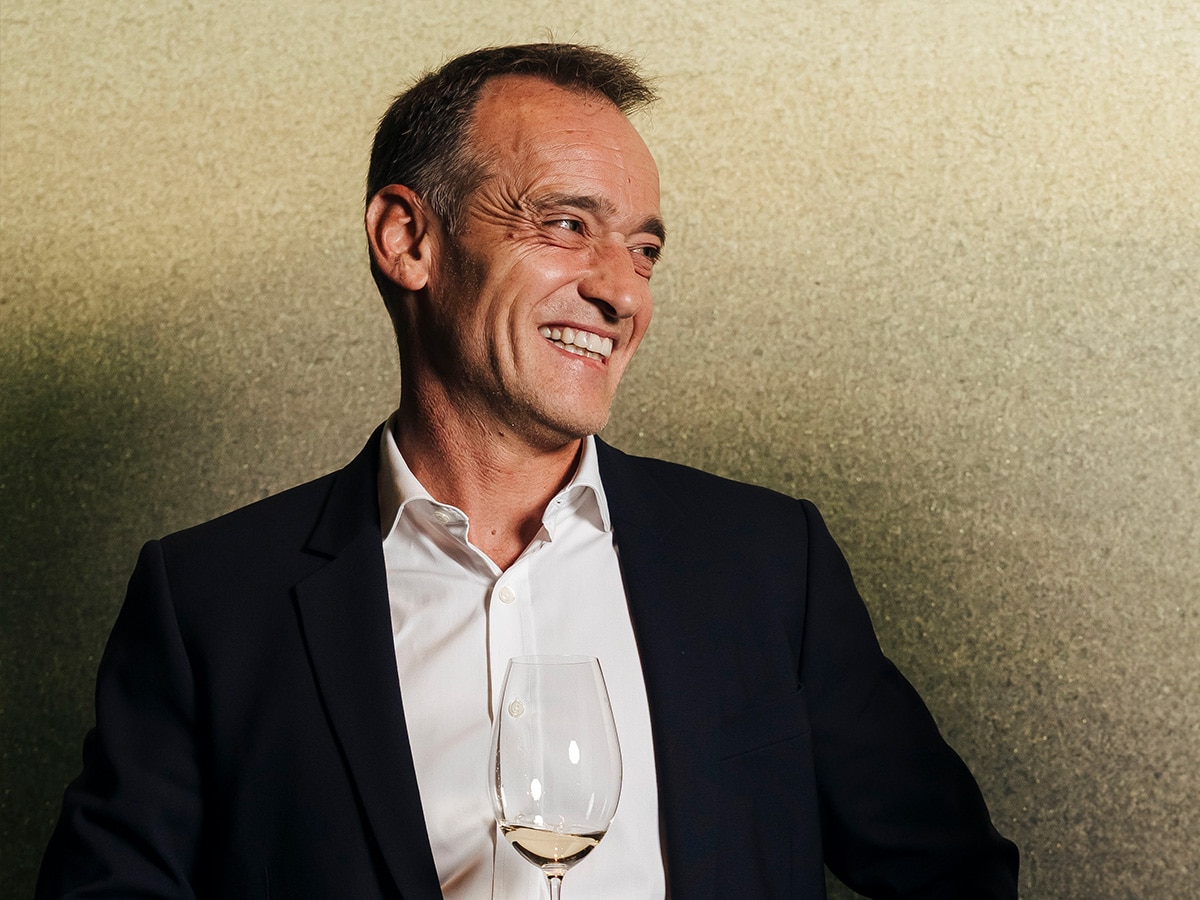
Each bottle of Dom Pérignon requires an interplay between technical precision and an almost metaphysical element, both of which are embodied by Terlay himself. Born to a physician mother and a museum curator father, Terlay describes his winemaking approach as a synthesis of two worlds: “data, physics, and science” on one hand, and an openness to “creation and nature” on the other.
This duality mirrors the legacy of Dom Pierre Pérignon. Terlay notes that because the maison still carries the name of a monk, the “spiritual father of Champagne”, the work is held to a standard beyond just technical perfection. It requires a “spiritual perfection” that Terlay views as an intention and “way of doing things” that transcends mere results.
“You are not working the same way when you are influenced by a monk,” Terlay laughs. He explains that with over 325 different vineyard plots, a static recipe is impossible. Instead, the winemaker must act as a bridge between scientific rigour and artistic intuition to find “harmony”.
Vintage 2006 Plénitude 2: An Ode to Patience
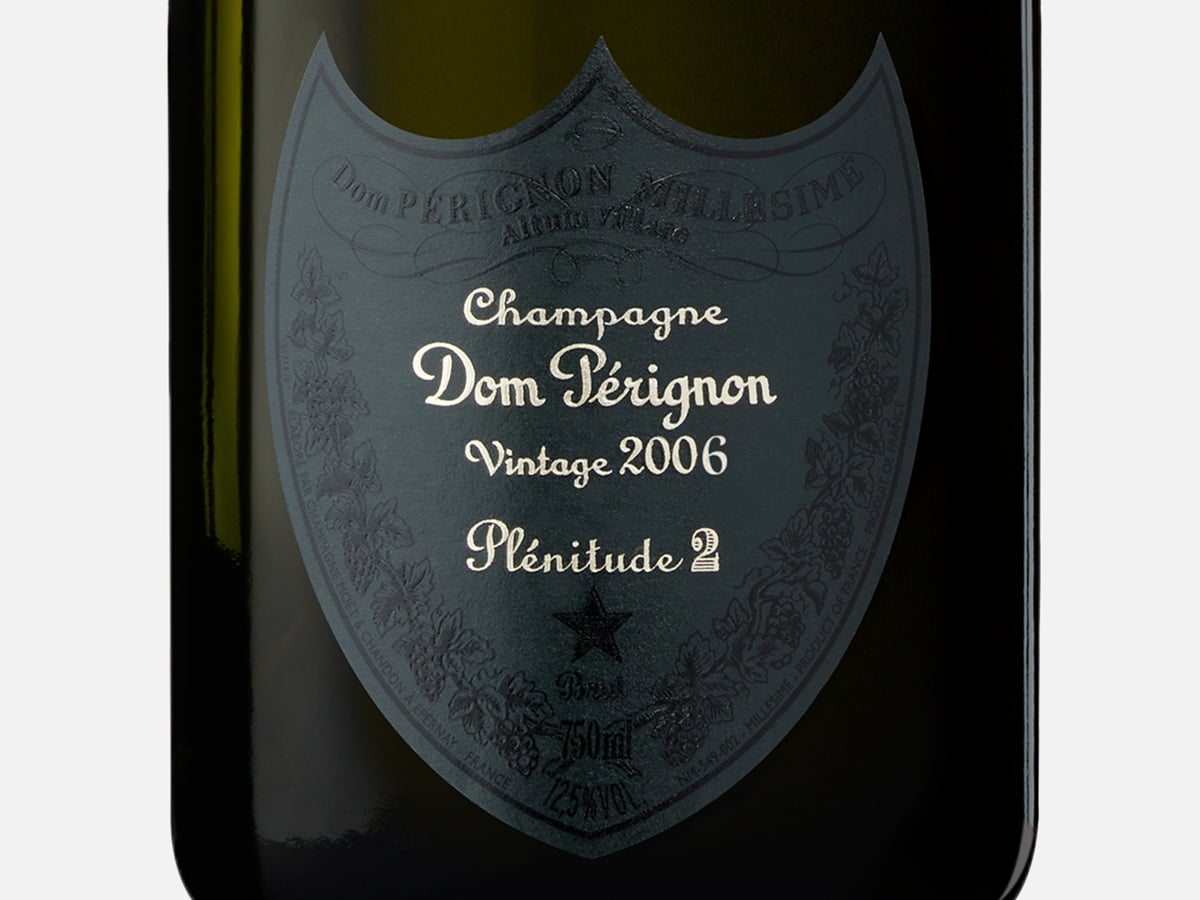
The 2006 vintage was born from a year of meteorological contrasts. It was a hot, almost tropical year with alternating periods of sun and rain. Upon its initial release, the maison described the 2006 vintage as “voluptuous, round, and enveloping”. However, the Plénitude 2 expression of 2006 is a transformation. After seven additional years of maturation, the wine has become “streamlined”.
The Nose: It opens with notes described by the maison as “heirloom pêche de vigne peaches, citron, calisson candy and mocha”.
The Palate: The mouthfeel is now marked by a “saline tension” and a “delicate gastronomic bitterness” that brings precise balance to the generous ripeness of the year.
When Terlay describes this transformation, he speaks in terms of architecture rather than just flavour: “When we talk about the space of the wine, you can imagine the form.”
He compares it to other vintages to illustrate the physical shape. Where a hot, dry vintage like 2015 might feel “flat and large,” or a high-acid vintage like 2008 feels “round, but very long,” the 2006 P2 occupies the mouth like “a big sphere”. It is a layered, evolving signature that reveals itself slowly over the course of the tasting.
A Vision for the Next Generation
Perhaps the most striking takeaway from Terlay is the scale of time he operates within. “When I’m planting a vineyard today… it’s for 50 years”. A vine planted today might not produce grapes for a Dom Pérignon vintage for ten years. If that wine becomes a Rosé, it waits another 15 years.
“So from planting to the wine is 25 years,” Terlay muses. “It’s a generation.”
In a world of instant gratification, Dom Pérignon demands patience. Whether it is the “Champagne Miracle” of 2008 or the “streamlined” evolution of the 2006 P2, the goal remains the same. When asked what he wants people to feel when they drink these wines, Terlay’s answer is simple: “Happiness. Or joy. That would be the best thing.”













Comments
We love hearing from you. or to leave a comment.