

Updated:
Readtime: 17 min
Every product is carefully selected by our editors and experts. If you buy from a link, we may earn a commission. Learn more. For more information on how we test products, click here.
There has been a real resurgence in recent years of people wanting to invest in wardrobe pieces and products that not only last a long time, but age with the owner, ending up with a unique garment. There are few better examples of this than raw denim, which denim heads [yes, we exist] describe as “a canvas that paints itself”.
Depending on the dyeing process, the goal for a lot of raw denim fans is to achieve fades that reflect how they live. In this guide, we’ll lay out what raw denim is, why it’s special, how to get the best results, what to look for, and how to find the perfect pair of jeans for any budget.
What is Raw Denim?
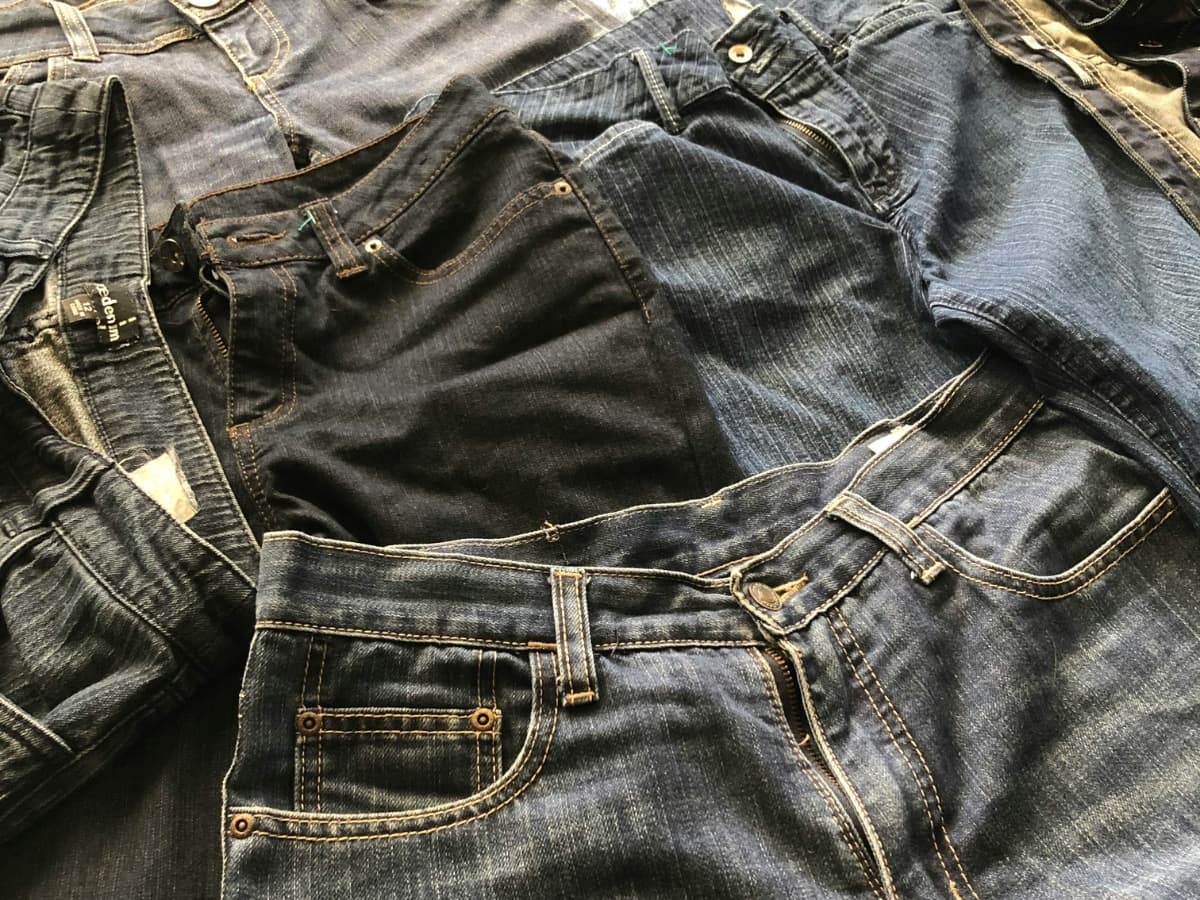
Raw denim, also sometimes known as dry denim, is denim that hasn’t been washed or aged before being sold. Most denim sold around the world is pre-washed or pre-aged, fading the denim, making it soft, and adding “whiskers” and other fades with lasers to simulate wear right off the rack.
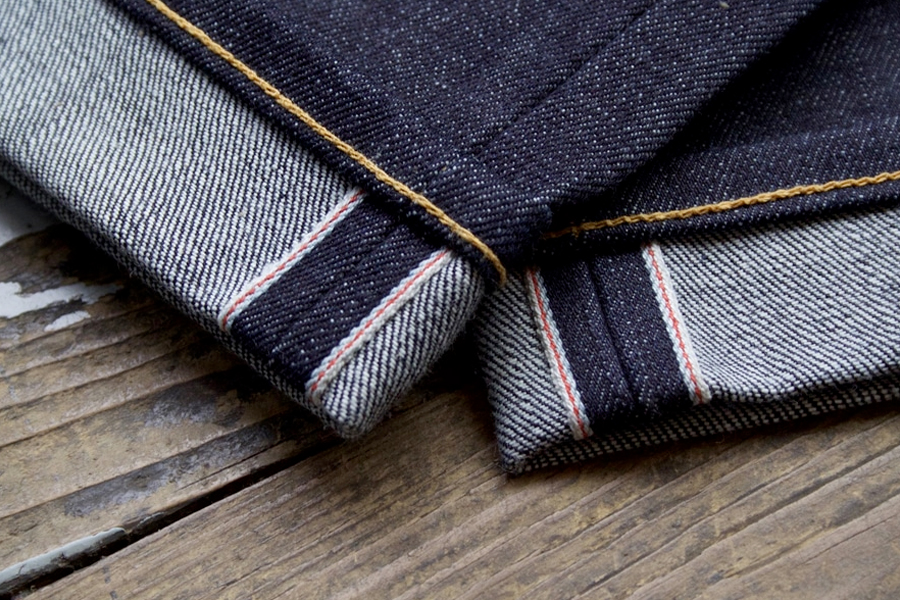
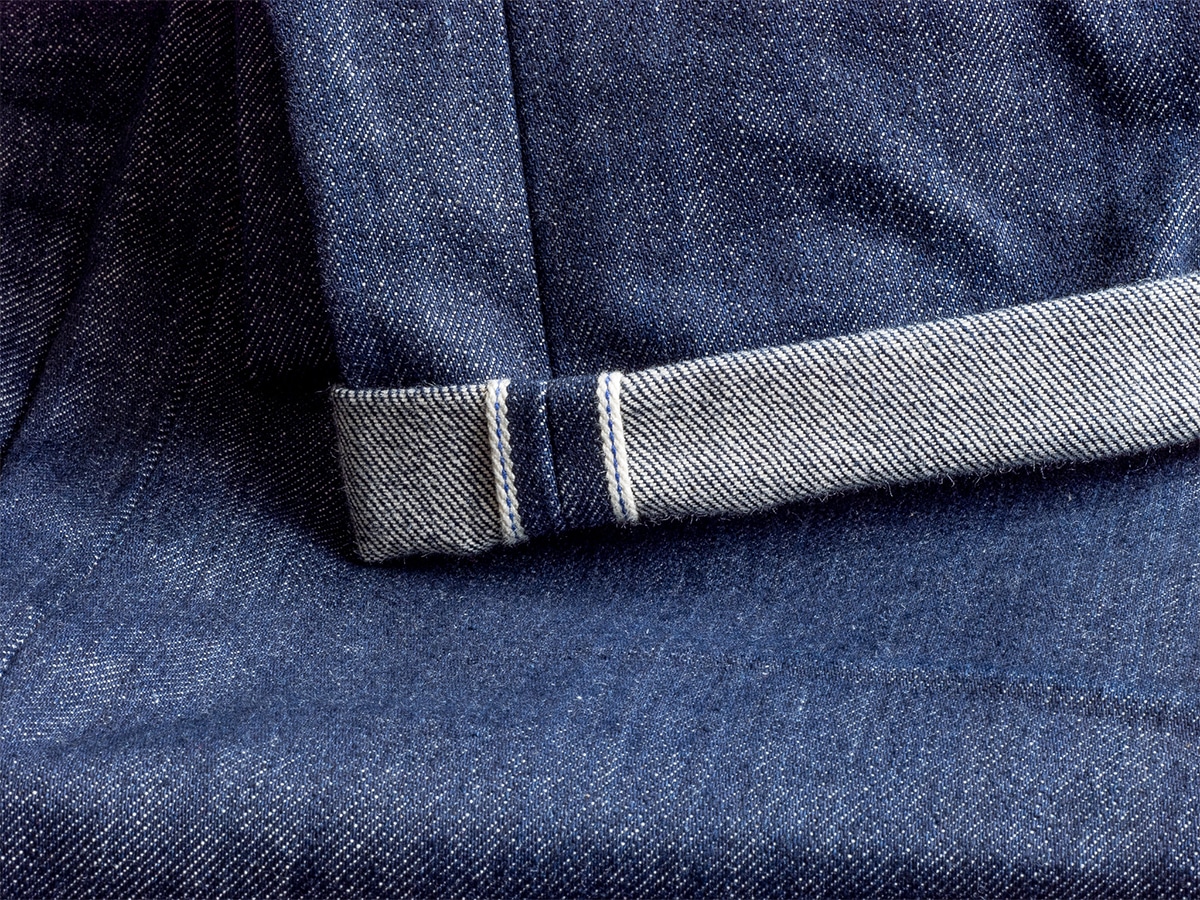
Raw denim generally starts out quite stiff with a very dark shade of indigo or black, and then fades slowly with wear. The main different types of raw denim are selvedge and non-selvedge. The difference largely comes from how the fabric is woven. Selvedge denim is special because it’s handmade on vintage shuttle looms.
A brief History of Raw Denim
Quick history lesson: before the early 1960s, pretty much all denim was made on these shuttle looms which create a self-finished edge as it weaves (hence the name selvedge). However, once projectile looms became more widespread, making it easier to mass produce denim, the vintage shuttle looms were sold off.
Those looms were largely bought by Japanese manufacturers who loved American workwear and continued to make said workwear in the traditional ways, to the point that now when even Levi’s makes lines of vintage reproductions, they’re usually made in Japan.
Selvedge is frequently better quality than mass produced denim due to the (often) tighter weave, and it is the more desirable fabric for denim heads. Selvedge is also a lot more expensive, because it’s a more labour intensive manufacturing process.
What’s the Appeal of Raw Denim?
The fades the jeans/jacket pick up on raw denim will tell the story of how you wear them, so if you spend a lot of time sitting down you’ll get whiskering across the hips and “honeycombing” on the back of the knee. If you walk/run a lot you’ll get a bit more wear on the thighs, and if you kneel down a lot you’ll get more knee and shin wear. If the jeans are a bit long, you can get “stacks” fading on the shin and calf.
The wear pattern is uniquely yours, and tells the story of how you moved and what you did while you wore them. Vintage vs high contrast fades and whether fades are essential There are two main types of fades that are desirable by denim heads: vintage and high contrast.
High contrast fades are ones that have clearly faded everywhere the jeans fold – so the whiskers at the hips, the honeycombing behind the knee, etc. Those are the fades that you have to avoid washing your jeans for. The advice goes that the harder you wear them and longer you put off washing your jeans, the higher contrast the fades because the dirt and oils that get trapped in the fabric will rub and slowly wear away the colour and cotton. Advice on time before the first wash ranges anywhere from 6 months to a year.
Vintage fades are a much softer effect, and are achieved through more frequent washing and softer wearing. You still see fading on the thighs, seat and usually knees, but they’re more gentle. People who wear their jeans a lot and wash them every week or two will see this effect come through pretty quickly.
You also don’t have to fade your jeans. Many denim heads get into the hobby for the fades, but some people just like a dark indigo pair of jeans. Non-selvedge brands that focus on the functional aspect of jeans over the fashion aspect, such as Wrangler Western, are designed to be more colourfast.
As for how to get fades? Wear the jeans. If you want fades fast, lighter weight denim will generally fade faster than heavier weight denim. Heavier weight denim will usually get more striking fades, though.
Weight
Denim weight is measured in ounces per square yard, reminding us all that it was an American staple first. Raw denim comes in a much larger variety of weights than pre-washed denim. Pre-washed denim is usually designed to be comfortable right away, so it’s generally around 8 or 9oz.
In raw denim, weight is classified roughly as:
- Under 12oz is lightweight.
- 12-16oz is mid-weight.
- 16oz+ is heavyweight.
Mid-weight is generally the best starting weight for getting into raw denim, because it’s a good “all season” weight, it will break in relatively quickly (my 14oz Dry Black Selvedge Steady Eddie II Nudie Jeans are almost broken in after two months of close to daily wear), and it’ll get good fades quickly.
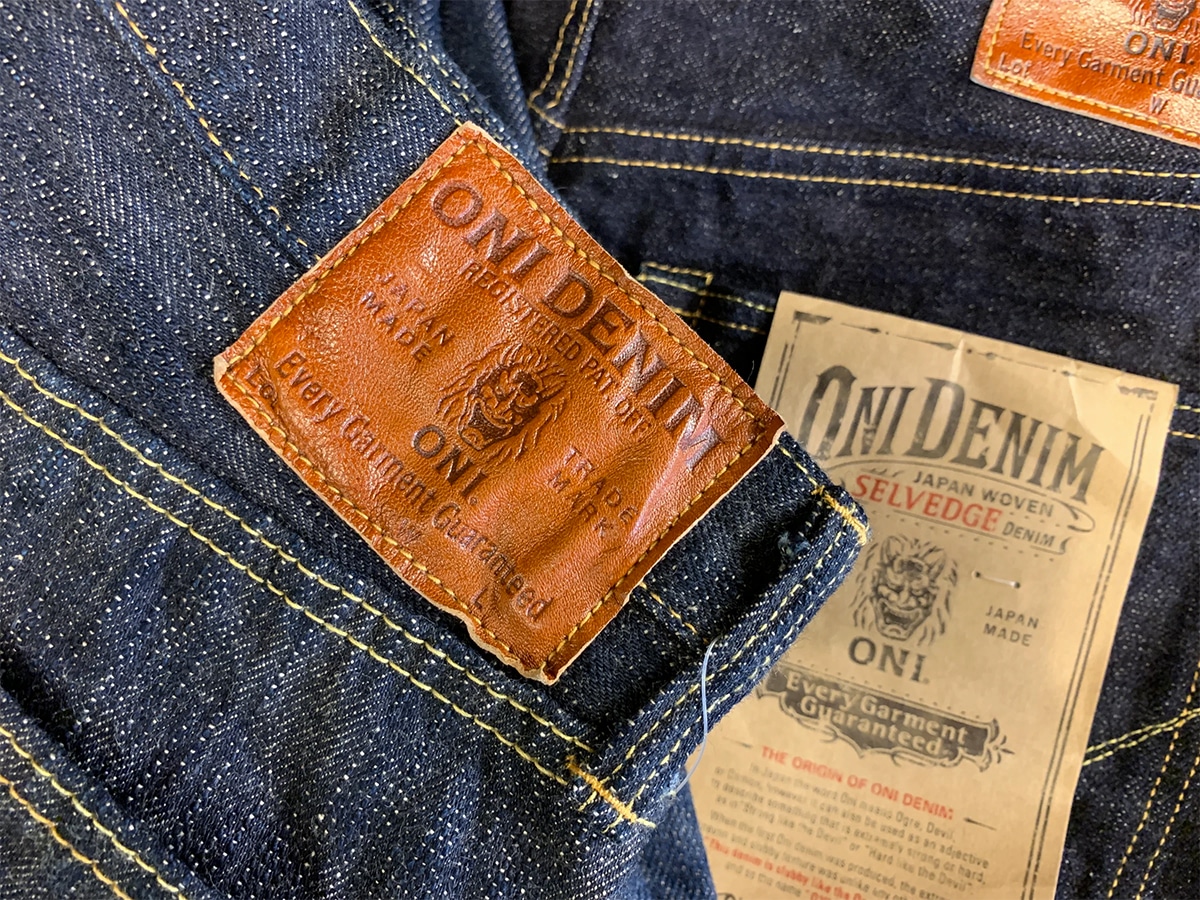
But it also comes down to the weave. Oni’s Secret Denim is 21oz, but it feels softer than most other jeans or jackets of the same weight because it’s got a looser weave. My Oni Bumpy Denim jeans are 17oz and felt soft and broken in from the first wear, though the waist still has stretching to do.
If you want heavier, Iron Heart jeans really defined heavy weight denim culture with its jeans designed for motorcyclists. The brand is best known for its 21oz and 25oz tightly woven denim that is beloved by faders.
There is also heavier, like SOSO’s 33oz ‘The Breaker of Legs” (not for the faint of heart) and Naked and Famous’ 40oz (which was more of a gimmick).
Key Raw Denim Terms
Warp
Warp is the vertical thread used when weaving denim (and other fabrics), traditionally the warp threads in denim are dyed indigo. In denim that’s less than 10oz there’s generally 2 warp threads to every 1 weft. In denim that’s 10.5oz or more, there will be a 3:1 ratio.
Weft
Weft threads are the horizontal thread when weaving fabric, often the weft are left undyed, which is why the inside of some jeans are closer to white. Some brands will occasionally release different coloured wefts (like purple, brown, olive) which then look really interesting as the jeans fade.
Slub
Slub refers to uneven thickness in the cotton warp thread used for weaving the denim. Slubby jeans get a textured look due to the added thickness in parts of the cotton, which changes the way they feel and the way they fade, usually in interesting ways. Some examples of this are the Pure Blue Japan “Extra Slub” Denim , Oni Kasuri Denim and Nudie Jeans Dry Dusk Selvedge .
Nep
Nep is similar to slub in the way that it changes the texture of the fabric, but it refers more to thread (or other small foreign objects) that protrude from the surface. My personal favourite example of this comes from Oni’s Crushed Concrete denim , but the Oni Nep Denim is (as the name suggests) another good example.
Sanforized/unsanforized
Sanforized basically just means pre-shrunk. It’s a chemical process that shrinks the fabric before it’s made into jeans. If a pair hasn’t gone through the sanforization process, then it’s usually “shrink to fit” and will shrink at least one size when first washed or soaked.
Some brands will “one wash” the jeans instead of sanforizing them. “One wash” jeans are often still technically raw denim, but it depends on a range of factors.
How to Care For Raw Denim
If you’re going for fades, washing raw denim is the most nerve wracking part, because if you do it wrong, you could potentially miss out on the effect you were going for and, worst case, overly shrink or otherwise ruin a pair of jeans that wasn’t just expensive, but has taken months of breaking in and effort. No pressure, though.
The first step is to find the balance. Any kind of arbitrary time of “wait six months/a year” is going to be unhelpful, because six months of daily wear for a farmer is going to be significantly grosser than six months of weekend wear for an office-working miniature train enthusiast, and then there’s a lot in between.
Jeans break down faster when they’re dirty, and when they’re washed too much.
You’re more likely to get crotch blowouts and breaks in creases if they’re not washed or soaked for months on end. But, if you want high contrast fades, delaying that first wash as long as possible is going to give you the fades you crave. You just need to be aware of the increased need for early repairs.
For sanforised/one-wash pre-shrunk jeans and subsequent washes of shrink-to-fit jeans you’ll get the best longevity from handwashing your raw denim in the sink, bath or large bucket:
How to Handwash Raw Denim:
- First, check the label. Yes, there is useful information on there.
- Turn them inside out (less dye loss, less risk of getting unwanted creases).
- Fill your receptacle with lukewarm water (hot water runs the risk of shrinkage, cold water is less effective).
- You can add half a cup of white vinegar and/or bleach free detergent without brighteners to kill bacteria.
- Agitate the jeans in the water, but don’t scrub or twist them because you’ll get unwanted creases and weird fades. Then leave to soak for around an hour.
- Rinse in cold water to get the detergent out.
- Get a dark-coloured towel and then get out excess moisture with the towel before turning it back out the right way and hanging to dry in the sun or shade.
Some people put their jeans in a spin cycle, but that can cause unwanted fades or extra dye loss. But look, sometimes in life, we just don’t have time to handwash our jeans. Yes, it’s fine to put your jeans in the washing machine, but there are some rules.
How To Machine-Wash Raw Denim
it’s fairly similar.
- Turn the jeans inside out.
- Put the machine on the “delicate” or hand wash” setting, and for the first couple of washes consider washing the jeans on their own or with other garments of the same colour, because there will be some dye loss.
- Add some bleach-free detergent for dark fabrics with the option to add some vinegar to the fabric softener compartment (particularly if wanting to preserve the dye on black jeans).
- Remove the jeans from the washing machine before it starts spinning, or do a max spin of 800rpm. Spinning will remove dye and runs the risk of adding fades or creases.
Unless you’re wanting to shrink and fade the jeans, and are OK with a “snake skin” kind of fade pattern, skip the dryer.
Should You Put Your Jeans In The Freezer?
We’ve all heard it before: Freezing your jeans somehow keeps them cleaner than washing them, without losing shape and colour. So, should you freeze your jeans to kill bacteria if they smell bad when you’re trying to extend the wash? You can, but it won’t do anything other than pause the bacteria growth. Your freezer at home almost certainly isn’t cold enough to kill bacteria.
You know how scientists keep finding bacteria that’s thousands of years old in the melting ice caps?
You can put your jeans into a steam wardrobe (like the LG Styler), but making them that warm and damp can be risky. And also, who has the time.
According to Tom Hardwick from Nudie Jeans, the best way to refresh your jeans between washes is periodically hanging them up on the washing line in the sunshine to air out, and spot cleaning anything you spill on them.
Major Raw Denim Brands
There are so many incredible brands that make raw denim, and there’s something for every budget. Here are five of our top picks:
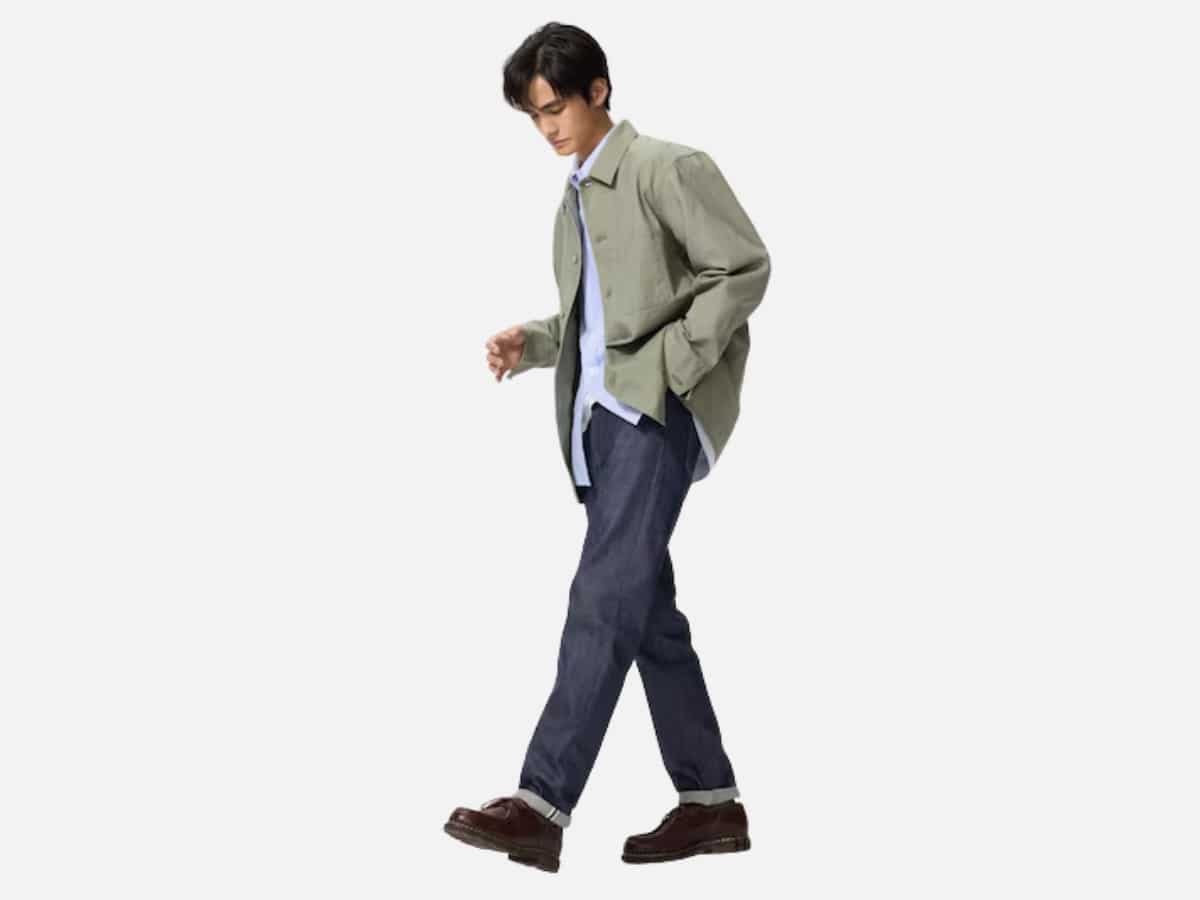
Best Budget Option: Uniqlo
Uniqlo has the most affordable raw selvedge denim option in Australia, with jeans starting at just $39.90 on sale, or $59.90 at full price . They have 2% elastane and thus are comfortable and soft to wear off the rack, but still have good fading potential for stretch jeans . I have a pair, and they felt instantly comfortable, if a little stiff, off the bat, and then they broke in very quickly.
In an interview with Man of Many, a Uniqlo spokesperson explained the brand’s approach to raw denim thus “Japanese denim has a reputation amongst jean lovers for being the best in the world and is a product category that Uniqlo takes pride in producing. Many of our jeans, including our selvedge denim, are made by Kaihara, a denim manufacturer in Hiroshima, who we have been in partnership with since 1998. Uniqlo approaches denim by starting with colour. Seeking a modern, processed look thats different from vintage, Uniqlo uses proprietary dyes – resulting in a much wider range of denim colours to express yourself.”
Using the Kaihara denim mills is significant, because Kaihara is one of the original denim manufactures in Japan, and is known for making extremely high quality denim, as well as denim for more mass market brands.
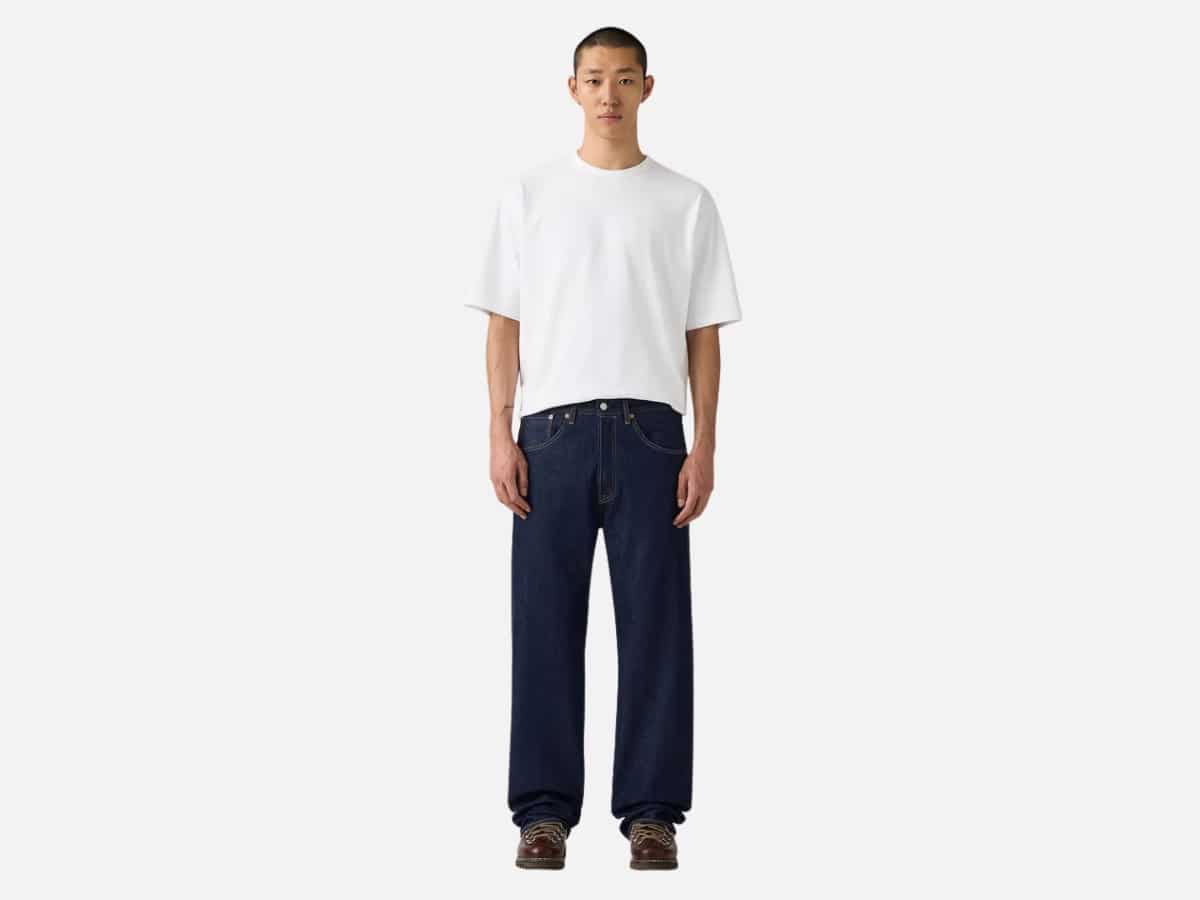
Best For Beginners: Levi’s
Levi’s invented jeans as a concept. Every single pair of jeans in the world is in some way based on the Levi’s 501, and it’s extraordinary to have access to that kind of heritage in department stores.
The brand has a wide variety of raw, selvedge and shrink to fit jeans, the best and most premium being the Blue Tab and Vintage collections. The Vintage collection is my personal favourite, because it showcases different cuts and eras of the 501s, and it’s so interesting to get that kind of insight into the history of an icon.
Paul ONeill, Design Director at Levi’s is particularly fond of Blue Tab.
“The Blue Tab collection is Levi’s most pinnacle expression of denim lifestyle, with a focus on elevation through fabric and construction. Filtering our Levi’s DNA through a modern lens, we create a balance of expected and unexpected. We use some of the best fabrics on the market, with thoughtful detailing and craftsmanship to ensure a high-quality product that will get better with age.”
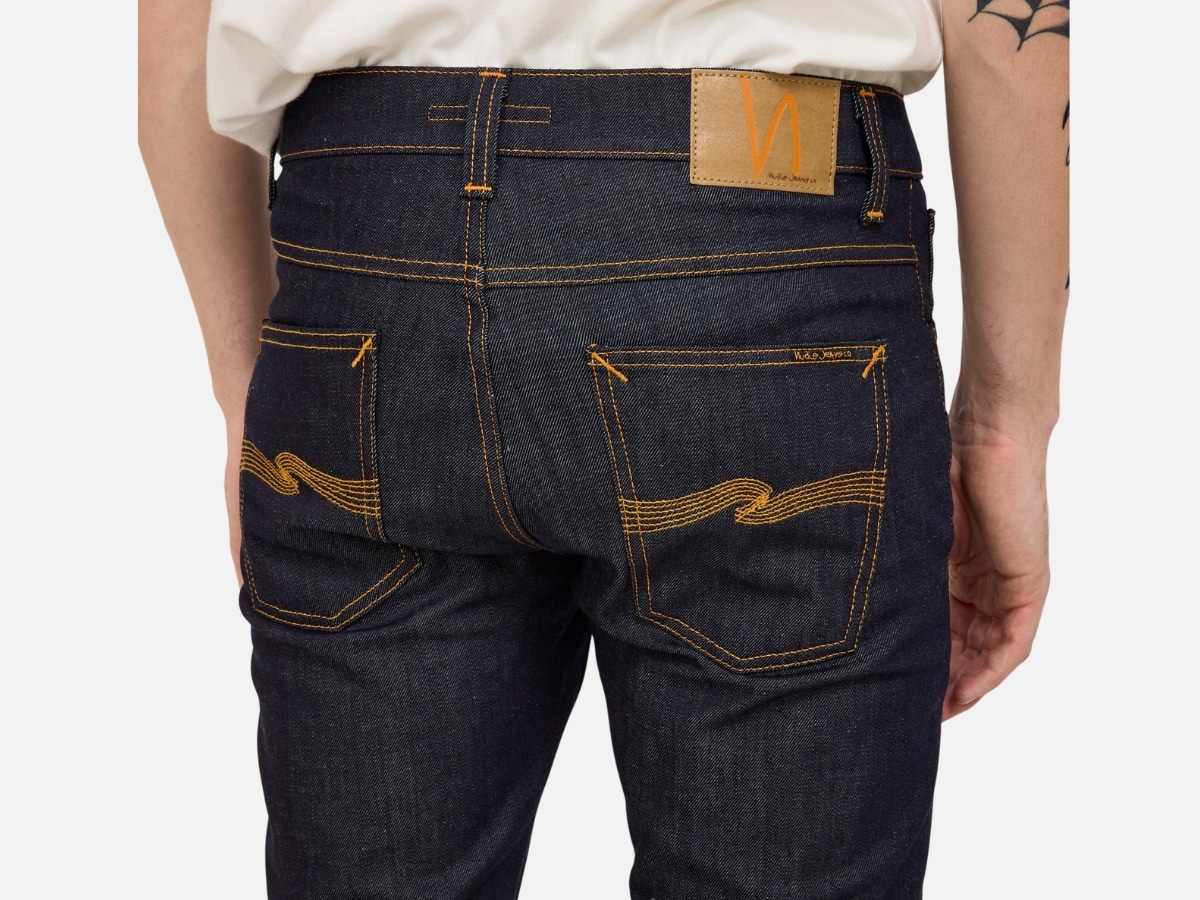
Best For Longevity: Nudie Jeans
We love Nudie Jeans’ philosophy of environmental friendliness and considering the future use of the company’s products, rather than just the creation and sale of the products. The brand has a wide range of fabrics and fits, with jeans designed to fade fast and some designed not to fade at all.
What really sets Nudie Jeans apart from other brands, though, is the commitment to free repairs for life on all Nudie Jeans at any Nudie Jeans repair store, regardless of whether you’re the first of fifth owner of the jeans. You could pick up a pair for $2 from the op shop and still get free repairs for life.
Nudie also offers a 20% discount if you trade in an old pair. A good cheat for that is to find a cheap pair of Nudies on Facebook Marketplace and then trade those in if you’re planning an expensive purchase. At full price the jeans range from around $250 to $600
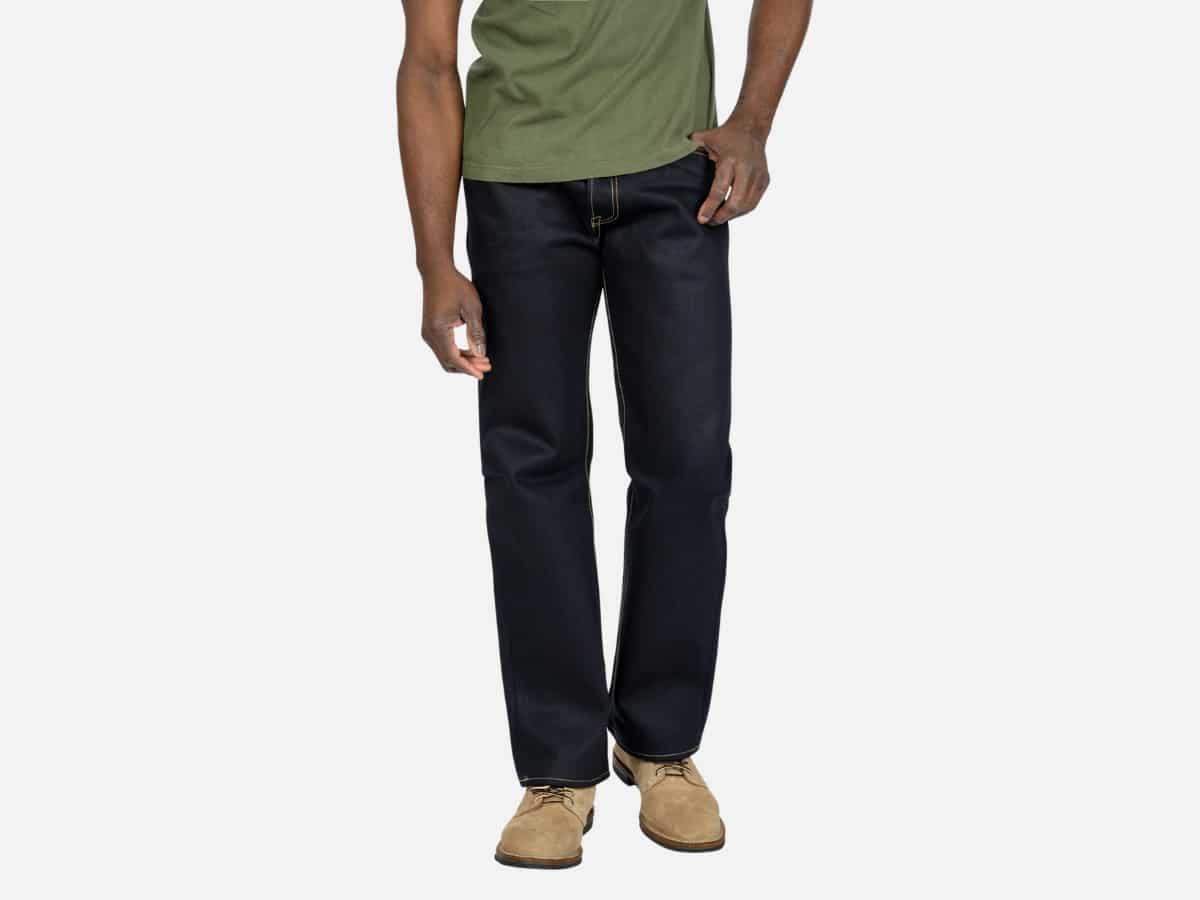
Best For Heavyweight Denim: Iron Heart
Iron Heart is a Japanese brand that specialises in making denim for people who ride motorcycles.
The emphasis is on durable, heavy, solid denim that lasts for ages. These are artisanal, high end jeans that are designed to withstand whatever you throw at them and reward you with interesting fades.
As mentioned earlier, Iron Heart pretty much created heavyweight denim culture, and the brand is highly sought after.
The jeans feel rough and heavy when new, and the break in takes a while, but it’s worth it. The jeans range in price from around $450 to $750.
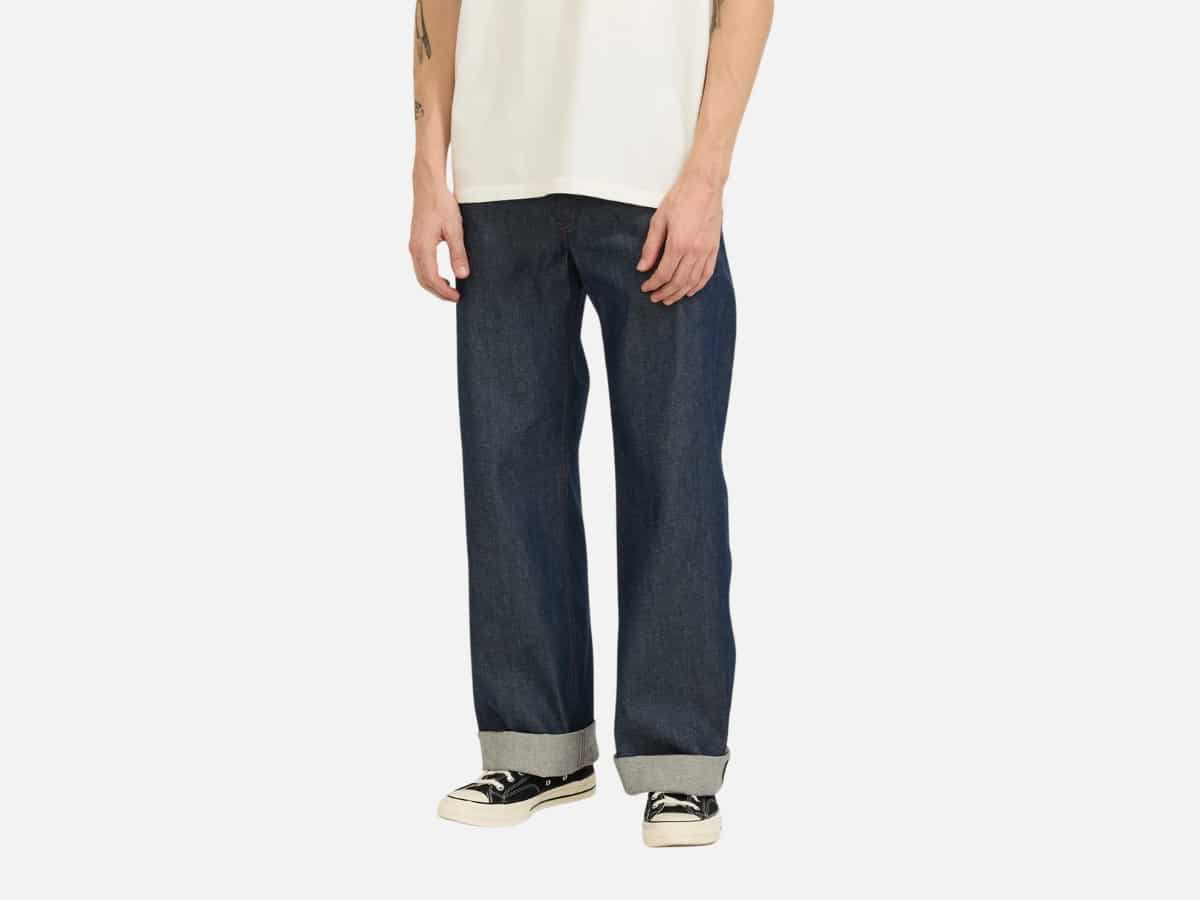
Best For Getting Creative Within The Genre: Naked and Famous
Love them or hate them, Naked and Famous aren’t afraid to get a little weird with denim, while still honouring tradition. The Canadian brand does all kinds of collaborations including Godzilla, Batman and various anime properties, as well as making comically heavy jeans (40oz) and hemp blends.
My personal favourite of Naked and Famous’ more out there ideas is its coloured core series, where the jeans faded purple , red or rainbow instead of white.
Raw Denim Brand Comparison: At a Glance
| Brand | Origin | Typical Weight | Fabric Type | Price Range (AUD) | Best For |
| Uniqlo | Japan/Global | 12oz – 13oz | Stretch Selvedge | $60 – $90 | Budget & Comfort |
| Levi’s (LVC) | USA/Japan | 12oz – 14oz | Heritage Selvedge | $150 – $400 | Beginners & History |
| Nudie Jeans | Sweden | 11oz – 15oz | Organic Selvedge | $250 – $600 | Sustainability & Repairs |
| Naked & Famous | Canada | 11oz – 40oz | Innovative/Experimental | $250 – $450 | Variety & Unique Fades |
| Iron Heart | Japan | 21oz – 25oz | Heavyweight Artisanal | $450 – $750 | Durability & Biker Style |
Common Questions About Raw Denim
Absolutely. Beyond the style factor, raw denim is the ultimate “slow fashion” investment. While a $300 pair of Japanese selvedge might seem steep, its cost-per-wear is significantly lower than fast-fashion alternatives. A well-made pair of 15oz jeans can last 5–10 years with repairs, whereas a cheap “distressed” pair often thins out and tears within one. Plus, in 2026, the sustainability angle is undeniable: you’re using less water by washing less frequently and investing in a garment that won’t end up in a landfill in six months.
Expect the waist to stretch between 0.5cm to 2.5cm over the first 20–30 wears. The rule of thumb: if they are “uncomfortably snug” (but not painful) in the shop, they will likely be “perfect” once broken in. However, remember that while the waist and hips stretch, the length (inseam) never does – in fact, it might shrink slightly after the first wash. If you’re buying unsanforized (shrink-to-fit) denim, always size up, as those will actually shrink by about 5–10% across the board.
Yes, but the “rules” are different from standard jeans. The beauty of raw denim is its deep, uniform indigo or black color, which – before it starts to fade – mimics the look of a tailored trouser. To pull this off in a professional setting, stick to a Slim or Straight taper and avoid high-contrast “fades” or heavy “slub” textures. For a business-casual look, pair crisp, dark raw denim with a tucked-in Oxford shirt and a deconstructed blazer. The key is the hem: either get them professionally tailored to a “no-break” length or use a clean, thin “double-cuff.” Avoid “stacks” (excess fabric bunching at the ankle) as they lean too far into streetwear territory for a boardroom.










Comments
We love hearing from you. or to leave a comment.