

Updated:
Readtime: 5 min
Every product is carefully selected by our editors and experts. If you buy from a link, we may earn a commission. Learn more. For more information on how we test products, click here.
- Porsche introduces a virtual eight-speed transmission for the electric Taycan model range.
- The new E-Shift technology mimics traditional engine braking and combustion shift dynamics.
- Base models now include the larger battery pack as standard factory equipment.
- North American charging standard ports arrive on the passenger side for convenience.
- Pricing starts at one hundred eleven thousand nine hundred dollars before delivery.
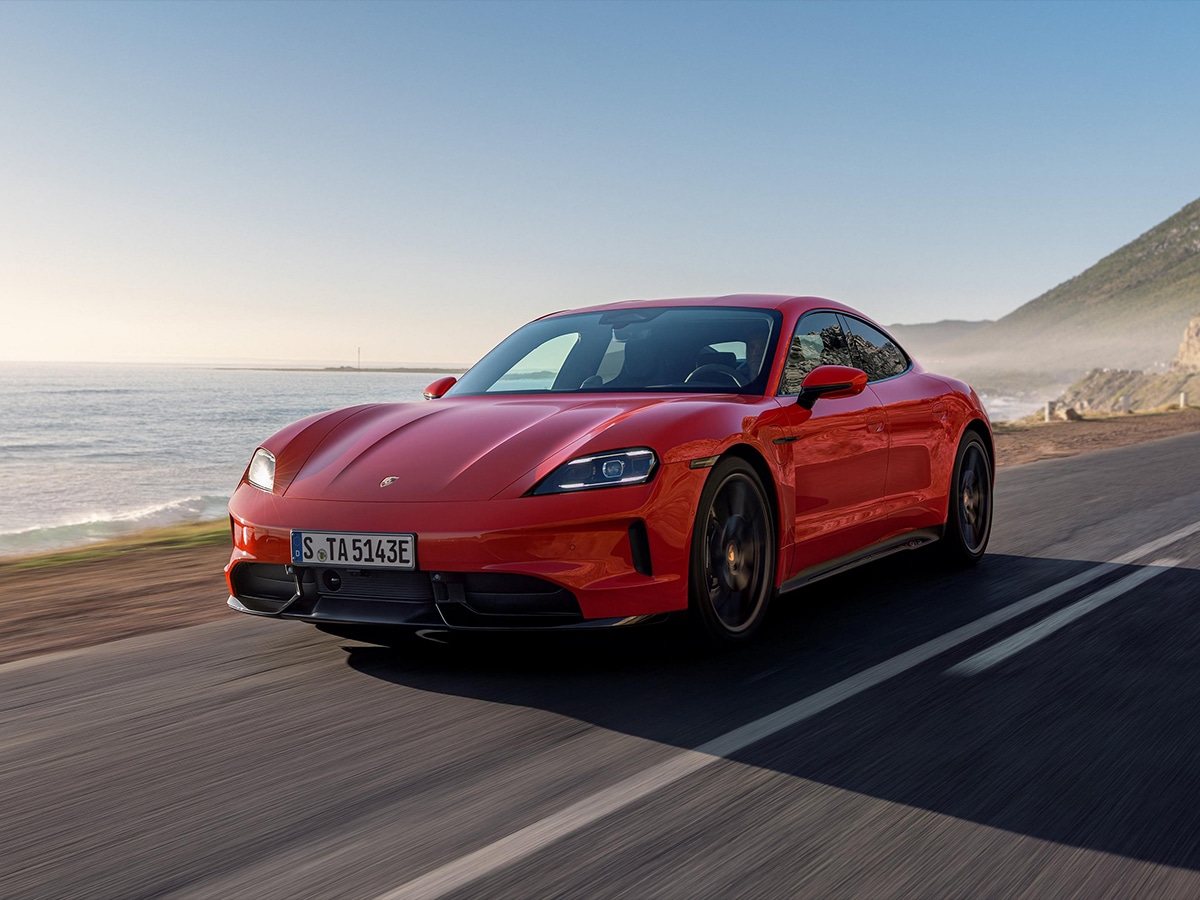
The performance electric vehicle market has reached a strange inflection point. Raw acceleration no longer impresses buyers on its own, and manufacturers now face the difficult task of injecting mechanical character into silent, heavy, battery-powered vehicles. Modern enthusiasts demand engagement over simple straight-line speed, and Porsche has addressed this directly with the 2027 Taycan model line.
Porsche has introduced an E-Shift system that simulates an eight-speed transmission that works very much like the system found in the Hyundai IONIQ 6 N and IONIQ 5 N. While the base model now carries a starting price of USD$111,900 (no local price announcement), the real surprise lies in the engineering effort required to replicate combustion feedback.
We’ll explain the system in full detail below, but it essentially adds simulated engine braking and a virtual rev limiter to the vehicle. By doing so, it adds the visceral feedback often missing in competitors like the Tesla Model S Plaid or the Audi RS e-tron GT. Finally, the new model line-up will make the 105 kWh battery standard on base models, but there’s no word on whether that change will make its way to Australian-delivered models. Let’s take a closer look at the new Porsche Taycan line-up!
| Specification | Details |
| Engine / Power | Electric / 105 kWh Performance Battery Plus (Base, 4, 4S) |
| Transmission | Virtual 8-Speed E-Shift |
| Max Charge Rate | 320 kW (800-volt DC) |
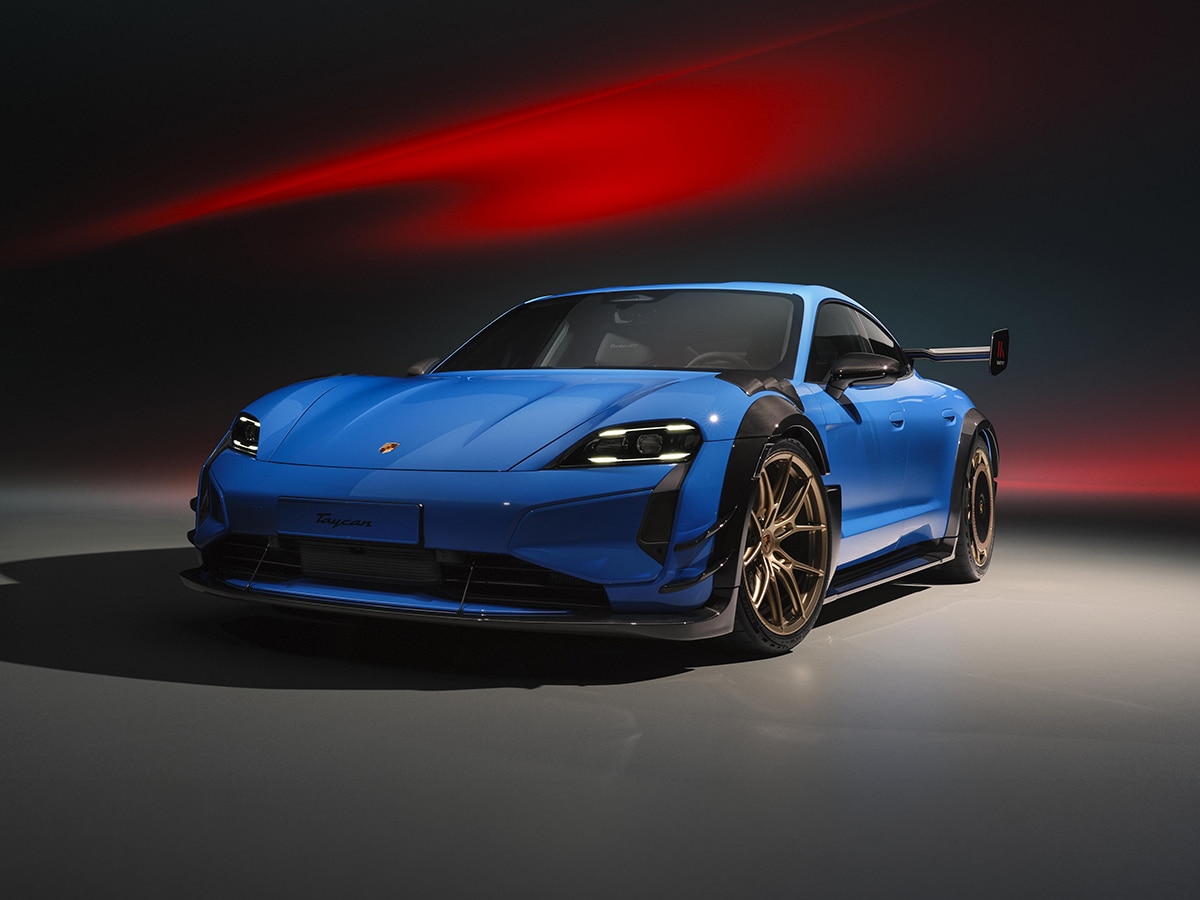
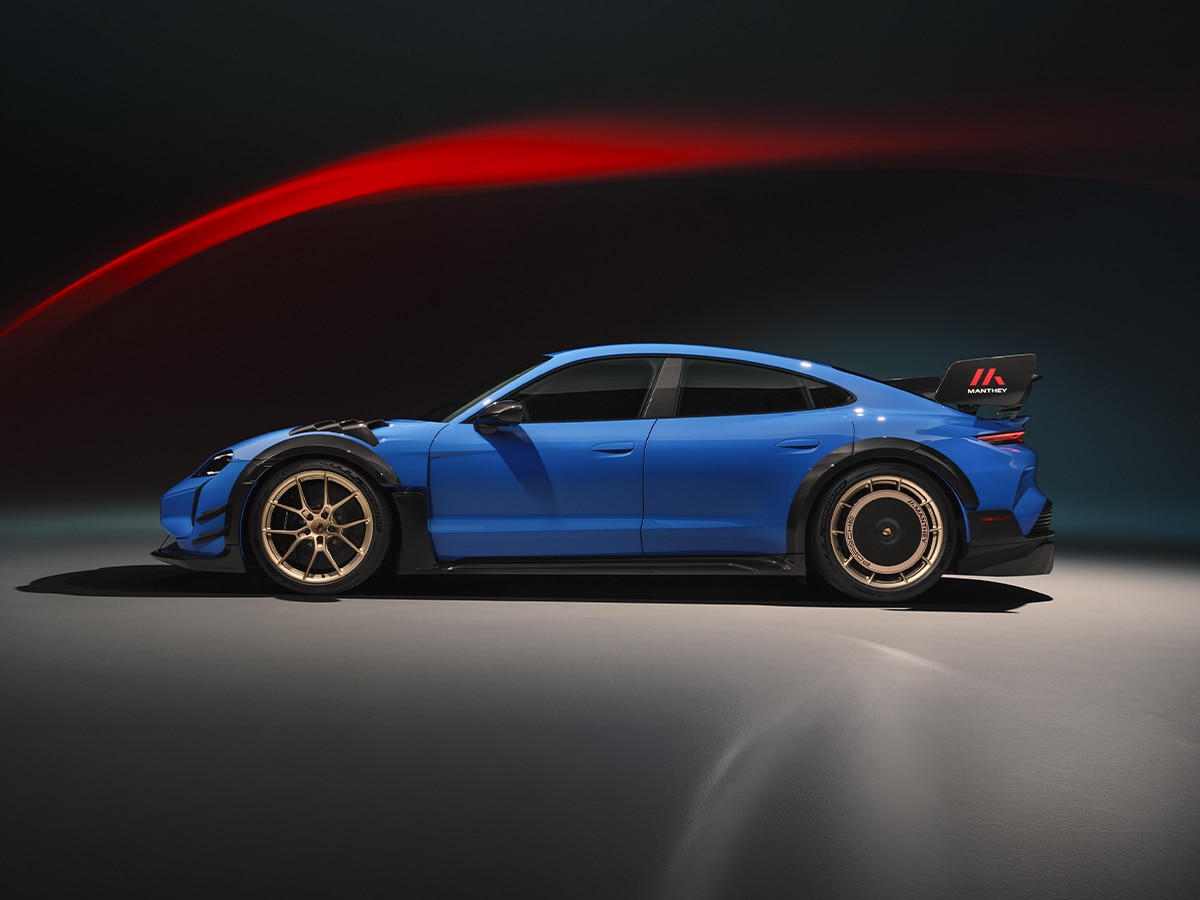
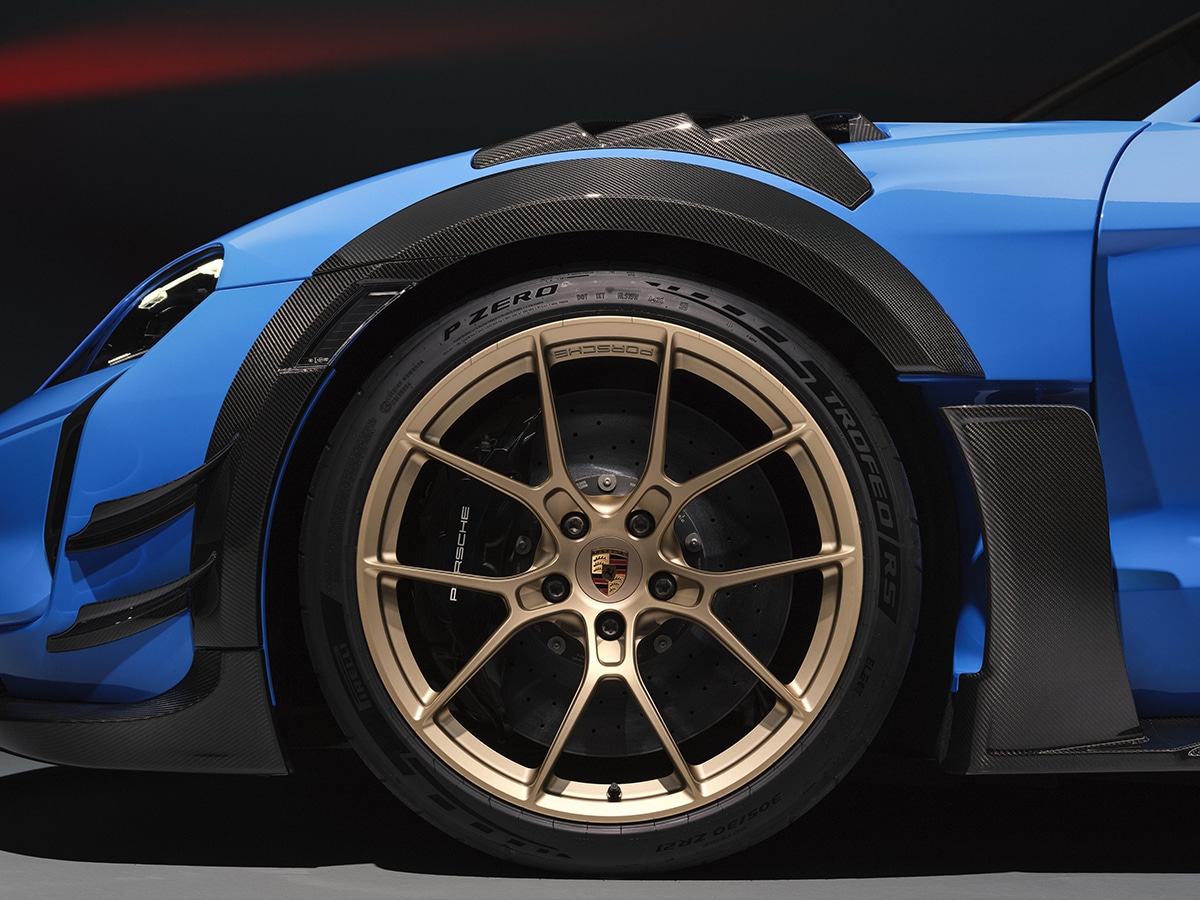
| Nürburgring Time | 6:55.553 (Turbo GT w/ Manthey Kit) |
| Starting Price | USD$111,900 |
What’s New for the 2027 Taycan?
These are some of the most important new updates for the latest Porsche Taycan. However, it’s important to note that these changes have been announced for overseas markets. Nothing has been confirmed for our local market yet here in Australia, but tradition shows that they won’t fall too far off these updates below:
- Optional E-Shift system featuring virtual gear changes and simulated gear-specific drag torque.
- Larger 105 kWh Performance Battery Plus comes as standard equipment on Taycan, 4, and 4S.
- North American Charging Standard (NACS) DC fast charging port sits on the passenger side.
- Updated Porsche Digital Interaction infotainment system offers five times higher computing power.
- Refreshed Paint to Sample catalogue with 16 new colours, bringing the total choice to 153 shades.
Can Virtual Gears Replicate Mechanical Engagement?
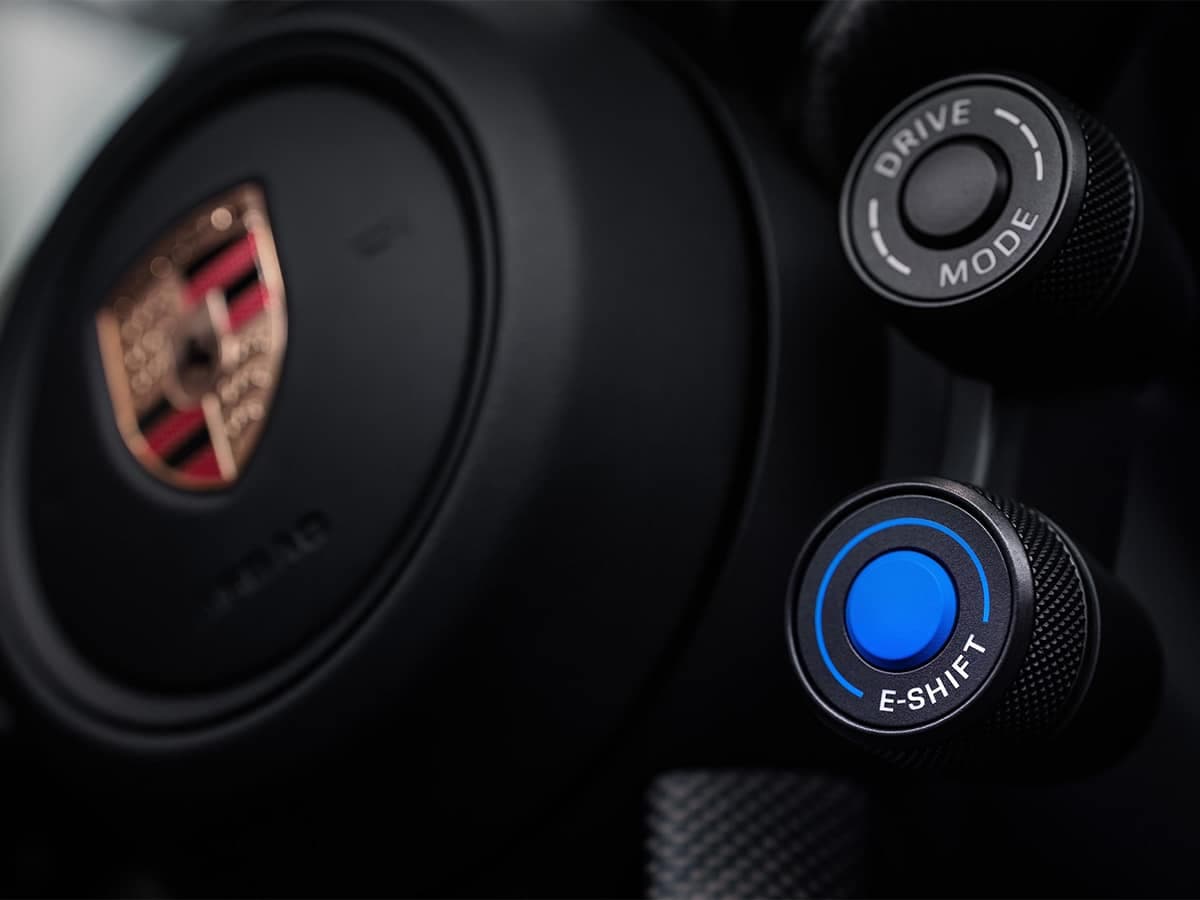
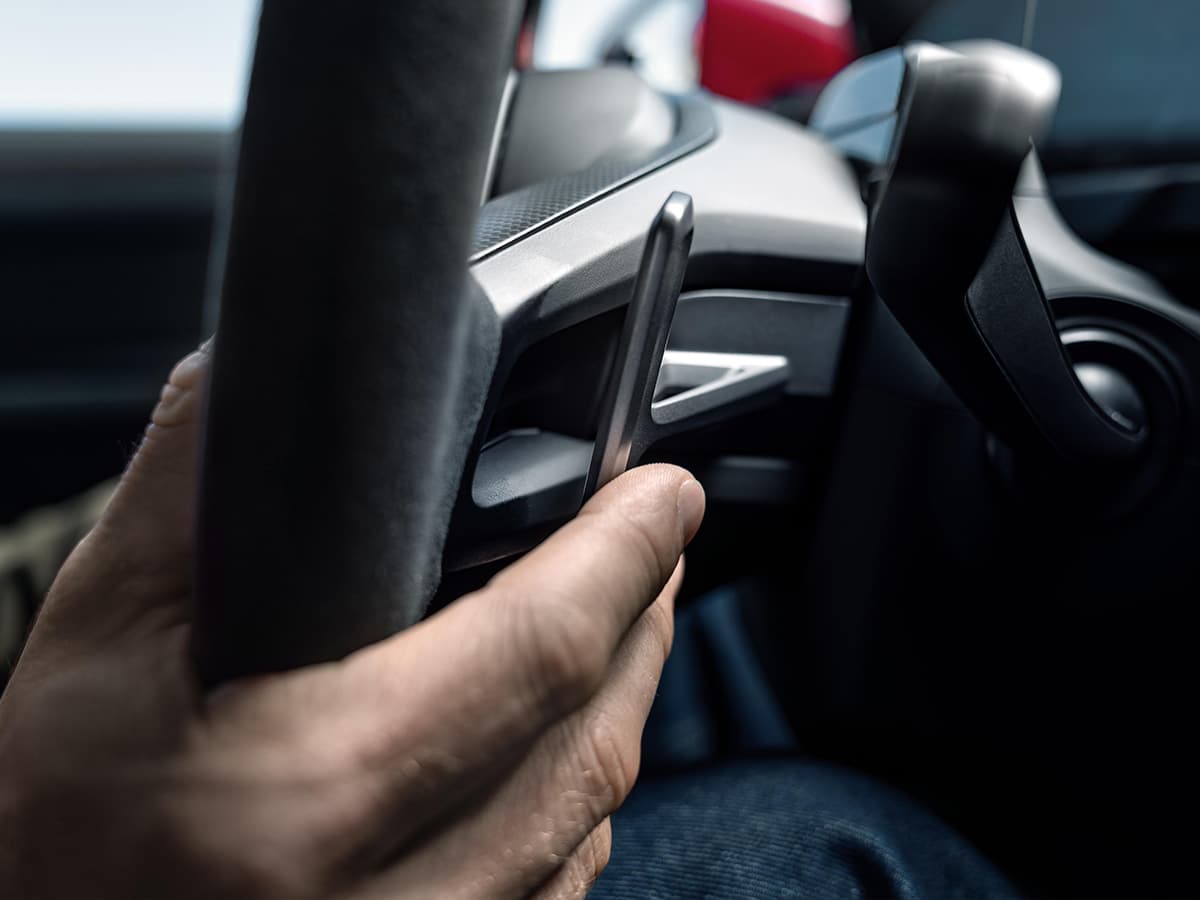
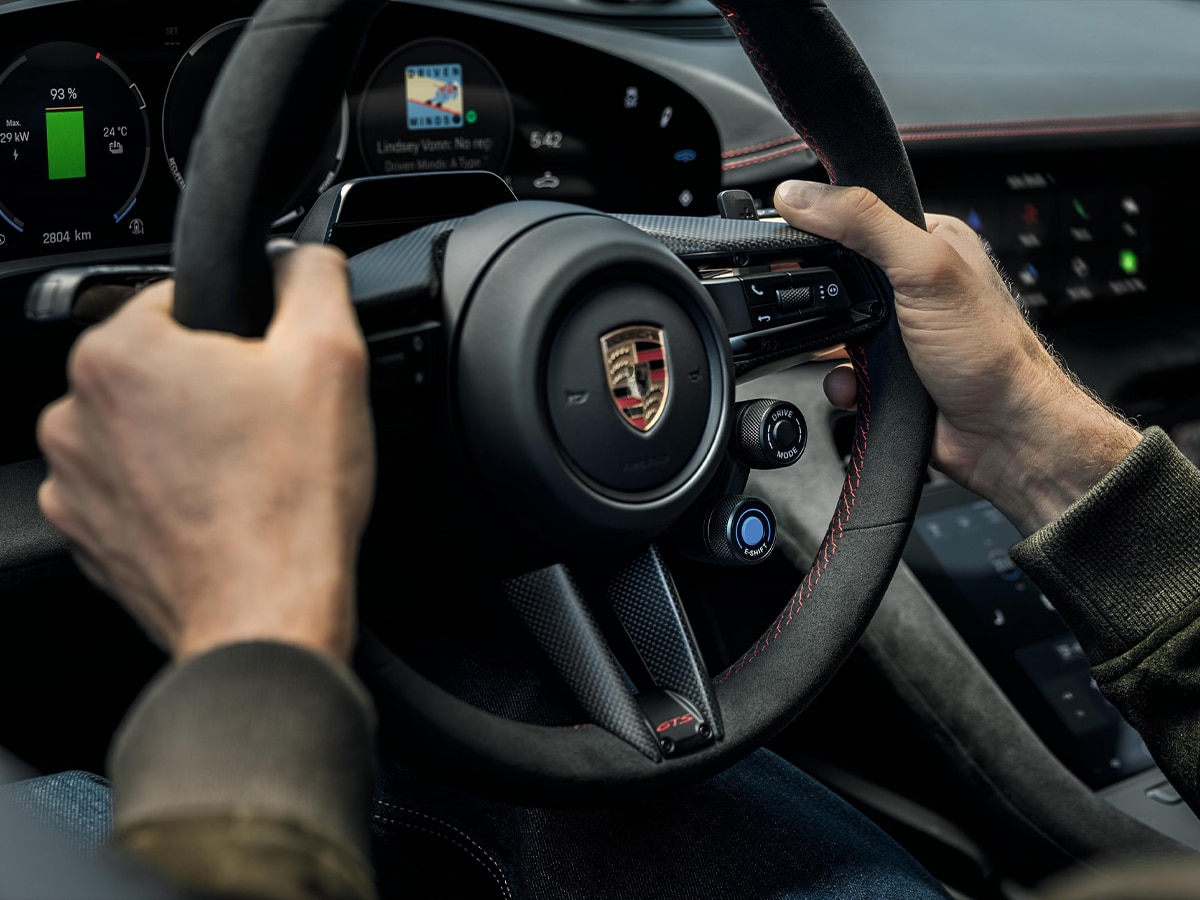
The standout feature of the new model year is the E-Shift system, controlled via paddles on the GT Sport steering wheel.
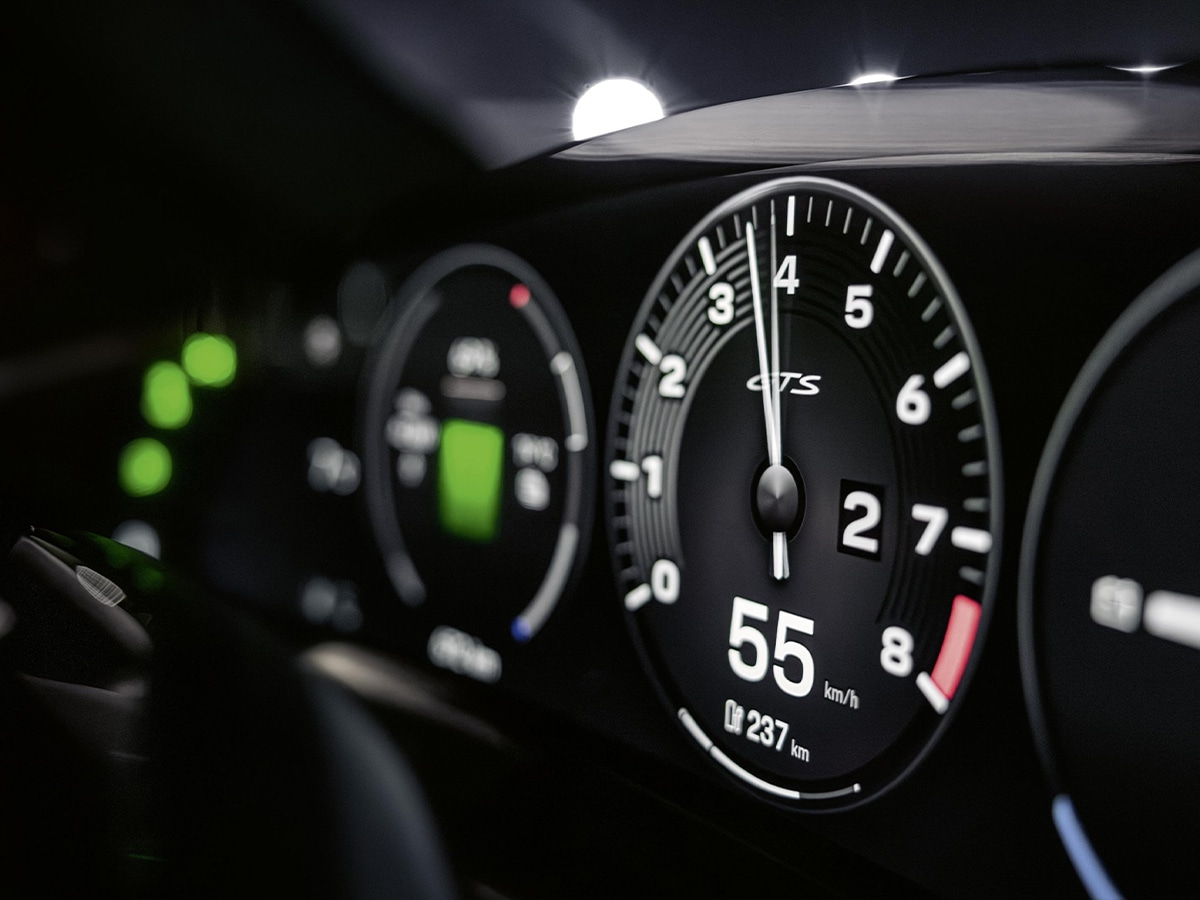
When switched to manual mode, the software simulates eight distinct gears with noticeable shift motions and an authentic rev limiter. The setup includes gear-specific drag torque that closely mimics the engine braking behaviour of a traditional combustion-engined car. Porsche tied this physical feedback to an updated Electric Sport Sound soundtrack. The vehicle adjusts both interior and exterior audio based on real-time wheel speed and motor load. Finally, a virtual rev counter and a gear indicator with a shift light complete the visual package inside the digital instrument cluster.
The E-Shift technology comes standard on the flagship Taycan Turbo GT and remains an option across the rest of the powertrain lineup.
Greater Range and Cabin Tech
Beyond simulated mechanics, the brand also updated the vehicle’s underlying electrical architecture. The entry-level Taycan, Taycan 4, and Taycan 4S now utilise the 105 kWh Performance Battery Plus without requiring an extra option tick.
This larger pack supports a maximum charge rating of 320 kW when connected to compatible 800-volt DC fast-charging stations.
To streamline the public charging process, most variants now feature a NACS DC fast charging port on the passenger side. The driver’s side retains a J1772 AC port for home charging convenience. It’s important to note that the track-focused Taycan Turbo GT, equipped with the Weissach Package, is the only model that skips this new NACS layout, and it’s unlikely we’ll find a NACS port in Australia anytime soon.
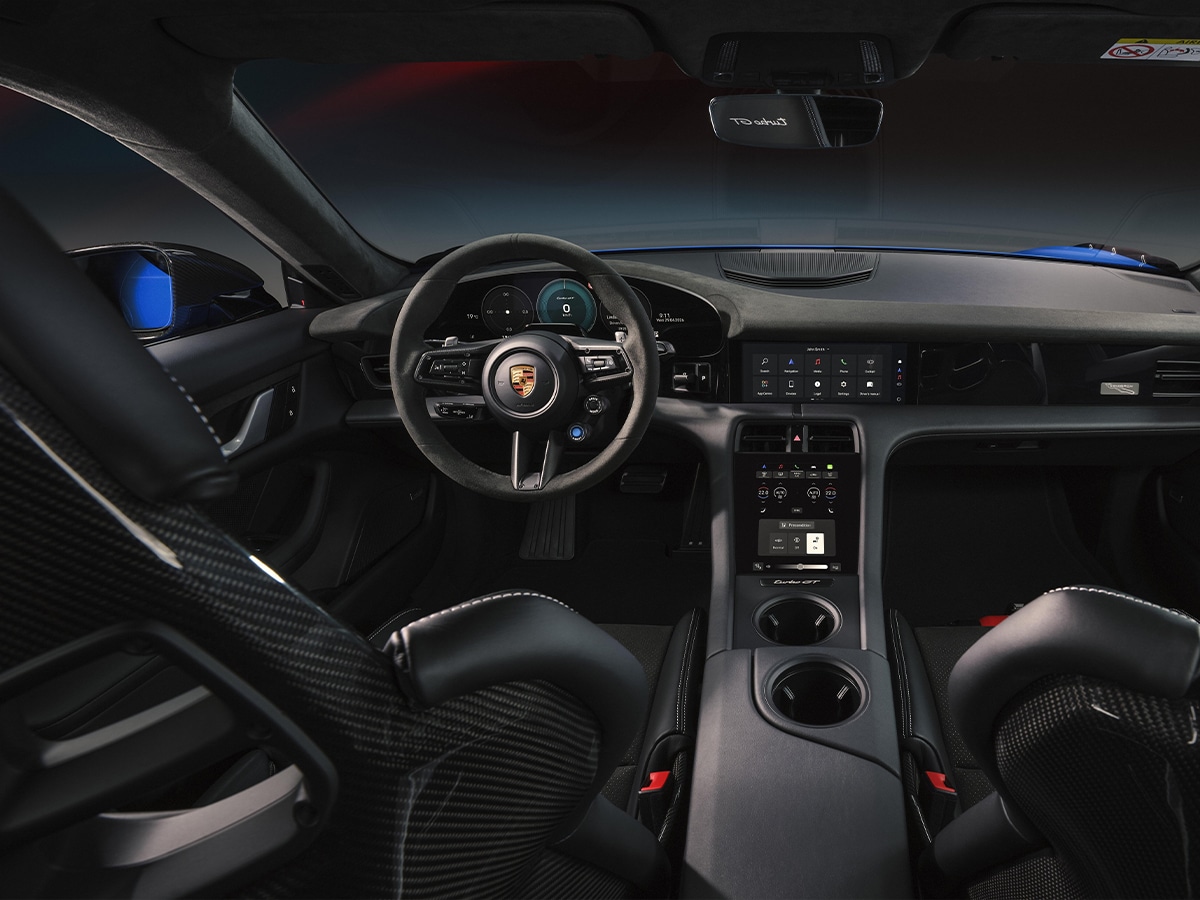
Finally, there are small changes inside the cabin, including a revised smartphone tray that provides up to 25 watts of wireless charging power via a magnetic ring mount. Other infotainment software updates include an AI-supported Voice Pilot system, expanded integration with Apple CarPlay and Android Auto, precise online route calculation, 3D building displays, and an optimised Charging Planner.
Price and Availability
Porsche set the starting price for the 2027 Taycan range at USD$111,900 for the rear-wheel-drive model, excluding a USD$2,350 delivery and handling fee. Order books are currently open, with global deliveries expected to commence in the Fall of 2026.
Specific Australian delivery dates, local warranty structures, and drive-away pricing have not yet been confirmed by the manufacturer.
The automotive industry continues to balance the strict demands of emissions regulations with the desires of driving purists. Simulating gears in an electric car highlights a distinct anxiety within performance manufacturing. The future is still electric, but the emotional anchor of the internal combustion engine remains remarkably difficult to let go of.


















Comments
We love hearing from you. or to leave a comment.