

Updated:
Readtime: 5 min
Every product is carefully selected by our editors and experts. If you buy from a link, we may earn a commission. Learn more. For more information on how we test products, click here.
Key Takeaways
- Card payment fees on Visa, Mastercard, eftpos, and American Express end on 1 October 2026.
- Interchange fee caps drop significantly (consumer credit card caps fall from 0.8% to 0.3%) to lower payment processing costs for businesses.
- Businesses can no longer tack fees on at checkout; payment processing costs must be built directly into baseline display prices.
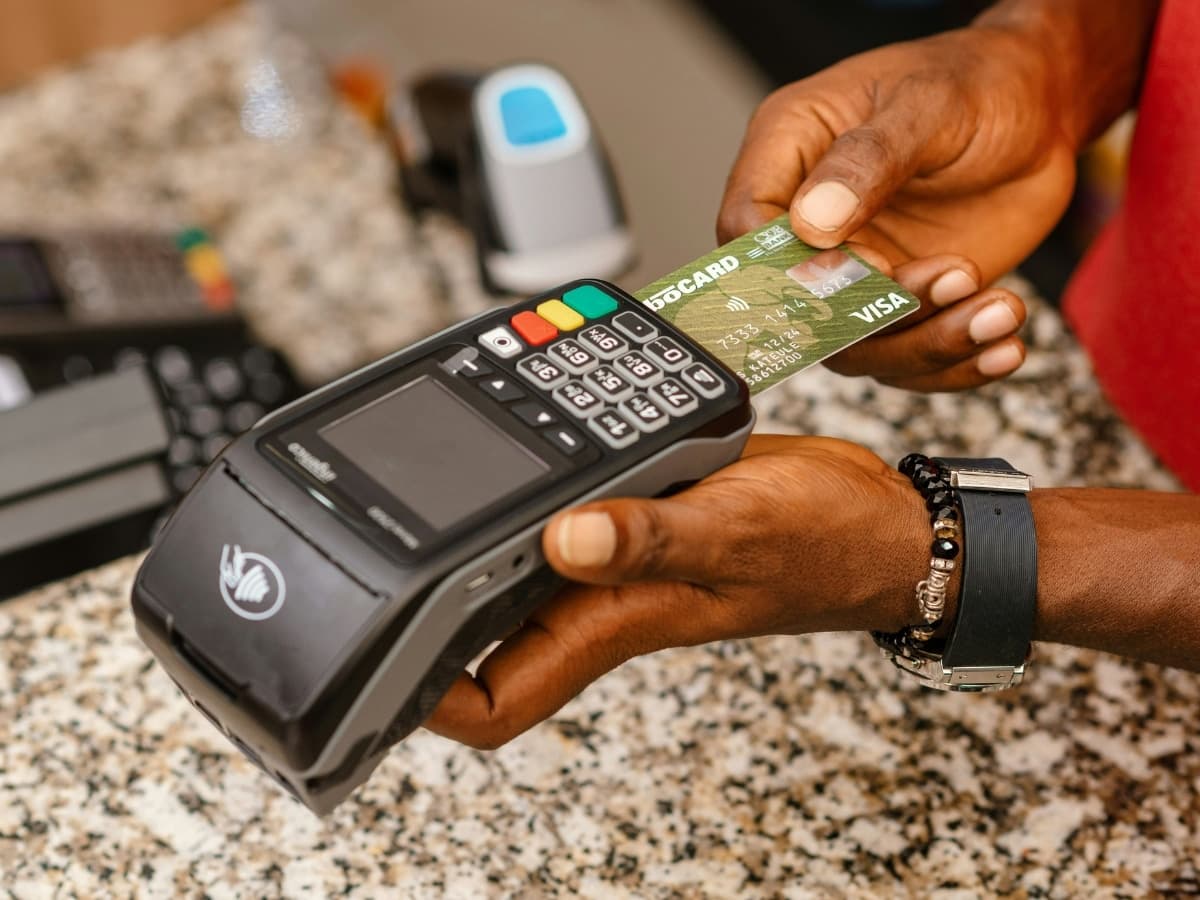
Good news: Those annoying card fees that tack a 1.5% fee onto your bill at checkout are on the way out as of this week. The Reserve Bank of Australia has moved to scrap card surcharges entirely, following a review that found the system no longer works as intended.
That means those extra fees on debit, credit and prepaid payments will disappear from October 1, 2026, saving Australians billions in surcharge fees each year. And it’s about time.
Surcharges were introduced more than two decades ago, when cash was still a real alternative and card payments cost more to process. So by charging extra for cards, people might choose cheaper options instead, like cash. But that’s not how Australians pay anymore. Cash has dropped off significantly, cards are now the default, and tapping has become second nature. Plenty of businesses still charge the same surcharge regardless. So, what used to shape how we pay is now just another fee on top.
RBA Card Surcharge Ban: What’s Changing on 1 October?
The RBA is reshaping how card payments work in Australia, with three key moves from the Payments System Board:
1. Card Surcharges Scrapped Across Visa, Mastercard & eftpos
No more extra fees for paying by card across eftpos, Visa and Mastercard. By updating this out-of-date system, the RBA aims to make payments simpler and more transparent, while also increasing competition among providers.
One big caveat: The change only applies to processing surcharges on card payments, not to other types of surcharges. You can still expect to pay more for your flat white on Sundays and public holidays.
2. Lower Merchant Costs Across the Board
Caps on interchange fees will be lowered, reducing the cost of accepting card payments. Smaller businesses are expected to benefit the most, particularly when accepting both domestic and overseas cards.
3. End to Hidden Payment Fees
Clearer fee structures should make it easier for businesses to compare options and avoid getting locked into expensive deals. Yes, even the businesses charging those surcharges had extra fees to pay.
That said, don’t expect everything to suddenly get cheaper. For most businesses, even with hundreds of millions in surcharge savings across the system, those costs don’t disappear. They’ll likely be built into prices instead.
It might not feel like a win at first, but at least you’ll know what you’re paying upfront. No extra fee tacked on at the end. Just the final price. Kinda like what the EU and the UK have had since 2018.
Most of these changes will take effect from this Thursday, October 1, 2026, including the removal of surcharges. More complex updates, like caps on foreign card fees, will follow on 1 April 2027. But that’s not all.
The RBA is already lining up the next phase, with plans to launch a public consultation in mid-2026 looking at parts of the payments system that weren’t covered in this review. That includes mobile wallets, three-party card networks, buy-now, pay-later services, and e-commerce platforms.
In other words, there’s still plenty to clean up around how Australians pay. And while the RBA might be playing catch-up, they’re heading in the right direction.
Card Surcharges FAQs
Yes. While the RBA’s formal regulatory power applies directly to eftpos, Visa, and Mastercard, American Express (along with UnionPay, JCB, and PayPal) has independently aligned with the reform and will also end card surcharges from 1 October 2026.
Yes. The RBA ban strictly applies to payment-method surcharges (tapping or inserting your card). Hospitality venues can still apply weekend or public holiday service surcharges, as long as they comply with ACCC display pricing rules.
No. General service fees, delivery fees, and platform booking charges – such as those on event ticketing or flight bookings – are not payment method surcharges. They can still be charged separately provided they apply equally regardless of how you pay.
Some likely will. Because businesses still incur merchant transaction fees behind the scenes, many will absorb those costs into overall menu or retail display prices. However, lowered interchange fee caps mean the wholesale cost of processing payments for businesses will drop significantly.
Yes. While businesses can no longer add a penalty fee at checkout for card use, they are permitted to offer cash or direct bank transfer discounts to encourage lower-cost payment methods.




























Comments
We love hearing from you. or to leave a comment.