

Updated:
Readtime: 5 min
Every product is carefully selected by our editors and experts. If you buy from a link, we may earn a commission. Learn more. For more information on how we test products, click here.
- Younger Millennial and Gen Z women adopt beer faster than young men in the same age brackets.
- Carlton Dry 3.5% acts as the number one commercial growth vehicle for young female consumers.
- Baby Boomer women maintain their beer consumption at a steadier rate than Baby Boomer men.
- Male spending remains heavily concentrated inside high-volume domestic full-strength cartons.
- Asahi Super Dry captures the premium social-occasion market among both young men and women.
The Australian beer market has relied on a predictable, heavily male consumer base to clear its inventory for decades. However, new retail data from Endeavour Group’s State of the Hops report has revealed a major demographic realignment taking place beneath the surface of national sales figures. While total female participation in the beer category experienced a slow macro decline over the last five years (settling at just over 25 per cent of total consumers in 2025), the youngest generations of women are actively bucking this nationwide trend.
The behavioural divide between older and younger female drinkers is the standout trend for us in this report. While older female demographics are moving away from the category, Gen Z and Millennial women are adopting beer at a faster rate than their male peers. With the report examining national retail networks, beer has officially emerged as the second-fastest-growing liquor category year-on-year for both Younger and Older Millennial women, placing it ahead of hard seltzers, cider, and sweet pre-mixed spirits.
This sudden rise of young female buyers forces major operations to update their product development plans. Brands can no longer rely on hypermasculine marketing tropes or bitter, heavy-liquor profiles to maintain market share. Now, they must understand how male and female palates diverge. More specifically, which bottles are crossing the gender divide? This has become the primary recruitment challenge for the beverage industry.
Generational Differences for Female Drinkers
When we take a close look at the State of the Hops data, it demonstrates a stark generational contradiction. On a macro level, women appear to be slowly leaving the beer category, with their market share dropping to roughly 25 per cent in 2025. However, this drop is driven almost entirely by older demographics shifting their spending into adjacent liquor categories.
When you isolate the younger cohorts, the data flips, and the data shows Gen Z and Younger Millennial females are adopting beer faster than young males.
Interestingly, the older generation presents its own unique challenge. While Baby Boomer men are rapidly dropping their beer intake to shrink that belly, consumption among Baby Boomer women is declining at a much slower pace. This proves that female engagement with beer is highly age-segmented, requiring bottle shops to market distinct products to different age brackets rather than treating female shoppers as a single, uniform group.
Palate Divergence and Subcategory Preferences
When looking at where the two genders spend their money, differences emerge in flavour preferences. Male consumers maintain a much higher volume share inside classic, heavy subcategories, including traditional full-strength lager, bitter Australian craft beer, mid-strength cartons, and heavy international imports.
Here’s how certain beer styles appeal to different gender audiences:
- Full-Strength Lager: Heavily Male-Dominated
- Craft Beer: Heavily Male-Dominated
- Light Premix & Vodka: Heavily Female-Dominated
- Low-Carb & Mid-Strength: Gender Balanced Growth
When female consumers step away from the beer fridge, their spending migrates directly into white spirits, with vodka, sparkling wine, and light pre-mixed RTDs capturing the vast majority of their volume.
This explains why heavy, bitter beer styles struggle to recruit women. To successfully pull female shoppers back from the RTD section at Dan’s, beer brands have to offer clean, sessionable liquid profiles that mimic the refreshing, low-bloat qualities of a basic vodka-and-soda.
Brands Successfully Cracking the Gender Code
Only a select few brands are successfully navigating this gender divide by formulating modern, easy-drinking beers. The report identifies Carlton Dry 3.5% as the absolute number-one growth driver across the Gen Z, Younger Millennial, and Older Millennial cohorts combined. By perfectly combining the extreme popularity of the low-carb movement with a sessionable mid-strength ABV, Carlton Dry 3.5% has created a completely gender-neutral product.
| Brand | Target Growth Demographic | Winning Liquid Attribute |
| Carlton Dry 3.5% | Gen Z, Younger & Older Millennials | Bridges low-carb crispness with a functional mid-strength ABV |
| Asahi Super Dry | Gen Z & Younger Millennials | Premium dry aesthetic tailored for group social settings |
| Stone & Wood Pacific Ale | Older Millennials | Highly accessible, tropical fruit-forward craft entry point |
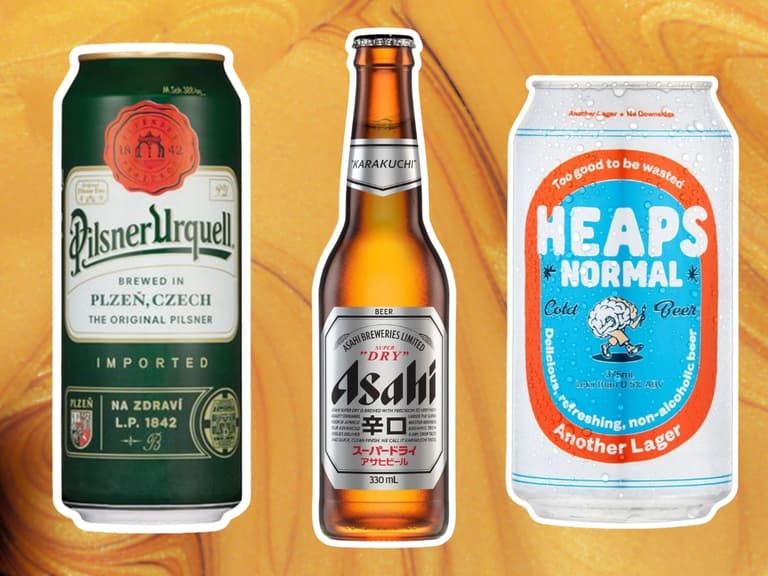
Sitting right behind Carlton Dry 3.5% in the female recruitment race is Asahi Super Dry. As the second-largest growth contributor among Gen Z and Younger Millennials, Asahi meets demand for a clean, premium option that looks stylish in group social settings. Finally, rounding out the generational favourites are Victoria Bitter for Gen Z, Hahn Super Dry for Younger Millennials, and Stone & Wood for Older Millennials.
Each of these labels is using established market trust to introduce lighter, highly sessionable variants that appeal equally to men and women.
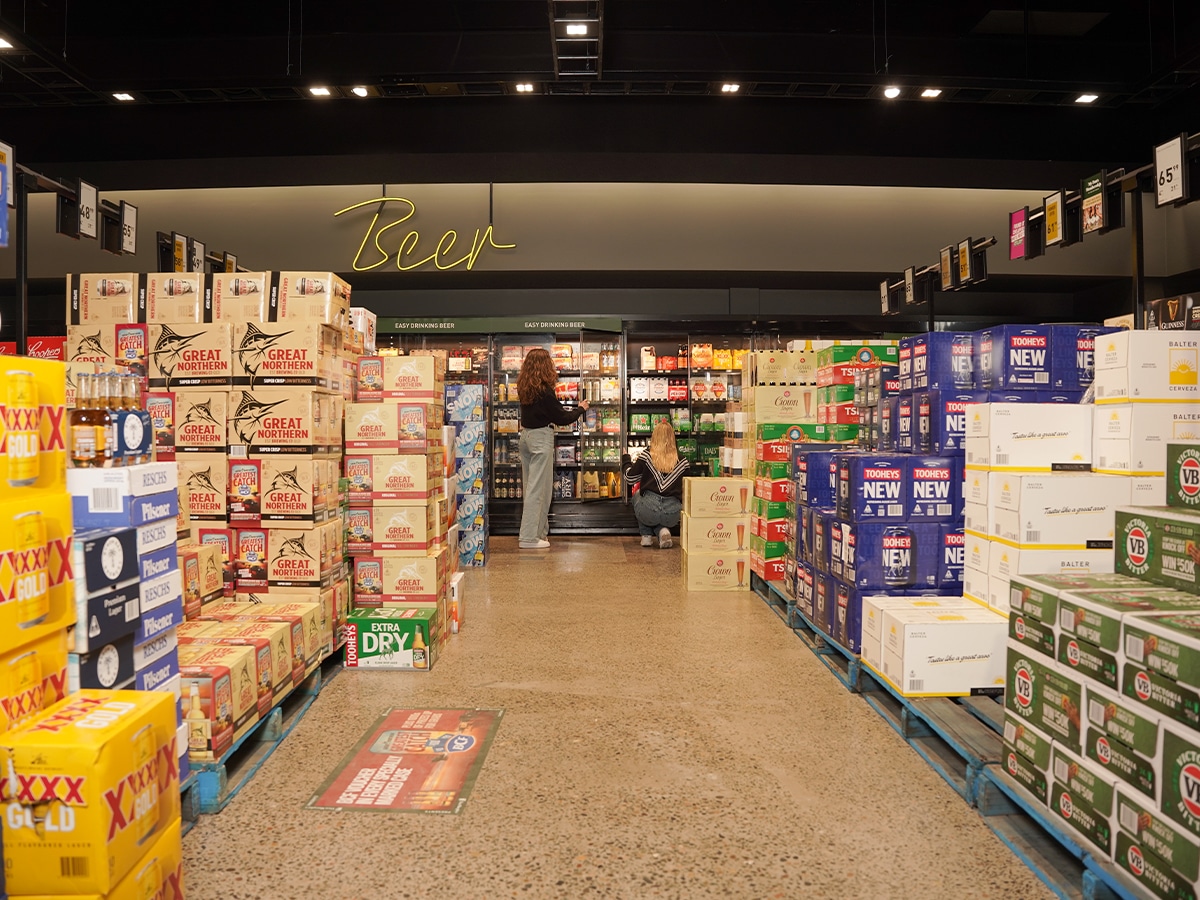
Commercial Realities of the Modern Beverage Market
The report demonstrates that the Australian liquor market’s top-heavy reliance on male full-strength slab buyers is a fading business model.
With total domestic alcohol consumption tightening, the brands securing long-term financial stability are those successfully formulating crisp, easy-drinking beers that appeal directly to the incoming wave of younger, more health-conscious female shoppers. Rather than trying to force traditional, bitter profiles onto a changing retail audience, the smart commercial money is backing mid-strength, low-carb options that match the mindful, social drinking habits of modern Australian women.
























Comments
We love hearing from you. or to leave a comment.