


Updated:
Readtime: 6 min
Every product is carefully selected by our editors and experts. If you buy from a link, we may earn a commission. Learn more. For more information on how we test products, click here.
- Japan officially overtakes Mexico as Australia’s top source of international beer sales.
- Premium international imports heavily concentrate in affluent metropolitan postcodes.
- High-socioeconomic demographics drive consumption of premium global liquid profiles.
- Local independent breweries actively counter-brew popular international beer styles.
- Cultural and demographic shifts strongly influence regional volume choices across states.
If you’ve spent even a short period of time at your local bar, you would have noticed the taps slowly shift towards Japanese beers. The premium import market is undergoing intense structural change as international brewing trends reshape our purchasing habits, and these details have now been shared in Endeavour Group’s State of Hops Report.
Tracking retail volume data reveals that the generic Australian beer shopper no longer exists, replaced instead by localised consumer segments. While the wider beverage landscape experiences volume adjustments during the current moving annual total period, international brands are capturing a higher share of wallet among consumers looking to trade up. The retail sector is currently undergoing a massive transition in country-of-origin dominance, challenging long-standing market assumptions.
Transaction data from major national networks reveal that premium international options consistently outperform standard domestic value macros in urban hubs. Japan has officially dethroned Mexico as the primary driver of international beer value across the nation, with a remarkable surge in East Asian brewing styles appealing to premium-tier retail shoppers. While traditional volume houses like Great Northern or Carlton Draught still command mass domestic volume, this shifting commercial trajectory highlights consumers’ alignment with clean, crisp flavour profiles, and has triggered a chain reaction of product innovation across both foreign conglomerates and local independent producers. Look how many taps in Sydney are pouring Four Pines’ Japanese Lager, and you get the idea.
With these shifting volume trends, independent breweries are moving quickly to counter them by introducing domestic interpretations of global styles, satisfying consumers’ appetite for international identities while keeping logistics and production localised. The following index examines the changing dynamics of the premium import market across all major territories.
International Beer Preferences Across States
While we don’t have raw data figures to work with here, Dan Murphy’s and BWS have created a highly localised retail map across the country, sharing which states consume which countries’ beers the most.
Performance Index Key
- Significantly Above Average: Greatly outperforms national category benchmark.
- Above Average: Outperforms national category benchmark.
- No Significant Difference: Performs directly in line with the national market baseline.
- Below Average: Underperforms national category benchmark.
- Significantly Below Average: Greatly underperforms national category benchmark.
| Country of Origin | NSW | NT | QLD | SA | TAS | VIC | WA |
| Japan | Above Average | No Significant Diff | Above Average | Below Average | Below Average | Above Average | Below Average |
| Mexico | Below Average | Above Average | No Significant Diff | Above Average | Below Average | Below Average | Above Average |
| Netherlands | No Significant Diff | Significantly Above | Below Average | No Significant Diff | Below Average | Below Average | Above Average |
| United Kingdom | Below Average | Significantly Below | Below Average | Above Average | Above Average | No Significant Diff | Significantly Above |
| China | Significantly Above | Significantly Below | Below Average | No Significant Diff | No Significant Diff | Above Average | Significantly Below |
| New Zealand | Below Average | Significantly Below | Significantly Above | Below Average | Above Average | Below Average | Below Average |
How Geography Dictates State Import Preferences
The consumption of international beer across Australia directly reflects local demographic concentrations. While Japan holds the top position at the national aggregate level, its success is heavily concentrated in New South Wales, Queensland, and Victoria. Conversely, South Australia and Western Australia under-index in Japanese beer sales.
Mexico retains a powerful grip on the western and northern borders, recording major over-indexes across the Northern Territory, South Australia, and Western Australia.
This close alignment between neighbourhood populations and retail volume is best illustrated in Western Australia. Over one-third of Western Australian postcodes feature a high concentration of residents born in the United Kingdom. This demographic presence directly corresponds with the state’s massive over-index in British beer imports. These regional variations have forced national retailers to abandon generalised stock programs in favour of localised individual-store ranges.
Role of Affluence and Socioeconomic Tiering
Socioeconomic data shared in the report highlights that international beer performance is directly tied to neighbourhood affluence.
High socioeconomic postcodes, as classified by the SEIFA index, show a strong preference for both international and domestic craft subcategories. These affluent metropolitan regions regularly spend more per basket, opting for premium international choices over standard, lower-cost domestic lines.
| SEIFA Band | Retail Purchasing Pattern |
| High SEIFA Postcodes | Over-index in premium international, craft, and non-alcoholic options. |
| Medium SEIFA Postcodes | Consolidate tightly around core category volume attributes, such as mid-strength. |
| Low SEIFA Postcodes | Concentrated heavily in light, standard mid-strength, and high-volume flavoured beer. |
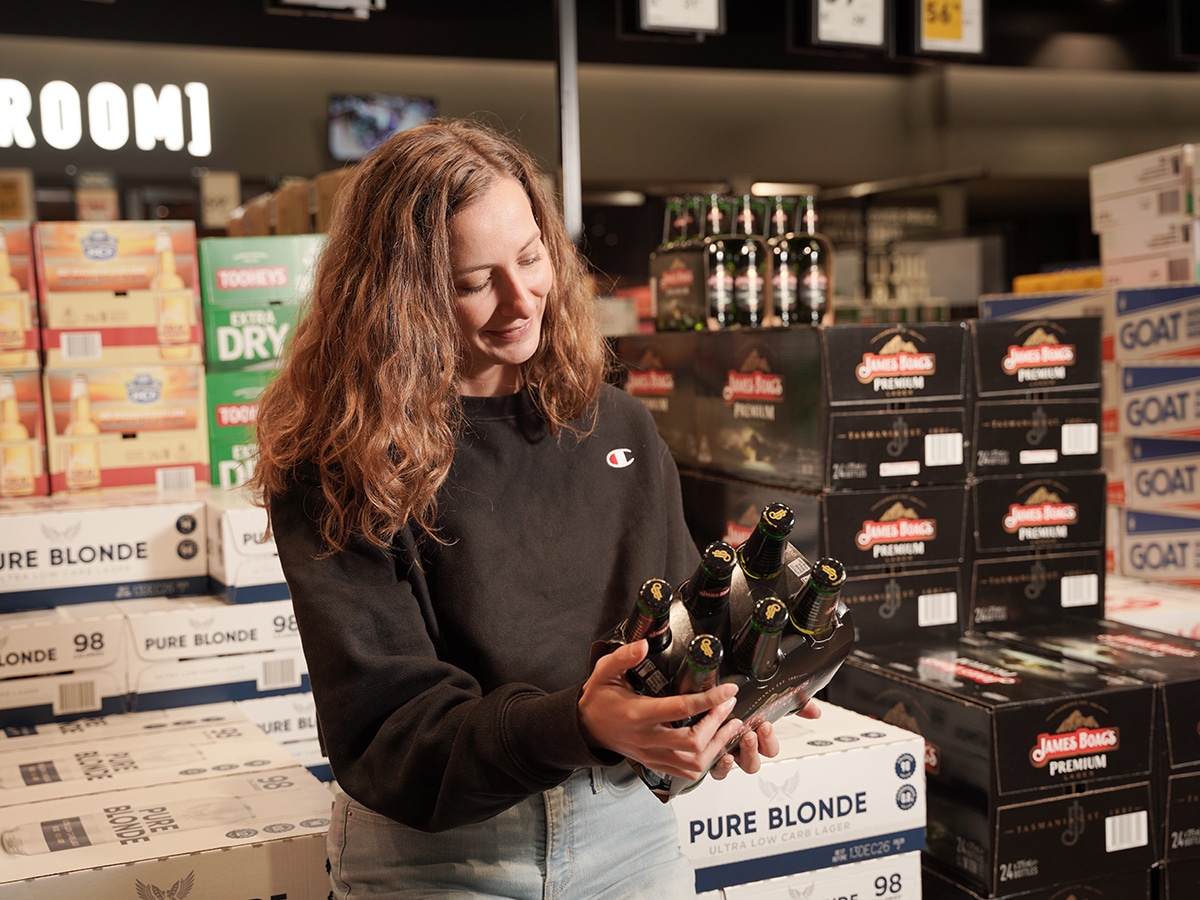
Format preferences follow a matching socioeconomic trajectory. Affluent consumers generally bypass bulk-buy value cartons, showing a clear preference for single bottles, premium single cans, and smaller four-packs or six-packs. In contrast, lower-socioeconomic postcodes remain heavily anchored to value-driven 30-pack cartons. This segmentation shows that premium international lines rely on specific high-income hubs to sustain volume metrics.
Local Independent Breweries Intercepting Import Value
The escalating consumer demand for global beer flavour profiles is driving immediate defensive action from local commercial manufacturers.
Local brands don’t want to simply concede high-margin shelf space to overseas multi-nationals, so Australian independent operations are counter-brewing to keep manufacturing revenue within domestic borders.
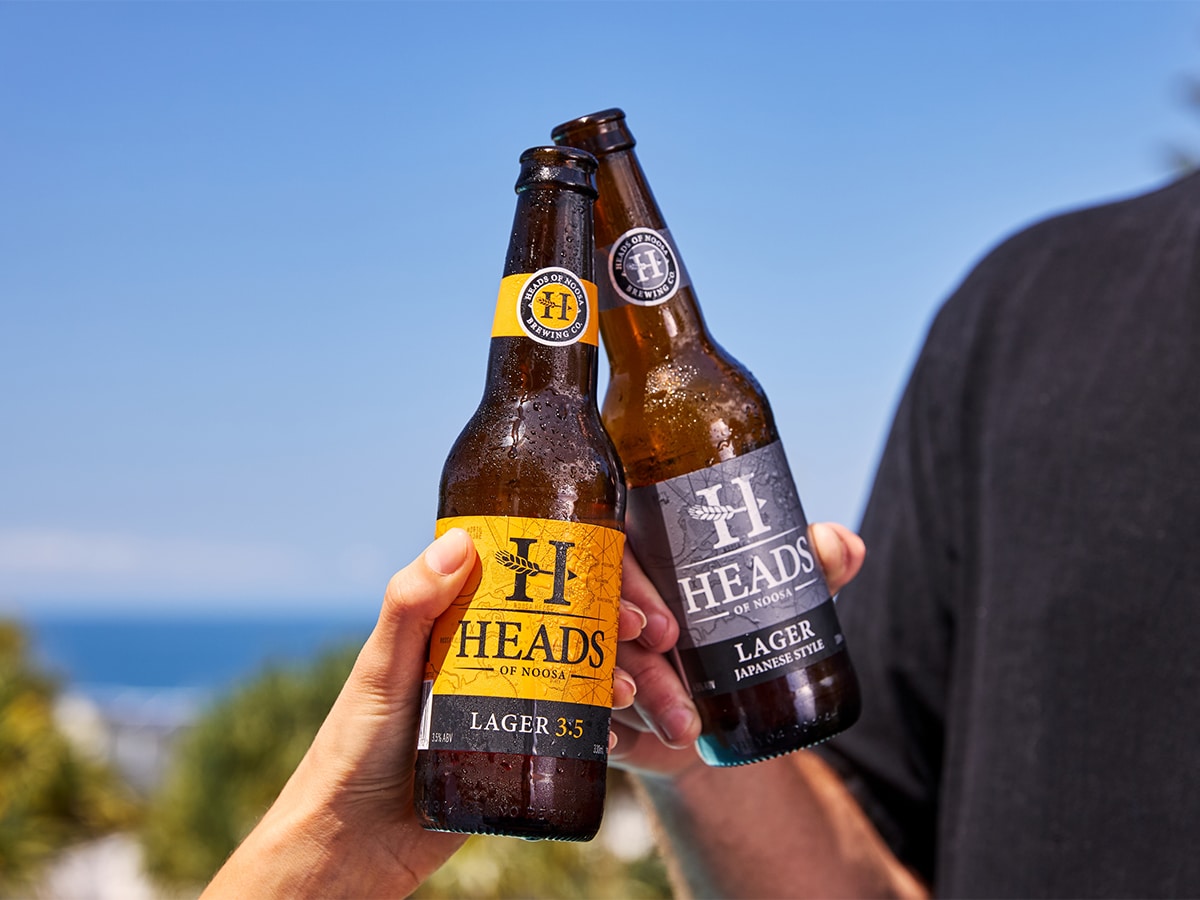
Local producers are currently releasing domestic iterations of everything from super-crisp Japanese rice lagers to clean, easy-drinking Mexican-style lagers.
This approach allows domestic entities to capitalise on the cultural cachet of global beverage trends while bypassing international shipping delays and variable supply costs. Mainstream category options like Balter Cerveza prove this strategy works, successfully redirecting import interest back into the local independent ecosystem. By matching the flavour profile of global premium imports while keeping production domestic, Australian suppliers are effectively protecting their local volume baseline.
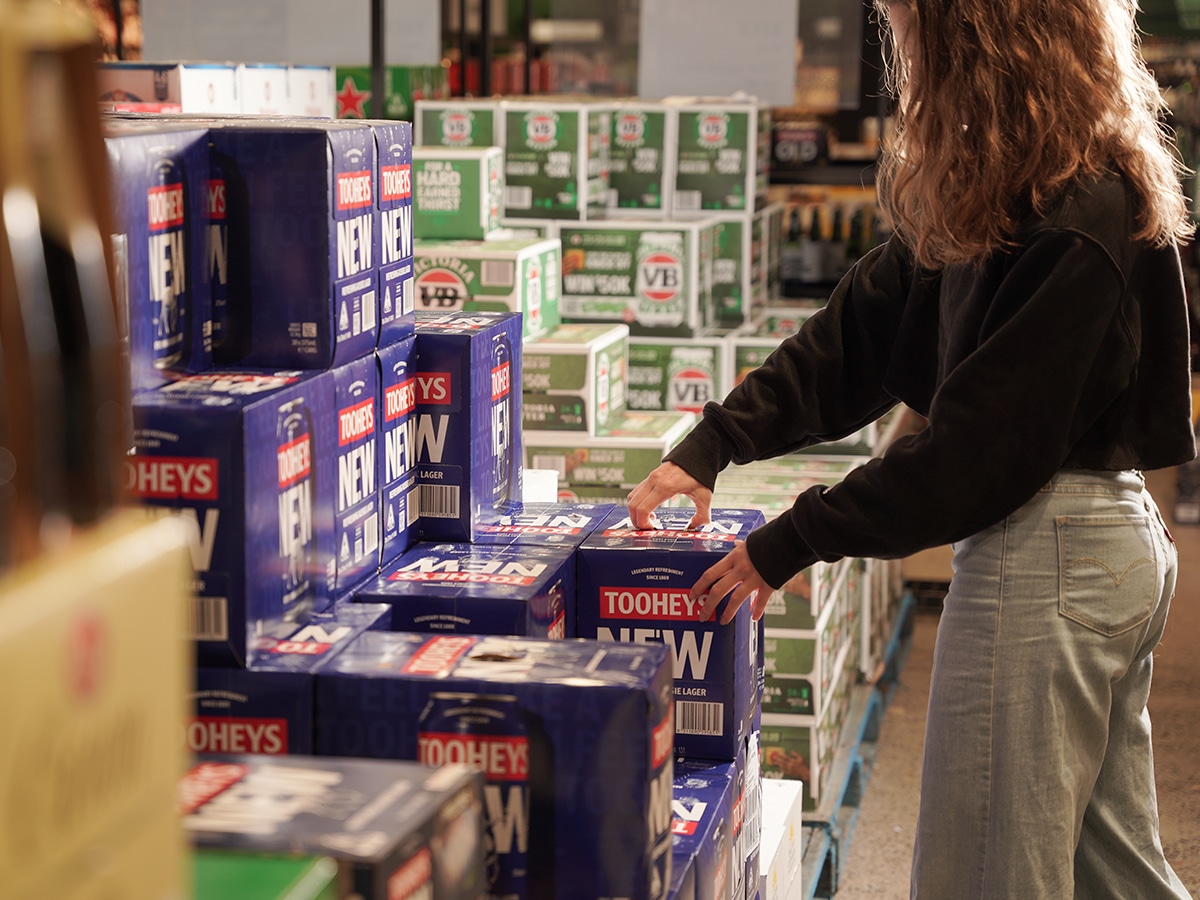
Commercial Value and Retail Premiumisation
Bespoke international lines operate entirely outside standard domestic pricing structures, commanding a significant shelf premium across Australian liquor networks.
While a standard carton of domestic lager sets the volume floor, premium Japanese and European imports incur higher costs for international shipping, import tariffs, and specific brand positioning. These high-margin items are intentionally distributed within high-income urban store layouts to align with local purchasing power.
Commercial beer products face brand loyalty challenges as geographic preferences and modern format choices continue to shift across the country. With East Asian beer profiles rising rapidly, the retail sector is witnessing a permanent consumer shift toward clean, premium choices. Local independent operations are making the right choice by betting that combining these highly desired global flavour profiles with the undeniable freshness of domestic production will be the primary commercial engine driving category growth.



























Comments
We love hearing from you. or to leave a comment.